
WELCOME TO SAN FRANCISCO
Luxury abounds in this exquisite, world-class metropolis
WHAT TO LOVE
- One of the world’s most iconic city skylines
- A rich, nuanced history and a hyper-progressive present
- An abundance of luxury shopping and globally renowned eateries
- Stellar residential and commercial architecture
Local Lifestyle
Residents of the nation’s second-priciest city savor their access to everything from opera and ballet to hip-hop concerts and museums of modern art. A large part of the city’s appeal is that there’s no single way to describe its inhabitants. Whether you are an aspiring poet, app designer, ceramicist, or CFO, San Francisco is legendary for making anyone and everyone feel at home.
Dining, Entertainment & Shopping
Things to do
SCHOOLS
- Lowell High School: One of the oldest and highest-performing public high schools in the U.S., famous for its rigorous academics.
- Presidio Knolls School: A premier independent school offering a unique Mandarin immersion curriculum.
- Dianne Feinstein Elementary School: A top-rated public school in the Parkside neighborhood known for its strong community involvement.
- St. Ignatius College Preparatory: A private Jesuit preparatory school with a long-standing reputation for academic and athletic excellence.
- San Francisco University High School: Frequently ranked as one of the top private high schools in California for college readiness.
District 1
1A Central Richmond
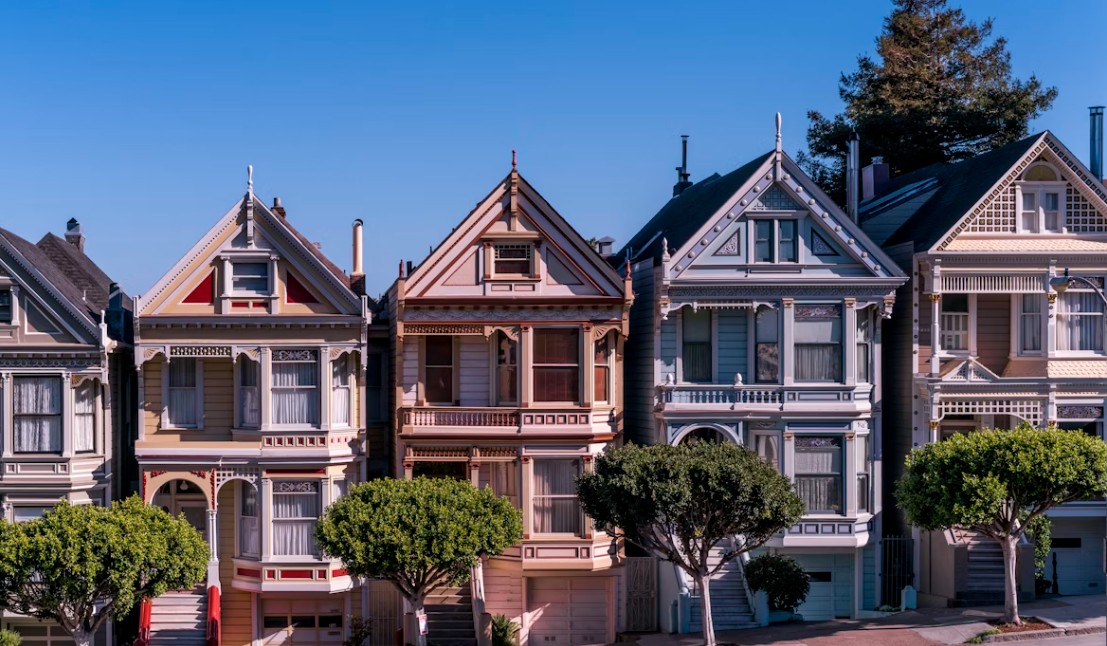
What Is Central Richmond?
Central Richmond is a vibrant San Francisco neighborhood located roughly between California Street and Fulton Street, and from 33rd Avenue to Park Presidio Boulevard. Known for combining peaceful residential streets with easy access to major parks, city amenities, and public transportation, it is a highly desirable location for families, professionals, and retirees alike.
Why People Love Living in Central Richmond
Proximity to Parks and Nature
Central Richmond sits near two of San Francisco's most iconic green spaces:
• Golden Gate Park - scenic trails, gardens, museums, and endless outdoor activities
• The Presidio - expansive natural areas and historic grounds within easy reach
• Pacific Ocean coastline - just a short drive away, offering beach access and ocean breezes
Diverse Food, Culture & Walkable Community
The neighborhood's culinary scene features a rich mix of dining and community life:
• Clement Street - international cuisines, cozy cafés, bakeries, and beloved local favorites
• Balboa Street - additional dining and neighborhood shops with a relaxed, everyday vibe
• A balance of quiet, family-friendly streets with a lively local culture
• Appealing to both young professionals and families
Real Estate & Housing Diversity
Housing options range from classic storybook homes to multi-unit buildings and condos, catering to different buyers:
• Detached houses: approximately $1.93 million (2024 estimate)
• Single family/attached units: approximately $1.68 million
• Many homes feature longer lots and backyard gardens, offering more space than typical San Francisco properties
• Architectural variety and strong neighborhood appeal make Central Richmond a stable real estate market
Lifestyle, Transportation & Community
Central Richmond is a walkable neighborhood with solid public transit options:
• Several Muni bus lines make commuting around San Francisco convenient
• Quiet residential streets with a strong sense of community
• Proximity to good schools and everyday amenities
• Ideal for a wide range of residents including families, professionals, and retirees
Final Thoughts
Central Richmond offers what many homebuyers seek: access to parks, a diverse community, a variety of housing options, and strong city connectivity. Whether you're a family, first-time buyer, investor, or looking for classic San Francisco charm, Central Richmond is a neighborhood worth exploring.
1B Inner Richmond
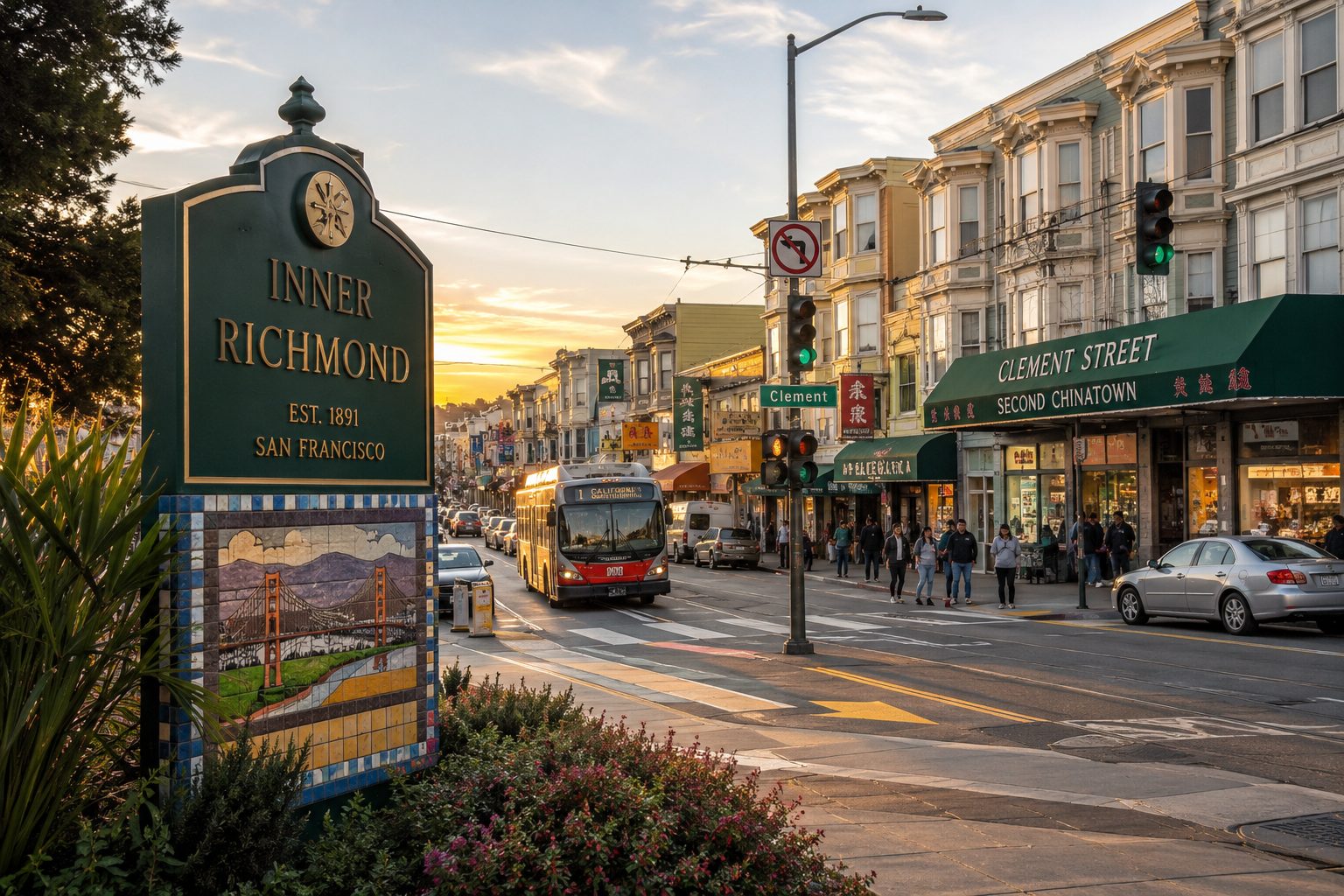
What Is Inner Richmond?
Inner Richmond is a vibrant and highly sought-after San Francisco neighborhood located between Presidio Avenue and Arguello Boulevard, and from California Street to Fulton Street. Known for its walkable streets, rich cultural diversity, incredible food scene, and close proximity to both Golden Gate Park and The Presidio, Inner Richmond offers a balanced urban lifestyle with strong neighborhood charm.
Why People Love Living in Inner Richmond
Proximity to Parks and Outdoor Living
One of Inner Richmond's biggest attractions is its immediate access to some of San Francisco's most iconic outdoor destinations:
• Golden Gate Park - museums, trails, lakes, gardens, and open green space
• The Presidio - scenic overlooks, hiking paths, golf courses, and waterfront access
• Mountain Lake Park and neighborhood playgrounds, ideal for families and outdoor recreation
• Easy access to Baker Beach, Lands End, and Ocean Beach for weekend coastal escapes
Diverse Dining, Culture & Walkable Streets
Inner Richmond is widely recognized for its exceptional international dining scene and vibrant neighborhood culture. Clement Street, often called San Francisco's "second Chinatown," is filled with beloved local businesses, specialty markets, cafés, bakeries, and restaurants:
• A rich mix of Chinese, Japanese, Korean, Burmese, Russian, and European cuisine
• Cozy coffee shops, local bookstores, and boutique shopping
• Walkable commercial corridors along Clement Street, Geary Boulevard, and Balboa Street
• A welcoming blend of longtime residents, young professionals, and families
Real Estate & Housing Diversity
Inner Richmond features a diverse housing market with classic San Francisco architecture and a range of ownership opportunities:
• Single-family homes typically ranging from the mid $1M range into the $3M+ range, depending on size, location, and condition
• Condominiums, TICs, and multi-unit buildings providing flexible ownership and investment opportunities
• Edwardian, Marina-style, and mid-century architecture with charming period details
• Homes often featuring hardwood floors, bay windows, spacious interiors, and backyard space
The neighborhood's strong demand, central location, and timeless appeal continue to support long-term real estate value.
Lifestyle, Transportation & Community
Inner Richmond combines residential comfort with city convenience. The neighborhood is highly walkable and offers excellent transit connectivity throughout San Francisco and beyond:
• Multiple Muni lines including the 38 Geary, 1 California, and 5 Fulton routes
• Convenient access to downtown San Francisco and surrounding neighborhoods
• Quick connectivity to the Golden Gate Bridge and Marin County
• Bike-friendly streets and pedestrian-oriented blocks
• A strong sense of community supported by local businesses, schools, and neighborhood events
Final Thoughts
Inner Richmond offers many of the qualities buyers seek in San Francisco living: beautiful architecture, outstanding dining, walkable streets, access to parks, and strong community character. Whether you're a first-time buyer, investor, growing family, or someone looking for classic San Francisco charm with urban convenience, Inner Richmond is a neighborhood well worth exploring.
1C Jordan Park / Laurel Heights
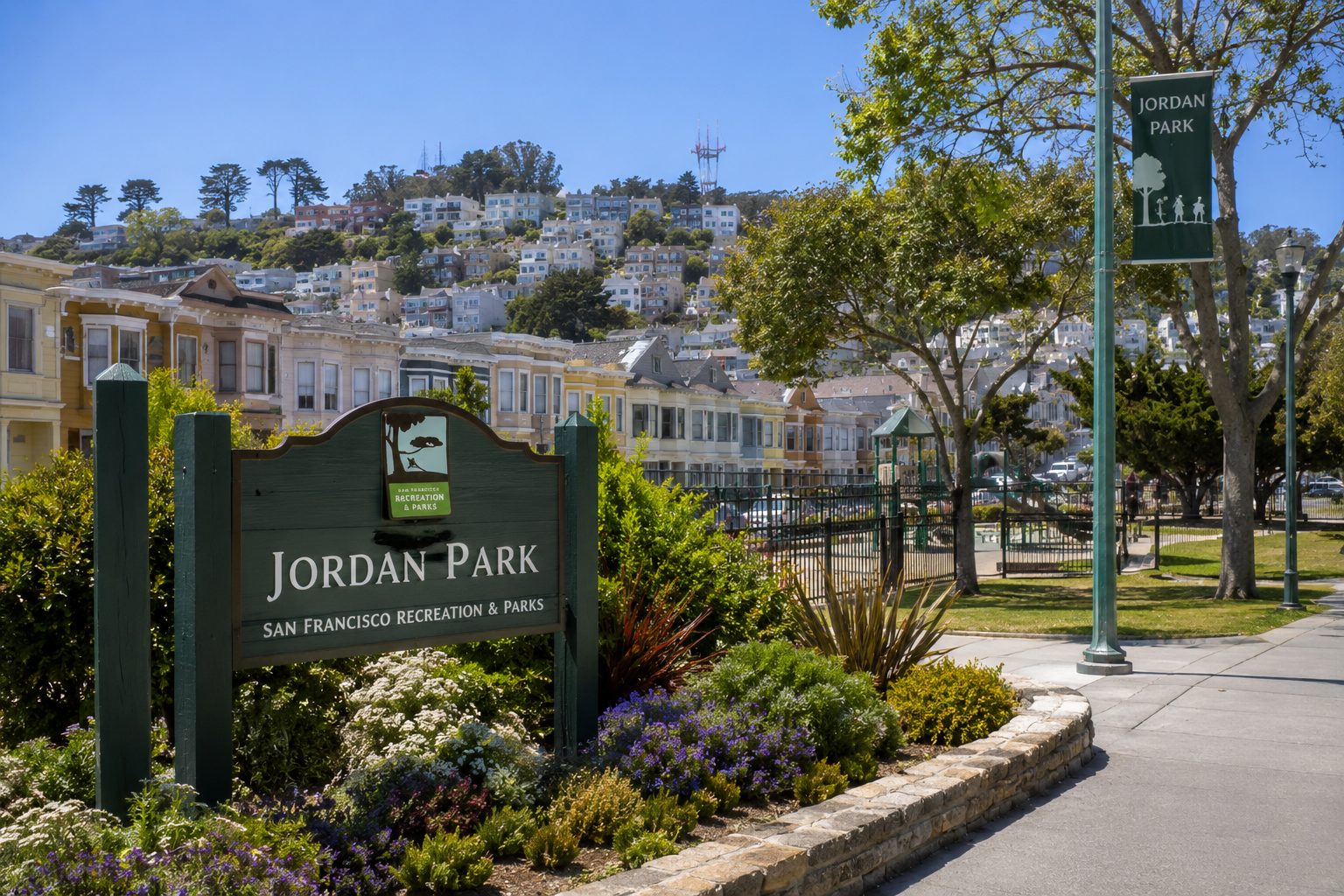
What Is Jordan Park?
Jordan Park (also often grouped with Laurel Heights) is a quiet, residential neighborhood in San Francisco, located close to the Presidio and nestled among tree-lined streets, historic homes, and easy-access amenities. It offers a "suburb-within-the-city" feel: homes are generally set on level terrain with broad streets and uniform front yards, part of a residence-park design dating back several decades.
Why People Love Living in Jordan Park
Quiet Residential Feel & Green Access
Jordan Park offers a relaxed atmosphere with a community vibe, a rarity in a busy city like San Francisco:
• A calm, neighborhood-centered environment with tree-lined streets and level terrain
• Close proximity to major green spaces and outdoor areas
• Easy access to parks and recreation while remaining within city limits
• A true "suburb-within-the-city" feel rarely found in San Francisco
Local Charm, Shopping & Dining Convenience
Residents enjoy local amenities without needing to go far:
• Boutiques, grocery stores, and cafés within comfortable reach
• Everyday conveniences that make day-to-day life comfortable and friendly
• A balanced lifestyle combining city proximity with community charm
• Tranquility and practicality side by side
Real Estate & Housing Diversity
Jordan Park/Laurel Heights features a diverse and historically desirable real estate market:
• Single-family homes, multi-unit buildings, and townhouses catering to different buyers
• Median sale price in the broader Jordan Park/Laurel Heights area approximately $2.3 million (as of late 2025)
• Well-maintained homes with elegant architecture and solid long-term value
• Steady demand means properties tend to hold their value well
• A viable market for buyers, families, and investors alike
Lifestyle, Transportation & Community
Jordan Park offers a calm, community-oriented atmosphere where families, professionals, and long-time residents co-exist in a stable, friendly environment:
• Local shops, grocery stores, and essential services within convenient reach
• Everyday needs well covered without the hustle of heavier city living
• Central San Francisco location with proximity to key corridors
• Manageable commuting and city access for those who want a quieter home base
Final Thoughts
Jordan Park is a rare gem in San Francisco, where calm, community, and convenience meet. Whether you're a family seeking a stable environment, a professional wanting balance, or an investor looking for long-term value, Jordan Park offers a mix of lifestyle benefits, housing diversity, and real estate stability that's hard to beat. If you want a quiet home base that's still well-connected to the city, Jordan Park is truly a neighborhood worth exploring.
1D Lake Street
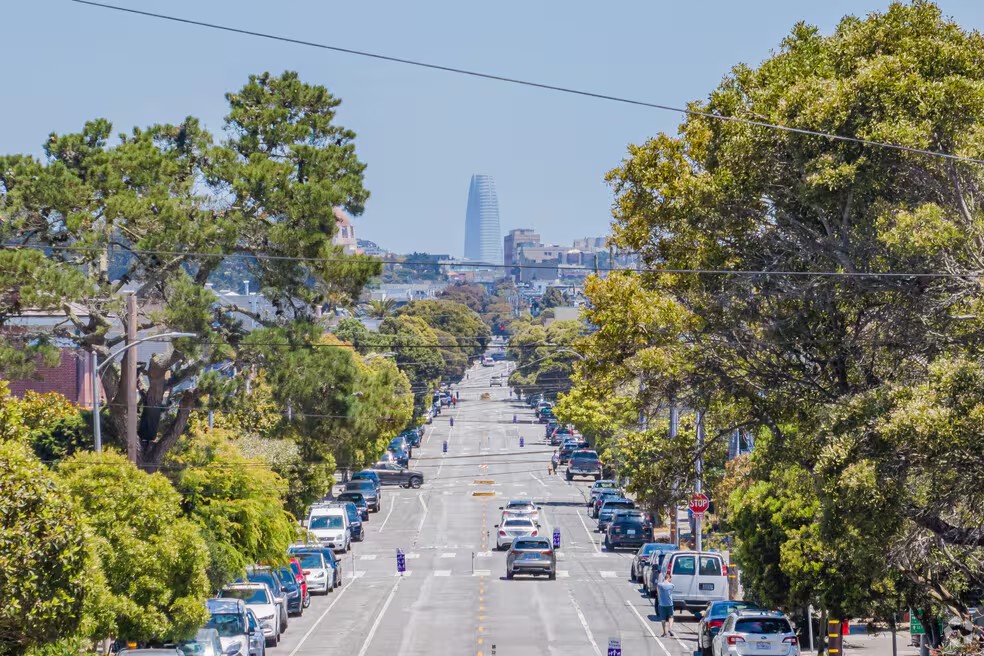
What Is Lake Street?
Lake Street is a quiet, leafy residential enclave in San Francisco's Richmond District, bordered roughly by the Presidio of San Francisco to the north and nestled near the Bay. Characterized by wide, tree-lined streets, a blend of classic and modern homes, and a relaxed, family-friendly atmosphere, Lake Street offers a peaceful alternative to the city's busy core while still giving residents easy access to parks, amenities, and city conveniences.
Why People Love Living in Lake Street
Nature, Parks & Proximity to the Presidio
Lake Street sits right next to the Presidio and other green areas, giving residents exceptional outdoor access:
• Wooded trails, coastal views, and open green spaces within easy reach
• Ideal for walking, biking, and everyday outdoor activities
• A rare combination of urban convenience and nature access
• One of San Francisco's most peaceful residential settings
Community Vibe, Cafés & Local Culture
The neighborhood is known for its laid-back atmosphere and strong community feel:
• Small local cafés, markets, and boutiques within walking distance
• Local favorites that give the area a distinct neighborhood identity
• A quiet residential setting balanced with accessible, community-style amenities
• Appeals to families, professionals, and anyone who values calm over city hustle
Real Estate & Housing Variety
Lake Street features a thoughtful mix of housing types catering to a range of buyers and renters:
• Classic Edwardian and Victorian homes with period charm and character
• Updated residences blending classic exteriors with modern interiors
• Modern-style condos and townhouses for those seeking lower-maintenance living
• Single-family homes trending at the higher end of the San Francisco market
• Condos and smaller units offering more accessible entry price points
This variety makes Lake Street appealing to long-term homeowners, smaller families, and those seeking easier-to-manage properties.
Lifestyle, Transportation & Community
Lake Street combines walkability, bike-friendly streets, and a community-oriented lifestyle:
• Reasonable access to major parts of San Francisco for an easy commute
• Peaceful streets and nearby nature as a daily counterbalance to city life
• A stable, community-focused environment attracting long-term residents
• Urban amenities and green spaces available without compromise
Final Thoughts
Lake Street offers an appealing balance between tranquility and city-living convenience. With lush tree-lined streets, easy access to nature, varied housing options, and a strong community vibe, it is a neighborhood worth considering whether you are a family seeking a calm home base, a professional wanting relaxed city access, or someone simply looking for the charm of a well-rounded San Francisco neighborhood. If you are interested in exploring real estate in Lake Street or want more details, I am here to help.
1E Outer Richmond
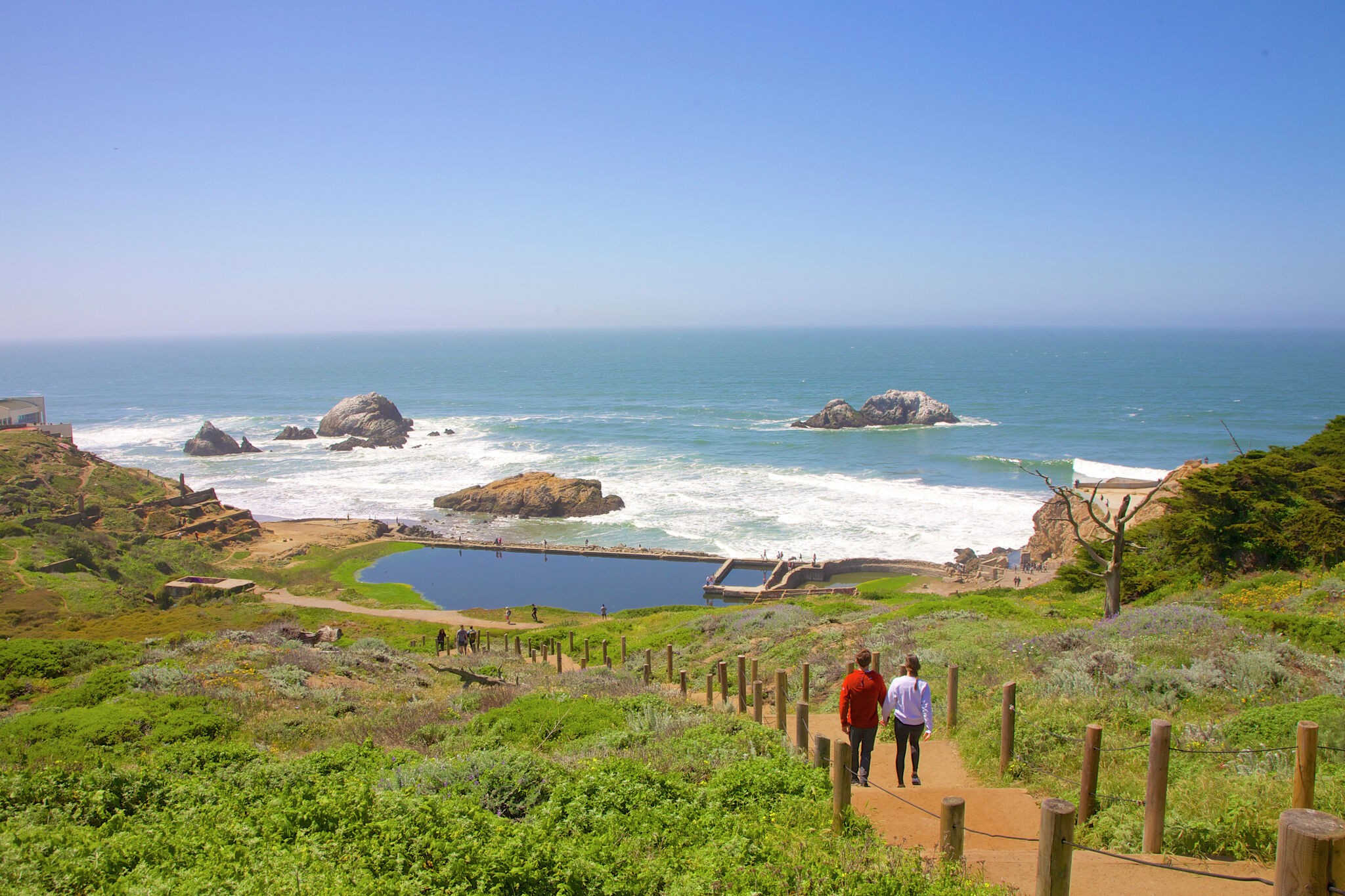
What Is Outer Richmond?
Outer Richmond is a quiet, coastal neighborhood located on the western edge of San Francisco, bordered by the Pacific Ocean, Lands End, and Golden Gate Park. Known for its foggy weather, peaceful residential streets, and close-knit community, Outer Richmond provides a calm and relaxing escape from the busier parts of the city. It offers a distinctly local feel, with parks, beaches, and scenic coastal views all within minutes, plus a mixture of longtime residents, families, and newcomers who love its laid-back energy.
Why People Love Living in Outer Richmond
Coastal Living, Ocean Views & Nature Access
Outer Richmond is prized for its easy access to some of San Francisco's most iconic natural spaces:
• Ocean Beach for surfing, sunset walks, and bonfires (in designated zones)
• Lands End Trail, offering breathtaking views of the Golden Gate Bridge and rugged cliffs
• Golden Gate Park, with attractions like the Bison Paddock, the Dutch Windmill, and the Beach Chalet
Nature lovers, runners, cyclists, and dog owners especially enjoy the neighborhood's outdoor lifestyle.
Local Culture, Restaurants & Community Feel
Outer Richmond offers a rich food scene and welcoming vibe. Key streets include:
• Balboa Street — home to cafés, bakeries, local restaurants, and neighborhood shops
• Geary Boulevard — where you'll find diverse cuisines such as Chinese, Burmese, Russian, Japanese, and classic American
Residents love the strong sense of community, casual atmosphere, and the fact that much of the neighborhood retains its small-town charm.
Real Estate & Housing Styles
Outer Richmond features a wide variety of home types, making it attractive to many different buyers and renters:
• Single-family homes with classic San Francisco architecture
• Marina-style homes • Updated residences with modern interiors
• Multi-unit buildings and condos, offering more accessible entry points
Market insights (general trends as of latest reports):
• Home prices are typically more affordable compared to central San Francisco, especially for single-family homes
• Outer Richmond attracts families looking for larger homes, as well as buyers who want proximity to nature
• Properties with ocean views or corner lots often command higher values
Lifestyle, Transportation & Community
Outer Richmond offers a quieter pace of life but still provides convenient access to the rest of San Francisco.
Transportation:
• Served by Muni lines 38/38R Geary, 5 Fulton, and 31 Balboa, connecting residents to downtown
• Easy access to Highway 1 (Great Highway) for north-south travel
• Walkable to parks, cafés, and groceries
The neighborhood appeals to those who want:
• A relaxed, community-centered environment
• Space, quiet streets, and outdoor access
• Coastal living with all the essentials still nearby
It's especially popular among families, long-time locals, remote workers, and anyone seeking balance between nature and city convenience.
Final Thoughts
Outer Richmond offers a rare mix: the peacefulness of coastal living paired with the convenience of an established San Francisco neighborhood. With its lush parks, ocean views, diverse dining options, and relaxed community culture, it's a standout choice for those seeking comfort, space, and scenic beauty. Whether you're exploring homes for the first time or looking to make a long-term investment, Outer Richmond is a place where nature, community, and city living all come together beautifully. If you'd like more information or want to explore properties in Outer Richmond, I'm here to help.
1F Sea Cliff
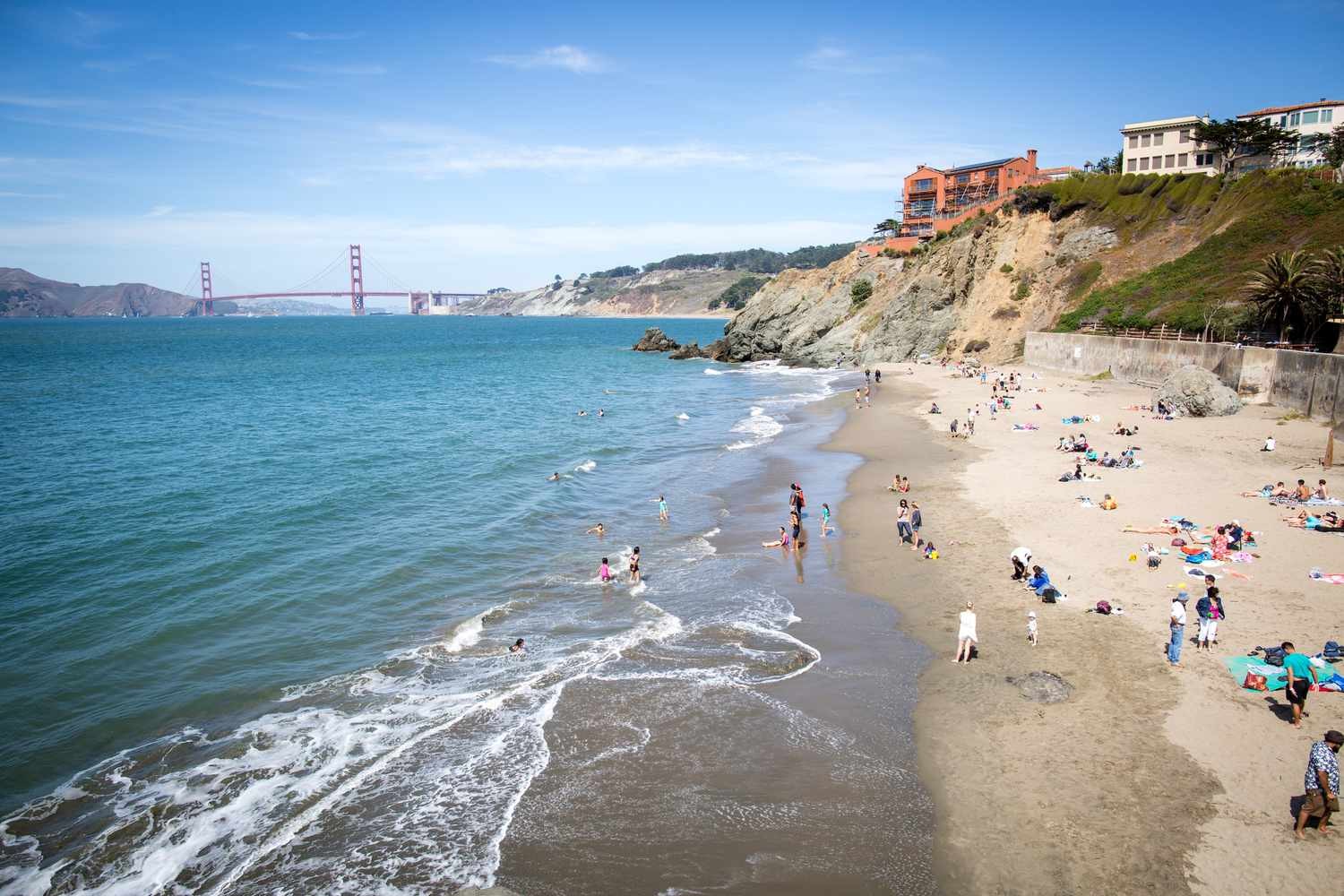
What Is Seacliff?
Seacliff (often written as Sea Cliff) is one of San Francisco's most prestigious and iconic neighborhoods, located along the northwestern edge of the city. Known for its dramatic coastal cliffs, oceanfront mansions, and direct views of the Golden Gate Bridge, Seacliff is one of only a few neighborhoods in San Francisco where homes sit directly above the Pacific Ocean. Established in the early 1900s by developer Stephen A. Born, the neighborhood was designed as an upscale residential enclave with large properties, landscaped streets, and sweeping coastal scenery. Today, Seacliff remains a highly exclusive neighborhood known for privacy, serenity, and some of the most desirable homes in California.
Why People Love Living in Seacliff
Unmatched Ocean Views, Coastal Beauty & Nature Access
Seacliff is one of the only neighborhoods in San Francisco where many homes offer:
• Direct ocean views
• Bridge-to-ocean panoramas
• Open sightlines to the Marin Headlands
The neighborhood is bordered by:
• Baker Beach, walkable from most streets
• Lands End Trail and Lookout
• China Beach, one of San Francisco's most secluded beaches
Residents enjoy daily access to trails, beaches, scenic overlooks, and unforgettable sunsets.
Luxury, Privacy & Prestigious Reputation
Seacliff is renowned for its exclusivity and architectural character:
• Large single-family homes and gated properties
• Architectural styles including Mediterranean, Spanish Revival, Tudor, and modern luxury estates
• A long history of attracting high-profile residents, business leaders, and well-known public figures
• True privacy within city limits, a rare combination in San Francisco
Quiet, Residential Streets & a Peaceful Environment
Despite its proximity to major natural attractions, Seacliff maintains a serene residential character:
• Low traffic and wide, clean streets
• Well-kept landscapes and a quiet atmosphere
• One of the few places in San Francisco where you truly feel separated from city life
Real Estate & Housing Styles
Seacliff's homes are among the most valuable in San Francisco.
Housing characteristics:
• Large, architect-designed luxury homes
• Many built between the 1910s and 1930s with beautiful historic detail
• Some modern rebuilds and remodeled estates
• Expansive lots, rare in San Francisco
• Properties facing the ocean or Golden Gate Bridge command premium values
Market insights:
• Seacliff consistently ranks among San Francisco's top three most expensive neighborhoods
• Homes often range from several million dollars to well over $20M for oceanfront estates
• Inventory is extremely limited as the neighborhood is small and properties rarely hit the market
• Buyers value exclusivity, quietness, and breathtaking scenery, making Seacliff a long-term prestige market
Lifestyle, Transportation & Community
Seacliff residents enjoy a lifestyle centered around coastal living and privacy:
• Daily walks to Baker Beach or China Beach
• Easy access to the Presidio's golf course, trails, and overlooks
• Stunning coastal drives and a peaceful, luxurious environment
The neighborhood attracts:
• Established families and executives
• High-net-worth individuals
• People seeking serene coastal living within a major city
Transportation:
• Convenient access to California Street, Geary Boulevard, and Park Presidio (Highway 1)
• Easy connectivity to downtown and major city areas
• Nearby Muni routes including the 1 California, 29 Sunset, and 38 Geary
Community feel:
• Very quiet and tight-knit, yet private
• Clean, well-maintained streets filled with long-term residents
• A unique "calm coastal" identity within San Francisco
Final Thoughts
Seacliff is one of San Francisco's most breathtaking neighborhoods, where luxury homes meet dramatic oceanfront scenery, privacy, and iconic views of the Golden Gate Bridge. With its peaceful residential atmosphere, historic charm, and unbeatable natural surroundings, Seacliff offers a truly exceptional living experience. Whether you are exploring real estate opportunities or simply want to understand this remarkable coastal community, Seacliff is a place where elegance, nature, and exclusivity come together beautifully. If you would like more information or want to explore properties in Seacliff, I am here to help.
1G Lone Mountain
What Is Lone Mountain?
Lone Mountain is both a historic hill and a neighborhood in west central San Francisco. Known for being home to the University of San Francisco (USF), the area blends academic energy with residential charm and city convenience. Historically the site of several cemeteries, including Laurel Hill, Calvary, Masonic, and Odd Fellows, the land was transformed by the mid-20th century for residential and educational use. Today, Lone Mountain appeals to a diverse mix of students, families, long-term residents, and professionals.
Why People Love Living in Lone Mountain
University-Driven Energy & Historic Charm
Lone Mountain has a unique character shaped by the presence of USF:
• Youthful energy, diversity, and access to academic and cultural events
• Historic architecture and leafy, residential streets
• A neighborhood that feels both lively and grounded at the same time
Housing Variety & Residential Appeal
Lone Mountain offers a flexible range of housing options for different needs:
• Classic single-family homes, duplexes, and converted townhomes
• Multi-unit buildings, condos, and apartments for those seeking smaller or more affordable units
• San Francisco-style architecture throughout
• A cul-de-sac layout that keeps streets quiet and family-friendly
Parks, Recreation & Proximity to Green Spaces
Residents enjoy easy access to excellent outdoor spaces:
• Rossi Park featuring playgrounds, a pool, sports fields, and open space
• Golden Gate Park just south of the neighborhood for expansive outdoor recreation
• Proximity to Presidio trails and other nearby green areas adding major lifestyle value
Walkability, Transit & City Access
Lone Mountain is considered both very walkable and very bikeable:
• Excellent transit access for commuting, errands, and getting downtown
• Close enough to enjoy central San Francisco amenities
• A quieter residential environment without sacrificing city connectivity
Family-Friendly & Community Vibe
The neighborhood's layout and amenities make it especially appealing to families:
• Calm streets with many cul-de-sacs where children can safely play
• Good schools and essential services within reach
• A diverse, balanced community of students, professionals, and long-term residents
Real Estate & Housing
Lone Mountain works for a wide range of buyer and renter types:
• Single-family houses, duplexes, converted townhomes, multi-unit buildings, apartments, and condos
• Smaller condos and townhomes offering more affordable entry points
• Larger single-family homes and multi-unit properties at higher price points due to size, location, and architectural charm
• A healthy mix of renters (students and young professionals) and homeowners
Lifestyle, Schools & Community Amenities
Day-to-day life in Lone Mountain is anchored by a strong mix of local resources:
• USF bringing academic, cultural, and social energy to the neighborhood
• Local businesses, cafés, shops, and restaurants mostly along Geary Boulevard and Fulton Street
• Rossi Park and Golden Gate Park providing recreational balance for families
• Easy transit and walkability making it convenient for professionals and students alike
Final Thoughts
Lone Mountain is a unique San Francisco neighborhood that balances history, academic energy, residential charm, and city convenience. Whether you are looking for a calm, homey feel with access to parks and community amenities, a walkable transit-friendly lifestyle close to urban comforts, or something in between, Lone Mountain offers flexibility and opportunity. Whether you are a student, family, first-time buyer, or investor, it is a neighborhood well worth exploring. If you would like to find out what is available, I am happy to help you find the right fit.
District 2
2A Golden Gate Heights
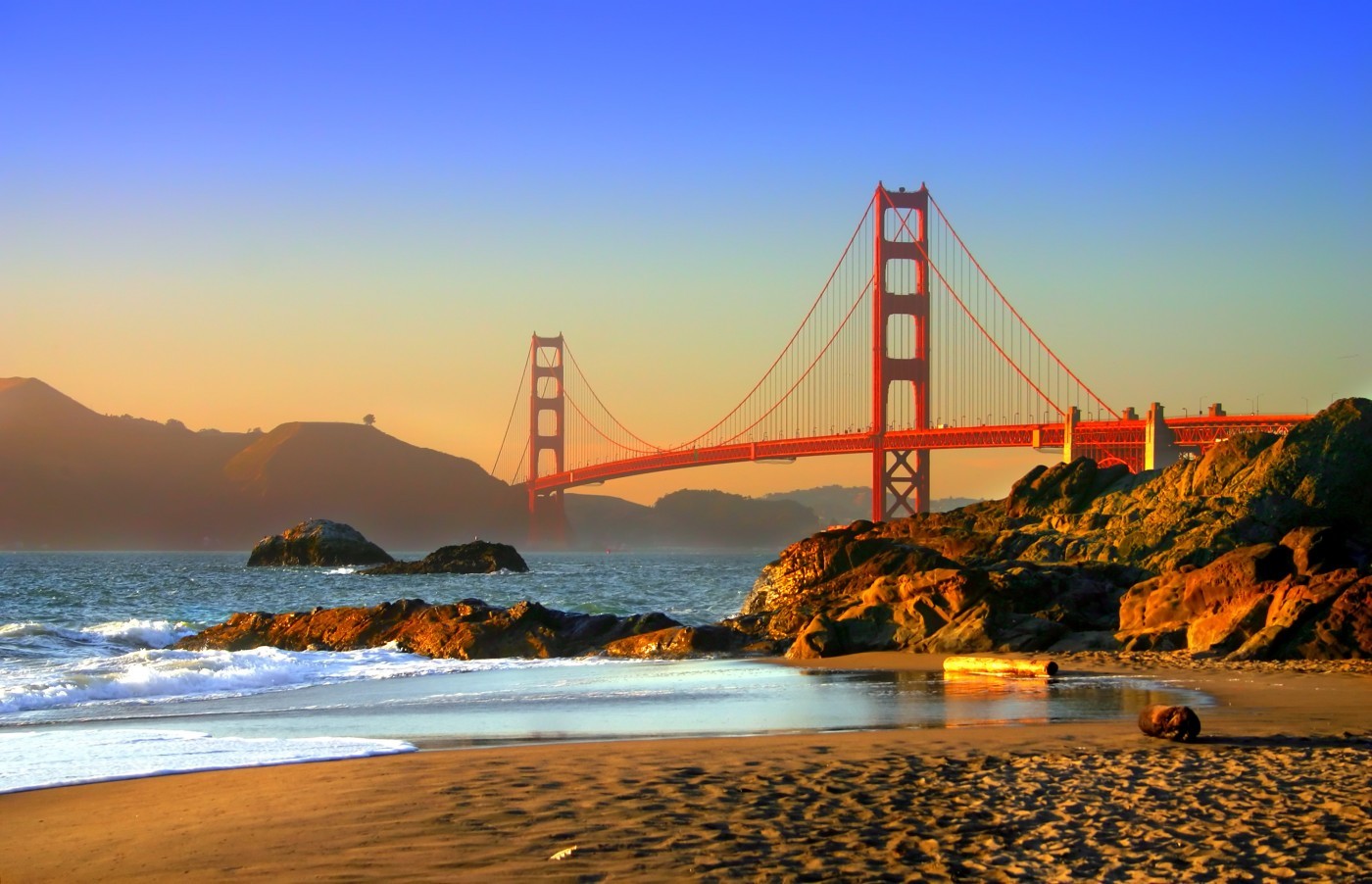
What Is Golden Gate Heights?
Golden Gate Heights is a distinctive hillside neighborhood in west-central San Francisco, nestled between the Inner Sunset, the Sunset District, and close to open green spaces. Streets wind around hills offering sweeping views of the Pacific Ocean, the Bay, and the city skyline, creating a "hillside-meets-city" vibe. With architectural styles ranging from mid-century homes to Mediterranean-style houses, bungalows, and contemporary builds, the neighborhood has a uniquely eclectic and charming character that blends serene hillside living with city accessibility.
Why People Love Living in Golden Gate Heights
Stunning Views, Hills & Nature
Golden Gate Heights is defined by its natural beauty and outdoor appeal:
• Panoramic views of the ocean, Bay, and city skyline from many vantage points
• Access to several green spaces and parks throughout the neighborhood
• Iconic 16th Avenue Tiled Steps, artistic public stairways that connect steep streets and add character
• A peaceful retreat from the busier parts of the city, with nature and fresh air close at hand
Housing Variety & Residential Charm
Golden Gate Heights offers an eclectic mix of housing that takes full advantage of its hillside setting:
• Mid-century single-family homes, stucco rowhomes, bungalow-style houses, and modern updates
• Many homes designed with large windows, decks, and layouts oriented toward the views
• Better value relative to views and space compared with some central San Francisco neighborhoods
Real Estate & Housing Styles
Golden Gate Heights suits a wide range of buyers and budgets:
• Homes primarily dating from the mid-20th century, with styles ranging from classic stucco to modern renovations
• Median sale price approximately $2.06 million as of October 2025, reflecting strong demand and value appreciation
• More modest homes offering reachable entry points for first-time buyers
• Properties with views or larger lots commanding premiums
• A stable, appealing market for families, first-time buyers, and long-term investors alike
Lifestyle, Transportation & Community
Connectivity & Transit
• Several bus lines connecting to downtown and key city areas
• Main thoroughfares including 19th Avenue and nearby Sunset Boulevard providing easy access for drivers and commuters
• Residential peace maintained despite good overall connectivity
Lifestyle & Community
• Tranquility of hillside living combined with proximity to vibrant city hubs, cultural spots, and dining
• Artistic stairways, hillside views, and a strong sense of community giving the neighborhood a distinctive, cozy identity
• A true urban-suburban sanctuary ideal for families, couples, and professionals who value peace and nature
Final Thoughts
Golden Gate Heights offers a unique blend of hillside beauty, architectural charm, and urban convenience. With panoramic views, quiet residential streets, housing variety, and proximity to parks and city amenities, it is a neighborhood that delivers both lifestyle quality and long-term investment potential. Whether you are looking for your next home, a peaceful retreat within San Francisco, or a property with great value and character, Golden Gate Heights is a neighborhood worth exploring. If you would like more detailed listings or want to explore available properties, I would be happy to help.
2B Outer Parkside
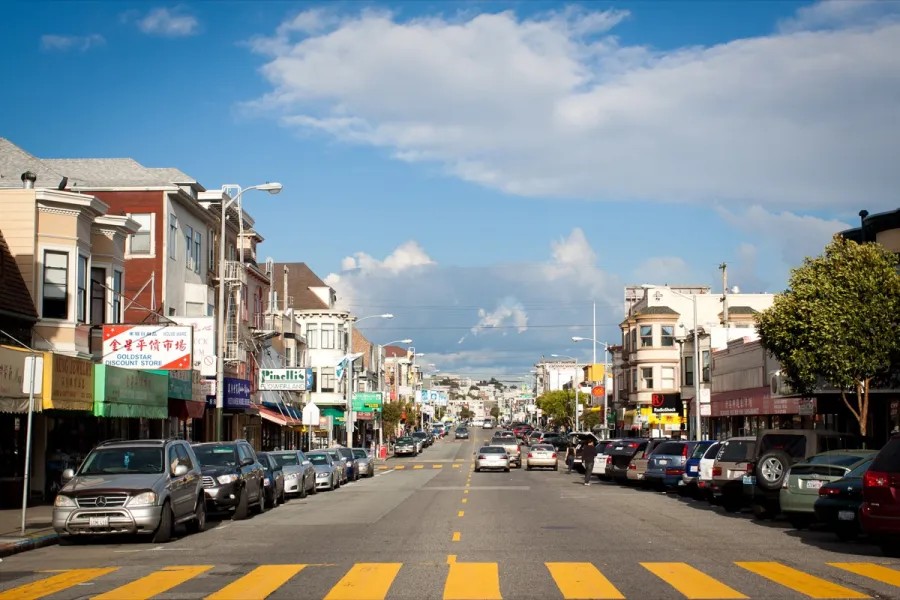
What Is Outer Parkside?
Outer Parkside is the southwestern-edge neighborhood of San Francisco, part of the larger Sunset/Parkside area. Largely residential, with homes built mostly around the 1940s through the 1960s on tree-lined streets, it offers a calm, beach-adjacent feel while remaining firmly part of the city. Outer Parkside blends coastal proximity with accessible city living, making it attractive for those who want a quieter atmosphere without sacrificing access to San Francisco's amenities.
Why People Love Living in Outer Parkside
Beach & Nature Proximity
• Close to Ocean Beach and coastal paths, perfect for beach walks and coastal breezes
• Easy access to relaxing waterfront scenery just minutes from home
• One of the most coast-accessible residential neighborhoods in San Francisco
Relaxed, Residential Feel
• A slower pace and more space compared to the busier districts of San Francisco
• A strong community vibe that appeals to families, retirees, and anyone wanting a more peaceful daily rhythm
• Tree-lined streets and a neighborhood character that feels genuinely settled and welcoming
Local Convenience
• A mixed-use corridor along Taraval Street featuring cafés, groceries, restaurants, and shops
• Enough everyday convenience to handle most needs without leaving the neighborhood
• A practical balance of local charm and accessibility
Good Housing Options
• Single-family homes and smaller units suitable for a diverse range of buyers
• Housing stock built primarily in the mid-20th century with a consistent, neighborhood-friendly character
• Options for small families, couples, retirees, and those seeking coastal proximity within city limits
Real Estate & Lifestyle
Outer Parkside offers strong value for a coastal San Francisco neighborhood:
• Median home price around $1.4 million, reflecting its desirable coast-plus-city combination
• A relatively strong rental market showing broad appeal beyond homeowners
• A lifestyle that suits those who want a slower, coastal-adjacent home environment with easy access to nature, the beach, and city services
Who It Is Great For
Outer Parkside works well for:
• Families, retirees, and anyone seeking calm, residential, beach-adjacent living
• Buyers wanting coastal proximity while still having access to city transit and everyday conveniences
• People who value an outdoor lifestyle centered around beach, walking, biking, and coastal air, without leaving the city behind
Final Thoughts
Outer Parkside delivers a rare blend in San Francisco: a calm, coastal-adjacent home environment paired with reasonable access to city life. If you want a balanced lifestyle featuring ocean breezes, peaceful streets, and community charm, Outer Parkside deserves serious consideration. If you would like help exploring available homes, I would be glad to guide you.
2C Outer Sunset
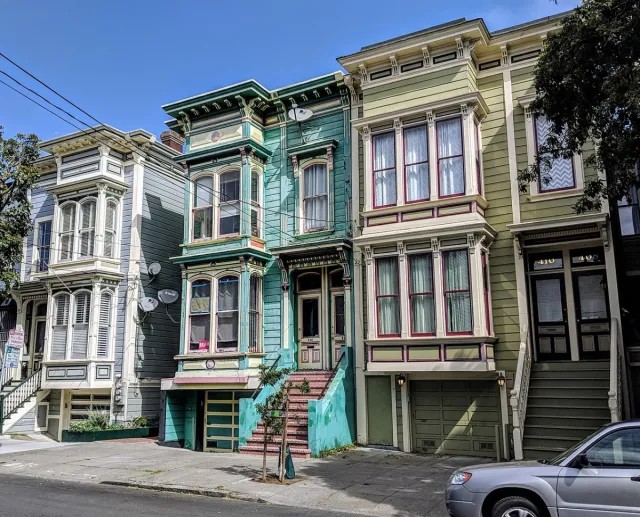
What Is Outer Sunset?
Outer Sunset is a western San Francisco neighborhood bordering the Pacific Ocean. Originally developed from sand dunes, it features mid-20th century homes with coastal character, tree-lined streets, and a laid-back lifestyle. Outer Sunset combines the benefits of San Francisco city living with ocean access and a strong sense of community.
Why People Love Living in Outer Sunset
Beach & Coastal Lifestyle
• Easy access to Ocean Beach, walking paths, and coastal parks
• Ideal for daily recreation, relaxation, and enjoying the outdoors
• One of San Francisco's most accessible neighborhoods for true coastal living
Community & Residential Vibe
• A tight-knit neighborhood with a mix of families, long-term residents, and newcomers
• A slower, more grounded pace compared to the busier parts of the city
• A strong sense of belonging that keeps residents rooted for the long term
Diverse Housing Stock
• Bungalows, row houses, single-family homes, and attached units
• A variety of options well suited for buyers, families, and investors
• Mid-20th century character throughout with consistent neighborhood charm
Real Estate & Lifestyle
Outer Sunset is a sought-after and active market:
• Median home price approximately $1.6 million
• Homes often sell within roughly two weeks on market, reflecting strong and consistent demand
• Attracts buyers seeking character homes, coastal access, and a genuine community feel
Final Thoughts
Outer Sunset offers a coastal lifestyle with community charm, diverse housing, and easy city access. Whether you are a family, a professional, or an investor seeking San Francisco coastal living, Outer Sunset is a neighborhood well worth exploring. If you would like help finding available properties, I am here to help.
2D Parkside
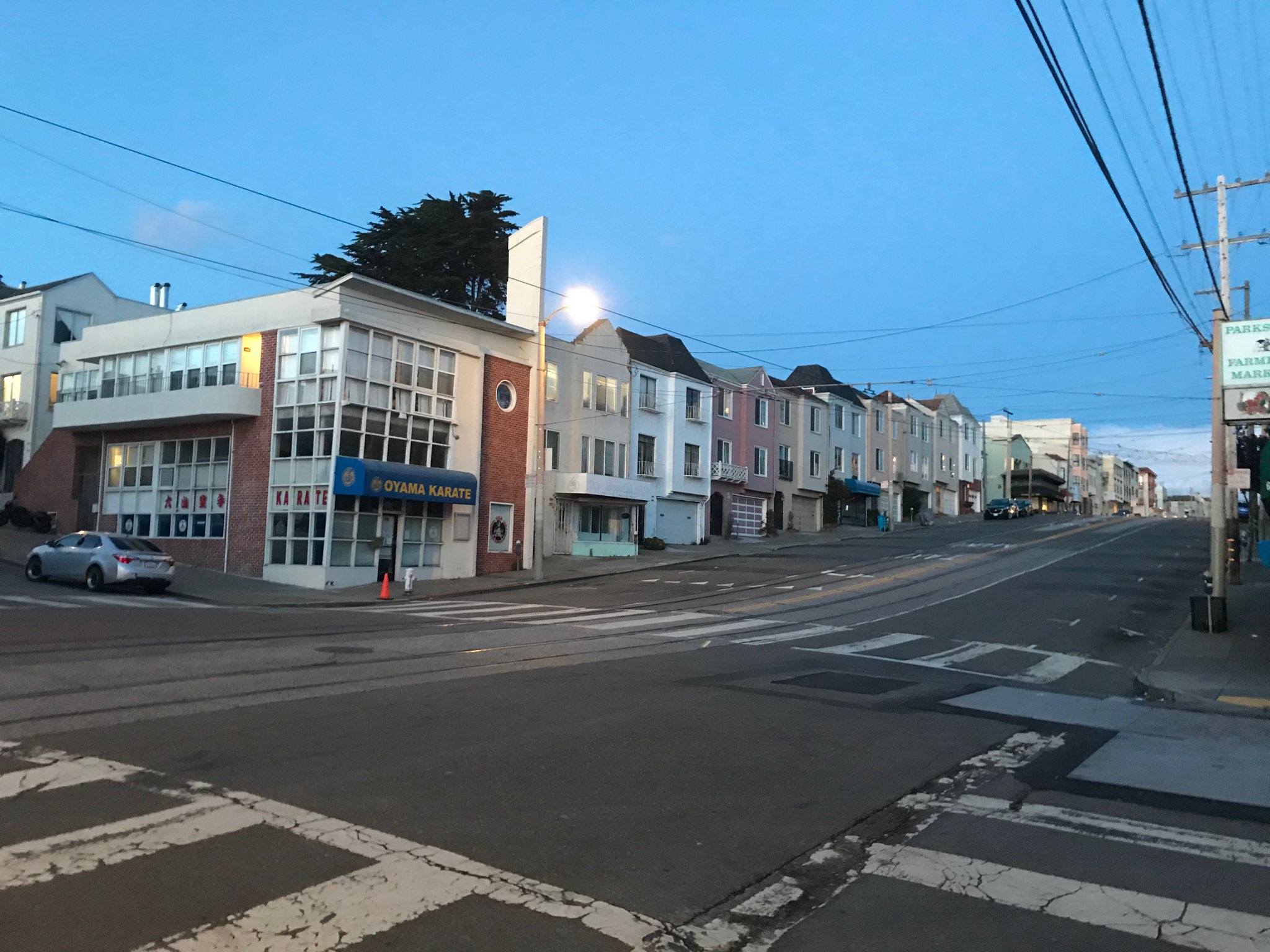
What Is Parkside?
Parkside is a primarily residential neighborhood on the southwest side of San Francisco. Known for its quiet streets, classic homes, proximity to green spaces, and coastal lifestyle, it offers a peaceful alternative to the city's busier core. With a mix of architectural styles including early 20th century bungalows and Mediterranean-influenced houses, Parkside is popular with families, outdoor lovers, and anyone seeking a balanced urban lifestyle with nature nearby.
Location & Character
Parkside lies in the southwestern portion of San Francisco, south of Quintara and north of Sloat Boulevard, bordering the Sunset District. Its gently sloping streets and wide residential blocks create a calm neighborhood feel distinct from denser inner-city areas:
• Quiet, tree-lined residential streets with classic home styles
• Early 20th century cottages, Arts & Crafts bungalows, and Marina-style homes
• Close proximity to Ocean Beach and coastal parks
• A family-friendly atmosphere with abundant green spaces
Real Estate & Housing
Housing in Parkside is dominated by single-family homes built in the 1920s through the 1940s, with some newer structures and multi-unit buildings:
• A range of home styles offering both historic character and modern updates
• Wide streets and quieter blocks compared with more central neighborhoods
• Properties often featuring tidy gardens, garages, and classic architectural charm
• Higher demand due to proximity to parks, beaches, and good schools
Community & Amenities
Parkside benefits from local amenities primarily along Taraval Street and nearby corridors:
• Local restaurants, cafés, and casual eateries along Taraval Street
• Neighborhood markets, boutiques, and essential service businesses
• Larger shopping options including Lakeshore Plaza and Stonestown Galleria
• Community events and gatherings hosted by local associations
Parks & Recreation
Parkside offers excellent outdoor options for residents and visitors:
• McCoppin Square - walking paths, tennis courts, baseball fields, and playgrounds
• Parkside Square - basketball, picnic areas, and relaxation space
• Sunset Reservoir Park - scenic views and ample open space
• Sigmund Stern Recreation Grove - famous for free summer concerts and outdoor events
• Pine Lake Park - trails and bird-watching opportunities
• Ocean Beach - beach access, walking trails, and sunset views
Schools & Education
Parkside is served by the San Francisco Unified School District, with access to well-regarded public and nearby private schools:
• Dianne Feinstein Elementary School - strong community reputation
• Aptos Middle School - highly rated public middle school
• Abraham Lincoln High School - offering a range of academic programs
• Lycée Français de San Francisco - top-rated private language immersion school
Transit & Connectivity
Parkside is well served by public transportation and major roadways:
• Muni Metro L-Taraval line along Taraval Street for direct downtown access
• Multiple Muni bus routes serving the neighborhood
• 19th Avenue/Route 1 for easy north-south driving
• Nearby connections to Interstate 280 for regional commutes
Final Thoughts
Parkside offers a rare combination of quiet residential streets, strong community character, abundant parks, and coastal access. With its classic homes, reliable transit links, and neighborhood amenities, it appeals to buyers and families seeking comfort, connectivity, and long-term value within San Francisco.
2E Central Sunset
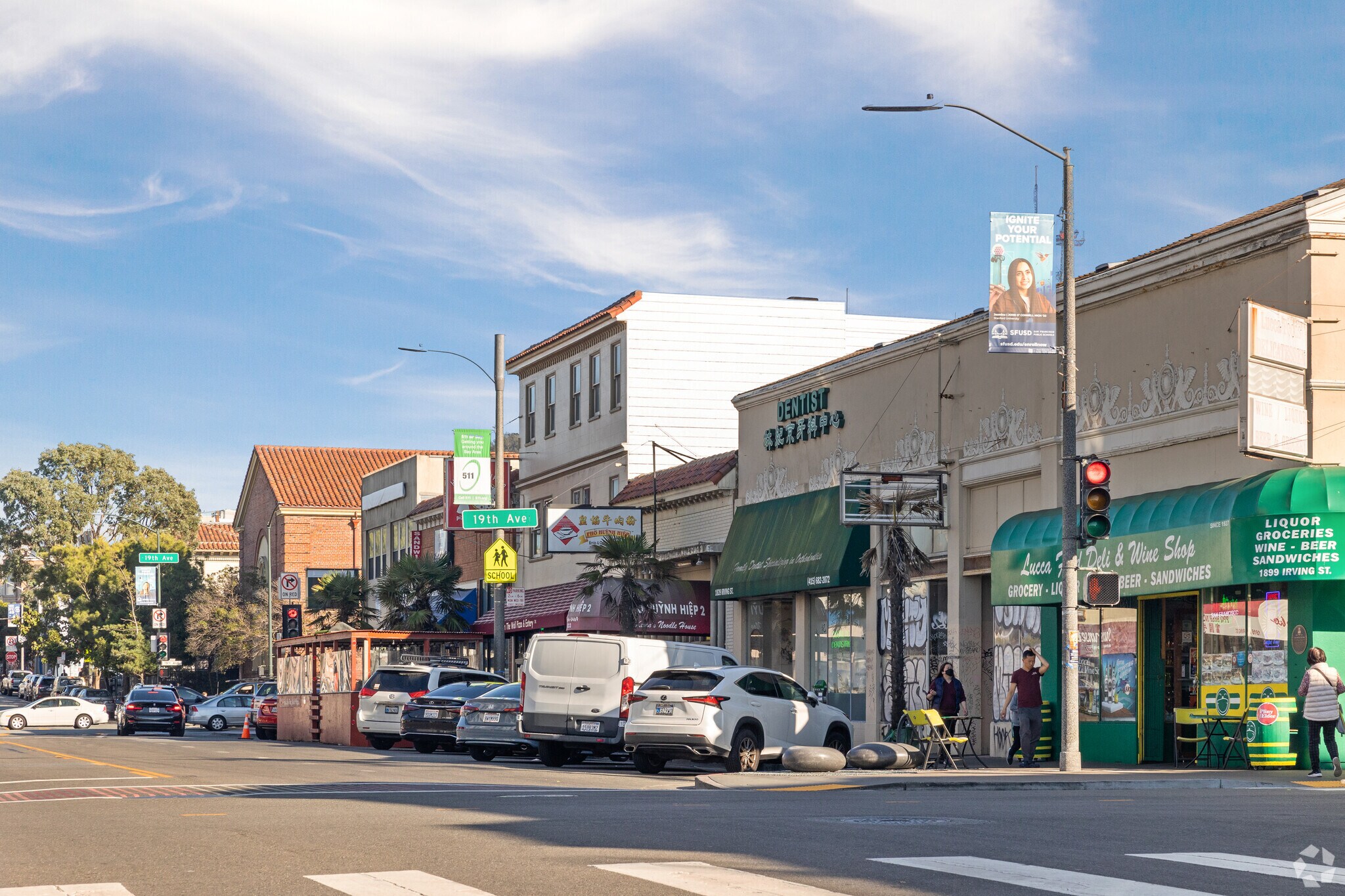
What Is Central Sunset?
Central Sunset is a residential neighborhood on the west side of San Francisco within the broader Sunset District. Known for its quiet streets, Mediterranean-style and Marina-influenced homes, and proximity to Golden Gate Park and Ocean Beach, it offers a balanced lifestyle with local amenities, community events, and strong transit connections. Central Sunset appeals to families, outdoor lovers, and anyone seeking classic San Francisco living with easy access to both city and nature.
Location & Character
Central Sunset lies between 19th and 36th Avenues, bordered by Golden Gate Park to the north and the Outer Sunset toward the west. Tree-lined streets and colorful row houses give the neighborhood a charming, cottage-like feel while remaining near active commercial corridors on Noriega, Irving, and Judah Streets:
• Quiet, residential tree-lined streets with classic architecture
• Marina and Spanish-style homes with stucco roofs and bay windows
• Proximity to Golden Gate Park and Ocean Beach
• Walkable access to local shops, cafés, and community facilities
Real Estate & Housing
Housing in Central Sunset is a mix of well-maintained single-family homes and low-rise apartment buildings, many built in the 1920s through the 1940s:
• A range of home sizes to suit different family needs
• Classic San Francisco architectural details including bay windows, stucco exteriors, and functional layouts
• Strong buyer interest driven by location and lifestyle
• Homes often selling faster than national averages due to local demand
• Generally more affordable compared with central and northern San Francisco neighborhoods
Community & Amenities
Central Sunset enjoys a welcoming mix of local amenities along its main retail streets:
• Local dining favorites including Henry's House of Coffee, Sunset Reservoir Brewing Company, and Terra Cotta Warrior
• Grocery stores and neighborhood markets along Noriega and Judah Streets
• Community events including the Sunset Community Festival and Sunset Holiday Mercantile
• Sunset Rec Center offering courts, playgrounds, and recreational amenities
Parks & Recreation
Central Sunset is well placed near several prominent outdoor spaces:
• Sunset Rec Center - tennis, basketball, playgrounds, and community space
• Golden Gate Park - trails, gardens, lakes, museums, and the Japanese Tea Garden
• West Sunset Playground & Fields - sports and picnic areas
• Sunset Reservoir Park - open space with views and walking areas
• Ocean Beach - wide beach for walking, bonfires, and sunsets
Schools & Education
Central Sunset families have access to multiple well-regarded public schools within the San Francisco Unified School District:
• Lawton Alternative Elementary School (K–8, highly rated)
• Giannini A.P. Middle School (grades 6–8)
• Phillip and Sala Burton Academic High School (grades 9–12)
Culture & Neighborhood Life
Central Sunset offers a relaxed, welcoming community with a blend of long-time residents and newer members:
• Community festivals and seasonal events throughout the year
• A culture centered on everyday living, coffee shops, local eateries, outdoor time, and community gatherings
• Family-friendly spaces and a mix of traditional and modern neighborhood traditions
Transit & Connectivity
Central Sunset is well connected for both public transit and driving:
• Muni Metro N-Judah line along Judah Street for easy downtown access
• Multiple Muni bus routes serving residential and commercial streets
• Easy access to major roadways including 19th Avenue and Sunset Boulevard
• Convenient connections to regional services and San Francisco International Airport
Final Thoughts
Central Sunset blends classic San Francisco homes, convenient amenities, quiet streets, and abundant outdoor access. Its community-focused culture, proximity to parks and beach, and everyday conveniences make it ideal for families, professionals, and anyone seeking relaxed urban living with strong neighborhood ties.
2F Inner Sunset
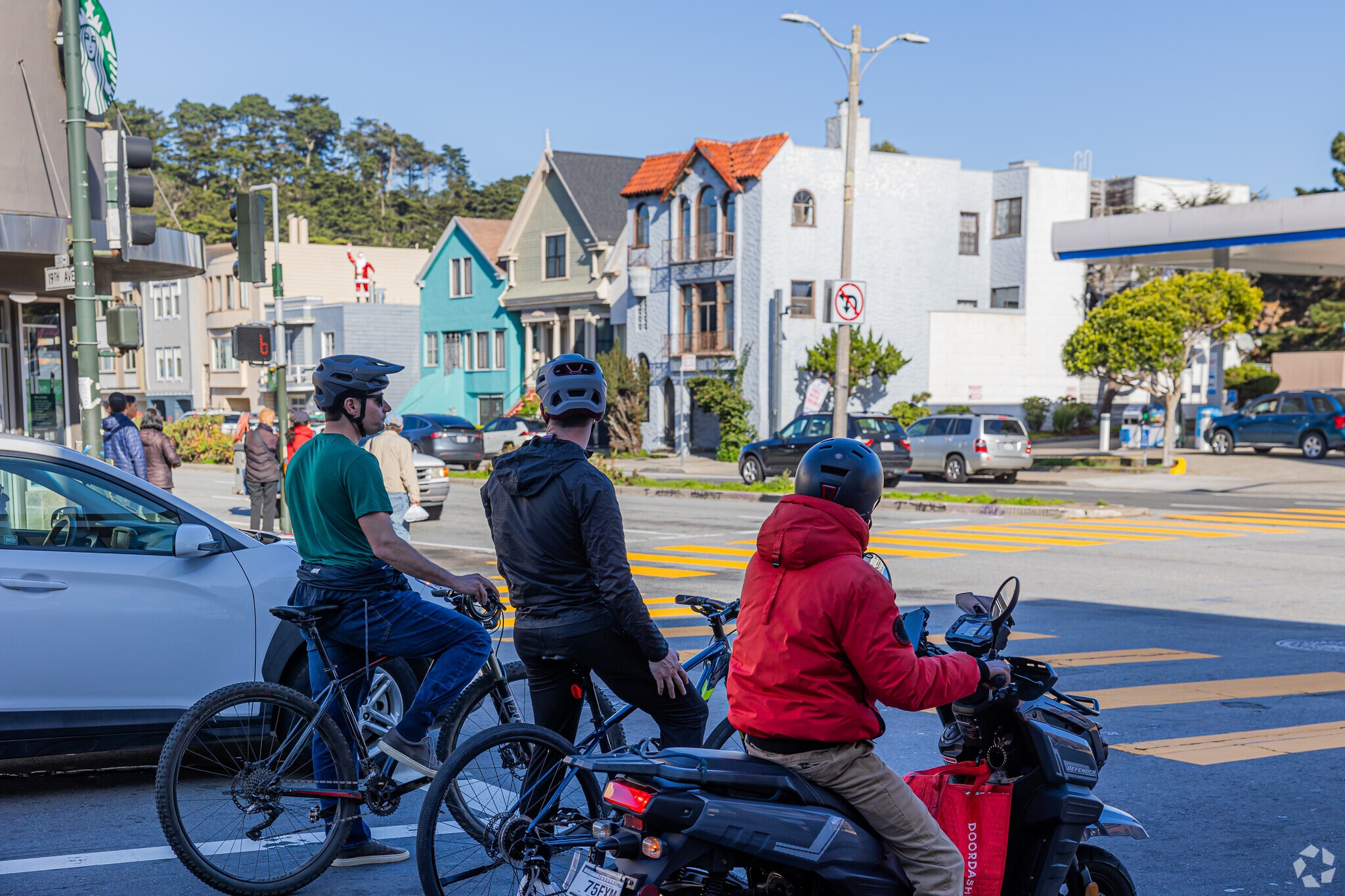
What Is Inner Sunset?
Inner Sunset is a vibrant residential neighborhood on San Francisco's west side known for its walkability, classic architecture, lively local dining and shopping corridors, and unbeatable proximity to Golden Gate Park. With a small-town feel within the big city, Inner Sunset attracts families, young professionals, and anyone who wants convenience, community, and everyday charm.
Location & Character
Located along the eastern edge of the Sunset District, Inner Sunset is bordered by Lincoln Way/Golden Gate Park to the north, Quintara Street to the south, 5th Avenue to the east, and 19th Avenue to the west:
• A highly walkable neighborhood core centered around Irving Street and 9th Avenue with local shops, cafés, and eateries
• Classic 1920s and 1930s era homes including Marina and Craftsman styles, often with bay windows and charming detail
• A welcoming, community-oriented atmosphere blending longtime residents with newcomers
• A foggy coastal climate embraced as part of the neighborhood's identity
Real Estate & Housing
Inner Sunset's housing market offers a mix of single-family homes, condominiums, and rental apartments:
• A competitive market driven by strong demand for walkable, family-friendly living
• Single-family homes often ranging from the mid $1 million into the $2 million-plus range depending on condition and location
• Condominiums and multi-unit properties providing additional ownership and rental options
• Homes with generous interior light and classic character throughout
Community & Amenities
Inner Sunset enjoys a bustling commercial district filled with locally owned businesses, eateries, and shops along the Irving Street and 9th Avenue corridors:
• Diverse dining options from cozy coffee shops to highly rated restaurants
• Bakeries, bookstores, and specialty shops that give the area its distinct neighborhood personality
• Local farmers markets and community events bringing residents together
• Essential services and grocery options within easy walking distance
Parks & Recreation
Parks and outdoor spaces are a major highlight of Inner Sunset, anchored by its immediate adjacency to Golden Gate Park:
• Golden Gate Park - trails, gardens, lakes, and iconic attractions including the de Young Museum and California Academy of Sciences
• San Francisco Botanical Garden - a living museum of diverse plant collections
• Japanese Tea Garden - a serene cultural space within the park
• Grand View Park (Turtle Hill) - panoramic views and scenic walkways
• Neighborhood playgrounds and recreation spots ideal for families and active lifestyles
Schools & Education
Inner Sunset is served by the San Francisco Unified School District and offers access to well-regarded schools:
• Alice Fong Yu Alternative Elementary School - highly rated and known for diverse programming
• A.P. Giannini Middle School - a well-regarded middle school option
• Independence High School - neighborhood public high school with a range of programs
• Nearby private and charter school options within a short commute
Culture & Neighborhood Life
Inner Sunset is known for its engaged, diverse community and strong local culture:
• Community events including farmers markets and seasonal gatherings
• A neighborhood vibe that blends longtime locals with new residents
• A casual pace centered on local shops, cafés, and everyday discoveries
• A creative, welcoming environment with a genuine "small town within the city" feel
Transit & Connectivity
Inner Sunset's transit access and walkability make commuting and getting around straightforward:
• Muni Metro N-Judah line along Judah Street for easy downtown access
• Multiple Muni bus routes connecting to other parts of the city
• Proximity to major thoroughfares including Interstate 280 for regional travel
• A highly walkable layout with most daily needs within easy reach
Final Thoughts
Inner Sunset blends classic San Francisco character, vibrant local life, unbeatable access to Golden Gate Park, and everyday convenience. With its walkable streets, strong community feel, and diverse housing options, it appeals to families, professionals, and anyone seeking a balanced urban lifestyle.
2G Inner Parkside
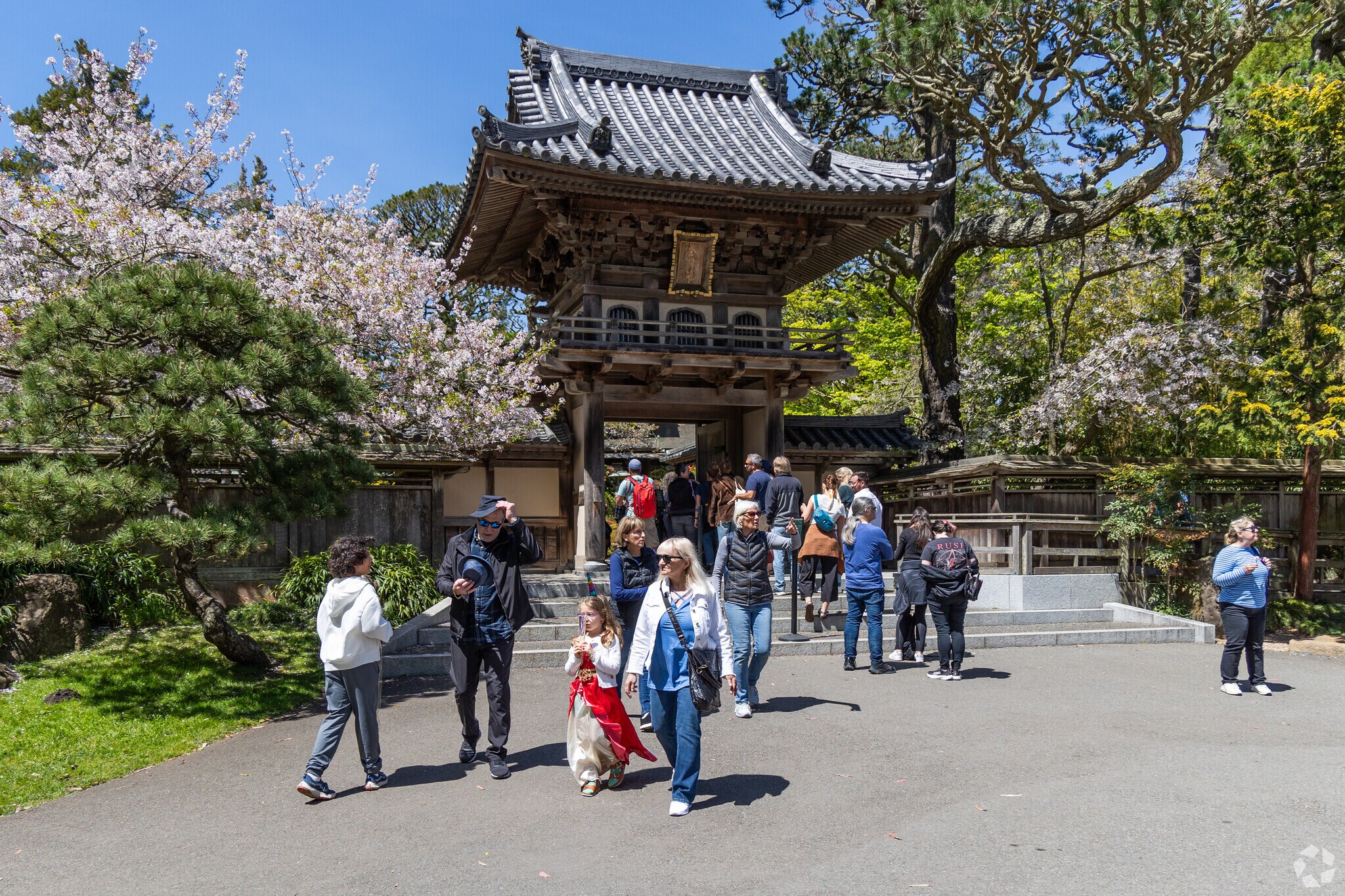
What Is Inner Parkside?
Inner Parkside is a quiet, primarily residential neighborhood in San Francisco's southwestern area, valued for its calm streets, classic mid-century homes, and close proximity to Stern Grove and outdoor recreation. Known for its family-friendly environment and neighborhood stability, Inner Parkside attracts homeowners and long-term residents seeking space, convenience, and a more relaxed city lifestyle.
Location & Character
Inner Parkside sits between the Sunset District and the city's southwestern neighborhoods, with Stern Grove forming a major natural landmark along its southern edge. It is generally bordered by Sloat Boulevard to the south, 19th Avenue to the west, and residential Sunset areas to the north and east:
• Predominantly residential blocks with low traffic and a peaceful atmosphere
• Strong neighborhood identity with many long-term residents
• Streets lined with mid-century row homes and well-kept properties
• Easy access to Stern Grove's green space and recreation areas
• A cooler, fog-influenced microclimate typical of San Francisco's west side
Real Estate & Housing
Inner Parkside housing is largely composed of mid-century single-family homes built from the 1940s through the 1960s:
• Mostly single-family homes with some condos and duplexes mixed in
• Mid-century construction with garage parking common throughout
• Functional floor plans often featuring bonus rooms or lower-level space
• Competitive pricing compared to more central San Francisco neighborhoods
• Price ranges commonly in the mid to upper $1 million range depending on size, upgrades, and location
Community & Amenities
Inner Parkside is more residential than commercial, with daily conveniences close by along nearby corridors:
• Neighborhood markets and grocery stores within a short drive or transit ride
• Restaurants and local eateries along Taraval and nearby Sunset corridors
• Coffee shops and small businesses serving local residents
• Stonestown Galleria for larger retail, dining, and services
• Nearby healthcare, banks, and essential services
Parks & Recreation
Outdoor access is one of Inner Parkside's biggest lifestyle advantages:
• Stern Grove - wooded trails, open lawns, picnic areas, and the well-known Stern Grove Festival concert series
• Pine Lake Park - walking paths and natural scenery near the neighborhood
• Lake Merced - walking, jogging, and cycling loops close by
• Multiple playgrounds and recreation areas in surrounding neighborhoods
• Easy access to coastal recreation and west-side green spaces
Schools & Education
Inner Parkside is served by the San Francisco Unified School District with several public and private options within reasonable distance:
• Lakeshore Alternative Elementary School
• Lowell High School - selective enrollment, located nearby
• Additional public elementary and middle schools in surrounding Sunset and Lakeshore areas
• Private and parochial school options within a short commute
Culture & Neighborhood Life
Inner Parkside has a quieter, more residential culture compared with busier commercial districts:
• Calm, low-density residential living with a strong sense of neighborhood stability
• Dog-friendly streets and easy park access
• Local gatherings and seasonal events at Stern Grove
• A practical, family-oriented environment centered around home and parks
Transit & Connectivity
Inner Parkside offers solid transit and roadway access for commuters across the city and down the Peninsula:
• Muni Metro L-Taraval line nearby for east-west city travel
• Multiple Muni bus routes serving the surrounding area
• Quick access to 19th Avenue for north-south travel
• Convenient connection to Interstate 280 for Peninsula and South Bay commuting
• Driveable access to shopping centers and major corridors
Final Thoughts
Inner Parkside offers peaceful residential living, access to major parkland, and practical mid-century homes in San Francisco's southwest. With its calm streets, outdoor amenities, and strong neighborhood character, it appeals to buyers seeking comfort, stability, and everyday livability within the city.
District 3
3A Lake Shore
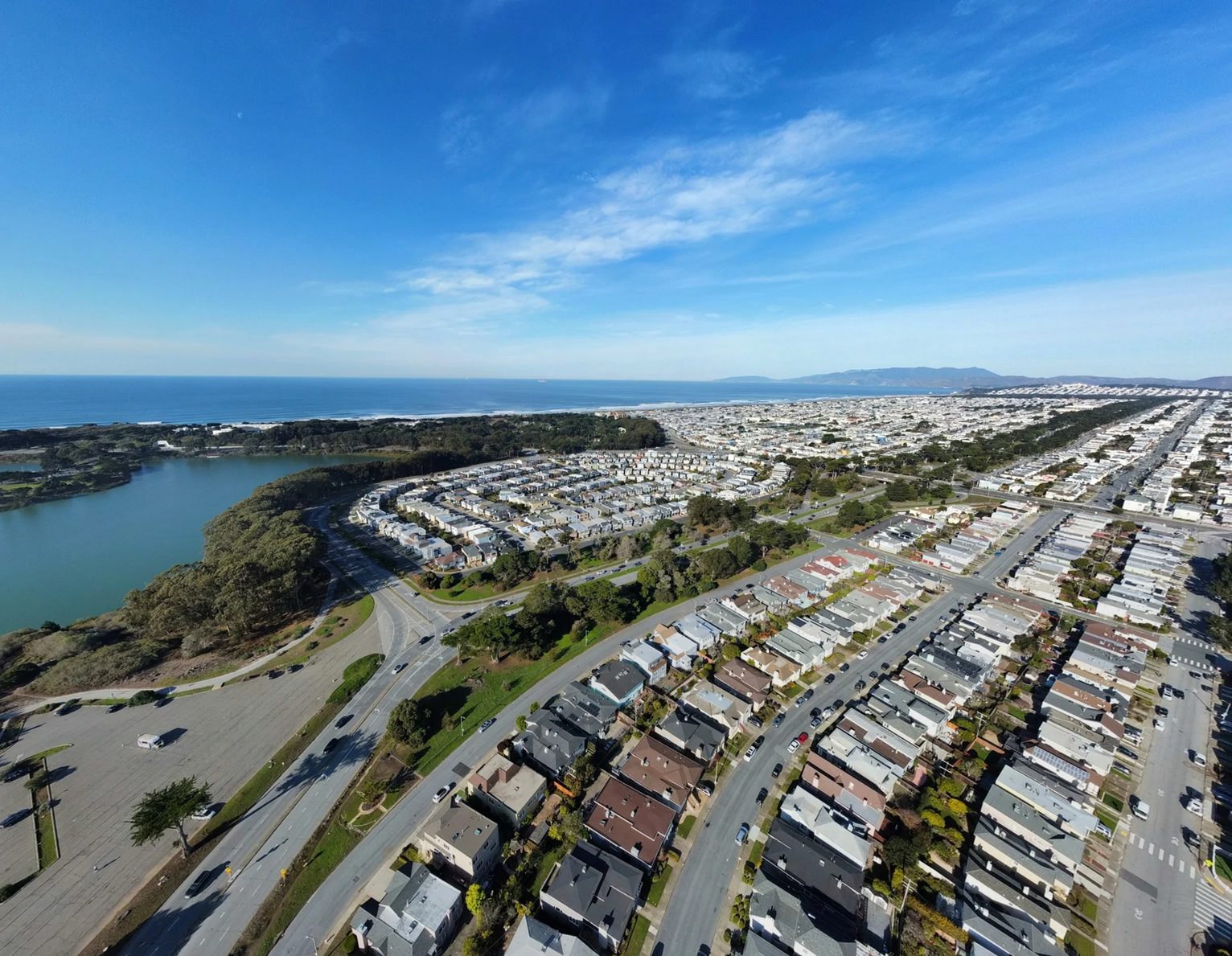
What Is Lakeshore?
Lakeshore is a small, primarily residential neighborhood in San Francisco's southwestern section, located beside Lake Merced. Known for its peaceful setting, mid-century homes, proximity to golf courses and parks, and convenient access to major roads and shopping centers, Lakeshore appeals to buyers seeking space, accessibility, and outdoor lifestyle benefits.
Location & Character
Lakeshore sits along the western and northwestern edges of Lake Merced, near the border of Daly City. It is bordered by Lake Merced to the east and south, Skyline Boulevard to the west, and the Lakeshore Plaza and Sloat Boulevard area to the north:
• Quiet residential streets with lower density than central neighborhoods
• Strong connection to Lake Merced and surrounding open space
• A mix of detached and semi-detached mid-century homes
• Proximity to golf courses and recreational facilities
• A cooler, breezier microclimate influenced by the nearby ocean and lake
Real Estate & Housing
Lakeshore housing is largely composed of mid-century single-family homes built between the 1940s and 1960s:
• Predominantly single-family residences with some townhome-style properties nearby
• Mid-century architecture with garages and driveway parking common throughout
• More consistent home styles and block layouts compared with older central neighborhoods
• Many homes with larger lot footprints than denser city areas
• Price ranges often in the mid to upper $1 million range depending on size, updates, and location
• Homes near the lake or golf course areas may command premium interest due to setting and views
Community & Amenities
Lakeshore is mainly residential, but daily conveniences are very close, especially around Lakeshore Plaza and nearby commercial zones:
• Lakeshore Plaza shopping center with grocery, dining, and services
• Close access to Stonestown Galleria for major retail and restaurants
• Nearby supermarkets and neighborhood stores
• Fitness centers and recreation facilities around Lake Merced
• Essential services within a short drive
Parks & Recreation
Outdoor recreation is one of Lakeshore's biggest strengths, anchored by Lake Merced and surrounding facilities:
• Lake Merced - a large freshwater lake with walking, running, and cycling paths
• Lake Merced Park - open space and picnic areas
• TPC Harding Park & Fleming Golf Course - well-known golf courses within the neighborhood
• Boating and fishing areas around the lake where permitted
• Nearby access to Stern Grove and west-side parks
Schools & Education
Lakeshore is served by the San Francisco Unified School District with multiple public and private options in the broader southwest San Francisco area:
• Lakeshore Alternative Elementary School
• Schools in the Parkside and Sunset areas within convenient reach
• Lowell High School - selective enrollment, located nearby
• Private and parochial school options within a short commute
Culture & Neighborhood Life
Lakeshore has a calm, suburban feel compared with busier San Francisco districts:
• Quiet residential environment with less foot traffic and nightlife
• Active outdoor community centered around Lake Merced
• Dog walking, jogging, and cycling culture throughout the neighborhood
• Convenient but low-key daily living
Transit & Connectivity
Lakeshore benefits from strong roadway access and practical transit options, especially for Peninsula commuters:
• Multiple Muni bus routes serving the Lake Merced and Sloat areas
• Nearby Muni Metro lines along Taraval and West Portal corridors
• Quick access to Skyline Boulevard and 19th Avenue
• Direct connection to Interstate 280 for Peninsula and South Bay travel
• Reasonable drive times to West Portal, Stonestown, and the Sunset District
Final Thoughts
Lakeshore offers peaceful residential living next to one of San Francisco's largest natural spaces. With mid-century homes, recreation-focused surroundings, and convenient access to shopping and highways, it is a strong choice for buyers seeking space, quiet, and outdoor lifestyle benefits within city limits.
3B Merced Heights
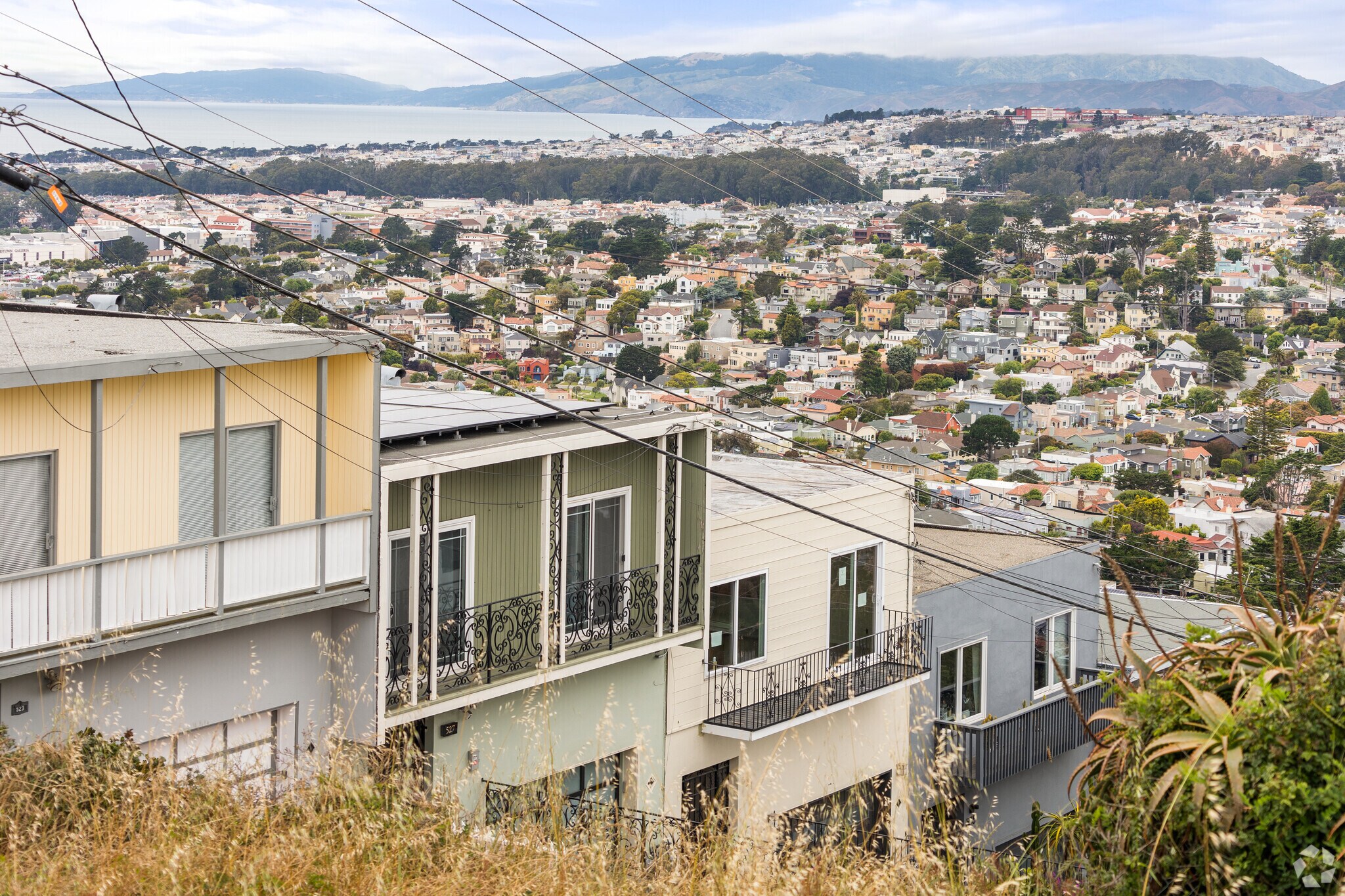
What Is Merced Heights?
Merced Heights is a residential hilltop neighborhood in southwestern San Francisco known for its elevated views, quieter streets, and mid-century housing. Overlooking parts of the city, the Pacific Ocean, and Lake Merced, it offers a more relaxed, neighborhood-focused lifestyle while remaining close to major schools, transit routes, and shopping corridors. Merced Heights attracts families, first-time buyers, and long-term residents seeking value and views within San Francisco.
Location & Character
Merced Heights sits in the city's southwest section, generally bordered by Ingleside to the north, Oceanview to the west, Excelsior to the east, and the Lake Merced/Skyline area to the southwest:
• Elevated terrain with many homes offering city or ocean-facing views
• Primarily residential blocks with low-rise housing
• Strong mid-century development pattern from post-1940s growth
• Close proximity to San Francisco State University and City College of San Francisco
• A quieter, more suburban feel compared to central neighborhoods
• A cooler, windier microclimate due to elevation and westward exposure
Real Estate & Housing
Merced Heights housing is largely composed of single-family homes built from the 1940s through the 1960s, with some duplexes and small multi-unit buildings mixed in:
• Predominantly detached and semi-detached single-family homes
• Mid-century construction with practical layouts
• Many properties with garages and driveway parking
• Split-level and tunnel-entry designs common throughout
• Homes with view lots often commanding higher prices
• Price ranges generally more accessible than many central and northern San Francisco neighborhoods
• Renovated homes with expanded living space and view decks tend to see stronger demand
Community & Amenities
Daily conveniences are close by, especially around Lakeshore Plaza and nearby commercial zones:
• Lakeshore Plaza shopping center with grocery, dining, and services
• Close access to Stonestown Galleria for major retail and restaurants
• Nearby supermarkets and neighborhood stores
• Fitness centers and recreation facilities around Lake Merced
• Essential services within a short drive
Parks & Recreation
Merced Heights offers a strong selection of local outdoor spaces along with access to nearby recreational areas:
• Merced Heights Playground - local park with sports courts and play areas
• Brooks Park - hillside park with trails and scenic viewpoints
• Shield Street Canyon - natural area with walking paths
• Lake Merced - walking, jogging, and cycling loops nearby
• Nearby golf courses and open space around the Lake Merced area
• The neighborhood's elevation also provides scenic walking routes and lookout points throughout
Schools & Education
Merced Heights is served by the San Francisco Unified School District and sits notably close to major higher-education institutions:
• San Francisco State University in the adjacent area
• City College of San Francisco - Ocean Campus
• Public elementary and middle schools in surrounding Ingleside and Oceanview areas
• Private and charter school options within commuting distance
Culture & Neighborhood Life
Merced Heights has a diverse, community-oriented population and a residential pace of life:
• Quieter streets with neighborhood-centered living
• A mix of multigenerational households and students living nearby
• Strong sense of local community with less nightlife and more residential calm
• Regular outdoor activity supported by parks, trails, and elevated views
Transit & Connectivity
Merced Heights offers solid transit coverage and strong road access, especially for southbound and Peninsula commuters:
• Muni Metro lines along nearby Ocean Avenue and West Portal corridors
• Multiple Muni bus routes serving the neighborhood and campus areas
• Balboa Park BART station within a short transit ride
• Quick access to Interstate 280 via nearby entrances
• Convenient routes to Daly City and the Peninsula
Final Thoughts
Merced Heights offers elevated living, neighborhood quiet, and strong access to education, recreation, and transit. With its hilltop views, mid-century homes, and proximity to Lake Merced and major campuses, it stands out as a practical and appealing southwest San Francisco neighborhood for buyers seeking space and scenery within city limits.
3C Pine Lake Park
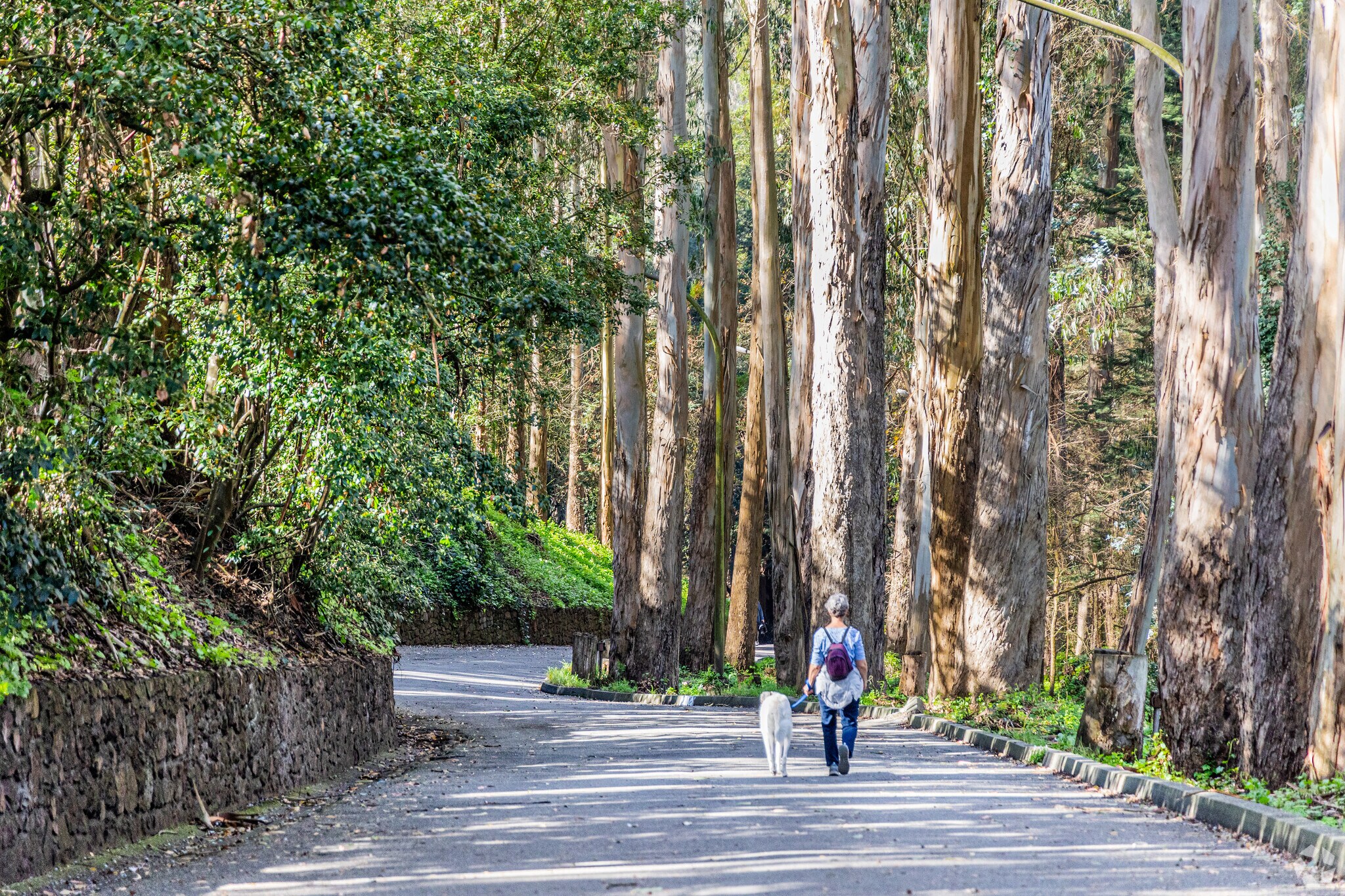
What Is Pine Lake Park?
Pine Lake Park is a peaceful residential neighborhood in southwestern San Francisco centered around its namesake park and green space. Known for its quiet streets, family-oriented living, and close proximity to open spaces like Lake Merced and McLaren Park, Pine Lake Park attracts buyers who want a more nature-focused, relaxed lifestyle while still being connected to city amenities and transit. The neighborhood offers a mix of mid-century homes, tree-lined streets, and a strong sense of community.
Location & Character
Pine Lake Park is situated in the southwest part of San Francisco, bordered by Lake Merced Boulevard to the south and west, Sloat Boulevard to the north, and the Lakeshore Plaza area to the east. It lies near neighborhoods including Lakeshore, Stonestown, and Merced Heights:
• A quiet residential neighborhood anchored by Pine Lake Park itself
• Easy walking access to green spaces and recreation
• A family-friendly atmosphere with a suburban feel inside city limits • Mid-century homes with yards and outdoor space
• A calm, community-oriented identity with many longtime residents
Real Estate & Housing
The Pine Lake Park real estate market consists primarily of mid-century single-family homes with thoughtful layouts and outdoor space:
• Predominantly single-family detached homes with garages and yards
• Mid-century construction from the 1940s through the 1960s
• Some smaller multi-unit or duplex properties nearby
• Functional floor plans with often updated interiors
• Price points commonly in the mid $1 million range and above depending on condition, size, and lot features
Homes here appeal to buyers seeking space, outdoor access, and neighborhood serenity, features less common in San Francisco's urban core.
Community & Amenities
Pine Lake Park offers daily conveniences within easy reach while maintaining its quieter residential feel:
• Lakeshore Plaza with grocery, retail, and essential services
• Cafés, eateries, and casual dining nearby
• Stonestown Galleria for expanded shopping, dining, and entertainment
• Local markets and daily services within a short drive or transit ride
Parks & Recreation
Outdoor recreation is central to the Pine Lake Park identity:
• Pine Lake Park - the heart of the neighborhood with open green space, walking paths, playgrounds, and picnic areas
• Lake Merced - scenic trails, jogging and cycling paths, and water views a short distance away
• McLaren Park - one of the city's largest parks, offering hiking trails, sports fields, playgrounds, and picnic sites
• Nearby golf courses and waterfront access for outdoor enthusiasts
Schools & Education
Pine Lake Park is part of the San Francisco Unified School District with access to local public schools and options in surrounding neighborhoods:
• Lakeshore Alternative Elementary School, well-regarded neighborhood school
• Middle and high school options in the Sunset and Lakeshore areas
• Nearby private and charter schools accessible via transit or a short drive
Culture & Neighborhood Life
Pine Lake Park has a friendly, residential culture shaped by families, longtime neighbors, and outdoor enthusiasts:
• Quiet streets with low pedestrian traffic and a strong sense of neighborly connection
• Outdoor social activity centered around the park and trails
• Proximity to community events and gatherings in nearby parks
• A welcoming blend of longtime homeowners and newer residents seeking a peaceful lifestyle
Transit & Connectivity
Pine Lake Park offers good connectivity for a primarily residential area:
• Muni bus routes serving Sloat Boulevard and Lake Merced Boulevard
• Nearby Muni Metro lines along Taraval and West Portal for east-west access
• Easy access to 19th Avenue and Interstate 280 for commuting and regional travel
• A network of bike-friendly streets and walking routes throughout the neighborhood
Final Thoughts
Pine Lake Park combines serene living, outdoor recreation, and neighborhood comfort within San Francisco's city limits. With mid-century homes, abundant green space, nearby parks, and convenient access to shopping and transit, it appeals to buyers seeking space, quiet, and family-focused living in one of the city's most peaceful residential areas.
3D Stonestown
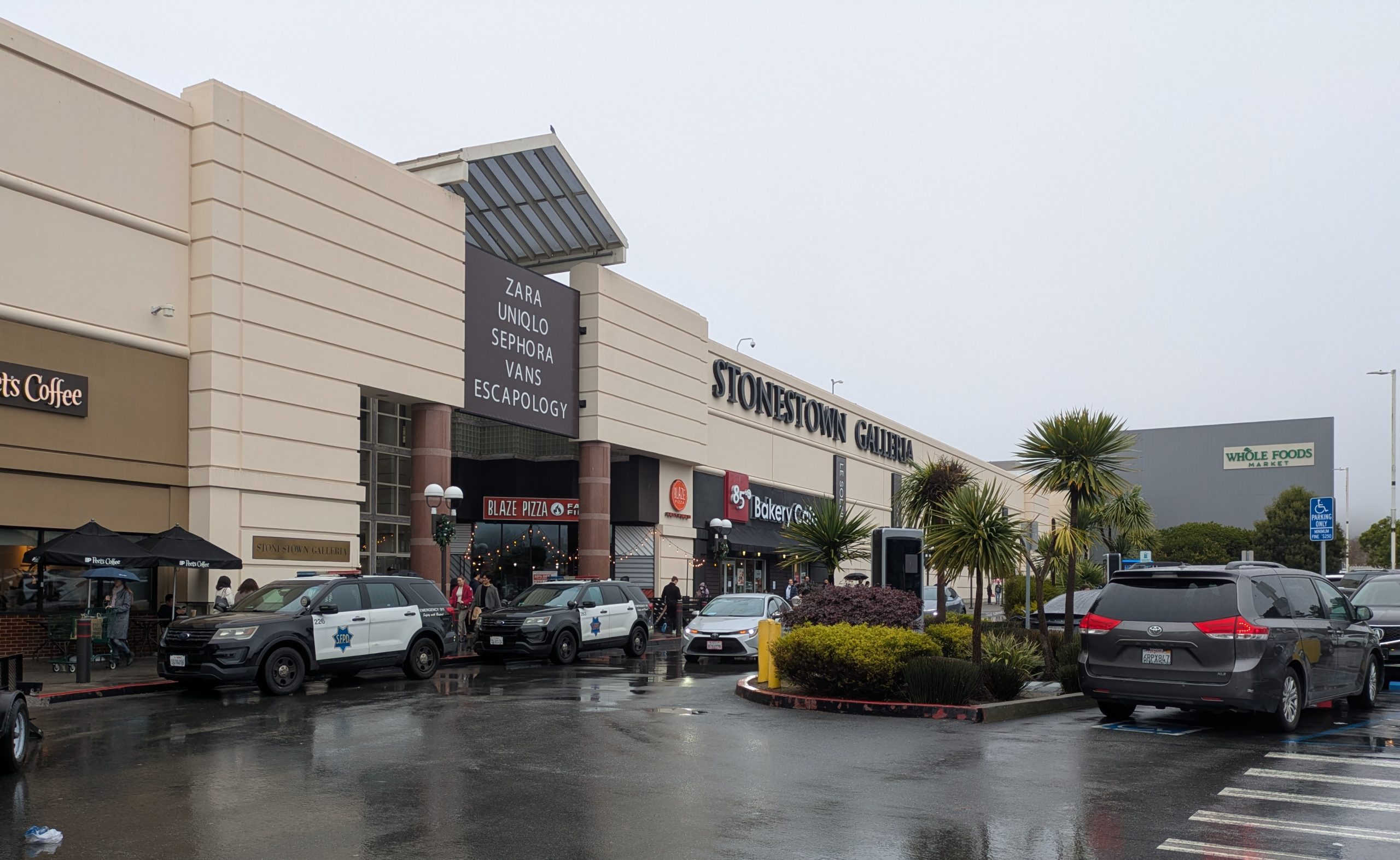
What Is Stonestown?
Stonestown refers to the area surrounding Stonestown Galleria in southwest San Francisco, near San Francisco State University and Lake Merced. While not always defined as a standalone official neighborhood, it is widely recognized as a major residential and commercial hub centered around the mall, transit lines, and nearby housing communities like Parkmerced and Lakeshore. The area attracts residents who value walkability to retail and transit, proximity to major universities, and easy access to large green spaces.
Location & Character
Stonestown is located in the southwest section of San Francisco near San Francisco State University, Stonestown Galleria, Lake Merced, Parkmerced, and the Lakeshore and Merced Heights neighborhoods:
• A retail and lifestyle hub anchored by Stonestown Galleria
• Strong student and university influence due to SF State
• Transit-oriented with rail and major bus connections
• A mix of residential complexes and planned communities nearby
• Easy access to large outdoor recreation areas
• A practical, convenience-driven neighborhood feel
Real Estate & Housing
Housing around Stonestown differs from many traditional San Francisco neighborhoods, featuring more planned residential communities and multi-unit housing:
• Condominiums and townhome-style residences throughout the area
• Large apartment communities, especially in Parkmerced
• Mid-century and later residential developments
• Student and faculty-friendly housing options
• Some single-family homes in adjacent neighborhoods like Lakeshore and Merced Heights
• Price points ranging from more accessible condos to higher-priced nearby single-family homes depending on location and property type
Community & Amenities
Stonestown serves as one of southwest San Francisco's main convenience centers:
• Stonestown Galleria with major retail brands, dining, and services
• Grocery stores and specialty food shops
• Fitness centers and wellness services
• Restaurants and cafés serving the student and local community
• Banking, medical, and personal services nearby
• Quick access to additional shopping at Lakeshore Plaza and West Portal
Parks & Recreation
Outdoor access is a major advantage of the Stonestown area:
• Lake Merced - walking and cycling trails around the lake
• Lake Merced Golf Club and nearby public golf courses
• Pine Lake Park and neighborhood parks close by
• McLaren Park within a short drive
• Ocean Beach within reasonable driving distance
Schools & Education
Stonestown sits adjacent to one of the city's major universities and is served by SFUSD schools in surrounding neighborhoods:
• San Francisco State University directly adjacent to the area
• Lowell High School within the broader southwest district
• Public elementary and middle schools in Lakeshore and Merced Heights
• Private and parochial schools within short commuting distance
Culture & Neighborhood Life
Neighborhood life around Stonestown blends residential living with university and retail energy:
• A diverse, student-influenced population
• Busy retail and dining activity near the mall
• Quieter residential pockets in surrounding communities
• Walkable access to daily needs with frequent transit use among residents
• A mix of long-term residents, students, and professionals
• More of a mixed-use hub than a purely residential district
Transit & Connectivity
Stonestown is one of the better transit-connected areas in southwest San Francisco:
• Muni Metro lines nearby including the M Ocean View line serving SF State and the area
• Multiple Muni bus routes along 19th Avenue and surrounding corridors
• Direct access to 19th Avenue, a major north-south artery
• Quick connection to Interstate 280 for Peninsula commuting
• Bike routes around Lake Merced and campus areas
Final Thoughts
Stonestown offers convenience, transit access, and strong retail amenities in southwest San Francisco. With nearby university influence, condo and townhome options, and close proximity to Lake Merced recreation, it appeals to buyers and renters seeking practical, connected living with everyday essentials close at hand.
3E Lakeside
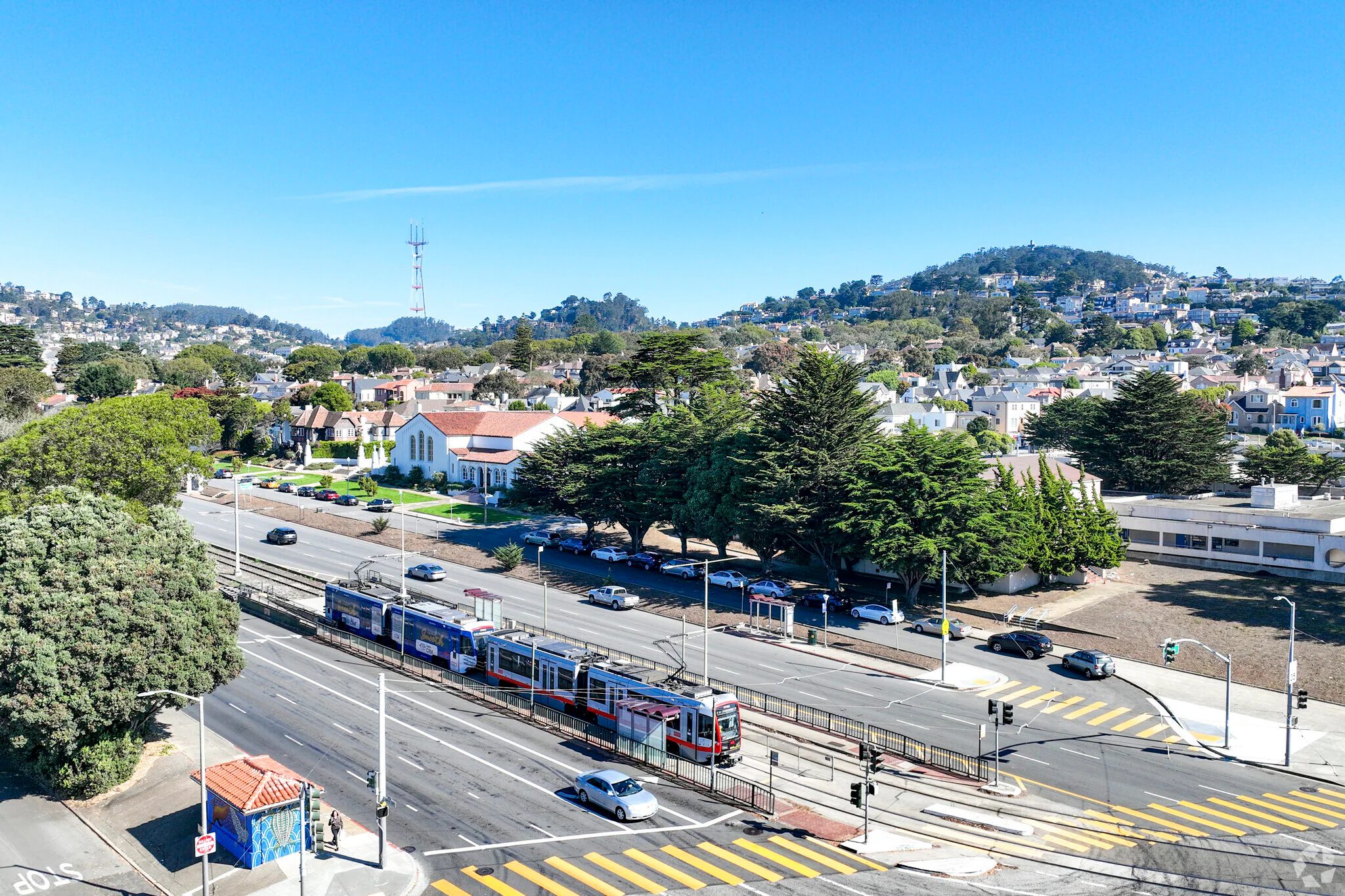
What Is Lakeside?
Lakeside is a well-established residential neighborhood in southwest San Francisco located near Lake Merced and just west of Stonestown and San Francisco State University. Known for its orderly streets, mid-century homes, and proximity to major shopping and recreation, Lakeside attracts buyers seeking a quieter, suburban-style environment within city limits. The neighborhood is primarily residential, with strong access to parks, transit, and retail centers, making it especially appealing to families and long-term residents.
Location & Character
Lakeside sits in southwest San Francisco near Lake Merced, Stonestown Galleria, San Francisco State University, Lakeshore Plaza, and the Merced Heights and Parkside neighborhoods:
• A primarily single-family residential neighborhood
• Curved and grid-style streets with consistent home designs
• A calm, suburban feel within San Francisco
• Close proximity to Lake Merced recreation areas
• Convenient access to shopping and transit corridors
• A stable, long-time homeowner community
Real Estate & Housing
Lakeside is known for its mid-century single-family homes, many built between the 1940s and 1960s with practical layouts and garage parking:
• Predominantly single-family detached homes with similar architectural styles
• Many homes with garages and modest yards or patios
• Two-level floor plans common throughout
• A mix of updated interiors and original-condition homes
• Price points commonly in the mid to upper $1 million range depending on size, updates, and location
• Inventory often limited as many properties are held long-term by owners
Community & Amenities
Lakeside benefits from being close to several major retail and service areas while maintaining a residential atmosphere:
• Lakeshore Plaza shopping center with grocery and daily services
• Stonestown Galleria for expanded retail and dining
• West Portal retail and restaurant corridor within a short drive
• Local cafés, restaurants, and neighborhood services
• Medical, banking, and personal care businesses nearby
Parks & Recreation
Outdoor access is one of Lakeside's biggest advantages:
• Lake Merced - walking, jogging, and cycling paths with shoreline trails and open space
• Nearby golf courses around Lake Merced
• Pine Lake Park and other neighborhood parks close by
• McLaren Park within a short drive
Schools & Education
Lakeside is served by the San Francisco Unified School District with several well-known schools in the broader southwest area:
• Lakeshore Alternative Elementary School
• Lowell High School - admission-based, within the district area
• Additional public schools in surrounding neighborhoods
• Private and parochial schools within short commuting distance
• Close proximity to San Francisco State University
Culture & Neighborhood Life
Lakeside has a quiet, residential culture shaped by long-term residents and families:
• Low commercial density inside the neighborhood itself
• Strong residential identity with consistent home styles and well-kept streets
• Dog walking and outdoor activity centered around Lake Merced
• A slower-paced environment compared to central neighborhoods
• Generally quieter than nearby retail-centered districts
Transit & Connectivity
Lakeside offers solid transportation access for a primarily residential neighborhood:
• Multiple Muni bus routes along Ocean Avenue, Sloat Boulevard, and 19th Avenue
• Nearby Muni Metro access via the M Ocean View line
• Quick access to 19th Avenue for north-south travel
• Convenient connection to Interstate 280
• Bike and walking routes around Lake Merced
Final Thoughts
Lakeside offers stable residential living, mid-century homes, and excellent access to Lake Merced recreation and southwest San Francisco conveniences. With nearby shopping, schools, and transit, it appeals to buyers seeking a quieter neighborhood with practical connectivity and outdoor access.
3F Merced Manor
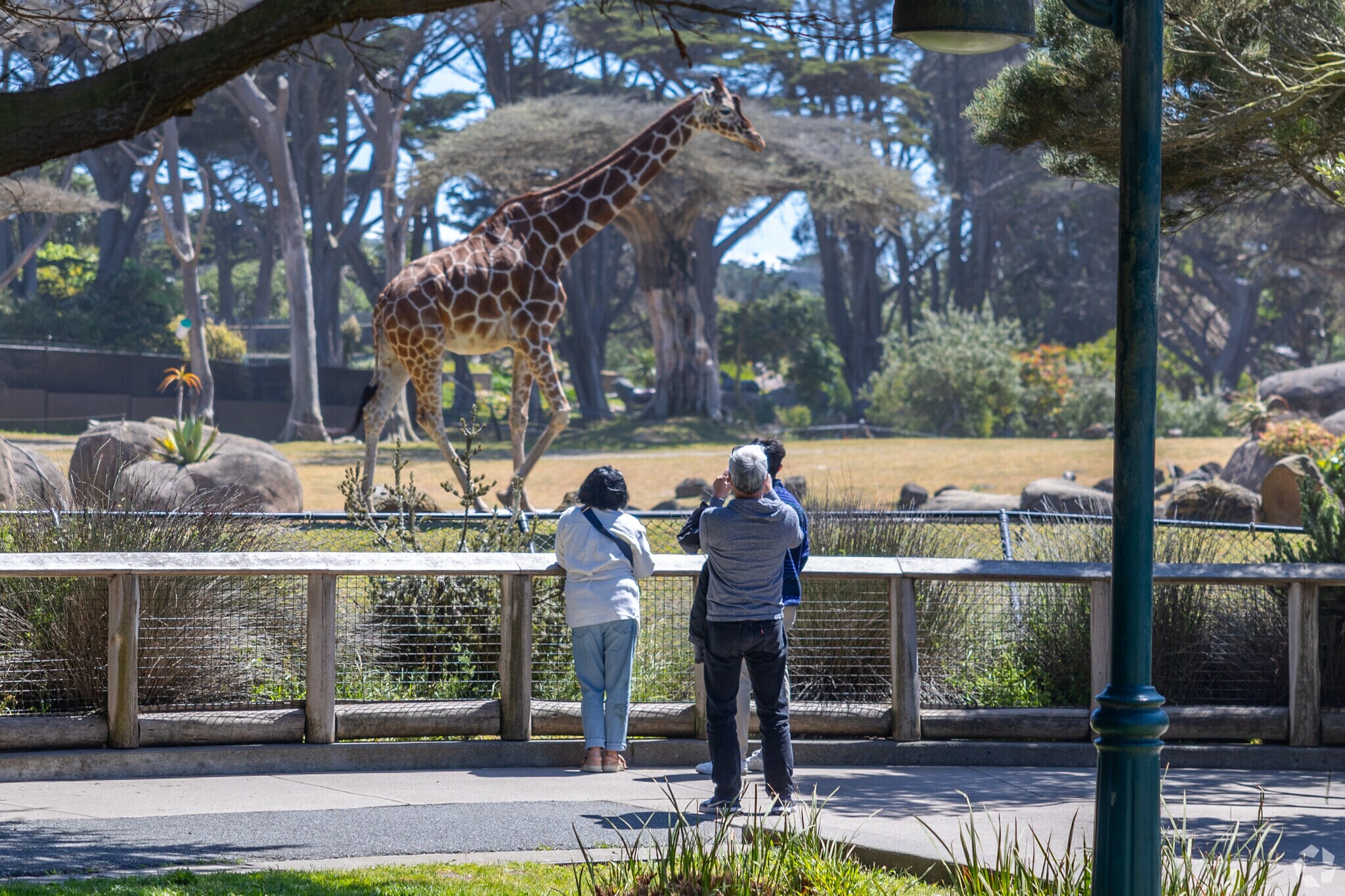
What Is Merced Manor?
Merced Manor is a well-known residential neighborhood in southwest San Francisco recognized for its attractive mid-century homes, wider streets, and cohesive neighborhood design. Developed largely in the mid-1900s, it is considered one of the more architecturally consistent and visually appealing residential tracts in this part of the city. Its location near Stonestown Galleria, Lake Merced, and San Francisco State University makes it especially attractive to buyers who want space, neighborhood character, and convenient access to shopping, recreation, and transit.
Location & Character
Merced Manor is located in southwest San Francisco, generally bordered by Sloat Boulevard to the north, 19th Avenue to the east, and the Lake Merced and Brotherhood Way areas to the south and west. It sits adjacent to Lakeside, Stonestown, and Parkside:
• A planned residential tract with consistent architectural styles
• Wider streets than many San Francisco neighborhoods
• Strong curb appeal and uniform block layouts
• A quiet, suburban-like feel within city limits
• Close proximity to major retail and recreation areas
• A long-established homeowner community
Real Estate & Housing
Merced Manor is especially known for its Spanish Revival and mid-century style single-family homes, many with distinctive facades and thoughtful detailing:
• Predominantly single-family detached homes
• Spanish Revival and Marina-style influences throughout
• Built mainly from the 1930s through the 1950s
• Stucco exteriors, arched windows, and decorative details common
• Garage parking standard for most homes with functional multi-level floor plans
• Some homes featuring larger lots compared to denser city areas
• Price points typically in the mid to upper $1 million range depending on size, updates, and location
• Steady demand driven by architectural charm and neighborhood consistency
Community & Amenities
Merced Manor residents enjoy close access to major shopping and daily conveniences without heavy commercial activity inside the neighborhood itself:
• Stonestown Galleria for shopping and dining
• Lakeshore Plaza retail and services
• Grocery stores and specialty markets nearby
• Ocean Avenue and West Portal business corridors within a short drive
• Fitness centers, cafés, and restaurants close by
Parks & Recreation
Outdoor access is a major advantage of the Merced Manor location:
• Lake Merced - trails, paths, and water views
• Pine Lake Park nearby
• Sigmund Stern Recreation Grove, concert venue and open park space
• Nearby golf courses around Lake Merced
• McLaren Park within a short drive
Schools & Education
Merced Manor is served by the San Francisco Unified School District and sits near several recognized schools and higher-education institutions:
• Public schools throughout the southwest district
• Lowell High School - admission-based, located nearby
• Private and parochial schools within a short commute
• San Francisco State University adjacent to the area
Culture & Neighborhood Life
Merced Manor has a calm, established neighborhood culture with a strong residential identity:
• Pride of ownership and well-maintained homes throughout
• A mix of longtime residents and newer buyers
• Walkable residential blocks with dog walking and outdoor activity toward Lake Merced
• A quieter pace compared to central San Francisco neighborhoods
• Widely regarded as one of the more polished residential enclaves in southwest San Francisco
Transit & Connectivity
Merced Manor is well positioned for both city and regional access:
• Muni bus lines along Sloat Boulevard, 19th Avenue, and Ocean Avenue
• Nearby M Ocean View Metro line access
• Quick access to the 19th Avenue corridor
• Direct connection to Interstate 280 via Brotherhood Way
• Practical routes toward the Peninsula and South Bay
• Bike and walking routes around Lake Merced
Final Thoughts
Merced Manor stands out for its architectural character, residential consistency, and prime southwest San Francisco location. With classic homes, wider streets, nearby shopping, and excellent access to Lake Merced and transit, it remains a top choice for buyers seeking neighborhood charm and long-term livability within the city.
3G Ingleside Heights
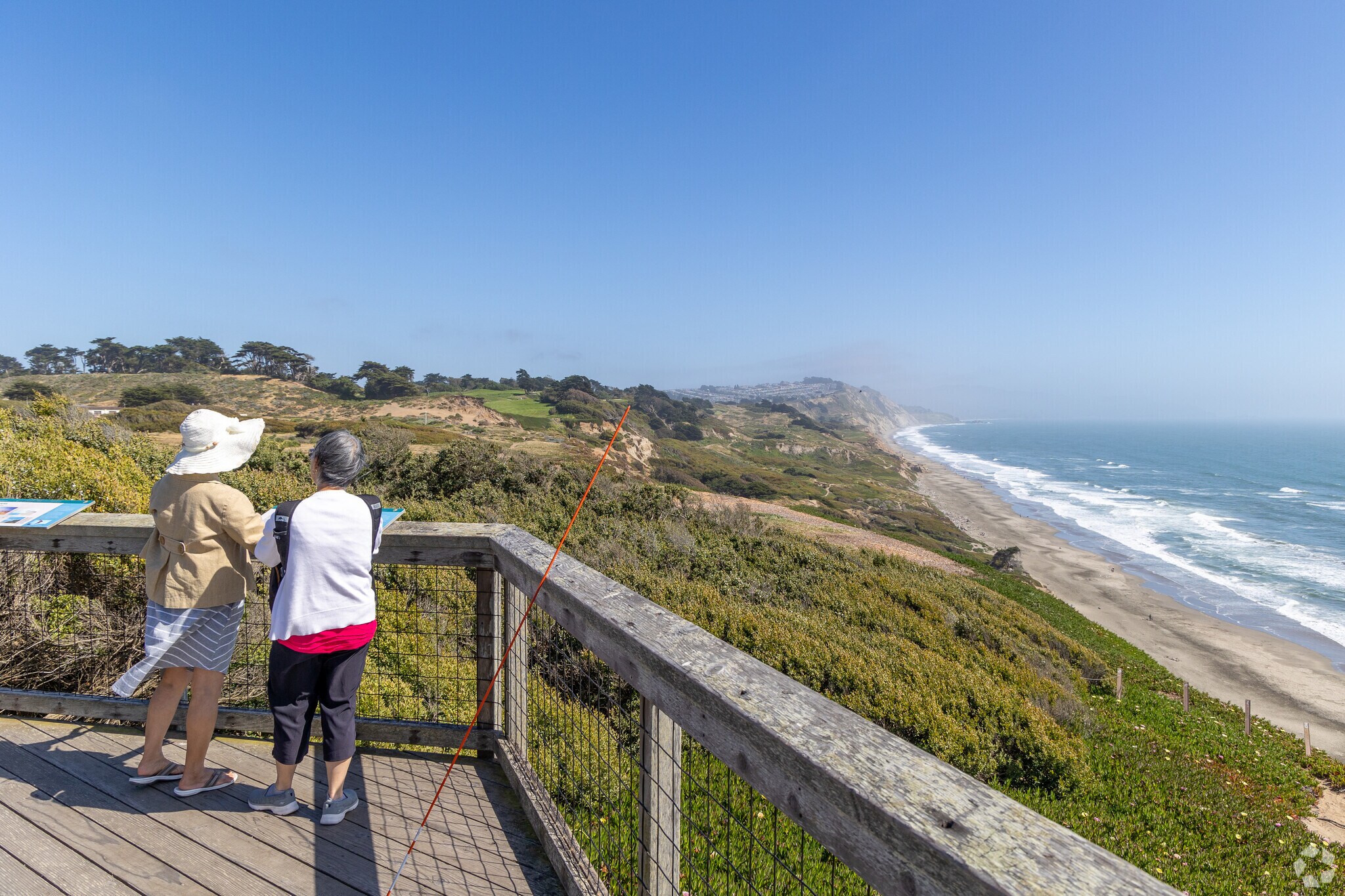
What Is Ingleside Heights?
Ingleside Heights is a peaceful, family-friendly residential neighborhood in southwestern San Francisco. Known for its colorful mid-century homes, elevated terrain, and quiet streets, it feels more relaxed than many central city districts while still offering convenient access to urban amenities. Homes here often feature classic San Francisco architectural details, bright facades, and built-in garages. The neighborhood attracts families, long-time residents, and buyers looking for value and space within city limits.
Location & Character
Ingleside Heights is located in southwest San Francisco, roughly bordered by Holloway Avenue to the north, Brotherhood Way to the south, Junipero Serra Boulevard to the east, and Lake Merced Boulevard to the west:
• Quiet, primarily residential streets with limited through traffic
• Colorful homes with bungalow, Marina, and Mission-influenced styles
• Gently elevated and hilly terrain with some view lots
• A diverse and established residential community
• A calm, tucked-away feel while remaining well connected to nearby corridors
Real Estate & Housing
Ingleside Heights is primarily made up of single-family homes built between the 1940s and 1960s:
• Single-family detached houses as the dominant housing type
• Mid-century construction with garages and compact yards
• Bay windows and classic San Francisco exterior details
• Some condos and small multi-unit buildings mixed in
• Updated interiors in many renovated homes
• Price points commonly in the low to mid $1 million range depending on size, condition, and location
• A strong draw for buyers seeking classic homes and relative affordability compared to more central San Francisco districts
Community & Amenities
While mainly residential, Ingleside Heights is close to several convenient shopping and dining areas:
• Neighborhood cafés and casual restaurants within easy reach
• Ocean Avenue retail and dining corridor nearby
• Stonestown shopping and dining options within a short drive
• Grocery stores and daily services close to the neighborhood
• Community spaces and neighborhood gathering areas
Parks & Recreation
Access to parks and open space is a major benefit of living in Ingleside Heights:
• Brooks Park - walking paths, open space, and scenic viewpoints
• Merced Heights Playground - courts and recreation areas
• Lake Merced - trails, water views, and jogging paths nearby
• Golf courses and large green spaces around the Lake Merced area
Schools & Education
Ingleside Heights is served by the San Francisco Unified School District and sits near several public schools and educational institutions:
• Jose Ortega Elementary School
• Aptos Middle School
• Balboa High School
• San Francisco State University located nearby
• Private and charter school options within a reasonable commute
Culture & Neighborhood Life
Ingleside Heights has a relaxed, residential culture shaped by families and long-time homeowners:
• Quiet blocks and neighbor-oriented living
• A mix of long-term residents and newer homeowners
• Community pride and well-kept homes throughout
• Access to nearby cultural and seasonal events in surrounding districts
• A slower pace compared to busier urban neighborhoods
Transit & Connectivity
Ingleside Heights offers strong regional and city connectivity:
• Quick access to Interstate 280 for regional travel
• Close proximity to Daly City BART for Bay Area commuting
• Multiple Muni bus routes along nearby major streets
• Easy access to Ocean Avenue and other transit corridors
Final Thoughts
Ingleside Heights offers classic San Francisco residential living with colorful homes, quiet streets, nearby parks, and strong transit access. With its mid-century housing stock, community feel, and proximity to Lake Merced and major transit routes, it remains a solid choice for buyers seeking space, value, and neighborhood stability within the city.
3H Ingleside
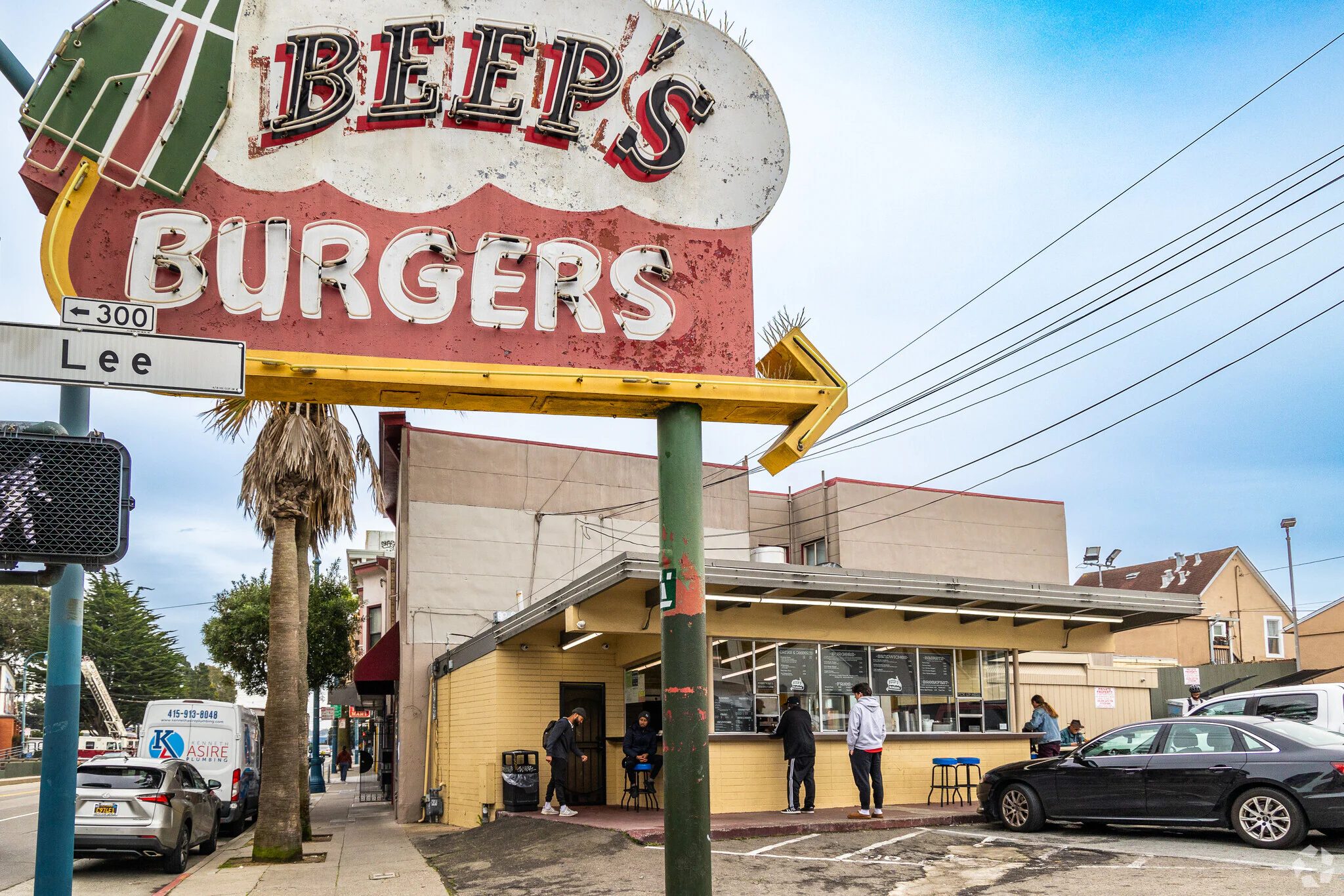
What Is Ingleside?
Ingleside is a established residential neighborhood in the southwestern part of San Francisco, known for its quiet streets, diverse community, and classic mid-century homes. Situated between several of the city's larger southwestern districts, Ingleside offers an accessible, family-friendly environment with solid transit connections, nearby parks, and everyday conveniences within easy reach.
Location & Character
Ingleside sits in southwest San Francisco, generally bordered by Ocean Avenue to the north, Geneva Avenue to the south, Junipero Serra Boulevard to the west, and San Jose Avenue to the east. It lies near neighborhoods including Ingleside Terrace, Ingleside Heights, Oceanview, and Excelsior:
• Primarily residential blocks with a calm, low-traffic atmosphere
• A diverse and long-established community with strong neighborhood roots
• Classic mid-century and early 20th century home styles throughout
• A practical, everyday neighborhood feel with good connectivity
• A cooler microclimate typical of San Francisco's southwestern areas
Real Estate & Housing
Ingleside's housing stock is largely composed of single-family homes and smaller multi-unit buildings:
• Predominantly single-family detached and semi-detached homes
• Mid-century construction common throughout, many with garages and yards
• Some duplexes, condos, and small apartment buildings mixed in
• Classic San Francisco architectural details including bay windows and stucco exteriors
• Price points generally among the more accessible in San Francisco, making it attractive to first-time buyers and families
• Steady demand supported by location, transit access, and neighborhood stability
Community & Amenities
Ingleside benefits from a strong network of nearby commercial corridors and daily conveniences:
• Ocean Avenue serving as the primary nearby retail and dining corridor
• Cafés, restaurants, grocery stores, and everyday services within easy reach
• Geneva Avenue and nearby streets offering additional neighborhood shopping
• Stonestown Galleria a short drive away for expanded retail and dining
• Community spaces and local gathering spots throughout the area
Parks & Recreation
Ingleside residents enjoy access to several outdoor spaces in and around the neighborhood:
• Balboa Park - one of the area's largest recreation hubs with sports fields, playgrounds, a recreation center, and open space
• Brooks Park - walking paths and scenic viewpoints nearby
• Lake Merced - trails, water views, and cycling paths within a short drive
• McLaren Park - hiking trails, sports facilities, and picnic areas accessible from the neighborhood
• Nearby green spaces and neighborhood parks throughout the surrounding area
Schools & Education
Ingleside is served by the San Francisco Unified School District with several school options in the neighborhood and surrounding areas:
• Commodore Sloat Elementary School
• Aptos Middle School nearby
• Balboa High School serving the broader district area
• City College of San Francisco and San Francisco State University both within a short commute
• Private and parochial school options within reasonable distance
Culture & Neighborhood Life
Ingleside has a grounded, community-oriented culture shaped by its diverse and long-established population:
• A welcoming blend of longtime residents, families, and newer homeowners
• Quiet residential blocks with a strong sense of neighborly connection
• Community involvement supported by local organizations and neighborhood associations
• A slower, more residential pace compared to central San Francisco districts
• Cultural diversity reflected in local businesses, dining, and community life
Transit & Connectivity
Ingleside is one of the better-connected neighborhoods in southwest San Francisco:
• Balboa Park BART station providing direct access to downtown San Francisco and the broader Bay Area
• Multiple Muni Metro lines including the K Ingleside and J Church routes
• Several Muni bus routes along Ocean Avenue, Geneva Avenue, and surrounding corridors
• Quick access to Interstate 280 for Peninsula and regional commuting
• Convenient proximity to major north-south and east-west arterials throughout the city
Final Thoughts
Ingleside offers solid residential living, genuine community character, and strong transit access in one of San Francisco's more affordable southwestern neighborhoods. With its classic homes, nearby parks, diverse community, and convenient connections to the rest of the city and the Peninsula, Ingleside is a practical and appealing choice for families, first-time buyers, and long-term residents seeking everyday livability within San Francisco.
3J Oceanview
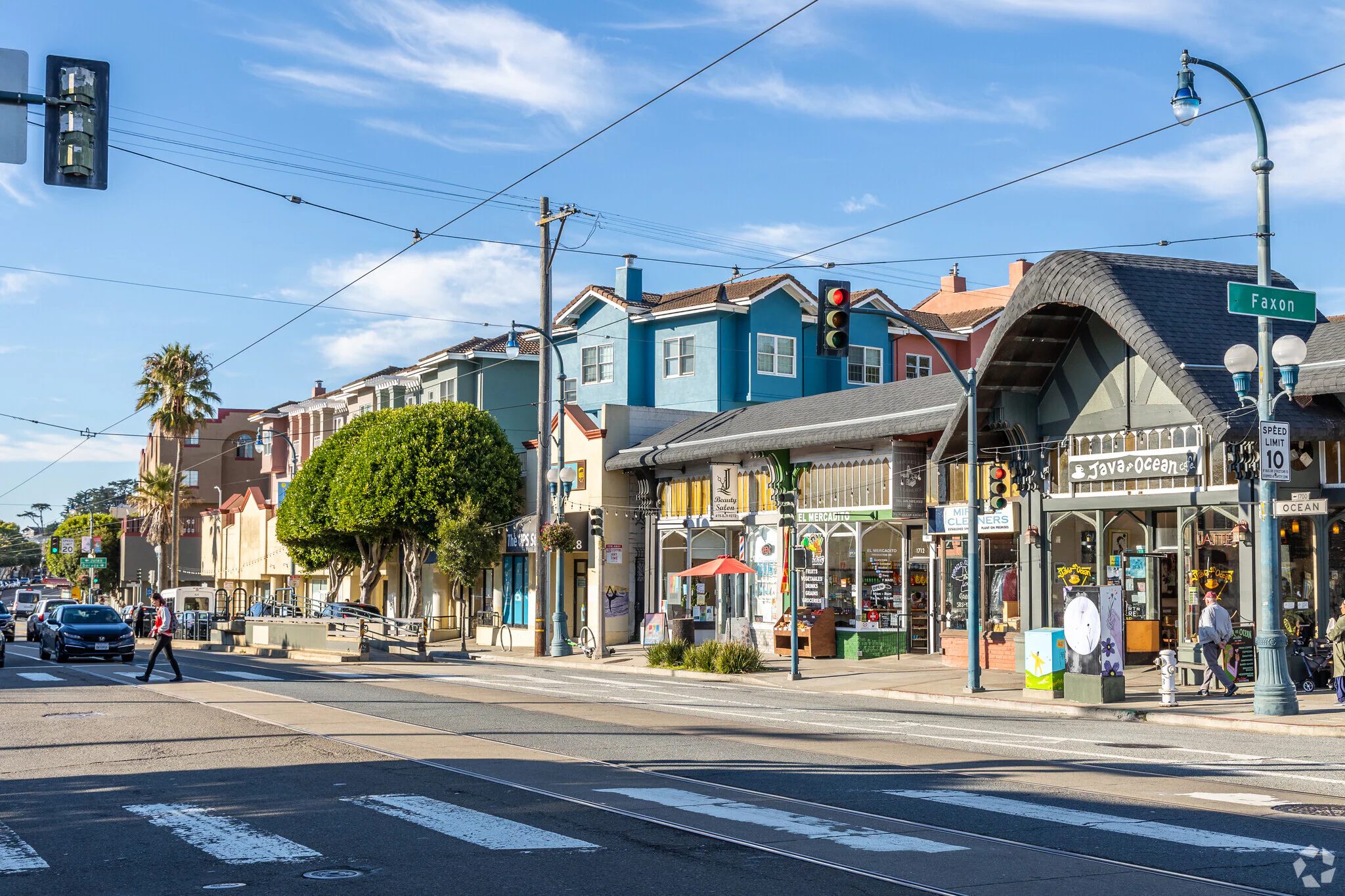
What Is Oceanview?
Oceanview is a diverse, working-class residential neighborhood in the southwestern part of San Francisco, known for its quiet streets, close-knit community, and convenient access to transit, parks, and everyday amenities. Sitting between several of the city's larger southwestern districts, Oceanview offers an accessible and practical living environment with a strong neighborhood identity and solid connections to the rest of the city.
Location & Character
Oceanview is located in southwest San Francisco, generally bordered by Ocean Avenue to the north, Geneva Avenue to the south, Junipero Serra Boulevard to the east, and Broad Street to the west. It sits near neighborhoods including Ingleside, Merced Heights, and Ingleside Heights:
• Primarily residential blocks with a calm, community-oriented atmosphere
• A diverse and long-established population with deep neighborhood roots
• A mix of mid-century and early 20th century home styles
• Relatively flat terrain making it walkable and accessible
• A practical, everyday neighborhood feel with strong local character
Real Estate & Housing
Oceanview's housing stock offers a range of options suited to different buyers and renters:
• A mix of single-family detached homes, duplexes, and small multi-unit buildings
• Mid-century construction common throughout, many with garages and modest yards
• Classic San Francisco architectural details including bay windows and stucco exteriors
• Some updated interiors mixed with original-condition homes
• Price points among the more accessible in San Francisco, making it a strong draw for first-time buyers and families
• Steady demand supported by transit access, location, and neighborhood affordability
Community & Amenities
Oceanview benefits from nearby commercial corridors and practical everyday conveniences:
• Ocean Avenue serving as the primary nearby retail and dining corridor
• Cafés, restaurants, grocery stores, and essential services within easy reach
• Geneva Avenue and surrounding streets offering additional neighborhood shopping options
• Stonestown Galleria a short drive away for expanded retail, dining, and services
• Community spaces and local gathering spots supporting neighborhood connection
Parks & Recreation
Oceanview residents enjoy access to several outdoor spaces in and around the neighborhood:
• Minnie and Lovie Ward Recreation Center - a major community hub with sports courts, a gymnasium, and recreation programs
• Oceanview Park - open green space and a gathering spot for local residents
• Balboa Park - sports fields, playgrounds, a recreation center, and open space nearby
• Lake Merced - trails, water views, and cycling paths within a short drive
• McLaren Park - one of the city's largest parks with hiking trails, sports facilities, and picnic areas
Schools & Education
Oceanview is served by the San Francisco Unified School District with several school options in the neighborhood and surrounding areas:
• Sheridan Elementary School serving the local community
• Aptos Middle School nearby
• Balboa High School serving the broader district area
• City College of San Francisco and San Francisco State University both within a short commute
• Private and parochial school options within a reasonable distance
Culture & Neighborhood Life
Oceanview has a grounded, community-oriented culture shaped by its long-established and diverse population:
• A welcoming blend of longtime residents, families, and newer homeowners
• Quiet residential blocks with a genuine sense of neighborly connection
• Cultural diversity reflected in local businesses, dining, and everyday community life
• Active community involvement supported by local organizations and neighborhood groups
• A slower, residential pace compared to busier central San Francisco districts
Transit & Connectivity
Oceanview is well served by public transit and major roadways:
• Balboa Park BART station providing direct access to downtown San Francisco and the broader Bay Area
• Multiple Muni Metro lines including the K Ingleside route running through the neighborhood
• Several Muni bus routes along Ocean Avenue, Geneva Avenue, and nearby corridors
• Quick access to Interstate 280 for Peninsula and regional commuting
• Convenient proximity to Junipero Serra Boulevard and other major arterials
Final Thoughts
Oceanview offers genuine community character, accessible housing, and strong transit connections in one of San Francisco's more affordable southwestern neighborhoods. With its diverse population, nearby parks, practical amenities, and solid links to the rest of the city and the Peninsula, Oceanview is a straightforward and appealing choice for families, first-time buyers, and long-term residents seeking everyday livability within San Francisco.
District 4
4A Balboa Terrace
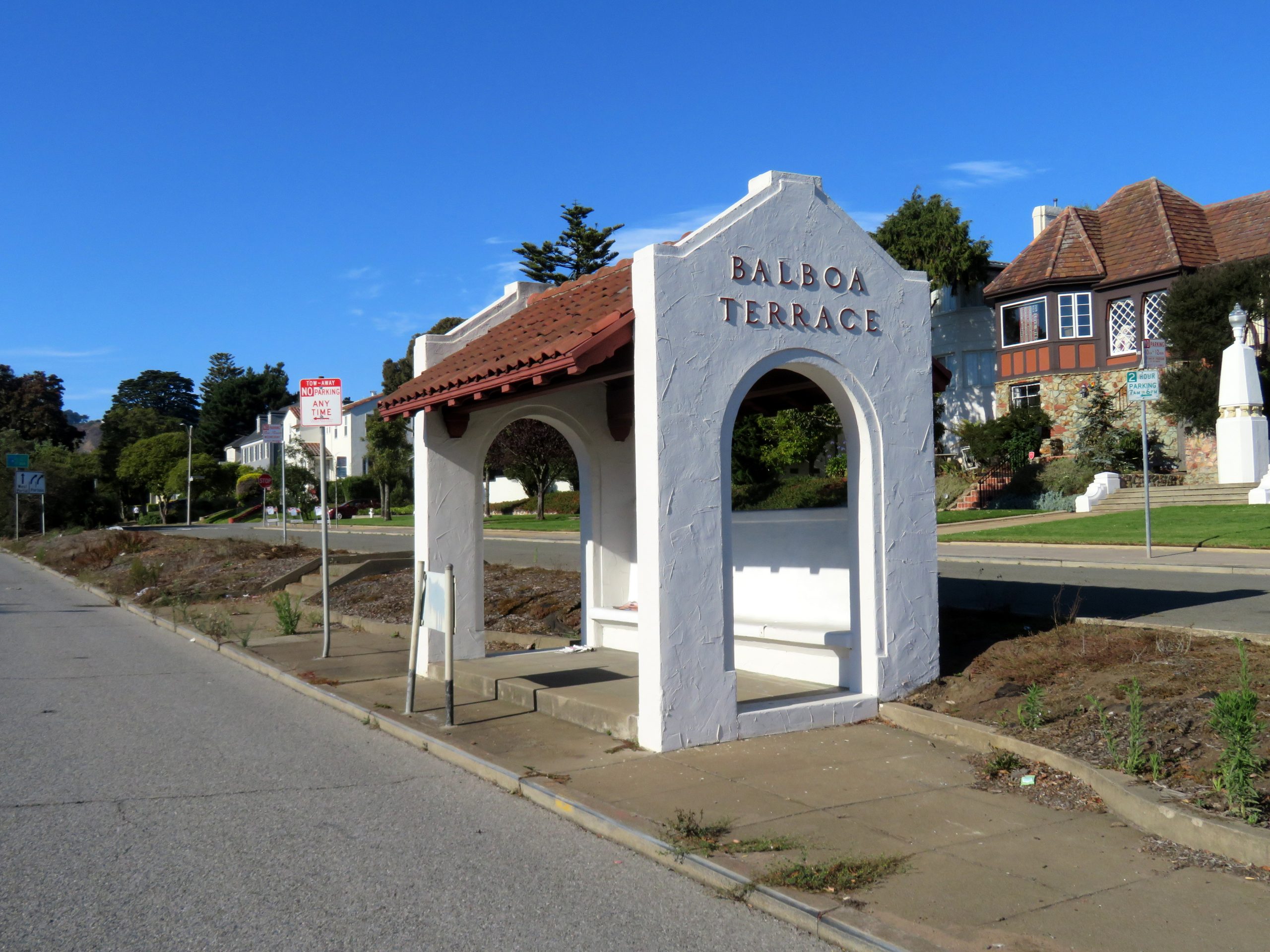
What Is Balboa Terrace?
Balboa Terrace is a quiet, well-maintained residential neighborhood in the southwestern part of San Francisco, known for its classic homes, tree-lined streets, and strong sense of community. Developed in the early to mid-20th century as a planned residential enclave, it offers a calm, suburban-like atmosphere while remaining well connected to the rest of the city. Balboa Terrace attracts families, long-time residents, and buyers seeking architectural character, neighborhood stability, and everyday convenience within San Francisco.
Location & Character
Balboa Terrace is located in southwest San Francisco, generally bordered by Ocean Avenue to the north, Sloat Boulevard to the south, Junipero Serra Boulevard to the west, and San Jose Avenue to the east. It sits near neighborhoods including Ingleside Terrace, Ingleside, and West Portal:
• Quiet, primarily residential streets with low through traffic
• A cohesive neighborhood design with consistent architectural styles
• Tree-lined blocks and well-kept properties throughout
• A calm, suburban feel within city limits
• A diverse and established community with many long-term residents
• Gently sloping terrain offering some elevated views across the surrounding area
Real Estate & Housing
Balboa Terrace is known for its attractive single-family homes with classic architectural detailing and strong curb appeal:
• Predominantly single-family detached homes as the dominant housing type
• Spanish Revival, Mediterranean, and Mission-influenced architectural styles common
• Built primarily from the 1920s through the 1950s with period detailing throughout
• Stucco exteriors, arched windows, and decorative facades typical of the area
• Most homes featuring garages, yards, and functional multi-level floor plans
• Some updated interiors mixed with well-preserved original-condition homes
• Price points typically in the mid to upper $1 million range depending on size, updates, and location
• Limited inventory as many properties are held long-term, supporting steady demand and value
Community & Amenities
Balboa Terrace maintains a residential atmosphere while benefiting from nearby commercial corridors:
• Ocean Avenue retail and dining corridor serving as the primary nearby commercial hub
• Cafés, restaurants, grocery stores, and everyday services within easy reach
• West Portal Avenue a short drive away with boutique shopping, dining, and neighborhood conveniences
• Stonestown Galleria nearby for expanded retail, dining, and essential services
• Community spaces and neighborhood gathering areas supporting local connection
Parks & Recreation
Balboa Terrace residents enjoy solid access to outdoor spaces and recreation in the surrounding area:
• Balboa Park - one of the area's largest recreation hubs with sports fields, playgrounds, a recreation center, and open space
• Minnie and Lovie Ward Recreation Center nearby with courts, a gymnasium, and community programs
• Lake Merced - trails, water views, and cycling paths within a short drive
• Sigmund Stern Recreation Grove - wooded trails, open lawns, and the well-known free summer concert series
• McLaren Park within a short drive offering hiking trails, sports facilities, and picnic areas
Schools & Education
Balboa Terrace is served by the San Francisco Unified School District with several well-regarded school options in the neighborhood and surrounding areas:
• Public elementary schools within the southwest district
• Aptos Middle School serving the broader area
• Balboa High School nearby
• City College of San Francisco and San Francisco State University both within a short commute
• Private and parochial school options within a reasonable distance
Culture & Neighborhood Life
Balboa Terrace has a calm, established neighborhood culture shaped by its long-term residents and family-oriented community:
• Strong pride of ownership reflected in well-maintained homes and streets throughout
• A welcoming blend of longtime residents and newer homeowners
• Quiet residential blocks with a genuine sense of neighborly connection
• Community involvement supported by local neighborhood associations
• A slower, more residential pace compared to busier central San Francisco districts
• Valued for its stability, character, and sense of belonging
Transit & Connectivity
Balboa Terrace offers practical transit and roadway access for both city and regional commuting:
• Balboa Park BART station providing direct access to downtown San Francisco and the broader Bay Area
• Multiple Muni Metro lines serving nearby Ocean Avenue and surrounding corridors
• Several Muni bus routes along Ocean Avenue, Junipero Serra Boulevard, and nearby streets
• Quick access to Interstate 280 via nearby entrances for Peninsula and regional travel
• Convenient proximity to major north-south arterials including Junipero Serra Boulevard and 19th Avenue
Final Thoughts
Balboa Terrace offers a rare combination of architectural charm, residential quiet, and practical city connectivity in southwest San Francisco. With its classic homes, tree-lined streets, nearby parks, and strong community identity, it appeals to families, professionals, and long-term investors seeking neighborhood character and everyday livability within the city. For those looking for a well-established San Francisco neighborhood with enduring appeal and long-term value, Balboa Terrace is a standout choice.
4B Diamond Heights
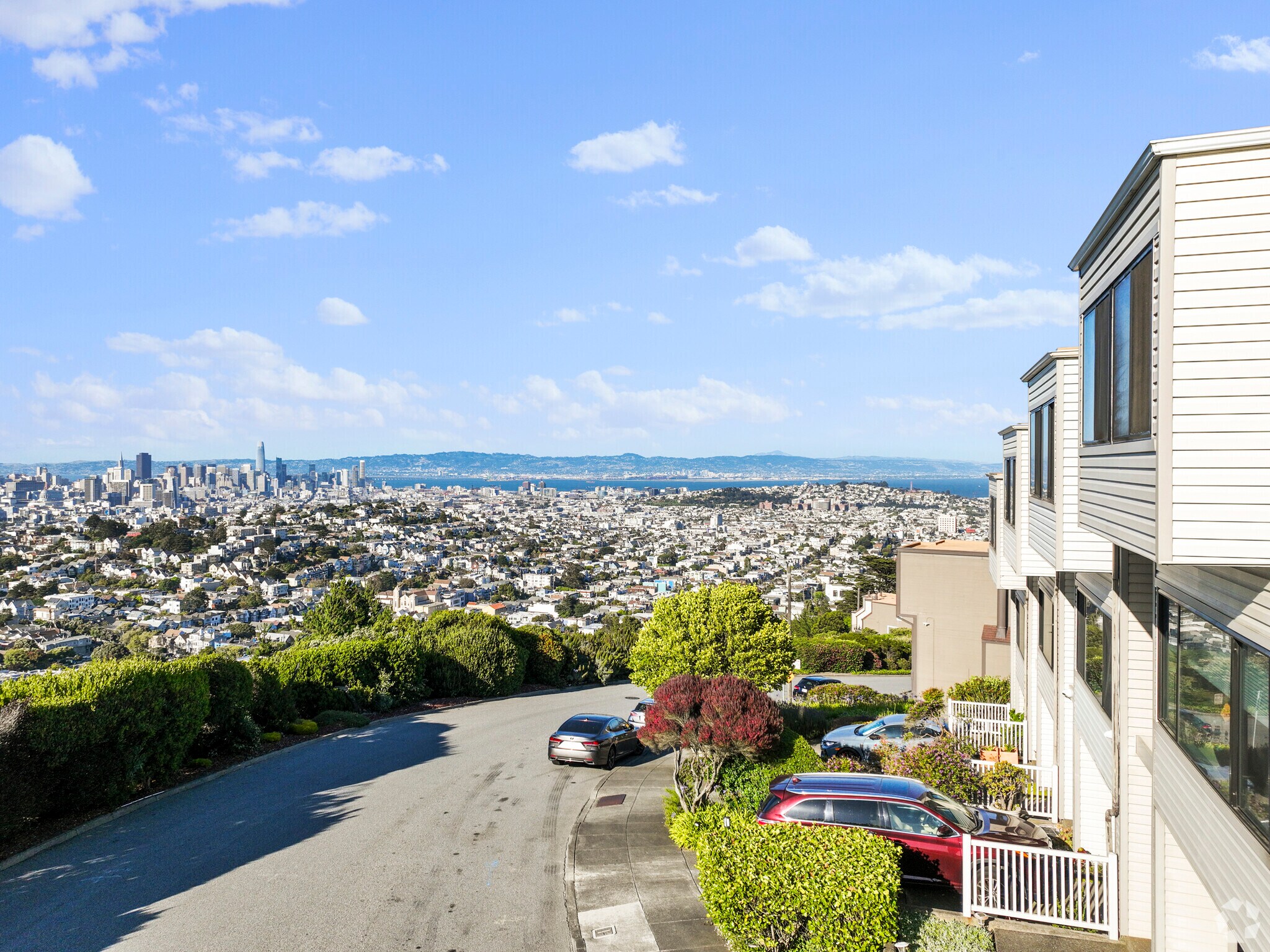
What Is Diamond Heights?
Diamond Heights is a distinctive hilltop neighborhood in the geographic center of San Francisco, known for its sweeping panoramic views, modern mid-century planned housing, and easy access to Glen Canyon Park and surrounding green spaces. Developed primarily in the 1960s and 1970s as part of a large-scale urban redevelopment project, Diamond Heights has a cohesive, planned character that sets it apart from older, more organically developed San Francisco neighborhoods. It attracts families, professionals, and buyers seeking views, open space, and a quieter residential pace with strong city connectivity.
Location & Character
Diamond Heights is located in central-south San Francisco, generally bordered by Glen Canyon Park to the north and west, Noe Valley to the east, and Glen Park to the south. It sits near neighborhoods including Glen Park, Noe Valley, and Eureka Valley:
• Elevated hilltop terrain offering sweeping views of the city, Bay, and surrounding hills
• A planned mid-century residential development with consistent architectural character
• Quiet, low-traffic streets with a calm suburban feel within city limits
• Strong connection to Glen Canyon Park and surrounding natural open space
• A diverse and established community with a mix of long-term residents and newer buyers
• A cooler, windswept microclimate due to elevation and central city exposure
Real Estate & Housing
Diamond Heights offers a distinctive housing market shaped by its planned development origins:
• A mix of single-family homes, townhomes, condominiums, and cooperative units
• Mid-century and later construction from the 1960s through the 1980s
• Many homes designed to take full advantage of hillside views with large windows and open layouts
• Condominium and townhome complexes offering more accessible entry points compared to single-family homes
• Some single-family detached homes commanding premium prices due to views and lot size
• Price points ranging from more accessible condos to higher-priced view homes depending on type, size, and location
• Steady demand driven by views, open space access, and central city location
Community & Amenities
Diamond Heights is primarily residential but benefits from a convenient neighborhood commercial center and nearby corridors:
• Diamond Heights Shopping Center serving as the neighborhood's primary retail and convenience hub
• Grocery stores, cafés, restaurants, and everyday services within easy walking distance
• Glen Park Village commercial corridor a short distance away with additional dining and neighborhood shops
• Noe Valley's 24th Street retail and dining scene accessible within a short drive or transit ride
• Essential services and community spaces within convenient reach
Parks & Recreation
Outdoor access is one of Diamond Heights' most compelling advantages, anchored by its immediate adjacency to Glen Canyon Park:
• Glen Canyon Park - one of San Francisco's most beloved natural parks featuring hiking trails, a recreation center, a creek, open meadows, and abundant wildlife
• Billy Goat Hill - a beloved neighborhood landmark with panoramic city and Bay views
• Corona Heights Park - rocky hilltop park with additional city views and open space nearby
• Fairmount Park and smaller neighborhood green spaces throughout the area
• Easy access to Twin Peaks open space and trails within a short distance
Schools & Education
Diamond Heights is served by the San Francisco Unified School District with several school options in the neighborhood and surrounding areas:
• Fairmount Elementary School serving the local community
• James Lick Middle School in the broader district area
• Various high school options within the SFUSD system including Mission High School
• Private and parochial school options within a reasonable commute
• Proximity to City College of San Francisco and San Francisco State University for higher education access
Culture & Neighborhood Life
Diamond Heights has a relaxed, community-oriented culture shaped by its unique hilltop setting and planned neighborhood identity:
• A welcoming blend of longtime residents, families, and newer homeowners
• Quiet residential streets with a genuine sense of community connection
• Strong appreciation for outdoor living centered around Glen Canyon Park and neighborhood trails
• A slower, more residential pace compared to busier central San Francisco districts
• Community involvement supported by local neighborhood associations and park groups
• A unique neighborhood identity shaped by its views, greenery, and mid-century character
Transit & Connectivity
Diamond Heights offers solid transit and roadway access despite its elevated and somewhat secluded setting:
• Multiple Muni bus routes serving Diamond Heights Boulevard and surrounding streets
• Connections to the J Church and K Ingleside Muni Metro lines via nearby corridors
• Glen Park BART station within a short drive or transit ride providing direct Bay Area access
• Quick access to Highway 101 and Interstate 280 for regional commuting
• Convenient proximity to major city arterials including Portola Drive and O'Shaughnessy Boulevard
Final Thoughts
Diamond Heights offers a rare combination of hilltop views, natural open space, and residential quiet in the heart of San Francisco. With its mid-century planned character, immediate access to Glen Canyon Park, diverse housing options, and solid city connectivity, it appeals to families, professionals, and buyers seeking a distinctive neighborhood with long-term livability and enduring scenic appeal. For those looking for sweeping views, green surroundings, and a true sense of neighborhood calm within the city, Diamond Heights is well worth exploring.
4C Forest Hill
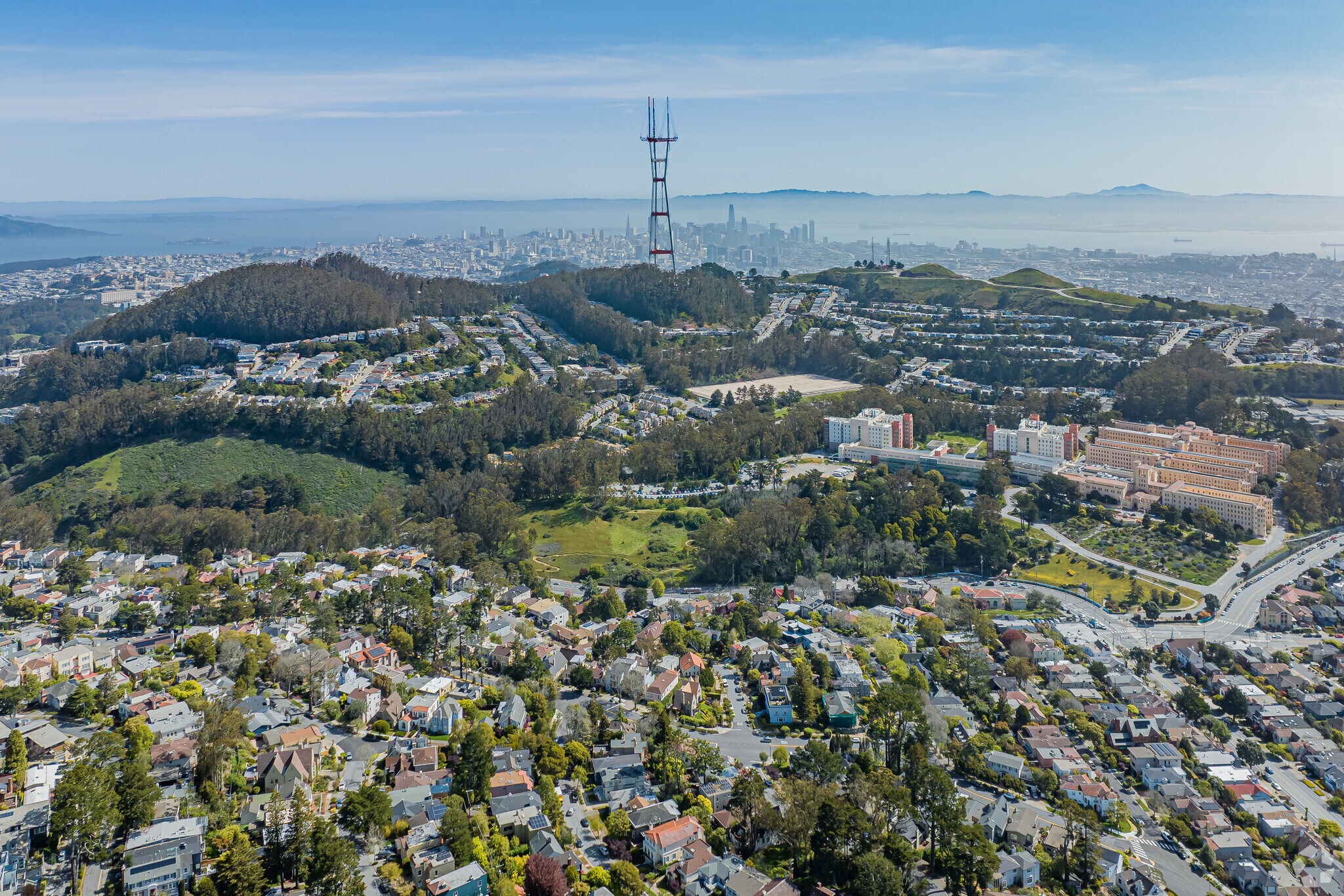
What Is Forest Hill?
Forest Hill is one of San Francisco's most elegant and carefully preserved residential neighborhoods, located in the west-central part of the city. Established in the early 1900s as a planned residential community, it is known for its winding tree-lined streets, architectural consistency, historic homes, and a rare sense of seclusion within a major urban environment. Forest Hill attracts discerning buyers, families, and long-term residents who value privacy, beauty, and enduring neighborhood character alongside strong city connectivity.
Location & Character
Forest Hill is located in west-central San Francisco, generally bordered by Laguna Honda Boulevard to the east, Woodside Avenue to the south, Dewey Boulevard to the west, and the West Portal area to the north. It sits near neighborhoods including West Portal, Forest Knolls, and St. Francis Wood:
• Winding, tree-lined streets with a distinctly private and secluded atmosphere
• A carefully planned residential enclave with deed restrictions preserving neighborhood character
• Primarily Mediterranean, Spanish Revival, and Arts and Crafts architectural styles
• Lush landscaping, mature trees, and well-maintained properties throughout
• A quiet, low-traffic environment rarely found in a major city
• Elevated terrain offering some homes partial views of the surrounding hillsides and city
Real Estate & Housing
Forest Hill is widely regarded as one of San Francisco's most architecturally distinguished residential neighborhoods:
• Predominantly large single-family detached homes on generous lots
• Mediterranean, Spanish Revival, Tudor, and Craftsman architectural styles from the 1910s through the 1930s
• Homes featuring period details including red tile roofs, arched entryways, decorative facades, and mature garden settings
• Many properties with spacious interiors, formal living areas, and well-established gardens
• Larger lot sizes than most San Francisco neighborhoods, a significant rarity in the city
• Limited inventory as properties are held long-term, supporting strong and consistent demand
• Price points typically in the upper $1 million range and well above depending on size, condition, and location
• Long-term investment appeal driven by architectural prestige, scarcity, and neighborhood stability
Community & Amenities
Forest Hill maintains a serene residential atmosphere while benefiting from the proximity of several convenient nearby corridors:
• West Portal Avenue a short walk or drive away with boutique shops, cafés, restaurants, and everyday services
• Forest Hill Station serving as a neighborhood landmark and transit hub
• Stonestown Galleria accessible within a short drive for expanded retail and dining
• Ocean Avenue and West Portal corridors offering additional dining, grocery, and service options
• Essential daily conveniences within easy reach without compromising neighborhood tranquility
Parks & Recreation
Forest Hill residents enjoy strong access to natural open spaces and recreational areas throughout the surrounding area:
• Laguna Honda Open Space - natural hillside trails and scenic viewpoints immediately adjacent to the neighborhood
• Glen Canyon Park - one of San Francisco's most beloved natural parks with hiking trails, a creek, open meadows, and abundant wildlife
• Twin Peaks open space and trails within a short drive offering panoramic city and Bay views
• Sutro Forest and Mount Sutro Open Space Reserve providing additional wooded hiking and nature access
• Nearby neighborhood parks and smaller green spaces throughout the surrounding area
Schools & Education
Forest Hill is served by the San Francisco Unified School District with several well-regarded school options in the neighborhood and surrounding areas:
• West Portal Elementary School - a highly regarded neighborhood school within easy reach
• Aptos Middle School serving the broader district area
• Various high school options within the SFUSD system
• Private and parochial school options within a short commute
• City College of San Francisco and San Francisco State University accessible for higher education
Culture & Neighborhood Life
Forest Hill has one of San Francisco's most distinctive and cherished neighborhood cultures, shaped by its planned origins and architectural heritage:
• The Forest Hill Association, one of the city's oldest neighborhood organizations, actively maintains community standards and organizes resident events
• The historic Forest Hill Clubhouse serves as a beloved community gathering space for residents
• Strong pride of ownership reflected in beautifully maintained homes, gardens, and streets throughout
• A welcoming blend of longtime residents and newer families drawn by the neighborhood's prestige and character
• A quiet, unhurried pace of life that feels genuinely removed from the bustle of city living
• A strong collective commitment to preserving the neighborhood's historic and architectural integrity
Transit & Connectivity
Despite its secluded feel, Forest Hill offers surprisingly strong transit and roadway access:
• Forest Hill Muni Metro Station providing direct service on the K Ingleside and M Ocean View lines to downtown San Francisco
• Multiple Muni bus routes serving the surrounding area and connecting to major city corridors
• Quick access to Portola Drive and Woodside Avenue for convenient city travel
• Easy connection to Interstate 280 for Peninsula and regional commuting
• West Portal neighborhood within easy walking distance for additional transit options and everyday conveniences
Final Thoughts
Forest Hill offers an exceptional and rare living experience in San Francisco: a historic, architecturally distinguished neighborhood with winding tree-lined streets, grand homes, lush gardens, and a genuine sense of seclusion, all within easy reach of the city's transit network and everyday amenities. For families, professionals, and buyers seeking prestige, privacy, and enduring neighborhood beauty, Forest Hill stands as one of San Francisco's most treasured residential communities and a truly outstanding long-term investment.
4D Forest Knolls
What Is Forest Knolls?
Forest Knolls is a small, tucked-away residential neighborhood in the geographic heart of San Francisco, nestled along the eastern slope of Mount Sutro and bordered by Sutro Forest open space. Known for its lush, wooded surroundings, quiet winding streets, and a strong sense of seclusion, Forest Knolls offers one of the most nature-immersed living environments found anywhere within San Francisco city limits. It attracts buyers, families, and long-term residents who value privacy, greenery, and a genuine retreat-like atmosphere alongside practical city access.
Location & Character
Forest Knolls is located in west-central San Francisco, generally bordered by Mount Sutro Open Space Reserve to the north and west, Christopher Drive to the south, and the Inner Sunset and Twin Peaks areas to the east. It sits near neighborhoods including Inner Sunset, Corona Heights, and Forest Hill:
- Winding, narrow streets nestled among trees and natural hillside terrain
- An intimate, secluded neighborhood feel rare within a major city
- Immediate adjacency to Sutro Forest providing a wooded, nature-rich backdrop
- A small, close-knit community with a strong sense of shared identity
- Lush vegetation, mature trees, and natural landscaping throughout
- A cooler, fog-influenced microclimate shaped by elevation and forest canopy
Real Estate & Housing
Forest Knolls offers a relatively small and tightly held housing market with strong appeal among nature-oriented buyers:
- A mix of single-family homes, duplexes, and smaller multi-unit properties
- Mid-century and later construction from the 1940s through the 1970s
- Many homes designed to complement the natural hillside setting with terraced layouts and garden spaces
- Properties often featuring decks, views into the forest canopy, and a strong connection to the natural surroundings
- Larger lot footprints and more generous outdoor space compared to denser city neighborhoods
- Limited inventory as properties are held long-term, creating consistent demand and strong value retention
- Price points typically in the mid to upper $1 million range and above depending on size, condition, views, and location
- Long-term appeal driven by scarcity, natural setting, and proximity to open space
Community & Amenities
Forest Knolls is primarily residential with a quiet, nature-focused character, while remaining close to several convenient nearby corridors:
- Inner Sunset's Irving Street and 9th Avenue commercial corridor within easy reach for dining, cafés, and everyday shopping
- Twin Peaks and Diamond Heights shopping areas accessible within a short drive
- West Portal Avenue nearby for boutique shops, restaurants, and neighborhood services
- Stonestown Galleria accessible within a short drive for expanded retail and dining
- Essential daily conveniences available without compromising the neighborhood's peaceful character
Parks & Recreation
Outdoor access is the defining lifestyle advantage of Forest Knolls, with some of San Francisco's finest natural open spaces immediately surrounding the neighborhood:
- Mount Sutro Open Space Reserve — directly adjacent to the neighborhood with dense forested trails, natural habitats, and a peaceful woodland environment unlike anywhere else in the city
- Corona Heights Park - rocky hilltop park with panoramic city views and open space a short distance away
- Glen Canyon Park - one of San Francisco's most beloved natural parks with hiking trails, a creek, open meadows, and wildlife nearby
- Twin Peaks open space offering sweeping panoramic views of the city and Bay within easy reach
- Smaller neighborhood paths, stairways, and green spaces woven throughout the surrounding hillside
Schools & Education
Forest Knolls is served by the San Francisco Unified School District with several school options in the neighborhood and surrounding areas:
- Grattan Elementary School - a well-regarded neighborhood school within easy reach
- Aptos Middle School serving the broader district area
- Various high school options within the SFUSD system
- Private and parochial school options within a reasonable commute
- City College of San Francisco and University of California San Francisco both accessible for higher education
Culture & Neighborhood Life
Forest Knolls has a warm, intimate neighborhood culture shaped by its small size, natural surroundings, and close-knit community:
- A welcoming blend of longtime residents, families, and nature-oriented newcomers
- Quiet residential streets with a genuine sense of community connection and mutual familiarity
- Strong appreciation for outdoor living centered around Sutro Forest and surrounding trails
- A slower, unhurried pace of life shaped by the neighborhood's wooded and secluded character
- Community involvement supported by neighborhood associations and local park stewardship groups
- A distinctive neighborhood identity built around nature, privacy, and a true forest-within-the-city experience
Transit & Connectivity
Despite its secluded and wooded setting, Forest Knolls maintains practical transit and roadway access:
- Multiple Muni bus routes serving Christopher Drive and surrounding neighborhood streets
- Inner Sunset Muni Metro N-Judah line accessible within a short walk for easy downtown access
- Forest Hill Muni Metro Station reachable within a short drive for additional line options
- Quick access to Portola Drive and Woodside Avenue for convenient city travel
- Easy connection to Interstate 280 for Peninsula and regional commuting
- Proximity to Twin Peaks Boulevard and other major city arterials
Final Thoughts
Forest Knolls offers something genuinely rare in urban San Francisco: a small, intimate neighborhood wrapped in forest, defined by quiet winding streets, natural beauty, and a true sense of seclusion, all while remaining connected to the city's transit network and everyday conveniences. For buyers, families, and long-term residents seeking a nature-immersed retreat within city limits, Forest Knolls is one of San Francisco's most quietly special neighborhoods and a compelling choice for those who value greenery, privacy, and enduring residential charm.
4E Ingleside Terrace
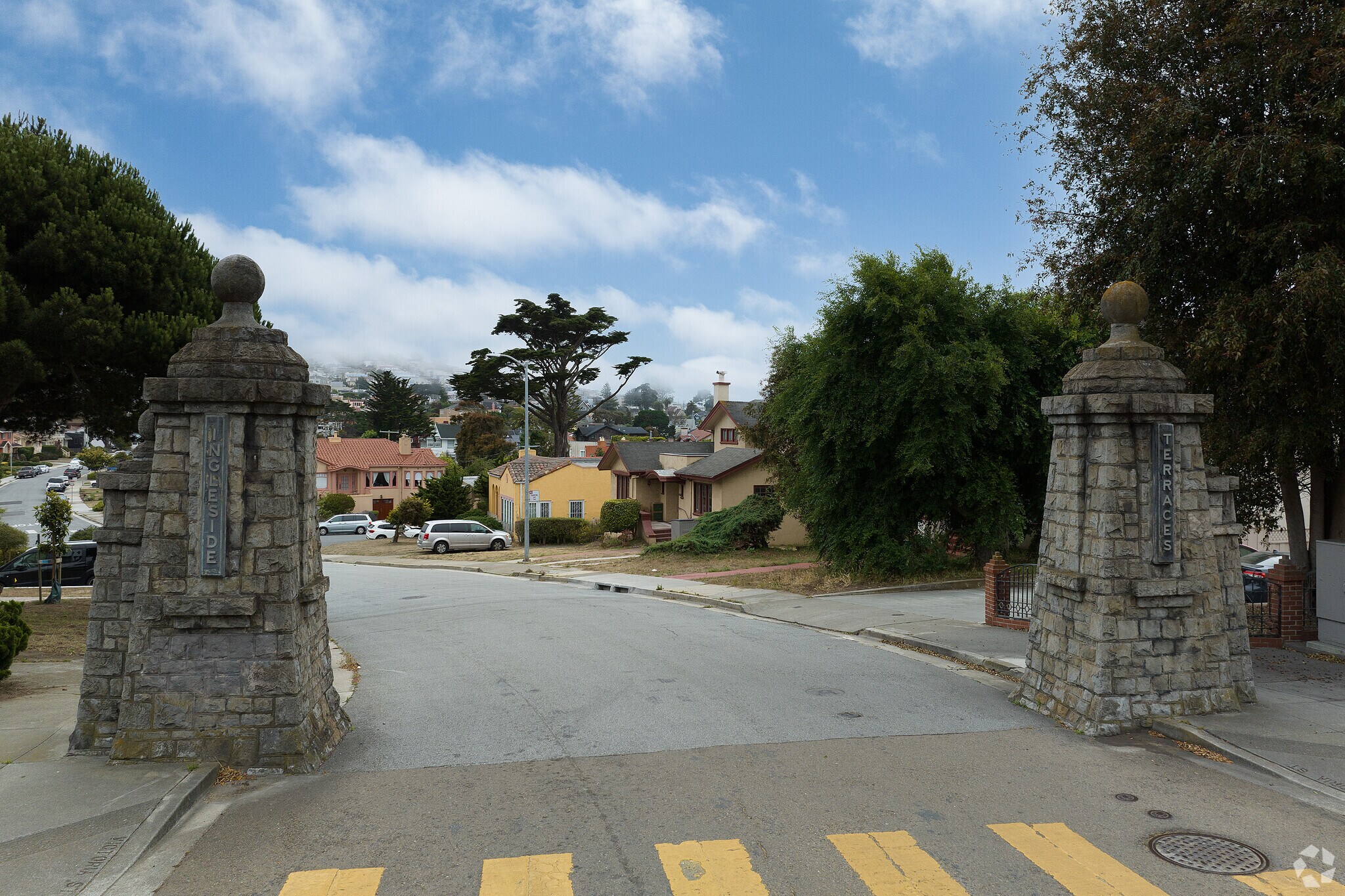
What Is Ingleside Terrace?
Ingleside Terrace is a historic, thoughtfully planned residential neighborhood in the southwestern part of San Francisco, known for its architectural elegance, wide tree-lined streets, and strong community identity. Established in the early 1900s and designed as a premier residential enclave, it remains one of the city's most cohesive and visually distinguished neighborhoods. Ingleside Terrace attracts families, professionals, and long-term investors seeking architectural character, neighborhood stability, and a quieter pace of city living.
Location & Character
Ingleside Terrace is located in southwest San Francisco, bordered by Ocean Avenue to the north, Junipero Serra Boulevard to the west, Ashton Avenue to the south, and Holloway Avenue to the east. It sits near neighborhoods including Ingleside, Oceanview, and Lakeshore:
- Curved, tree-lined streets with a cohesive and timeless residential character
- Primarily Mediterranean, Spanish Revival, and mid-century architectural styles throughout
- Wider streets and larger lot sizes compared to most San Francisco neighborhoods
- A quiet, low-traffic environment with a calm suburban feel within city limits
- A diverse and established community with many long-term residents
- Strong neighborhood identity preserved through active community organizations
Real Estate & Housing
Ingleside Terrace is known for its handsome single-family homes with distinctive architectural detailing and generous lot sizes:
- Predominantly single-family detached homes as the dominant housing type
- Mediterranean, Spanish Revival, and Mission-influenced architectural styles common throughout
- Built primarily from the early 1900s through the 1950s with period detailing and craftsmanship
- Stucco exteriors, arched windows, red tile roofs, and decorative facades typical of the area
- Most homes featuring garages, yards, and spacious multi-level floor plans
- Larger lot sizes offering more outdoor space than most San Francisco neighborhoods
- Elevated views toward the Pacific Ocean, surrounding hills, and San Francisco State University from many properties
- Price points typically in the mid to upper $1 million range and above depending on size, condition, and location
- Limited inventory supporting steady demand and strong long-term value retention
Community & Amenities
Ingleside Terrace maintains a peaceful residential atmosphere while remaining close to several convenient nearby corridors:
- Ocean Avenue serving as the primary nearby retail and dining corridor with cafés, restaurants, grocery stores, and everyday services
- West Portal Avenue a short drive away with boutique shopping, dining, and neighborhood conveniences
- Stonestown Galleria nearby for expanded retail, dining, and essential services
- Lakeshore Plaza accessible within a short drive for additional grocery and daily shopping needs
- Community spaces and neighborhood gathering areas supporting local connection throughout the area
Parks & Recreation
Ingleside Terrace residents enjoy solid access to outdoor spaces and recreational facilities in the surrounding area:
- Lake Merced - walking and biking paths, fishing areas, and scenic open space just west of the neighborhood
- Minnie and Lovie Ward Recreation Center - courts, a gymnasium, and community programs nearby
- Oceanview Park - open green space and a local gathering spot close by
- Balboa Park - sports fields, playgrounds, a recreation center, and open space within easy reach
- Sigmund Stern Recreation Grove — wooded trails, open lawns, and the well-known free summer concert series nearby
- McLaren Park within a short drive offering hiking trails, sports facilities, and picnic areas
Schools & Education
Ingleside Terrace is served by the San Francisco Unified School District with several well-regarded school options in the neighborhood and surrounding areas:
- Public elementary and middle schools within the southwest district
- Balboa High School serving the broader area
- Lowell High School - admission-based, located nearby
- City College of San Francisco and San Francisco State University both within a short commute
- Private and parochial school options within a reasonable distance
Culture & Neighborhood Life
Ingleside Terrace has one of southwest San Francisco's most distinctive and cherished neighborhood cultures, shaped by its planned origins and architectural heritage:
- The Ingleside Terrace Homes Association actively preserves the neighborhood's historic character and organizes community events and resident initiatives
- Strong pride of ownership reflected in beautifully maintained homes, gardens, and streets throughout
- A welcoming and inclusive environment blending longtime residents with newer homeowners
- Quiet residential blocks with a genuine sense of neighborly connection and community belonging
- A slower, more unhurried pace of life compared to busier central San Francisco districts
- A collective commitment to preserving the neighborhood's historic integrity and long-term residential character
Transit & Connectivity
Ingleside Terrace offers practical transit and roadway access for both city and regional commuting:
- Multiple Muni Metro lines serving nearby Ocean Avenue and surrounding corridors
- Several Muni bus routes along Ocean Avenue, Junipero Serra Boulevard, and nearby streets
- Balboa Park BART station within a short drive providing direct access to downtown San Francisco and the broader Bay Area
- Quick access to Interstate 280 via nearby entrances for Peninsula and regional travel
- Convenient proximity to Junipero Serra Boulevard and U.S. Route 1 for flexible city and regional navigation
Final Thoughts
Ingleside Terrace offers a rare and compelling combination of historic charm, architectural elegance, and residential quiet in southwest San Francisco. With its wide tree-lined streets, handsome period homes, generous lot sizes, nearby parks, and strong community identity, it appeals to families, professionals, and long-term investors seeking neighborhood character, enduring beauty, and everyday livability within the city. For those looking for a well-established San Francisco neighborhood with prestige, stability, and lasting value, Ingleside Terrace remains a truly standout choice.
4F Midtown Terrace
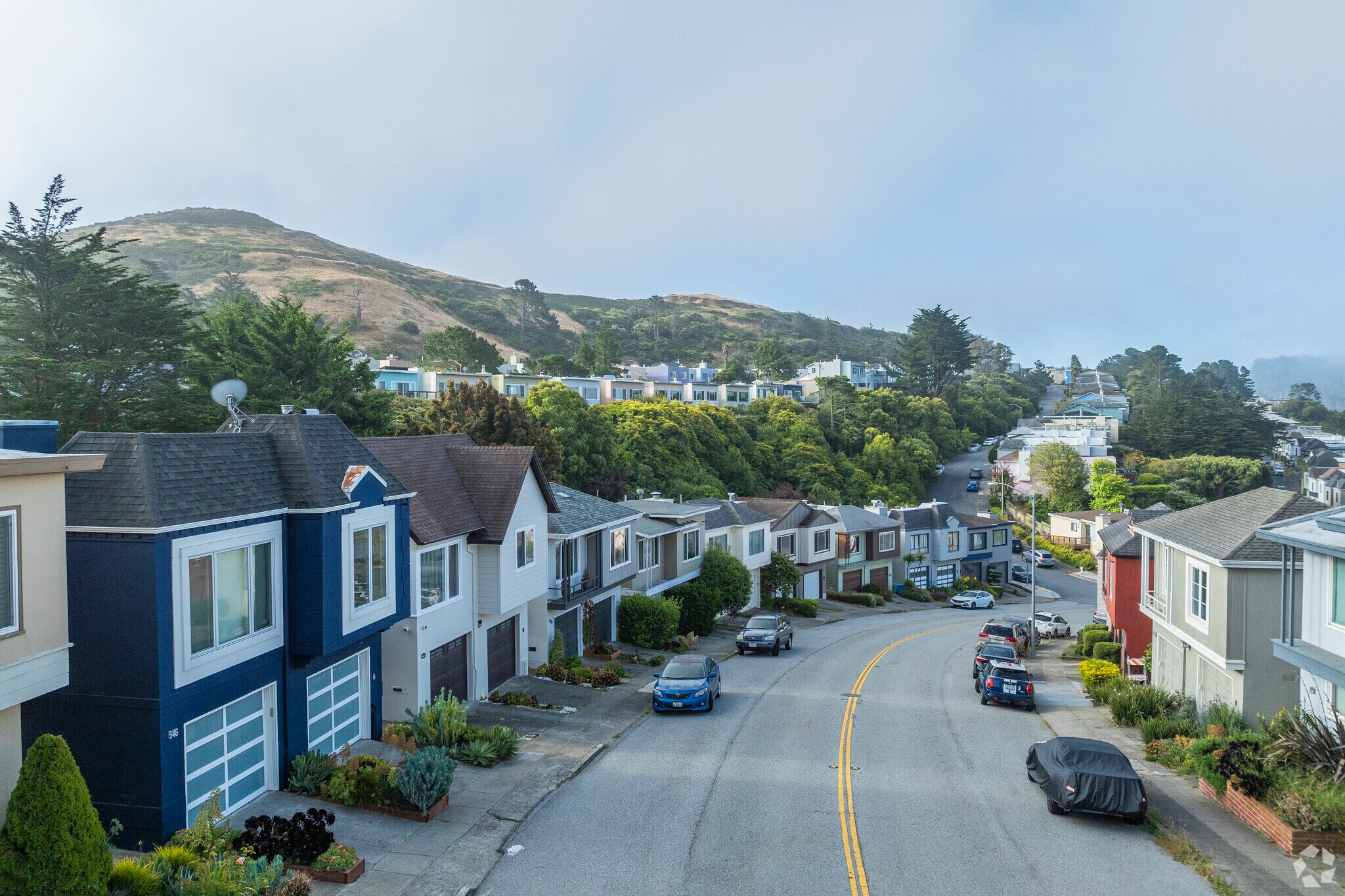
What Is Midtown Terrace?
Midtown Terrace is a quiet, well-kept residential neighborhood in the geographic center of San Francisco, perched on the slopes beneath Twin Peaks and bordered by open hillside terrain. Developed primarily in the 1950s as a planned residential community, it offers a calm, suburban-like atmosphere with sweeping views, clean streets, and a strong sense of neighborhood pride. Midtown Terrace attracts families, long-term residents, and buyers seeking a centrally located, view-oriented neighborhood with easy access to parks, transit, and city amenities.
Location & Character
Midtown Terrace is located in central San Francisco, generally bordered by Twin Peaks to the north, Woodside Avenue to the south, Clarendon Avenue to the west, and the Forest Knolls and Inner Sunset areas to the east. It sits near neighborhoods including Forest Knolls, Forest Hill, and West Portal:
- Elevated hillside terrain with many homes offering city, Bay, and Twin Peaks views
- A planned mid-century residential community with consistent architectural character
- Quiet, low-traffic streets with a calm and orderly neighborhood feel
- Clean, well-maintained blocks with strong curb appeal throughout
- A diverse and established community with many long-term homeowners
- A cooler, fog-influenced microclimate shaped by elevation and central city exposure
Real Estate & Housing
Midtown Terrace offers a tightly held housing market shaped by its planned development origins and desirable hilltop setting:
- Predominantly single-family detached homes as the dominant housing type
- Mid-century construction primarily from the 1950s with consistent architectural styling
- Many homes featuring large windows, view-oriented layouts, and outdoor deck or patio space
- Stucco exteriors and practical multi-level floor plans common throughout
- Most homes with garage parking and modest yard or garden space
- Some updated interiors mixed with well-preserved original-condition homes
- Larger lot footprints and more generous outdoor space compared to denser city neighborhoods
- Limited inventory as properties are held long-term, supporting consistent demand and strong value retention
- Price points typically in the mid to upper $1 million range and above depending on size, condition, views, and location
Community & Amenities
Midtown Terrace is primarily residential with a quiet neighborhood character, while remaining close to several convenient nearby corridors:
- West Portal Avenue a short drive away with boutique shops, cafés, restaurants, and everyday services
- Inner Sunset's Irving Street and 9th Avenue commercial corridor accessible within easy reach for dining and shopping
- Diamond Heights Shopping Center nearby for grocery, retail, and daily conveniences
- Stonestown Galleria accessible within a short drive for expanded retail and dining
- Essential daily conveniences available without compromising the neighborhood's peaceful residential character
Parks & Recreation
Outdoor access is a major lifestyle advantage of Midtown Terrace, with Twin Peaks and surrounding open spaces immediately nearby:
- Twin Peaks Open Space - directly adjacent to the neighborhood offering sweeping panoramic views of the entire city, the Bay, and beyond
- Clarendon Heights Park - a smaller neighborhood park and green space within easy walking distance
- Mount Sutro Open Space Reserve - dense forested trails and natural habitats accessible within a short distance
- Glen Canyon Park - hiking trails, a creek, open meadows, and wildlife a short drive away
- Corona Heights Park - rocky hilltop park with additional city views and open space nearby
- Smaller neighborhood paths, stairways, and hillside green spaces woven throughout the surrounding area
Schools & Education
Midtown Terrace is served by the San Francisco Unified School District with several school options in the neighborhood and surrounding areas:
- Clarendon Alternative Elementary School - a well-regarded neighborhood school within easy reach
- Aptos Middle School serving the broader district area
- Various high school options within the SFUSD system
- Private and parochial school options within a reasonable commute
- City College of San Francisco and University of California San Francisco both accessible for higher education
Culture & Neighborhood Life
Midtown Terrace has a warm, close-knit neighborhood culture shaped by its planned origins, hilltop setting, and long-established residential character:
- A welcoming blend of longtime residents, families, and view-seeking newcomers
- Quiet residential streets with a genuine sense of community connection and mutual familiarity
- Strong pride of ownership reflected in well-maintained homes, gardens, and streets throughout
- A slower, unhurried pace of life shaped by the neighborhood's elevated and somewhat secluded character
- Community involvement supported by neighborhood associations and local civic groups
- A distinctive neighborhood identity built around views, quiet living, and a true center-of-the-city retreat experience
Transit & Connectivity
Despite its elevated and somewhat secluded hillside setting, Midtown Terrace maintains practical transit and roadway access:
- Multiple Muni bus routes serving Woodside Avenue, Clarendon Avenue, and surrounding neighborhood streets
- Inner Sunset Muni Metro N-Judah line accessible within a short distance for easy downtown access
- Forest Hill Muni Metro Station reachable within a short drive for additional line options including the K Ingleside and M Ocean View
- Quick access to Portola Drive and Woodside Avenue for convenient city travel
- Easy connection to Interstate 280 for Peninsula and regional commuting
- Proximity to Twin Peaks Boulevard and other major city arterials for flexible navigation throughout San Francisco
Final Thoughts
Midtown Terrace offers a compelling and often overlooked residential experience in the heart of San Francisco: a planned mid-century neighborhood with sweeping Twin Peaks views, quiet well-kept streets, strong community pride, and surprisingly practical city connectivity. With its view-oriented homes, immediate access to open space, central location, and long-term ownership appeal, it is an ideal choice for families, professionals, and buyers seeking a calm, scenic, and centrally situated neighborhood with enduring livability and lasting value within the city.
4G St. Francis Wood
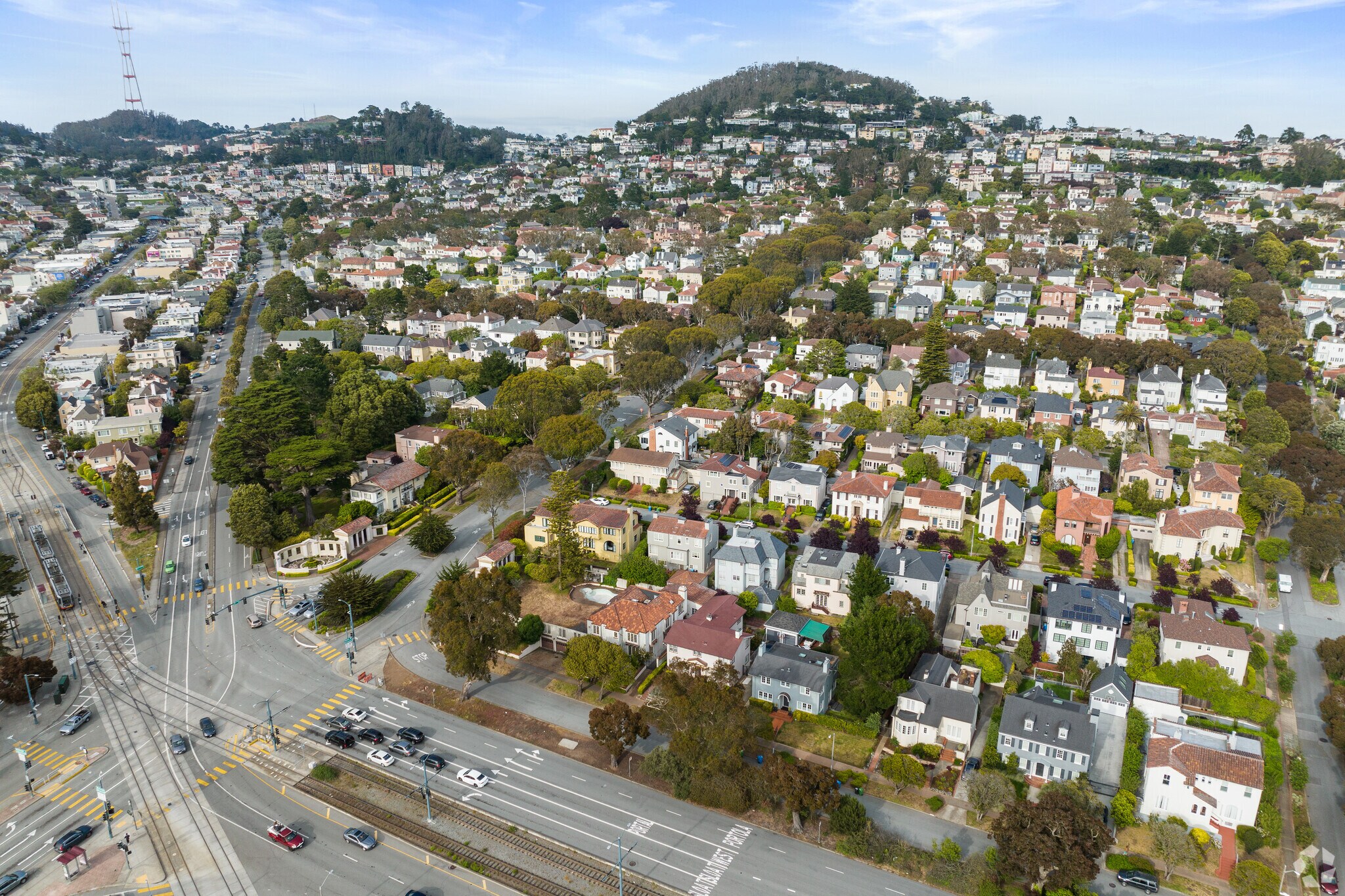
What Is St. Francis Wood?
St. Francis Wood is one of San Francisco's most prestigious and beautifully preserved planned residential neighborhoods, located in the west-central part of the city. Established in the early 1900s by the Mason-McDuffie Company and designed by landscape architect John McLaren, it stands as one of the finest examples of early 20th century residential planning in California. Known for its grand tree-lined boulevards, classical fountains, gated entrance, and architecturally distinguished homes, St. Francis Wood offers an exceptional standard of residential living that remains virtually unmatched within San Francisco city limits. It attracts established families, discerning buyers, and long-term residents seeking architectural grandeur, neighborhood exclusivity, and enduring prestige.
Location & Character
St. Francis Wood is located in west-central San Francisco, generally bordered by Portola Drive to the north, Junipero Serra Boulevard to the west, Ocean Avenue to the south, and West Portal and Forest Hill to the east and north. It sits near neighborhoods including Forest Hill, West Portal, and Miraloma Park:
- Grand, sweeping tree-lined boulevards with formal landscaping and classical street design
- A gated residential enclave with a distinctive entrance and strong sense of arrival
- Classical fountains, decorative monuments, and carefully maintained common areas throughout
- Primarily Mediterranean, Spanish Revival, Tudor, and Colonial Revival architectural styles
- Larger lot sizes and more generous setbacks than virtually any other San Francisco neighborhood
- A quiet, extremely low-traffic environment with a sense of seclusion rare in a major city
- A long-established, prestigious community with deep neighborhood pride and tradition
- Deed restrictions and homeowner association oversight preserving neighborhood character and standards
Real Estate & Housing
St. Francis Wood is widely regarded as one of San Francisco's most architecturally distinguished and sought-after residential addresses:
- Predominantly large single-family detached homes on generous, well-landscaped lots
- Mediterranean, Spanish Revival, Tudor, Colonial Revival, and Craftsman architectural styles from the 1910s through the 1940s
- Homes featuring exceptional period details including red tile roofs, arched entryways, formal gardens, decorative facades, and grand interior proportions
- Spacious interiors with formal living and dining areas, multiple bedrooms, and well-established mature gardens
- Lot sizes among the largest available in San Francisco, offering genuine outdoor space and privacy
- Many properties with gated driveways, detached garages, and landscaped front and rear gardens
- Extremely limited inventory as properties are held long-term, creating persistent demand and exceptional value retention
- Price points typically well into the multi-million dollar range depending on size, condition, and specific location within the neighborhood
- One of San Francisco's most stable and prestigious long-term real estate investments
Community & Amenities
St. Francis Wood maintains an elegant residential atmosphere while benefiting from the proximity of several convenient nearby corridors:
- West Portal Avenue within easy reach offering boutique shops, cafés, restaurants, and everyday neighborhood services
- Forest Hill Station and West Portal commercial district accessible within a short walk or drive
- Stonestown Galleria a short drive away for expanded retail, dining, and essential services
- Ocean Avenue retail and dining corridor nearby for additional everyday conveniences
- Lakeshore Plaza accessible within a short drive for grocery and daily shopping needs
- Essential services and community conveniences available without compromising neighborhood tranquility
Parks & Recreation
St. Francis Wood residents enjoy excellent access to natural open spaces and recreational areas in the surrounding area:
- Glen Canyon Park - one of San Francisco's most beloved natural parks with hiking trails, a creek, open meadows, and abundant wildlife a short distance away
- Laguna Honda Open Space - natural hillside trails and scenic viewpoints immediately accessible nearby
- Twin Peaks open space offering sweeping panoramic city and Bay views within a short drive
- Stern Grove and Sigmund Stern Recreation Grove - wooded trails, open lawns, and the celebrated free summer concert series nearby
- Mount Sutro Open Space Reserve providing additional wooded hiking and nature access within easy reach
- Smaller neighborhood parks and green spaces throughout the surrounding west-central area
Schools & Education
St. Francis Wood is served by the San Francisco Unified School District with several well-regarded school options in the neighborhood and surrounding areas:
- West Portal Elementary School - a highly regarded neighborhood school within easy walking distance
- Aptos Middle School serving the broader district area
- Various high school options within the SFUSD system including Lowell High School nearby
- Private and parochial school options within a short commute
- City College of San Francisco and San Francisco State University both accessible for higher education
Culture & Neighborhood Life
St. Francis Wood has one of San Francisco's most distinguished and carefully maintained neighborhood cultures, shaped by over a century of planned residential tradition:
- The St. Francis Wood Homes Association actively maintains common areas, enforces deed restrictions, and organizes community events and resident initiatives
- Grand common areas including formal fountains, landscaped medians, and classical architectural features maintained to the highest standard
- Strong pride of ownership reflected in immaculately maintained homes, formal gardens, and pristine streets throughout
- A welcoming yet exclusive environment blending multigenerational families with newer residents drawn by the neighborhood's unmatched prestige
- A quiet, unhurried pace of life that feels genuinely removed from the surrounding city
- A collective and deeply rooted commitment to preserving the neighborhood's historic integrity, architectural standards, and long-term residential excellence
Transit & Connectivity
Despite its prestigious and somewhat secluded character, St. Francis Wood offers practical transit and roadway access for city and regional commuting:
- Forest Hill Muni Metro Station within easy reach providing direct service on the K Ingleside and M Ocean View lines to downtown San Francisco
- Multiple Muni bus routes serving Junipero Serra Boulevard, Ocean Avenue, and surrounding corridors
- Quick access to Portola Drive and Junipero Serra Boulevard for convenient city navigation
- Easy connection to Interstate 280 via nearby entrances for Peninsula and regional commuting
- West Portal neighborhood within easy reach for additional transit options and everyday conveniences
- Proximity to major city arterials providing flexible access throughout San Francisco
Final Thoughts
St. Francis Wood represents the pinnacle of planned residential living in San Francisco: a grand, historically significant neighborhood defined by sweeping boulevards, architecturally distinguished homes, formal gardens, and a standard of beauty and exclusivity that has endured for over a century. For established families, discerning buyers, and long-term investors seeking the very best in San Francisco residential living, St. Francis Wood stands as an incomparable address combining prestige, privacy, architectural grandeur, and enduring value in one of the city's most coveted and irreplaceable neighborhoods.
4H Miraloma Park
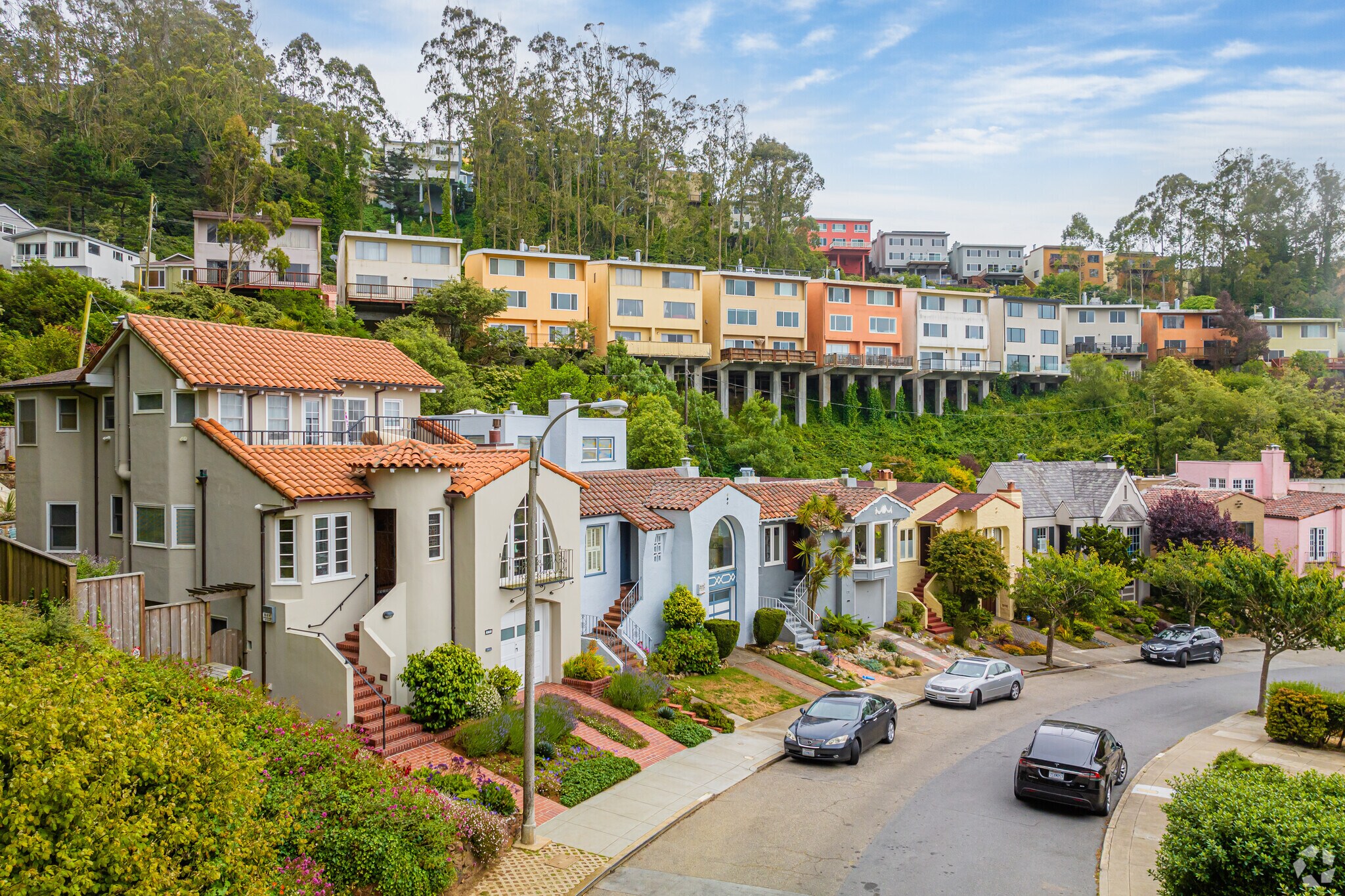
What Is Miraloma Park?
Miraloma Park is a well-established, family-friendly residential neighborhood in the geographic center of San Francisco, nestled on the southern slopes of Mount Davidson. Known for its classic mid-century homes, quiet winding streets, and immediate proximity to Mount Davidson Park, it offers a peaceful hillside living experience with a strong sense of community and surprisingly practical city connectivity. Miraloma Park attracts families, long-term residents, and buyers seeking neighborhood stability, architectural character, and a genuinely relaxed pace of life within the city.
Location & Character
Miraloma Park is located in central San Francisco, generally bordered by Portola Drive to the north, Teresita Boulevard to the east, Juanita Way and surrounding streets to the south, and Sherwood Court and Miraloma Drive to the west. It sits near neighborhoods including Glen Park, Forest Hill, Diamond Heights, and West Portal:
- Winding, tree-lined streets following the natural contours of the hillside
- A quiet, low-traffic residential environment with a calm and unhurried atmosphere
- Primarily mid-century single-family homes with consistent architectural character
- Immediate adjacency to Mount Davidson Park providing a lush, wooded backdrop
- A diverse and long-established community with strong neighborhood roots
- A cooler, fog-influenced microclimate shaped by elevation and central city exposure
Real Estate & Housing
Miraloma Park offers a stable and appealing housing market well suited to families and long-term buyers:
- Predominantly single-family detached homes as the dominant housing type
- Mid-century construction primarily from the 1930s through the 1950s
- Classic San Francisco architectural details including stucco exteriors, bay windows, and practical layouts
- Many homes featuring garages, yards, and garden space uncommon in denser city neighborhoods
- Some homes offering partial views of the surrounding hillsides, city, or Twin Peaks area
- Updated interiors in many renovated homes mixed with well-preserved original-condition properties
- Limited inventory as properties are held long-term, supporting consistent demand and value retention
- Price points typically in the mid to upper $1 million range depending on size, condition, and location
- Steady long-term appeal driven by neighborhood character, open space access, and central city location
Community & Amenities
Miraloma Park is primarily residential with a quiet neighborhood character while remaining close to several convenient nearby corridors:
- Portola Drive serving as a nearby commercial and transit corridor with cafés, restaurants, and everyday services
- West Portal Avenue a short drive away with boutique shops, dining, and neighborhood conveniences
- Diamond Heights Shopping Center nearby for grocery, retail, and daily essentials
- Glen Park Village commercial corridor accessible within a short drive for additional dining and neighborhood shops
- Stonestown Galleria reachable within a short drive for expanded retail and dining options
- Essential daily conveniences available without compromising the neighborhood's peaceful residential character
Parks & Recreation
Outdoor access is one of Miraloma Park's most compelling lifestyle advantages, anchored by its immediate adjacency to Mount Davidson Park:
- Mount Davidson Park - the highest point in San Francisco at 928 feet, featuring dense forested trails, natural habitats, and panoramic views from the summit, directly bordering the neighborhood
- Glen Canyon Park - one of San Francisco's most beloved natural parks with hiking trails, a creek, open meadows, and abundant wildlife a short distance away
- Twin Peaks Open Space - sweeping panoramic views of the entire city and Bay accessible within a short drive
- Miraloma Playground - a neighborhood park with courts, play areas, and open space for families and residents
- Corona Heights Park - rocky hilltop park with additional city views and open space nearby
- Smaller neighborhood paths, stairways, and hillside green spaces woven throughout the surrounding area
Schools & Education
Miraloma Park is served by the San Francisco Unified School District with several school options in the neighborhood and surrounding areas:
- Miraloma Elementary School - a well-regarded neighborhood school within easy walking distance
- Aptos Middle School serving the broader district area
- Various high school options within the SFUSD system
- Private and parochial school options within a reasonable commute
- City College of San Francisco and San Francisco State University both accessible for higher education
Culture & Neighborhood Life
Miraloma Park has a warm, grounded neighborhood culture shaped by its hillside setting, natural surroundings, and long-established residential community:
- A welcoming blend of longtime residents, families, and newer homeowners drawn by the neighborhood's character and greenery
- Quiet residential streets with a genuine sense of community connection and neighborly familiarity
- Strong appreciation for outdoor living centered around Mount Davidson Park and surrounding trails
- The Miraloma Park Improvement Club, one of San Francisco's active neighborhood organizations, supports community events and local initiatives
- A slower, more unhurried pace of life shaped by the neighborhood's hillside and forested character
- A distinctive neighborhood identity built around nature, quiet living, and a true hillside retreat experience within the city
Transit & Connectivity
Despite its hillside and somewhat secluded setting, Miraloma Park maintains practical transit and roadway access:
- Multiple Muni bus routes serving Portola Drive, Teresita Boulevard, and surrounding neighborhood streets
- Forest Hill Muni Metro Station reachable within a short drive providing service on the K Ingleside and M Ocean View lines to downtown San Francisco
- Glen Park BART Station accessible within a short drive for direct Bay Area connections
- Quick access to Portola Drive and O'Shaughnessy Boulevard for convenient city navigation
- Easy connection to Interstate 280 for Peninsula and regional commuting
- Proximity to Twin Peaks Boulevard and other major city arterials for flexible navigation throughout San Francisco
Final Thoughts
Miraloma Park offers a genuinely special residential experience in the heart of San Francisco: a quiet, nature-bordered hillside neighborhood with classic mid-century homes, immediate access to Mount Davidson Park, a strong community identity, and practical city connectivity. For families, professionals, and buyers seeking neighborhood character, outdoor access, and a relaxed pace of life within city limits, Miraloma Park is one of San Francisco's most quietly rewarding neighborhoods and a compelling choice for those who value greenery, stability, and enduring residential charm.
4J Forest Hill Extension
What Is Forest Hill Extension?
Forest Hill Extension is a quiet, well-established residential neighborhood in west-central San Francisco, situated just south of the more formally planned Forest Hill enclave. While sharing many of the same qualities as its neighbor, tree-lined streets, classic architecture, and a calm residential atmosphere, Forest Hill Extension has its own distinct character as a somewhat less formal but equally appealing hillside community. It attracts families, long-term residents, and buyers seeking architectural charm, neighborhood stability, and a peaceful city living experience with strong access to parks, transit, and everyday conveniences.
Location & Character
Forest Hill Extension is located in west-central San Francisco, generally bordered by Woodside Avenue to the north, Portola Drive to the south, Laguna Honda Boulevard to the east, and Dewey Boulevard to the west. It sits near neighborhoods including Forest Hill, Miraloma Park, West Portal, and Laguna Honda:
- Quiet, tree-lined residential streets with a calm and unhurried neighborhood atmosphere
- A predominantly single-family residential community with consistent architectural character
- Classic mid-century and early 20th century home styles throughout
- Gently sloping hillside terrain with some homes offering partial views of the surrounding area
- A diverse and long-established community with strong neighborhood roots
- A cooler, fog-influenced microclimate typical of San Francisco's west-central hillside areas
Real Estate & Housing
Forest Hill Extension offers a stable and appealing housing market with strong long-term ownership appeal:
- Predominantly single-family detached homes as the dominant housing type
- A mix of mid-century construction from the 1930s through the 1950s with some earlier properties
- Classic San Francisco architectural styles including Mediterranean, Spanish Revival, and stucco rowhome influences
- Many homes featuring garages, yards, and garden space offering more outdoor room than denser city neighborhoods
- Practical multi-level floor plans with classic exterior detailing throughout
- Some updated interiors mixed with well-preserved original-condition homes
- Limited inventory as properties are held long-term, supporting consistent demand and strong value retention
- Price points typically in the mid to upper $1 million range depending on size, condition, and location
- Steady long-term appeal driven by neighborhood character, proximity to Forest Hill, and west-central city location
Community & Amenities
Forest Hill Extension is primarily residential with a peaceful neighborhood character while remaining close to several convenient nearby corridors:
- West Portal Avenue within easy reach offering boutique shops, cafés, restaurants, and everyday neighborhood services
- Portola Drive serving as a nearby corridor with additional dining, retail, and transit access
- Diamond Heights Shopping Center accessible within a short drive for grocery, retail, and daily essentials
- Glen Park Village commercial corridor a short drive away for additional dining and neighborhood conveniences
- Stonestown Galleria reachable within a short drive for expanded retail and dining options
- Essential daily conveniences available without compromising the neighborhood's quiet residential character
Parks & Recreation
Forest Hill Extension residents enjoy strong access to natural open spaces and recreational areas throughout the surrounding area:
- Laguna Honda Open Space - natural hillside trails and scenic viewpoints immediately adjacent to the neighborhood
- Glen Canyon Park - one of San Francisco's most beloved natural parks with hiking trails, a creek, open meadows, and abundant wildlife a short distance away
- Mount Davidson Park - the highest point in San Francisco featuring dense forested trails and panoramic summit views accessible within a short drive
- Twin Peaks Open Space - sweeping panoramic views of the entire city and Bay within easy reach
- Stern Grove and Sigmund Stern Recreation Grove - wooded trails, open lawns, and the celebrated free summer concert series nearby
- Smaller neighborhood parks, stairways, and hillside green spaces woven throughout the surrounding area
Schools & Education
Forest Hill Extension is served by the San Francisco Unified School District with several school options in the neighborhood and surrounding areas:
- West Portal Elementary School - a highly regarded neighborhood school within easy reach
- Aptos Middle School serving the broader district area
- Various high school options within the SFUSD system
- Private and parochial school options within a reasonable commute
- City College of San Francisco and San Francisco State University both accessible for higher education
Culture & Neighborhood Life
Forest Hill Extension has a warm, grounded neighborhood culture shaped by its residential character, natural surroundings, and long-established community:
- A welcoming blend of longtime residents, families, and newer homeowners drawn by the neighborhood's charm and location
- Quiet residential streets with a genuine sense of community connection and neighborly familiarity
- Strong pride of ownership reflected in well-maintained homes, gardens, and streets throughout
- A slower, more unhurried pace of life shaped by the neighborhood's hillside and residential character
- Community involvement supported by neighborhood associations and local civic groups
- A distinctive neighborhood identity built around quiet living, natural surroundings, and a genuine sense of residential belonging
Transit & Connectivity
Forest Hill Extension offers practical transit and roadway access for both city and regional commuting:
- Forest Hill Muni Metro Station within easy reach providing direct service on the K Ingleside and M Ocean View lines to downtown San Francisco
- Multiple Muni bus routes serving Woodside Avenue, Portola Drive, and surrounding neighborhood streets
- Quick access to Portola Drive and Laguna Honda Boulevard for convenient city navigation
- Easy connection to Interstate 280 for Peninsula and regional commuting
- West Portal neighborhood within easy reach for additional transit options and everyday conveniences
- Proximity to major city arterials including O'Shaughnessy Boulevard for flexible navigation throughout San Francisco
Final Thoughts
Forest Hill Extension offers a genuinely appealing and often overlooked residential experience in west-central San Francisco: a quiet, tree-lined neighborhood with classic homes, strong community character, excellent access to parks and open space, and practical city connectivity, all at a slightly more accessible price point than its prestigious neighbor Forest Hill. For families, professionals, and long-term buyers seeking neighborhood charm, residential stability, and everyday livability in one of San Francisco's most pleasant hillside settings, Forest Hill Extension is a thoughtful and rewarding choice well worth exploring.
4K Sherwood Forest
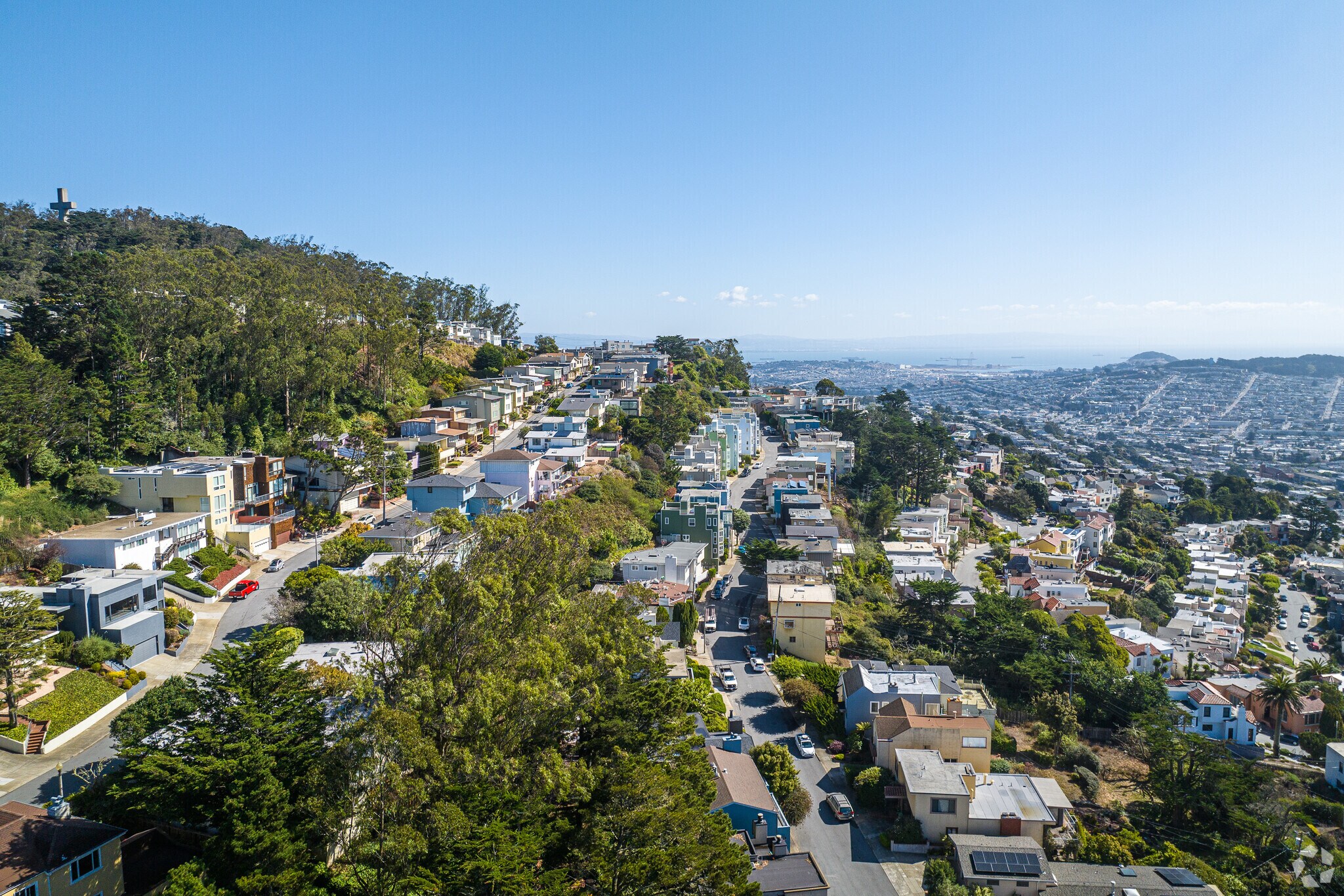
What Is Sherwood Forest?
Sherwood Forest is a small, peaceful residential neighborhood tucked into the hillside terrain of west-central San Francisco, nestled between Mount Davidson and the broader Miraloma Park and Forest Hill Extension areas. Named for its wooded, forested character, Sherwood Forest lives up to its name with lush tree canopy, quiet winding streets, and a genuine sense of natural seclusion rarely found within city limits. It attracts families, long-term residents, and buyers seeking a private, nature-surrounded living environment with the everyday conveniences of San Francisco close at hand.
Location & Character
Sherwood Forest is located in west-central San Francisco, generally situated along the southern and western slopes of Mount Davidson, near the boundaries of Miraloma Park, Forest Hill Extension, and Ingleside Terrace. It sits near neighborhoods including Miraloma Park, Forest Hill Extension, and Balboa Terrace:
- Quiet, winding streets with a deeply wooded and secluded residential character
- A small, intimate neighborhood with a strong sense of natural enclosure and privacy
- Immediate proximity to Mount Davidson Park providing a lush forested backdrop
- Classic mid-century single-family homes nestled among mature trees and natural landscaping
- A calm, low-traffic environment with minimal through traffic
- A cooler, fog-influenced microclimate shaped by elevation, tree canopy, and central city exposure
Real Estate & Housing
Sherwood Forest offers a small and tightly held housing market with strong appeal among nature-oriented and privacy-seeking buyers:
- Predominantly single-family detached homes as the dominant housing type
- Mid-century construction primarily from the 1940s through the 1960s
- Homes often featuring larger lots, mature gardens, and a strong connection to the natural wooded surroundings
- Classic San Francisco architectural details including stucco exteriors, practical layouts, and garage parking
- Many properties offering a genuine sense of privacy and seclusion uncommon in most city neighborhoods
- Some homes with partial views of the surrounding hillsides, city, or neighboring open spaces
- Limited inventory as properties are held long-term, creating consistent demand and strong value retention
- Price points typically in the mid to upper $1 million range depending on size, condition, views, and location
- Long-term appeal driven by scarcity, natural setting, privacy, and proximity to Mount Davidson Park
Community & Amenities
Sherwood Forest is primarily residential with a quiet, nature-focused character while remaining close to several convenient nearby corridors:
- Portola Drive serving as a nearby commercial and transit corridor with cafés, restaurants, and everyday services
- West Portal Avenue a short drive away with boutique shops, dining, and neighborhood conveniences
- Diamond Heights Shopping Center nearby for grocery, retail, and daily essentials
- Glen Park Village commercial corridor accessible within a short drive for additional dining and neighborhood shops
- Stonestown Galleria reachable within a short drive for expanded retail and dining options
- Essential daily conveniences available without compromising the neighborhood's deeply peaceful residential character
Parks & Recreation
Outdoor access is the defining lifestyle advantage of Sherwood Forest, with Mount Davidson Park immediately surrounding the neighborhood:
- Mount Davidson Park - the highest point in San Francisco at 928 feet, featuring dense forested trails, natural habitats, abundant wildlife, and panoramic summit views directly bordering and enveloping the neighborhood
- Glen Canyon Park - one of San Francisco's most beloved natural parks with hiking trails, a creek, open meadows, and wildlife accessible within a short distance
- Miraloma Playground - a neighborhood park with courts and play areas for families and residents nearby
- Twin Peaks Open Space - sweeping panoramic views of the entire city and Bay accessible within a short drive
- Laguna Honda Open Space - natural hillside trails and scenic viewpoints reachable within easy distance
- Smaller neighborhood paths, natural stairways, and hillside green spaces woven throughout the immediate surrounding area
Schools & Education
Sherwood Forest is served by the San Francisco Unified School District with several school options in the neighborhood and surrounding areas:
- Miraloma Elementary School - a well-regarded neighborhood school within easy reach
- Aptos Middle School serving the broader district area
- Various high school options within the SFUSD system
- Private and parochial school options within a reasonable commute
- City College of San Francisco and San Francisco State University both accessible for higher education
Culture & Neighborhood Life
Sherwood Forest has a warm, intimate neighborhood culture shaped by its small size, wooded surroundings, and close-knit residential community:
- A welcoming blend of longtime residents, families, and nature-oriented newcomers drawn by the neighborhood's seclusion and greenery
- Quiet residential streets with a genuine sense of community connection and mutual neighborly familiarity
- Strong appreciation for outdoor living centered around Mount Davidson Park and surrounding trails
- A slower, deeply unhurried pace of life shaped by the neighborhood's forested and secluded character
- Community involvement supported by neighborhood associations and local park stewardship groups
- A distinctive neighborhood identity built around nature, privacy, and a true forest-within-the-city living experience
Transit & Connectivity
Despite its secluded and wooded hillside setting, Sherwood Forest maintains practical transit and roadway access:
- Multiple Muni bus routes serving Portola Drive, Teresita Boulevard, and surrounding neighborhood streets
- Forest Hill Muni Metro Station reachable within a short drive providing service on the K Ingleside and M Ocean View lines to downtown San Francisco
- Glen Park BART Station accessible within a short drive for direct Bay Area connections
- Quick access to Portola Drive and O'Shaughnessy Boulevard for convenient city navigation
- Easy connection to Interstate 280 for Peninsula and regional commuting
- Proximity to major city arterials for flexible navigation throughout San Francisco
Final Thoughts
Sherwood Forest offers something truly rare within San Francisco city limits: a small, intimate neighborhood completely enveloped by forest, defined by quiet winding streets, natural beauty, mature tree canopy, and a profound sense of seclusion — all while remaining connected to the city's transit network and everyday conveniences. For buyers, families, and long-term residents seeking a nature-immersed retreat within the city, Sherwood Forest is one of San Francisco's most quietly extraordinary neighborhoods and a compelling choice for those who value privacy, greenery, and a genuine forest living experience unlike anything else the city has to offer.
4M Monterey Heights
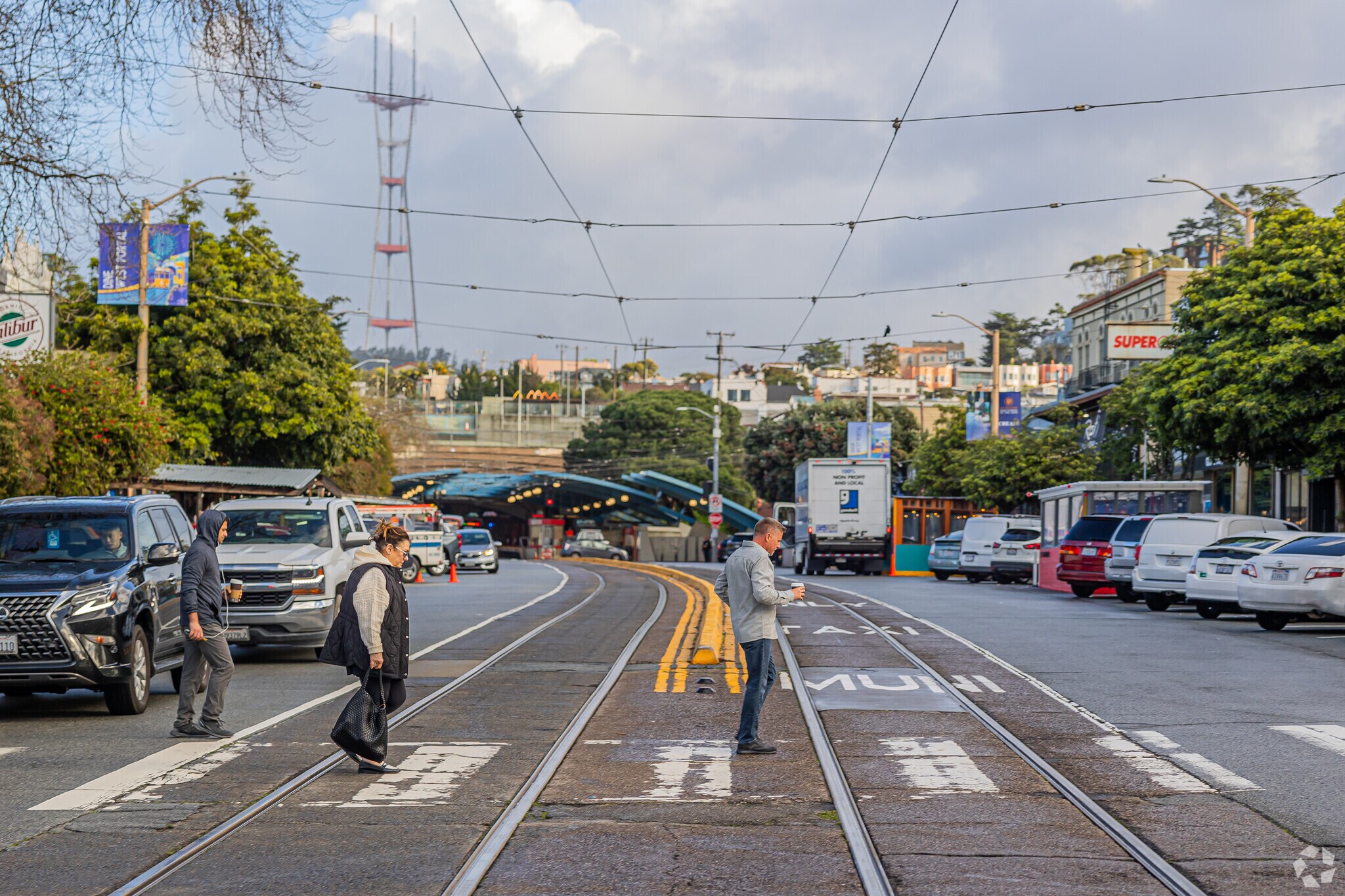
What Is Monterey Heights?
Monterey Heights is a quiet, well-regarded residential neighborhood in the west-central part of San Francisco, situated on elevated hillside terrain between Mount Davidson and the broader southwestern districts of the city. Known for its classic homes, wide streets, elevated views, and strong sense of neighborhood pride, Monterey Heights offers a calm and comfortable living environment with practical access to parks, transit, and everyday amenities. It attracts families, long-term residents, and buyers seeking a stable, view-oriented neighborhood with enduring residential character within San Francisco city limits.
Location & Character
Monterey Heights is located in west-central San Francisco, generally bordered by Portola Drive to the north, Sloat Boulevard to the south, Junipero Serra Boulevard to the west, and the Miraloma Park and Balboa Terrace areas to the east. It sits near neighborhoods including Miraloma Park, Balboa Terrace, Ingleside Terrace, and West Portal:
- Elevated hillside terrain with many homes offering views of the surrounding hills, city, and in some cases the Pacific Ocean
- Quiet, primarily residential streets with low through traffic and a calm neighborhood atmosphere
- A mix of classic mid-century and earlier architectural styles with consistent neighborhood character
- Wide, well-maintained streets with strong curb appeal throughout
- A diverse and long-established community with many longtime homeowners
- A cooler, fog-influenced microclimate typical of San Francisco's elevated west-central areas
Real Estate & Housing
Monterey Heights offers a stable and appealing housing market with strong long-term ownership characteristics:
- Predominantly single-family detached homes as the dominant housing type
- A mix of construction from the 1930s through the 1950s with classic architectural styling throughout
- Mediterranean, Spanish Revival, and mid-century home styles common in the neighborhood
- Many homes featuring garages, yards, and garden space offering genuine outdoor room
- Stucco exteriors, bay windows, and classic San Francisco architectural details throughout
- Some homes with elevated view lots commanding premium interest and pricing
- Updated interiors in many renovated homes mixed with well-preserved original-condition properties
- Limited inventory as properties are held long-term, supporting consistent demand and strong value retention
- Price points typically in the mid to upper $1 million range depending on size, condition, views, and location
- Steady long-term appeal driven by neighborhood character, elevated setting, and central city location
Community & Amenities
Monterey Heights is primarily residential with a quiet neighborhood character while remaining close to several convenient nearby corridors:
- West Portal Avenue within easy reach offering boutique shops, cafés, restaurants, and everyday neighborhood services
- Portola Drive serving as a nearby corridor with additional dining, retail, and transit access
- Ocean Avenue retail and dining corridor accessible within a short drive for everyday conveniences
- Diamond Heights Shopping Center nearby for grocery, retail, and daily essentials
- Stonestown Galleria reachable within a short drive for expanded retail and dining options
- Essential daily conveniences available without compromising the neighborhood's peaceful residential atmosphere
Parks & Recreation
Monterey Heights residents enjoy solid access to natural open spaces and recreational areas throughout the surrounding area:
- Mount Davidson Park - the highest point in San Francisco at 928 feet, featuring dense forested trails, natural habitats, and panoramic summit views accessible within a short distance
- Miraloma Playground - a neighborhood park with courts and play areas for families and residents nearby
- Glen Canyon Park - hiking trails, a creek, open meadows, and abundant wildlife accessible within a short drive
- Stern Grove and Sigmund Stern Recreation Grove - wooded trails, open lawns, and the celebrated free summer concert series nearby
- Twin Peaks Open Space - sweeping panoramic views of the entire city and Bay accessible within a short drive
- Balboa Park - sports fields, playgrounds, a recreation center, and open space within easy reach
Schools & Education
Monterey Heights is served by the San Francisco Unified School District with several school options in the neighborhood and surrounding areas:
- Miraloma Elementary School — a well-regarded neighborhood school within easy reach
- Aptos Middle School serving the broader district area
- Various high school options within the SFUSD system including Lowell High School nearby
- Private and parochial school options within a reasonable commute
- City College of San Francisco and San Francisco State University both accessible for higher education
Culture & Neighborhood Life
Monterey Heights has a warm, established neighborhood culture shaped by its hillside setting, classic architecture, and long-term residential community:
- A welcoming blend of longtime residents, families, and newer homeowners drawn by the neighborhood's character and views
- Quiet residential streets with a genuine sense of community connection and neighborly familiarity
- Strong pride of ownership reflected in well-maintained homes, gardens, and streets throughout
- A slower, more unhurried pace of life shaped by the neighborhood's elevated and residential character
- Community involvement supported by neighborhood associations and local civic groups
- A distinctive neighborhood identity built around views, quiet living, and a genuine hillside residential experience within the city
Transit & Connectivity
Monterey Heights offers practical transit and roadway access for both city and regional commuting:
- Multiple Muni bus routes serving Portola Drive, Sloat Boulevard, and surrounding neighborhood streets
- Forest Hill Muni Metro Station reachable within a short drive providing service on the K Ingleside and M Ocean View lines to downtown San Francisco
- Glen Park BART Station accessible within a short drive for direct Bay Area connections
- Quick access to Portola Drive and Junipero Serra Boulevard for convenient city navigation
- Easy connection to Interstate 280 for Peninsula and regional commuting
- Proximity to major city arterials including O'Shaughnessy Boulevard for flexible navigation throughout San Francisco
Final Thoughts
Monterey Heights offers a compelling and often quietly appreciated residential experience in west-central San Francisco: an elevated hillside neighborhood with classic homes, sweeping views, wide well-kept streets, and a strong sense of community pride, all within practical reach of the city's parks, transit network, and everyday amenities. For families, professionals, and long-term buyers seeking neighborhood stability, architectural character, and a calm hillside living experience within San Francisco city limits, Monterey Heights is a thoughtful and rewarding choice well worth exploring.
4N Mount Davidson Manor
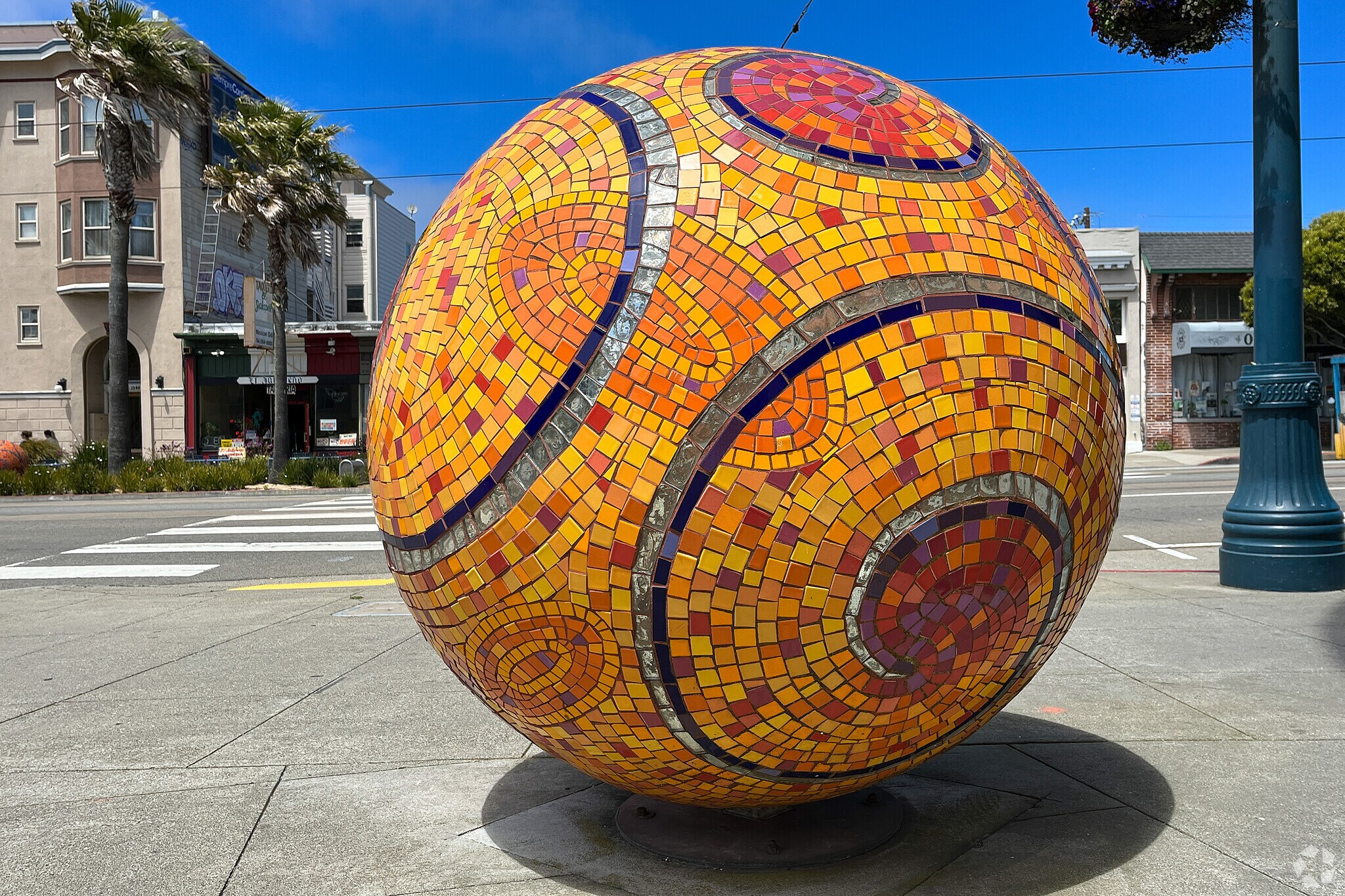
What Is Mount Davidson Manor?
Mount Davidson Manor is a well-established, quietly distinguished residential neighborhood in the west-central part of San Francisco, nestled on the slopes surrounding Mount Davidson, the city's highest natural peak. Known for its classic period homes, wide tree-lined streets, and immediate proximity to the forested trails and natural open space of Mount Davidson Park, it offers a rare combination of architectural character, natural beauty, and residential calm within city limits. Mount Davidson Manor attracts families, long-term residents, and buyers seeking a stable, nature-adjacent neighborhood with enduring charm and practical city connectivity.
Location & Character
Mount Davidson Manor is located in west-central San Francisco, generally situated along the slopes and base of Mount Davidson, bordered by Portola Drive to the north, Juanita Way and surrounding streets to the south, and the Miraloma Park, Sherwood Forest, and Monterey Heights neighborhoods nearby. It sits near neighborhoods including Miraloma Park, Sherwood Forest, Monterey Heights, and Balboa Terrace:
- Quiet, tree-lined residential streets following the natural contours of the hillside
- A calm, low-traffic environment with a peaceful and unhurried neighborhood atmosphere
- Classic period and mid-century single-family homes with consistent architectural character
- Immediate adjacency to Mount Davidson Park providing a lush forested backdrop and trail access
- A diverse and long-established community with strong neighborhood roots and many longtime residents
- A cooler, fog-influenced microclimate shaped by elevation, tree canopy, and west-central city exposure
Real Estate & Housing
Mount Davidson Manor offers a stable and appealing housing market with strong long-term ownership characteristics:
- Predominantly single-family detached homes as the dominant housing type
- A mix of period construction from the 1930s through the 1950s with classic architectural styling
- Mediterranean, Spanish Revival, and mid-century home styles common throughout the neighborhood
- Many homes featuring garages, yards, and garden space offering genuine outdoor room and privacy
- Stucco exteriors, bay windows, and classic San Francisco architectural detailing throughout
- Properties often featuring larger lots and more generous outdoor space than denser city neighborhoods
- Some homes with partial views of the surrounding hillsides, city, or neighboring open spaces
- Updated interiors in many renovated homes mixed with well-preserved original-condition properties
- Limited inventory as properties are held long-term, supporting consistent demand and strong value retention
- Price points typically in the mid to upper $1 million range depending on size, condition, views, and location
- Steady long-term appeal driven by neighborhood character, natural surroundings, and central city location
Community & Amenities
Mount Davidson Manor is primarily residential with a quiet neighborhood character while remaining close to several convenient nearby corridors:
- Portola Drive serving as a nearby commercial and transit corridor with cafés, restaurants, and everyday services
- West Portal Avenue a short drive away with boutique shops, dining, and neighborhood conveniences
- Ocean Avenue retail and dining corridor accessible within a short drive for additional everyday needs
- Diamond Heights Shopping Center nearby for grocery, retail, and daily essentials
- Glen Park Village commercial corridor a short drive away for additional dining and neighborhood shops
- Stonestown Galleria reachable within a short drive for expanded retail and dining options
- Essential daily conveniences available without compromising the neighborhood's peaceful and residential character
Parks & Recreation
Outdoor access is one of Mount Davidson Manor's most compelling lifestyle advantages, anchored by its immediate adjacency to Mount Davidson Park:
- Mount Davidson Park - the highest point in San Francisco at 928 feet, featuring dense forested trails, natural habitats, abundant wildlife, and sweeping panoramic summit views directly bordering the neighborhood
- Glen Canyon Park - one of San Francisco's most beloved natural parks with hiking trails, a creek, open meadows, and abundant wildlife accessible within a short distance
- Miraloma Playground - a neighborhood park with courts and play areas for families and residents nearby
- Twin Peaks Open Space - sweeping panoramic views of the entire city and Bay accessible within a short drive
- Stern Grove and Sigmund Stern Recreation Grove - wooded trails, open lawns, and the celebrated free summer concert series nearby
- Laguna Honda Open Space - natural hillside trails and scenic viewpoints reachable within easy distance
Schools & Education
Mount Davidson Manor is served by the San Francisco Unified School District with several school options in the neighborhood and surrounding areas:
- Miraloma Elementary School - a well-regarded neighborhood school within easy reach
- Aptos Middle School serving the broader district area
- Various high school options within the SFUSD system including Lowell High School nearby
- Private and parochial school options within a reasonable commute
- City College of San Francisco and San Francisco State University both accessible for higher education
Culture & Neighborhood Life
Mount Davidson Manor has a warm, grounded neighborhood culture shaped by its hillside setting, natural surroundings, and long-established residential community:
- A welcoming blend of longtime residents, families, and newer homeowners drawn by the neighborhood's character and natural beauty
- Quiet residential streets with a genuine sense of community connection and neighborly familiarity
- Strong pride of ownership reflected in well-maintained homes, gardens, and streets throughout
- Strong appreciation for outdoor living centered around Mount Davidson Park and surrounding forested trails
- A slower, more unhurried pace of life shaped by the neighborhood's hillside and nature-adjacent character
- Community involvement supported by neighborhood associations and local park stewardship groups
- A distinctive neighborhood identity built around nature, quiet living, and a genuine hillside residential experience within the city
Transit & Connectivity
Despite its hillside and nature-adjacent setting, Mount Davidson Manor maintains practical transit and roadway access:
- Multiple Muni bus routes serving Portola Drive, Teresita Boulevard, and surrounding neighborhood streets
- Forest Hill Muni Metro Station reachable within a short drive providing service on the K Ingleside and M Ocean View lines to downtown San Francisco
- Glen Park BART Station accessible within a short drive for direct Bay Area connections
- Quick access to Portola Drive and O'Shaughnessy Boulevard for convenient city navigation
- Easy connection to Interstate 280 for Peninsula and regional commuting
- Proximity to major city arterials for flexible navigation throughout San Francisco
Final Thoughts
Mount Davidson Manor offers a genuinely special and quietly treasured residential experience in west-central San Francisco: a classic, nature-bordered hillside neighborhood with period homes, immediate access to Mount Davidson Park, a strong community identity, and practical city connectivity. For families, professionals, and buyers seeking neighborhood character, natural beauty, outdoor access, and a relaxed pace of life within city limits, Mount Davidson Manor is one of San Francisco's most quietly rewarding hillside neighborhoods and a compelling choice for those who value architectural charm, greenery, and enduring residential stability.
4P Westwood Highlands
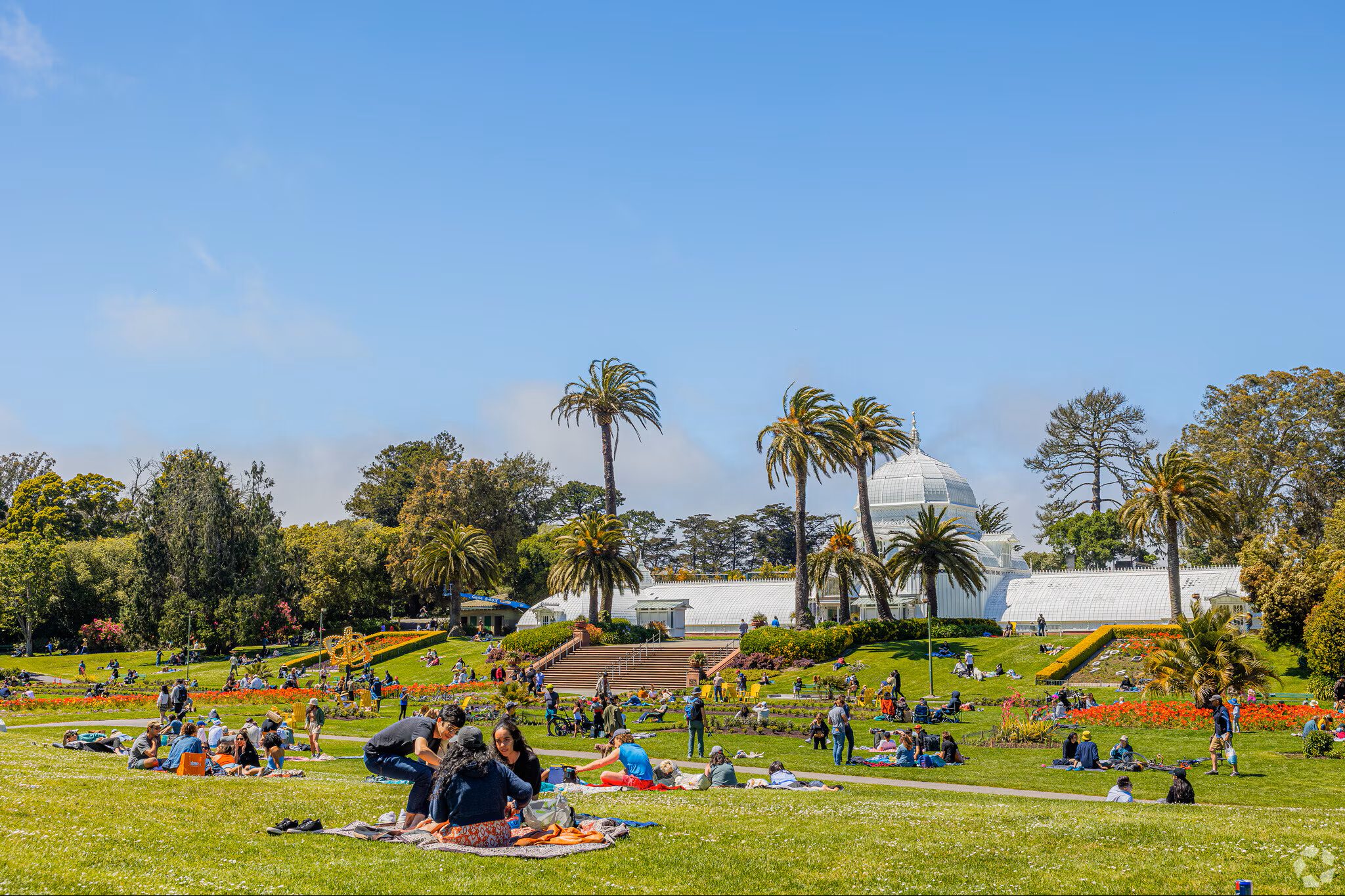
What Is Westwood Highlands?
Westwood Highlands is a quiet, well-kept residential neighborhood in the southwestern part of San Francisco, situated on gentle hillside terrain between the Ingleside, Balboa Terrace, and Westwood Park areas. Known for its classic period homes, orderly streets, and strong sense of neighborhood pride, Westwood Highlands offers a calm and comfortable living environment with practical access to parks, transit, and everyday amenities. It attracts families, long-term residents, and buyers seeking a stable, character-rich neighborhood with enduring residential appeal within San Francisco city limits.
Location & Character
Westwood Highlands is located in southwestern San Francisco, generally bordered by Hearst Avenue to the north, Junipero Serra Boulevard to the west, Sloat Boulevard to the south, and the Balboa Terrace and Ingleside areas to the east. It sits near neighborhoods including Balboa Terrace, Westwood Park, Ingleside Terrace, and Monterey Heights:
- Quiet, primarily residential streets with low through traffic and a calm neighborhood atmosphere
- A cohesive neighborhood design with consistent architectural character throughout
- Classic period and mid-century home styles with strong curb appeal
- Gently sloping hillside terrain with some homes offering partial views of the surrounding area
- A diverse and long-established community with many longtime homeowners
- A cooler, fog-influenced microclimate typical of San Francisco's southwestern hillside areas
Real Estate & Housing
Westwood Highlands offers a stable and appealing housing market with strong long-term ownership characteristics:
- Predominantly single-family detached homes as the dominant housing type
- A mix of construction from the 1920s through the 1950s with classic architectural styling throughout
- Mediterranean, Spanish Revival, and mid-century home styles common in the neighborhood
- Many homes featuring garages, yards, and garden space offering genuine outdoor room
- Stucco exteriors, bay windows, and classic San Francisco architectural details throughout
- Some homes with elevated positions commanding partial views and premium interest
- Updated interiors in many renovated homes mixed with well-preserved original-condition properties
- Limited inventory as properties are held long-term, supporting consistent demand and strong value retention
- Price points typically in the mid to upper $1 million range depending on size, condition, and location
- Steady long-term appeal driven by neighborhood character, architectural charm, and southwestern city location
Community & Amenities
Westwood Highlands is primarily residential with a quiet neighborhood character while remaining close to several convenient nearby corridors:
- Ocean Avenue retail and dining corridor accessible within a short drive for cafés, restaurants, and everyday services
- West Portal Avenue a short drive away with boutique shops, dining, and neighborhood conveniences
- Stonestown Galleria reachable within a short drive for expanded retail, dining, and essential services
- Balboa Park and nearby commercial streets offering additional everyday shopping and dining options
- Diamond Heights Shopping Center accessible within a short drive for grocery and daily essentials
- Essential daily conveniences available without compromising the neighborhood's peaceful residential character
Parks & Recreation
Westwood Highlands residents enjoy solid access to outdoor spaces and recreational areas throughout the surrounding area:
- Balboa Park - one of the area's largest recreation hubs with sports fields, playgrounds, a recreation center, and open space within easy reach
- Minnie and Lovie Ward Recreation Center - courts, a gymnasium, and community programs nearby
- Mount Davidson Park — dense forested trails and panoramic summit views accessible within a short drive
- Stern Grove and Sigmund Stern Recreation Grove - wooded trails, open lawns, and the celebrated free summer concert series nearby
- Lake Merced - trails, water views, and cycling paths accessible within a short drive
- Smaller neighborhood parks, stairways, and hillside green spaces throughout the surrounding area
Schools & Education
Westwood Highlands is served by the San Francisco Unified School District with several school options in the neighborhood and surrounding areas:
- Public elementary schools within the southwest district within reasonable reach
- Aptos Middle School serving the broader district area
- Balboa High School serving the broader southwest district
- Lowell High School - admission-based, located nearby
- Private and parochial school options within a reasonable commute
- City College of San Francisco and San Francisco State University both accessible for higher education
Culture & Neighborhood Life
Westwood Highlands has a warm, grounded neighborhood culture shaped by its classic architecture, hillside setting, and long-established residential community:
- A welcoming blend of longtime residents, families, and newer homeowners drawn by the neighborhood's character and stability
- Quiet residential streets with a genuine sense of community connection and neighborly familiarity
- Strong pride of ownership reflected in well-maintained homes, gardens, and streets throughout
- A slower, more unhurried pace of life compared to busier central San Francisco districts
- Community involvement supported by neighborhood associations and local civic groups
- A distinctive neighborhood identity built around residential stability, architectural charm, and a genuine sense of belonging
Transit & Connectivity
Westwood Highlands offers practical transit and roadway access for both city and regional commuting:
- Multiple Muni bus routes serving nearby Ocean Avenue, Junipero Serra Boulevard, and surrounding neighborhood streets
- Balboa Park BART Station within a short drive providing direct access to downtown San Francisco and the broader Bay Area
- Forest Hill Muni Metro Station reachable within a short drive for additional line options
- Quick access to Junipero Serra Boulevard and Sloat Boulevard for convenient city navigation
- Easy connection to Interstate 280 for Peninsula and regional commuting
- Proximity to major city arterials for flexible navigation throughout San Francisco
Final Thoughts
Westwood Highlands offers a quietly appealing and often overlooked residential experience in southwestern San Francisco: a classic, well-kept neighborhood with period homes, orderly streets, nearby parks, and practical city connectivity, all within a stable and community-oriented setting that rewards long-term ownership. For families, professionals, and buyers seeking neighborhood character, architectural charm, and everyday livability in one of San Francisco's pleasant southwestern hillside communities, Westwood Highlands is a thoughtful and rewarding choice well worth exploring.
4R Westwood Park
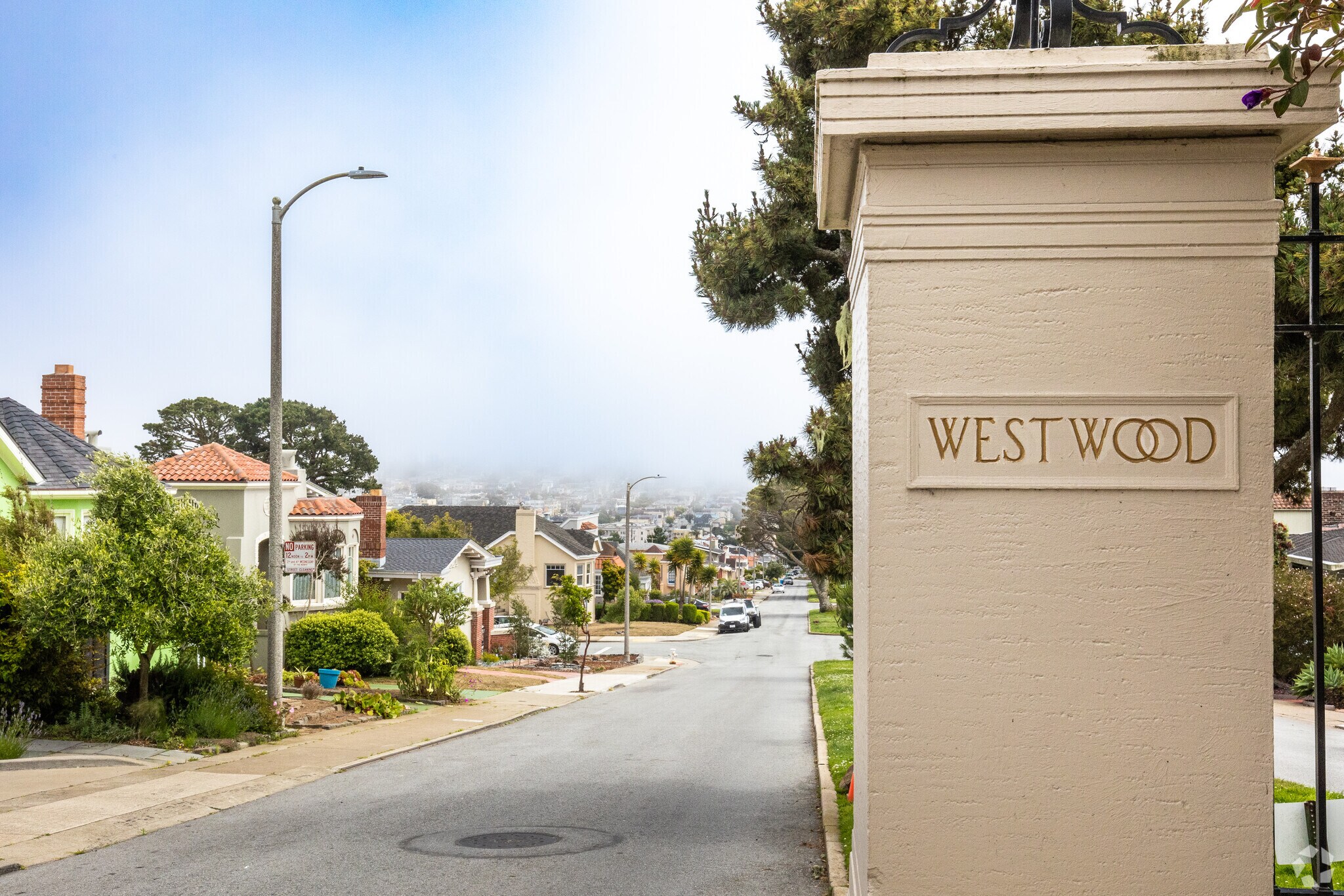
What Is Westwood Park?
Westwood Park is a charming, well-preserved planned residential neighborhood in the southwestern part of San Francisco, known for its distinctive period architecture, curving tree-lined streets, and strong community identity. Developed in the early 1920s by the Westwood Park Association, it stands as one of San Francisco's finest examples of early planned residential community design, with deed restrictions and homeowner association oversight that have preserved its architectural integrity and neighborhood character for over a century. Westwood Park attracts families, long-term residents, and discerning buyers seeking classic homes, neighborhood beauty, and a genuine sense of community within city limits.
Location & Character
Westwood Park is located in southwestern San Francisco, generally bordered by Junipero Serra Boulevard to the west, Sloat Boulevard to the south, Geneva Avenue to the east, and the Balboa Terrace and Westwood Highlands areas to the north. It sits near neighborhoods including Balboa Terrace, Westwood Highlands, Ingleside Terrace, and Ingleside:
- Curving, tree-lined streets following a carefully planned residential layout unique in San Francisco
- A cohesive architectural character with consistent Mediterranean and Spanish Revival home styles
- Wide, beautifully landscaped streets with mature trees and well-kept properties throughout
- A quiet, low-traffic environment with a calm and orderly neighborhood atmosphere
- A diverse and long-established community with many multigenerational and longtime residents
- Deed restrictions and homeowner association oversight actively preserving neighborhood standards and character
- A cooler, fog-influenced microclimate typical of San Francisco's southwestern areas
Real Estate & Housing
Westwood Park is recognized as one of San Francisco's most architecturally consistent and visually appealing planned residential communities:
- Predominantly single-family detached homes as the dominant housing type
- Mediterranean and Spanish Revival architectural styles built primarily from the 1920s through the 1940s
- Homes featuring distinctive period details including red tile roofs, stucco exteriors, arched entryways, and decorative facades
- Many properties with garages, yards, and well-established garden settings
- Generous lot sizes offering more outdoor space than many comparable San Francisco neighborhoods
- Consistent architectural standards maintained through deed restrictions and association oversight
- Updated interiors in many renovated homes mixed with beautifully preserved original-condition properties
- Limited inventory as properties are held long-term, creating persistent demand and strong value retention
- Price points typically in the mid to upper $1 million range and above depending on size, condition, and location
- Long-term investment appeal driven by architectural distinction, scarcity, and neighborhood stability
Community & Amenities
Westwood Park maintains a serene residential atmosphere while benefiting from the proximity of several convenient nearby corridors:
- Ocean Avenue retail and dining corridor accessible within a short drive for cafés, restaurants, grocery stores, and everyday services
- West Portal Avenue a short drive away with boutique shops, dining, and neighborhood conveniences
- Stonestown Galleria reachable within a short drive for expanded retail, dining, and essential services
- Balboa Park nearby commercial streets offering additional everyday shopping and dining options
- Diamond Heights Shopping Center accessible within a short drive for grocery and daily essentials
- Essential daily conveniences available without compromising the neighborhood's quiet and distinguished residential character
Parks & Recreation
Westwood Park residents enjoy solid access to outdoor spaces and recreational areas throughout the surrounding area:
- Balboa Park - one of the area's largest recreation hubs with sports fields, playgrounds, a recreation center, and open space within easy reach
- Minnie and Lovie Ward Recreation Center - courts, a gymnasium, and community programs nearby
- Stern Grove and Sigmund Stern Recreation Grove - wooded trails, open lawns, and the celebrated free summer concert series a short distance away
- Mount Davidson Park — dense forested trails and panoramic summit views accessible within a short drive
- Lake Merced - trails, water views, and cycling paths accessible within a short drive
- Pine Lake Park and smaller neighborhood green spaces within convenient reach
Schools & Education
Westwood Park is served by the San Francisco Unified School District with several school options in the neighborhood and surrounding areas:
- Public elementary schools within the southwest district within reasonable reach
- Aptos Middle School serving the broader district area
- Balboa High School serving the broader southwest district
- Lowell High School - admission-based, located nearby
- Private and parochial school options within a reasonable commute
- City College of San Francisco and San Francisco State University both accessible for higher education
Culture & Neighborhood Life
Westwood Park has one of southwestern San Francisco's most distinctive and carefully maintained neighborhood cultures, shaped by its planned origins and century-long architectural heritage:
- The Westwood Park Association actively maintains neighborhood standards, oversees deed restrictions, and organizes community events and resident initiatives
- Strong pride of ownership reflected in beautifully maintained homes, gardens, and streets throughout
- A welcoming blend of multigenerational families, longtime residents, and newer homeowners drawn by the neighborhood's beauty and character
- Quiet residential streets with a genuine sense of community connection and shared neighborhood identity
- A slower, more unhurried pace of life shaped by the neighborhood's planned and architecturally distinguished character
- A collective and deeply rooted commitment to preserving the neighborhood's historic integrity and long-term residential excellence
Transit & Connectivity
Westwood Park offers practical transit and roadway access for both city and regional commuting:
- Multiple Muni bus routes serving nearby Ocean Avenue, Geneva Avenue, and surrounding neighborhood streets
- Balboa Park BART Station within a short drive providing direct access to downtown San Francisco and the broader Bay Area
- Muni Metro lines serving nearby Ocean Avenue and West Portal corridors
- Quick access to Junipero Serra Boulevard and Sloat Boulevard for convenient city navigation
- Easy connection to Interstate 280 for Peninsula and regional commuting
- Proximity to major city arterials for flexible navigation throughout San Francisco
Final Thoughts
Westwood Park offers a rare and genuinely special residential experience in southwestern San Francisco: a beautifully preserved planned neighborhood with distinctive period architecture, curving tree-lined streets, active community stewardship, and a standard of neighborhood beauty and consistency that has endured for over a century. For families, professionals, and long-term investors seeking architectural distinction, neighborhood charm, and enduring residential value in one of San Francisco's most carefully maintained planned communities, Westwood Park is an outstanding and deeply rewarding choice well worth exploring.
4S Sunnyside
What Is Sunnyside?
Sunnyside is a warm, well-established residential neighborhood in the geographic center of San Francisco, known for its friendly community atmosphere, classic Edwardian and Craftsman homes, and a genuinely village-like character that sets it apart from busier surrounding districts. Situated on gently sloping terrain between Glen Park, Miraloma Park, and the Excelsior, Sunnyside offers a relaxed, neighborhood-centered lifestyle with solid transit connections, nearby parks, and everyday conveniences all within easy reach. It attracts families, long-term residents, and buyers seeking an authentic, community-oriented San Francisco neighborhood with enduring residential charm and practical city connectivity.
Location & Character
Sunnyside is located in central San Francisco, generally bordered by Monterey Boulevard to the north, Circular Avenue to the south, Edna Street and the Glen Park area to the east, and Hearst Avenue to the west. It sits near neighborhoods including Glen Park, Miraloma Park, Ingleside, and the Excelsior:
- Gently sloping residential streets with a warm, village-like neighborhood atmosphere
- A cohesive residential character with classic Edwardian, Craftsman, and early 20th century home styles
- Tree-lined blocks with well-kept properties and strong curb appeal throughout
- A quiet, low-traffic environment with a calm and genuinely community-oriented feel
- A diverse and long-established population with deep neighborhood roots and strong community involvement
- A slightly warmer microclimate compared to more fog-prone western and southern San Francisco neighborhoods
Real Estate & Housing
Sunnyside offers a stable and appealing housing market with strong long-term ownership characteristics and genuine architectural interest:
- Predominantly single-family detached homes as the dominant housing type
- Edwardian, Craftsman, and early 20th century architectural styles built primarily from the 1910s through the 1940s
- Homes featuring classic period details including bay windows, decorative woodwork, front porches, and well-established garden settings
- Many properties with garages, yards, and generous interior layouts relative to their price point
- Some duplexes and smaller multi-unit buildings mixed in offering additional ownership and investment opportunities
- Updated interiors in many renovated homes mixed with beautifully preserved original-condition properties
- Price points typically in the mid to upper $1 million range depending on size, condition, and location
- Strong and consistent demand driven by neighborhood character, central location, and relative value compared to surrounding areas
- Long-term investment appeal driven by architectural charm, community stability, and enduring neighborhood desirability
Community & Amenities
Sunnyside enjoys a strong network of nearby commercial corridors and community resources while maintaining its quiet residential character:
- Monterey Boulevard serving as a nearby commercial corridor with cafés, restaurants, and neighborhood services
- Lakeview Avenue and surrounding streets offering additional local dining and everyday shopping options
- Glen Park Village commercial district a short walk or drive away with boutique shops, cafés, and neighborhood conveniences
- Ocean Avenue retail and dining corridor accessible within a short drive for additional everyday needs
- Stonestown Galleria reachable within a short drive for expanded retail, dining, and essential services
- Essential daily conveniences available within comfortable reach without compromising neighborhood tranquility
Parks & Recreation
Sunnyside residents enjoy solid access to outdoor spaces and recreational areas throughout the surrounding area:
- Sunnyside Playground - the neighborhood's primary local park featuring sports courts, a playground, open lawn space, and a beloved community gathering spot
- Glen Canyon Park - one of San Francisco's most beloved natural parks with hiking trails, a creek, open meadows, and abundant wildlife accessible within a short walk or drive
- Mount Davidson Park - dense forested trails and panoramic summit views accessible within a short drive
- Balboa Park - sports fields, playgrounds, a recreation center, and open space within easy reach
- Stern Grove and Sigmund Stern Recreation Grove - wooded trails, open lawns, and the celebrated free summer concert series nearby
- Smaller neighborhood stairways, paths, and green spaces woven throughout the surrounding hillside area
Schools & Education
Sunnyside is served by the San Francisco Unified School District with several school options in the neighborhood and surrounding areas:
- Sunnyside Elementary School - a well-regarded neighborhood school within easy walking distance
- Aptos Middle School serving the broader district area
- Various high school options within the SFUSD system
- Private and parochial school options within a reasonable commute
- City College of San Francisco and San Francisco State University both accessible for higher education
Culture & Neighborhood Life
Sunnyside has one of San Francisco's most genuinely warm and community-oriented neighborhood cultures, shaped by its central location, classic architecture, and long-established residential character:
- A welcoming blend of longtime residents, families, and newer homeowners drawn by the neighborhood's charm and authentic community feel
- Quiet residential streets with a genuine sense of neighborly connection and mutual familiarity
- Strong community involvement supported by the Sunnyside Neighborhood Association and local civic groups
- Regular neighborhood events, park gatherings, and community initiatives fostering a strong sense of shared identity
- A slower, more unhurried pace of life that feels genuinely removed from the bustle of surrounding city districts
- A distinctive village-within-the-city identity built around community, classic homes, and everyday neighborhood warmth
Transit & Connectivity
Sunnyside offers practical and well-rounded transit and roadway access for both city and regional commuting:
- Multiple Muni bus routes serving Monterey Boulevard, Hearst Avenue, and surrounding neighborhood streets
- Glen Park BART Station within easy walking distance or a very short drive providing direct Bay Area connections and downtown San Francisco access
- Muni Metro lines serving nearby Ocean Avenue and West Portal corridors within easy reach
- Quick access to Portola Drive and O'Shaughnessy Boulevard for convenient city navigation
- Easy connection to Interstate 280 for Peninsula and regional commuting
- Proximity to major city arterials for flexible navigation throughout San Francisco
Final Thoughts
Sunnyside offers a genuinely rare and warmly appealing residential experience in the heart of San Francisco: a classic, community-centered neighborhood with beautiful period homes, a true village atmosphere, excellent transit access, and a quality of everyday neighborhood life that is increasingly difficult to find within a major city. For families, professionals, and long-term buyers seeking authentic San Francisco character, community warmth, architectural charm, and enduring residential value, Sunnyside is one of the city's most quietly treasured neighborhoods and a truly outstanding choice for those who value belonging, beauty, and a genuine sense of home.
4T West Portal
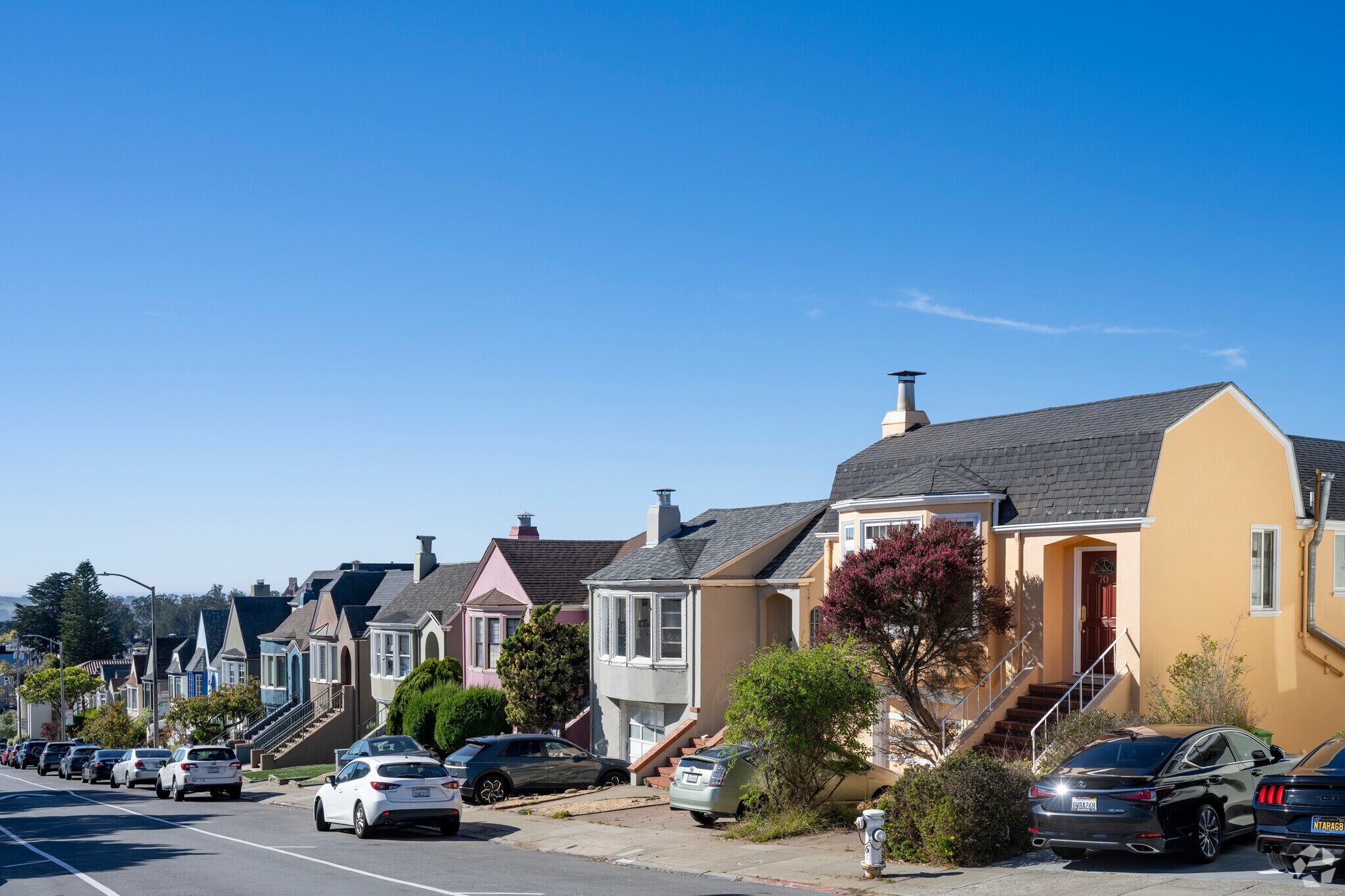
What Is West Portal?
West Portal is one of San Francisco's most beloved and well-rounded neighborhood destinations, located in the west-central part of the city at the western entrance of the Twin Peaks Tunnel. Known for its charming pedestrian-friendly commercial village, classic residential streets, excellent transit connectivity, and strong community identity, West Portal offers a rare and highly sought-after combination of neighborhood convenience, architectural character, and everyday livability. It attracts families, professionals, long-term residents, and buyers seeking a true neighborhood experience with outstanding city access and enduring residential appeal.
Location & Character
West Portal is located in west-central San Francisco, generally bordered by Twin Peaks and Forest Hill to the north and east, St. Francis Wood and Miraloma Park to the south, and the Forest Hill Extension and Laguna Honda areas to the west. It sits near neighborhoods including Forest Hill, St. Francis Wood, Miraloma Park, and Diamond Heights:
- A distinctive pedestrian-friendly commercial village centered on West Portal Avenue
- Quiet, tree-lined residential streets radiating outward from the neighborhood commercial core
- Classic Edwardian, Mediterranean, and mid-century architectural styles throughout
- A warm, welcoming neighborhood atmosphere with a genuine small-town feel within the city
- A diverse and long-established community with strong neighborhood roots and active civic involvement
- A slightly warmer and sunnier microclimate compared to more fog-prone western San Francisco neighborhoods
Real Estate & Housing
West Portal offers a well-regarded and consistently desirable housing market with strong long-term ownership characteristics:
- A healthy mix of single-family detached homes, duplexes, condominiums, and smaller multi-unit buildings
- Edwardian, Mediterranean, Spanish Revival, and mid-century architectural styles from the 1910s through the 1950s
- Homes featuring classic period details including bay windows, decorative facades, and well-established garden settings
- Many properties with garages, yards, and generous interior layouts relative to their central city location
- Condominiums and smaller units offering more accessible entry points for first-time buyers and investors
- Updated interiors in many renovated homes mixed with beautifully preserved original-condition properties
- Price points typically in the mid to upper $1 million range and above depending on type, size, condition, and location
- Strong and consistent demand driven by neighborhood desirability, transit access, and village commercial character
- Long-term investment appeal driven by location, architectural charm, community stability, and enduring neighborhood prestige
Community & Amenities
West Portal's neighborhood commercial village is one of its most defining and celebrated features, offering an exceptional array of local businesses and everyday conveniences within easy walking distance:
- West Portal Avenue serving as the neighborhood's beloved commercial heart with boutique shops, cafés, bakeries, restaurants, and specialty retailers
- A rich and diverse dining scene ranging from casual neighborhood favorites to well-regarded local restaurants
- Independent bookstores, toy shops, and local businesses giving the avenue a distinctly community-oriented character
- Grocery stores, specialty markets, and everyday services all within comfortable walking distance
- A genuine village commercial atmosphere that fosters daily community interaction and neighborhood connection
- Additional shopping and dining accessible at Stonestown Galleria and nearby Ocean Avenue within a short drive
Parks & Recreation
West Portal residents enjoy strong access to natural open spaces and recreational areas throughout the surrounding area:
- Glen Canyon Park - one of San Francisco's most beloved natural parks with hiking trails, a creek, open meadows, and abundant wildlife a short walk or drive away
- Twin Peaks Open Space - sweeping panoramic views of the entire city and Bay accessible within a short drive
- Mount Davidson Park - dense forested trails and panoramic summit views accessible within a short distance
- Laguna Honda Open Space - natural hillside trails and scenic viewpoints immediately nearby
- Stern Grove and Sigmund Stern Recreation Grove - wooded trails, open lawns, and the celebrated free summer concert series within easy reach
- Smaller neighborhood parks, stairways, and hillside green spaces woven throughout the surrounding area
Schools & Education
West Portal is served by the San Francisco Unified School District with several well-regarded school options in the neighborhood and surrounding areas:
- West Portal Elementary School - one of San Francisco's most highly regarded neighborhood schools, conveniently located within the community
- Aptos Middle School serving the broader district area
- Various high school options within the SFUSD system including Lowell High School nearby
- Private and parochial school options within a short commute
- City College of San Francisco and San Francisco State University both accessible for higher education
Culture & Neighborhood Life
West Portal has one of San Francisco's most vibrant and genuinely cherished neighborhood cultures, shaped by its village commercial character, strong civic identity, and long-established residential community:
- A welcoming and inclusive environment blending longtime residents, families, and newer homeowners drawn by the neighborhood's exceptional quality of life
- West Portal Avenue providing a daily gathering place where neighbors shop, dine, and connect in a relaxed and friendly atmosphere
- Strong community involvement supported by the West Portal Neighborhood Association and active local business community
- Regular neighborhood events, street fairs, and seasonal celebrations fostering a strong and shared community identity
- A warm, unhurried pace of neighborhood life that feels genuinely special within a major city
- A collective pride in preserving the neighborhood's village character, architectural beauty, and long-term residential excellence
Transit & Connectivity
West Portal is one of San Francisco's best-connected neighborhoods, anchored by the West Portal Muni Metro Station at the heart of the community:
- West Portal Muni Metro Station serving as a major transit hub with direct service on the K Ingleside, L Taraval, and M Ocean View lines to downtown San Francisco and beyond
- Multiple Muni bus routes serving West Portal Avenue and surrounding neighborhood streets
- Excellent pedestrian connectivity throughout the commercial village and surrounding residential areas
- Quick access to Portola Drive and Junipero Serra Boulevard for convenient city navigation
- Easy connection to Interstate 280 for Peninsula and regional commuting
- Proximity to major city arterials providing flexible access throughout San Francisco
Final Thoughts
West Portal offers an exceptional and genuinely treasured residential experience in west-central San Francisco: a neighborhood with a beloved pedestrian village, outstanding transit connectivity, classic architectural character, excellent schools, and a quality of everyday neighborhood life that is among the finest found anywhere in the city. For families, professionals, and long-term investors seeking a complete neighborhood experience combining community warmth, commercial convenience, architectural beauty, and enduring residential prestige, West Portal stands as one of San Francisco's most outstanding and consistently desirable neighborhoods, a truly exceptional place to call home.
District 5
5A Glen Park
What Is Glen Park?
Glen Park is one of San Francisco's most cherished and well-rounded residential neighborhoods, located in the south-central part of the city at the edge of Glen Canyon Park. Known for its distinctive village-like commercial center, natural canyon surroundings, classic architectural character, and exceptional transit connectivity, Glen Park offers a rare and deeply appealing combination of urban convenience, natural beauty, and genuine community warmth. It attracts families, professionals, long-term residents, and buyers seeking an authentic neighborhood experience with outstanding city and regional access and enduring residential appeal.
Location & Character
Glen Park is located in south-central San Francisco, generally bordered by Glen Canyon Park to the north and west, Diamond Heights to the northwest, Noe Valley to the northeast, and the Excelsior and Ingleside areas to the south. It sits near neighborhoods including Diamond Heights, Noe Valley, Sunnyside, and Miraloma Park:
- A distinctive village-like commercial center along Diamond Street with a warm, small-town atmosphere
- Quiet, tree-lined residential streets radiating outward from the neighborhood commercial core
- Classic Edwardian, Victorian, Craftsman, and mid-century architectural styles throughout
- Immediate adjacency to Glen Canyon Park providing a lush natural backdrop and daily trail access
- A warm, welcoming neighborhood atmosphere with a genuine sense of community and belonging
- A diverse and long-established population with deep neighborhood roots and active civic involvement
- A slightly warmer and more sheltered microclimate compared to more fog-prone western neighborhoods
Real Estate & Housing
Glen Park offers a well-regarded and consistently desirable housing market with strong long-term ownership characteristics and genuine architectural interest:
- A healthy mix of single-family detached homes, duplexes, condominiums, and smaller multi-unit buildings
- Victorian, Edwardian, Craftsman, and mid-century architectural styles from the late 1800s through the 1950s
- Homes featuring classic period details including bay windows, decorative woodwork, front porches, and well-established garden settings
- Many properties with garages, yards, and generous interior layouts relative to their south-central city location
- Condominiums and smaller units offering more accessible entry points for first-time buyers and investors
- Updated interiors in many renovated homes mixed with beautifully preserved original-condition properties
- Price points typically in the mid to upper $1 million range and above depending on type, size, condition, and location
- Strong and consistent demand driven by neighborhood desirability, exceptional transit access, and village commercial character
- Long-term investment appeal driven by location, natural surroundings, architectural charm, and enduring neighborhood prestige
Community & Amenities
Glen Park's neighborhood commercial village along Diamond Street is one of its most defining and celebrated features, offering a warm and locally oriented collection of businesses and everyday conveniences:
- Diamond Street serving as the neighborhood's beloved commercial heart with cafés, bakeries, restaurants, boutique shops, and specialty retailers
- A rich and diverse local dining scene ranging from casual neighborhood favorites to well-regarded local restaurants
- Independent shops, a beloved local library branch, and community-oriented businesses giving the village a distinctly neighborhood character
- Grocery stores, specialty markets, and everyday services all within comfortable walking distance
- A genuine village commercial atmosphere fostering daily community interaction and neighborhood connection
- Additional shopping and dining accessible at nearby Noe Valley, Bernal Heights, and the Mission within a short drive or transit ride
Parks & Recreation
Outdoor access is one of Glen Park's most compelling lifestyle advantages, anchored by its immediate adjacency to Glen Canyon Park:
- Glen Canyon Park - one of San Francisco's most beloved and expansive natural parks featuring hiking trails, a seasonal creek, open meadows, a recreation center, playgrounds, and abundant wildlife directly bordering the neighborhood
- Billy Goat Hill - a beloved neighborhood landmark with panoramic city views and open hillside space accessible within a short walk
- Islais Creek Trail - a natural walking and cycling path winding through the canyon and surrounding area
- Twin Peaks Open Space - sweeping panoramic views of the entire city and Bay accessible within a short drive
- McLaren Park - one of the city's largest parks with extensive hiking trails, sports facilities, and picnic areas a short distance away
- Smaller neighborhood parks, stairways, and hillside green spaces woven throughout the surrounding residential area
Schools & Education
Glen Park is served by the San Francisco Unified School District with several well-regarded school options in the neighborhood and surrounding areas:
- Glen Park Elementary School - a well-regarded neighborhood school within easy walking distance
- James Lick Middle School serving the broader district area
- Various high school options within the SFUSD system
- Private and parochial school options within a short commute
- City College of San Francisco and San Francisco State University both accessible for higher education
Culture & Neighborhood Life
Glen Park has one of San Francisco's most genuinely warm and community-oriented neighborhood cultures, shaped by its village commercial character, natural canyon surroundings, and long-established residential community:
- A welcoming and inclusive environment blending longtime residents, families, and newer homeowners drawn by the neighborhood's exceptional quality of life
- Diamond Street village providing a daily gathering place where neighbors meet, shop, and connect in a relaxed and friendly atmosphere
- Strong community involvement supported by the Glen Park Association and active local business community
- Regular neighborhood events, farmers markets, and seasonal celebrations fostering a strong and shared community identity
- A warm, unhurried pace of neighborhood life shaped by the canyon, trails, and village character surrounding the community
- A collective pride in preserving the neighborhood's natural beauty, village atmosphere, and long-term residential excellence
Transit & Connectivity
Glen Park is one of San Francisco's best-connected neighborhoods for both city and regional travel, anchored by the Glen Park BART and Muni Station:
- Glen Park BART Station providing direct and frequent service to downtown San Francisco, the East Bay, and the broader Bay Area, one of the neighborhood's most significant lifestyle advantages
- Multiple Muni bus routes serving Bosworth Street, Diamond Street, and surrounding neighborhood corridors
- Muni Metro lines accessible via nearby connections for additional city transit options
- Quick access to Interstate 280 directly from the neighborhood for Peninsula and South Bay commuting
- Convenient proximity to O'Shaughnessy Boulevard and Portola Drive for flexible city navigation
- Excellent pedestrian and cycling connectivity throughout the village and surrounding residential streets
Final Thoughts
Glen Park offers an exceptional and deeply treasured residential experience in south-central San Francisco: a neighborhood defined by a beloved village commercial center, immediate access to Glen Canyon Park, outstanding BART connectivity, classic architectural character, and a quality of everyday community life that is among the finest found anywhere in the city. For families, professionals, and long-term investors seeking a complete neighborhood experience combining natural beauty, community warmth, village convenience, and enduring residential prestige, Glen Park stands as one of San Francisco's most outstanding and consistently desirable neighborhoods, a truly exceptional and rewarding place to call home.
5B Haight Ashbury
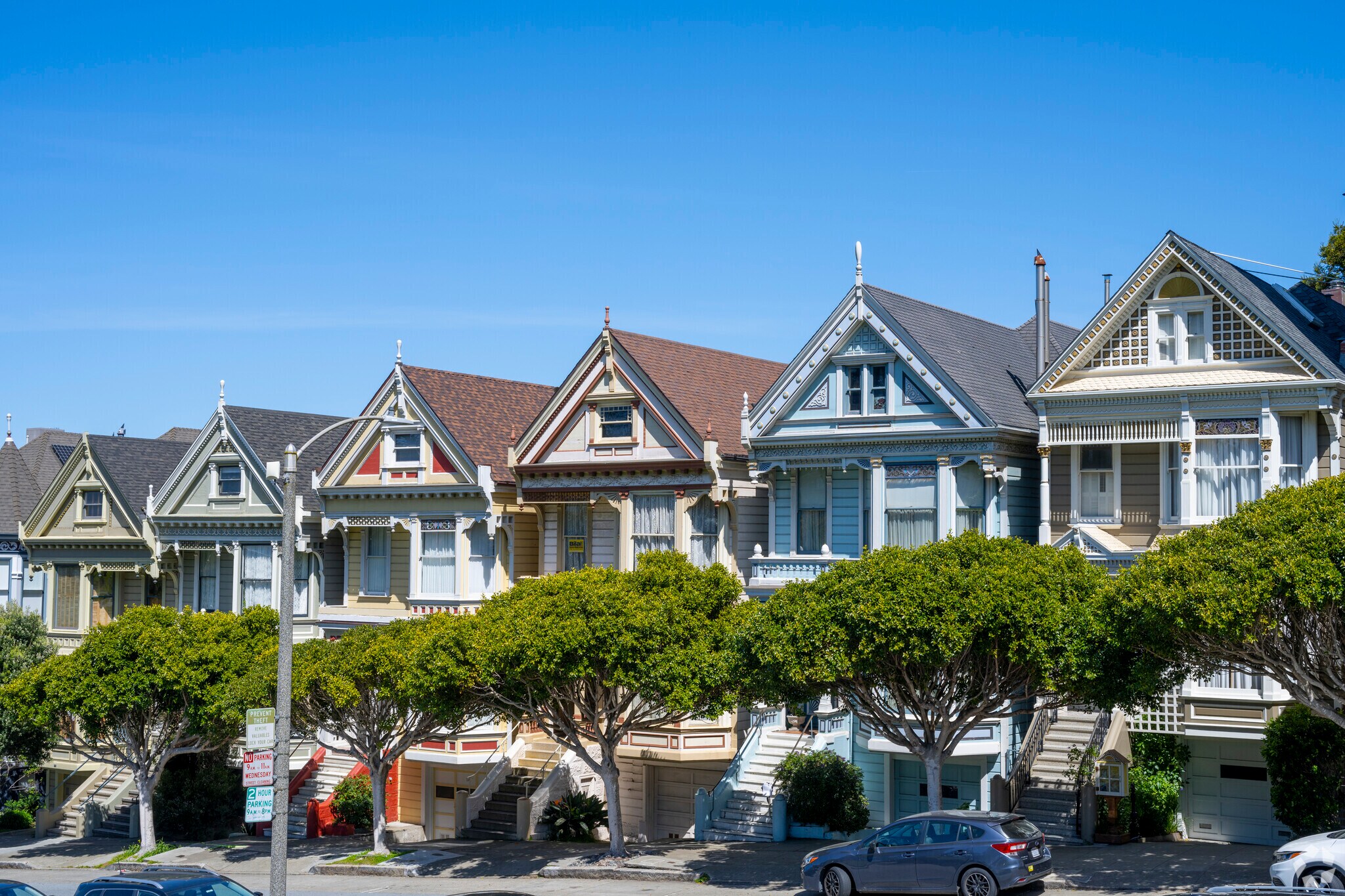
What Is Haight-Ashbury?
Haight-Ashbury is one of San Francisco's most iconic and culturally significant neighborhoods, located in the heart of the city between Golden Gate Park and the historic commercial corridors of Upper Haight Street. World-famous as the epicenter of the 1960s counterculture movement and the Summer of Love, Haight-Ashbury has evolved into a vibrant, diverse, and architecturally rich residential neighborhood that balances its legendary bohemian heritage with a genuinely livable, community-oriented everyday character. It attracts artists, families, professionals, long-term residents, and buyers seeking a neighborhood with unmatched cultural depth, beautiful Victorian and Edwardian architecture, and outstanding access to Golden Gate Park and city amenities.
Location & Character
Haight-Ashbury is located in central San Francisco, generally bordered by Golden Gate Park to the north, Twin Peaks and Corona Heights to the south, the Panhandle and Lower Haight to the east, and Cole Valley and Inner Sunset to the west. It sits near neighborhoods including Cole Valley, Inner Sunset, Buena Vista, and the Lower Haight:
- A vibrant, pedestrian-friendly commercial corridor along Haight Street with an eclectic and distinctive character
- Beautiful tree-lined residential streets with some of San Francisco's finest Victorian and Edwardian architecture
- Immediate adjacency to Golden Gate Park providing exceptional daily outdoor access
- A warm, culturally rich neighborhood atmosphere with a genuine sense of history and community belonging
- A diverse and long-established population blending artists, families, professionals, and longtime residents
- A slightly warmer and more sheltered microclimate than more fog-prone western neighborhoods
Real Estate & Housing
Haight-Ashbury offers a well-regarded and architecturally distinguished housing market with strong long-term ownership and investment characteristics:
- A rich mix of single-family Victorian and Edwardian homes, grand Painted Ladies, multi-unit buildings, flats, and condominiums
- Victorian and Edwardian architectural styles from the 1880s through the 1910s featuring exceptional period detailing
- Homes showcasing iconic San Francisco details including ornate facades, bay windows, decorative woodwork, and colorful painted exteriors
- Many properties with generous interior proportions, high ceilings, and classic period character rarely found at comparable price points
- Flats and multi-unit buildings offering flexible ownership and investment opportunities throughout the neighborhood
- Updated interiors in many renovated homes mixed with beautifully preserved original-condition properties
- Price points typically ranging from the mid $1 million range into the multi-million dollar range depending on type, size, condition, and location
- Strong and consistent demand driven by neighborhood prestige, architectural beauty, Golden Gate Park access, and cultural cachet
- Long-term investment appeal driven by iconic status, architectural distinction, central location, and enduring neighborhood desirability
Community & Amenities
Haight-Ashbury's commercial corridor along Haight Street is one of its most defining and celebrated features, offering an eclectic and locally oriented collection of businesses and everyday conveniences:
- Haight Street serving as the neighborhood's vibrant commercial heart with independent boutiques, vintage clothing stores, record shops, cafés, restaurants, and specialty retailers
- A rich and diverse local dining and café scene ranging from casual neighborhood favorites to well-regarded local restaurants
- Independent bookstores, music shops, art galleries, and community-oriented businesses giving the street a distinctly creative and neighborhood character
- Grocery stores, specialty markets, health food shops, and everyday services within comfortable walking distance
- A genuine bohemian commercial atmosphere that celebrates creativity, individuality, and community connection
- Additional shopping and dining accessible in nearby Cole Valley, Inner Sunset, and the Castro within a short walk or transit ride
Parks & Recreation
Outdoor access is one of Haight-Ashbury's most compelling lifestyle advantages, anchored by its immediate adjacency to Golden Gate Park:
- Golden Gate Park - one of the world's great urban parks featuring hiking and cycling trails, lakes, gardens, meadows, the de Young Museum, California Academy of Sciences, Japanese Tea Garden, and the Panhandle green corridor directly bordering the neighborhood
- Buena Vista Park - one of San Francisco's oldest parks with forested trails and panoramic city views immediately adjacent to the neighborhood
- Corona Heights Park - rocky hilltop park with additional city views and open space a short distance away
- Twin Peaks Open Space - sweeping panoramic views of the entire city and Bay accessible within a short drive
- The Panhandle - a beloved linear park and green corridor connecting the neighborhood to Golden Gate Park
- Smaller neighborhood parks, stairways, and green spaces woven throughout the surrounding residential area
Schools & Education
Haight-Ashbury is served by the San Francisco Unified School District with several school options in the neighborhood and surrounding areas:
- Grattan Elementary School - a well-regarded neighborhood school within easy walking distance
- Eureka Learning Center serving the broader district area
- Various high school options within the SFUSD system
- Private and parochial school options within a short commute
- University of California San Francisco and City College of San Francisco both accessible for higher education
Culture & Neighborhood Life
Haight-Ashbury has one of San Francisco's most distinctive and historically significant neighborhood cultures, shaped by its legendary counterculture heritage and long-established residential community:
- A welcoming and deeply inclusive environment blending artists, musicians, families, professionals, and longtime residents in a genuinely diverse and open community
- Haight Street providing a daily gathering place where neighbors and visitors connect in a relaxed, creative, and community-oriented atmosphere
- Strong community involvement supported by the Haight Ashbury Neighborhood Council and active local business community
- Regular neighborhood events, street fairs, art installations, and seasonal celebrations fostering a strong and shared community identity
- A rich cultural heritage reflected in the neighborhood's music history, street art, independent businesses, and creative community spirit
- A warm, unhurried pace of neighborhood life shaped by the park, trails, and distinctive bohemian character surrounding the community
- A collective pride in preserving the neighborhood's cultural legacy, architectural beauty, and long-term residential vitality
Transit & Connectivity
Haight-Ashbury offers practical and well-rounded transit and roadway access for both city and regional commuting:
- Multiple Muni bus routes serving Haight Street, Stanyan Street, and surrounding neighborhood corridors including the 7 Haight and 33 Stanyan lines
- Muni Metro N-Judah line accessible via nearby Duboce Avenue and Carl Street for easy downtown access
- Excellent pedestrian and cycling connectivity throughout the commercial corridor and surrounding residential streets
- Quick access to Masonic Avenue and Divisadero Street for convenient north-south city navigation
- Easy connection to major city arterials including Oak Street and Fell Street for flexible navigation throughout San Francisco
- Proximity to Highway 101 and Interstate 280 for regional commuting via nearby connections
Final Thoughts
Haight-Ashbury offers an extraordinary and genuinely irreplaceable residential experience in the heart of San Francisco: a neighborhood defined by legendary cultural heritage, some of the city's most beautiful Victorian and Edwardian architecture, immediate access to Golden Gate Park, a vibrant bohemian commercial corridor, and a quality of everyday neighborhood life that is at once historic, creative, and deeply livable. For families, artists, professionals, and long-term investors seeking a neighborhood with unmatched cultural depth, architectural grandeur, natural beauty, and enduring residential prestige, Haight-Ashbury stands as one of San Francisco's most iconic and consistently cherished neighborhoods, a truly extraordinary place to call home.
5C Noe Valley
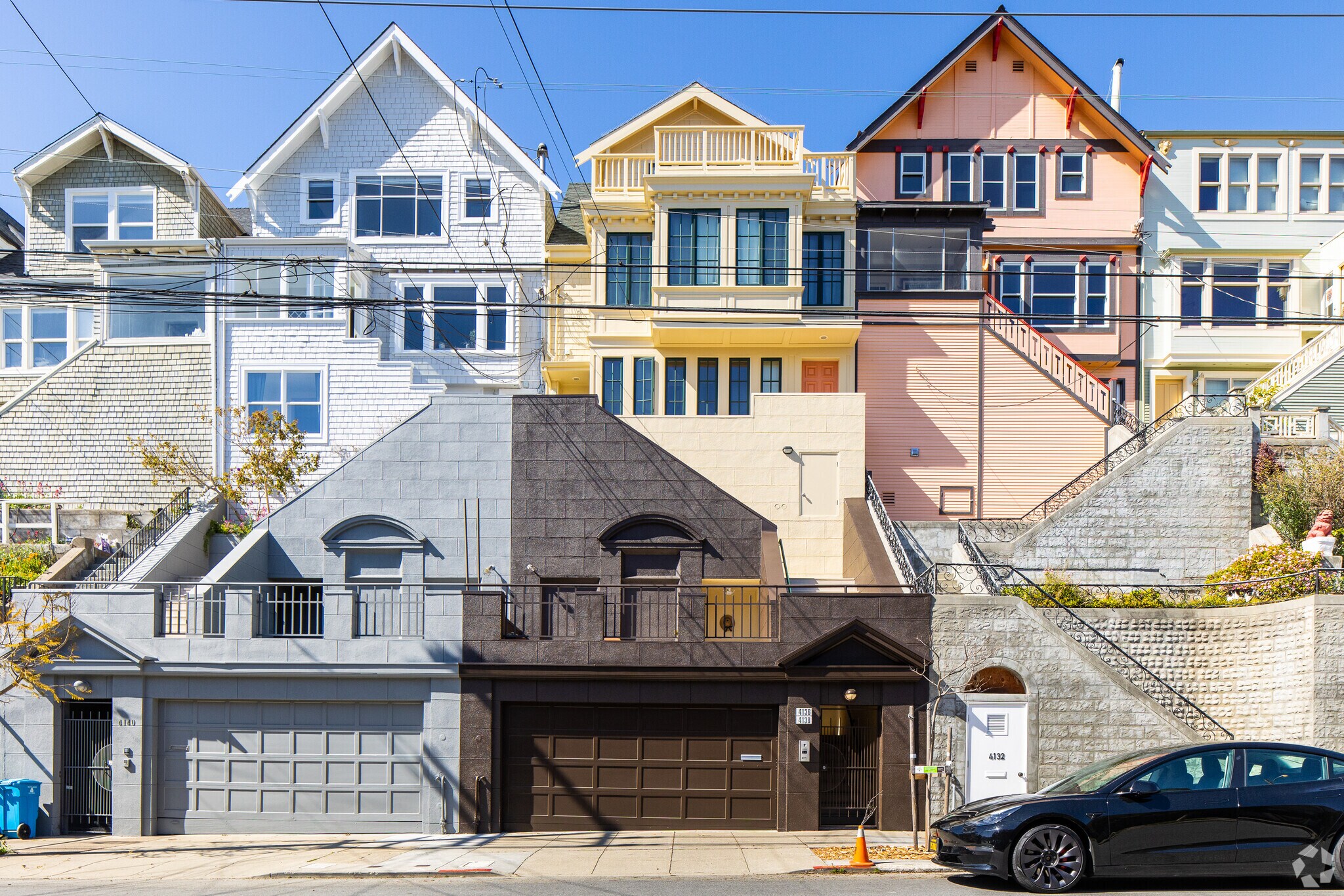
What Is Noe Valley?
Noe Valley is one of San Francisco's most beloved and consistently desirable residential neighborhoods, located in the south-central part of the city on the sunny, sheltered slopes between Twin Peaks and the Mission District. Known for its charming pedestrian-friendly village commercial corridor, beautiful Victorian and Edwardian homes, exceptional microclimate, and deeply community-oriented character, Noe Valley offers a rare and highly sought-after combination of neighborhood warmth, architectural beauty, and everyday livability. It attracts families, professionals, long-term residents, and buyers seeking an authentic, village-like neighborhood experience with outstanding city access and enduring residential prestige.
Location & Character
Noe Valley is located in south-central San Francisco, generally bordered by Twin Peaks and Eureka Valley to the north, the Mission District to the east, Glen Park and Sunnyside to the south, and Diamond Heights and Castro to the west. It sits near neighborhoods including the Castro, Mission District, Glen Park, and Diamond Heights:
- A distinctive pedestrian-friendly village commercial corridor centered along 24th Street
- Quiet, tree-lined residential streets with some of San Francisco's most beautiful Victorian and Edwardian architecture
- A warm, sunny microclimate sheltered from the fog by Twin Peaks, one of the neighborhood's most celebrated qualities
- A welcoming, deeply community-oriented atmosphere with a genuine small-town feel within the city
- A diverse and long-established population blending young families, professionals, and longtime residents
- Strong neighborhood identity shaped by active community organizations and a deeply rooted civic culture
Real Estate & Housing
Noe Valley offers one of San Francisco's most desirable and consistently strong housing markets with exceptional long-term ownership and investment characteristics:
- A rich mix of single-family Victorian and Edwardian homes, flats, duplexes, condominiums, and smaller multi-unit buildings
- Victorian and Edwardian architectural styles from the 1880s through the 1910s featuring beautiful period detailing
- Homes showcasing iconic San Francisco details including ornate facades, bay windows, decorative woodwork, and colorful painted exteriors
- Many properties with generous interior proportions, high ceilings, and classic period character
- Flats and multi-unit buildings offering flexible ownership and investment opportunities throughout the neighborhood
- Updated interiors in many renovated homes mixed with beautifully preserved original-condition properties
- Price points typically ranging from the upper $1 million range into the multi-million dollar range depending on type, size, condition, and location
- Among the strongest and most consistent real estate markets in San Francisco driven by exceptional demand, microclimate, and neighborhood prestige
- Long-term investment appeal driven by architectural distinction, community desirability, central location, and enduring neighborhood cachet
Community & Amenities
Noe Valley's village commercial corridor along 24th Street is one of its most defining and celebrated features, offering an exceptional and locally oriented collection of businesses and everyday conveniences:
- 24th Street serving as the neighborhood's beloved commercial heart with independent boutiques, cafés, bakeries, restaurants, specialty food shops, and neighborhood services
- A rich and diverse local dining and café scene ranging from casual neighborhood favorites to highly regarded local restaurants
- Independent bookstores, toy shops, wine bars, and community-oriented businesses giving the street a distinctly village-like and neighborhood character
- Grocery stores, specialty markets, health food shops, and everyday services all within comfortable walking distance
- A genuine village commercial atmosphere that fosters daily community interaction, neighborly connection, and a strong sense of local belonging
- Additional shopping and dining accessible in nearby Castro, Mission District, and Glen Park within a short walk or transit ride
Parks & Recreation
Noe Valley residents enjoy solid access to outdoor spaces and recreational areas throughout the surrounding area:
- Noe Valley Town Square - a beloved neighborhood gathering space and community park at the heart of the 24th Street commercial corridor
- Douglass Playground and Park - a neighborhood park with sports courts, a playground, open lawn space, and community gathering areas
- Billy Goat Hill - a cherished neighborhood landmark with panoramic city views and open hillside space accessible within a short walk
- Glen Canyon Park - one of San Francisco's most beloved natural parks with hiking trails, a creek, open meadows, and abundant wildlife accessible within a short drive
- Corona Heights Park - rocky hilltop park with additional city views and open space nearby
- Twin Peaks Open Space - sweeping panoramic views of the entire city and Bay accessible within a short drive
Schools & Education
Noe Valley is served by the San Francisco Unified School District with several well-regarded school options in the neighborhood and surrounding areas:
- Alvarado Elementary School - a highly regarded neighborhood school within easy walking distance
- James Lick Middle School serving the broader district area
- Various high school options within the SFUSD system
- Private and parochial school options within a short commute
- City College of San Francisco and University of California San Francisco both accessible for higher education
Culture & Neighborhood Life
Noe Valley has one of San Francisco's most genuinely warm and community-oriented neighborhood cultures, shaped by its village commercial character, exceptional microclimate, and long-established residential community:
- A welcoming and inclusive environment blending young families, professionals, artists, and longtime residents in a genuinely diverse and open community
- 24th Street village providing a daily gathering place where neighbors shop, dine, and connect in a relaxed and deeply friendly atmosphere
- Strong community involvement supported by the Noe Valley Association, active neighborhood groups, and a vibrant local business community
- Regular neighborhood events, farmers markets, street fairs, and seasonal celebrations fostering a strong and shared community identity
- A warm, sunny, and unhurried pace of neighborhood life shaped by the microclimate, village character, and community spirit
- A collective pride in preserving the neighborhood's architectural beauty, village atmosphere, and long-term residential excellence
Transit & Connectivity
Noe Valley offers practical and well-rounded transit and roadway access for both city and regional commuting:
- Multiple Muni bus routes serving 24th Street, Castro Street, and surrounding neighborhood corridors including the 24 Divisadero and 48 Quintara lines
- Muni Metro J Church line running along Church Street on the eastern edge of the neighborhood providing direct downtown access
- 24th Street BART Station in the adjacent Mission District within easy walking distance or a very short bus ride for direct Bay Area connections
- Excellent pedestrian and cycling connectivity throughout the commercial village and surrounding residential streets
- Quick access to Cesar Chavez Street and Dolores Street for convenient city navigation
- Easy connection to Highway 101 and Interstate 280 for regional commuting via nearby connections
Final Thoughts
Noe Valley offers an exceptional and genuinely treasured residential experience in south-central San Francisco: a neighborhood defined by a beloved pedestrian village, stunning Victorian and Edwardian architecture, a famously sunny microclimate, outstanding community warmth, and a quality of everyday neighborhood life that is consistently ranked among the finest found anywhere in the city. For families, professionals, and long-term investors seeking a complete neighborhood experience combining village charm, architectural grandeur, community vitality, and enduring residential prestige, Noe Valley stands as one of San Francisco's most outstanding and consistently desirable neighborhoods, a truly exceptional and deeply rewarding place to call home.
5D Twin Peaks
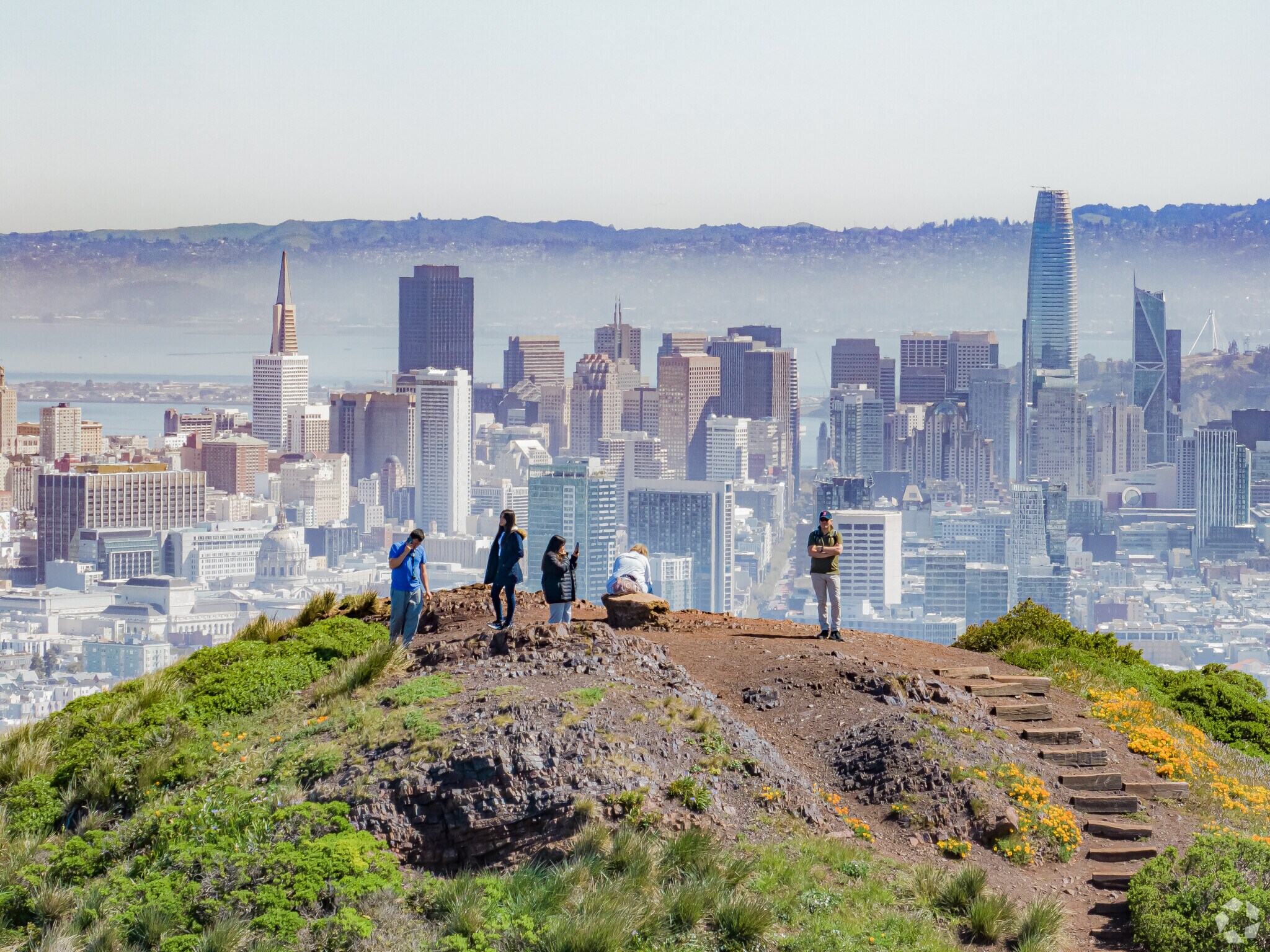
What Is Twin Peaks?
Twin Peaks is one of San Francisco's most distinctive and scenically dramatic residential neighborhoods, centered around the iconic twin hilltops that rise to nearly 1,000 feet above the city and offer some of the most breathtaking panoramic views found anywhere in San Francisco. Known for its sweeping vistas, windswept open space, classic mid-century homes, and a genuinely elevated living experience in every sense, Twin Peaks offers a rare combination of natural spectacle, residential calm, and surprisingly practical city connectivity. It attracts view-seekers, nature lovers, families, and buyers seeking a dramatically scenic and quietly rewarding neighborhood experience within the heart of San Francisco.
Location & Character
Twin Peaks is located in the geographic center of San Francisco, generally bordered by Corona Heights and the Castro to the north and east, Noe Valley and Glen Park to the south, and Forest Knolls, Forest Hill, and Diamond Heights to the west. It sits near neighborhoods including the Castro, Corona Heights, Diamond Heights, and Glen Park:
- Dramatically elevated hilltop terrain with some of the most sweeping panoramic views in all of San Francisco
- Winding, narrow residential streets following the natural contours of the twin hilltops
- A quiet, low-traffic residential environment with a genuinely secluded and elevated atmosphere
- Twin Peaks Open Space and summit directly accessible from the neighborhood providing world-class viewpoints
- Classic mid-century single-family homes designed to take full advantage of the dramatic hillside setting
- A diverse and established community with a strong appreciation for the neighborhood's unique natural character
- A windier and cooler microclimate shaped by the dramatic elevation and central city exposure
Real Estate & Housing
Twin Peaks offers a tightly held and scenically driven housing market with strong long-term ownership appeal:
- Predominantly single-family detached homes as the dominant housing type
- Mid-century construction primarily from the 1950s through the 1970s
- Many homes specifically designed with large windows, view-oriented layouts, and deck or terrace space to maximize the dramatic panoramic setting
- Stucco exteriors and practical multi-level floor plans common throughout the neighborhood
- Most homes with garage parking and some outdoor or garden space
- Some condominiums and smaller multi-unit buildings offering more accessible entry points
- Properties with direct or expansive summit and city views commanding significant premium interest and pricing
- Limited inventory as properties are held long-term, creating consistent demand and strong value retention
- Price points typically in the mid to upper $1 million range and above depending on size, condition, views, and location
- Long-term investment appeal driven by dramatic setting, scarcity, view premiums, and central city location
Community & Amenities
Twin Peaks is primarily residential with a quiet, nature-focused character while remaining close to several convenient nearby commercial corridors:
- Castro Street commercial district within easy reach offering an exceptional array of shops, cafés, restaurants, bars, and everyday services
- West Portal Avenue a short drive away with boutique shops, dining, and neighborhood conveniences
- Diamond Heights Shopping Center nearby for grocery, retail, and daily essentials
- Glen Park Village commercial corridor a short drive away for additional dining and neighborhood shops
- Inner Sunset and Noe Valley commercial corridors accessible within a short drive for additional dining and shopping options
- Essential daily conveniences available without compromising the neighborhood's peaceful and elevated residential character
Parks & Recreation
Outdoor access and natural open space are the defining lifestyle advantages of Twin Peaks, with the summit and surrounding open space directly accessible from the neighborhood:
- Twin Peaks Open Space and Summit - directly accessible from the neighborhood, offering world-famous 360-degree panoramic views of the entire city, Bay, ocean, and surrounding hills, one of San Francisco's most celebrated natural landmarks
- Corona Heights Park - rocky hilltop park with additional city views and open space immediately adjacent to the neighborhood
- Glen Canyon Park - one of San Francisco's most beloved natural parks with hiking trails, a creek, open meadows, and abundant wildlife a short distance away
- Buena Vista Park - one of San Francisco's oldest parks with forested trails and panoramic views accessible within a short drive
- Mount Davidson Park - dense forested trails and summit views accessible within a short drive
- Smaller neighborhood paths, natural stairways, and hillside viewpoints woven throughout the immediate surrounding area
Schools & Education
Twin Peaks is served by the San Francisco Unified School District with several school options in the neighborhood and surrounding areas:
- Grattan Elementary School serving the broader district area within reasonable reach
- Various middle and high school options within the SFUSD system
- Private and parochial school options within a short commute
- City College of San Francisco and University of California San Francisco both accessible for higher education
- Strong proximity to several well-regarded schools in neighboring Castro, Noe Valley, and Forest Hill areas
Culture & Neighborhood Life
Twin Peaks has a quiet, nature-oriented neighborhood culture shaped by its dramatic hilltop setting, spectacular views, and close-knit residential community:
- A welcoming blend of longtime residents, view-seeking newcomers, nature lovers, and families drawn by the neighborhood's dramatic and unique character
- Quiet residential streets with a genuine sense of community connection among neighbors who share an appreciation for the spectacular setting
- Strong appreciation for outdoor living centered around the Twin Peaks summit, open space trails, and surrounding hillside viewpoints
- A slower, more contemplative pace of neighborhood life shaped by the elevated, windswept, and scenically extraordinary character of the hilltop setting
- Community involvement supported by neighborhood associations and local open space stewardship groups
- A distinctive and deeply cherished neighborhood identity built around views, natural beauty, and a truly one-of-a-kind elevated city living experience
Transit & Connectivity
Despite its elevated and somewhat dramatic hillside setting, Twin Peaks maintains practical transit and roadway access:
- Multiple Muni bus routes serving Twin Peaks Boulevard, Clayton Street, and surrounding neighborhood streets including the 37 Corbett line
- Muni Metro lines accessible via nearby Castro Station and Forest Hill Station for easy downtown San Francisco access
- Castro Street commercial district and transit hub within easy walking distance or a short drive
- Quick access to Twin Peaks Boulevard and Portola Drive for convenient city navigation
- Easy connection to Interstate 280 and Highway 101 for regional commuting via nearby corridors
- Proximity to major city arterials including Clipper Street and Market Street for flexible navigation throughout San Francisco
Final Thoughts
Twin Peaks offers a genuinely extraordinary and one-of-a-kind residential experience in the geographic heart of San Francisco: a dramatically elevated neighborhood defined by world-famous panoramic views, sweeping open space, quiet winding streets, and a quality of natural spectacle that is simply unmatched anywhere else within the city. For view-seekers, nature lovers, families, and long-term buyers seeking a neighborhood defined by dramatic beauty, residential calm, and an elevated living experience unlike anything else San Francisco has to offer, Twin Peaks stands as one of the city's most iconic, scenically irreplaceable, and enduringly desirable places to call home.
5E Cole Valley/Parnassus Heights
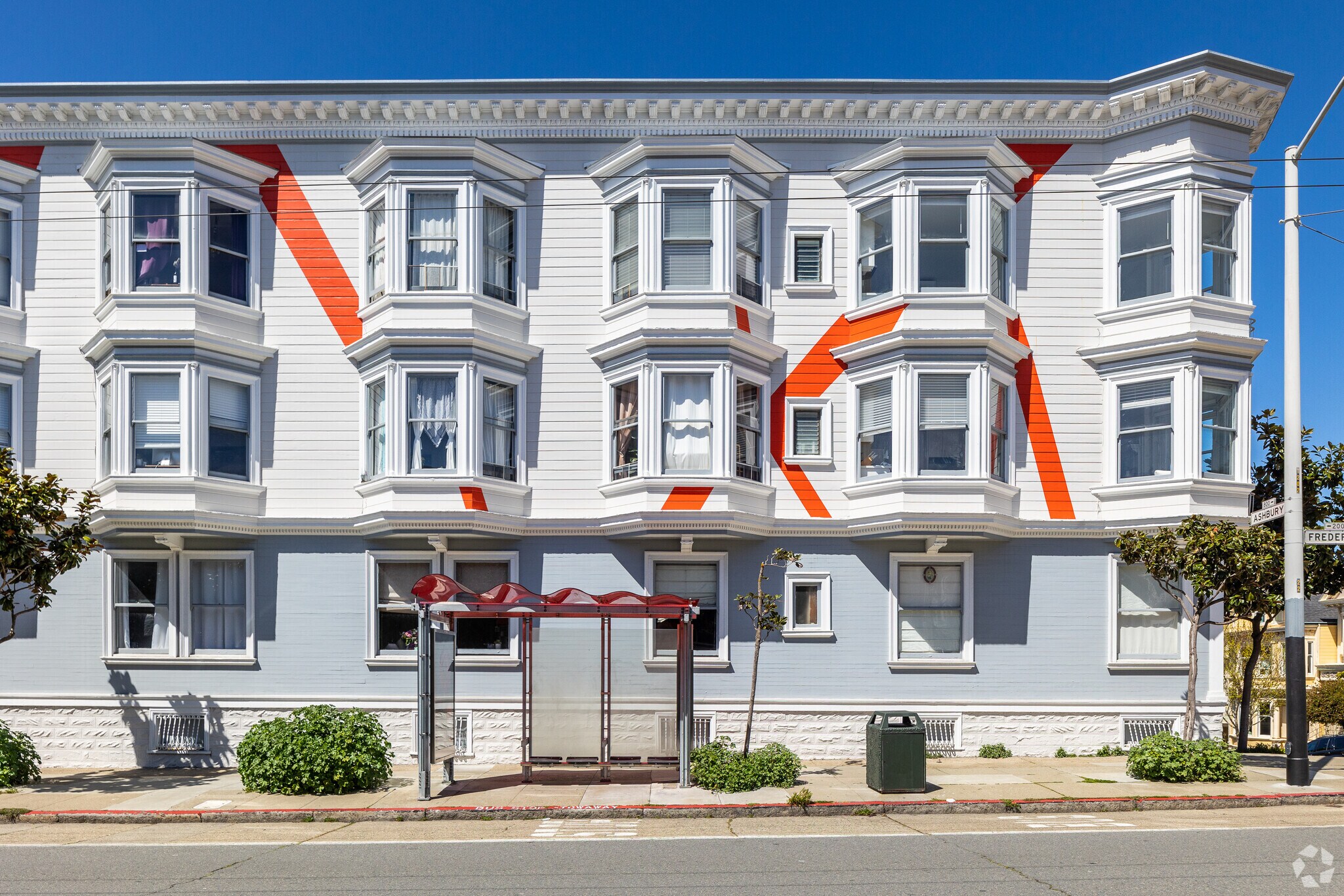
What Is Cole Valley / Parnassus Heights?
Cole Valley and Parnassus Heights together form one of San Francisco's most charming, intellectually vibrant, and quietly distinguished residential communities, nestled on the eastern slopes of Mount Sutro and directly adjacent to both Golden Gate Park and the University of California San Francisco medical campus. Known for its intimate village commercial corridor, beautiful Victorian and Edwardian architecture, lush wooded surroundings, and a uniquely warm and educated community character, Cole Valley and Parnassus Heights offer a rare and deeply appealing combination of neighborhood intimacy, natural beauty, and everyday livability. They attract families, medical and academic professionals, long-term residents, and buyers seeking a genuinely special neighborhood experience with outstanding city access and enduring residential prestige.
Location & Character
Cole Valley and Parnassus Heights are located in central San Francisco, generally bordered by Golden Gate Park and the Panhandle to the north, Twin Peaks and Sutro Heights to the south and west, the Inner Sunset to the west, and Haight-Ashbury to the east. They sit near neighborhoods including Haight-Ashbury, Inner Sunset, Forest Knolls, and Twin Peaks:
- An intimate, pedestrian-friendly village commercial corridor centered along Cole Street
- Quiet, tree-lined residential streets with beautiful Victorian, Edwardian, and Craftsman architectural styles
- Immediate adjacency to Mount Sutro Open Space Reserve providing a lush wooded backdrop and trail access
- Direct proximity to University of California San Francisco creating a uniquely academic and medical community character
- A warm, intellectually vibrant neighborhood atmosphere with a genuine small-town feel within the city
- A diverse and long-established population blending medical professionals, academics, families, and longtime residents
- A slightly cooler and foggier microclimate shaped by elevation, forest canopy, and proximity to the coast
Real Estate & Housing
Cole Valley and Parnassus Heights offer a well-regarded and consistently desirable housing market with strong long-term ownership and investment characteristics:
- A rich mix of single-family Victorian and Edwardian homes, flats, duplexes, condominiums, and smaller multi-unit buildings
- Victorian, Edwardian, and Craftsman architectural styles from the late 1800s through the 1920s featuring beautiful period detailing
- Homes showcasing iconic San Francisco details including ornate facades, bay windows, decorative woodwork, and classic painted exteriors
- Many properties with generous interior proportions, high ceilings, and classic period character
- Flats and multi-unit buildings offering flexible ownership and investment opportunities throughout the neighborhood
- Updated interiors in many renovated homes mixed with beautifully preserved original-condition properties
- Strong demand driven in part by proximity to UCSF creating a consistent and diverse buyer and renter pool
- Price points typically ranging from the upper $1 million range into the multi-million dollar range depending on type, size, condition, and location
- Long-term investment appeal driven by architectural distinction, UCSF proximity, natural surroundings, and enduring neighborhood desirability
Community & Amenities
Cole Valley's intimate village commercial corridor along Cole Street is one of its most defining and celebrated features, offering a warm and locally oriented collection of businesses and everyday conveniences:
- Cole Street serving as the neighborhood's beloved commercial heart with cafés, bakeries, independent restaurants, boutique shops, and neighborhood services
- A rich and diverse local dining and café scene with a distinctly neighborhood and community-oriented character
- Independent bookstores, specialty shops, wine bars, and locally owned businesses giving the corridor a genuinely intimate village feel
- Grocery stores, specialty markets, and everyday services all within comfortable walking distance
- A genuine village commercial atmosphere that fosters daily community interaction and a strong sense of local belonging
- Additional shopping and dining accessible in nearby Haight-Ashbury, Inner Sunset, and the Castro within a short walk or transit ride
Parks & Recreation
Outdoor access is one of Cole Valley and Parnassus Heights' most compelling lifestyle advantages, with exceptional natural open spaces immediately surrounding the neighborhood:
- Mount Sutro Open Space Reserve - directly adjacent to the neighborhood with dense forested trails, natural habitats, and a peaceful woodland environment unlike anywhere else in the city
- Golden Gate Park - one of the world's great urban parks featuring hiking and cycling trails, lakes, gardens, meadows, the de Young Museum, California Academy of Sciences, and the Japanese Tea Garden immediately accessible from the neighborhood
- Buena Vista Park - one of San Francisco's oldest parks with forested trails and panoramic city views a short walk away
- Twin Peaks Open Space - sweeping panoramic views of the entire city and Bay accessible within a short drive
- Corona Heights Park - rocky hilltop park with additional city views and open space nearby
- The Panhandle - a beloved linear park and green corridor connecting the neighborhood to Golden Gate Park
Schools & Education
Cole Valley and Parnassus Heights are served by the San Francisco Unified School District with several well-regarded school options in the neighborhood and surrounding areas:
- Grattan Elementary School - a highly regarded neighborhood school within easy walking distance
- Various middle and high school options within the SFUSD system
- Private and parochial school options within a short commute
- University of California San Francisco - directly adjacent to Parnassus Heights, one of the world's leading medical and research universities, a defining presence in the neighborhood's identity and community character
- City College of San Francisco accessible for additional higher education options
Culture & Neighborhood Life
Cole Valley and Parnassus Heights together have one of San Francisco's most distinctive and intellectually rich neighborhood cultures, shaped by the UCSF medical campus, natural surroundings, and long-established residential community:
- A welcoming and inclusive environment blending medical professionals, academics, artists, families, and longtime residents in a genuinely diverse and community-oriented neighborhood
- Cole Street village providing a daily gathering place where neighbors connect in a relaxed, warm, and intellectually engaged atmosphere
- Strong community involvement supported by neighborhood associations and an active local business community
- Regular neighborhood events, farmers markets, and community gatherings fostering a strong and shared neighborhood identity
- A warm, unhurried pace of neighborhood life shaped by the forest, trails, village character, and academic community surrounding the area
- A distinctive and deeply cherished neighborhood identity built around nature, intellectual community, village intimacy, and a genuinely special urban living experience
Transit & Connectivity
Cole Valley and Parnassus Heights offer practical and well-rounded transit and roadway access for both city and regional commuting:
- Multiple Muni bus routes serving Cole Street, Parnassus Avenue, and surrounding neighborhood corridors
- Muni Metro N-Judah line running along Carl Street on the northern edge of the neighborhood providing direct and frequent downtown access
- Excellent pedestrian and cycling connectivity throughout the village corridor and surrounding residential streets
- Quick access to Stanyan Street and Masonic Avenue for convenient north-south city navigation
- Easy connection to major city arterials including Oak Street and Fell Street for flexible navigation throughout San Francisco
- Proximity to Highway 101 and Interstate 280 for regional commuting via nearby connections
Final Thoughts
Cole Valley and Parnassus Heights together offer a genuinely extraordinary and deeply treasured residential experience in central San Francisco: a neighborhood defined by an intimate village commercial corridor, stunning Victorian and Edwardian architecture, immediate access to both Golden Gate Park and Mount Sutro forest, a uniquely vibrant academic and medical community character, and a quality of everyday neighborhood life that is at once intellectually stimulating, naturally beautiful, and deeply livable. For families, medical and academic professionals, and long-term investors seeking a neighborhood with rare intimacy, natural beauty, architectural grandeur, and enduring residential prestige, Cole Valley and Parnassus Heights stand as two of San Francisco's most quietly extraordinary and consistently cherished neighborhoods, a truly special and rewarding place to call home.
5F Buena Vista/Ashbury Heights
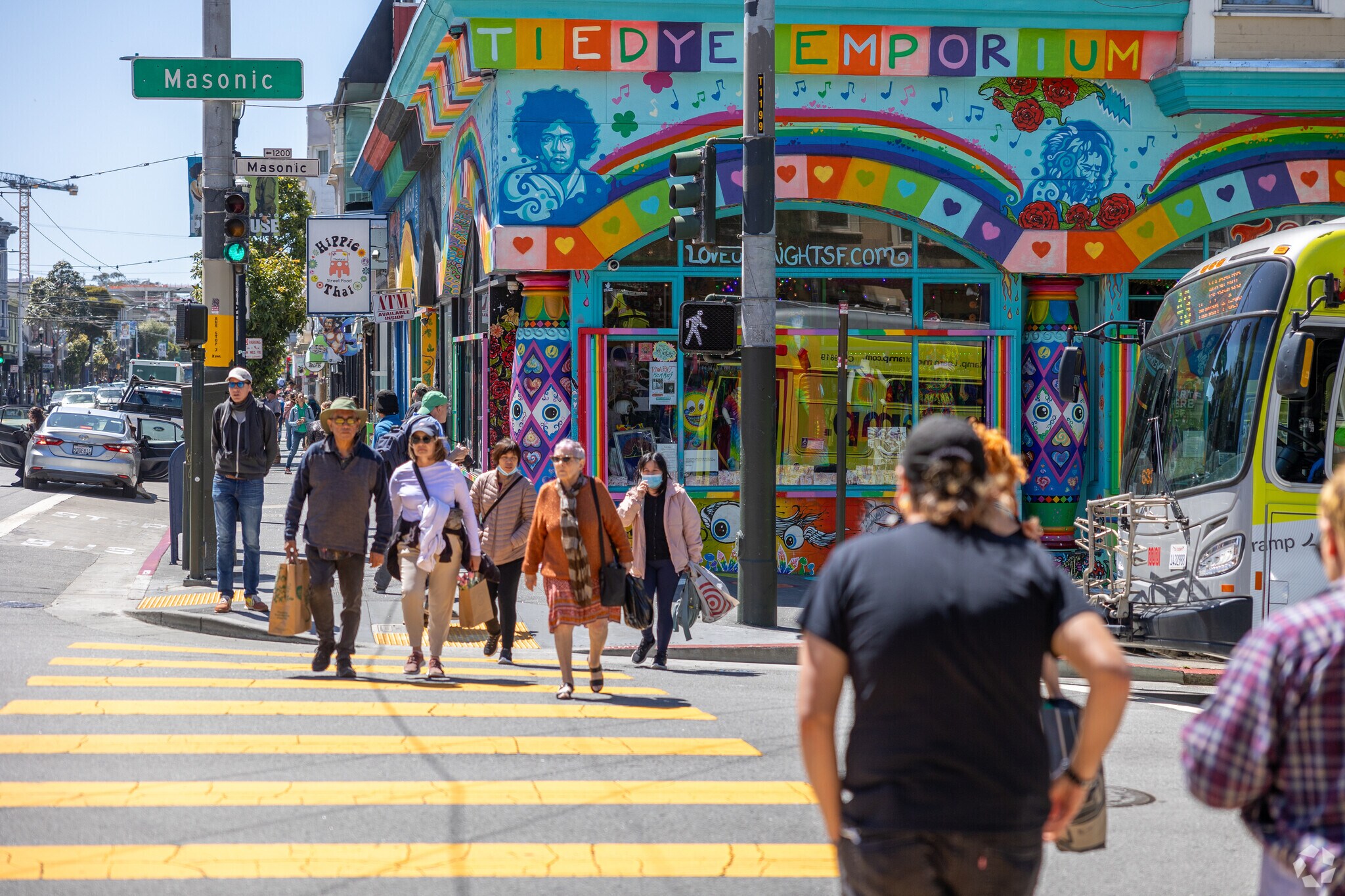
What Is Buena Vista / Ashbury Heights?
Buena Vista and Ashbury Heights together form one of San Francisco's most scenically elevated and architecturally distinguished residential communities, perched on the hillside terrain surrounding Buena Vista Park in the heart of the city. Known for their stunning views, beautiful Victorian and Edwardian homes, lush parkside setting, and a warm, community-oriented character, these two closely linked neighborhoods offer a rare and deeply appealing combination of natural beauty, architectural grandeur, and genuine neighborhood livability. They attract families, professionals, long-term residents, and buyers seeking an elevated, view-rich residential experience with outstanding city access and enduring residential prestige.
Location & Character
Buena Vista and Ashbury Heights are located in central San Francisco, generally bordered by Haight-Ashbury to the north, the Castro and Corona Heights to the east, Twin Peaks and Cole Valley to the south, and the Inner Sunset to the west. They sit near neighborhoods including Haight-Ashbury, the Castro, Cole Valley, and Corona Heights:
- Dramatically elevated hillside terrain surrounding Buena Vista Park with sweeping city and Bay views from many vantage points
- Quiet, winding residential streets with some of San Francisco's most beautiful and well-preserved Victorian and Edwardian architecture
- Immediate adjacency to Buena Vista Park providing a lush forested backdrop and daily trail access
- A warm, community-oriented neighborhood atmosphere with a genuine sense of elevated residential living
- A diverse and long-established population blending families, professionals, artists, and longtime residents
- A slightly warmer and more sheltered microclimate compared to more fog-prone western neighborhoods
Real Estate & Housing
Buena Vista and Ashbury Heights offer a distinguished and consistently desirable housing market with strong long-term ownership and investment characteristics:
- A rich mix of single-family Victorian and Edwardian homes, grand painted ladies, flats, duplexes, and condominiums
- Victorian and Edwardian architectural styles from the 1880s through the 1910s featuring exceptional and ornate period detailing
- Homes showcasing iconic San Francisco details including elaborate facades, bay windows, decorative woodwork, and colorful painted exteriors
- Many properties with generous interior proportions, high ceilings, and classic period character offering a sense of grandeur rare in comparable neighborhoods
- Elevated hillside positions giving many properties partial or sweeping views of the city, Bay, and surrounding hills
- Flats and multi-unit buildings offering flexible ownership and investment opportunities throughout the neighborhood
- Updated interiors in many renovated homes mixed with beautifully preserved original-condition properties
- Price points typically ranging from the upper $1 million range into the multi-million dollar range depending on type, size, condition, views, and location
- Strong and consistent demand driven by parkside setting, architectural beauty, views, and central city location
- Long-term investment appeal driven by iconic architecture, natural surroundings, elevated setting, and enduring neighborhood desirability
Community & Amenities
Buena Vista and Ashbury Heights benefit from their proximity to several vibrant nearby commercial corridors while maintaining a peaceful residential character:
- Haight Street commercial corridor within easy reach offering independent boutiques, cafés, restaurants, vintage shops, and everyday services
- Castro Street commercial district a short walk or drive away with an exceptional array of shops, dining, bars, and neighborhood conveniences
- Cole Valley's intimate Cole Street village accessible within a short walk for cafés, bakeries, and neighborhood shops
- Grocery stores, specialty markets, and everyday services within comfortable reach
- A genuinely walkable residential setting with most daily needs accessible without leaving the broader neighborhood area
- Additional shopping and dining accessible in nearby Inner Sunset and Noe Valley within a short drive or transit ride
Parks & Recreation
Outdoor access is one of Buena Vista and Ashbury Heights' most compelling lifestyle advantages, anchored by Buena Vista Park and surrounding open spaces:
- Buena Vista Park - one of San Francisco's oldest and most beloved parks, directly bordering the neighborhood with dense forested trails, panoramic city views, natural habitats, and a peaceful woodland atmosphere entirely within walking distance
- Golden Gate Park - one of the world's great urban parks featuring hiking and cycling trails, lakes, gardens, museums, and cultural attractions immediately accessible from the neighborhood
- The Panhandle - a beloved linear park and green corridor connecting the neighborhood to Golden Gate Park
- Corona Heights Park - rocky hilltop park with additional city views and open space a short distance away
- Twin Peaks Open Space — sweeping panoramic views of the entire city and Bay accessible within a short drive
- Mount Sutro Open Space Reserve - dense forested trails and natural habitats accessible within a short distance
Schools & Education
Buena Vista and Ashbury Heights are served by the San Francisco Unified School District with several well-regarded school options in the neighborhood and surrounding areas:
- Grattan Elementary School - a highly regarded neighborhood school within easy walking distance
- Various middle and high school options within the SFUSD system
- Private and parochial school options within a short commute
- University of California San Francisco accessible for higher education and employment
- City College of San Francisco accessible for additional higher education options
Culture & Neighborhood Life
Buena Vista and Ashbury Heights together have a warm, vibrant, and deeply community-oriented neighborhood culture shaped by their parkside setting, architectural heritage, and long-established residential character:
- A welcoming and inclusive environment blending families, artists, professionals, and longtime residents in a genuinely diverse and open community
- Strong community involvement supported by neighborhood associations and an active local civic culture
- Regular neighborhood events, park gatherings, and community initiatives fostering a strong and shared neighborhood identity
- A warm, unhurried pace of neighborhood life shaped by the park, trails, views, and rich architectural surroundings
- Close proximity to the cultural energy of Haight-Ashbury and the Castro while maintaining a distinctly residential and elevated neighborhood character
- A distinctive and deeply cherished neighborhood identity built around natural beauty, architectural grandeur, elevated views, and a genuine sense of community belonging
Transit & Connectivity
Buena Vista and Ashbury Heights offer practical and well-rounded transit and roadway access for both city and regional commuting:
- Multiple Muni bus routes serving Haight Street, Ashbury Street, and surrounding neighborhood corridors including the 37 Corbett and 33 Stanyan lines
- Muni Metro N-Judah line accessible via nearby Duboce Avenue and Carl Street for easy downtown San Francisco access
- Castro Street Muni Metro Station a short walk or drive away providing additional downtown and city transit connections
- Excellent pedestrian and cycling connectivity throughout the surrounding residential streets and park trails
- Quick access to Masonic Avenue and Divisadero Street for convenient north-south city navigation
- Easy connection to major city arterials including Oak Street and Fell Street for flexible navigation throughout San Francisco
Final Thoughts
Buena Vista and Ashbury Heights together offer a genuinely extraordinary and deeply treasured residential experience in the heart of San Francisco: two closely linked neighborhoods defined by dramatic hillside views, some of the city's most beautiful Victorian and Edwardian architecture, immediate access to Buena Vista Park and Golden Gate Park, and a quality of everyday neighborhood life that is at once naturally beautiful, architecturally magnificent, and deeply livable. For families, professionals, and long-term investors seeking a neighborhood with elevated views, parkside living, architectural grandeur, and enduring residential prestige, Buena Vista and Ashbury Heights stand as two of San Francisco's most quietly extraordinary and consistently cherished hillside communities, a truly special and rewarding place to call home.
5G Corona Heights
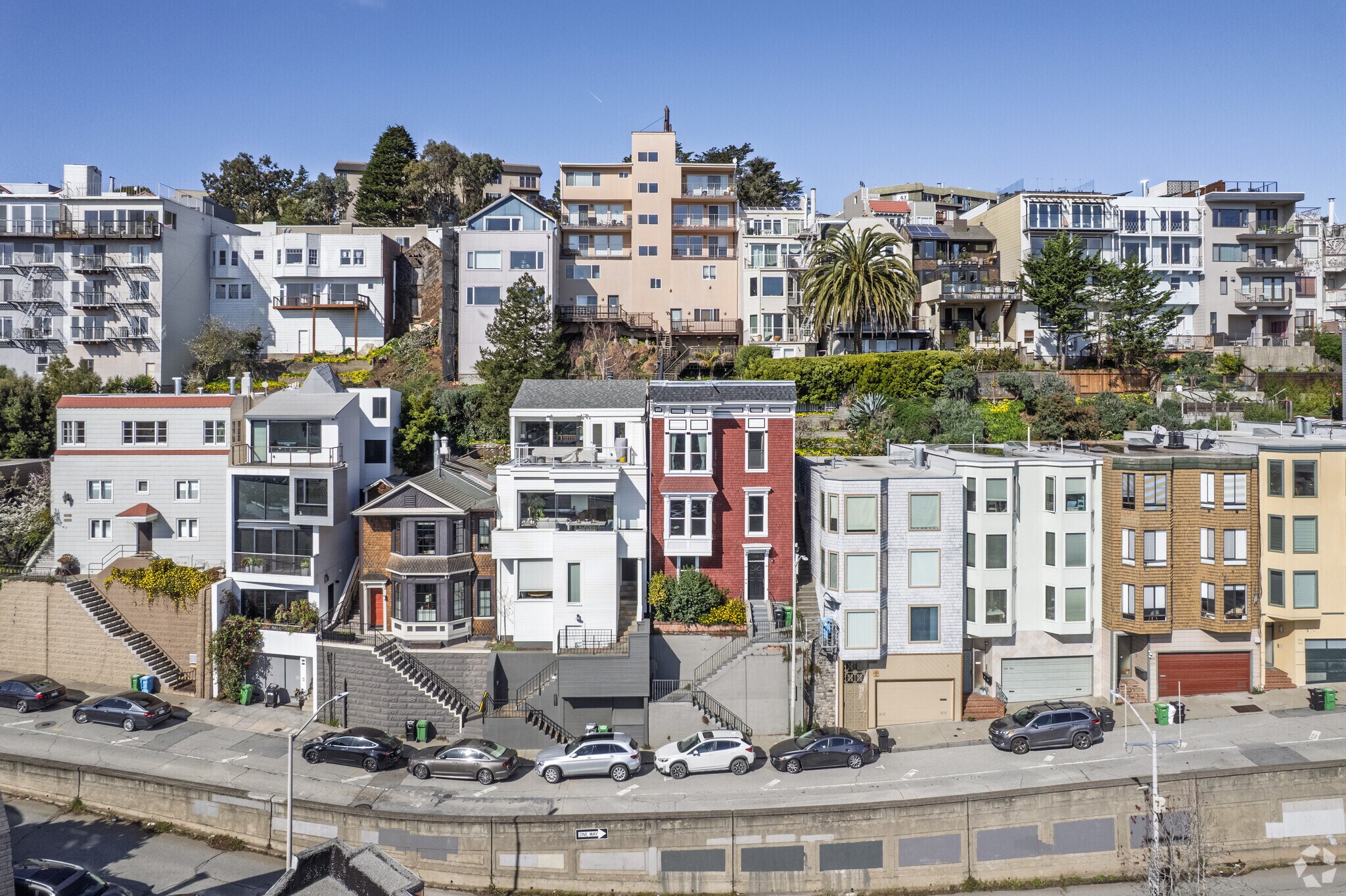
What Is Corona Heights?
Corona Heights is a distinctive, centrally located residential neighborhood in the heart of San Francisco, built around the dramatic rocky hilltop and open space of Corona Heights Park. Known for its sweeping panoramic views, eclectic architectural character, vibrant community atmosphere, and exceptional proximity to some of the city's most beloved commercial corridors and cultural destinations, Corona Heights offers a rare and deeply appealing combination of natural drama, neighborhood warmth, and outstanding city connectivity. It attracts families, professionals, artists, long-term residents, and buyers seeking a centrally positioned, view-rich neighborhood with a genuine sense of community and enduring residential appeal.
Location & Character
Corona Heights is located in central San Francisco, generally bordered by the Castro to the south, Haight-Ashbury and Buena Vista Park to the west, the Lower Haight and Duboce Triangle to the north, and the Mission and Eureka Valley to the east. It sits near neighborhoods including the Castro, Buena Vista, Haight-Ashbury, and Eureka Valley:
- Dramatically elevated rocky hilltop terrain surrounding Corona Heights Park with sweeping city, Bay, and Twin Peaks views
- A diverse mix of residential street types ranging from quiet hillside lanes to more active urban corridors
- An eclectic architectural character blending Victorian, Edwardian, mid-century, and contemporary home styles
- Immediate adjacency to Corona Heights Park providing a dramatic natural open space backdrop and daily trail access
- A warm, vibrant, and community-oriented neighborhood atmosphere with a genuine sense of central city living
- A diverse and long-established population blending families, artists, LGBTQ community members, professionals, and longtime residents
- A relatively warmer and sunnier microclimate compared to more fog-prone western neighborhoods
Real Estate & Housing
Corona Heights offers an eclectic and consistently appealing housing market with strong long-term ownership and investment characteristics:
- A diverse mix of single-family Victorian and Edwardian homes, flats, duplexes, condominiums, and modern multi-unit buildings
- Victorian, Edwardian, and mid-century architectural styles from the late 1800s through the mid-20th century
- Homes featuring classic San Francisco details including bay windows, decorative facades, and colorful painted exteriors
- Many properties with generous interior proportions and classic period character
- Elevated hillside positions giving many properties partial or sweeping views of the city, Bay, and surrounding hills
- Flats and multi-unit buildings offering flexible ownership and investment opportunities throughout the neighborhood
- Updated interiors in many renovated homes mixed with beautifully preserved original-condition properties
- Price points typically ranging from the mid to upper $1 million range and above depending on type, size, condition, views, and location
- Strong and consistent demand driven by central location, views, park access, and proximity to the Castro and Haight-Ashbury
- Long-term investment appeal driven by central city positioning, architectural character, and enduring neighborhood desirability
Community & Amenities
Corona Heights benefits from its exceptional proximity to several of San Francisco's most vibrant commercial corridors while maintaining a predominantly residential character:
- Castro Street commercial district within easy walking distance offering an exceptional array of shops, cafés, restaurants, bars, and everyday services
- Haight Street commercial corridor a short walk away with independent boutiques, cafés, restaurants, and specialty retailers
- Market Street corridor accessible within easy reach for additional shopping, dining, and everyday services
- Grocery stores, specialty markets, and everyday services within comfortable walking distance
- A genuinely walkable residential setting with most daily needs accessible without leaving the broader neighborhood area
- Additional shopping and dining accessible in nearby Noe Valley, Cole Valley, and the Mission within a short walk or transit ride
Parks & Recreation
Outdoor access and natural open space are defining lifestyle advantages of Corona Heights, anchored by the dramatic rocky hilltop park at the neighborhood's heart:
- Corona Heights Park - the dramatic rocky hilltop open space at the center of the neighborhood, featuring sweeping 360-degree panoramic views of the city, Bay, Twin Peaks, and beyond, along with the beloved Randall Museum and natural rock formations that make it one of San Francisco's most distinctive and beloved parks
- Buena Vista Park - one of San Francisco's oldest and most beloved parks with forested trails and panoramic views a short walk away
- Golden Gate Park - one of the world's great urban parks accessible within a short walk or transit ride
- Twin Peaks Open Space - sweeping panoramic views of the entire city and Bay accessible within a short drive
- Duboce Park - a beloved neighborhood green space and dog-friendly park at the base of the neighborhood
- Smaller neighborhood parks, stairways, and hillside viewpoints woven throughout the immediate surrounding area
Schools & Education
Corona Heights is served by the San Francisco Unified School District with several well-regarded school options in the neighborhood and surrounding areas:
- Grattan Elementary School serving the broader district area within easy reach
- Various middle and high school options within the SFUSD system
- Private and parochial school options within a short commute
- University of California San Francisco accessible for higher education and employment
- City College of San Francisco accessible for additional higher education options
- Strong proximity to several well-regarded schools in neighboring Castro, Noe Valley, and Haight-Ashbury areas
Culture & Neighborhood Life
Corona Heights has a vibrant, inclusive, and community-oriented neighborhood culture shaped by its central location, dramatic natural setting, and long-established diverse residential community:
- A welcoming and deeply inclusive environment blending LGBTQ community members, families, artists, professionals, and longtime residents in a genuinely open and community-oriented neighborhood
- Strong community involvement supported by neighborhood associations and an active local civic culture
- The beloved Randall Museum offering community-oriented science, arts, and nature programming for residents of all ages directly within the neighborhood park
- Regular neighborhood events, park gatherings, and community initiatives fostering a strong and shared neighborhood identity
- A warm, vibrant pace of neighborhood life shaped by the dramatic hilltop park, surrounding cultural corridors, and diverse community spirit
- A distinctive and deeply cherished neighborhood identity built around natural drama, community inclusivity, central city living, and a genuine sense of urban belonging
Transit & Connectivity
Corona Heights offers outstanding transit and roadway access, benefiting from its central city location and proximity to major transit hubs:
- Multiple Muni bus routes serving Castro Street, Market Street, and surrounding neighborhood corridors
- Castro Street Muni Metro Station within easy walking distance providing direct and frequent downtown San Francisco access on multiple Metro lines
- Market Street corridor accessible within easy reach providing additional transit options and connections throughout the city
- Excellent pedestrian and cycling connectivity throughout the surrounding residential streets and commercial corridors
- Quick access to Divisadero Street and Market Street for convenient city navigation
- Easy connection to Highway 101 and Interstate 280 for regional commuting via nearby connections
Final Thoughts
Corona Heights offers a genuinely exceptional and centrally positioned residential experience in the heart of San Francisco: a neighborhood defined by dramatic rocky hilltop views, an eclectic and architecturally rich housing stock, immediate access to Corona Heights Park and the Randall Museum, outstanding proximity to the Castro and Haight-Ashbury, and a quality of everyday neighborhood life that is at once vibrant, inclusive, naturally dramatic, and deeply livable. For families, professionals, artists, and long-term investors seeking a centrally located neighborhood with sweeping views, community warmth, outstanding transit access, and enduring residential appeal, Corona Heights stands as one of San Francisco's most distinctive and consistently rewarding neighborhoods, a truly special place to call home.
5H Clarendon Heights
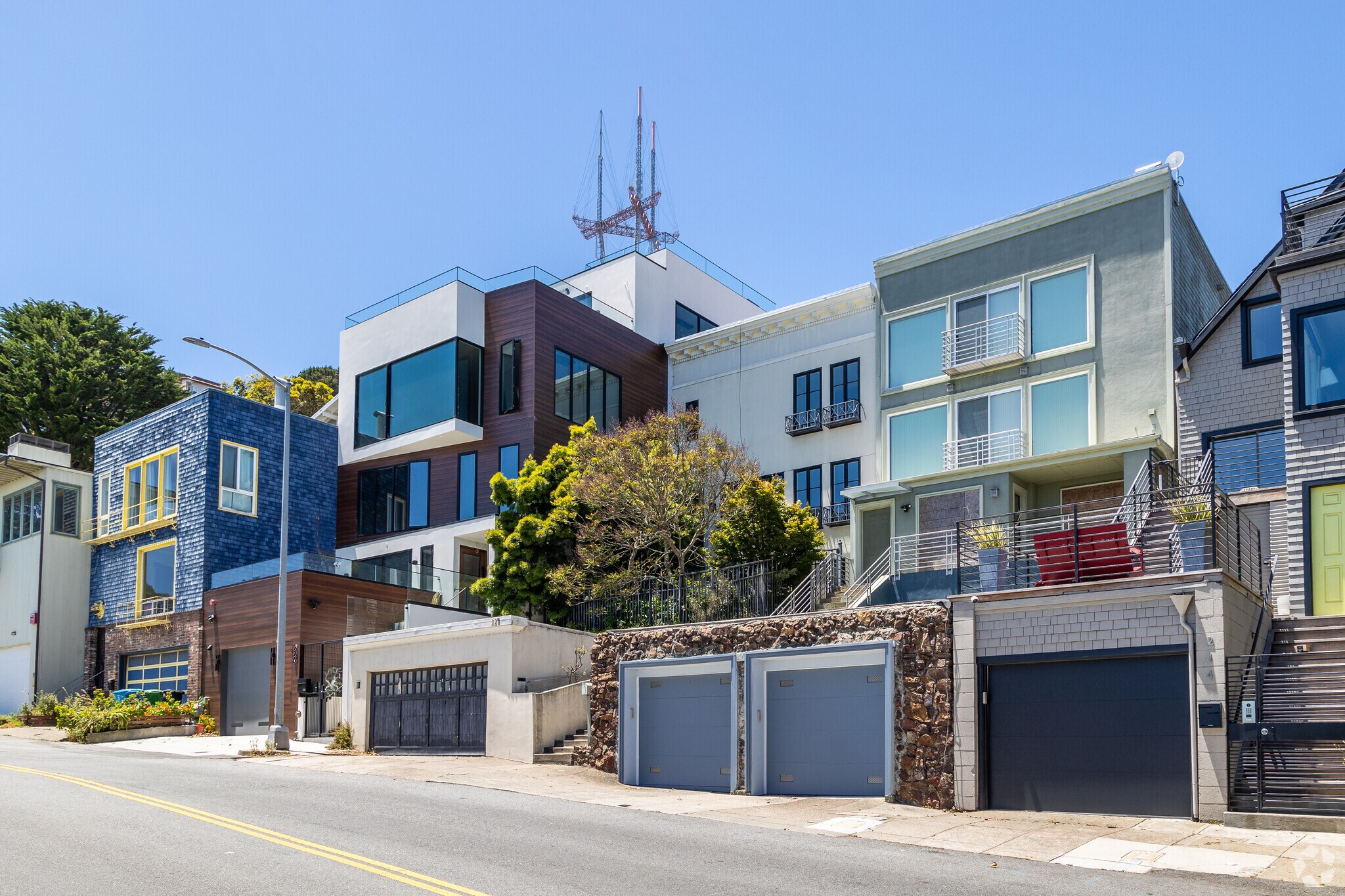
What Is Clarendon Heights?
Clarendon Heights is a small, peaceful, and quietly distinguished residential neighborhood perched on the hillside terrain of central San Francisco, nestled between Twin Peaks, Forest Knolls, and the broader Cole Valley and Midtown Terrace areas. Known for its elevated setting, lush wooded surroundings, sweeping views, and a genuine sense of seclusion and residential calm, Clarendon Heights offers one of the most serene and nature-immersed living environments found anywhere within San Francisco city limits. It attracts families, long-term residents, nature lovers, and buyers seeking privacy, views, and a quietly extraordinary hillside living experience with practical city connectivity.
Location & Character
Clarendon Heights is located in central San Francisco, generally bordered by Clarendon Avenue to the north and west, Twin Peaks Boulevard to the south and east, and the Forest Knolls and Midtown Terrace neighborhoods nearby. It sits near neighborhoods including Forest Knolls, Cole Valley, Twin Peaks, and Midtown Terrace:
- Elevated hillside terrain with many homes offering sweeping views of the city, Bay, and surrounding hills
- Quiet, winding residential streets with a deeply secluded and nature-immersed character
- A small, intimate neighborhood with a strong sense of natural enclosure and residential privacy
- Immediate proximity to Mount Sutro Open Space Reserve and Twin Peaks providing a lush natural backdrop
- Classic mid-century single-family homes nestled among mature trees and natural hillside landscaping
- A calm, low-traffic environment with minimal through traffic and a genuinely unhurried pace of life
- A cooler, fog-influenced microclimate shaped by elevation, tree canopy, and central city exposure
Real Estate & Housing
Clarendon Heights offers a small and tightly held housing market with strong appeal among view-seeking and nature-oriented buyers:
- Predominantly single-family detached homes as the dominant housing type
- Mid-century construction primarily from the 1940s through the 1960s
- Many homes specifically designed to take full advantage of the dramatic hillside setting with large windows, view-oriented layouts, and deck or terrace space
- Properties often featuring larger lots, mature gardens, and a strong connection to the natural wooded surroundings
- Classic San Francisco architectural details including stucco exteriors, practical layouts, and garage parking
- Some homes with sweeping panoramic views of the city, Bay, Twin Peaks, and surrounding open spaces commanding significant premium interest
- Limited inventory as properties are held long-term, creating consistent demand and strong value retention
- Price points typically in the mid to upper $1 million range and above depending on size, condition, views, and location
- Long-term appeal driven by scarcity, natural setting, elevated views, privacy, and proximity to major open spaces
Community & Amenities
Clarendon Heights is primarily residential with a quiet, nature-focused character while remaining close to several convenient nearby corridors:
- Cole Valley's intimate Cole Street village within easy reach for cafés, bakeries, restaurants, and neighborhood shops
- Inner Sunset's Irving Street and 9th Avenue commercial corridor accessible within a short drive for dining, shopping, and everyday services
- West Portal Avenue a short drive away with boutique shops, dining, and neighborhood conveniences
- Diamond Heights Shopping Center nearby for grocery, retail, and daily essentials
- Haight Street commercial corridor accessible within a short drive for additional dining and shopping options
- Essential daily conveniences available without compromising the neighborhood's deeply peaceful and residential character
Parks & Recreation
Outdoor access and natural open space are the defining lifestyle advantages of Clarendon Heights, with exceptional natural surroundings immediately accessible from the neighborhood:
- Mount Sutro Open Space Reserve - directly accessible from the neighborhood with dense forested trails, natural habitats, abundant wildlife, and a peaceful woodland environment unlike anywhere else in the city
- Twin Peaks Open Space - sweeping panoramic views of the entire city and Bay directly accessible from the neighborhood's upper streets and hillside vantage points
- Clarendon Heights Park - a small neighborhood green space and gathering spot within easy walking distance
- Buena Vista Park - one of San Francisco's oldest parks with forested trails and panoramic views a short distance away
- Glen Canyon Park - one of San Francisco's most beloved natural parks with hiking trails, a creek, open meadows, and abundant wildlife accessible within a short drive
- Corona Heights Park - rocky hilltop park with additional city views and open space nearby
Schools & Education
Clarendon Heights is served by the San Francisco Unified School District with several school options in the neighborhood and surrounding areas:
- Clarendon Alternative Elementary School - a well-regarded neighborhood school within easy reach and one of San Francisco's most popular alternative elementary programs
- Various middle and high school options within the SFUSD system
- Private and parochial school options within a reasonable commute
- University of California San Francisco and City College of San Francisco both accessible for higher education
- Strong proximity to several well-regarded schools in neighboring Cole Valley, Forest Hill, and Twin Peaks areas
Culture & Neighborhood Life
Clarendon Heights has a warm, intimate, and nature-oriented neighborhood culture shaped by its small size, elevated setting, and close-knit residential community:
- A welcoming blend of longtime residents, families, nature lovers, and view-seeking newcomers drawn by the neighborhood's seclusion and natural beauty
- Quiet residential streets with a genuine sense of community connection and mutual neighborly familiarity among a small and close-knit population
- Strong appreciation for outdoor living centered around Mount Sutro forest, Twin Peaks open space, and surrounding hillside trails and viewpoints
- A slower, deeply unhurried pace of neighborhood life shaped by the elevated, wooded, and scenically extraordinary hillside character of the area
- Community involvement supported by neighborhood associations and local open space stewardship groups
- A distinctive and deeply cherished neighborhood identity built around natural beauty, elevated views, residential privacy, and a genuine sense of hillside seclusion within the city
Transit & Connectivity
Despite its elevated and somewhat secluded hillside setting, Clarendon Heights maintains practical transit and roadway access:
- Multiple Muni bus routes serving Clarendon Avenue and surrounding neighborhood streets
- Muni Metro N-Judah line accessible via nearby Inner Sunset corridors for easy downtown San Francisco access
- Forest Hill Muni Metro Station reachable within a short drive providing service on the K Ingleside and M Ocean View lines
- Quick access to Twin Peaks Boulevard and Portola Drive for convenient city navigation
- Easy connection to Interstate 280 for Peninsula and regional commuting via nearby corridors
- Proximity to major city arterials including Woodside Avenue and Laguna Honda Boulevard for flexible navigation throughout San Francisco
Final Thoughts
Clarendon Heights offers something genuinely rare and deeply special within San Francisco city limits: a small, intimate hillside neighborhood completely surrounded by open space and forest, defined by sweeping views, quiet winding streets, natural beauty, and a profound sense of residential seclusion, all while remaining practically connected to the city's transit network and everyday conveniences. For nature lovers, view-seekers, families, and long-term buyers seeking a private, nature-immersed, and scenically extraordinary hillside living experience within the heart of San Francisco, Clarendon Heights stands as one of the city's most quietly treasured and enduringly special neighborhoods, a truly remarkable place to call home.
5J Duboce Triangle
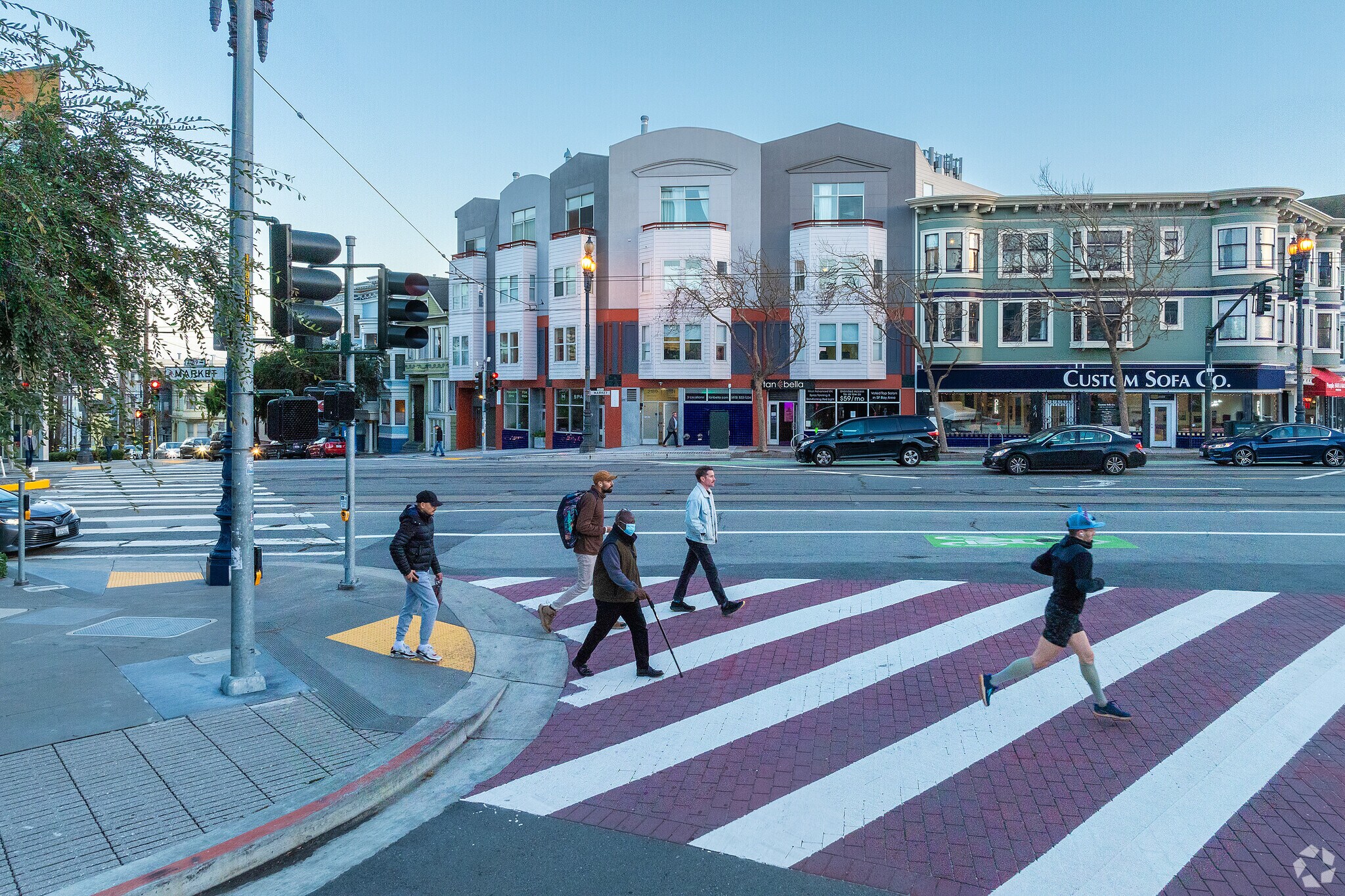
What Is Duboce Triangle?
Duboce Triangle is one of San Francisco's most beloved, walkable, and community-spirited residential neighborhoods, tucked into a compact and perfectly positioned triangular enclave between the Castro, Haight-Ashbury, and the Lower Haight. Known for its beautiful Victorian and Edwardian architecture, exceptional transit connectivity, vibrant community culture, and the beloved green gathering space of Duboce Park at its heart, Duboce Triangle offers a rare and deeply appealing combination of neighborhood intimacy, architectural beauty, and outstanding city access. It attracts families, young professionals, long-term residents, and buyers seeking a genuinely community-oriented neighborhood experience with some of the best transit connectivity found anywhere in San Francisco.
Location & Character
Duboce Triangle is located in central San Francisco, generally bordered by Market Street to the north and east, Sanchez Street to the west, and 14th Street to the south. It sits near neighborhoods including the Castro, Haight-Ashbury, the Lower Haight, and Mission Dolores:
- A compact, triangular neighborhood layout creating a remarkably intimate and walkable residential environment
- Quiet, tree-lined residential streets with beautiful Victorian and Edwardian architectural character throughout
- Duboce Park at the geographic heart of the neighborhood serving as a beloved daily gathering space for residents and their dogs
- A warm, inclusive, and deeply community-oriented neighborhood atmosphere with a genuine village-like feel
- A diverse and long-established population blending LGBTQ community members, families, young professionals, and longtime residents
- A relatively warmer and sunnier microclimate compared to more fog-prone western neighborhoods
- Exceptional walkability with most daily needs accessible entirely on foot within the compact neighborhood boundaries
Real Estate & Housing
Duboce Triangle offers a distinguished and consistently desirable housing market with strong long-term ownership and investment characteristics:
- A rich mix of single-family Victorian and Edwardian homes, flats, duplexes, condominiums, and smaller multi-unit buildings
- Victorian and Edwardian architectural styles from the 1880s through the 1910s featuring beautiful and well-preserved period detailing
- Homes showcasing iconic San Francisco details including ornate facades, bay windows, decorative woodwork, and colorful painted exteriors
- Many properties with generous interior proportions, high ceilings, and classic period character
- Flats and multi-unit buildings offering flexible ownership and investment opportunities throughout the compact neighborhood
- Updated interiors in many renovated homes mixed with beautifully preserved original-condition properties
- Price points typically ranging from the upper $1 million range into the multi-million dollar range depending on type, size, condition, and location
- Among the most consistently strong and competitive real estate markets in San Francisco driven by exceptional transit access, walkability, and neighborhood desirability
- Long-term investment appeal driven by architectural distinction, transit connectivity, central location, and enduring neighborhood prestige
Community & Amenities
Duboce Triangle benefits from its exceptional central positioning and proximity to several of San Francisco's most vibrant commercial corridors:
- Haight Street commercial corridor within easy walking distance offering independent boutiques, cafés, restaurants, vintage shops, and everyday services
- Castro Street commercial district a short walk away with an exceptional array of shops, dining, bars, and neighborhood conveniences
- Market Street corridor immediately bordering the neighborhood providing additional shopping, dining, and everyday services
- Grocery stores, specialty markets, and everyday services within comfortable walking distance throughout the neighborhood
- A genuinely exceptional walkability score with virtually all daily needs accessible entirely on foot
- Additional shopping and dining accessible in nearby Cole Valley, Noe Valley, and the Mission within a short walk or transit ride
Parks & Recreation
Duboce Park sits at the heart of Duboce Triangle and serves as one of the neighborhood's most defining and beloved community assets:
- Duboce Park - the neighborhood's beloved central green space featuring open lawns, a playground, a dedicated and enormously popular dog run, and a warm community gathering atmosphere that draws residents together daily and defines much of the neighborhood's social character
- Buena Vista Park - one of San Francisco's oldest and most beloved parks with forested trails and panoramic city views a short walk away
- Corona Heights Park - rocky hilltop park with dramatic city views and open space a short distance away
- Golden Gate Park - one of the world's great urban parks accessible within a short walk or transit ride
- The Panhandle - a beloved linear park and green corridor connecting the neighborhood to Golden Gate Park
- Smaller neighborhood stairways, green spaces, and pedestrian paths woven throughout the compact surrounding area
Schools & Education
Duboce Triangle is served by the San Francisco Unified School District with several well-regarded school options in the neighborhood and surrounding areas:
- Sanchez Elementary School - a neighborhood school within easy walking distance
- Various middle and high school options within the SFUSD system
- Private and parochial school options within a short commute
- University of California San Francisco accessible for higher education and employment
- City College of San Francisco accessible for additional higher education options
- Strong proximity to several well-regarded schools in neighboring Castro, Haight-Ashbury, and Noe Valley areas
Culture & Neighborhood Life
Duboce Triangle has one of San Francisco's most vibrant, inclusive, and genuinely community-spirited neighborhood cultures, shaped by its compact geography, diverse population, and the unifying presence of Duboce Park:
- A welcoming and deeply inclusive environment blending LGBTQ community members, families, young professionals, artists, and longtime residents in a genuinely open and community-oriented neighborhood
- Duboce Park serving as the neighborhood's daily social heart where residents gather, dogs play, children laugh, and neighbors connect in a relaxed and deeply friendly outdoor atmosphere
- Strong community involvement supported by the Duboce Triangle Neighborhood Association, one of San Francisco's most active and engaged neighborhood organizations
- Regular neighborhood events, park gatherings, community cleanups, and seasonal celebrations fostering a remarkably strong and shared community identity
- A warm, vibrant, and unhurried pace of neighborhood life shaped by the park, surrounding architectural beauty, and deeply community-oriented character
- A distinctive and widely celebrated neighborhood identity built around inclusivity, community warmth, architectural beauty, and a genuine sense of urban village belonging
Transit & Connectivity
Duboce Triangle is one of San Francisco's most exceptionally well-connected neighborhoods, benefiting from its position at the convergence of multiple major transit lines:
- Muni Metro N-Judah line running directly through the neighborhood along Duboce Avenue providing frequent and direct downtown San Francisco access
- Multiple additional Muni Metro lines accessible via nearby Church Street and Castro Street stations
- Multiple Muni bus routes serving Market Street, Haight Street, and surrounding neighborhood corridors
- Castro Street Muni Metro Station within easy walking distance providing additional downtown and city transit connections
- Exceptional pedestrian and cycling connectivity throughout the compact neighborhood and surrounding commercial corridors
- Quick access to Market Street and Divisadero Street for convenient city navigation throughout San Francisco
Final Thoughts
Duboce Triangle offers a genuinely extraordinary and deeply treasured residential experience in the heart of San Francisco: a compact, beautifully preserved neighborhood defined by iconic Victorian and Edwardian architecture, the beloved community gathering space of Duboce Park, some of the finest transit connectivity found anywhere in the city, and a quality of everyday neighborhood life that is at once inclusive, architecturally magnificent, community-spirited, and deeply livable. For families, professionals, and long-term investors seeking a neighborhood with outstanding walkability, exceptional transit access, architectural grandeur, community warmth, and enduring residential prestige, Duboce Triangle stands as one of San Francisco's most consistently beloved and desirable neighborhoods, a truly exceptional and deeply rewarding place to call home.
5K Eureka Valley/Dolores Heights
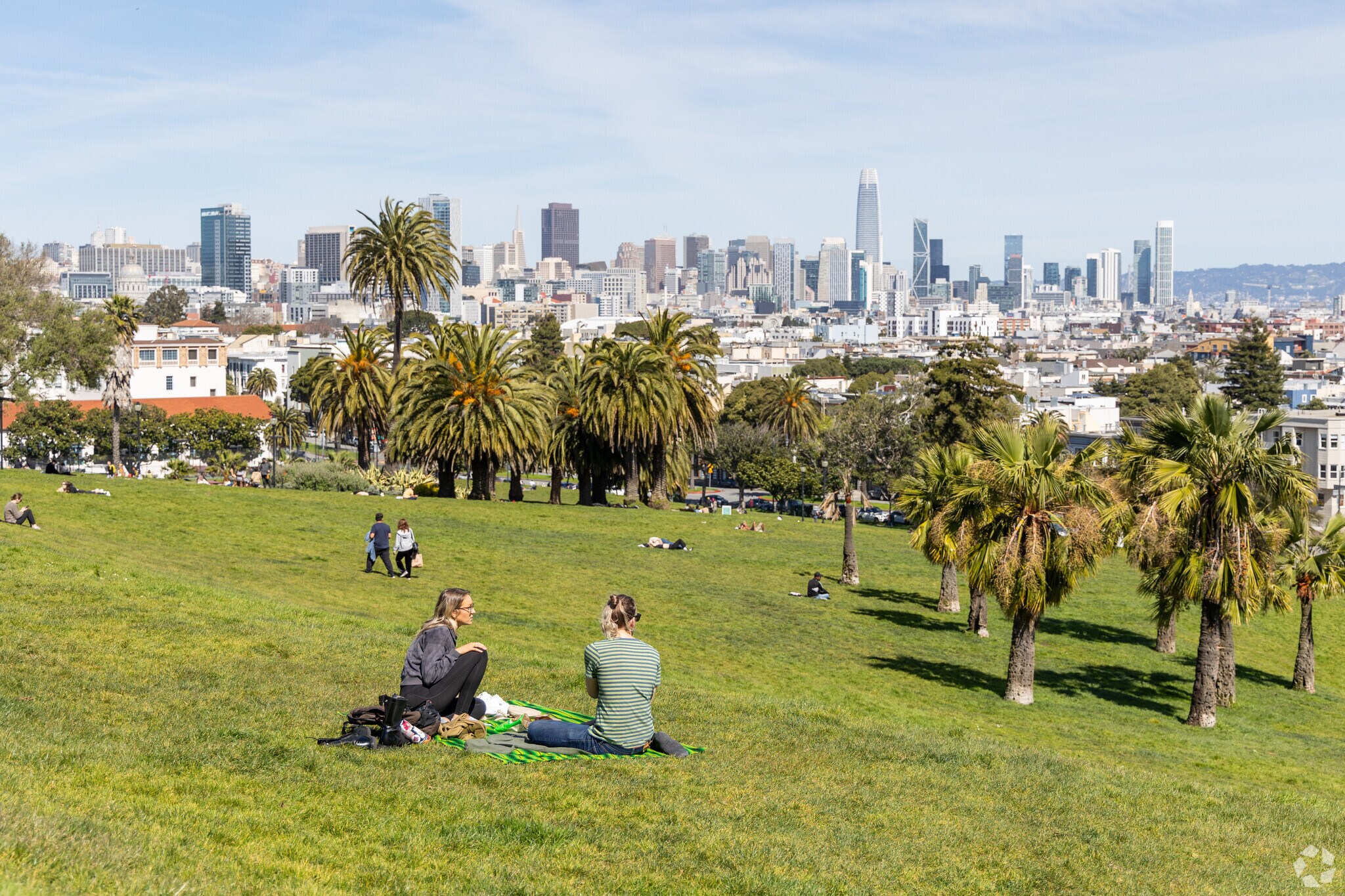
What Is Eureka Valley / Dolores Heights?
Eureka Valley and Dolores Heights together form one of San Francisco's most vibrant, iconic, and consistently desirable residential communities, located in the sunny, centrally positioned heart of the city between the Castro, Noe Valley, and the Mission District. Known for their stunning hilltop views, beautiful Victorian and Edwardian architecture, exceptional sunny microclimate, world-famous Castro commercial corridor, and a deeply inclusive and community-oriented character, these two closely linked neighborhoods offer a rare and profoundly appealing combination of cultural vitality, natural beauty, architectural grandeur, and everyday livability. They attract families, professionals, LGBTQ community members, long-term residents, and buyers seeking a neighborhood with unmatched cultural significance, residential prestige, and enduring citywide desirability.
Location & Character
Eureka Valley and Dolores Heights are located in central San Francisco, generally bordered by Corona Heights and the Lower Haight to the north, the Mission District and Noe Valley to the south and east, and Twin Peaks and Diamond Heights to the west. They sit near neighborhoods including the Castro, Noe Valley, Mission Dolores, and Corona Heights:
- Dramatically elevated hillside terrain with sweeping views of the city, Bay, and surrounding hills from many vantage points
- Quiet, tree-lined residential streets with some of San Francisco's most beautiful and well-preserved Victorian and Edwardian architecture
- The world-famous Castro commercial corridor serving as the neighborhood's cultural and commercial heart
- A warm, famously sunny microclimate sheltered from the fog, one of the most celebrated qualities of this part of the city
- A deeply inclusive, vibrant, and community-oriented neighborhood atmosphere with a genuine sense of cultural significance and belonging
- A diverse and long-established population blending LGBTQ community members, families, professionals, artists, and longtime residents
- A strong and deeply rooted neighborhood identity shaped by decades of cultural activism, community building, and civic leadership
Real Estate & Housing
Eureka Valley and Dolores Heights offer one of San Francisco's most prestigious and consistently strong housing markets with exceptional long-term ownership and investment characteristics:
- A rich mix of single-family Victorian and Edwardian homes, grand painted ladies, flats, duplexes, condominiums, and smaller multi-unit buildings
- Victorian and Edwardian architectural styles from the 1880s through the 1910s featuring exceptional and ornate period detailing
- Homes showcasing iconic San Francisco details including elaborate facades, bay windows, decorative woodwork, and colorful painted exteriors
- Many properties with generous interior proportions, high ceilings, and classic period character offering a sense of grandeur and architectural distinction
- Elevated hillside positions giving many properties partial or sweeping views of the city, Bay, and surrounding hills
- Flats and multi-unit buildings offering flexible ownership and investment opportunities throughout the neighborhood
- Updated interiors in many renovated homes mixed with beautifully preserved original-condition properties
- Price points typically ranging from the upper $1 million range into the multi-million dollar range depending on type, size, condition, views, and location
- Among the most prestigious and consistently strong real estate markets in San Francisco driven by cultural cachet, architectural beauty, microclimate, and enduring neighborhood desirability
- Long-term investment appeal driven by iconic status, architectural distinction, central location, and the enduring prestige of the Castro address
Community & Amenities
Eureka Valley and Dolores Heights benefit from the exceptional Castro commercial corridor and proximity to several of San Francisco's most vibrant neighborhood destinations:
- Castro Street serving as one of San Francisco's most iconic and celebrated commercial corridors with an exceptional array of independent shops, cafés, restaurants, bars, theaters, and everyday services
- The historic Castro Theatre - one of San Francisco's most beloved architectural and cultural landmarks anchoring the commercial district
- 24th Street Noe Valley village accessible within a short walk offering boutique shops, cafés, bakeries, and neighborhood conveniences
- Mission Dolores Park and the Mission District's vibrant commercial scene accessible within easy walking distance
- Grocery stores, specialty markets, and everyday services within comfortable walking distance throughout the neighborhood
- A genuinely exceptional walkability with virtually all daily needs and cultural destinations accessible entirely on foot
Parks & Recreation
Eureka Valley and Dolores Heights residents enjoy outstanding access to some of San Francisco's most beloved parks and open spaces:
- Mission Dolores Park - one of San Francisco's most beloved and vibrant urban parks featuring sweeping city and Bay views, open sunny lawns, sports courts, playgrounds, and a famously lively community gathering atmosphere directly bordering the neighborhood
- Corona Heights Park - dramatic rocky hilltop park with sweeping panoramic views and open space immediately adjacent to the neighborhood
- Douglass Playground and Park - a neighborhood park with sports courts, open lawn space, and community gathering areas a short walk away
- Buena Vista Park - one of San Francisco's oldest parks with forested trails and panoramic views accessible within a short walk
- Twin Peaks Open Space - sweeping panoramic views of the entire city and Bay accessible within a short drive
- Billy Goat Hill - a cherished neighborhood landmark with panoramic city views accessible within a short walk
Schools & Education
Eureka Valley and Dolores Heights are served by the San Francisco Unified School District with several well-regarded school options in the neighborhood and surrounding areas:
- Sanchez Elementary School serving the broader district area within easy reach
- Various middle and high school options within the SFUSD system
- Private and parochial school options within a short commute
- University of California San Francisco accessible for higher education and employment
- City College of San Francisco accessible for additional higher education options
- Strong proximity to several well-regarded schools in neighboring Noe Valley, Corona Heights, and Mission areas
Culture & Neighborhood Life
Eureka Valley and Dolores Heights together have one of San Francisco's most historically significant, culturally vibrant, and deeply community-oriented neighborhood cultures, shaped by decades of LGBTQ activism, community building, and civic leadership:
- A welcoming and profoundly inclusive environment that has long served as a safe, celebrated, and beloved home for the LGBTQ community and all who value diversity, acceptance, and community belonging
- Castro Street providing a daily gathering place of extraordinary cultural significance where residents and visitors connect in a vibrant, open, and celebratory atmosphere
- Strong community involvement supported by numerous neighborhood organizations, LGBTQ advocacy groups, and an exceptionally active local civic culture
- Regular neighborhood events including the world-famous Castro Street Fair, Pride celebrations, and seasonal community gatherings fostering a strong and deeply shared community identity
- A warm, sunny, and celebratory pace of neighborhood life shaped by the microclimate, cultural heritage, and extraordinary community spirit
- A collective and deeply rooted pride in preserving the neighborhood's cultural legacy, architectural beauty, and long-term residential and cultural excellence
Transit & Connectivity
Eureka Valley and Dolores Heights offer outstanding transit and roadway access, benefiting from their central city location and the exceptional Castro transit hub:
- Castro Street Muni Metro Station serving as a major transit hub with direct and frequent service on multiple Metro lines to downtown San Francisco and throughout the city
- Multiple Muni bus routes serving Castro Street, 18th Street, and surrounding neighborhood corridors
- 24th Street BART Station in the adjacent Mission District within easy walking distance for direct Bay Area connections
- Excellent pedestrian and cycling connectivity throughout the commercial corridor and surrounding residential streets
- Quick access to Market Street, Cesar Chavez Street, and Dolores Street for convenient city navigation
- Easy connection to Highway 101 and Interstate 280 for regional commuting via nearby connections
Final Thoughts
Eureka Valley and Dolores Heights together offer a genuinely extraordinary and profoundly treasured residential experience in the heart of San Francisco: two closely linked neighborhoods defined by world-famous cultural significance, stunning Victorian and Edwardian architecture, a famously sunny microclimate, immediate access to Mission Dolores Park and Corona Heights, the iconic Castro commercial corridor, and a quality of everyday neighborhood life that is at once culturally vibrant, architecturally magnificent, community-spirited, and deeply livable. For families, professionals, LGBTQ community members, and long-term investors seeking a neighborhood with unmatched cultural depth, architectural grandeur, residential prestige, and enduring citywide significance, Eureka Valley and Dolores Heights stand as two of San Francisco's most iconic, culturally irreplaceable, and consistently desirable neighborhoods, a truly extraordinary and deeply meaningful place to call home.
5M Mission Dolores
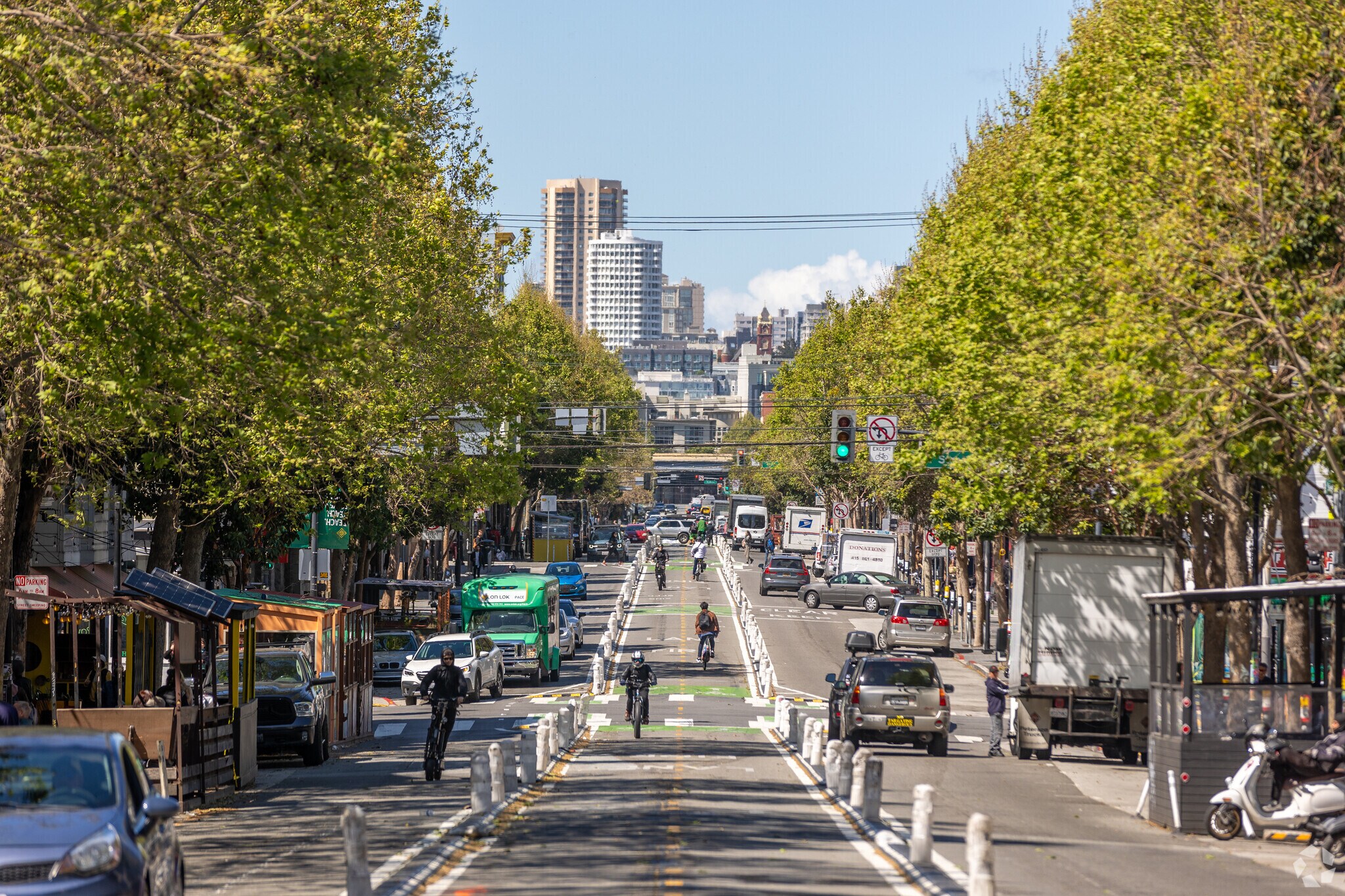
What Is Mission Dolores?
Mission Dolores is one of San Francisco's most historically significant and architecturally distinguished residential neighborhoods, situated in the sunny, centrally positioned heart of the city surrounding the landmark Mission Dolores basilica, the oldest surviving structure in San Francisco and one of the most iconic historic sites in all of California. Known for its stunning Victorian and Edwardian architecture, exceptional sunny microclimate, the beloved and vibrant Mission Dolores Park, and a deeply community-oriented residential character, Mission Dolores offers a rare and profoundly appealing combination of historic significance, natural beauty, architectural grandeur, and outstanding everyday livability. It attracts families, professionals, history enthusiasts, long-term residents, and buyers seeking a centrally located neighborhood with unmatched historic character, residential prestige, and enduring citywide desirability.
Location & Character
Mission Dolores is located in central San Francisco, generally bordered by Duboce Avenue and the Lower Haight to the north, the Mission District to the east and south, Noe Valley and the Castro to the south and west, and Eureka Valley to the west. It sits near neighborhoods including the Castro, Mission District, Eureka Valley, and Noe Valley:
- A centrally positioned residential neighborhood anchored by the historic Mission Dolores basilica and its surrounding gardens and grounds
- Quiet, tree-lined residential streets with some of San Francisco's most beautiful and well-preserved Victorian and Edwardian architecture
- The beloved Mission Dolores Park serving as the neighborhood's primary outdoor gathering and recreational space
- A warm, famously sunny microclimate sheltered from the fog, one of the most celebrated and desirable qualities of this part of the city
- A diverse and long-established population blending families, professionals, artists, LGBTQ community members, and longtime residents
- A deeply community-oriented neighborhood atmosphere with a genuine sense of historic significance and residential belonging
- Exceptional walkability with most daily needs, cultural destinations, and neighborhood amenities accessible entirely on foot
Real Estate & Housing
Mission Dolores offers a distinguished and consistently desirable housing market with strong long-term ownership and investment characteristics:
- A rich mix of single-family Victorian and Edwardian homes, flats, duplexes, condominiums, and smaller multi-unit buildings
- Victorian and Edwardian architectural styles from the 1880s through the 1910s featuring beautiful and well-preserved period detailing
- Homes showcasing iconic San Francisco details including ornate facades, bay windows, decorative woodwork, and colorful painted exteriors
- Many properties with generous interior proportions, high ceilings, and classic period character
- Flats and multi-unit buildings offering flexible ownership and investment opportunities throughout the neighborhood
- Updated interiors in many renovated homes mixed with beautifully preserved original-condition properties
- Price points typically ranging from the upper $1 million range into the multi-million dollar range depending on type, size, condition, and location
- Strong and consistent demand driven by central location, historic significance, microclimate, park access, and neighborhood prestige
- Long-term investment appeal driven by architectural distinction, historic character, central city positioning, and enduring neighborhood desirability
Community & Amenities
Mission Dolores benefits from its exceptional central positioning and proximity to several of San Francisco's most vibrant and well-regarded commercial corridors:
- Valencia Street in the adjacent Mission District within easy walking distance offering an exceptional array of independent restaurants, cafés, boutiques, bookstores, and specialty retailers
- Castro Street commercial corridor a short walk away with shops, dining, bars, and everyday neighborhood services
- 24th Street Noe Valley village accessible within a short walk offering boutique shops, cafés, bakeries, and community-oriented neighborhood conveniences
- Grocery stores, specialty markets, and everyday services within comfortable walking distance throughout the neighborhood
- A genuinely exceptional walkability with virtually all daily needs and neighborhood destinations accessible entirely on foot
- Additional shopping and dining accessible in nearby Eureka Valley, Duboce Triangle, and the broader Mission District within a short walk or transit ride
Parks & Recreation
Mission Dolores Park is the defining outdoor asset of the neighborhood, serving as one of San Francisco's most beloved and vibrant urban gathering spaces:
- Mission Dolores Park - one of San Francisco's most celebrated and beloved urban parks featuring sweeping panoramic views of the city and Bay, open sunny lawns, sports courts, a children's playground, a restored historic carousel, and a famously lively and inclusive community gathering atmosphere that draws residents and visitors from across the city
- Mission Dolores Basilica and Cemetery - the historic landmark at the neighborhood's heart featuring beautiful gardens, the original adobe mission building, and one of San Francisco's most significant historic sites
- Dolores Street median - a beautifully landscaped tree-lined boulevard with palm trees and a dedicated cycling and walking path running through the heart of the neighborhood
- Noe Valley Town Square accessible within a short walk for additional community gathering space
- Corona Heights Park - dramatic rocky hilltop park with sweeping panoramic views a short distance away
- Buena Vista Park - one of San Francisco's oldest parks with forested trails and panoramic views accessible within a short walk or drive
Schools & Education
Mission Dolores is served by the San Francisco Unified School District with several well-regarded school options in the neighborhood and surrounding areas:
- Sanchez Elementary School serving the broader district area within easy reach
- James Lick Middle School serving the broader district area
- Various high school options within the SFUSD system
- Private and parochial school options within a short commute including several well-regarded Catholic schools given the neighborhood's historic mission heritage
- University of California San Francisco accessible for higher education and employment
- City College of San Francisco accessible for additional higher education options
Culture & Neighborhood Life
Mission Dolores has a rich, layered, and deeply community-oriented neighborhood culture shaped by its extraordinary historic significance, central location, and long-established diverse residential community:
- A welcoming and inclusive environment blending families, professionals, artists, LGBTQ community members, and longtime residents in a genuinely open and community-oriented neighborhood
- Mission Dolores Park serving as the neighborhood's vibrant daily social heart where residents gather, children play, and neighbors connect in a warm, sunny, and celebratory outdoor atmosphere
- The historic Mission Dolores basilica providing a profound sense of historic continuity and architectural beauty at the neighborhood's geographic and spiritual center
- Strong community involvement supported by neighborhood associations and an active local civic culture
- Regular neighborhood events, park gatherings, and seasonal celebrations fostering a strong and genuinely shared community identity
- A warm, sunny, and historically rich pace of neighborhood life shaped by the park, the basilica, the tree-lined Dolores Street boulevard, and the diverse and vibrant community surrounding it
- A distinctive and deeply cherished neighborhood identity built around historic significance, community inclusivity, architectural beauty, and a genuine sense of central city belonging
Transit & Connectivity
Mission Dolores offers outstanding transit and roadway access, benefiting from its central city location and proximity to multiple major transit corridors:
- Muni Metro J Church line running along Church Street on the western edge of the neighborhood providing direct and frequent downtown San Francisco access
- Multiple Muni bus routes serving Dolores Street, 18th Street, Church Street, and surrounding neighborhood corridors
- 16th Street Mission BART Station and 24th Street Mission BART Station both within easy walking distance providing direct and frequent Bay Area connections
- Castro Street Muni Metro Station accessible within a short walk for additional Metro line options
- Excellent pedestrian and cycling connectivity throughout the neighborhood including dedicated cycling infrastructure along Dolores Street
- Quick access to Cesar Chavez Street, Market Street, and Valencia Street for convenient city navigation throughout San Francisco
Final Thoughts
Mission Dolores offers a genuinely extraordinary and profoundly meaningful residential experience in the heart of San Francisco: a neighborhood defined by unmatched historic significance, stunning Victorian and Edwardian architecture, the beloved Mission Dolores Park, a famously sunny microclimate, and a quality of everyday neighborhood life that is at once historically rich, architecturally magnificent, community-spirited, and deeply livable. For families, professionals, history enthusiasts, and long-term investors seeking a centrally located neighborhood with unmatched historic character, outstanding park access, architectural grandeur, and enduring residential prestige, Mission Dolores stands as one of San Francisco's most historically significant and consistently cherished neighborhoods, a truly extraordinary and deeply meaningful place to call home.
District 6
6A Anza Vista
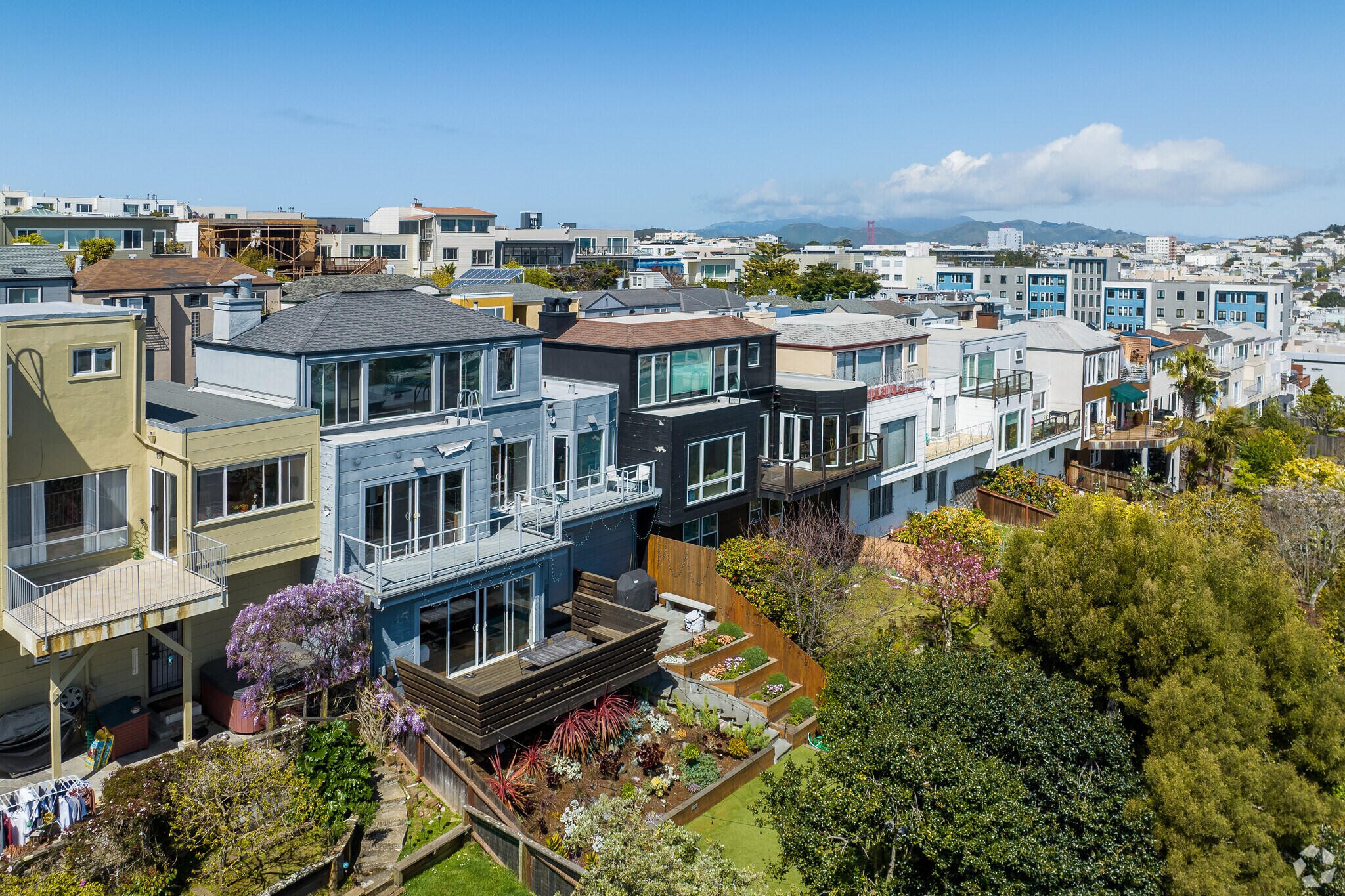
What Is Anza Vista?
Anza Vista is a quiet, well-positioned residential neighborhood in the geographic center of San Francisco, situated on gentle hillside terrain between the Western Addition, Inner Richmond, and the Panhandle corridor. Known for its classic mid-century and early 20th century homes, tree-lined streets, and a calm residential character that belies its exceptionally central location, Anza Vista offers a rare and appealing combination of neighborhood tranquility, architectural variety, and outstanding city connectivity. It attracts families, professionals, long-term residents, and buyers seeking a centrally located, well-priced neighborhood with solid everyday livability and strong access to the broader city.
Location & Character
Anza Vista is located in central San Francisco, generally bordered by Geary Boulevard to the north, Oak Street and the Panhandle to the south, Divisadero Street to the east, and Masonic Avenue to the west. It sits near neighborhoods including the Western Addition, Lower Pacific Heights, the Panhandle, and Inner Richmond:
- Gently sloping hillside terrain with a quiet, predominantly residential character
- A mix of classic mid-century, Edwardian, and early 20th century architectural styles throughout
- Tree-lined residential streets with well-kept properties and a calm neighborhood atmosphere
- A centrally positioned location offering exceptional access to multiple surrounding neighborhoods and commercial corridors
- A diverse and established community with a practical, everyday neighborhood feel
- A relatively moderate microclimate benefiting from its central positioning between the fog-prone west and the warmer eastern neighborhoods
Real Estate & Housing
Anza Vista offers a practical and well-rounded housing market with solid long-term ownership and investment characteristics:
- A healthy mix of single-family homes, duplexes, flats, condominiums, and smaller multi-unit buildings
- Mid-century, Edwardian, and early 20th century architectural styles offering a range of period character and practical layouts
- Many properties with garages, bay windows, and classic San Francisco exterior detailing
- Flats and multi-unit buildings offering flexible ownership and investment opportunities throughout the neighborhood
- Updated interiors in many renovated homes mixed with well-preserved original-condition properties
- Price points typically in the mid to upper $1 million range depending on type, size, condition, and location
- A relatively accessible entry point compared to immediately surrounding neighborhoods such as Lower Pacific Heights and the Inner Richmond
- Consistent demand driven by central location, transit access, and neighborhood convenience
- Long-term investment appeal driven by central city positioning, housing variety, and enduring everyday desirability
Community & Amenities
Anza Vista benefits from its exceptionally central location and proximity to several of San Francisco's most vibrant commercial corridors:
- Geary Boulevard serving as the primary nearby commercial corridor with grocery stores, cafés, restaurants, and everyday services
- Divisadero Street corridor a short walk away with an excellent and growing collection of independent restaurants, cafés, bars, and boutique shops
- Fillmore Street in the adjacent Western Addition and Lower Pacific Heights within easy reach for upscale dining, boutiques, and neighborhood services
- The Panhandle and Hayes Valley commercial scene accessible within a short walk or transit ride
- Grocery stores, specialty markets, and everyday services within comfortable reach throughout the surrounding area
- A genuinely well-positioned neighborhood with outstanding access to multiple commercial and cultural destinations without leaving the broader area
Parks & Recreation
Anza Vista residents enjoy solid access to several outdoor spaces and recreational areas throughout the surrounding area:
- The Panhandle - the beloved linear park and green corridor connecting the neighborhood to Golden Gate Park immediately to the south, offering walking and cycling paths, open lawns, and a popular community gathering space
- Golden Gate Park - one of the world's great urban parks accessible within a short walk or transit ride featuring hiking and cycling trails, lakes, gardens, museums, and cultural attractions
- Kimbell Playground - a neighborhood park and recreational space within easy reach
- Buena Vista Park - one of San Francisco's oldest parks with forested trails and panoramic city views accessible within a short drive or transit ride
- Alamo Square Park - the iconic hilltop park with famous Painted Ladies views and open green space accessible within a short walk or drive
- Smaller neighborhood parks, green spaces, and pedestrian paths woven throughout the surrounding central city area
Schools & Education
Anza Vista is served by the San Francisco Unified School District with several school options in the neighborhood and surrounding areas:
- Various public elementary and middle school options within the broader central San Francisco district
- Several well-regarded schools in neighboring Western Addition, Lower Pacific Heights, and Inner Richmond areas within reasonable reach
- Private and parochial school options within a short commute
- University of California San Francisco accessible for higher education and employment
- City College of San Francisco accessible for additional higher education options
Culture & Neighborhood Life
Anza Vista has a practical, community-oriented neighborhood culture shaped by its central location, diverse population, and everyday residential character:
- A welcoming blend of longtime residents, families, young professionals, and newcomers drawn by the neighborhood's central positioning and relative value
- Quiet residential streets with a genuine sense of community connection among a diverse and grounded neighborhood population
- Easy access to the cultural energy of surrounding neighborhoods including the Western Addition, Hayes Valley, and the Inner Richmond without the higher price points of those areas
- A practical, unpretentious neighborhood identity built around everyday livability, central convenience, and a genuine residential community character
- Community involvement supported by neighborhood associations and local civic groups
- A moderate, unhurried pace of neighborhood life that balances residential calm with outstanding access to the broader city
Transit & Connectivity
Anza Vista is exceptionally well connected for both city and regional transit, benefiting from its central positioning between multiple major transit corridors:
- Multiple Muni bus routes serving Geary Boulevard, Masonic Avenue, and surrounding neighborhood corridors including the frequent 38 Geary line providing fast and direct downtown access
- Additional Muni bus routes along Divisadero Street and Oak Street connecting to multiple parts of the city
- Proximity to the Fell Street and Oak Street bicycle and transit corridors providing excellent cycling access to downtown and Golden Gate Park
- Quick access to Masonic Avenue and Divisadero Street for convenient north-south city navigation
- Easy connection to Highway 101 and major city arterials for regional commuting via nearby connections
- Exceptional central positioning providing practical walking or transit access to multiple surrounding neighborhoods and commercial destinations
Final Thoughts
Anza Vista offers a genuinely practical and well-rounded residential experience in the geographic heart of San Francisco: a centrally positioned neighborhood with classic architectural character, quiet residential streets, solid housing variety, and outstanding access to multiple surrounding commercial corridors, parks, and transit options, all at a relatively accessible price point compared to immediately adjacent neighborhoods. For families, professionals, and long-term buyers seeking a centrally located San Francisco neighborhood with everyday convenience, solid community character, and strong long-term value, Anza Vista is a thoughtful and rewarding choice well worth exploring.
6B Hayes Valley
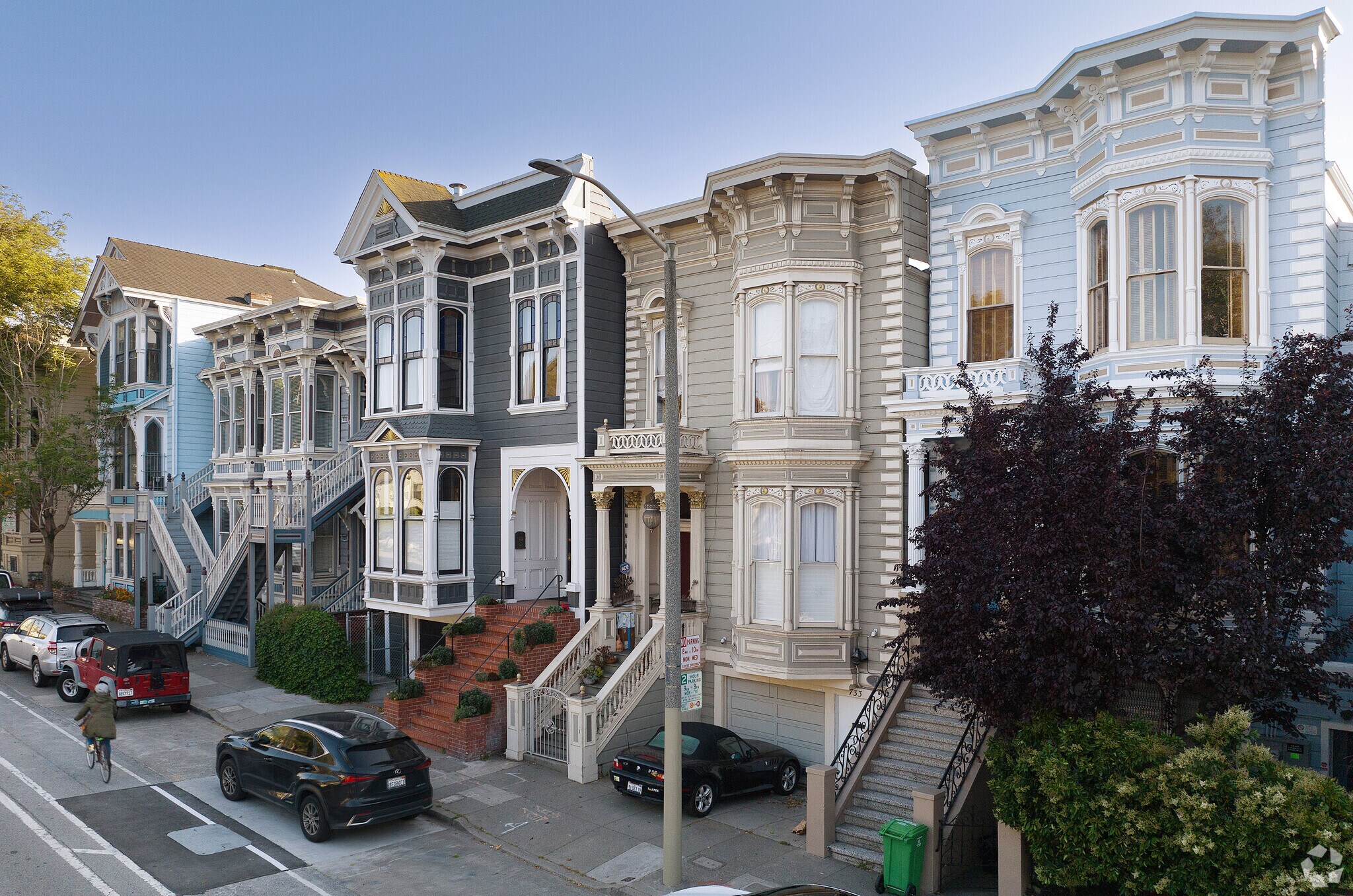
What Is Hayes Valley?
Hayes Valley is one of San Francisco's most dynamic, stylish, and culturally vibrant urban neighborhoods, located in the heart of the city just west of Civic Center and south of the Panhandle. Once defined by an elevated freeway that was demolished following the 1989 Loma Prieta earthquake, Hayes Valley has undergone one of San Francisco's most remarkable neighborhood transformations, emerging as one of the city's most celebrated destinations for independent boutiques, acclaimed restaurants, design studios, and a genuinely creative and community-oriented urban culture. It attracts young professionals, artists, families, long-term residents, and buyers seeking a centrally positioned, culturally rich neighborhood with outstanding walkability, transit connectivity, and enduring residential and commercial prestige.
Location & Character
Hayes Valley is located in central San Francisco, generally bordered by Market Street to the south, Fell Street and the Panhandle to the north, Octavia Boulevard to the east, and Divisadero Street to the west. It sits near neighborhoods including the Lower Haight, Duboce Triangle, Western Addition, and Civic Center:
- A vibrant, pedestrian-friendly commercial and residential neighborhood centered along Hayes Street
- A thoughtfully designed urban streetscape anchored by the celebrated Octavia Boulevard linear park and promenade
- A diverse mix of Victorian, Edwardian, and contemporary architectural styles reflecting the neighborhood's layered history and recent transformation
- A warm, creative, and deeply community-oriented neighborhood atmosphere with a genuine sense of urban vitality and cultural energy
- A diverse and long-established population blending artists, young professionals, families, and longtime residents
- A relatively warmer and sunnier microclimate compared to more fog-prone western neighborhoods
- Exceptional walkability with most daily needs, cultural destinations, and neighborhood amenities accessible entirely on foot
Real Estate & Housing
Hayes Valley offers a distinguished and consistently desirable housing market with strong long-term ownership and investment characteristics:
- A diverse mix of Victorian and Edwardian flats, single-family homes, contemporary condominiums, live-work lofts, and newer mixed-use residential developments
- Victorian and Edwardian architectural styles from the late 1800s through the 1910s featuring beautiful period detailing alongside striking contemporary new construction
- Homes featuring classic San Francisco details including ornate facades, bay windows, and decorative woodwork mixed with modern architectural interventions
- Flats, condominiums, and multi-unit buildings offering flexible ownership and investment opportunities throughout the neighborhood
- Newer residential developments offering modern amenities, open floor plans, and contemporary finishes alongside classic period properties
- Updated interiors in many renovated homes mixed with beautifully preserved original-condition properties
- Price points typically ranging from the upper $1 million range into the multi-million dollar range depending on type, size, condition, and location
- Among the most dynamic and consistently appreciating real estate markets in San Francisco driven by neighborhood transformation, cultural cachet, walkability, and transit access
- Long-term investment appeal driven by central positioning, ongoing neighborhood evolution, architectural variety, and enduring commercial and residential desirability
Community & Amenities
Hayes Valley's commercial corridor along Hayes Street is one of the most celebrated and distinctive in all of San Francisco, offering an exceptional and locally curated collection of businesses and cultural destinations:
- Hayes Street serving as the neighborhood's beloved and nationally recognized commercial heart with acclaimed independent restaurants, boutiques, design studios, wine bars, cafés, and specialty retailers
- A richly diverse and acclaimed local dining scene ranging from casual neighborhood favorites to nationally recognized destination restaurants
- Independent design boutiques, art galleries, home furnishing shops, and creative businesses giving Hayes Street a distinctly curated and culturally rich commercial character
- Patricia's Green - the beloved neighborhood parklet and sculpture garden at the heart of the commercial corridor serving as a daily community gathering space
- Grocery stores, specialty markets, and everyday services within comfortable walking distance
- Outstanding proximity to the San Francisco Symphony, San Francisco Opera, and San Francisco Ballet at the nearby Davies Symphony Hall and War Memorial Opera House
Parks & Recreation
Hayes Valley residents enjoy solid access to parks, open spaces, and cultural recreational destinations throughout the surrounding area:
- Patricia's Green - the neighborhood's beloved central parklet and sculpture garden featuring rotating public art installations and a warm daily community gathering atmosphere at the heart of Hayes Street
- Octavia Boulevard linear park and promenade - a beautifully landscaped urban boulevard with dedicated walking and cycling paths, open green space, and a celebrated design that transformed the former freeway corridor into one of San Francisco's finest urban public spaces
- The Panhandle - the beloved linear park and green corridor connecting the neighborhood to Golden Gate Park immediately to the north
- Golden Gate Park - one of the world's great urban parks accessible within a short walk or transit ride
- Alamo Square Park - the iconic hilltop park with famous Painted Ladies views and sweeping city panoramas accessible within a short walk
- Buena Vista Park - one of San Francisco's oldest parks with forested trails and panoramic views accessible within a short walk or drive
Schools & Education
Hayes Valley is served by the San Francisco Unified School District with several school options in the neighborhood and surrounding areas:
- Various public elementary and middle school options within the broader central San Francisco district
- Several well-regarded schools in neighboring Lower Haight, Western Addition, and Duboce Triangle areas within reasonable reach
- Private and parochial school options within a short commute
- University of California San Francisco accessible for higher education and employment
- City College of San Francisco accessible for additional higher education options
- San Francisco Conservatory of Music located within the neighborhood offering world-class musical education and performance programming
Culture & Neighborhood Life
Hayes Valley has one of San Francisco's most vibrant, creative, and genuinely celebrated neighborhood cultures, shaped by its remarkable transformation, cultural institutions, and long-established diverse residential community:
- A welcoming and inclusive environment blending artists, designers, musicians, young professionals, families, and longtime residents in a genuinely creative and community-oriented neighborhood
- Hayes Street serving as a daily gathering place where neighbors and visitors connect in a stylish, relaxed, and culturally engaged atmosphere unlike anywhere else in the city
- Outstanding proximity to world-class performing arts venues including Davies Symphony Hall and the War Memorial Opera House, making Hayes Valley one of San Francisco's most culturally rich residential addresses
- Patricia's Green providing a beloved daily community gathering space anchored by rotating public art installations and a warm neighborhood atmosphere
- Strong community involvement supported by the Hayes Valley Neighborhood Association and an exceptionally active local business and arts community
- Regular neighborhood events, art walks, seasonal markets, and community gatherings fostering a strong and genuinely shared neighborhood identity
- A warm, creative, and culturally engaged pace of neighborhood life shaped by the celebrated commercial corridor, performing arts venues, and diverse and vibrant community
- A distinctive and widely celebrated neighborhood identity built around design, culinary excellence, performing arts, community creativity, and a genuinely transformative urban success story
Transit & Connectivity
Hayes Valley is one of San Francisco's most exceptionally well-connected neighborhoods, benefiting from its central city location and proximity to multiple major transit corridors and hubs:
- Multiple Muni bus routes serving Hayes Street, Fell Street, and surrounding neighborhood corridors
- Civic Center BART and Muni Metro Station within easy walking distance providing direct and frequent Bay Area connections and downtown San Francisco access on multiple lines
- Van Ness Muni Bus Rapid Transit corridor immediately adjacent providing fast and frequent north-south city connections
- Multiple Muni Metro lines accessible via nearby Civic Center and Market Street stations
- Excellent pedestrian and cycling connectivity throughout the neighborhood including dedicated cycling infrastructure along Fell Street, Oak Street, and the Octavia Boulevard promenade
- Quick access to Market Street, Van Ness Avenue, and Divisadero Street for convenient city navigation throughout San Francisco
Final Thoughts
Hayes Valley offers a genuinely extraordinary and widely celebrated residential experience in the heart of San Francisco: a neighborhood defined by a nationally recognized independent commercial corridor, acclaimed dining and design destinations, world-class performing arts venues, beautiful architectural character, outstanding transit connectivity, and a quality of everyday urban life that is at once creative, culturally vibrant, community-spirited, and deeply livable. For young professionals, artists, families, and long-term investors seeking a centrally positioned neighborhood with outstanding walkability, cultural richness, architectural variety, and enduring residential and commercial prestige, Hayes Valley stands as one of San Francisco's most dynamic, celebrated, and consistently desirable neighborhoods, a truly exceptional and deeply rewarding place to call home.
6C Lower Pacific Heights
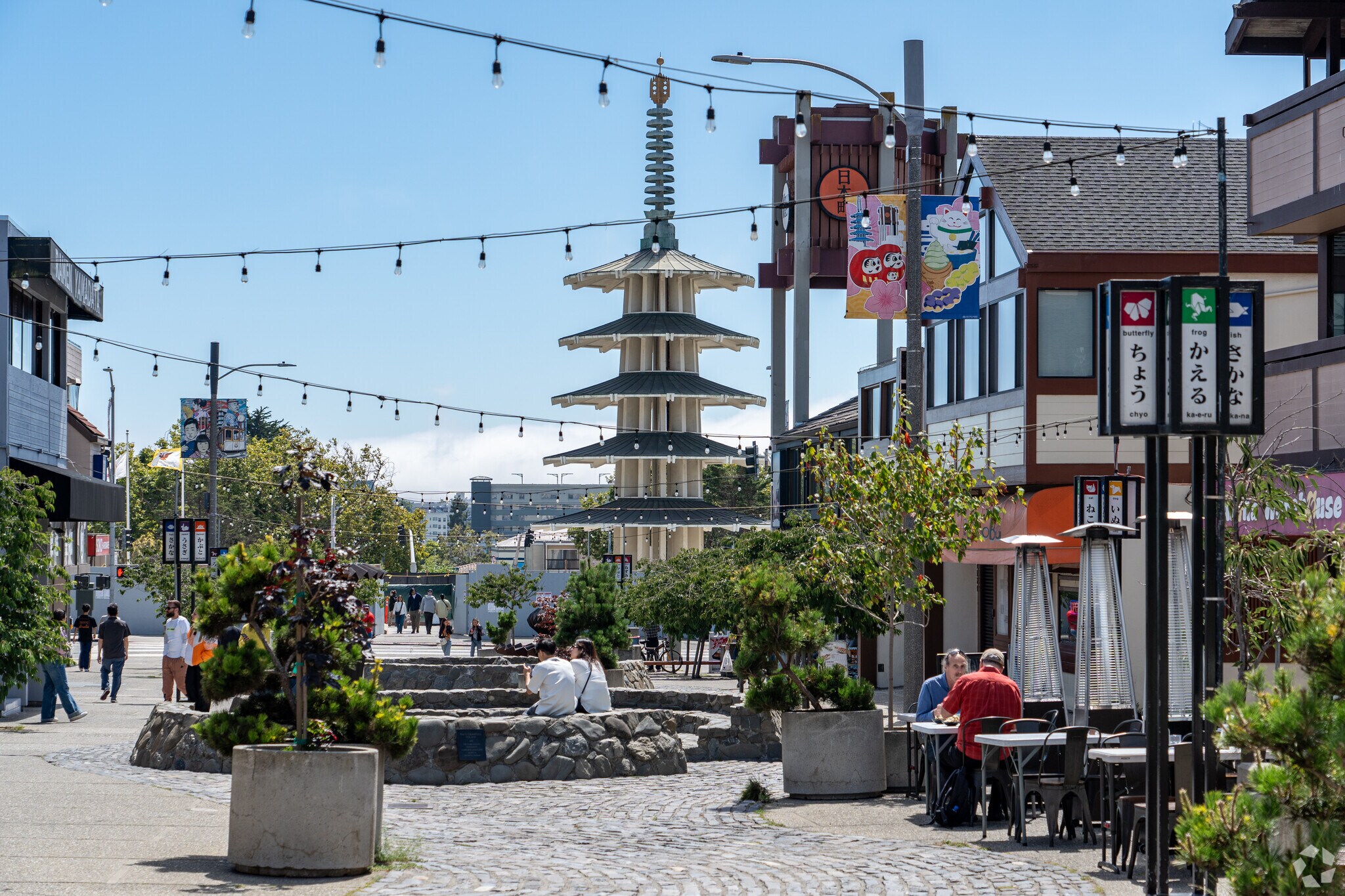
What Is Lower Pacific Heights?
Lower Pacific Heights is a sophisticated, well-positioned residential neighborhood in the heart of San Francisco, situated on the gentle slopes just south of the grand Pacific Heights ridge and north of the vibrant Fillmore and Hayes Valley corridors. Known for its beautiful Victorian and Edwardian architecture, tree-lined residential streets, outstanding walkability, and a refined yet approachable neighborhood character, Lower Pacific Heights offers a rare and deeply appealing combination of architectural distinction, everyday convenience, and central city livability. It attracts families, professionals, long-term residents, and buyers seeking a centrally located neighborhood with genuine architectural beauty, strong community character, and enduring residential prestige at a somewhat more accessible price point than its storied neighbor directly above.
Location & Character
Lower Pacific Heights is located in central San Francisco, generally bordered by California Street to the north, Bush Street and Sutter Street to the south, Divisadero Street to the west, and Fillmore Street and Van Ness Avenue to the east. It sits near neighborhoods including Pacific Heights, the Western Addition, Japantown, and Anza Vista:
- Quiet, tree-lined residential streets with beautiful Victorian and Edwardian architectural character throughout
- Gently sloping hillside terrain with some homes offering partial views of the surrounding city and bay
- A sophisticated yet approachable neighborhood atmosphere with a genuine sense of residential comfort and urban elegance
- A diverse and long-established population blending families, young professionals, and longtime residents
- Exceptional walkability with most daily needs and neighborhood amenities accessible entirely on foot
- A relatively moderate and comfortable microclimate benefiting from its sheltered central city positioning
Real Estate & Housing
Lower Pacific Heights offers a distinguished and consistently desirable housing market with strong long-term ownership and investment characteristics:
- A rich mix of single-family Victorian and Edwardian homes, flats, duplexes, condominiums, and smaller multi-unit buildings
- Victorian and Edwardian architectural styles from the 1880s through the 1910s featuring beautiful and well-preserved period detailing
- Homes showcasing iconic San Francisco details including ornate facades, bay windows, decorative woodwork, and classic painted exteriors
- Many properties with generous interior proportions, high ceilings, and classic period character
- Flats and multi-unit buildings offering flexible ownership and investment opportunities throughout the neighborhood
- Updated interiors in many renovated homes mixed with beautifully preserved original-condition properties
- Price points typically ranging from the upper $1 million range into the multi-million dollar range depending on type, size, condition, and location
- A somewhat more accessible price point compared to Pacific Heights directly above while offering comparable architectural quality and neighborhood character
- Strong and consistent demand driven by central location, architectural beauty, walkability, and proximity to both Pacific Heights prestige and Fillmore Street amenities
- Long-term investment appeal driven by architectural distinction, central positioning, and enduring neighborhood desirability
Community & Amenities
Lower Pacific Heights benefits from its exceptional central positioning and proximity to several of San Francisco's most vibrant and well-regarded commercial corridors:
- Fillmore Street serving as the neighborhood's primary commercial spine with an outstanding collection of independent restaurants, cafés, boutiques, specialty food shops, and everyday services
- Sacramento Street corridor within easy reach offering upscale boutiques, antique shops, design studios, and neighborhood dining
- Japan Center and Japantown commercial district immediately adjacent offering a unique and culturally rich collection of Japanese restaurants, shops, markets, and cultural destinations
- California Street corridor providing additional dining, grocery, and everyday service options
- Grocery stores, specialty markets, and everyday services within comfortable walking distance throughout the neighborhood
- Additional shopping and dining accessible in nearby Pacific Heights, Hayes Valley, and the Western Addition within a short walk or transit ride
Parks & Recreation
Lower Pacific Heights residents enjoy solid access to several outdoor spaces and recreational areas throughout the surrounding area:
- Lafayette Park - one of Pacific Heights' most beloved hilltop parks with sweeping panoramic views, open lawns, tennis courts, and a warm community gathering atmosphere accessible within a short walk
- Alta Plaza Park - a beautiful terraced hilltop park with panoramic city views, open green space, and a beloved dog-friendly atmosphere accessible within a short walk
- The Panhandle - the beloved linear park and green corridor connecting the broader neighborhood to Golden Gate Park accessible within a short walk or transit ride
- Golden Gate Park - one of the world's great urban parks accessible within a short transit ride featuring hiking and cycling trails, lakes, gardens, and cultural attractions
- Kimbell Playground - a neighborhood recreational space within easy reach
- Smaller neighborhood parks, green spaces, and pedestrian paths woven throughout the surrounding central city area
Schools & Education
Lower Pacific Heights is served by the San Francisco Unified School District with several well-regarded school options in the neighborhood and surrounding areas:
- Various public elementary and middle school options within the broader central San Francisco district
- Several well-regarded schools in neighboring Pacific Heights, Western Addition, and Japantown areas within reasonable reach
- Private and parochial school options within a short commute including several well-regarded institutions in the immediate area
- University of California San Francisco accessible for higher education and employment
- City College of San Francisco accessible for additional higher education options
Culture & Neighborhood Life
Lower Pacific Heights has a sophisticated, warm, and genuinely community-oriented neighborhood culture shaped by its architectural heritage, central location, and diverse residential community:
- A welcoming and inclusive environment blending families, young professionals, artists, and longtime residents in a genuinely diverse and community-oriented neighborhood
- Fillmore Street providing a daily gathering place where neighbors shop, dine, and connect in a refined yet relaxed and friendly neighborhood atmosphere
- Strong community involvement supported by neighborhood associations and an active local civic culture
- Regular neighborhood events, farmers markets, and community gatherings fostering a strong and genuinely shared neighborhood identity
- A warm, sophisticated, and unhurried pace of neighborhood life shaped by the beautiful architecture, walkable streets, and diverse community surrounding the area
- A distinctive and deeply appreciated neighborhood identity built around architectural beauty, everyday convenience, cultural diversity, and a genuine sense of central city residential belonging
Transit & Connectivity
Lower Pacific Heights offers outstanding transit and roadway access, benefiting from its central city location and proximity to multiple major transit corridors:
- Multiple Muni bus routes serving Fillmore Street, California Street, and surrounding neighborhood corridors including the 22 Fillmore and 38 Geary lines
- Van Ness Muni Bus Rapid Transit corridor accessible within a short walk providing fast and frequent north-south city connections
- California Street cable car line accessible within easy reach providing a beloved and iconic connection to downtown San Francisco and Chinatown
- Excellent pedestrian and cycling connectivity throughout the neighborhood and surrounding commercial corridors
- Quick access to Van Ness Avenue, Divisadero Street, and Geary Boulevard for convenient city navigation
- Easy connection to Highway 101 and major city arterials for regional commuting via nearby connections
Final Thoughts
Lower Pacific Heights offers a genuinely distinguished and deeply appealing residential experience in the heart of San Francisco: a neighborhood defined by beautiful Victorian and Edwardian architecture, exceptional walkability, outstanding proximity to the Fillmore Street commercial corridor and Japantown, a sophisticated yet approachable neighborhood character, and a quality of everyday urban life that is at once architecturally magnificent, culturally rich, community-spirited, and deeply livable. For families, professionals, and long-term investors seeking a centrally located San Francisco neighborhood with architectural grandeur, everyday convenience, strong community character, and enduring residential prestige at a somewhat more accessible price point than the heights above, Lower Pacific Heights stands as one of San Francisco's most quietly distinguished and consistently rewarding neighborhoods, a truly exceptional place to call home.
6D Western Addition
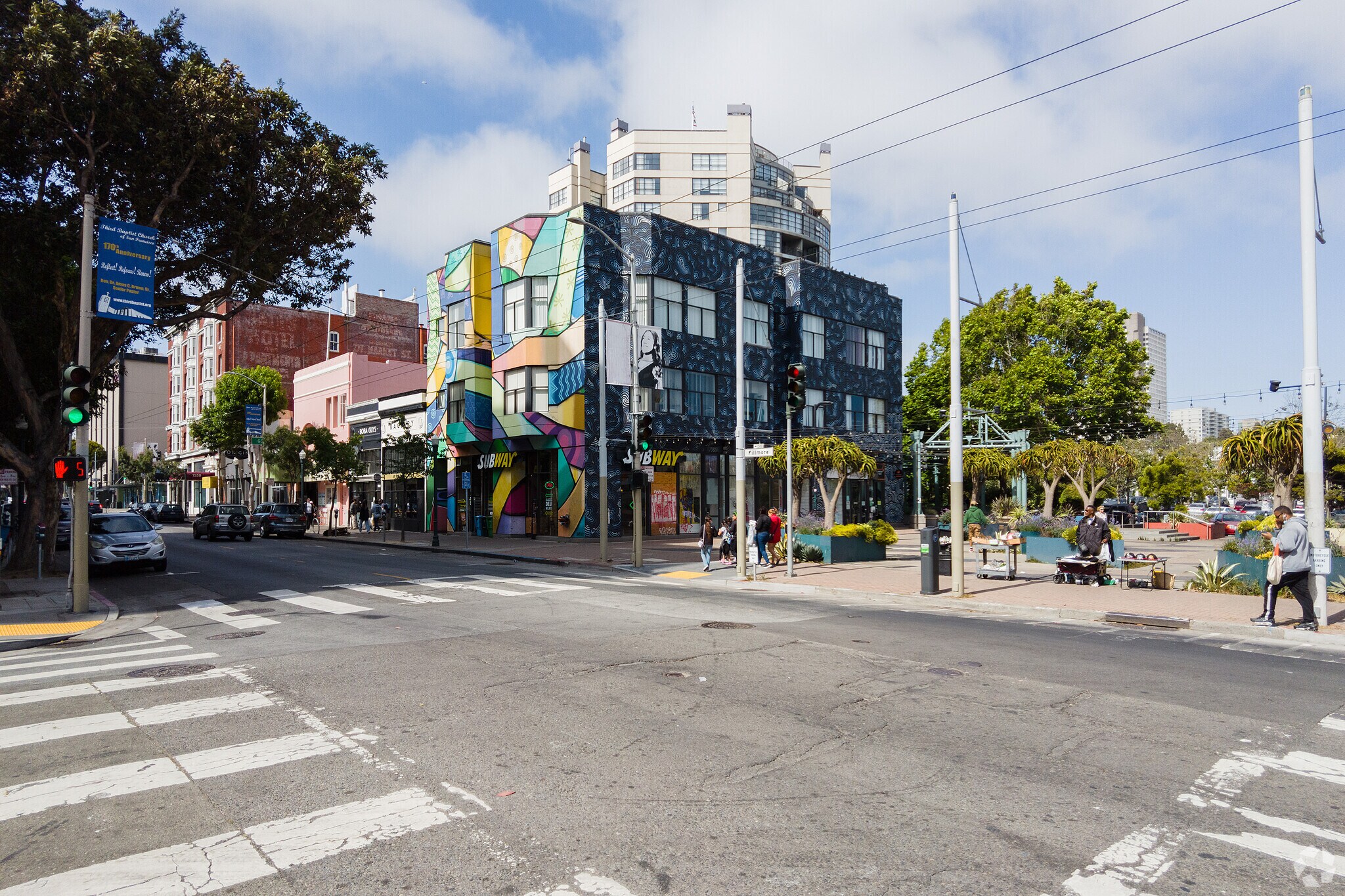
What Is the Western Addition?
The Western Addition is one of San Francisco's most historically significant, culturally layered, and dynamically evolving residential neighborhoods, located in the heart of the city between the grand Pacific Heights ridge and the vibrant Civic Center and Hayes Valley corridors. One of the few San Francisco neighborhoods to survive the devastating 1906 earthquake and fire largely intact, the Western Addition contains some of the city's finest surviving Victorian architecture alongside a rich and complex history of cultural diversity, community resilience, and neighborhood transformation. Known for its deep African American cultural heritage, vibrant jazz and blues history, the iconic Fillmore music district, and a genuine and evolving community character, the Western Addition offers a rare and deeply compelling combination of historic significance, architectural beauty, cultural richness, and outstanding city connectivity. It attracts families, artists, musicians, young professionals, long-term residents, and buyers seeking a historically significant neighborhood with genuine cultural depth, architectural character, and strong long-term residential and investment appeal.
Location & Character
The Western Addition is located in central San Francisco, generally bordered by California Street to the north, Turk Street and Golden Gate Avenue to the south, Divisadero Street to the west, and Van Ness Avenue to the east. It sits near neighborhoods including Pacific Heights, Lower Pacific Heights, Japantown, Hayes Valley, and the Tenderloin:
- A historically and architecturally significant neighborhood containing some of San Francisco's finest surviving Victorian and Edwardian architecture
- Diverse residential streets ranging from grand Victorian rows to mid-century housing developments reflecting the neighborhood's complex layered history
- The Fillmore Street commercial corridor serving as the neighborhood's primary cultural and commercial spine
- A warm, culturally rich, and increasingly dynamic neighborhood atmosphere with a genuine sense of historic depth and community evolution
- A diverse and deeply rooted population blending African American community members, Japanese American residents, artists, musicians, young professionals, and longtime residents
- A relatively moderate microclimate benefiting from its central city positioning
Real Estate & Housing
The Western Addition offers a diverse and increasingly desirable housing market with strong long-term ownership and investment characteristics:
- A rich and varied mix of Victorian and Edwardian single-family homes, flats, duplexes, mid-century apartment buildings, condominiums, and newer residential developments
- Victorian and Edwardian architectural styles from the late 1800s through the 1910s featuring beautiful and well-preserved period detailing alongside mid-century and contemporary construction
- Homes showcasing iconic San Francisco details including ornate facades, bay windows, decorative woodwork, and colorful painted exteriors
- Mid-century housing developments reflecting the neighborhood's postwar redevelopment history alongside beautifully preserved Victorian rows
- Flats, condominiums, and multi-unit buildings offering flexible ownership and investment opportunities throughout the neighborhood
- Updated interiors in many renovated homes mixed with well-preserved original-condition properties
- Price points typically ranging from the mid $1 million range into the upper $1 million range and above depending on type, size, condition, and location
- A relatively more accessible entry point compared to immediately surrounding neighborhoods such as Pacific Heights and Lower Pacific Heights while offering comparable architectural quality in many blocks
- Growing and consistent demand driven by neighborhood evolution, central location, architectural character, and increasing desirability among buyers and investors
- Strong long-term investment appeal driven by central positioning, ongoing neighborhood revitalization, architectural heritage, and enduring cultural significance
Community & Amenities
The Western Addition benefits from its exceptional central location and proximity to several of San Francisco's most vibrant and culturally significant commercial and cultural corridors:
- Fillmore Street serving as the neighborhood's historic and evolving commercial heart with restaurants, cafés, music venues, boutiques, and everyday services anchored by its legendary jazz and blues heritage
- Japan Center and Japantown immediately adjacent offering a unique and culturally rich destination with Japanese restaurants, specialty shops, markets, cultural events, and the iconic Japan Center mall
- Hayes Valley commercial corridor accessible within a short walk offering acclaimed independent restaurants, boutiques, design studios, and the city's finest concentration of performing arts venues
- Lower Haight commercial corridor accessible within easy reach for additional casual dining, cafés, and neighborhood services
- Grocery stores, specialty markets, and everyday services within comfortable walking distance throughout the neighborhood
- Additional shopping and dining accessible in nearby Pacific Heights, Hayes Valley, and the broader Fillmore corridor within a short walk or transit ride
Parks & Recreation
The Western Addition residents enjoy solid access to several outdoor spaces and recreational areas throughout the surrounding area:
- Alamo Square Park - the iconic and beloved hilltop park with the world-famous Painted Ladies Victorian row view, sweeping city panoramas, open lawns, and a wonderfully community-oriented daily gathering atmosphere within easy walking distance
- Lafayette Park - one of Pacific Heights' most beloved hilltop parks with sweeping views, open lawns, and tennis courts accessible within a short walk
- The Panhandle - the beloved linear park and green corridor connecting the broader neighborhood to Golden Gate Park accessible within a short walk
- Golden Gate Park - one of the world's great urban parks accessible within a short walk or transit ride
- Hamilton Recreation Center - a major neighborhood recreation hub with a gymnasium, pool, courts, and community programs serving Western Addition residents
- Smaller neighborhood parks, green spaces, and pedestrian paths woven throughout the surrounding central city area
Schools & Education
The Western Addition is served by the San Francisco Unified School District with several school options in the neighborhood and surrounding areas:
- Various public elementary and middle school options within the broader central San Francisco district
- Several well-regarded schools in neighboring Pacific Heights, Lower Pacific Heights, and Hayes Valley areas within reasonable reach
- Private and parochial school options within a short commute
- University of California San Francisco accessible for higher education and employment
- City College of San Francisco accessible for additional higher education options
- Strong proximity to the San Francisco Conservatory of Music in nearby Hayes Valley for musical education and cultural programming
Culture & Neighborhood Life
The Western Addition has one of San Francisco's most historically rich, culturally layered, and genuinely significant neighborhood cultures, shaped by its extraordinary history of cultural diversity, community resilience, and neighborhood evolution:
- A welcoming and deeply diverse environment blending African American community members, Japanese American residents, artists, musicians, young professionals, and longtime residents in a genuinely multicultural and historically significant neighborhood
- The Fillmore District's legendary jazz and blues heritage, once known as the Harlem of the West, remaining a defining and celebrated element of the neighborhood's cultural identity and ongoing commercial revitalization
- Japan Center and Japantown providing a unique and irreplaceable cultural anchor offering Japanese American cultural programming, festivals, restaurants, and community gathering spaces immediately within the neighborhood
- Strong community involvement supported by neighborhood associations, cultural organizations, and an active and evolving local civic culture
- Regular neighborhood events including the Fillmore Jazz Festival, Japantown cultural celebrations, and community gatherings fostering a rich and genuinely shared multicultural neighborhood identity
- A warm, culturally rich, and increasingly dynamic pace of neighborhood life shaped by the historic Fillmore corridor, Japantown cultural anchor, Alamo Square beauty, and diverse and evolving community spirit
- A distinctive and deeply cherished neighborhood identity built around cultural heritage, community resilience, architectural history, and a genuine sense of multicultural urban belonging
Transit & Connectivity
The Western Addition offers outstanding transit and roadway access, benefiting from its central city location and proximity to multiple major transit corridors:
- Multiple Muni bus routes serving Fillmore Street, Geary Boulevard, and surrounding neighborhood corridors including the frequent 22 Fillmore and 38 Geary lines
- Van Ness Muni Bus Rapid Transit corridor accessible within a short walk providing fast and frequent north-south city connections
- Civic Center BART and Muni Metro Station accessible within a short transit ride providing direct Bay Area connections and downtown San Francisco access
- California Street cable car line accessible within easy reach providing an iconic connection to downtown San Francisco
- Excellent pedestrian and cycling connectivity throughout the neighborhood and surrounding commercial corridors
- Quick access to Van Ness Avenue, Geary Boulevard, and Divisadero Street for convenient city navigation throughout San Francisco
Final Thoughts
The Western Addition offers a genuinely extraordinary and deeply meaningful residential experience in the heart of San Francisco: a historically significant neighborhood defined by some of the city's finest surviving Victorian architecture, a legendary jazz and blues cultural heritage, the unique cultural richness of adjacent Japantown, the iconic beauty of Alamo Square, outstanding transit connectivity, and a quality of everyday neighborhood life that is at once historically rich, culturally vibrant, architecturally distinguished, and increasingly dynamic. For families, artists, musicians, professionals, and long-term investors seeking a centrally located San Francisco neighborhood with genuine cultural depth, architectural heritage, strong community character, and compelling long-term investment potential, the Western Addition stands as one of San Francisco's most historically significant, culturally irreplaceable, and consistently evolving neighborhoods, a truly extraordinary and deeply meaningful place to call home.
6E Alamo Square
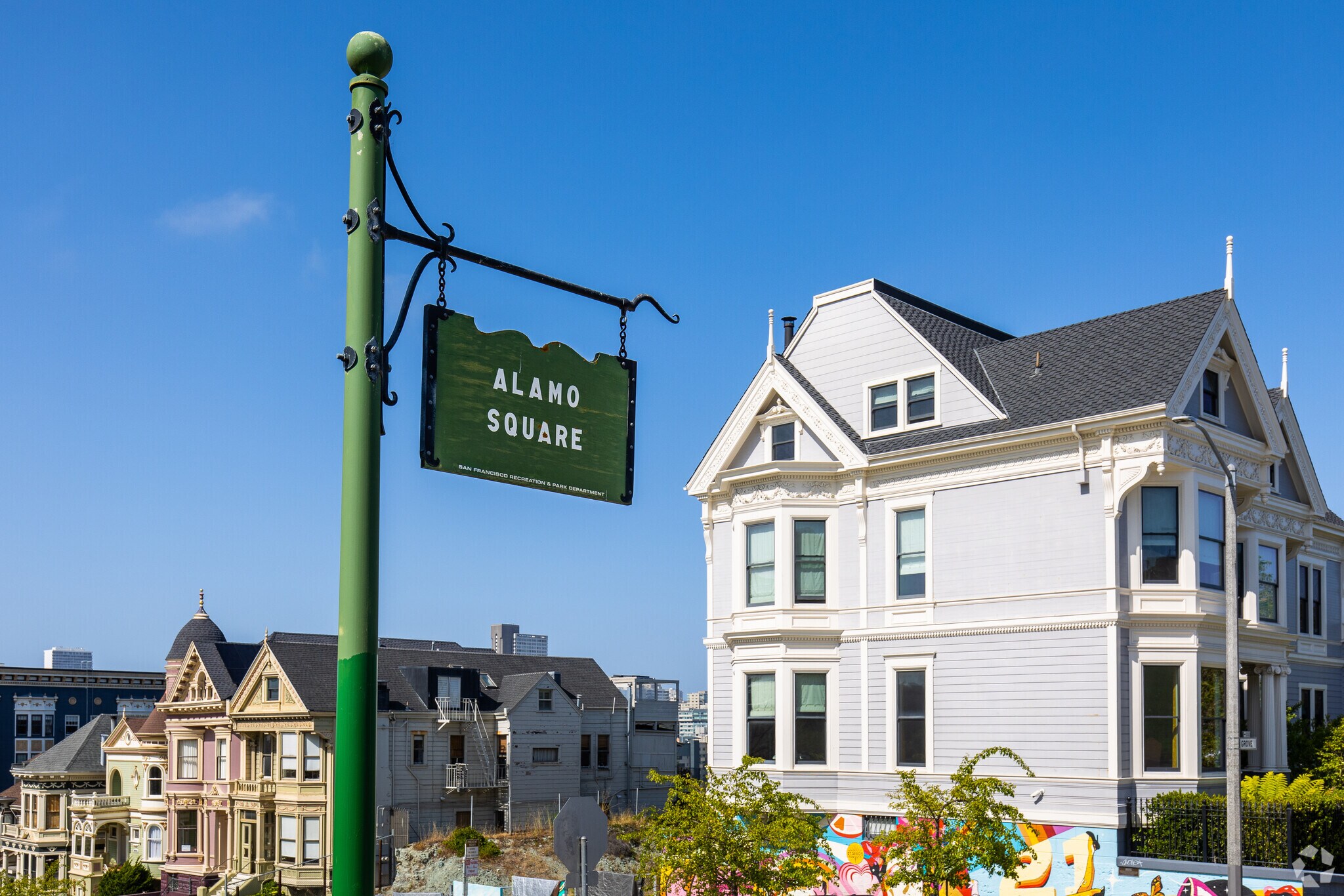
What Is Alamo Square?
Alamo Square is one of San Francisco's most instantly recognizable and beloved residential neighborhoods, centered around the iconic hilltop park and the world-famous row of Victorian painted ladies that together form one of the most photographed urban scenes in the United States. Located in the heart of the city between the Western Addition, Hayes Valley, and the Lower Haight, Alamo Square offers a rare and deeply appealing combination of iconic architectural beauty, a vibrant and centrally positioned residential community, outstanding walkability, and enduring neighborhood prestige. It attracts families, professionals, design enthusiasts, long-term residents, and buyers seeking a neighborhood with unmatched visual grandeur, genuine community character, and strong long-term residential and investment appeal.
Location & Character
Alamo Square is located in central San Francisco, generally bordered by Fulton Street to the north, Oak Street to the south, Scott Street to the west, and Divisadero Street to the east. It sits near neighborhoods including the Western Addition, Hayes Valley, the Lower Haight, and NoPa:
- A dramatically beautiful hilltop neighborhood centered around Alamo Square Park and the iconic Painted Ladies Victorian row
- Quiet, tree-lined residential streets with some of San Francisco's most beautifully preserved and celebrated Victorian and Edwardian architecture
- The iconic Postcard Row along Steiner Street featuring the world-famous Painted Ladies against the downtown San Francisco skyline backdrop
- A warm, community-oriented neighborhood atmosphere with a genuine sense of architectural pride and residential belonging
- A diverse and long-established population blending families, design enthusiasts, artists, young professionals, and longtime residents
- A relatively moderate and comfortable microclimate benefiting from its central city hilltop positioning
- Exceptional walkability with most daily needs and neighborhood amenities accessible entirely on foot
Real Estate & Housing
Alamo Square offers one of San Francisco's most architecturally distinguished and consistently desirable housing markets with strong long-term ownership and investment characteristics:
- A rich mix of single-family Victorian and Edwardian homes, grand painted ladies, flats, duplexes, and condominiums
- Victorian and Edwardian architectural styles from the 1880s through the 1910s featuring some of the most ornate and beautifully preserved period detailing found anywhere in San Francisco
- Homes showcasing the very finest San Francisco Victorian details including elaborate painted facades, decorative cornices, bay windows, ornamental woodwork, and colorful multi-tone painted exteriors
- Many properties with generous interior proportions, soaring ceilings, and classic period grandeur rarely found at comparable price points elsewhere in the city
- Parkside positions along Alamo Square Park commanding exceptional premium interest and pricing due to their iconic setting and unmatched curb appeal
- Flats and multi-unit buildings offering flexible ownership and investment opportunities throughout the neighborhood
- Updated interiors in many renovated homes mixed with beautifully preserved original-condition properties
- Price points typically ranging from the upper $1 million range into the multi-million dollar range depending on type, size, condition, views, and location
- Among the most architecturally prestigious and consistently desirable real estate markets in San Francisco driven by iconic setting, Victorian grandeur, and enduring neighborhood cachet
- Long-term investment appeal driven by iconic architectural status, central positioning, park proximity, and the enduring worldwide recognition of the Painted Ladies address
Community & Amenities
Alamo Square benefits from its exceptional central positioning and outstanding proximity to several of San Francisco's most vibrant commercial corridors:
- Hayes Street commercial corridor in adjacent Hayes Valley within easy walking distance offering acclaimed independent restaurants, boutiques, design studios, wine bars, and specialty retailers
- Divisadero Street corridor a short walk away with an excellent and growing collection of independent restaurants, cafés, bars, and neighborhood shops
- Fillmore Street in the adjacent Western Addition within easy reach for upscale dining, boutiques, and everyday neighborhood services
- Lower Haight commercial corridor accessible within a short walk for additional casual dining, cafés, and neighborhood conveniences
- Grocery stores, specialty markets, and everyday services within comfortable walking distance throughout the surrounding area
- Outstanding proximity to world-class performing arts venues including Davies Symphony Hall and the War Memorial Opera House in nearby Hayes Valley
Parks & Recreation
Alamo Square Park sits at the absolute heart of the neighborhood and serves as one of San Francisco's most iconic and beloved community assets:
- Alamo Square Park - the neighborhood's iconic centerpiece featuring the world-famous Painted Ladies viewpoint, sweeping panoramic views of the downtown San Francisco skyline, open lawns, a children's playground, a dedicated dog run, tennis courts, and a wonderfully vibrant and community-oriented daily gathering atmosphere that draws residents and visitors from across the city and around the world
- The Panhandle - the beloved linear park and green corridor connecting the broader neighborhood to Golden Gate Park accessible within a short walk
- Golden Gate Park - one of the world's great urban parks accessible within a short walk or transit ride
- Lafayette Park - one of Pacific Heights' most beloved hilltop parks with sweeping views and open green space accessible within a short drive or transit ride
- Buena Vista Park - one of San Francisco's oldest parks with forested trails and panoramic views accessible within a short walk or drive
- Smaller neighborhood parks, green spaces, and pedestrian paths woven throughout the surrounding central city area
Schools & Education
Alamo Square is served by the San Francisco Unified School District with several school options in the neighborhood and surrounding areas:
- Various public elementary and middle school options within the broader central San Francisco district
- Several well-regarded schools in neighboring Western Addition, Hayes Valley, and Lower Haight areas within reasonable reach
- Private and parochial school options within a short commute
- University of California San Francisco accessible for higher education and employment
- City College of San Francisco accessible for additional higher education options
- San Francisco Conservatory of Music in nearby Hayes Valley offering world-class musical education and performance programming
Culture & Neighborhood Life
Alamo Square has a warm, vibrant, and genuinely community-spirited neighborhood culture shaped by its iconic architectural setting, central location, and long-established diverse residential community:
- A welcoming and inclusive environment blending design enthusiasts, families, artists, young professionals, and longtime residents in a genuinely diverse and architecturally passionate community
- Alamo Square Park serving as the neighborhood's beloved daily social heart where residents gather, dogs play, children laugh, visitors photograph the Painted Ladies, and neighbors connect in a warm and celebratory outdoor atmosphere
- A strong and collective pride in the neighborhood's extraordinary Victorian architectural heritage and the worldwide recognition it brings to the community
- Strong community involvement supported by neighborhood associations and an active local civic culture
- Regular neighborhood events, park gatherings, and seasonal celebrations fostering a strong and genuinely shared neighborhood identity
- A warm, architecturally inspired, and community-centered pace of neighborhood life shaped by the iconic park, surrounding Victorian grandeur, and diverse and vibrant community spirit
- A distinctive and globally recognized neighborhood identity built around architectural magnificence, community warmth, park life, and a genuine sense of living within one of the world's most beautiful urban residential settings
Transit & Connectivity
Alamo Square offers excellent transit and roadway access, benefiting from its central city location and proximity to multiple major transit corridors:
- Multiple Muni bus routes serving Fulton Street, Oak Street, and surrounding neighborhood corridors including the 21 Hayes and 24 Divisadero lines
- Additional Muni bus routes along Divisadero Street and Fell Street connecting to multiple parts of the city
- Hayes Valley Muni connections accessible within a short walk providing additional transit options throughout the city
- Civic Center BART and Muni Metro Station accessible within a short transit ride providing direct Bay Area connections and downtown San Francisco access
- Excellent pedestrian and cycling connectivity throughout the neighborhood including dedicated cycling infrastructure along Fell Street and Oak Street
- Quick access to Divisadero Street, Fell Street, and Oak Street for convenient city navigation throughout San Francisco
Final Thoughts
Alamo Square offers a genuinely extraordinary and globally recognized residential experience in the heart of San Francisco: a neighborhood defined by the world-famous Painted Ladies and Postcard Row, some of the city's most magnificently preserved Victorian and Edwardian architecture, the beloved community gathering space of Alamo Square Park, outstanding walkability and transit connectivity, and a quality of everyday neighborhood life that is at once architecturally iconic, community-spirited, centrally positioned, and deeply livable. For families, design enthusiasts, professionals, and long-term investors seeking a neighborhood with unmatched architectural grandeur, worldwide recognition, genuine community warmth, outstanding city access, and enduring residential and cultural prestige, Alamo Square stands as one of San Francisco's most iconic, architecturally irreplaceable, and consistently beloved neighborhoods, a truly extraordinary and deeply special place to call home.
6F North Panhandle
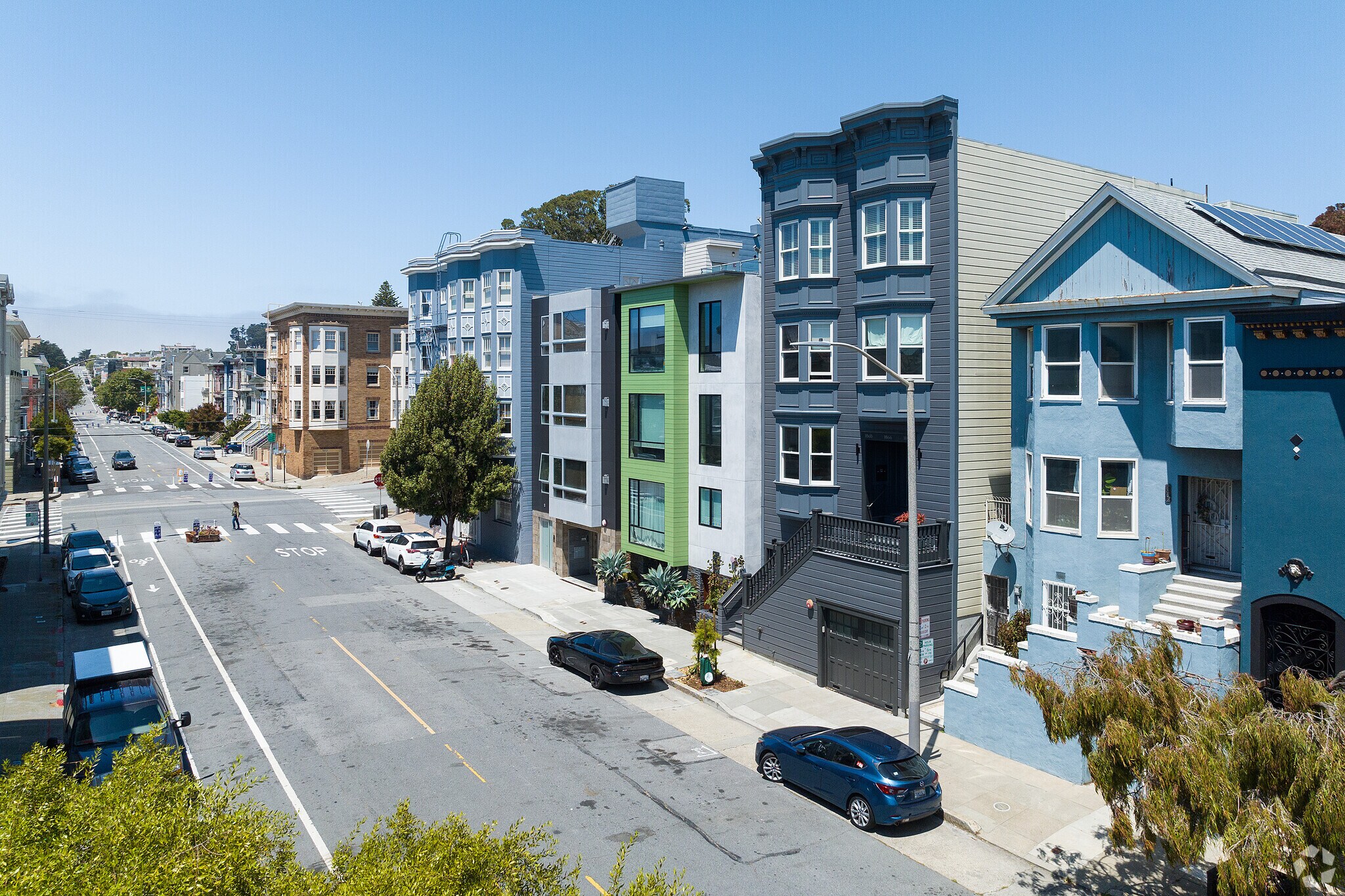
What Is North Panhandle (NoPa)?
North Panhandle, widely known and beloved as NoPa, is one of San Francisco's most vibrant, walkable, and consistently desirable urban neighborhoods, situated just north of the Panhandle green corridor and Golden Gate Park in the heart of the city. Known for its beautiful Victorian and Edwardian architecture, the exceptional energy of the Divisadero Street commercial corridor, outstanding transit connectivity, and a warm and genuinely community-oriented residential character, NoPa has emerged over the past two decades as one of San Francisco's most sought-after and dynamically evolving neighborhood addresses. It attracts young professionals, families, artists, long-term residents, and buyers seeking a centrally positioned, architecturally rich neighborhood with outstanding walkability, cultural vitality, and enduring residential prestige.
Location & Character
North Panhandle is located in central San Francisco, generally bordered by Fulton Street to the south along the Panhandle, Oak Street to the south, Fell Street to the south, Divisadero Street to the east, Baker Street to the west, and Turk Street and Golden Gate Avenue to the north. It sits near neighborhoods including the Western Addition, Alamo Square, Hayes Valley, and the Inner Richmond:
- A vibrant, walkable residential neighborhood anchored by the celebrated Divisadero Street commercial corridor
- Quiet, tree-lined residential streets with beautiful Victorian and Edwardian architectural character throughout
- Immediate adjacency to the Panhandle green corridor providing daily access to a beloved linear park and the gateway to Golden Gate Park
- A warm, creative, and deeply community-oriented neighborhood atmosphere with a genuine sense of urban vitality and residential belonging
- A diverse and long-established population blending young professionals, families, artists, musicians, and longtime residents
- A relatively moderate and comfortable microclimate benefiting from its central city positioning
- Exceptional walkability with most daily needs, cultural destinations, and neighborhood amenities accessible entirely on foot
Real Estate & Housing
NoPa offers a distinguished and consistently desirable housing market with strong long-term ownership and investment characteristics:
- A rich mix of single-family Victorian and Edwardian homes, flats, duplexes, condominiums, and smaller multi-unit buildings
- Victorian and Edwardian architectural styles from the 1880s through the 1910s featuring beautiful and well-preserved period detailing
- Homes showcasing iconic San Francisco details including ornate facades, bay windows, decorative woodwork, and colorful painted exteriors
- Many properties with generous interior proportions, high ceilings, and classic period character
- Flats and multi-unit buildings offering flexible ownership and investment opportunities throughout the neighborhood
- Updated interiors in many renovated homes mixed with beautifully preserved original-condition properties
- Price points typically ranging from the upper $1 million range into the multi-million dollar range depending on type, size, condition, and location
- Among the most consistently strong and appreciating real estate markets in San Francisco driven by Divisadero Street energy, walkability, Panhandle access, and neighborhood desirability
- Long-term investment appeal driven by architectural distinction, central positioning, ongoing neighborhood vitality, and enduring residential prestige
Community & Amenities
NoPa's celebrated Divisadero Street commercial corridor is one of its most defining and beloved features, offering an exceptional and locally curated collection of businesses and cultural destinations:
- Divisadero Street serving as the neighborhood's acclaimed commercial heart with an outstanding collection of independent restaurants, cafés, bars, music venues, boutiques, and specialty retailers that together have established Divisadero as one of San Francisco's most celebrated neighborhood commercial corridors
- A richly diverse and nationally recognized local dining scene ranging from beloved casual neighborhood favorites to destination-worthy acclaimed restaurants
- Independent music venues, art galleries, and creative businesses giving Divisadero Street a distinctly vibrant and culturally rich commercial character
- Grocery stores, specialty markets, and everyday services within comfortable walking distance throughout the neighborhood
- Outstanding proximity to Hayes Valley's acclaimed commercial corridor and Alamo Square accessible within a short walk
- Additional shopping and dining accessible in nearby Western Addition, Inner Richmond, and the broader Fillmore corridor within a short walk or transit ride
Parks & Recreation
NoPa residents enjoy outstanding access to parks and outdoor spaces, anchored by the beloved Panhandle green corridor immediately bordering the neighborhood:
- The Panhandle - the neighborhood's beloved and defining linear park and green corridor running directly along the southern edge of NoPa, offering walking and cycling paths, open lawns, mature trees, and a wonderful daily community gathering atmosphere that serves as NoPa's primary outdoor living room and natural connection to Golden Gate Park
- Golden Gate Park - one of the world's great urban parks featuring hiking and cycling trails, lakes, gardens, museums, and cultural attractions immediately accessible from the Panhandle gateway
- Alamo Square Park - the iconic hilltop park with the world-famous Painted Ladies views and sweeping city panoramas accessible within a short walk
- Buena Vista Park - one of San Francisco's oldest parks with forested trails and panoramic city views accessible within a short walk or drive
- Kimbell Playground - a neighborhood recreational space within easy reach
- Smaller neighborhood parks, green spaces, and pedestrian paths woven throughout the surrounding central city area
Schools & Education
NoPa is served by the San Francisco Unified School District with several school options in the neighborhood and surrounding areas:
- Various public elementary and middle school options within the broader central San Francisco district
- Several well-regarded schools in neighboring Western Addition, Alamo Square, and Inner Richmond areas within reasonable reach
- Private and parochial school options within a short commute
- University of California San Francisco accessible for higher education and employment
- City College of San Francisco accessible for additional higher education options
- San Francisco Conservatory of Music in nearby Hayes Valley offering world-class musical education and performance programming
Culture & Neighborhood Life
NoPa has one of San Francisco's most vibrant, creative, and genuinely celebrated neighborhood cultures, shaped by the energy of Divisadero Street, the beloved Panhandle corridor, and a long-established diverse residential community:
- A welcoming and inclusive environment blending young professionals, artists, musicians, families, and longtime residents in a genuinely creative and community-oriented neighborhood
- Divisadero Street providing a daily gathering place where neighbors and visitors connect in a lively, creative, and culturally engaged atmosphere that has earned NoPa a citywide and national reputation for dining and neighborhood vitality
- Strong community involvement supported by the NoPa neighborhood association and an exceptionally active local business and arts community
- Regular neighborhood events, street fairs, Panhandle gatherings, and seasonal celebrations fostering a strong and genuinely shared neighborhood identity
- A warm, creative, and energetic pace of neighborhood life shaped by the celebrated commercial corridor, the Panhandle green space, and the diverse and vibrant community
- A distinctive and widely celebrated neighborhood identity built around culinary excellence, creative energy, Victorian architectural beauty, Panhandle living, and a genuine sense of dynamic urban community belonging
Transit & Connectivity
NoPa offers outstanding transit and roadway access, benefiting from its central city location and proximity to multiple major transit corridors:
- Multiple Muni bus routes serving Divisadero Street, Fulton Street, and surrounding neighborhood corridors including the 24 Divisadero and 5 Fulton lines
- Additional Muni bus routes along Oak Street and Fell Street connecting to multiple parts of the city and providing excellent access to downtown San Francisco
- Proximity to the Fell Street and Oak Street bicycle and transit corridors providing outstanding cycling access to downtown and Golden Gate Park
- Civic Center BART and Muni Metro Station accessible within a short transit ride providing direct Bay Area connections
- Excellent pedestrian and cycling connectivity throughout the neighborhood including dedicated cycling infrastructure along Fell Street, Oak Street, and the Panhandle path
- Quick access to Divisadero Street, Fell Street, and Fulton Street for convenient city navigation throughout San Francisco
Final Thoughts
North Panhandle offers a genuinely extraordinary and widely celebrated residential experience in the heart of San Francisco: a neighborhood defined by the acclaimed Divisadero Street commercial corridor, beautiful Victorian and Edwardian architecture, immediate access to the beloved Panhandle green corridor and Golden Gate Park, outstanding transit connectivity, and a quality of everyday urban life that is at once creative, community-spirited, architecturally magnificent, and deeply livable. For young professionals, families, artists, and long-term investors seeking a centrally positioned neighborhood with outstanding walkability, culinary and cultural vitality, architectural grandeur, Panhandle living, and enduring residential prestige, NoPa stands as one of San Francisco's most dynamic, celebrated, and consistently desirable neighborhoods, a truly exceptional and deeply rewarding place to call home.
District 7
7A Marina
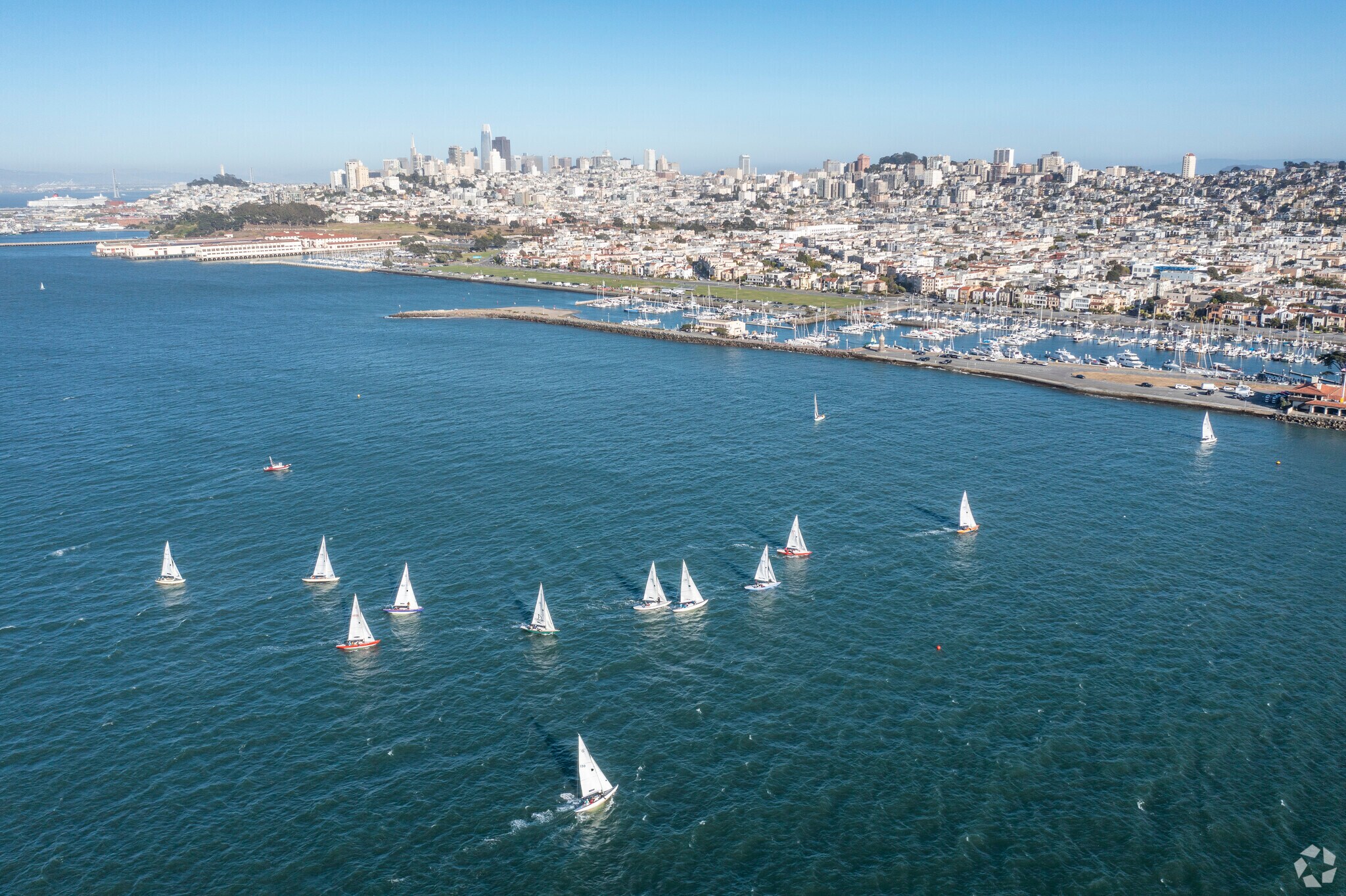
What Is the Marina?
The Marina is one of San Francisco's most iconic, vibrant, and consistently desirable residential neighborhoods, situated along the northern waterfront of the city with stunning views of the Golden Gate Bridge, San Francisco Bay, and the Marin Headlands. Known for its beautiful Mediterranean and Spanish Colonial Revival architecture, the celebrated Chestnut Street commercial village, exceptional outdoor lifestyle along the waterfront, and a lively yet genuinely community-oriented residential character, the Marina offers a rare and deeply appealing combination of natural beauty, architectural elegance, everyday convenience, and outstanding city connectivity. It attracts young professionals, families, active outdoor enthusiasts, long-term residents, and buyers seeking a waterfront neighborhood with unmatched scenic beauty, strong community character, and enduring residential prestige.
Location & Character
The Marina is located in northern San Francisco, generally bordered by the San Francisco Bay and Marina Green to the north, Lombard Street to the south, Lyon Street and the Presidio to the west, and Van Ness Avenue to the east. It sits near neighborhoods including Cow Hollow, Pacific Heights, the Presidio, and Fort Mason:
- A beautifully planned waterfront neighborhood built largely on landfill following the 1915 Panama-Pacific International Exposition
- Quiet, tree-lined residential streets with beautiful and consistent Mediterranean and Spanish Colonial Revival architectural character throughout
- The celebrated Chestnut Street commercial village serving as the neighborhood's beloved pedestrian-friendly commercial heart
- Immediate adjacency to Marina Green and the northern waterfront providing exceptional daily access to bay views, outdoor recreation, and waterfront living
- A warm, active, and community-oriented neighborhood atmosphere with a genuine sense of waterfront residential vitality
- A diverse and long-established population blending young professionals, active outdoor enthusiasts, families, and longtime residents
- A relatively mild and comfortable microclimate benefiting from its northern waterfront positioning, though subject to afternoon bay breezes
Real Estate & Housing
The Marina offers a distinguished and consistently prestigious housing market with strong long-term ownership and investment characteristics:
- A rich mix of single-family Mediterranean and Spanish Colonial Revival homes, flats, duplexes, condominiums, and smaller multi-unit buildings
- Mediterranean, Spanish Colonial Revival, and Mission Revival architectural styles built primarily from the 1920s through the 1940s featuring beautiful and consistent period detailing
- Homes showcasing distinctive Marina-style details including stucco exteriors, arched entryways, decorative facades, and classic period proportions
- Many properties with generous interior layouts, period architectural details, and garage parking
- Flats and multi-unit buildings offering flexible ownership and investment opportunities throughout the neighborhood
- Updated interiors in many renovated homes mixed with beautifully preserved original-condition properties
- Some properties offering partial or sweeping bay and Golden Gate Bridge views commanding significant premium interest and pricing
- Price points typically ranging from the upper $1 million range into the multi-million dollar range depending on type, size, condition, views, and location
- Among the most consistently prestigious and desirable real estate markets in San Francisco driven by waterfront setting, architectural character, Chestnut Street vitality, and enduring neighborhood cachet
- Long-term investment appeal driven by iconic waterfront address, architectural distinction, active lifestyle amenities, and enduring residential prestige
Community & Amenities
The Marina's celebrated Chestnut Street commercial village is one of its most defining and beloved features, offering an exceptional and locally oriented collection of businesses and everyday conveniences:
- Chestnut Street serving as the neighborhood's beloved and lively commercial heart with an outstanding collection of independent restaurants, cafés, bars, boutiques, fitness studios, specialty food shops, and everyday services
- A rich and diverse local dining and café scene ranging from beloved casual neighborhood favorites to well-regarded destination restaurants
- Independent boutiques, home goods shops, and locally owned businesses giving Chestnut Street a distinctly neighborhood-oriented and community-centered commercial character
- Grocery stores, specialty markets, and everyday services all within comfortable walking distance
- Union Street corridor in adjacent Cow Hollow accessible within a short walk offering additional upscale boutiques, restaurants, and neighborhood conveniences
- A genuinely exceptional walkability with virtually all daily needs and neighborhood destinations accessible entirely on foot
Parks & Recreation
Outdoor access and waterfront recreation are the defining lifestyle advantages of the Marina, with exceptional natural and recreational spaces immediately surrounding the neighborhood:
- Marina Green - the neighborhood's beloved and defining waterfront park stretching along the bay shoreline, offering sweeping Golden Gate Bridge views, open green lawns, walking and cycling paths, kite flying, windsurfing access, and a wonderfully active and community-oriented daily outdoor atmosphere
- Crissy Field - the beautifully restored tidal wetlands and waterfront promenade within the Presidio featuring stunning Golden Gate Bridge views, walking and cycling trails, a beach, and one of San Francisco's most beloved outdoor destinations immediately adjacent to the neighborhood
- The Presidio of San Francisco - one of the nation's most extraordinary urban national parks offering hundreds of miles of hiking and cycling trails, historic buildings, coastal bluffs, forested paths, and sweeping bay and ocean views directly bordering the neighborhood
- Fort Mason Center - a beloved cultural and recreational destination featuring farmers markets, performance spaces, museums, and waterfront green space at the eastern edge of the neighborhood
- Baker Beach - a stunning sandy beach with iconic Golden Gate Bridge views accessible within a short walk or drive through the Presidio
- Wave Organ - a unique acoustic sculpture and waterfront art installation at the tip of the Marina jetty offering a beloved and distinctive neighborhood landmark
Schools & Education
The Marina is served by the San Francisco Unified School District with several well-regarded school options in the neighborhood and surrounding areas:
- Marina Middle School - a well-regarded neighborhood school serving middle school students within easy reach
- Various public elementary school options within the broader northern San Francisco district
- Several well-regarded schools in neighboring Pacific Heights and Cow Hollow areas within reasonable reach
- Private and parochial school options within a short commute including several well-regarded institutions in the immediate area
- University of California San Francisco accessible for higher education and employment
- City College of San Francisco accessible for additional higher education options
Culture & Neighborhood Life
The Marina has one of San Francisco's most active, vibrant, and genuinely community-oriented neighborhood cultures, shaped by its waterfront setting, architectural character, and long-established residential community:
- A welcoming and inclusive environment blending young professionals, active outdoor enthusiasts, families, and longtime residents in a genuinely lively and community-oriented neighborhood
- Chestnut Street providing a daily gathering place where neighbors shop, dine, and connect in a lively, friendly, and distinctly neighborhood-oriented atmosphere
- Marina Green serving as the neighborhood's beloved outdoor living room where residents walk, run, cycle, fly kites, watch the bay, and gather in a wonderfully active and scenic waterfront setting
- Strong community involvement supported by the Marina Community Association and an active local business and civic community
- Regular neighborhood events, waterfront gatherings, farmers markets, and seasonal celebrations fostering a strong and genuinely shared community identity
- A warm, active, and outdoors-oriented pace of neighborhood life shaped by the waterfront, the Presidio, Chestnut Street energy, and the diverse and vibrant community
- A distinctive and widely celebrated neighborhood identity built around waterfront living, outdoor activity, architectural elegance, neighborhood dining and social culture, and a genuine sense of active urban community belonging
Transit & Connectivity
The Marina offers practical and well-rounded transit and roadway access for both city and regional commuting:
- Multiple Muni bus routes serving Chestnut Street, Lombard Street, and surrounding neighborhood corridors including the 28 19th Avenue, 30 Stockton, and 43 Masonic lines
- Lombard Street serving as a primary east-west arterial providing convenient city navigation and access to Highway 101 and the Golden Gate Bridge
- Quick access to Highway 101 via Lombard Street for easy Marin County and regional commuting via the Golden Gate Bridge
- Excellent pedestrian and cycling connectivity throughout the neighborhood and along the waterfront including dedicated cycling paths along Marina Boulevard and Crissy Field
- Van Ness Avenue accessible within a short drive or transit ride providing north-south city connectivity and access to major Muni lines
- Doyle Drive and the Presidio Parkway accessible within easy reach for flexible city and regional navigation
Final Thoughts
The Marina offers a genuinely extraordinary and deeply treasured residential experience along the northern waterfront of San Francisco: a neighborhood defined by stunning Golden Gate Bridge and bay views, beautiful Mediterranean architecture, the beloved Chestnut Street commercial village, exceptional waterfront outdoor living along Marina Green and Crissy Field, immediate access to the extraordinary Presidio national park, and a quality of everyday neighborhood life that is at once scenic, active, community-spirited, architecturally elegant, and deeply livable. For young professionals, active outdoor enthusiasts, families, and long-term investors seeking a waterfront neighborhood with unmatched natural beauty, vibrant commercial character, architectural distinction, and enduring residential prestige, the Marina stands as one of San Francisco's most iconic, scenically irreplaceable, and consistently beloved waterfront neighborhoods, a truly exceptional and deeply rewarding place to call home.
7B Pacific Heights
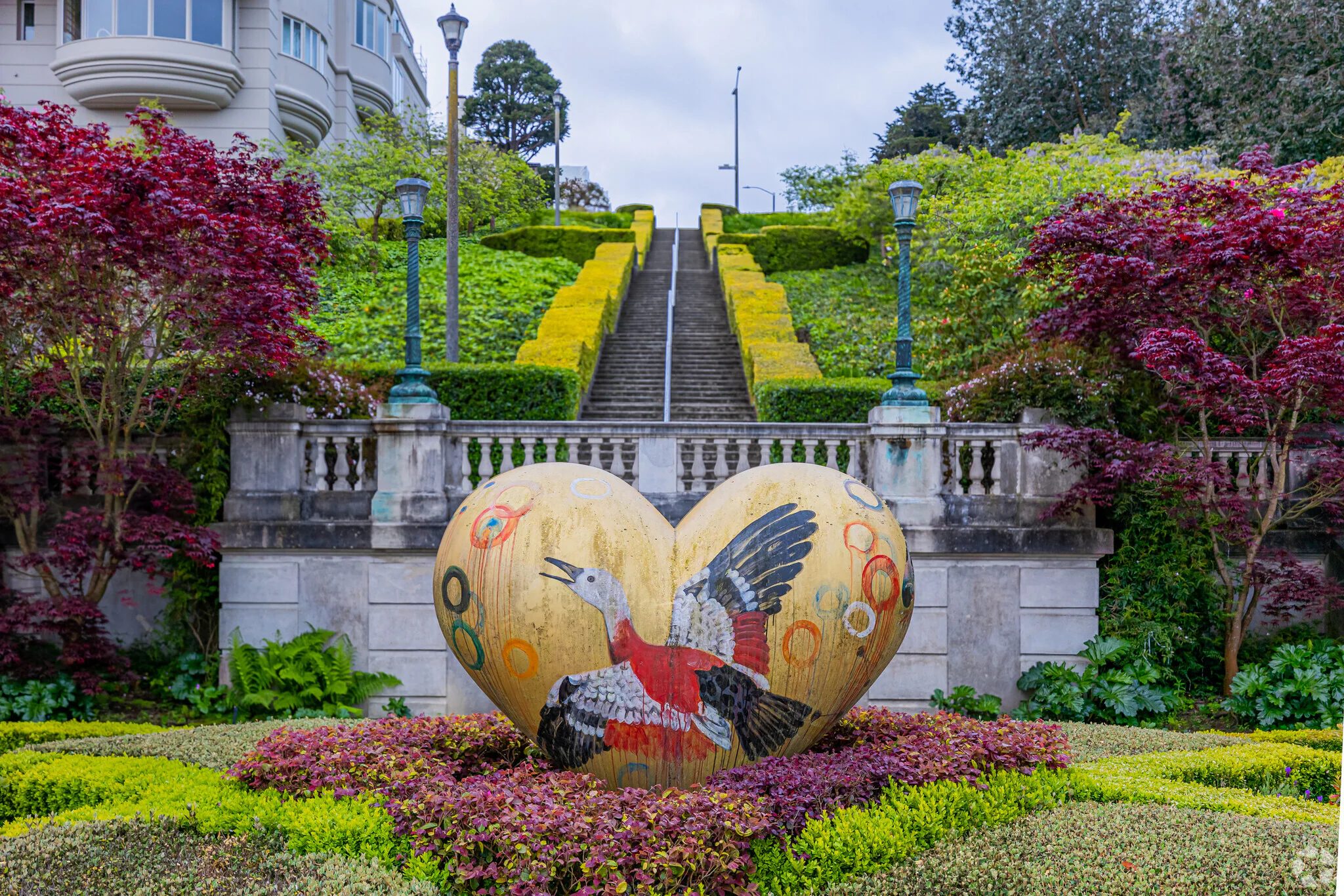
What Is Pacific Heights?
Pacific Heights is one of San Francisco's most prestigious, architecturally magnificent, and enduringly desirable residential neighborhoods, situated on one of the city's grandest ridgelines with sweeping panoramic views of the San Francisco Bay, Golden Gate Bridge, Marin Headlands, and the city skyline. Known for its extraordinary concentration of grand Victorian and Edwardian mansions, elegant tree-lined boulevards, world-class views, and a refined residential character that has defined San Francisco luxury living for well over a century, Pacific Heights represents the pinnacle of San Francisco residential prestige. It attracts established families, executives, international buyers, long-term residents, and discerning buyers seeking the very finest in San Francisco residential living — an address that combines architectural grandeur, natural beauty, outstanding amenities, and enduring worldwide recognition.
Location & Character
Pacific Heights is located in northern San Francisco, generally bordered by California Street to the south, Broadway Street to the north, Divisadero Street to the west, and Van Ness Avenue to the east. It sits near neighborhoods including Cow Hollow, the Marina, Lower Pacific Heights, and Japantown:
- A dramatically elevated ridgeline neighborhood with some of the most sweeping and celebrated panoramic views found anywhere in San Francisco
- Grand, tree-lined residential boulevards with an extraordinary concentration of magnificently preserved Victorian, Edwardian, and Beaux-Arts mansions and grand residences
- A refined, elegant, and quietly prestigious neighborhood atmosphere with a genuine sense of architectural grandeur and residential exclusivity
- A diverse and long-established community of established families, executives, diplomats, and longtime residents
- Consulate Row along Broadway and Washington Streets reflecting the neighborhood's longstanding international prestige and diplomatic significance
- A relatively mild and comfortable microclimate benefiting from its elevated northern city positioning
- An unhurried, sophisticated pace of neighborhood life defined by wide sidewalks, immaculate properties, and a sense of elevated urban elegance rarely found in any American city
Real Estate & Housing
Pacific Heights offers one of San Francisco's most prestigious and architecturally distinguished housing markets, consistently ranking among the most valuable residential addresses in California:
- A magnificent collection of grand single-family Victorian, Edwardian, Beaux-Arts, and Colonial Revival mansions alongside elegant flats, duplexes, and luxury condominiums
- Victorian and Edwardian architectural styles from the 1870s through the 1910s featuring some of the most ornate, grand, and beautifully preserved period architecture found anywhere on the West Coast
- Homes showcasing the very finest San Francisco architectural details including elaborate painted facades, grand entrance porticos, decorative cornices, ornamental ironwork, formal gardens, and spectacular bay and bridge views
- Many properties with extraordinarily generous interior proportions, soaring ceilings, formal entertaining rooms, and classic period grandeur on a truly impressive scale
- Grand ridge-top and view positions along Broadway, Vallejo, Green, and Broadway Streets commanding among the highest residential values in San Francisco
- Luxury condominiums and elegant flats offering refined ownership opportunities alongside the grandest single-family estates
- Updated and renovated interiors in many properties mixed with magnificently preserved original-condition historic residences
- Price points ranging from the upper millions into the tens of millions of dollars for the grandest estates depending on type, size, condition, views, and specific location
- Consistently among the top three most expensive and prestigious residential neighborhoods in San Francisco and among the most valuable residential addresses in California
- Long-term investment appeal driven by irreplaceable architectural heritage, world-class views, absolute scarcity, and the enduring global prestige of the Pacific Heights address
Community & Amenities
Pacific Heights benefits from its exceptional positioning and outstanding proximity to several of San Francisco's finest commercial and cultural corridors:
- Fillmore Street serving as the neighborhood's primary commercial spine with an outstanding collection of upscale independent restaurants, boutiques, specialty food shops, wine bars, and everyday neighborhood services
- Sacramento Street corridor within easy reach offering a celebrated concentration of upscale antique shops, design studios, fine dining, and boutique retail
- Union Street in adjacent Cow Hollow accessible within a short walk offering additional upscale boutiques, restaurants, and neighborhood conveniences
- Chestnut Street in the Marina accessible within a short walk for additional dining, cafés, and active neighborhood commercial energy
- Grocery stores, specialty markets, and gourmet food shops within comfortable walking distance throughout the surrounding area
- Outstanding proximity to the finest private schools, cultural institutions, and medical facilities in San Francisco
Parks & Recreation
Pacific Heights residents enjoy outstanding access to some of San Francisco's most beautiful and well-regarded parks and open spaces:
- Lafayette Park - one of San Francisco's most beloved and beautifully maintained hilltop parks with sweeping panoramic views, open lawns, tennis courts, and a warm community gathering atmosphere directly within the neighborhood
- Alta Plaza Park - a beautifully terraced hilltop park with magnificent panoramic city and bay views, open green space, a beloved dog-friendly atmosphere, and one of the finest hilltop settings found in any San Francisco neighborhood
- The Presidio of San Francisco - one of the nation's most extraordinary urban national parks offering hiking and cycling trails, coastal bluffs, historic buildings, and sweeping bay and ocean views accessible within a short walk or drive
- Crissy Field and Marina Green - stunning waterfront recreational spaces with Golden Gate Bridge views accessible within a short walk through the adjacent Marina
- Broadway Street Greenbelt - a beautifully landscaped pedestrian promenade running through the heart of Pacific Heights offering a serene tree-lined walking corridor
- Smaller neighborhood parks, green spaces, and tree-lined pedestrian paths woven throughout the surrounding residential area
Schools & Education
Pacific Heights is served by the San Francisco Unified School District and is home to and adjacent to some of San Francisco's most highly regarded public and private educational institutions:
- Several of San Francisco's most prestigious private schools located within or immediately adjacent to the neighborhood including schools widely regarded as among the finest in California
- Well-regarded public school options within the broader northern San Francisco district
- Katherine Delmar Burke School, Town School for Boys, and other highly regarded private institutions within easy reach
- University of California San Francisco accessible for higher education and medical employment
- City College of San Francisco accessible for additional higher education options
- The neighborhood's exceptional school access is one of its most celebrated qualities among established families
Culture & Neighborhood Life
Pacific Heights has one of San Francisco's most refined, historically significant, and genuinely distinguished neighborhood cultures, shaped by over a century of architectural magnificence, diplomatic presence, and established residential tradition:
- A welcoming yet quietly exclusive environment of established families, executives, diplomats, cultural leaders, and longtime residents who share a deep appreciation for the neighborhood's extraordinary architectural heritage and residential distinction
- Fillmore Street providing a refined yet approachable daily gathering place where neighbors shop, dine, and connect in an upscale yet genuinely neighborhood-oriented atmosphere
- Lafayette Park and Alta Plaza Park serving as beloved daily outdoor gathering spaces where residents walk, exercise, and connect against a backdrop of magnificent city and bay views
- Strong community involvement supported by neighborhood associations and an active and engaged local civic culture
- Regular neighborhood events, park gatherings, and seasonal celebrations fostering a strong and genuinely shared community identity among the neighborhood's distinguished residential population
- A quiet, sophisticated, and unhurried pace of neighborhood life shaped by grand architecture, world-class views, elegant tree-lined boulevards, and a long tradition of refined residential living
- A distinctive and globally recognized neighborhood identity built around architectural grandeur, residential exclusivity, world-class views, diplomatic heritage, and a genuine sense of being among the finest residential addresses in the United States
Transit & Connectivity
Pacific Heights offers practical and well-rounded transit and roadway access for both city and regional commuting despite its exclusive residential character:
- Multiple Muni bus routes serving Fillmore Street, California Street, Sacramento Street, and surrounding neighborhood corridors including the 22 Fillmore, 1 California, and 3 Jackson lines
- California Street cable car line accessible within easy reach providing a beloved and iconic connection to downtown San Francisco and the Financial District
- Van Ness Muni Bus Rapid Transit corridor accessible within a short walk providing fast and frequent north-south city connections
- Quick access to Broadway Street and Lombard Street for convenient city navigation and access to Highway 101 and the Golden Gate Bridge
- Excellent pedestrian connectivity throughout the neighborhood's grand tree-lined boulevards and surrounding residential streets
- Easy connection to major city arterials including Divisadero Street and Van Ness Avenue for flexible navigation throughout San Francisco
Final Thoughts
Pacific Heights offers a genuinely extraordinary and globally celebrated residential experience at the very pinnacle of San Francisco residential living: a neighborhood defined by some of the most magnificent Victorian and Edwardian architecture found anywhere in the United States, world-class panoramic views of the Golden Gate Bridge and San Francisco Bay, grand tree-lined boulevards, Lafayette and Alta Plaza Parks, exceptional proximity to Fillmore Street and the finest private schools in California, and a standard of residential grandeur, natural beauty, and neighborhood prestige that has been unmatched in San Francisco for well over a century. For established families, executives, international buyers, and long-term investors seeking the absolute finest in San Francisco residential living, an address combining architectural magnificence, world-class views, outstanding amenities, and enduring worldwide recognition, Pacific Heights stands as San Francisco's most prestigious, architecturally irreplaceable, and consistently celebrated residential neighborhood and one of the truly great residential addresses in the United States.
7C Presidio Heights
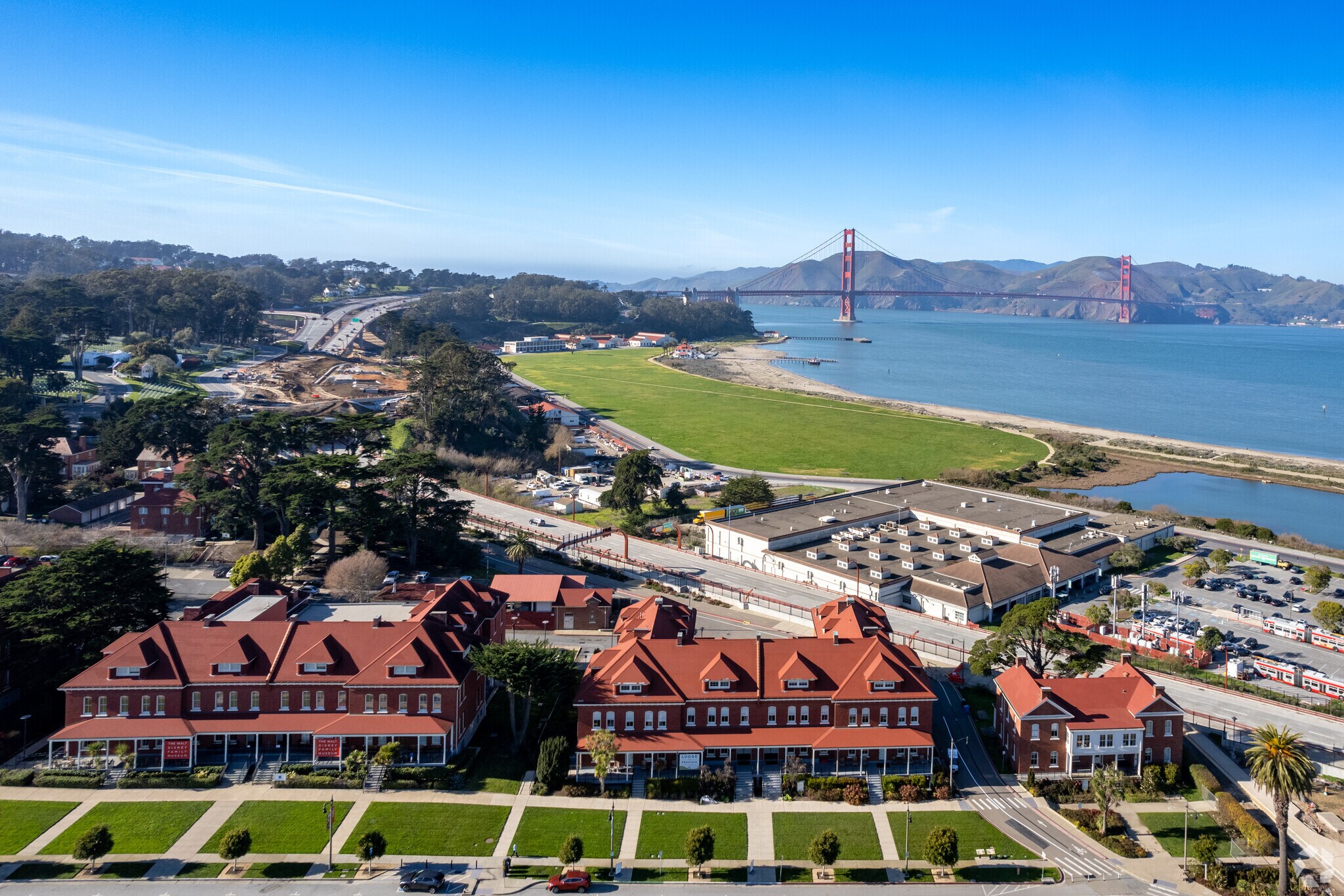
What Is Presidio Heights?
Presidio Heights is one of San Francisco's most exclusive, quietly distinguished, and architecturally magnificent residential neighborhoods, situated on elevated terrain along the southern edge of the Presidio of San Francisco. Considered by many to be among the most coveted residential addresses in the entire city, Presidio Heights combines grand period architecture, wide tree-lined streets, immediate access to the extraordinary natural open space of the Presidio, and a refined residential character that places it firmly alongside Pacific Heights as one of San Francisco's most prestigious and enduringly desirable places to live. It attracts established families, executives, discerning long-term residents, and serious buyers seeking the very finest combination of architectural grandeur, natural beauty, neighborhood exclusivity, and outstanding city connectivity.
Location & Character
Presidio Heights is located in northern San Francisco, generally bordered by the Presidio of San Francisco to the north, California Street to the south, Arguello Boulevard to the east, and Spruce Street to the west. It sits near neighborhoods including Pacific Heights, Laurel Heights, Inner Richmond, and Jordan Park:
- Elevated terrain with wide, beautifully maintained tree-lined streets and a distinctly grand and serene residential character
- An extraordinary concentration of magnificently preserved Victorian, Edwardian, Mediterranean, and Colonial Revival period homes and estates
- Immediate adjacency to the Presidio of San Francisco providing a spectacular natural open space backdrop and daily trail access unlike any other San Francisco neighborhood
- A refined, quietly exclusive, and genuinely prestigious neighborhood atmosphere with a sense of gracious residential living rarely found within a major American city
- A long-established community of established families, executives, diplomats, and longtime residents with deep neighborhood roots
- A relatively mild and comfortable microclimate benefiting from its sheltered northern city positioning along the Presidio edge
- An unhurried, elegant pace of neighborhood life defined by impeccably maintained properties, wide sidewalks, and a profound sense of residential calm and exclusivity
Real Estate & Housing
Presidio Heights offers one of San Francisco's most exclusive and architecturally distinguished housing markets, consistently ranking among the most valuable and sought-after residential addresses in the city and the state:
- A magnificent collection of grand single-family Victorian, Edwardian, Mediterranean, Colonial Revival, and Craftsman homes and estates on generous and well-landscaped lots
- Architectural styles from the 1890s through the 1930s featuring some of the most beautifully preserved and architecturally distinguished period residences found anywhere in San Francisco
- Homes showcasing exceptional architectural details including grand entrance facades, formal garden settings, decorative period detailing, and classic proportions reflecting the finest residential craftsmanship of their era
- Many properties with extraordinarily generous interior proportions, formal entertaining rooms, multiple bedrooms, and beautifully established garden settings
- Larger lot sizes and more generous setbacks than virtually any other San Francisco neighborhood outside of St. Francis Wood and Seacliff
- Extremely limited inventory as properties are held long-term by established families and serious long-term owners, creating persistent demand and exceptional value retention
- Price points consistently among the very highest in San Francisco, ranging from the upper millions into the tens of millions of dollars for the grandest estates depending on type, size, condition, views, and specific location
- Consistently among the most expensive and prestigious residential addresses in San Francisco and among the most valuable in California
- Long-term investment appeal driven by irreplaceable architectural heritage, Presidio adjacency, absolute scarcity, neighborhood exclusivity, and enduring worldwide prestige
Community & Amenities
Presidio Heights maintains an elegantly residential atmosphere while benefiting from outstanding proximity to several of San Francisco's finest commercial corridors:
- Sacramento Street serving as the neighborhood's primary commercial spine with a celebrated concentration of upscale antique shops, design studios, fine dining restaurants, boutique retail, and specialty services that together make Sacramento Street one of San Francisco's most refined and distinctive commercial corridors
- Fillmore Street in adjacent Pacific Heights and Lower Pacific Heights accessible within a short walk offering additional upscale restaurants, boutiques, specialty food shops, and everyday neighborhood services
- Laurel Village shopping center on California Street a short walk away offering a well-curated collection of specialty markets, cafés, restaurants, and everyday conveniences
- Union Street in Cow Hollow and Chestnut Street in the Marina accessible within a short drive for additional dining, cafés, and neighborhood commercial energy
- Grocery stores, specialty markets, and gourmet food shops within comfortable walking distance
- Outstanding proximity to the finest private schools, cultural institutions, and medical facilities in San Francisco
Parks & Recreation
Outdoor access is one of Presidio Heights' most extraordinary and defining lifestyle advantages, with the Presidio of San Francisco immediately bordering the neighborhood to the north:
- The Presidio of San Francisco - one of the nation's most spectacular urban national parks directly bordering and enveloping the northern edge of the neighborhood, offering hundreds of miles of hiking and cycling trails, coastal bluffs, forested paths, historic buildings, sweeping bay and ocean views, and a natural grandeur that is simply unmatched by any other residential neighborhood setting in San Francisco
- Julius Kahn Playground - a beloved neighborhood park and recreational space with playgrounds, sports courts, and open green space situated directly at the Presidio edge and one of the most sought-after neighborhood parks in the city for families with children
- Mountain Lake Park - a serene natural park with a freshwater lake, walking paths, picnic areas, and natural open space accessible within a short walk
- Crissy Field - the beautifully restored tidal wetlands and waterfront promenade featuring stunning Golden Gate Bridge views and one of San Francisco's most beloved outdoor destinations accessible through the Presidio
- Baker Beach - a stunning sandy beach with iconic Golden Gate Bridge views accessible through the Presidio within a short walk or drive
- Lafayette Park and Alta Plaza Park in adjacent Pacific Heights accessible within a short walk for additional hilltop park and community gathering space
Schools & Education
Presidio Heights is served by the San Francisco Unified School District and sits adjacent to some of San Francisco's most highly regarded public and private educational institutions:
- Several of San Francisco's most prestigious private schools located within or immediately adjacent to the neighborhood including institutions widely regarded as among the finest in California
- Presidio Hill School - a highly regarded private school situated directly within the neighborhood
- Katherine Delmar Burke School and Town School for Boys in adjacent Pacific Heights within easy reach
- Well-regarded public school options within the broader northern San Francisco district
- University of California San Francisco accessible for higher education and medical employment
- City College of San Francisco accessible for additional higher education options
Culture & Neighborhood Life
Presidio Heights has one of San Francisco's most refined, discreet, and genuinely distinguished neighborhood cultures, shaped by its extraordinary natural setting, architectural heritage, and long-established residential tradition of quiet excellence:
- A welcoming yet quietly exclusive environment of established families, executives, cultural leaders, and longtime residents who share a deep appreciation for the neighborhood's extraordinary combination of natural beauty, architectural grandeur, and residential distinction
- Sacramento Street providing a refined and genuinely neighborhood-oriented daily gathering place where residents shop, dine, and connect in an upscale yet approachable atmosphere
- Julius Kahn Playground serving as a beloved daily community gathering space for neighborhood families, with the Presidio forest providing a spectacular natural backdrop entirely unlike any other playground setting in the city
- Strong community involvement supported by neighborhood associations and an active and engaged local civic culture
- A quiet, unhurried, and deeply gracious pace of neighborhood life shaped by grand architecture, Presidio forest trails, wide tree-lined streets, and a long tradition of refined and private residential living
- A distinctive and quietly celebrated neighborhood identity built around architectural grandeur, natural beauty, Presidio adjacency, residential exclusivity, and a genuine sense of living within one of the most gracious and beautifully situated residential communities in the United States
Transit & Connectivity
Presidio Heights offers practical transit and roadway access for both city and regional commuting despite its exclusive and somewhat secluded residential character:
- Multiple Muni bus routes serving Sacramento Street, California Street, and surrounding neighborhood corridors including the 1 California and 43 Masonic lines
- California Street corridor providing convenient east-west city navigation and access to downtown San Francisco
- Quick access to Arguello Boulevard and Park Presidio Boulevard for convenient north-south city navigation and direct access to the Golden Gate Bridge and Marin County
- Excellent pedestrian connectivity throughout the neighborhood's grand tree-lined streets and into the Presidio trail network
- Easy connection to Highway 101 via the Presidio Parkway for regional commuting to Marin County and beyond
- Proximity to major city arterials including Geary Boulevard and Divisadero Street for flexible navigation throughout San Francisco
Final Thoughts
Presidio Heights offers a genuinely extraordinary and profoundly special residential experience at the very highest level of San Francisco living: a neighborhood defined by some of the most magnificent period architecture in the city, immediate and unparalleled access to the extraordinary natural open space of the Presidio of San Francisco, wide beautifully maintained tree-lined streets, the celebrated Sacramento Street commercial corridor, Julius Kahn Playground, and a standard of residential grandeur, natural beauty, neighborhood exclusivity, and gracious living that places Presidio Heights firmly among the most coveted and irreplaceable residential addresses in San Francisco and in the United States. For established families, executives, and serious long-term investors seeking the very finest combination of architectural distinction, natural beauty, neighborhood prestige, and enduring residential excellence, Presidio Heights stands as one of San Francisco's most quietly magnificent, architecturally irreplaceable, and consistently celebrated residential neighborhoods, a truly extraordinary and deeply special place to call home.
7D Cow Hollow
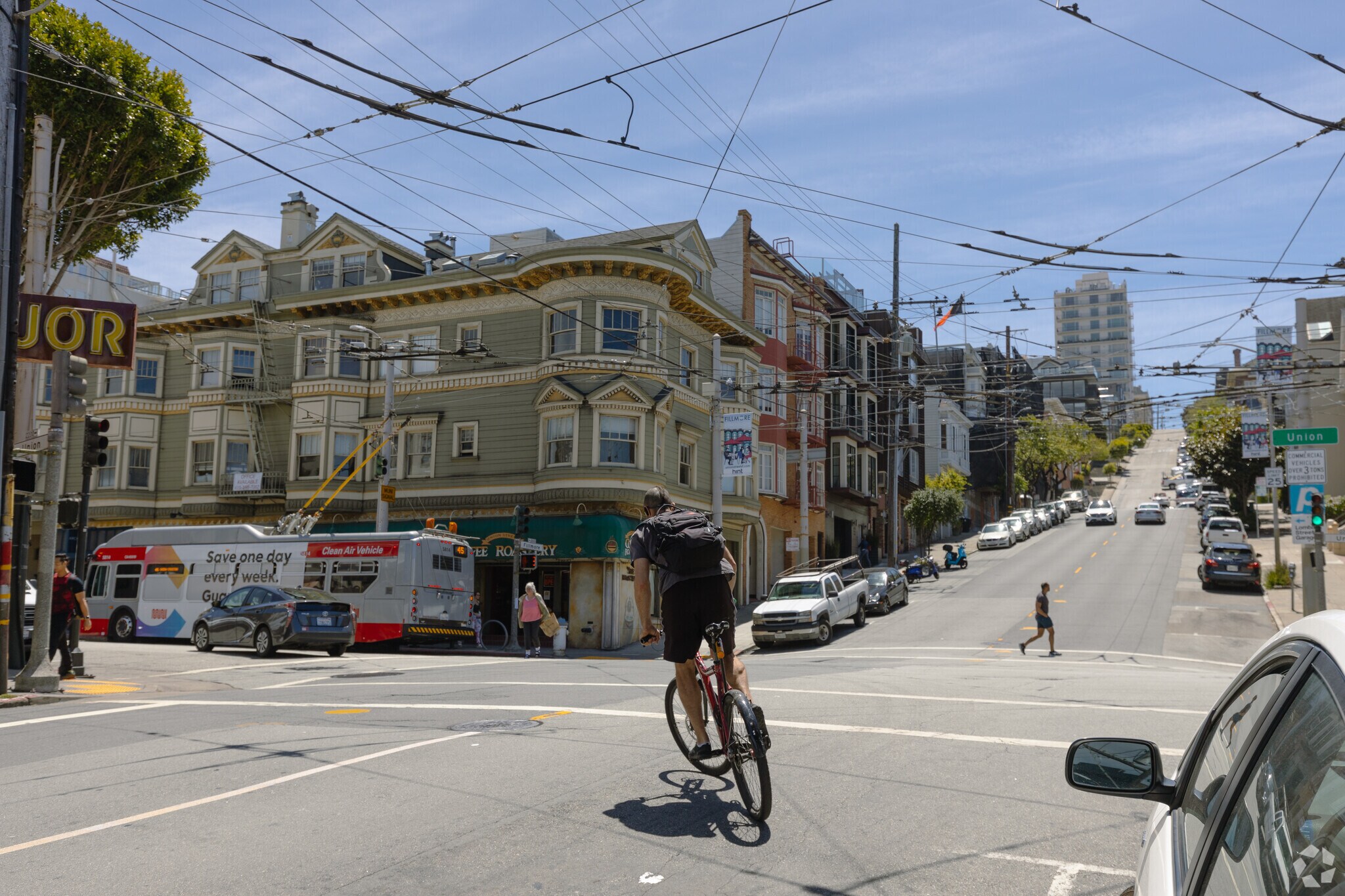
What Is Cow Hollow?
Cow Hollow is one of San Francisco's most vibrant, sophisticated, and consistently desirable residential neighborhoods, situated in the northern part of the city between the grand Pacific Heights ridge and the scenic Marina waterfront. Named for the dairy farms that once occupied its gently sloping valley terrain in the 19th century, Cow Hollow has evolved into one of San Francisco's most celebrated and lively neighborhood destinations, known for the exceptional Union Street commercial corridor, beautiful Victorian and Edwardian architecture, outstanding walkability, and a warm and genuinely community-oriented residential character that balances sophisticated urban energy with genuine neighborhood charm. It attracts young professionals, families, long-term residents, and buyers seeking a centrally positioned, architecturally rich neighborhood with outstanding dining, boutique shopping, active outdoor access, and enduring residential prestige.
Location & Character
Cow Hollow is located in northern San Francisco, generally bordered by Broadway Street to the south, Lombard Street to the north, Divisadero Street to the west, and Van Ness Avenue to the east. It sits near neighborhoods including Pacific Heights, the Marina, Russian Hill, and the Presidio:
- A gently sloping valley neighborhood anchored by the celebrated Union Street commercial corridor
- Quiet, tree-lined residential streets with beautiful Victorian and Edwardian architectural character throughout
- A warm, sophisticated, and genuinely community-oriented neighborhood atmosphere with an exceptional blend of residential calm and urban vitality
- A diverse and long-established population blending young professionals, families, active outdoor enthusiasts, and longtime residents
- Exceptional walkability with most daily needs, cultural destinations, and neighborhood amenities accessible entirely on foot
- A relatively mild and comfortable microclimate benefiting from its sheltered northern valley positioning between Pacific Heights and the Marina waterfront
- Easy access to both the grand elevated Pacific Heights ridge above and the scenic Marina waterfront and Presidio below
Real Estate & Housing
Cow Hollow offers a distinguished and consistently prestigious housing market with strong long-term ownership and investment characteristics:
- A rich mix of single-family Victorian and Edwardian homes, grand flats, duplexes, condominiums, and smaller multi-unit buildings
- Victorian and Edwardian architectural styles from the 1880s through the 1910s featuring beautiful and well-preserved period detailing
- Homes showcasing iconic San Francisco details including ornate facades, bay windows, decorative woodwork, and classic painted exteriors
- Many properties with generous interior proportions, high ceilings, and classic period character offering genuine architectural distinction
- Flats and multi-unit buildings offering flexible ownership and investment opportunities throughout the neighborhood
- Updated interiors in many renovated homes mixed with beautifully preserved original-condition properties
- Some properties on elevated positions offering partial views of the bay, Golden Gate Bridge, or surrounding hills commanding premium interest and pricing
- Price points typically ranging from the upper $1 million range into the multi-million dollar range depending on type, size, condition, views, and location
- Among the most consistently prestigious and desirable real estate markets in San Francisco driven by Union Street vitality, walkability, Pacific Heights adjacency, and enduring neighborhood cachet
- Long-term investment appeal driven by architectural distinction, premier northern city location, outstanding commercial amenities, and enduring residential prestige
Community & Amenities
Cow Hollow's celebrated Union Street commercial corridor is one of its most defining and beloved features, offering an exceptional and locally curated collection of businesses and cultural destinations:
- Union Street serving as the neighborhood's acclaimed and beloved commercial heart with an outstanding collection of upscale independent restaurants, wine bars, boutiques, home furnishing shops, salons, cafés, and specialty retailers that together have established Union Street as one of San Francisco's most celebrated and sophisticated neighborhood commercial corridors
- A richly diverse and highly regarded local dining and café scene ranging from beloved casual neighborhood favorites to destination-worthy acclaimed restaurants
- Independent design boutiques, art galleries, specialty food shops, and locally owned businesses giving Union Street a distinctly curated, sophisticated, and community-oriented commercial character
- Grocery stores, specialty markets, and everyday services within comfortable walking distance throughout the neighborhood
- Chestnut Street in the adjacent Marina accessible within a short walk offering additional dining, cafés, and active neighborhood commercial energy
- Fillmore Street in adjacent Pacific Heights and Lower Pacific Heights accessible within a short walk for additional upscale dining, boutiques, and neighborhood services
Parks & Recreation
Cow Hollow residents enjoy outstanding access to some of San Francisco's most exceptional parks and outdoor recreational spaces, benefiting from the neighborhood's prime northern city location:
- The Presidio of San Francisco - one of the nation's most spectacular urban national parks directly accessible from the western edge of the neighborhood, offering hundreds of miles of hiking and cycling trails, coastal bluffs, forested paths, historic buildings, and sweeping bay and ocean views
- Crissy Field - the beautifully restored tidal wetlands and waterfront promenade featuring stunning Golden Gate Bridge views and one of San Francisco's most beloved outdoor destinations accessible through the Presidio within a short walk or drive
- Marina Green - the beloved waterfront park along the bay shoreline offering sweeping Golden Gate Bridge views, open green lawns, walking and cycling paths, and a wonderfully active outdoor atmosphere accessible within a short walk
- Lafayette Park - one of San Francisco's most beloved hilltop parks with sweeping panoramic views, open lawns, and tennis courts accessible within a short walk in adjacent Pacific Heights
- Alta Plaza Park - a beautifully terraced hilltop park with magnificent panoramic views and open green space accessible within a short walk in adjacent Pacific Heights
- Baker Beach - a stunning sandy beach with iconic Golden Gate Bridge views accessible through the Presidio within a short drive
Schools & Education
Cow Hollow is served by the San Francisco Unified School District with several well-regarded school options in the neighborhood and surrounding areas:
- Various public elementary and middle school options within the broader northern San Francisco district
- Several of San Francisco's most prestigious private schools located in adjacent Pacific Heights within easy reach
- Katherine Delmar Burke School, Town School for Boys, and other highly regarded private institutions within comfortable walking distance or a short commute
- University of California San Francisco accessible for higher education and employment
- City College of San Francisco accessible for additional higher education options
- The neighborhood's exceptional proximity to Pacific Heights private schools is one of its most celebrated qualities among families with children
Culture & Neighborhood Life
Cow Hollow has one of San Francisco's most vibrant, sophisticated, and genuinely community-oriented neighborhood cultures, shaped by the energy of Union Street, the natural beauty of the northern waterfront, and a long-established diverse residential community:
- A welcoming and inclusive environment blending young professionals, families, active outdoor enthusiasts, and longtime residents in a genuinely lively and community-oriented neighborhood
- Union Street providing a daily gathering place where neighbors and visitors shop, dine, and connect in a sophisticated yet genuinely friendly and neighborhood-oriented atmosphere that has made Cow Hollow one of San Francisco's most beloved residential and destination neighborhoods
- Strong community involvement supported by the Cow Hollow Neighborhood Association and an active local business and civic community
- Regular neighborhood events, street fairs, seasonal celebrations, and community gatherings fostering a strong and genuinely shared neighborhood identity
- A warm, active, and socially vibrant pace of neighborhood life shaped by Union Street's energy, the northern waterfront, the Presidio trails, and the diverse and genuinely engaged community
- A distinctive and widely celebrated neighborhood identity built around sophisticated dining and boutique culture, active outdoor living, architectural elegance, northern waterfront access, and a genuine sense of vibrant urban community belonging
Transit & Connectivity
Cow Hollow offers practical and well-rounded transit and roadway access for both city and regional commuting:
- Multiple Muni bus routes serving Union Street, Lombard Street, and surrounding neighborhood corridors including the 41 Union, 45 Union-Stockton, and 22 Fillmore lines
- Lombard Street serving as a primary east-west arterial providing convenient city navigation and access to Highway 101 and the Golden Gate Bridge for Marin County and regional commuting
- Van Ness Avenue accessible within a short walk providing north-south city connectivity and access to major Muni lines and the broader city transit network
- Excellent pedestrian and cycling connectivity throughout the neighborhood and along the nearby waterfront corridors
- Quick access to Broadway Street and Divisadero Street for convenient north-south and east-west city navigation
- Easy connection to the Presidio Parkway and Highway 101 for regional commuting to Marin County and beyond
Final Thoughts
Cow Hollow offers a genuinely extraordinary and deeply treasured residential experience in northern San Francisco: a neighborhood defined by the acclaimed Union Street commercial corridor, beautiful Victorian and Edwardian architecture, immediate access to the Presidio and Marina waterfront, exceptional walkability and city connectivity, outstanding proximity to Pacific Heights' finest amenities and schools, and a quality of everyday neighborhood life that is at once sophisticated, active, community-spirited, architecturally beautiful, and deeply livable. For young professionals, families, and long-term investors seeking a premier northern San Francisco neighborhood with outstanding dining and boutique culture, architectural distinction, natural beauty, active waterfront living, and enduring residential prestige, Cow Hollow stands as one of San Francisco's most vibrant, celebrated, and consistently desirable neighborhoods, a truly exceptional and deeply rewarding place to call home.
District 8
8A Downtown
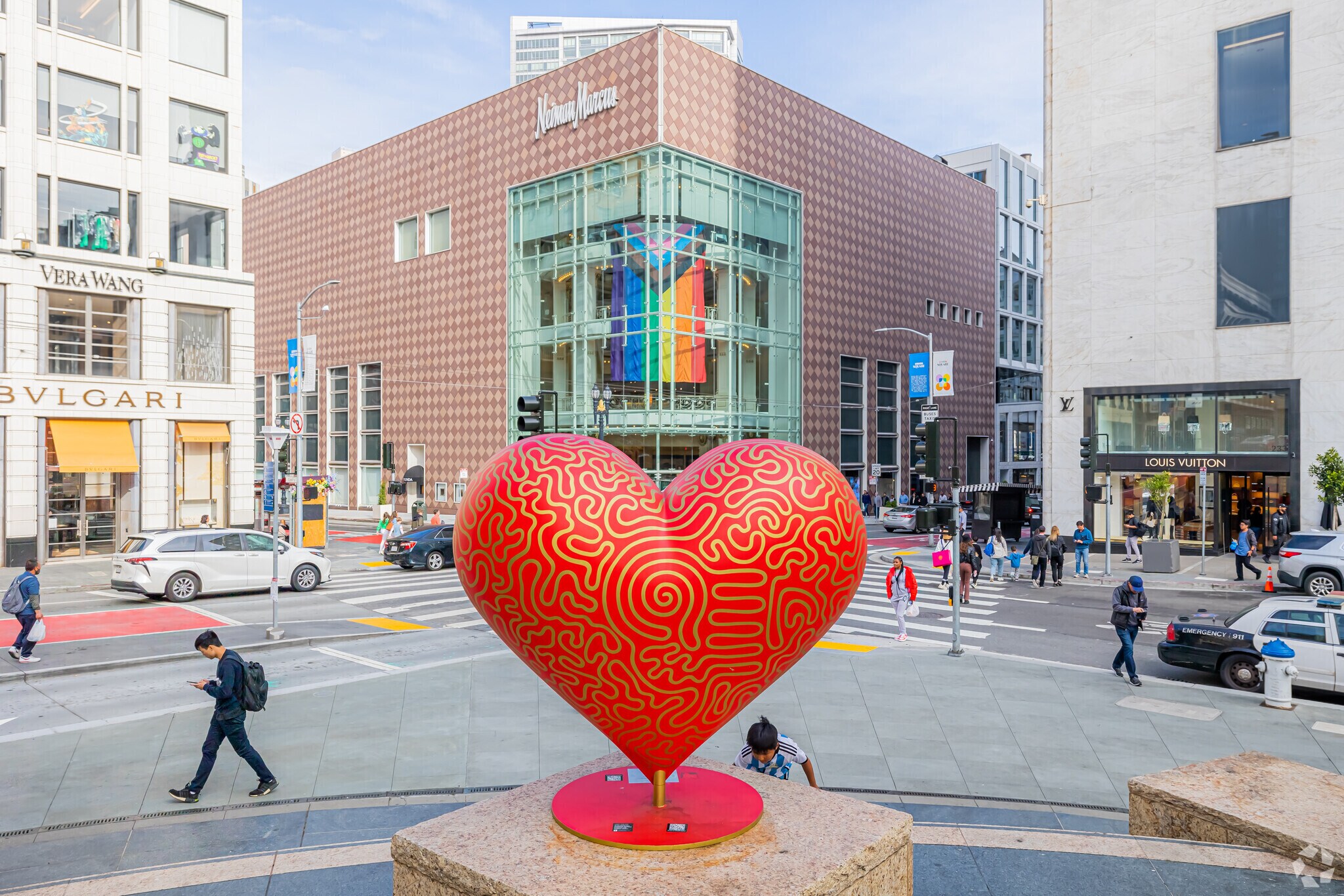
What Is Downtown San Francisco?
Downtown San Francisco is the beating heart of one of the world's most dynamic and globally significant cities, encompassing the Financial District, Union Square, and the broader central business core of San Francisco. Known for its iconic skyline, world-class cultural institutions, celebrated hotel and dining scene, major retail destinations, and its role as the economic and civic center of the Bay Area, Downtown San Francisco offers a uniquely urban living and working experience unlike anywhere else on the West Coast. It attracts urban professionals, investors, cultural enthusiasts, and buyers seeking a centrally positioned address with unmatched access to the city's finest amenities, cultural destinations, transit infrastructure, and the broader Bay Area economy.
Location & Character
Downtown San Francisco is located in the northeastern part of the city, generally encompassing the Financial District, Union Square, and the Civic Center corridor. It is broadly bordered by the Embarcadero and San Francisco Bay to the east, Market Street to the south, Van Ness Avenue to the west, and Broadway and the Barbary Coast to the north. It sits adjacent to neighborhoods including SoMa, the Tenderloin, Chinatown, North Beach, and the Embarcadero:
- A dramatically urban and vertically oriented neighborhood defined by San Francisco's iconic skyline and high-rise commercial and residential towers
- The Financial District serving as the economic engine of the Bay Area with a concentration of major financial institutions, law firms, technology companies, and corporate headquarters
- Union Square serving as the city's premier retail, hotel, and cultural destination anchored by world-class department stores, luxury boutiques, major hotels, theaters, and galleries
- A vibrant, cosmopolitan, and internationally recognized urban atmosphere with a genuine sense of global city energy and civic significance
- A diverse and dynamic population blending urban professionals, residents, tourists, and workers from across the Bay Area and around the world
- A dense, walkable, and transit-rich urban environment with virtually unmatched city and regional connectivity
Real Estate & Housing
Downtown San Francisco offers a distinctive and increasingly evolving residential market shaped by its high-rise urban character and ongoing neighborhood transformation:
- A diverse mix of high-rise luxury condominiums, historic loft conversions, boutique residential buildings, and mixed-use residential developments
- Modern and contemporary architectural styles alongside historic Beaux-Arts, Art Deco, and early 20th century commercial buildings converted to residential use
- Many properties featuring floor-to-ceiling windows, open floor plans, modern finishes, and spectacular views of the bay, skyline, and surrounding hills
- High-rise luxury condominiums offering hotel-style amenities including concierge services, fitness centers, rooftop terraces, and parking
- Historic loft and conversion properties offering unique architectural character in landmark commercial buildings
- A residential market that has undergone significant transformation in recent years as the neighborhood adapts to changing work patterns and downtown revitalization efforts
- Price points varying considerably depending on building type, floor level, views, amenities, and specific location within the downtown core
- Strong long-term investment fundamentals driven by location, transit access, ongoing revitalization, and the enduring economic significance of the San Francisco downtown address
- Growing appeal among urban buyers seeking a true city-living experience with maximum walkability and transit access
Community & Amenities
Downtown San Francisco offers an unmatched concentration of world-class amenities, cultural destinations, dining experiences, and everyday conveniences within an entirely walkable urban environment:
- Union Square serving as the city's premier retail destination with an exceptional concentration of luxury brands, major department stores including Neiman Marcus and Nordstrom, international boutiques, and a vibrant surrounding hotel and restaurant scene
- An extraordinary concentration of acclaimed restaurants, cafés, hotel dining rooms, and international cuisine options within the Financial District and Union Square area
- The San Francisco Ferry Building on the nearby Embarcadero - one of the city's most beloved architectural landmarks and culinary destinations featuring an acclaimed farmers market, artisan food vendors, and waterfront dining
- World-class hotels including the Fairmont, InterContinental, Westin St. Francis, and numerous other luxury and boutique properties
- Major grocery stores, specialty markets, and everyday services within comfortable walking distance throughout the downtown core
- Outstanding proximity to San Francisco's finest cultural institutions, performing arts venues, and civic landmarks
Parks & Recreation
Downtown San Francisco offers access to several significant open spaces and recreational destinations within and immediately surrounding the urban core:
- Yerba Buena Gardens - a beautifully designed urban park and cultural campus in adjacent SoMa featuring open lawns, public art installations, the Yerba Buena Center for the Arts, the Children's Creativity Museum, and a beloved community gathering space
- The Embarcadero waterfront promenade - a spectacular bay-front walking and cycling corridor stretching along the eastern waterfront with sweeping views of the bay, Bay Bridge, and Treasure Island
- Justin Herman Plaza - a central civic open space and gathering area at the foot of Market Street along the Embarcadero
- Portsmouth Square - the historic heart of Chinatown serving as a beloved daily gathering space for the surrounding community
- Golden Gate Park accessible via transit within a short ride for expansive outdoor recreation
- Smaller urban parks, plazas, and green spaces woven throughout the downtown core
Schools & Education
Downtown San Francisco is served by the San Francisco Unified School District with access to schools throughout the city given the neighborhood's exceptional transit connectivity:
- Various public school options accessible via the neighborhood's outstanding transit network throughout San Francisco
- Several private and independent schools within reasonable commuting distance
- University of California San Francisco accessible for higher education and employment
- City College of San Francisco accessible for additional higher education options
- San Francisco State University accessible via transit for undergraduate and graduate education
- The neighborhood's central positioning and transit access make virtually any San Francisco school reachable within a practical commute
Culture & Neighborhood Life
Downtown San Francisco has a rich, layered, and genuinely world-class cultural life shaped by its role as the civic, economic, and cultural center of one of America's most celebrated cities:
- A world-class concentration of performing arts venues including the San Francisco Symphony at Davies Symphony Hall, San Francisco Opera at the War Memorial Opera House, San Francisco Ballet, American Conservatory Theater, and numerous additional theater and performance spaces
- The San Francisco Museum of Modern Art - one of the largest and most celebrated modern and contemporary art museums in the United States located in adjacent SoMa
- The Asian Art Museum, de Young Museum, and California Academy of Sciences accessible via transit for additional world-class museum experiences
- A vibrant and internationally recognized dining and hospitality scene anchored by acclaimed restaurants, luxury hotels, and celebrated culinary destinations throughout the downtown core
- Strong civic and community life supported by neighborhood associations, business improvement districts, and ongoing downtown revitalization initiatives
- A cosmopolitan and globally connected urban atmosphere shaped by the Financial District's international business community, Union Square's world-class retail, and the broader city's reputation as one of America's most culturally vibrant urban centers
- A neighborhood identity currently undergoing meaningful transformation and revitalization as downtown San Francisco evolves to meet changing work patterns and urban living preferences
Transit & Connectivity
Downtown San Francisco offers the most exceptional transit connectivity found anywhere in the Bay Area, serving as the hub of virtually every major transit network in the region:
- Embarcadero, Montgomery Street, Powell Street, and Civic Center BART Stations providing direct, frequent, and rapid connections to the East Bay, South Bay, San Francisco International Airport, and the broader Bay Area
- Multiple Muni Metro lines converging along Market Street providing direct and frequent connections to neighborhoods throughout San Francisco
- San Francisco Cable Car lines including the Powell-Hyde, Powell-Mason, and California Street lines providing iconic and practical connections to Fisherman's Wharf, Chinatown, and Nob Hill
- Multiple Muni bus routes serving virtually every downtown corridor and connecting to neighborhoods throughout the city
- Transbay Terminal serving as a regional transit hub with connections to AC Transit, Golden Gate Transit, SamTrans, and multiple regional bus services
- Caltrain accessible at 4th and King Station via Muni for Peninsula and South Bay commuting
- Exceptional pedestrian and cycling connectivity throughout the downtown core including dedicated cycling infrastructure along Market Street and the Embarcadero
- Water ferry service from the Ferry Building providing scenic and practical connections to Marin County, Oakland, Alameda, and other Bay Area waterfront destinations
Final Thoughts
Downtown San Francisco offers a genuinely extraordinary and uniquely urban residential and commercial experience at the absolute center of one of America's most celebrated and globally significant cities: a neighborhood defined by an iconic skyline, world-class cultural institutions, acclaimed dining and retail destinations, unmatched transit connectivity, and the energy and significance of being at the heart of the Bay Area's economic and civic life. For urban professionals, investors, and buyers seeking a true world-class city-living experience with maximum walkability, cultural richness, transit access, and the enduring prestige of a San Francisco downtown address, Downtown San Francisco stands as one of the most dynamic, consequential, and consistently evolving urban neighborhoods on the West Coast, a truly extraordinary and deeply significant place to live, work, and invest.
8B Financial District/Barbary Coast
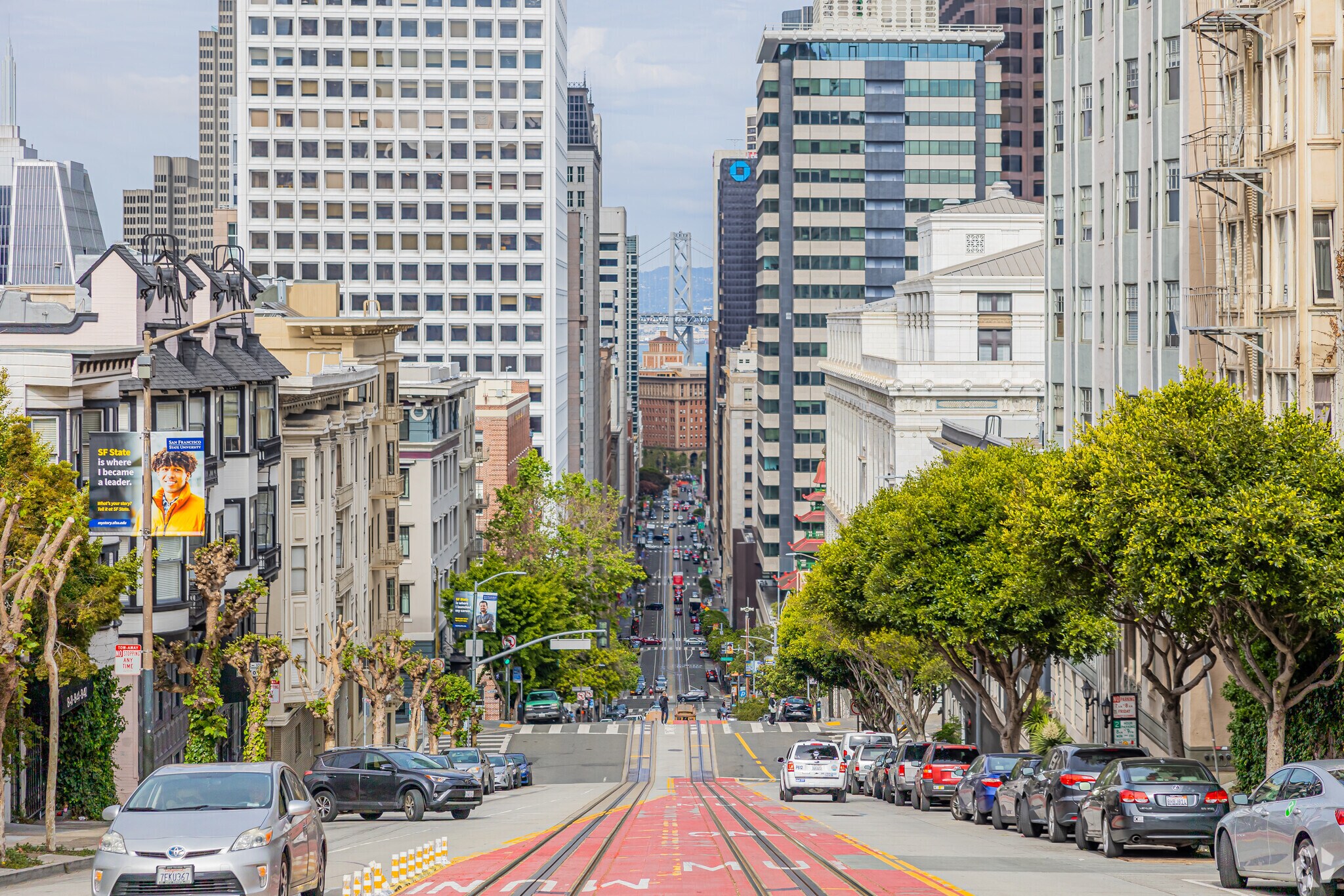
What Is the Financial District / Barbary Coast?
The Financial District and Barbary Coast together form one of San Francisco's most historically layered, architecturally dramatic, and economically significant urban neighborhoods, occupying the northeastern corner of the city between the iconic Embarcadero waterfront and the vibrant commercial corridors of Chinatown, North Beach, and the broader downtown core. The Financial District stands as the economic engine of the Bay Area and one of the most important business centers on the West Coast, while the adjacent Barbary Coast, one of San Francisco's most historically colorful and storied districts, adds a rich layer of Gold Rush heritage, architectural character, and evolving cultural identity to the broader neighborhood. Together they offer a uniquely compelling urban living and working environment defined by iconic architecture, waterfront access, world-class dining, outstanding transit connectivity, and the enduring energy and significance of being at the center of one of America's most celebrated cities.
Location & Character
The Financial District and Barbary Coast are located in the northeastern part of San Francisco, generally bordered by the Embarcadero and San Francisco Bay to the east, Market Street to the south, Kearny Street and Grant Avenue to the west, and Broadway and Pacific Avenue to the north. They sit adjacent to neighborhoods including SoMa, Chinatown, North Beach, Jackson Square, and the Embarcadero:
- A dramatically urban and vertically oriented neighborhood defined by San Francisco's most iconic commercial skyscrapers and historic Beaux-Arts and Art Deco office towers
- The Financial District serving as the concentrated economic heart of the Bay Area with a world-class concentration of major financial institutions, law firms, technology companies, and corporate headquarters
- The Barbary Coast - one of San Francisco's most historically significant and colorful districts, now anchored by the beautifully preserved Jackson Square Historic District featuring some of the city's finest surviving Gold Rush era and early commercial architecture
- A vibrant, cosmopolitan, and internationally recognized urban atmosphere with genuine layers of historic depth, architectural grandeur, and modern economic vitality
- A diverse and dynamic population blending urban professionals, residents, tourists, and workers from across the Bay Area and around the world
- An exceptionally dense, walkable, and transit-rich urban environment with virtually unmatched city and regional connectivity
- A neighborhood undergoing meaningful evolution and transformation as changing work patterns and urban revitalization initiatives reshape the downtown San Francisco experience
Real Estate & Housing
The Financial District and Barbary Coast offer a distinctive and evolving residential market shaped by the area's dramatic architectural character and ongoing urban transformation:
- A diverse mix of high-rise luxury condominiums, historic loft conversions, boutique residential buildings, and mixed-use residential developments
- Modern and contemporary high-rise architecture alongside magnificently preserved Beaux-Arts, Art Deco, and Gold Rush era commercial buildings converted to residential and mixed use
- Many properties featuring floor-to-ceiling windows, open floor plans, modern finishes, and spectacular views of the San Francisco Bay, Bay Bridge, Embarcadero waterfront, and surrounding city skyline
- High-rise luxury condominiums offering hotel-style amenities including concierge services, fitness centers, rooftop terraces, and secure parking
- Historic loft and conversion properties in the Jackson Square Historic District offering exceptional architectural character and Gold Rush era heritage
- Boutique residential buildings offering more intimate urban living experiences alongside the larger high-rise developments
- Price points varying considerably depending on building type, floor level, views, amenities, and specific location within the broader neighborhood
- Strong long-term investment fundamentals driven by location, waterfront proximity, transit access, ongoing revitalization, and the enduring economic significance of the Financial District address
- Growing residential appeal among urban buyers seeking a true world-class city-living experience with maximum walkability, waterfront access, and transit connectivity
Community & Amenities
The Financial District and Barbary Coast offer an exceptional and diverse concentration of world-class amenities, dining experiences, cultural destinations, and everyday conveniences within an entirely walkable urban environment:
- The San Francisco Ferry Building - one of the city's most beloved architectural landmarks and premier culinary destinations featuring an acclaimed twice-weekly farmers market, artisan food vendors, celebrated restaurants, and a magnificent Embarcadero waterfront setting immediately bordering the neighborhood
- An extraordinary concentration of acclaimed restaurants, cafés, hotel dining rooms, wine bars, and international cuisine options within the Financial District and along the Embarcadero waterfront corridor
- Jackson Square Historic District - one of San Francisco's most beautifully preserved historic commercial areas featuring acclaimed antique dealers, design showrooms, art galleries, boutique restaurants, and some of the finest surviving Gold Rush era architecture in California
- Major grocery stores, specialty markets, and everyday services within comfortable walking distance throughout the downtown core
- Outstanding proximity to Union Square's world-class retail, luxury hotels, and broader downtown commercial scene within easy walking distance
- The Embarcadero waterfront promenade providing a spectacular bay-front walking and cycling corridor with unmatched views and an exceptional concentration of waterfront dining and recreational destinations
Parks & Recreation
The Financial District and Barbary Coast offer access to several significant open spaces and waterfront recreational destinations within and immediately surrounding the urban core:
- The Embarcadero waterfront promenade - a spectacular bay-front walking and cycling corridor stretching along the entire eastern waterfront with sweeping views of the bay, Bay Bridge, Treasure Island, and the East Bay hills, immediately bordering the neighborhood and serving as one of San Francisco's most beloved and active outdoor destinations
- Justin Herman Plaza - a central civic open space and gathering area at the foot of Market Street along the Embarcadero serving as a primary neighborhood outdoor space and community gathering point
- Transamerica Redwood Park - a beautifully designed and serene urban pocket park nestled at the base of the iconic Transamerica Pyramid offering a beloved midday retreat for Financial District workers and residents
- Portsmouth Square - the historic heart of adjacent Chinatown and one of San Francisco's most significant historic public spaces serving as a beloved daily gathering place for the surrounding community
- Rincon Park - a waterfront park along the southern Embarcadero featuring public art and bay views accessible within a short walk
- Golden Gate Park and other major San Francisco parks accessible via the neighborhood's exceptional transit network within a practical and short commute
Schools & Education
The Financial District and Barbary Coast are served by the San Francisco Unified School District with access to schools throughout the city given the neighborhood's exceptional transit connectivity:
- Various public school options accessible via the neighborhood's outstanding transit network throughout San Francisco
- Several private and independent schools in adjacent neighborhoods within reasonable commuting distance
- University of California San Francisco accessible for higher education and employment
- City College of San Francisco accessible for additional higher education options
- San Francisco State University accessible via transit for undergraduate and graduate education
- The neighborhood's central positioning and extraordinary transit access make virtually any San Francisco school reachable within a practical and convenient commute
Culture & Neighborhood Life
The Financial District and Barbary Coast together have a rich, historically layered, and genuinely fascinating cultural identity shaped by San Francisco's extraordinary Gold Rush heritage, its role as a global financial center, and an evolving residential and cultural community:
- The legendary Barbary Coast history - one of the most colorful, dramatic, and internationally celebrated chapters in American urban history - preserved and honored through the beautifully maintained Jackson Square Historic District and the broader neighborhood's Gold Rush era architectural heritage
- Jackson Square serving as one of San Francisco's most sophisticated and culturally distinctive urban destinations, anchored by world-class antique dealers, design showrooms, art galleries, and acclaimed restaurants in some of the city's finest surviving historic commercial buildings
- The San Francisco Ferry Building serving as a beloved cultural and culinary landmark that has become one of the defining gathering places and community anchors of the northeastern San Francisco waterfront
- A cosmopolitan and internationally connected urban atmosphere shaped by the Financial District's global business community, the Embarcadero's world-class waterfront experience, and the broader neighborhood's extraordinary historic and architectural significance
- Strong civic and community life supported by neighborhood associations, business improvement districts, and ongoing downtown and waterfront revitalization initiatives
- A neighborhood identity undergoing meaningful and exciting transformation as the Financial District evolves beyond its traditional office-centric character toward a more diverse, residential, and culturally vibrant urban community
- A distinctive and historically extraordinary neighborhood identity built around Gold Rush heritage, architectural grandeur, waterfront beauty, global financial significance, and an evolving sense of urban community belonging
Transit & Connectivity
The Financial District and Barbary Coast offer the most exceptional transit connectivity found anywhere in the Bay Area, serving as the absolute hub of virtually every major transit network in the region:
- Embarcadero and Montgomery Street BART Stations providing direct, frequent, and rapid connections to the East Bay, South Bay, San Francisco International Airport, and the broader Bay Area transit network
- Multiple Muni Metro lines converging along Market Street and the Embarcadero providing direct and frequent connections to neighborhoods throughout San Francisco
- San Francisco Cable Car lines including the California Street line running directly through the Financial District providing iconic and practical connections to Nob Hill, Chinatown, and the broader city
- Multiple Muni bus routes serving virtually every downtown and Financial District corridor and connecting to neighborhoods throughout the city
- Transbay Terminal serving as a regional transit hub with connections to AC Transit, Golden Gate Transit, SamTrans, and multiple regional bus services
- Water ferry service from the iconic Ferry Building providing scenic and practical connections to Marin County, Oakland, Alameda, Sausalito, and other Bay Area waterfront destinations
- Caltrain accessible at 4th and King Station via Muni for Peninsula and South Bay commuting
- Exceptional pedestrian and cycling connectivity throughout the neighborhood including dedicated cycling infrastructure along Market Street, the Embarcadero, and surrounding corridors
Final Thoughts
The Financial District and Barbary Coast together offer a genuinely extraordinary and historically magnificent urban experience in the heart of one of America's most celebrated cities: a neighborhood defined by iconic commercial architecture, the legendary Gold Rush heritage of the Barbary Coast, the beautifully preserved Jackson Square Historic District, the beloved San Francisco Ferry Building, a spectacular Embarcadero waterfront, unmatched Bay Area transit connectivity, and an evolving residential community that is increasingly embracing the extraordinary potential of one of the West Coast's most historically significant and architecturally dramatic urban addresses. For urban professionals, investors, history enthusiasts, and buyers seeking a world-class city-living experience at the intersection of San Francisco's storied past and dynamic future, the Financial District and Barbary Coast stand as two of the city's most historically irreplaceable, architecturally dramatic, and enduringly significant urban neighborhoods, a truly extraordinary place to live, work, invest, and connect with the living history of one of America's greatest cities.
8C Nob Hill
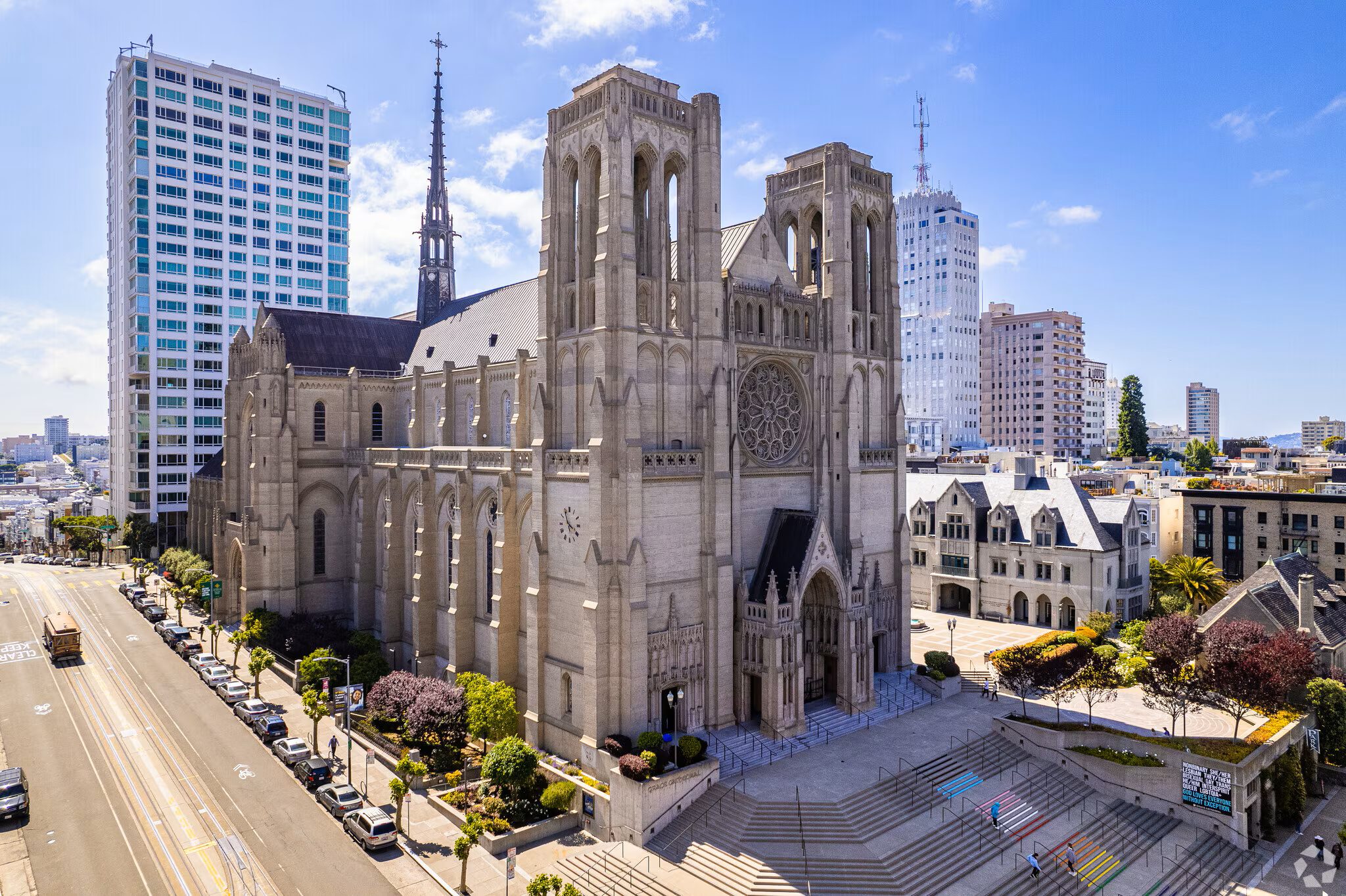
What Is Nob Hill?
Nob Hill is one of San Francisco's most iconic, historically storied, and grandly prestigious residential neighborhoods, perched on one of the city's most dramatically elevated hilltops in the heart of northern San Francisco. Known for its legendary history as the preferred address of San Francisco's Gold Rush and railroad barons, its extraordinary concentration of grand hotels, historic clubs, and gracious apartment buildings, its magnificent Grace Cathedral and Huntington Park, and its sweeping panoramic views of the San Francisco Bay, the city skyline, and the surrounding hills, Nob Hill offers a genuinely rare and profoundly distinguished residential experience that has defined San Francisco elegance and prestige for well over a century. It attracts established families, urban professionals, long-term residents, and discerning buyers seeking an address of enduring historic significance, architectural grandeur, and unmatched central city prestige.
Location & Character
Nob Hill is located in the heart of northern San Francisco, generally bordered by Broadway Street to the north, Bush Street to the south, Leavenworth Street to the west, and Mason Street and the Financial District to the east. It sits near neighborhoods including Russian Hill, Chinatown, the Financial District, Polk Gulch, and Lower Nob Hill:
- A dramatically elevated hilltop neighborhood commanding sweeping panoramic views of the San Francisco Bay, the city skyline, the East Bay hills, and the surrounding neighborhoods
- A grand, historic, and quietly prestigious neighborhood atmosphere defined by magnificent hotels, historic private clubs, gracious apartment buildings, and beautifully maintained residential streets
- Grace Cathedral - one of the most magnificent and celebrated religious buildings in the American West, anchoring the neighborhood's spiritual and architectural identity at the hilltop summit
- Huntington Park - the beloved and beautifully maintained neighborhood park and gathering space at the very crown of Nob Hill
- A refined, historically significant, and genuinely distinguished residential character shaped by over 150 years of San Francisco's most storied history
- A diverse and long-established population blending established families, urban professionals, hotel guests, and longtime residents
- A relatively mild and comfortable microclimate benefiting from its elevated central city positioning
Real Estate & Housing
Nob Hill offers one of San Francisco's most historically distinguished and architecturally gracious housing markets with strong long-term ownership and investment characteristics:
- A magnificent collection of gracious pre-war and post-war apartment buildings, elegant condominiums, grand residential hotels, and a smaller number of single-family homes
- Beaux-Arts, Classical Revival, Art Deco, and early 20th century architectural styles featuring beautiful and well-preserved period detailing throughout
- Many properties featuring generous interior proportions, high ceilings, formal layouts, and classic period character reflecting the neighborhood's long tradition of gracious urban living
- Grand pre-war apartment buildings offering exceptional architectural character, generous floor plans, and a sense of residential elegance rarely found in newer construction
- Luxury condominiums in both historic conversions and newer developments offering modern amenities alongside classic Nob Hill address prestige
- Spectacular hilltop view positions along California Street, Sacramento Street, and the surrounding summit streets commanding exceptional premium interest and pricing
- Limited single-family home inventory creating persistent demand and strong value retention for the rarest residential properties
- Price points ranging from the upper $1 million range into the multi-million dollar range depending on type, size, condition, views, and specific location within the neighborhood
- Among the most historically prestigious and consistently desirable residential addresses in San Francisco driven by iconic hilltop setting, architectural grandeur, and enduring neighborhood cachet
- Long-term investment appeal driven by irreplaceable historic significance, central city positioning, architectural distinction, and the enduring worldwide prestige of the Nob Hill address
Community & Amenities
Nob Hill benefits from its exceptional central hilltop positioning and outstanding proximity to several of San Francisco's most celebrated commercial and cultural destinations:
- Polk Street serving as the neighborhood's primary nearby commercial corridor with an excellent and diverse collection of independent restaurants, cafés, wine bars, boutiques, specialty food shops, and everyday neighborhood services
- The legendary Nob Hill hotels - including the Fairmont San Francisco, the Mark Hopkins, the InterContinental, and the Huntington Hotel, offering world-class dining, bar, and hospitality experiences immediately within the neighborhood and serving as beloved community anchors
- Chinatown immediately adjacent offering one of the most authentic and vibrant cultural and culinary destinations in San Francisco within easy walking distance
- California Street corridor providing additional dining, grocery, and everyday service options along the cable car line
- Grocery stores, specialty markets, and everyday services within comfortable walking distance throughout the surrounding area
- Outstanding proximity to Union Square's world-class retail and cultural scene accessible via cable car or a short walk
Parks & Recreation
Nob Hill residents enjoy access to several beautifully maintained open spaces and recreational destinations within and immediately surrounding the hilltop neighborhood:
- Huntington Park - the beloved crown jewel of Nob Hill situated at the very summit of the hill, featuring beautifully maintained gardens, a celebrated central fountain, open lawns, a children's playground, and a wonderfully gracious and community-oriented daily gathering atmosphere that serves as the true heart of neighborhood life on Nob Hill
- Grace Cathedral Gardens - the beautifully landscaped grounds and outdoor labyrinths surrounding Grace Cathedral offering a serene and spiritually significant outdoor space at the neighborhood's highest point
- Ina Coolbrith Park - a beautifully terraced hilltop garden park on the boundary of Russian Hill offering sweeping panoramic views and a serene natural retreat accessible within a short walk
- Lafayette Park in adjacent Pacific Heights accessible within a short walk for additional hilltop park and open green space
- The Embarcadero waterfront promenade accessible via cable car or a short walk for bay-front walking, cycling, and waterfront recreation
- Golden Gate Park accessible via transit within a short ride for expansive outdoor recreation and cultural attractions
Schools & Education
Nob Hill is served by the San Francisco Unified School District with access to schools throughout the city given the neighborhood's exceptional transit connectivity:
- Various public elementary and middle school options within the broader central and northern San Francisco district
- Several well-regarded private and parochial schools in adjacent neighborhoods within reasonable commuting distance
- The Town School for Boys and Katherine Delmar Burke School in adjacent Pacific Heights accessible within a short commute
- University of California San Francisco accessible for higher education and employment
- City College of San Francisco accessible for additional higher education options
- The neighborhood's central positioning and outstanding transit access make virtually any San Francisco school reachable within a practical commute
Culture & Neighborhood Life
Nob Hill has one of San Francisco's most historically rich, architecturally magnificent, and genuinely distinguished neighborhood cultures, shaped by over 150 years of the city's most storied residential and social history:
- A welcoming yet quietly exclusive environment of established families, urban professionals, hotel guests, and longtime residents who share a deep appreciation for the neighborhood's extraordinary architectural heritage and historic residential significance
- The legendary Nob Hill hotels - the Fairmont, Mark Hopkins, InterContinental, and Huntington, serving as beloved neighborhood social anchors and living monuments to San Francisco's grandest era of hospitality and civic pride
- Grace Cathedral serving as a profound and magnificent spiritual, architectural, and community anchor at the very crown of the hill, hosting concerts, community events, and cultural programming that enrich neighborhood life throughout the year
- Huntington Park providing a beloved daily gathering space where residents, hotel guests, and neighbors connect against a backdrop of magnificent views and gracious historic surroundings
- Strong community involvement supported by neighborhood associations and an active and engaged local civic culture
- A quiet, refined, and historically resonant pace of neighborhood life shaped by grand architecture, sweeping hilltop views, the cable cars, and a long and distinguished tradition of gracious residential living
- A distinctive and globally recognized neighborhood identity built around historic grandeur, architectural magnificence, legendary hotels, cable car culture, and a genuine sense of being at the elevated heart of one of America's most celebrated cities
Transit & Connectivity
Nob Hill offers outstanding transit connectivity, anchored by the legendary cable car lines that have defined the neighborhood's identity and accessibility for well over a century:
- California Street Cable Car line running directly through the heart of Nob Hill providing a beloved and iconic connection to the Financial District, Chinatown, and the Embarcadero to the east and to Van Ness Avenue and the broader city to the west
- Powell-Hyde and Powell-Mason Cable Car lines running along the eastern and southern edges of the neighborhood providing iconic connections to Union Square, the Financial District, and Fisherman's Wharf
- Multiple Muni bus routes serving California Street, Sacramento Street, and surrounding neighborhood corridors
- Montgomery Street and Powell Street BART Stations accessible via cable car or a short walk providing direct and frequent Bay Area connections
- Excellent pedestrian connectivity throughout the neighborhood's historic hilltop streets and stairways
- Quick access to Van Ness Avenue and Polk Street for convenient north-south city navigation
- Easy connection to major city arterials for flexible navigation throughout San Francisco
Final Thoughts
Nob Hill offers a genuinely extraordinary and profoundly historic residential experience at one of the most celebrated and iconic addresses in all of San Francisco: a neighborhood defined by sweeping panoramic hilltop views, legendary hotels of international renown, the magnificent Grace Cathedral, the beloved Huntington Park, the iconic cable cars, gracious pre-war architecture, and a standard of historic grandeur, residential prestige, and neighborhood distinction that has endured and been celebrated for well over a century. For established families, urban professionals, and long-term investors seeking an address of unmatched historic significance, architectural magnificence, central city prestige, and enduring worldwide recognition, Nob Hill stands as one of San Francisco's most iconic, historically irreplaceable, and consistently celebrated hilltop neighborhoods, a truly extraordinary and deeply meaningful place to call home at the elevated heart of one of America's greatest cities.
8D North Beach
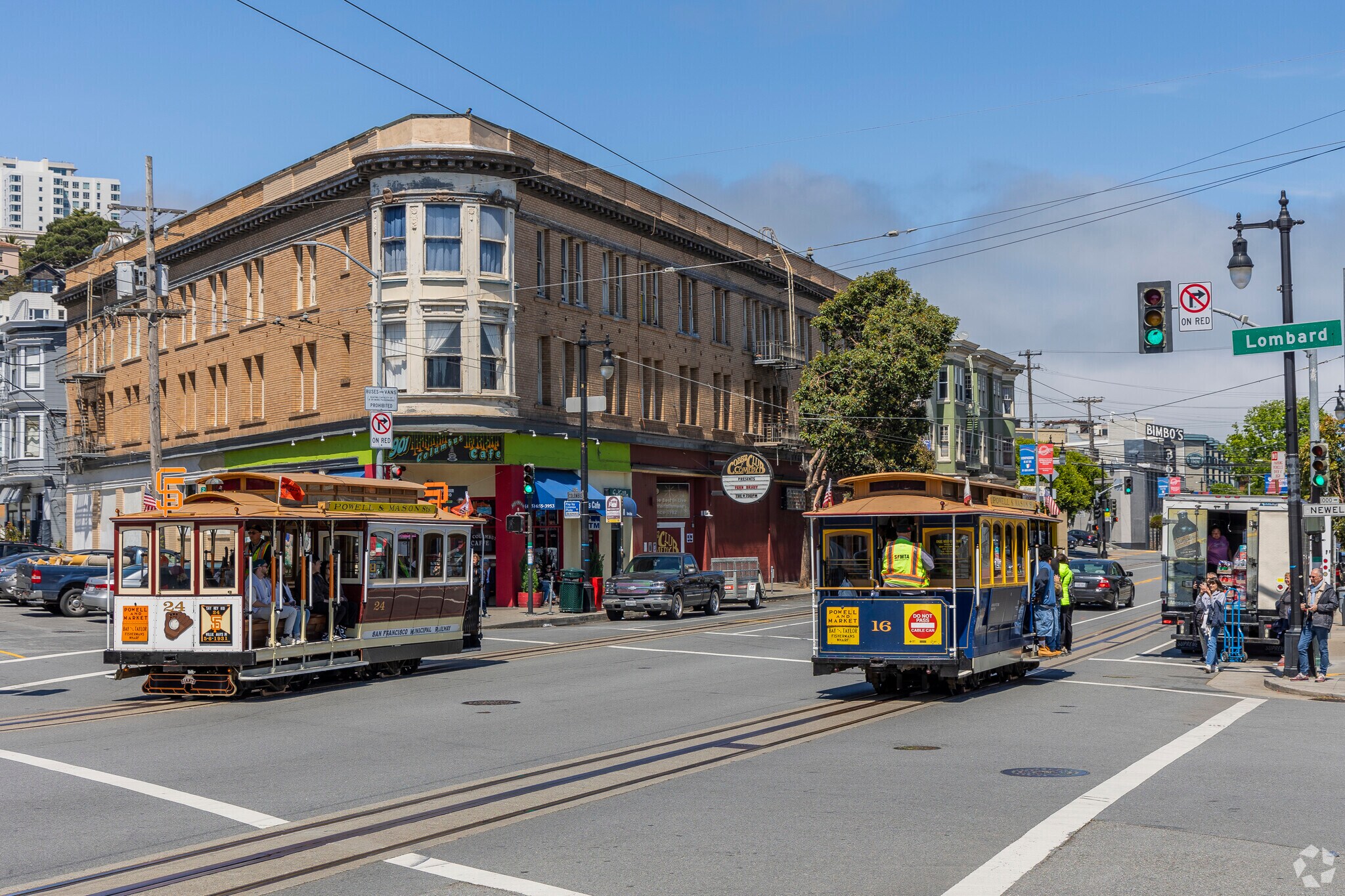
What Is North Beach?
North Beach is one of San Francisco's most beloved, historically celebrated, and culturally irreplaceable residential neighborhoods, situated on the northeastern slope of the city between Telegraph Hill, Russian Hill, and the vibrant Fisherman's Wharf waterfront. World-famous as the birthplace of the American Beat Generation literary movement, the historic home of City Lights Bookstore, and one of San Francisco's most enduringly lively and authentically Italian-influenced neighborhood communities, North Beach offers a genuinely extraordinary combination of cultural depth, architectural character, neighborhood warmth, outstanding dining and café culture, and a quality of everyday urban life that is at once historically rich, community-spirited, and deeply livable. It attracts artists, writers, families, professionals, long-term residents, and buyers seeking a neighborhood with unmatched cultural heritage, genuine community character, outstanding walkability, and enduring residential prestige in one of San Francisco's most storied and celebrated addresses.
Location & Character
North Beach is located in the northeastern part of San Francisco, generally bordered by the Embarcadero and Fisherman's Wharf waterfront to the north, Broadway Street to the south, Telegraph Hill and the Barbary Coast to the east, and Russian Hill to the west. It sits near neighborhoods including Russian Hill, Telegraph Hill, Chinatown, and the Barbary Coast:
- A vibrant, pedestrian-friendly neighborhood anchored by the world-famous Columbus Avenue commercial corridor and the beloved Washington Square Park
- Quiet, character-rich residential streets with a beautifully preserved mix of Victorian, Edwardian, and early 20th century architectural styles
- Washington Square Park serving as the neighborhood's beloved and irreplaceable community heart and outdoor gathering space
- A warm, culturally rich, and genuinely community-oriented neighborhood atmosphere with a distinctive Italian-American heritage and Beat Generation literary legacy
- A diverse and long-established population blending Italian-American families, artists, writers, young professionals, and longtime residents
- A relatively mild and comfortable microclimate benefiting from its sheltered northeastern city positioning
- Exceptional walkability with most daily needs, cultural destinations, and neighborhood amenities accessible entirely on foot
Real Estate & Housing
North Beach offers a distinguished and consistently desirable housing market with strong long-term ownership and investment characteristics:
- A rich mix of Victorian and Edwardian flats, single-family homes, condominiums, and smaller multi-unit buildings
- Victorian, Edwardian, and early 20th century architectural styles from the 1880s through the 1920s featuring beautiful and well-preserved period detailing
- Homes showcasing classic San Francisco details including ornate facades, bay windows, decorative woodwork, and colorful painted exteriors
- Many properties with generous interior proportions, high ceilings, and classic period character
- Flats and multi-unit buildings offering flexible ownership and investment opportunities throughout the neighborhood
- Updated interiors in many renovated homes mixed with beautifully preserved original-condition properties
- Some elevated properties on Telegraph Hill and surrounding slopes offering partial or sweeping views of the bay, Coit Tower, and the city skyline commanding significant premium interest and pricing
- Price points typically ranging from the upper $1 million range into the multi-million dollar range depending on type, size, condition, views, and location
- Strong and consistent demand driven by neighborhood cultural cachet, outstanding walkability, waterfront proximity, and enduring residential desirability
- Long-term investment appeal driven by iconic cultural status, architectural distinction, central northeastern positioning, and the enduring worldwide recognition of the North Beach address
Community & Amenities
North Beach's celebrated Columbus Avenue and surrounding commercial streets form one of San Francisco's most beloved and culturally distinctive neighborhood commercial environments:
- Columbus Avenue serving as the neighborhood's iconic commercial spine with an extraordinary concentration of Italian restaurants, cafés, bakeries, delis, wine bars, and specialty food shops reflecting the neighborhood's deep Italian-American heritage
- Washington Square Park surrounded by beloved neighborhood institutions including Liguria Bakery, Caffe Trieste, and Caffe Greco, some of San Francisco's most historically significant and beloved neighborhood gathering places
- City Lights Bookstore - the legendary independent bookstore and publisher founded by Lawrence Ferlinghetti in 1953, one of the most culturally significant literary landmarks in the United States and a defining institution of North Beach neighborhood identity
- Grant Avenue offering additional dining, boutique shopping, and neighborhood commercial energy with a distinctive bohemian and artistic character
- Grocery stores, specialty markets, Italian delis, and everyday services within comfortable walking distance throughout the neighborhood
- Outstanding proximity to Fisherman's Wharf, the Embarcadero, and the Ferry Building for additional dining, waterfront recreation, and cultural destinations
Parks & Recreation
North Beach residents enjoy outstanding access to several beloved parks and outdoor spaces that are deeply woven into the fabric of neighborhood life:
- Washington Square Park - the irreplaceable heart and soul of North Beach, a beautifully maintained historic park featuring open lawns, mature trees, a beloved bocce ball court, morning tai chi gatherings, a historic firefighters monument, and a wonderfully diverse and community-oriented daily gathering atmosphere that has served as the true center of North Beach neighborhood life for well over a century
- Coit Tower and Telegraph Hill - the iconic hilltop landmark and surrounding natural area featuring breathtaking panoramic views of the bay, the city, and the Golden Gate, wild parrots nesting among the native gardens, and the beloved Filbert Street Steps connecting the neighborhood to the hilltop summit
- Filbert Street Steps and Greenwich Steps - beloved neighborhood stairways connecting North Beach to the Telegraph Hill summit through beautifully maintained private gardens and offering one of San Francisco's most cherished and magical urban walking experiences
- Levi's Plaza Park - a beautifully designed urban park along the Embarcadero at the base of Telegraph Hill offering open green space, a natural creek feature, and a serene waterfront setting
- The Embarcadero waterfront promenade accessible within a short walk for bay-front walking, cycling, and waterfront recreation
- Aquatic Park - a beautifully preserved historic waterfront park featuring a protected swimming cove, sandy beach, and sweeping bay views accessible within a short walk along the waterfront
Schools & Education
North Beach is served by the San Francisco Unified School District with several well-regarded school options in the neighborhood and surrounding areas:
- Francisco Middle School serving the broader northern San Francisco district within reasonable reach
- Various public elementary school options within the broader northern San Francisco district
- Several well-regarded private and parochial schools in adjacent neighborhoods within reasonable commuting distance
- University of California San Francisco accessible for higher education and employment
- City College of San Francisco accessible for additional higher education options
- The neighborhood's exceptional transit access makes virtually any San Francisco school reachable within a practical commute
Culture & Neighborhood Life
North Beach has one of San Francisco's most historically extraordinary, culturally irreplaceable, and genuinely beloved neighborhood cultures, shaped by its Italian-American heritage, Beat Generation literary legacy, and long-established residential community:
- A welcoming and deeply inclusive environment blending Italian-American families, Beat Generation enthusiasts, artists, writers, young professionals, tourists, and longtime residents in a genuinely diverse and community-oriented neighborhood
- The legendary Beat Generation literary heritage - centered around City Lights Bookstore, Vesuvio Café, and Caffe Trieste, remaining a defining and celebrated element of North Beach's cultural identity, attracting writers, artists, and literary enthusiasts from around the world
- A deep and authentic Italian-American cultural heritage reflected in the neighborhood's beloved restaurants, delis, bakeries, cafés, and community traditions that give North Beach a genuinely distinctive and irreplaceable neighborhood character
- Washington Square Park serving as the neighborhood's irreplaceable daily social heart where residents of all backgrounds gather, exercise, celebrate, and connect in a wonderfully inclusive and community-spirited outdoor atmosphere
- Strong community involvement supported by the North Beach Neighbors association and an exceptionally active and engaged local civic and cultural community
- Regular neighborhood events including the North Beach Festival, one of San Francisco's oldest and most beloved street festivals, along with seasonal community gatherings, literary events, and cultural celebrations fostering a strong and deeply shared neighborhood identity
- A warm, lively, and culturally engaged pace of neighborhood life shaped by Columbus Avenue's café culture, Washington Square's community gatherings, Telegraph Hill's natural beauty, and the neighborhood's extraordinary literary and Italian-American heritage
- A distinctive and globally celebrated neighborhood identity built around literary history, Italian-American culture, café society, community warmth, and a genuine sense of living within one of America's most culturally significant and beloved urban neighborhoods
Transit & Connectivity
North Beach offers practical and well-rounded transit and roadway access for both city and regional commuting:
- Multiple Muni bus routes serving Columbus Avenue, Broadway, and surrounding neighborhood corridors including the 8 Bayshore, 30 Stockton, and 39 Coit lines
- Powell Street and Montgomery Street BART Stations accessible via a short walk or transit ride providing direct and frequent Bay Area connections and downtown San Francisco access
- Embarcadero BART and Muni Metro Station accessible via a short walk along the waterfront for additional transit options
- San Francisco Cable Car lines accessible within easy reach for iconic and practical connections to Nob Hill, Chinatown, Union Square, and the Financial District
- Excellent pedestrian and cycling connectivity throughout the neighborhood and along the nearby Embarcadero waterfront corridor
- Quick access to Columbus Avenue, Broadway, and the Embarcadero for convenient city navigation throughout San Francisco
Final Thoughts
North Beach offers a genuinely extraordinary and profoundly cherished residential experience in the heart of northeastern San Francisco: a neighborhood defined by its legendary Beat Generation literary heritage, deep and authentic Italian-American cultural traditions, the beloved Washington Square Park, the iconic Coit Tower and Telegraph Hill, the celebrated Columbus Avenue café and dining culture, and a quality of everyday neighborhood life that is at once historically magnificent, culturally vibrant, community-spirited, and deeply livable. For artists, writers, families, professionals, and long-term investors seeking a neighborhood with unmatched cultural depth, architectural character, genuine community warmth, waterfront proximity, and enduring residential prestige, North Beach stands as one of San Francisco's most iconic, culturally irreplaceable, and consistently beloved neighborhoods, a truly extraordinary, deeply meaningful, and profoundly special place to call home.
8E Russian Hill
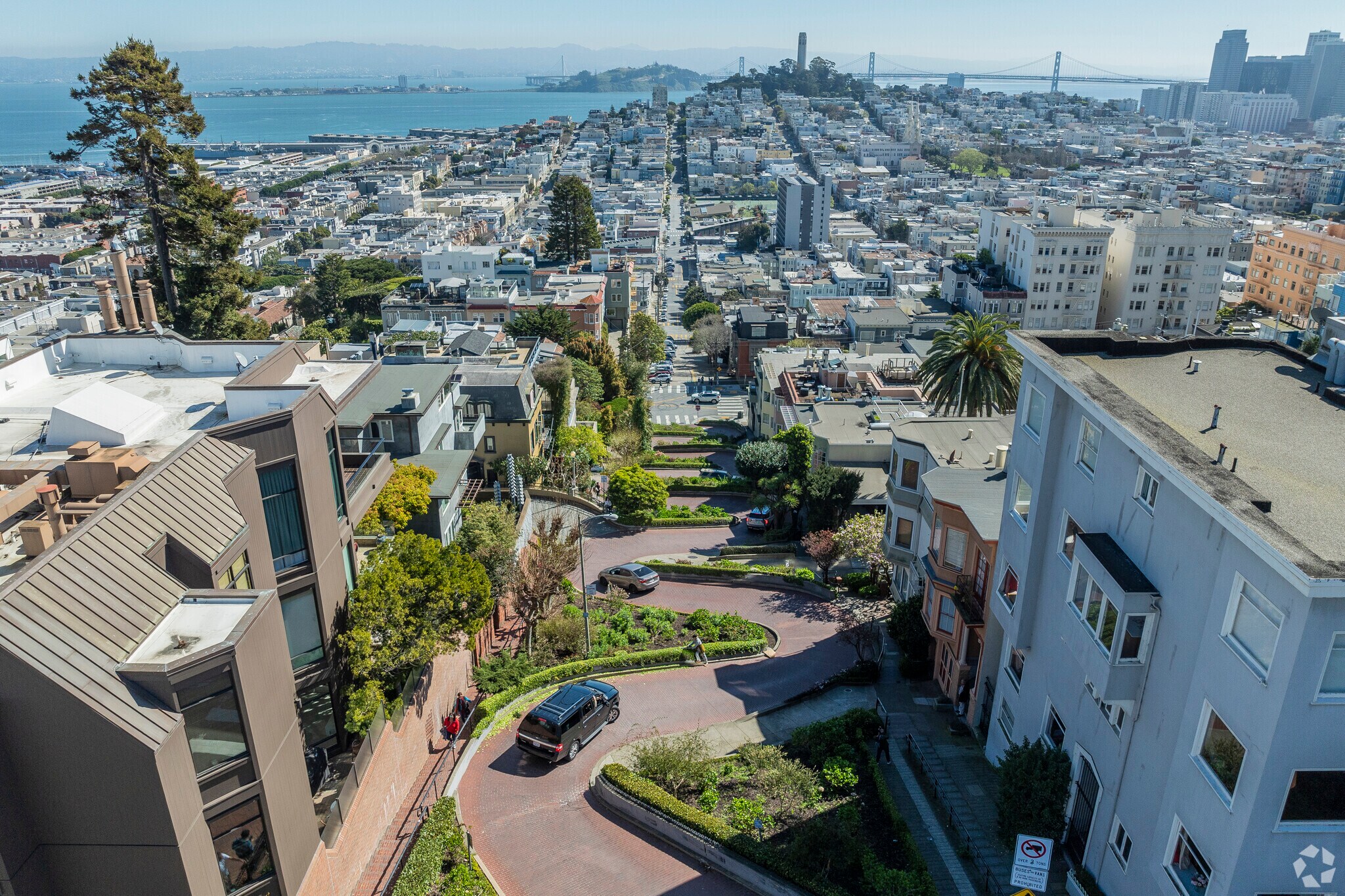
What Is Russian Hill?
Russian Hill is one of San Francisco's most enchanting, scenically dramatic, and consistently prestigious residential neighborhoods, perched on one of the city's most beloved hilltops in the heart of northern San Francisco. Known for the world-famous crooked block of Lombard Street, sweeping panoramic views of the San Francisco Bay, Golden Gate Bridge, and the city skyline, beautifully preserved Victorian and Edwardian architecture, and a warm and genuinely intimate neighborhood character that balances residential serenity with outstanding urban access, Russian Hill offers a rare and deeply appealing combination of natural drama, architectural beauty, neighborhood charm, and enduring residential prestige. It attracts families, professionals, artists, long-term residents, and buyers seeking a scenically extraordinary hilltop neighborhood with outstanding walkability, cultural richness, and one of San Francisco's most celebrated and recognizable residential addresses.
Location & Character
Russian Hill is located in northern San Francisco, generally bordered by Broadway Street to the south, Chestnut Street to the north, Van Ness Avenue to the west, and Taylor Street to the east. It sits near neighborhoods including North Beach, Nob Hill, Polk Gulch, and Cow Hollow:
- A dramatically elevated hilltop neighborhood with sweeping panoramic views of the San Francisco Bay, Golden Gate Bridge, Alcatraz, Marin Headlands, and the city skyline from many vantage points
- Quiet, winding residential streets with some of San Francisco's most beautifully preserved Victorian, Edwardian, and Craftsman architectural character
- The world-famous crooked block of Lombard Street - one of the most photographed and visited urban landmarks in the United States, winding dramatically down the eastern face of the hill
- A warm, intimate, and genuinely community-oriented neighborhood atmosphere with a distinctive sense of hilltop residential serenity and urban elegance
- A diverse and long-established population blending established families, artists, professionals, and longtime residents with deep neighborhood roots
- A relatively mild and comfortable microclimate benefiting from its sheltered northern hilltop positioning
- Exceptional walkability with most daily needs, cultural destinations, and neighborhood amenities accessible on foot or via the beloved cable cars
Real Estate & Housing
Russian Hill offers a distinguished and consistently prestigious housing market with strong long-term ownership and investment characteristics:
- A rich and varied mix of single-family Victorian and Edwardian homes, elegant flats, duplexes, condominiums, and gracious apartment buildings
- Victorian, Edwardian, and Craftsman architectural styles from the 1880s through the 1920s featuring beautiful and well-preserved period detailing
- Homes showcasing iconic San Francisco details including ornate facades, bay windows, decorative woodwork, and classic painted exteriors alongside more restrained Craftsman and Shingle style residences
- Many properties with generous interior proportions, high ceilings, and classic period character
- Elevated hilltop positions giving many properties partial or sweeping views of the bay, Golden Gate Bridge, Alcatraz, and surrounding city commanding significant premium interest and pricing
- Gracious pre-war apartment buildings offering exceptional architectural character and generous floor plans alongside single-family homes and condominiums
- Flats and multi-unit buildings offering flexible ownership and investment opportunities throughout the neighborhood
- Updated interiors in many renovated homes mixed with beautifully preserved original-condition properties
- Price points typically ranging from the upper $1 million range into the multi-million dollar range depending on type, size, condition, views, and location
- Among the most consistently prestigious and desirable real estate markets in San Francisco driven by iconic hilltop setting, architectural beauty, bay views, and enduring neighborhood cachet
- Long-term investment appeal driven by irreplaceable hilltop address, architectural distinction, bay view premiums, and the enduring worldwide recognition of the Russian Hill address
Community & Amenities
Russian Hill benefits from its excellent positioning and outstanding proximity to several of San Francisco's most vibrant and beloved commercial corridors:
- Polk Street serving as the neighborhood's primary commercial spine with an excellent and diverse collection of independent restaurants, cafés, wine bars, boutiques, specialty food shops, and everyday neighborhood services reflecting a lively and genuinely community-oriented commercial character
- Hyde Street corridor offering additional neighborhood dining, café, and everyday service options along the beloved cable car line
- Chestnut Street in the adjacent Marina accessible within a short walk for additional upscale dining, boutiques, and active neighborhood commercial energy
- Union Street in adjacent Cow Hollow accessible within a short walk for additional sophisticated dining, boutiques, and neighborhood conveniences
- Columbus Avenue in North Beach accessible within a short walk for Italian cafés, delis, restaurants, and the legendary City Lights Bookstore
- Grocery stores, specialty markets, and everyday services within comfortable walking distance throughout the surrounding area
Parks & Recreation
Russian Hill residents enjoy outstanding access to several beloved parks, stairways, and outdoor spaces that are deeply woven into the fabric of neighborhood life:
- Ina Coolbrith Park - a beautifully terraced hilltop garden park situated at one of the neighborhood's most elevated and scenic points, offering sweeping panoramic views of the bay, Alcatraz, and the East Bay hills, along with serene garden settings and a deeply beloved neighborhood gathering atmosphere
- Macondray Lane - one of San Francisco's most enchanting and celebrated pedestrian lanes, a magical tree-canopied wooden walkway winding through the heart of Russian Hill providing a uniquely serene and literary neighborhood walking experience
- Lombard Street - the world-famous crooked block serving as both a beloved neighborhood landmark and a unique public garden space with beautifully maintained hydrangea plantings along its famous serpentine descent
- George Sterling Park and surrounding neighborhood green spaces offering additional hilltop open space and community gathering areas
- Aquatic Park and the Embarcadero waterfront accessible within a short walk for bay-front recreation, swimming, and waterfront activities
- The Presidio of San Francisco accessible within a short walk or drive for hiking, cycling, and expansive natural open space
Schools & Education
Russian Hill is served by the San Francisco Unified School District with several well-regarded school options in the neighborhood and surrounding areas:
- Francisco Middle School serving the broader northern San Francisco district within reasonable reach
- Various public elementary school options within the broader northern San Francisco district
- Several well-regarded private and parochial schools in adjacent neighborhoods including Nob Hill and Pacific Heights within reasonable commuting distance
- University of California San Francisco accessible for higher education and employment
- City College of San Francisco accessible for additional higher education options
- The neighborhood's excellent transit access makes virtually any San Francisco school reachable within a practical commute
Culture & Neighborhood Life
Russian Hill has one of San Francisco's most enchanting, literarily rich, and genuinely beloved neighborhood cultures, shaped by its dramatic hilltop setting, deep artistic and literary heritage, and long-established residential community:
- A welcoming and inclusive environment blending established families, artists, writers, professionals, and longtime residents in a genuinely intimate and community-oriented hilltop neighborhood
- A rich and celebrated literary and artistic heritage, Russian Hill has been home to numerous celebrated writers, poets, and artists throughout its history including Ambrose Bierce, Frank Norris, and many others who drew inspiration from the neighborhood's dramatic beauty and community warmth
- Macondray Lane providing one of San Francisco's most magical and beloved neighborhood walking experiences, inspiring literary works and offering a uniquely enchanting glimpse of the neighborhood's most intimate residential character
- Polk Street providing a lively and genuinely neighborhood-oriented daily gathering place where residents shop, dine, and connect in a warm and friendly commercial atmosphere
- Strong community involvement supported by the Russian Hill Neighbors association and an active and engaged local civic community
- Regular neighborhood events, stairway walks, and community gatherings fostering a strong and genuinely shared neighborhood identity
- A warm, intimate, and scenically extraordinary pace of neighborhood life shaped by sweeping hilltop views, the cable cars, winding residential streets, Macondray Lane, and the diverse and deeply engaged community
- A distinctive and widely celebrated neighborhood identity built around scenic drama, literary heritage, architectural beauty, cable car culture, community warmth, and the worldwide recognition of Lombard Street and the Russian Hill hilltop address
Transit & Connectivity
Russian Hill offers excellent transit connectivity, anchored by the beloved cable car lines and multiple Muni routes serving the neighborhood:
- Powell-Hyde Cable Car line running along Hyde Street on the eastern edge of the neighborhood providing an iconic and beloved connection to Nob Hill, Union Square, the Financial District, and Fisherman's Wharf
- Multiple Muni bus routes serving Polk Street, Broadway, and surrounding neighborhood corridors including the 19 Polk and 47 Van Ness lines
- Van Ness Avenue accessible within a short walk providing north-south city connectivity and access to major Muni lines and Bus Rapid Transit service
- Montgomery Street and Powell Street BART Stations accessible via cable car or a short walk for direct and frequent Bay Area connections
- Excellent pedestrian connectivity throughout the neighborhood's hilltop streets, stairways, and beloved pedestrian lanes
- Quick access to Broadway Street and Lombard Street for convenient city navigation throughout San Francisco
Final Thoughts
Russian Hill offers a genuinely extraordinary and deeply treasured residential experience on one of San Francisco's most beloved and scenically magnificent hilltops: a neighborhood defined by sweeping panoramic bay views, the world-famous crooked block of Lombard Street, the enchanting Macondray Lane, beautifully preserved Victorian and Edwardian architecture, the beloved Ina Coolbrith Park, the lively Polk Street commercial corridor, iconic cable car access, and a quality of everyday neighborhood life that is at once scenically dramatic, architecturally beautiful, literarily rich, community-spirited, and deeply livable. For families, artists, professionals, and long-term investors seeking a hilltop neighborhood with unmatched scenic beauty, architectural grandeur, genuine community warmth, outstanding city access, and enduring residential prestige, Russian Hill stands as one of San Francisco's most iconic, scenically irreplaceable, and consistently beloved hilltop neighborhoods, a truly extraordinary and deeply special place to call home.
8F Van Ness/Civic Center
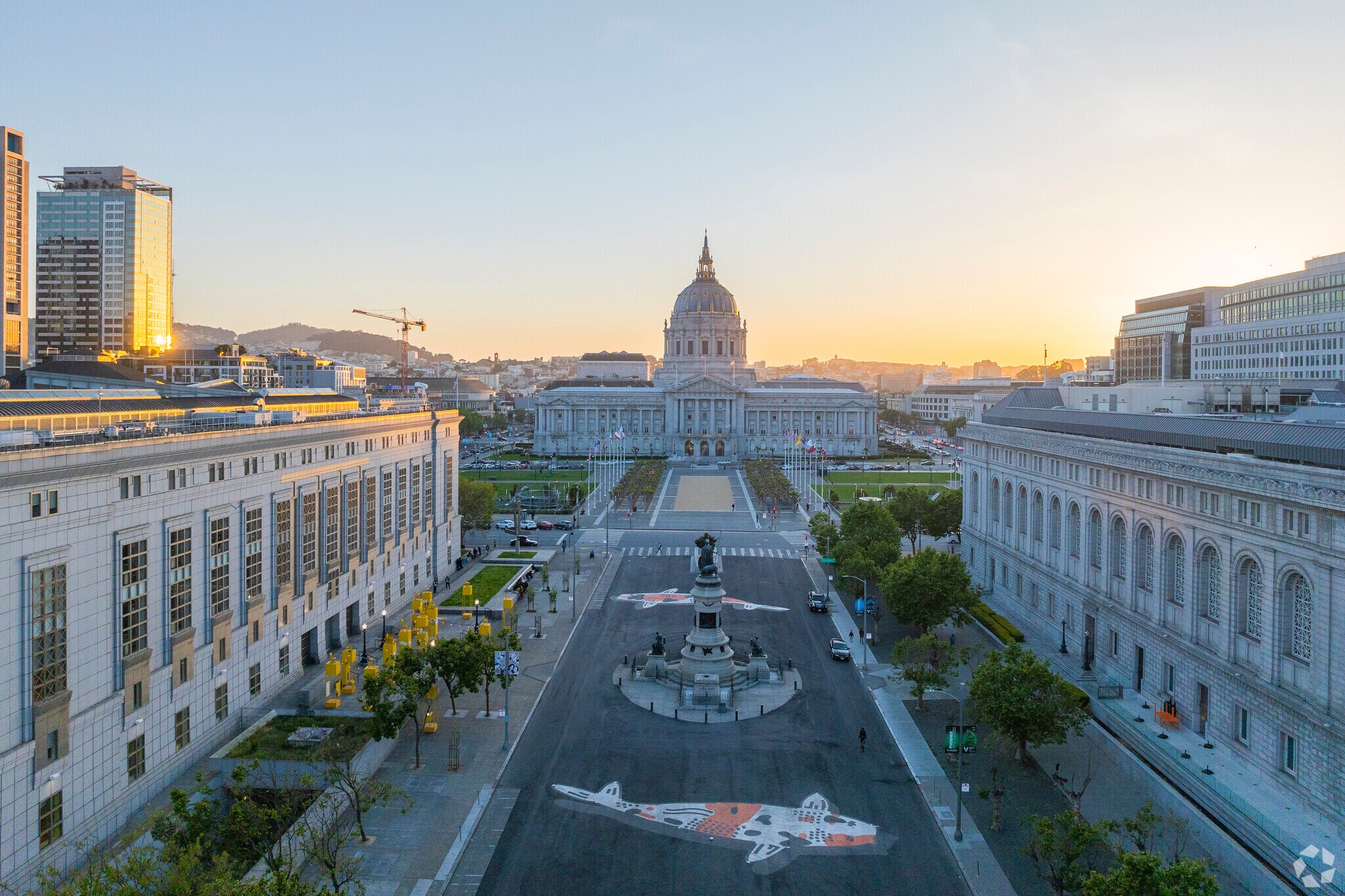
What Is Van Ness / Civic Center?
Van Ness and Civic Center together form one of San Francisco's most architecturally monumental, culturally significant, and dynamically evolving urban neighborhoods, situated at the civic and governmental heart of the city where grand Beaux-Arts public buildings, world-class performing arts institutions, and a diverse and evolving residential community come together in one of the most historically significant urban settings on the West Coast. Known for the magnificent Civic Center Plaza and City Hall, one of the most beautiful governmental buildings in the United States, the extraordinary concentration of world-class performing arts venues, the beloved Main Library, and a neighborhood undergoing meaningful revitalization and transformation, Van Ness and Civic Center offer a uniquely compelling urban living environment defined by architectural grandeur, cultural richness, outstanding transit connectivity, and an evolving sense of community and residential possibility. They attract urban professionals, artists, cultural enthusiasts, long-term residents, and buyers seeking a centrally positioned address with unmatched access to the city's finest cultural institutions, performing arts venues, transit infrastructure, and the broader civic life of San Francisco.
Location & Character
Van Ness and Civic Center are located in the heart of central San Francisco, generally bordered by Market Street to the south, McAllister Street and Golden Gate Avenue to the north, Franklin Street to the west, and Larkin Street to the east. They sit near neighborhoods including Hayes Valley, the Tenderloin, the Western Addition, and Downtown:
- A monumentally scaled civic neighborhood anchored by the magnificent Civic Center Plaza and the world-famous San Francisco City Hall
- Grand Beaux-Arts and Classical Revival public architecture on a civic scale rarely found outside of Washington D.C. and the great capitals of Europe
- Van Ness Avenue serving as one of San Francisco's primary north-south arterials, anchoring the western edge of the neighborhood with a major transit corridor and evolving commercial scene
- A neighborhood undergoing meaningful revitalization and transformation as new residential developments, improved public spaces, and community investment reshape the urban environment
- A diverse and evolving population blending urban professionals, artists, government workers, long-term residents, and newcomers drawn by the neighborhood's cultural richness and improving residential environment
- An exceptionally transit-rich and centrally positioned urban location with virtually unmatched city and regional connectivity
Real Estate & Housing
Van Ness and Civic Center offer an evolving and increasingly interesting residential market shaped by the area's monumental civic character and ongoing neighborhood transformation:
- A diverse mix of Victorian and Edwardian flats and apartment buildings, mid-century residential towers, newer condominium developments, and mixed-use residential projects
- Victorian and Edwardian architectural styles from the late 1800s through the 1910s alongside mid-century and contemporary residential construction
- Many properties featuring generous floor plans, classic period detailing, and a strong sense of central city urban character
- Newer condominium and mixed-use residential developments offering modern amenities, open floor plans, and contemporary finishes alongside classic period properties
- Flats and multi-unit buildings offering flexible ownership and investment opportunities throughout the neighborhood
- Price points generally more accessible than immediately adjacent neighborhoods such as Hayes Valley and Lower Pacific Heights while offering comparable central city positioning and transit access
- A residential market with meaningful upside potential as ongoing neighborhood revitalization, public space improvements, and community investment continue to reshape the area
- Growing appeal among urban buyers seeking a centrally positioned San Francisco address with outstanding cultural access, transit connectivity, and long-term neighborhood improvement trajectory
- Long-term investment appeal driven by central positioning, ongoing revitalization, cultural institution anchors, transit infrastructure, and the enduring civic significance of the Civic Center address
Community & Amenities
Van Ness and Civic Center offer an exceptional and distinctive concentration of world-class cultural institutions, civic destinations, and everyday amenities within an entirely walkable urban environment:
- San Francisco City Hall - one of the most magnificent and celebrated governmental buildings in the United States, featuring a stunning Beaux-Arts dome that surpasses the United States Capitol in height, serving as both a profound civic landmark and a beloved community gathering space for neighborhood residents
- Hayes Street commercial corridor in adjacent Hayes Valley within easy walking distance offering acclaimed independent restaurants, boutiques, design studios, and specialty retailers
- Van Ness Avenue corridor with an evolving collection of restaurants, services, and everyday conveniences anchored by the new Van Ness Bus Rapid Transit improvements
- Civic Center farmers market - one of San Francisco's most beloved and long-established weekly farmers markets operating in the heart of the civic plaza
- Grocery stores, specialty markets, and everyday services within comfortable walking distance throughout the surrounding area
- Outstanding proximity to Union Square's world-class retail and the broader downtown commercial scene accessible via transit or a short walk
Parks & Recreation
Van Ness and Civic Center residents enjoy access to several significant civic open spaces and recreational destinations within and immediately surrounding the neighborhood:
- Civic Center Plaza - the grand and historically significant public plaza at the heart of the neighborhood surrounding San Francisco City Hall, serving as a major community gathering space, farmers market venue, and civic event destination that anchors public life in the neighborhood
- United Nations Plaza - a historically significant urban plaza commemorating the signing of the United Nations Charter in San Francisco in 1945, featuring a beloved farmers market and serving as an important civic gathering space
- Patricia's Green in adjacent Hayes Valley accessible within a short walk offering a beloved neighborhood parklet and sculpture garden
- Alamo Square Park accessible within a short walk offering the iconic Painted Ladies views and open hilltop green space
- The Panhandle accessible within a short walk providing a beloved linear park and green corridor connecting to Golden Gate Park
- Golden Gate Park accessible via transit within a short ride for expansive outdoor recreation and cultural attractions
Schools & Education
Van Ness and Civic Center are served by the San Francisco Unified School District with access to schools throughout the city given the neighborhood's exceptional transit connectivity:
- Various public elementary and middle school options within the broader central San Francisco district
- Several well-regarded schools in neighboring Hayes Valley, Western Addition, and Lower Pacific Heights areas within reasonable reach
- Private and parochial school options within a short commute
- University of California San Francisco accessible for higher education and employment
- City College of San Francisco accessible for additional higher education options
- San Francisco Conservatory of Music in adjacent Hayes Valley offering world-class musical education and performance programming
- The neighborhood's extraordinary transit access makes virtually any San Francisco school reachable within a practical commute
Culture & Neighborhood Life
Van Ness and Civic Center together have one of San Francisco's most architecturally magnificent and culturally extraordinary neighborhood identities, shaped by an unmatched concentration of world-class performing arts institutions, civic landmarks, and an evolving residential community:
- The San Francisco Symphony at Davies Symphony Hall - one of the world's great symphony orchestras performing in a celebrated concert hall immediately within the neighborhood, one of the most significant cultural institutions in the United States
- The San Francisco Opera and San Francisco Ballet at the War Memorial Opera House - one of the most beautiful and historically significant opera houses in North America, home to two of the nation's premier performing arts companies
- The San Francisco Main Library - a magnificent civic building housing one of the finest public library collections in California, serving as a beloved community anchor and intellectual resource for neighborhood residents
- The Asian Art Museum - one of the largest and most celebrated Asian art museums outside of Asia, housed in the beautifully renovated Old Main Library building within the Civic Center complex
- Davies Symphony Hall serving as a world-class concert venue and architectural landmark complementing the broader civic grandeur of the neighborhood
- Strong community involvement supported by neighborhood associations, arts organizations, and ongoing civic revitalization initiatives
- A culturally rich and architecturally extraordinary pace of neighborhood life shaped by world-class performing arts, civic grandeur, the farmers markets, Hayes Valley's energy, and an evolving and increasingly vibrant residential community
- A distinctive neighborhood identity built around civic monumentality, performing arts excellence, architectural grandeur, and an evolving sense of urban community revitalization and residential possibility
Transit & Connectivity
Van Ness and Civic Center offer among the most exceptional transit connectivity found anywhere in San Francisco, serving as a major hub of the city and regional transit network:
- Civic Center BART and Muni Metro Station - one of the busiest and most strategically positioned transit stations in San Francisco providing direct, frequent, and rapid connections to the East Bay, South Bay, San Francisco International Airport, and the broader Bay Area
- Van Ness Bus Rapid Transit corridor running directly along Van Ness Avenue providing fast, frequent, and significantly improved north-south city bus connections throughout San Francisco
- Multiple Muni Metro lines converging at Civic Center Station providing direct and frequent connections to neighborhoods throughout San Francisco
- Multiple Muni bus routes serving Van Ness Avenue, Market Street, Golden Gate Avenue, and surrounding neighborhood corridors
- Excellent pedestrian and cycling connectivity throughout the neighborhood including dedicated cycling infrastructure along Market Street and surrounding corridors
- Quick access to Van Ness Avenue, Market Street, and Fell Street for convenient city navigation throughout San Francisco
- Easy connection to Highway 101 and major city arterials for regional commuting via nearby connections
Final Thoughts
Van Ness and Civic Center offer a genuinely extraordinary and architecturally magnificent urban experience at the civic heart of San Francisco: a neighborhood defined by the world-famous City Hall and Civic Center complex, the San Francisco Symphony, Opera, and Ballet, the Asian Art Museum, the Main Library, an evolving and increasingly vibrant residential community, and a quality of cultural richness, civic grandeur, and transit connectivity that is simply unmatched anywhere else in the city. For urban professionals, cultural enthusiasts, artists, and long-term investors seeking a centrally positioned San Francisco address with world-class performing arts access, architectural magnificence, outstanding transit connectivity, and meaningful long-term neighborhood improvement potential, Van Ness and Civic Center stand as two of San Francisco's most culturally significant, architecturally extraordinary, and dynamically evolving urban neighborhoods, a truly compelling and deeply meaningful place to live, invest, and engage with the civic and cultural life of one of America's greatest cities.
8G Telegraph Hill
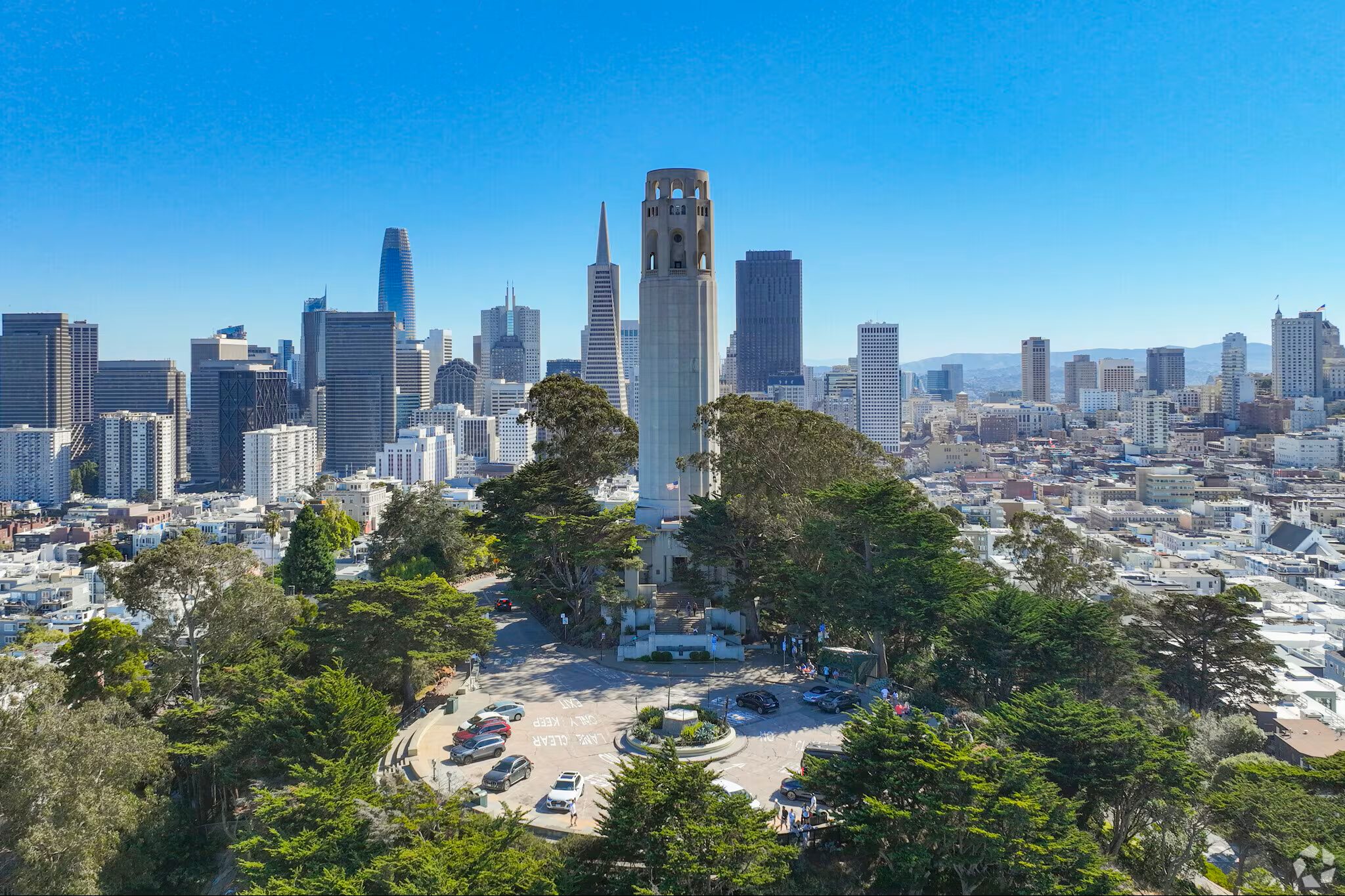
What Is Telegraph Hill?
Telegraph Hill is one of San Francisco's most dramatically beautiful, historically storied, and genuinely enchanting residential neighborhoods, rising steeply from the northeastern waterfront between North Beach and the Embarcadero to one of the city's most iconic hilltop summits crowned by the legendary Coit Tower. Known for its breathtaking panoramic views of the San Francisco Bay, the dramatic wild parrots that nest among the native gardens of the eastern slopes, the magical Filbert and Greenwich Street Steps winding through private cottage gardens, and a deeply intimate and community-oriented residential character unlike anywhere else in the city, Telegraph Hill offers a rare and profoundly special combination of natural drama, historic charm, architectural uniqueness, and enduring neighborhood magic. It attracts artists, writers, families, long-term residents, and buyers seeking one of San Francisco's most distinctive, scenically extraordinary, and genuinely irreplaceable residential addresses.
Location & Character
Telegraph Hill is located in the northeastern part of San Francisco, generally bordered by the Embarcadero and the northeastern waterfront to the east, Broadway Street to the south, Columbus Avenue and North Beach to the west, and Sansome Street to the north. It sits near neighborhoods including North Beach, the Barbary Coast, Jackson Square, and the Embarcadero:
- A dramatically steep and rocky hilltop neighborhood rising sharply from the northeastern waterfront to the Coit Tower summit
- An extraordinarily intimate and secluded residential character shaped by steep hillside terrain, narrow pedestrian lanes, and cottage gardens accessible only on foot
- The world-famous Filbert Street Steps and Greenwich Street Steps winding through lush private gardens and providing one of San Francisco's most magical and celebrated urban walking experiences
- Coit Tower crowning the hilltop summit as one of San Francisco's most iconic and beloved architectural landmarks with unmatched panoramic views
- A warm, deeply community-oriented, and genuinely enchanting neighborhood atmosphere with a strong sense of artistic heritage and residential belonging
- A diverse and long-established population blending artists, writers, families, and longtime residents with deep attachment to the hill's extraordinary character
- Wild parrots, the famous cherry-headed conures immortalized in the documentary film, nesting among the native gardens of the eastern slopes and defining one of the most beloved and distinctive elements of Telegraph Hill's natural and community identity
- A cooler and windier microclimate shaped by the dramatic hilltop elevation and northeastern coastal exposure
Real Estate & Housing
Telegraph Hill offers one of San Francisco's most distinctive, intimate, and tightly held housing markets with exceptional long-term ownership characteristics and a genuinely irreplaceable residential character:
- A uniquely varied collection of Victorian and Edwardian cottages, wood-shingled bungalows, garden apartments, flats, and smaller residential buildings nestled along the steep hillside lanes and stairways
- Victorian, Edwardian, and Craftsman architectural styles from the 1880s through the 1920s alongside more modest wood-shingled cottages and bungalows reflecting the hill's working-class and artistic heritage
- Many properties accessible only on foot via the celebrated stairways and pedestrian lanes, offering a uniquely private and secluded residential experience entirely unlike any other San Francisco neighborhood
- Properties often featuring private garden settings, mature landscaping, and a profound connection to the natural hillside environment
- Spectacular elevated positions giving many properties sweeping panoramic views of the San Francisco Bay, Alcatraz, Angel Island, the East Bay hills, and the city skyline commanding exceptional premium interest and pricing
- Extremely limited inventory as properties are held long-term by devoted residents who deeply cherish the hill's extraordinary character, creating persistent demand and exceptional value retention
- Price points ranging from the upper $1 million range into the multi-million dollar range depending on type, size, condition, views, access, and specific location on the hill
- Among the most distinctive and irreplaceable residential addresses in all of San Francisco driven by the hill's extraordinary natural beauty, iconic cultural status, and genuinely one-of-a-kind neighborhood character
- Long-term investment appeal driven by absolute scarcity, natural setting, iconic address, view premiums, and the enduring worldwide recognition of Coit Tower and Telegraph Hill
Community & Amenities
Telegraph Hill is primarily residential with an intimate and nature-focused character, benefiting from its immediate adjacency to the vibrant North Beach neighborhood and the broader northeastern waterfront:
- Columbus Avenue in adjacent North Beach within easy walking distance offering Italian cafés, delis, restaurants, City Lights Bookstore, and the full range of North Beach's celebrated commercial and cultural amenities
- The Embarcadero waterfront and Ferry Building accessible within a short walk for world-class waterfront dining, the acclaimed farmers market, artisan food vendors, and bay-front recreation
- Grant Avenue and Broadway offering additional dining, café, and neighborhood commercial options within easy reach
- Grocery stores, specialty markets, and everyday services in adjacent North Beach within comfortable walking distance
- Levi's Plaza at the base of the eastern hill offering a beautifully designed urban park and the Levi Strauss headquarters along the Embarcadero waterfront
- Additional shopping and dining accessible in adjacent Jackson Square, the Barbary Coast, and Chinatown within a short walk
Parks & Recreation
Outdoor access and natural open space are defining lifestyle advantages of Telegraph Hill, with the hilltop summit, native gardens, and waterfront all immediately accessible from the neighborhood:
- Coit Tower and Telegraph Hill Boulevard - the iconic hilltop summit featuring the celebrated Coit Tower, magnificent 360-degree panoramic views of the San Francisco Bay, Golden Gate Bridge, Marin Headlands, East Bay hills, and the city skyline, beautifully maintained native gardens, and the beloved wild parrot colony that has made Telegraph Hill one of San Francisco's most cherished natural and cultural landmarks
- Filbert Street Steps - one of San Francisco's most beloved and celebrated pedestrian experiences, a magical wooden stairway winding through lush and lovingly maintained private gardens along the eastern face of the hill, offering a uniquely enchanting urban walking experience that has inspired writers, artists, and residents for generations
- Greenwich Street Steps - a parallel stairway offering additional access to the hilltop summit through beautifully maintained garden settings
- Levi's Plaza Park at the base of the eastern hill featuring a beautifully designed urban park with a natural creek feature and serene waterfront setting
- The Embarcadero waterfront promenade accessible within a short walk for bay-front walking, cycling, and waterfront recreation
- Aquatic Park and the northern waterfront accessible within a short walk for bay swimming, sandy beach access, and historic waterfront recreation
Schools & Education
Telegraph Hill is served by the San Francisco Unified School District with several school options in the neighborhood and surrounding areas:
- Francisco Middle School serving the broader northern San Francisco district within reasonable reach
- Various public elementary school options within the broader northern San Francisco district
- Several well-regarded private and parochial schools in adjacent North Beach, Nob Hill, and Pacific Heights areas within reasonable commuting distance
- University of California San Francisco accessible for higher education and employment
- City College of San Francisco accessible for additional higher education options
- The neighborhood's proximity to North Beach and the broader northeastern city provides practical access to a wide range of educational options
Culture & Neighborhood Life
Telegraph Hill has one of San Francisco's most deeply cherished, artistically rich, and genuinely magical neighborhood cultures, shaped by its extraordinary hilltop setting, long artistic and literary heritage, and the passionate devotion of its long-established residential community:
- A welcoming and deeply intimate community of artists, writers, families, and longtime residents who share a profound and almost spiritual attachment to the hill's extraordinary beauty, natural character, and irreplaceable neighborhood identity
- A rich and celebrated artistic and literary heritage, Telegraph Hill has inspired generations of San Francisco artists, writers, and poets drawn to its dramatic views, wild gardens, and intimate community character, contributing to a neighborhood culture of deep creative engagement and aesthetic appreciation
- The wild cherry-headed conures, the beloved flock of wild parrots immortalized in Judy Irving's celebrated documentary film, serving as one of the most distinctive, beloved, and internationally recognized symbols of Telegraph Hill's extraordinary natural and community identity
- The Filbert Street Steps garden community - the lovingly maintained private gardens along the stairway steps representing one of San Francisco's most extraordinary examples of community-driven neighborhood beautification and stewardship
- Strong community involvement supported by Telegraph Hill Dwellers, one of San Francisco's oldest and most active neighborhood associations, and a deeply engaged local civic community committed to preserving the hill's extraordinary character
- Regular neighborhood events, stairway celebrations, and community gatherings fostering an exceptionally strong and deeply shared neighborhood identity among a small and passionately devoted residential community
- A quiet, contemplative, and profoundly beautiful pace of neighborhood life shaped by sweeping bay views, wild gardens, the beloved parrots, winding stairways, and a genuine sense of living within one of the world's most extraordinary and irreplaceable urban natural environments
- A distinctive and globally celebrated neighborhood identity built around natural drama, artistic heritage, community devotion, wild beauty, and a genuine sense of living within one of San Francisco's most magical and irreplaceable urban places
Transit & Connectivity
Despite its dramatically steep and somewhat secluded hilltop setting, Telegraph Hill maintains practical transit and roadway access via the surrounding neighborhood infrastructure:
- Multiple Muni bus routes serving Columbus Avenue, Broadway, and the Embarcadero waterfront corridor including the 39 Coit line providing direct hilltop access to Coit Tower and the upper reaches of the neighborhood
- Powell Street and Montgomery Street BART Stations accessible via a short walk or transit ride for direct and frequent Bay Area connections and downtown San Francisco access
- Embarcadero BART and Muni Metro Station accessible via a short walk along the waterfront for additional transit options
- San Francisco Cable Car lines accessible within a short walk in adjacent Nob Hill and North Beach for iconic and practical connections throughout the city
- Excellent pedestrian connectivity throughout the neighborhood via the celebrated stairways, pedestrian lanes, and surrounding North Beach streets
- Quick access to the Embarcadero, Broadway, and Columbus Avenue for convenient city navigation throughout San Francisco
Final Thoughts
Telegraph Hill offers a genuinely extraordinary and profoundly irreplaceable residential experience on one of San Francisco's most dramatically beautiful and beloved hilltops: a neighborhood defined by the iconic Coit Tower summit, sweeping panoramic bay views, the magical Filbert and Greenwich Street Steps winding through wild private gardens, the beloved wild parrot colony, a deeply intimate and artistically rich community character, immediate access to North Beach's cultural and culinary life, and a quality of everyday neighborhood life that is at once naturally spectacular, historically significant, artistically inspired, community-spirited, and unlike anything else found in any American city. For artists, writers, families, and long-term buyers seeking a neighborhood of absolute uniqueness, natural magic, genuine community devotion, iconic views, and enduring residential prestige, Telegraph Hill stands as one of San Francisco's most extraordinary, irreplaceable, and consistently cherished residential addresses, a truly magical and profoundly special place to call home on one of the most enchanting hills in the world.
8H North Waterfront
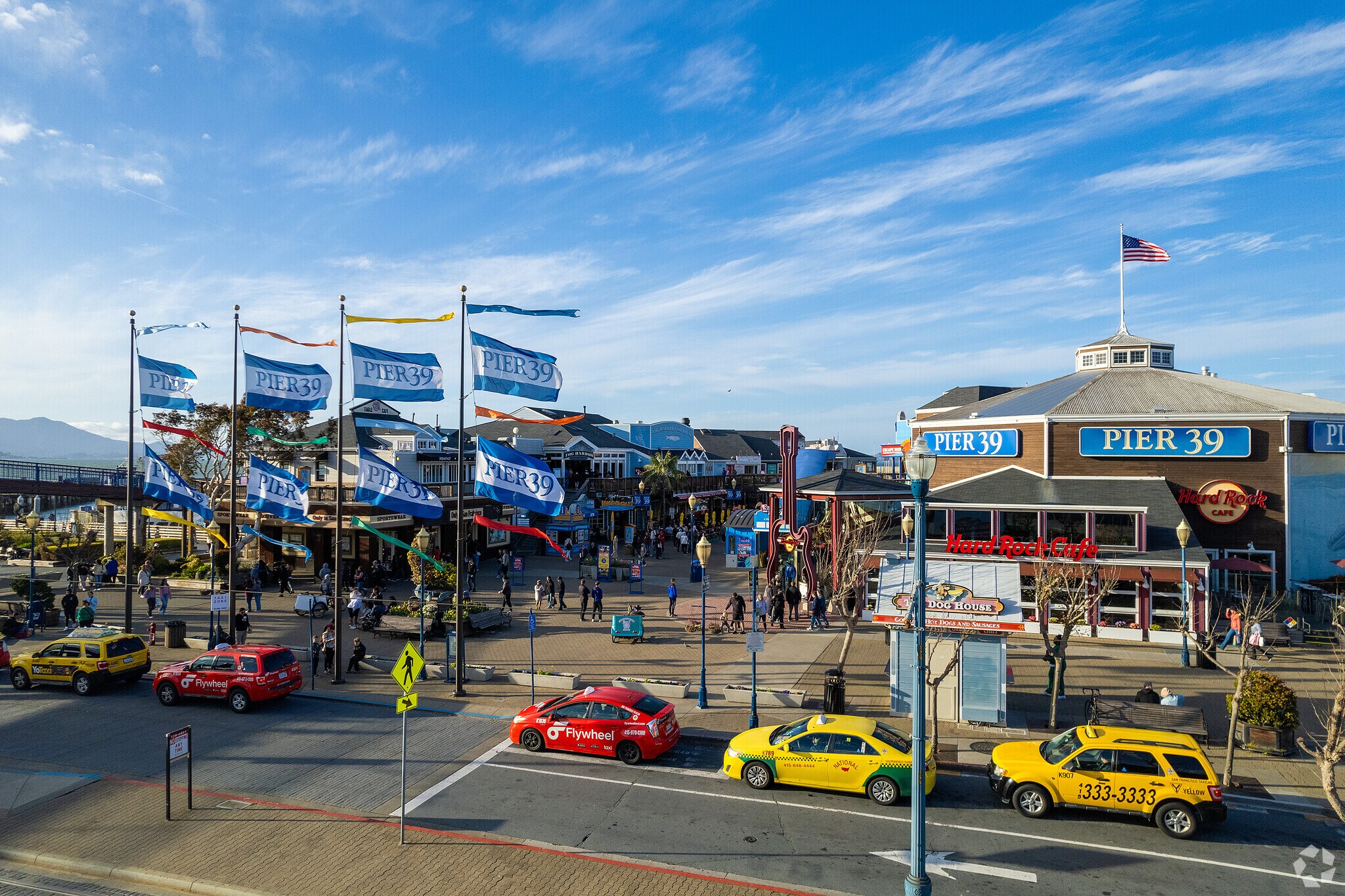
What Is North Waterfront?
North Waterfront is one of San Francisco's most scenically spectacular, historically rich, and dynamically vibrant urban neighborhoods, stretching along the magnificent northern shoreline of the city between the iconic Fisherman's Wharf and the beloved Embarcadero waterfront corridor. Known for its breathtaking panoramic views of the San Francisco Bay, Alcatraz, Angel Island, and the Marin Headlands, its extraordinary concentration of historic maritime landmarks, world-class cultural attractions, and beloved waterfront dining and recreational destinations, North Waterfront offers a uniquely compelling urban living environment defined by natural beauty, maritime heritage, outstanding outdoor access, and the enduring energy of one of the most visited and celebrated waterfront destinations in the United States. It attracts urban professionals, families, maritime enthusiasts, long-term residents, and buyers seeking a scenically extraordinary waterfront address with unmatched bay access, cultural richness, and enduring residential appeal along San Francisco's most celebrated shoreline.
Location & Character
North Waterfront is located along the northern shoreline of San Francisco, generally bordered by the San Francisco Bay to the north, Broadway Street and the Barbary Coast to the south, Van Ness Avenue and the Marina to the west, and the Embarcadero and Telegraph Hill to the east. It sits near neighborhoods including North Beach, Fisherman's Wharf, Russian Hill, and the Marina:
- A dramatically scenic waterfront neighborhood defined by sweeping panoramic views of the San Francisco Bay, Alcatraz, Angel Island, the Marin Headlands, and the Golden Gate Bridge
- A historic maritime and industrial waterfront transformed into one of San Francisco's most beloved and celebrated public destinations
- Fort Mason Center serving as a major cultural, arts, and community anchor at the western end of the neighborhood
- Aquatic Park and the San Francisco Maritime National Historical Park serving as the neighborhood's primary historic maritime and recreational destination
- A warm, vibrant, and genuinely community-oriented waterfront atmosphere with a strong sense of maritime heritage and natural beauty
- A diverse and evolving population blending urban professionals, maritime enthusiasts, families, and longtime residents
- A relatively mild waterfront microclimate with afternoon bay breezes and coastal fog typical of San Francisco's northern shoreline
Real Estate & Housing
North Waterfront offers a distinctive and consistently appealing residential market shaped by its extraordinary waterfront setting and evolving urban character:
- A diverse mix of Victorian and Edwardian flats and apartment buildings, mid-century residential buildings, converted live-work lofts, luxury condominiums, and newer mixed-use residential developments
- Victorian, Edwardian, and early 20th century architectural styles alongside mid-century and contemporary residential construction reflecting the neighborhood's layered history
- Many properties featuring generous floor plans, classic period detailing, and a strong sense of waterfront urban character
- Some elevated properties offering partial or sweeping views of the San Francisco Bay, Alcatraz, the Golden Gate Bridge, and the Marin Headlands commanding significant premium interest and pricing
- Flats and multi-unit buildings offering flexible ownership and investment opportunities throughout the neighborhood
- Updated interiors in many renovated homes mixed with well-preserved original-condition properties
- Price points typically ranging from the upper $1 million range into the multi-million dollar range depending on type, size, condition, views, and specific location within the broader neighborhood
- Strong and consistent demand driven by extraordinary waterfront setting, bay views, cultural amenities, and enduring residential desirability
- Long-term investment appeal driven by irreplaceable waterfront address, scenic beauty, cultural institution anchors, and the enduring worldwide recognition of San Francisco's northern waterfront
Community & Amenities
North Waterfront offers an exceptional and distinctive concentration of world-class cultural institutions, maritime destinations, waterfront dining experiences, and community amenities within an entirely walkable urban environment:
- Fort Mason Center for Arts and Culture - one of San Francisco's most beloved and celebrated cultural destinations, a magnificently repurposed historic military installation featuring an extraordinary concentration of arts organizations, performance spaces, museums, galleries, event venues, and the acclaimed SFMOMA Artists Gallery, all set against a stunning bay and Golden Gate Bridge backdrop
- The San Francisco Ferry Building and Embarcadero farmers market accessible within a short walk for world-class waterfront dining, artisan food vendors, and the beloved twice-weekly farmers market
- Ghirardelli Square - the magnificently restored historic chocolate factory transformed into a celebrated retail, dining, and cultural destination immediately within the neighborhood
- The Cannery and Fisherman's Wharf area offering additional waterfront dining, retail, and cultural attractions along the celebrated northern shoreline
- Grocery stores, specialty markets, and everyday services within comfortable walking distance throughout the surrounding area
- Outstanding proximity to North Beach's celebrated Columbus Avenue café and dining culture accessible within a short walk
Parks & Recreation
Outdoor access and waterfront recreation are the defining lifestyle advantages of North Waterfront, with an extraordinary sequence of historic parks, maritime landmarks, and waterfront destinations stretching along the entire northern shoreline:
- Aquatic Park and the San Francisco Maritime National Historical Park - the neighborhood's crown jewel waterfront destination featuring a beautifully protected swimming cove with a sandy beach, the magnificent Streamline Moderne Bathhouse building, historic ships moored at Hyde Street Pier, sweeping bay views, and one of San Francisco's most beloved and historically significant public waterfront spaces
- Fort Mason Great Meadow - a sweeping hilltop green space offering some of the most spectacular panoramic views of the San Francisco Bay, Golden Gate Bridge, Alcatraz, and the Marin Headlands found anywhere in the city, serving as a beloved community gathering space and one of San Francisco's finest urban viewpoints
- Crissy Field and the Presidio waterfront accessible within a short walk to the west offering additional stunning bay and Golden Gate Bridge views, tidal wetlands, and extensive recreational opportunities
- Marina Green accessible within a short walk to the west offering additional waterfront green space, bay views, and active outdoor recreation
- The Embarcadero waterfront promenade accessible within a short walk to the east offering bay-front walking, cycling, and waterfront recreation
- Hyde Street Pier - a living maritime museum featuring a magnificent collection of historic ships open to the public, including the iconic Balclutha sailing ship, as a beloved neighborhood landmark and cultural destination
Schools & Education
North Waterfront is served by the San Francisco Unified School District with several school options in the neighborhood and surrounding areas:
- Francisco Middle School serving the broader northern San Francisco district within reasonable reach
- Various public elementary school options within the broader northern San Francisco district
- Several well-regarded private and parochial schools in adjacent North Beach, Russian Hill, and Pacific Heights areas within reasonable commuting distance
- University of California San Francisco accessible for higher education and employment
- City College of San Francisco accessible for additional higher education options
- The neighborhood's excellent transit access makes virtually any San Francisco school reachable within a practical commute
Culture & Neighborhood Life
North Waterfront has a rich, maritime-infused, and genuinely vibrant neighborhood culture shaped by its extraordinary waterfront setting, historic maritime heritage, and the dynamic presence of Fort Mason Center and the broader arts community:
- A welcoming and inclusive environment blending urban professionals, maritime enthusiasts, artists, families, and longtime residents who share a deep appreciation for the neighborhood's extraordinary waterfront beauty and cultural richness
- Fort Mason Center serving as an extraordinary cultural anchor offering an unmatched concentration of arts programming, performance events, museum exhibitions, community gatherings, and cultural celebrations that make it one of the most dynamic and beloved cultural destinations in San Francisco
- The San Francisco Maritime National Historical Park preserving and celebrating the extraordinary maritime heritage of San Francisco's northern waterfront through historic ships, museum exhibitions, educational programming, and community events
- A vibrant and internationally celebrated waterfront atmosphere shaped by the constant presence of bay activity, historic vessels, waterfront dining, and the breathtaking natural backdrop of the bay and Golden Gate Bridge
- Strong community involvement supported by neighborhood associations, arts organizations, and the Fort Mason Center community
- Regular neighborhood events including the beloved Fort Mason farmers market, arts festivals, community gatherings, and seasonal waterfront celebrations fostering a strong and genuinely shared neighborhood identity
- A warm, scenically extraordinary, and culturally engaged pace of neighborhood life shaped by bay views, maritime heritage, Fort Mason's cultural programming, and the diverse and vibrant waterfront community
- A distinctive and internationally recognized neighborhood identity built around waterfront beauty, maritime heritage, cultural richness, outdoor recreation, and a genuine sense of living along one of the world's most spectacular and beloved urban waterfronts
Transit & Connectivity
North Waterfront offers practical and well-rounded transit and roadway access for both city and regional commuting:
- Multiple Muni bus routes serving Van Ness Avenue, Bay Street, and surrounding neighborhood corridors including the 28 19th Avenue, 30 Stockton, and 47 Van Ness lines
- Powell-Hyde Cable Car line accessible within a short walk providing iconic and beloved connections to Russian Hill, Nob Hill, Union Square, and the Financial District
- Van Ness Muni Bus Rapid Transit corridor accessible within a short walk providing fast and frequent north-south city connections
- Embarcadero BART and Muni Metro Station accessible via a short walk along the waterfront to the east for direct and frequent Bay Area connections
- Water ferry service accessible via the nearby Embarcadero Ferry Building for scenic and practical connections to Marin County, Oakland, and other Bay Area waterfront destinations
- Quick access to Van Ness Avenue and Lombard Street for convenient city navigation and access to Highway 101 and the Golden Gate Bridge
Final Thoughts
North Waterfront offers a genuinely extraordinary and deeply treasured residential experience along one of the world's most celebrated and scenically magnificent urban shorelines: a neighborhood defined by breathtaking panoramic views of the San Francisco Bay, Alcatraz, and the Golden Gate Bridge, the beloved Fort Mason Center for Arts and Culture, the historic San Francisco Maritime National Historical Park and Aquatic Park, the celebrated Ghirardelli Square, immediate access to Crissy Field and the Presidio waterfront, and a quality of everyday waterfront life that is at once naturally spectacular, culturally rich, historically significant, community-spirited, and deeply livable. For urban professionals, maritime enthusiasts, families, and long-term investors seeking a scenically extraordinary waterfront address with unmatched bay access, world-class cultural amenities, outstanding outdoor recreation, and enduring residential prestige along San Francisco's most celebrated northern shoreline, North Waterfront stands as one of the city's most scenically irreplaceable, culturally vibrant, and consistently beloved waterfront neighborhoods, a truly extraordinary and deeply special place to call home along the magnificent shores of San Francisco Bay.
8J Tenderloin
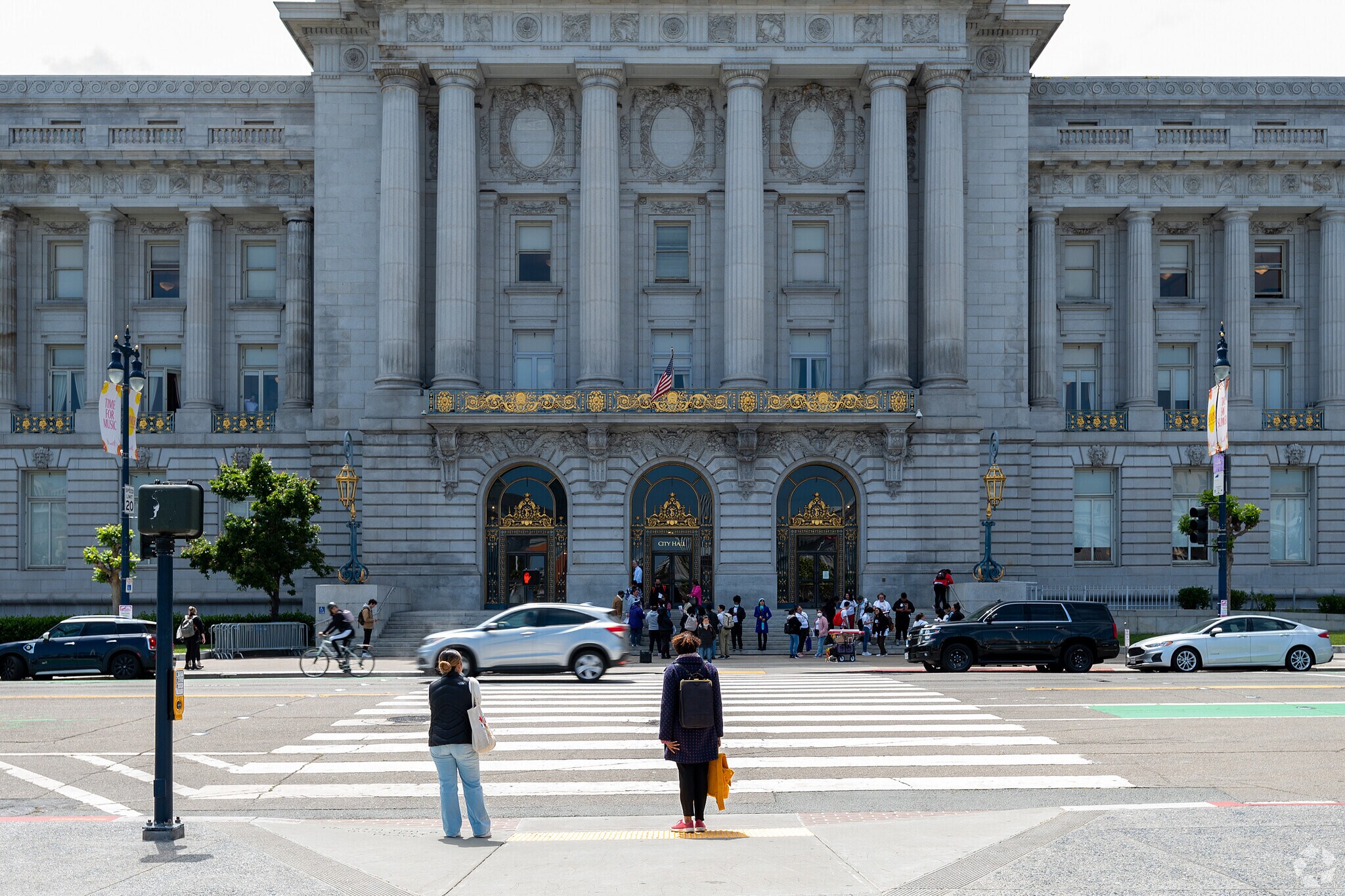
What Is the Tenderloin?
The Tenderloin is one of San Francisco's most densely populated, culturally diverse, and historically complex urban neighborhoods, situated in the heart of the city between Union Square, Civic Center, and the broader downtown core. Known for its extraordinary cultural diversity, vibrant immigrant communities, rich concentration of community organizations and social services, historic theaters and cultural venues, and an evolving neighborhood identity that balances significant challenges with genuine community resilience and emerging revitalization, the Tenderloin offers a uniquely compelling and authentically urban living environment defined by cultural richness, community strength, outstanding transit connectivity, and a neighborhood spirit that is at once deeply rooted, genuinely diverse, and increasingly dynamic. It attracts urban professionals, artists, community advocates, longtime residents, and buyers seeking an affordable, centrally positioned address with outstanding walkability, cultural diversity, and meaningful long-term neighborhood improvement potential.
Location & Character
The Tenderloin is located in the heart of central San Francisco, generally bordered by Market Street to the south, Geary Street to the north, Mason Street to the east, and Polk Street to the west. It sits near neighborhoods including Union Square, Civic Center, Nob Hill, Hayes Valley, and the Downtown core:
- A densely urban and centrally positioned neighborhood defined by a distinctive grid of mid-rise residential and commercial buildings reflecting the area's early 20th century development pattern
- An extraordinarily diverse and multicultural community reflecting decades of immigrant settlement including significant Vietnamese, Southeast Asian, Central American, and other international communities
- The Little Saigon corridor along Larkin Street serving as one of the most authentic and vibrant Vietnamese commercial and cultural districts in the United States
- A neighborhood with a complex and layered identity balancing significant urban challenges with genuine community resilience, cultural richness, and an evolving sense of neighborhood improvement and possibility
- A diverse and deeply rooted population blending immigrant families, low-income residents, artists, community advocates, and increasingly young professionals drawn by central positioning and relative affordability
- An exceptionally transit-rich and centrally positioned urban location with virtually unmatched city and regional connectivity
- A neighborhood undergoing meaningful evolution as community investment, arts programming, and urban revitalization initiatives gradually reshape the neighborhood environment
Real Estate & Housing
The Tenderloin offers a distinctive and increasingly interesting residential market shaped by the area's urban density, central positioning, and ongoing neighborhood transformation:
- A dense concentration of mid-rise apartment buildings, single room occupancy hotels, newer residential developments, and a smaller number of condominium buildings
- Early 20th century residential and commercial architecture alongside newer mixed-use and residential developments
- Many properties featuring practical urban layouts and a strong sense of central city character
- Newer condominium and mixed-use residential developments offering more contemporary amenities and finishes alongside older residential stock
- Price points among the most accessible found anywhere in central San Francisco, offering a meaningful entry point for buyers seeking a central city address at a lower price point than surrounding neighborhoods
- A residential market with significant upside potential as ongoing neighborhood revitalization, community investment, and improving public safety conditions continue to gradually reshape the urban environment
- Growing appeal among urban buyers, investors, and first-time buyers seeking an affordable central San Francisco address with outstanding transit access and long-term neighborhood improvement trajectory
- Long-term investment appeal driven by central positioning, transit infrastructure, ongoing revitalization initiatives, and the enduring potential of one of San Francisco's most centrally located neighborhoods
Community & Amenities
The Tenderloin offers a distinctive and culturally rich concentration of community resources, international dining destinations, cultural venues, and everyday amenities within an entirely walkable urban environment:
- The Little Saigon corridor along Larkin Street - one of the most authentic and beloved Vietnamese commercial and cultural districts in the United States, featuring an extraordinary concentration of Vietnamese restaurants, bakeries, cafés, specialty food shops, and community businesses that together make Larkin Street one of San Francisco's most genuine and culturally distinctive culinary destinations
- An exceptionally diverse international dining scene reflecting the neighborhood's multicultural character with Vietnamese, Burmese, Ethiopian, Central American, and many other international cuisine options available at highly accessible price points
- The historic Tenderloin Theater District featuring celebrated venues including the American Conservatory Theater, the Curran Theatre, and additional historic performance spaces making the Tenderloin one of the most significant theater districts on the West Coast
- Outstanding proximity to Union Square's world-class retail and the broader downtown commercial scene accessible within a short walk
- Grocery stores, international markets, and everyday services within comfortable walking distance throughout the neighborhood
- An extraordinary concentration of community organizations, social service providers, and nonprofit institutions making the Tenderloin one of the most community-resource-rich neighborhoods in San Francisco
Parks & Recreation
The Tenderloin offers access to several neighborhood parks and recreational destinations within and immediately surrounding the urban core:
- Boeddeker Park - a recently beautifully renovated neighborhood park serving as the Tenderloin's primary community green space, featuring open lawns, a children's playground, a community center, sports courts, and a wonderfully improved and welcoming community gathering atmosphere representing one of the most significant neighborhood improvement investments in recent Tenderloin history
- Tenderloin National Forest - a beloved and celebrated community garden and green space tucked along Cohen Alley offering a uniquely intimate and community-created urban oasis within the dense neighborhood fabric
- United Nations Plaza accessible within a short walk offering a historic civic open space and beloved farmers market
- Civic Center Plaza accessible within a short walk for additional civic open space and community gathering opportunities
- Golden Gate Park accessible via transit within a short ride for expansive outdoor recreation and cultural attractions
- Yerba Buena Gardens in adjacent SoMa accessible within a short walk for additional urban park and cultural destination access
Schools & Education
The Tenderloin is served by the San Francisco Unified School District with several school options in the neighborhood and surrounding areas:
- Tenderloin Community School serving the neighborhood's elementary age children with a strong community-focused educational mission
- Various public middle and high school options accessible via the neighborhood's outstanding transit network throughout San Francisco
- Several private and parochial schools in adjacent neighborhoods within reasonable commuting distance
- University of California San Francisco accessible for higher education and employment
- City College of San Francisco accessible for additional higher education options
- The neighborhood's extraordinary transit access makes virtually any San Francisco school reachable within a practical commute
Culture & Neighborhood Life
The Tenderloin has one of San Francisco's most genuinely diverse, community-resilient, and culturally authentic neighborhood cultures, shaped by generations of immigrant settlement, community advocacy, and a deeply rooted neighborhood spirit that persists and strengthens despite significant urban challenges:
- A welcoming and profoundly multicultural environment reflecting extraordinary cultural diversity with Vietnamese, Southeast Asian, Central American, African American, and many other communities contributing to a richly layered and genuinely authentic urban neighborhood character
- The Little Saigon community along Larkin Street representing one of the most significant and authentic Vietnamese American cultural communities in the United States, bringing an irreplaceable cultural richness and culinary vitality to the neighborhood
- The historic Tenderloin Theater District preserving and celebrating a magnificent legacy of San Francisco theatrical and performance culture through its celebrated venues and ongoing programming
- An extraordinary concentration of community organizations, tenant advocates, neighborhood associations, arts programs, and social service providers reflecting the Tenderloin's long and proud tradition of community advocacy and mutual support
- Strong community involvement supported by the Tenderloin Neighborhood Development Corporation, the Tenderloin Community Benefit District, and numerous other deeply committed neighborhood organizations
- Regular community events, cultural celebrations, neighborhood gatherings, and arts programming fostering a strong and genuinely shared neighborhood identity among a remarkably diverse residential community
- A gritty, authentic, and genuinely urban pace of neighborhood life shaped by cultural diversity, community resilience, the theater district, Little Saigon's culinary vitality, and an evolving sense of neighborhood possibility and improvement
- A distinctive neighborhood identity built around cultural authenticity, immigrant community strength, community resilience, theatrical heritage, and a genuine sense of urban diversity and neighborhood belonging unlike anywhere else in San Francisco
Transit & Connectivity
The Tenderloin offers among the most exceptional transit connectivity found anywhere in San Francisco, benefiting from its central positioning at the intersection of multiple major transit corridors:
- Powell Street and Civic Center BART and Muni Metro Stations both accessible within easy walking distance providing direct, frequent, and rapid connections to the East Bay, South Bay, San Francisco International Airport, and the broader Bay Area
- Multiple Muni Metro lines converging along Market Street immediately bordering the neighborhood providing direct and frequent connections to neighborhoods throughout San Francisco
- Multiple Muni bus routes serving Geary Street, Turk Street, and surrounding neighborhood corridors providing comprehensive city transit coverage
- Van Ness Bus Rapid Transit corridor accessible within a short walk providing fast and frequent north-south city connections
- Excellent pedestrian connectivity throughout the neighborhood's urban grid
- Quick access to Market Street, Van Ness Avenue, and Geary Boulevard for convenient city navigation throughout San Francisco
- Easy connection to Highway 101 and major city arterials for regional commuting via nearby connections
Final Thoughts
The Tenderloin offers a genuinely complex, culturally extraordinary, and authentically urban residential experience at the heart of San Francisco: a neighborhood defined by remarkable cultural diversity, the beloved Little Saigon corridor, a celebrated theatrical heritage, extraordinary community resilience, outstanding central city transit connectivity, and an evolving neighborhood identity that is gradually moving toward greater stability, safety, and residential desirability through sustained community investment and revitalization. For urban professionals, community advocates, artists, and long-term investors with a genuine appreciation for cultural authenticity, urban diversity, and meaningful neighborhood improvement potential, the Tenderloin represents one of San Francisco's most centrally positioned, culturally rich, and potentially rewarding neighborhoods, a place of genuine community strength, cultural vitality, and enduring urban possibility in the very heart of one of America's greatest cities.
District 9
9A Bernal Heights
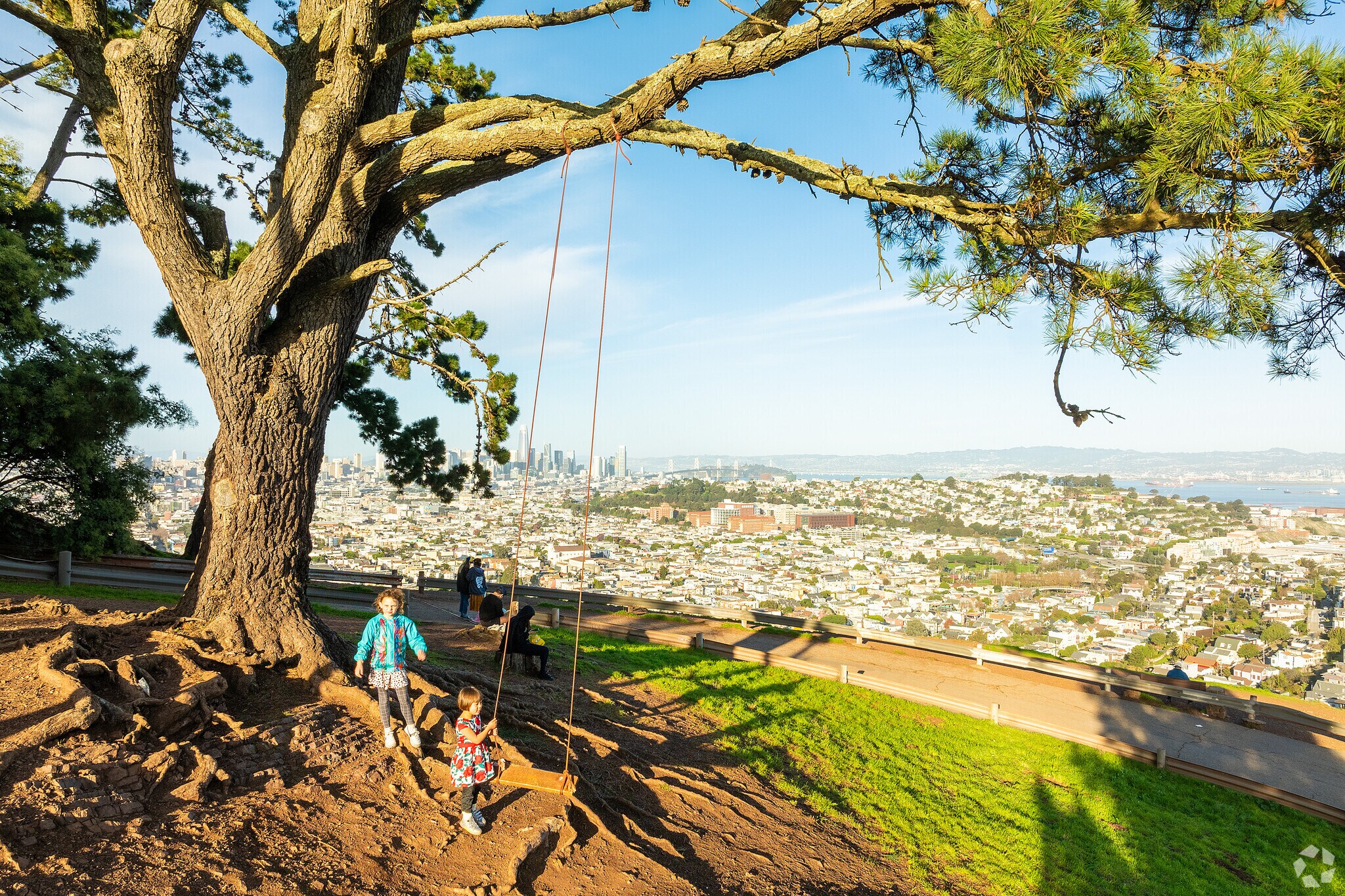
What Is Bernal Heights?
Bernal Heights is one of San Francisco's most beloved, warmly community-spirited, and consistently charming residential neighborhoods, perched on a distinctive hilltop in the south-central part of the city with sweeping panoramic views, a vibrant and genuinely local commercial corridor, and a neighborhood culture that has long been celebrated for its inclusivity, creativity, and deeply rooted community warmth. Known for its beautiful Victorian and Edwardian homes, the beloved Bernal Heights Park summit, the lively Cortland Avenue village, and a neighborhood character that perfectly balances urban accessibility with genuine residential intimacy, Bernal Heights offers a rare and deeply appealing combination of hilltop beauty, community vitality, architectural charm, and outstanding city connectivity. It attracts families, artists, LGBTQ community members, young professionals, long-term residents, and buyers seeking an authentically community-oriented neighborhood with enduring residential appeal and a genuinely special sense of place.
Location & Character
Bernal Heights is located in the south-central part of San Francisco, generally bordered by Cesar Chavez Street to the north, Highway 101 to the east, Alemany Boulevard to the south, and Noe Valley and Glen Park to the west. It sits near neighborhoods including the Mission District, Noe Valley, Glen Park, and Excelsior:
- A distinctive hilltop neighborhood rising above the surrounding south-central city with sweeping panoramic views of the San Francisco Bay, the city skyline, and the surrounding hills
- Quiet, winding residential streets with beautifully preserved Victorian and Edwardian architectural character throughout
- Bernal Heights Park crowning the hilltop summit as a beloved community open space and neighborhood gathering destination
- The celebrated Cortland Avenue commercial village serving as the neighborhood's warm and genuinely community-oriented commercial heart
- A warm, inclusive, and deeply community-oriented neighborhood atmosphere with a strong sense of neighborhood pride and belonging
- A diverse and long-established population blending LGBTQ community members, families, artists, young professionals, and longtime residents
- A relatively warmer and more sheltered microclimate compared to more fog-prone western and southern neighborhoods
Real Estate & Housing
Bernal Heights offers a consistently desirable and architecturally appealing housing market with strong long-term ownership characteristics:
- A rich mix of single-family Victorian and Edwardian homes, Craftsman bungalows, flats, duplexes, condominiums, and smaller multi-unit buildings
- Victorian, Edwardian, and Craftsman architectural styles from the 1880s through the 1920s featuring beautiful and well-preserved period detailing
- Homes showcasing classic San Francisco details including bay windows, decorative woodwork, colorful painted exteriors, and generous interior proportions
- Many properties with yards, garden space, and more generous outdoor areas than many comparable San Francisco neighborhoods
- Elevated hilltop positions giving many properties partial or sweeping views of the bay, city skyline, and surrounding hills commanding premium interest and pricing
- Flats and multi-unit buildings offering flexible ownership and investment opportunities throughout the neighborhood
- Updated interiors in many renovated homes mixed with beautifully preserved original-condition properties
- Price points typically ranging from the mid to upper $1 million range and above depending on type, size, condition, views, and location
- Strong and consistent demand driven by neighborhood warmth, community character, hilltop setting, and enduring residential desirability
- Long-term investment appeal driven by neighborhood community strength, architectural charm, hilltop views, and the enduring appeal of the Bernal Heights address
Community & Amenities
Bernal Heights' beloved Cortland Avenue commercial village is one of its most defining and cherished features, offering a warm and genuinely locally oriented collection of businesses and everyday conveniences:
- Cortland Avenue serving as the neighborhood's beloved commercial heart with an outstanding collection of independent restaurants, cafés, bakeries, wine bars, boutiques, and specialty retailers that together reflect the neighborhood's warm, creative, and community-oriented character
- A rich and diverse local dining and café scene ranging from beloved casual neighborhood favorites to well-regarded destination restaurants
- Independent bookstores, specialty shops, and locally owned businesses giving Cortland Avenue a distinctly intimate and community-centered commercial character
- Grocery stores, specialty markets, and everyday services within comfortable walking distance throughout the neighborhood
- The Mission District's celebrated Valencia Street and 24th Street corridors accessible within a short walk or transit ride for additional dining, shopping, and cultural destinations
- Noe Valley's beloved 24th Street village accessible within a short drive or transit ride for additional neighborhood commercial amenities
Parks & Recreation
Bernal Heights Park is the defining outdoor asset of the neighborhood, serving as one of San Francisco's most beloved and community-spirited hilltop open spaces:
- Bernal Heights Park - the neighborhood's beloved hilltop crown featuring sweeping 360-degree panoramic views of the entire city, San Francisco Bay, the East Bay hills, and the surrounding neighborhoods, open natural grassland hillsides, walking and hiking paths, a beloved off-leash dog area, and a wonderfully inclusive and community-oriented daily gathering atmosphere that serves as the true heart of Bernal Heights neighborhood life
- Holly Park - a beautifully maintained neighborhood park with open lawns, mature trees, and a beloved community gathering atmosphere serving as one of Bernal Heights' most cherished neighborhood green spaces
- Precita Park - a beloved community park at the northern edge of the neighborhood featuring open lawns, a children's playground, and a warm neighborhood gathering atmosphere
- Precita Eyes Mural Arts Center - a celebrated community arts organization and mural tour destination offering guided walks through the neighborhood's extraordinary concentration of community murals
- Glen Canyon Park accessible within a short drive for hiking trails, creek access, and expansive natural open space
- McLaren Park - one of the city's largest parks with extensive trails, sports facilities, and picnic areas accessible within a short drive
Schools & Education
Bernal Heights is served by the San Francisco Unified School District with several well-regarded school options in the neighborhood and surrounding areas:
- Fairmount Elementary School serving the broader district area within easy reach
- Various middle and high school options within the SFUSD system
- Private and parochial school options within a reasonable commute
- City College of San Francisco and San Francisco State University both accessible for higher education
- The neighborhood's excellent transit access makes virtually any San Francisco school reachable within a practical commute
Culture & Neighborhood Life
Bernal Heights has one of San Francisco's most genuinely warm, creatively vibrant, and deeply community-spirited neighborhood cultures, shaped by its hilltop setting, diverse population, and long tradition of neighborhood activism and community building:
- A welcoming and profoundly inclusive environment blending LGBTQ community members, families, artists, activists, young professionals, and longtime residents in a genuinely diverse and community-oriented neighborhood that has long celebrated difference, creativity, and mutual belonging
- Cortland Avenue providing a beloved daily gathering place where neighbors shop, dine, and connect in a warm, friendly, and genuinely neighborhood-oriented atmosphere that perfectly captures the spirit of Bernal Heights community life
- Bernal Heights Park serving as the neighborhood's irreplaceable daily outdoor gathering space where residents walk, run, fly kites, watch the views, and celebrate the extraordinary natural beauty of their hilltop home
- A rich tradition of community murals, public art, neighborhood activism, and civic engagement reflecting Bernal Heights' long and proud history as one of San Francisco's most creatively engaged and community-minded neighborhoods
- Strong community involvement supported by the Bernal Heights Neighborhood Center and an exceptionally active and engaged local civic community
- Regular neighborhood events including the beloved Bernal Heights Outdoor Cinema, community festivals, neighborhood gatherings, and seasonal celebrations fostering an extraordinarily strong and deeply shared community identity
- A warm, creative, and genuinely community-centered pace of neighborhood life shaped by Cortland Avenue's village energy, Bernal Heights Park's hilltop beauty, the neighborhood's mural culture, and the diverse and passionately engaged community
- A distinctive and widely celebrated neighborhood identity built around community warmth, creative spirit, hilltop beauty, neighborhood inclusivity, and a genuine sense of being part of one of San Francisco's most authentically community-oriented and deeply beloved neighborhoods
Transit & Connectivity
Bernal Heights offers practical and well-rounded transit and roadway access for both city and regional commuting:
- Multiple Muni bus routes serving Cortland Avenue, Mission Street, and surrounding neighborhood corridors including the 24 Divisadero and 67 Bernal Heights lines
- 24th Street Mission BART Station accessible within a short walk or transit ride providing direct and frequent Bay Area connections and downtown San Francisco access
- Glen Park BART Station accessible within a short drive or transit ride for additional direct Bay Area connections
- Quick access to Highway 101 and Cesar Chavez Street for convenient city navigation and regional commuting
- Excellent pedestrian and cycling connectivity throughout the neighborhood and surrounding residential streets
- Easy connection to Interstate 280 for Peninsula and South Bay regional commuting via nearby connections
Final Thoughts
Bernal Heights offers a genuinely extraordinary and deeply treasured residential experience on one of San Francisco's most beloved and community-spirited hilltops: a neighborhood defined by the magnificent Bernal Heights Park summit, the warm and vibrant Cortland Avenue village, beautifully preserved Victorian and Edwardian architecture, a rich tradition of community art and neighborhood activism, sweeping panoramic views, and a quality of everyday neighborhood life that is at once warm, inclusive, creatively vibrant, architecturally charming, and deeply livable. For families, artists, LGBTQ community members, professionals, and long-term investors seeking a neighborhood with genuine community warmth, hilltop beauty, architectural character, and an enduring sense of neighborhood belonging and pride, Bernal Heights stands as one of San Francisco's most beloved, community-spirited, and consistently cherished hilltop neighborhoods, a truly extraordinary and deeply special place to call home.
9C Inner Mission
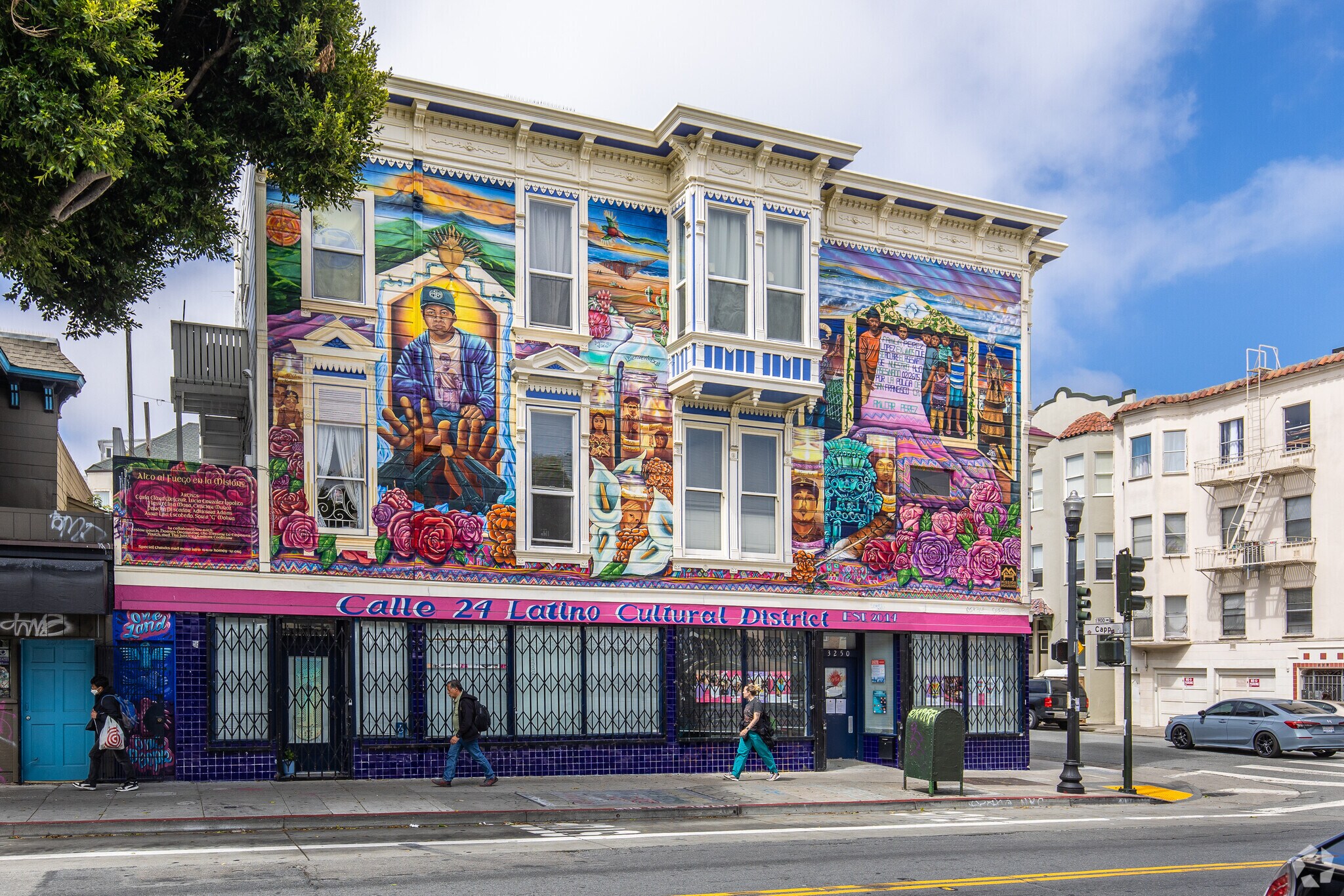
What Is the Inner Mission?
The Inner Mission is one of San Francisco's most vibrant, culturally rich, and historically significant neighborhoods, stretching along the heart of the Mission District in the south-central part of the city. Named for the historic Mission Dolores, the oldest surviving structure in San Francisco, the Inner Mission has evolved over generations into one of the city's most dynamic, diverse, and celebrated urban neighborhoods, known for its extraordinary Latino cultural heritage, world-famous street murals, legendary Valencia Street dining and nightlife corridor, beloved Dolores Park, and a neighborhood energy that is at once historically deep, culturally vibrant, and genuinely community-spirited. It attracts artists, families, young professionals, LGBTQ community members, long-term residents, and buyers seeking a centrally positioned neighborhood with unmatched cultural vitality, outstanding walkability, and enduring residential appeal at the heart of one of San Francisco's most beloved and celebrated communities.
Location & Character
The Inner Mission is located in the south-central part of San Francisco, generally bordered by Cesar Chavez Street to the south, 16th Street to the north, Potrero Avenue to the east, and Dolores Street to the west. It sits near neighborhoods including Mission Dolores, Noe Valley, Bernal Heights, and the Outer Mission:
- A vibrant, densely urban neighborhood defined by the celebrated Valencia Street and Mission Street commercial corridors
- Colorful, mural-adorned residential and commercial streets with a distinctive Latino cultural heritage and artistic character
- Mission Dolores Park serving as the neighborhood's beloved primary outdoor gathering and recreational destination
- A warm, culturally rich, and genuinely community-oriented neighborhood atmosphere with a profound sense of historic significance and urban vitality
- A diverse and deeply rooted population blending Latino families, artists, LGBTQ community members, young professionals, and longtime residents
- A famously sunny and warm microclimate sheltered from the fog by the surrounding hills, one of the most celebrated and beloved qualities of the Mission District
- Exceptional walkability with most daily needs, cultural destinations, and neighborhood amenities accessible entirely on foot
Real Estate & Housing
The Inner Mission offers a consistently desirable and architecturally interesting housing market with strong long-term ownership and investment characteristics:
- A rich mix of Victorian and Edwardian flats, single-family homes, duplexes, condominiums, live-work lofts, and smaller multi-unit buildings
- Victorian and Edwardian architectural styles from the 1880s through the 1910s featuring beautiful and well-preserved period detailing alongside more modest working-class residential buildings
- Homes showcasing classic San Francisco details including bay windows, decorative woodwork, and colorful painted exteriors
- Many properties with generous interior proportions and classic period character alongside more modest working-class residential buildings reflecting the neighborhood's diverse architectural heritage
- Flats and multi-unit buildings offering flexible ownership and investment opportunities throughout the neighborhood
- Updated interiors in many renovated homes mixed with well-preserved original-condition properties
- Price points typically ranging from the mid to upper $1 million range and above depending on type, size, condition, and location
- Strong and consistent demand driven by sunny microclimate, cultural vitality, outstanding walkability, and enduring neighborhood desirability
- Long-term investment appeal driven by central positioning, cultural cachet, architectural character, and the enduring prestige of the Mission District address
Community & Amenities
The Inner Mission offers an extraordinary and culturally diverse concentration of world-class dining, nightlife, cultural destinations, and everyday amenities within an entirely walkable urban environment:
- Valencia Street - one of San Francisco's most celebrated and beloved commercial corridors, featuring an extraordinary concentration of acclaimed independent restaurants, wine bars, craft cocktail lounges, boutiques, bookstores, and specialty retailers that together have established Valencia Street as one of the finest and most dynamic neighborhood commercial streets in the United States
- Mission Street serving as the neighborhood's primary Latino cultural and commercial spine with an authentic and vibrant concentration of taquerias, panaderias, Latin American restaurants, specialty markets, and community businesses reflecting the neighborhood's deep and irreplaceable Latino cultural heritage
- 24th Street corridor in the heart of the Mission offering additional beloved neighborhood dining, specialty food shops, and community-oriented commercial destinations
- Grocery stores, specialty markets, Latin American food shops, and everyday services within comfortable walking distance throughout the neighborhood
- An extraordinary and internationally celebrated concentration of community murals throughout the neighborhood, particularly along Balmy Alley and Clarion Alley, representing one of the most significant and beloved collections of community public art found in any American city
- Outstanding proximity to Mission Dolores Park, Noe Valley, and the Castro for additional dining, cultural, and recreational destinations
Parks & Recreation
The Inner Mission offers access to several beloved parks and outdoor spaces that are deeply woven into the fabric of neighborhood life:
- Mission Dolores Park - the neighborhood's beloved and iconic primary outdoor destination, featuring sweeping panoramic views of the city and Bay, open sunny lawns, sports courts, a children's playground, a restored historic carousel, and a famously lively, inclusive, and community-spirited gathering atmosphere that draws residents and visitors from across the city every day of the year
- Dolores Street median - a beautifully landscaped tree-lined boulevard with palm trees and a dedicated cycling and walking path running through the heart of the neighborhood
- Guerrero Park and various neighborhood pocket parks offering additional community green space throughout the neighborhood
- Precita Park at the southern edge of the neighborhood offering open lawns and community gathering space
- Bernal Heights Park accessible within a short drive or transit ride for hilltop views and expansive open space
- Glen Canyon Park accessible within a short drive for hiking trails, creek access, and natural open space
Schools & Education
The Inner Mission is served by the San Francisco Unified School District with several school options in the neighborhood and surrounding areas:
- Various public elementary and middle school options within the broader south-central San Francisco district
- Several well-regarded schools in neighboring Mission Dolores, Noe Valley, and Bernal Heights areas within reasonable reach
- Private and parochial school options within a short commute including several well-regarded Catholic schools reflecting the neighborhood's historic mission heritage
- City College of San Francisco accessible for higher education
- University of California San Francisco accessible for higher education and employment
- The neighborhood's exceptional transit access makes virtually any San Francisco school reachable within a practical commute
Culture & Neighborhood Life
The Inner Mission has one of San Francisco's most historically significant, culturally extraordinary, and genuinely vibrant neighborhood cultures, shaped by generations of Latino cultural heritage, artistic creativity, community activism, and urban vitality:
- A welcoming and profoundly inclusive environment blending Latino families, artists, LGBTQ community members, young professionals, and longtime residents in a genuinely diverse and community-spirited neighborhood that has long celebrated cultural richness, artistic expression, and community belonging
- The extraordinary collection of community murals throughout the neighborhood, particularly the celebrated Balmy Alley and Clarion Alley mural corridors, representing one of the most significant and internationally recognized collections of community public art in the United States and a defining expression of the Mission's Latino cultural identity and artistic spirit
- Mission Street's vibrant and authentic Latino cultural corridor preserving and celebrating the deep and irreplaceable Latino heritage of the Mission District through beloved taquerias, panaderias, community businesses, and cultural traditions that have defined the neighborhood for generations
- Valencia Street providing a celebrated daily gathering place where neighbors and visitors connect in a lively, creative, and culturally engaged atmosphere that has earned the Mission District a national and international reputation for culinary excellence and urban vitality
- Strong community involvement supported by the Mission Cultural Center for Latino Arts, numerous neighborhood organizations, and a deeply engaged and passionate local civic community
- Regular neighborhood events including Carnaval San Francisco - one of the largest Latino cultural festivals in the United States, Día de los Muertos celebrations, the Mission Creek Music Festival, and countless community gatherings fostering a profound and deeply shared neighborhood identity
- A warm, sunny, and genuinely vibrant pace of neighborhood life shaped by Mission Dolores Park's beloved community atmosphere, Valencia Street's culinary energy, the neighborhood's extraordinary mural culture, and the diverse and passionately engaged community
- A distinctive and globally celebrated neighborhood identity built around Latino cultural heritage, artistic expression, community resilience, culinary excellence, sunny weather, and a genuine sense of urban belonging unlike anywhere else in San Francisco
Transit & Connectivity
The Inner Mission offers outstanding transit and roadway access, benefiting from its central city location and proximity to multiple major transit corridors:
- 16th Street Mission BART Station and 24th Street Mission BART Station both within easy walking distance providing direct, frequent, and rapid connections to the East Bay, South Bay, San Francisco International Airport, and the broader Bay Area
- Multiple Muni bus routes serving Mission Street, Valencia Street, and surrounding neighborhood corridors including the 14 Mission and 49 Van Ness-Mission lines
- Muni Metro J Church line accessible via nearby Church Street for additional city transit connections
- Excellent pedestrian and cycling connectivity throughout the neighborhood including dedicated cycling infrastructure along Valencia Street
- Quick access to Cesar Chavez Street, 101 Highway, and Potrero Avenue for convenient city navigation and regional commuting
- Easy connection to Interstate 280 for Peninsula and South Bay commuting via nearby connections
Final Thoughts
The Inner Mission offers a genuinely extraordinary and profoundly celebrated residential experience in the heart of San Francisco: a neighborhood defined by its legendary Latino cultural heritage, the world-famous community mural collections of Balmy Alley and Clarion Alley, the beloved Mission Dolores Park, the acclaimed Valencia Street dining corridor, a famously sunny microclimate, outstanding BART connectivity, and a quality of everyday neighborhood life that is at once culturally magnificent, artistically vibrant, community-spirited, and deeply livable. For families, artists, LGBTQ community members, professionals, and long-term investors seeking a neighborhood with unmatched cultural depth, artistic richness, genuine community warmth, outstanding city access, and enduring residential prestige, the Inner Mission stands as one of San Francisco's most iconic, culturally irreplaceable, and consistently celebrated neighborhoods, a truly extraordinary and deeply meaningful place to call home in the vibrant heart of one of America's greatest cities.
9D Mission Bay
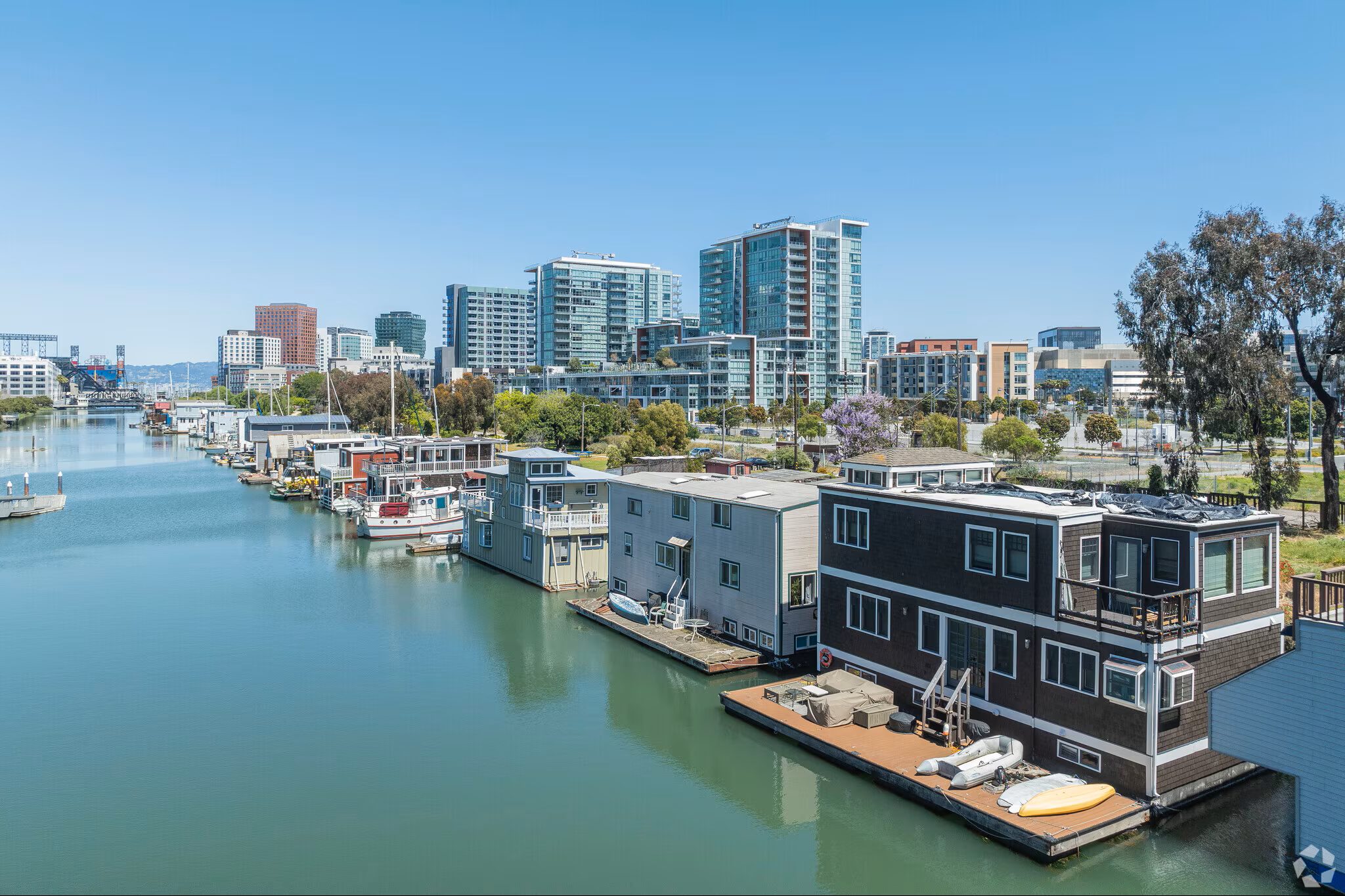
What Is Mission Bay?
Mission Bay is one of San Francisco's newest, most ambitiously planned, and most dramatically transformed urban neighborhoods, rising from former industrial rail yards and waterfront land along the southern shoreline of the city into a dynamic, modern, and rapidly evolving community defined by cutting-edge research institutions, professional sports venues, waterfront open spaces, and a growing residential population. Known for the UCSF Mission Bay medical and research campus, one of the most significant biomedical research centers in the world, the Chase Center arena, the beautiful Mission Creek waterway, and a neighborhood built almost entirely from the ground up over the past two decades, Mission Bay offers a uniquely contemporary urban living experience defined by modern architecture, outstanding amenities, waterfront access, and exceptional transit connectivity. It attracts biomedical and technology professionals, young urban residents, sports enthusiasts, and buyers seeking a modern, well-planned neighborhood with outstanding city connectivity and strong long-term investment potential at the forefront of San Francisco's urban future.
Location & Character
Mission Bay is located in the southeastern part of San Francisco, generally bordered by the China Basin waterfront and McCovey Cove to the north, Cesar Chavez Street to the south, the Caltrain corridor to the west, and the San Francisco Bay to the east. It sits near neighborhoods including SoMa, Dogpatch, Potrero Hill, and the Inner Mission:
- A modern, master-planned urban neighborhood built almost entirely from the ground up over the past two decades on former industrial rail yard land
- A contemporary architectural character defined by modern residential towers, life sciences research buildings, medical facilities, and waterfront open spaces
- The UCSF Mission Bay campus serving as the defining institutional anchor of the neighborhood and one of the most significant biomedical research concentrations in the world
- Chase Center arena providing a world-class sports and entertainment destination at the heart of the neighborhood
- Mission Creek waterway and surrounding parks creating a beautiful and distinctive waterfront open space network running through the center of the neighborhood
- A relatively young, professionally oriented, and growing residential population reflecting the neighborhood's recent development and strong institutional anchors
- A modern, planned urban environment with wide sidewalks, dedicated cycling infrastructure, waterfront promenades, and a clean contemporary streetscape
Real Estate & Housing
Mission Bay offers a modern and consistently evolving residential market shaped by its master-planned character and strong institutional demand:
- A predominantly modern residential market consisting of high-rise and mid-rise condominium towers, apartment buildings, and newer mixed-use residential developments
- Contemporary architectural styles from the 2000s through the present featuring modern finishes, open floor plans, floor-to-ceiling windows, and contemporary amenities
- Many properties featuring stunning views of the San Francisco Bay, McCovey Cove, the city skyline, or the Mission Creek waterway
- High-rise and mid-rise condominiums offering modern amenities including concierge services, fitness centers, rooftop terraces, and secure parking
- A residential market with strong and consistent demand driven primarily by UCSF faculty, staff, researchers, and the broader biomedical and technology professional community
- Rental market particularly strong given the large and consistent institutional population associated with UCSF and Chase Center
- Price points typically ranging from the upper $1 million range into the multi-million dollar range for condominiums depending on size, floor level, views, amenities, and specific location
- Strong long-term investment fundamentals driven by UCSF institutional anchor, Chase Center presence, ongoing neighborhood development, waterfront positioning, and exceptional transit connectivity
- A neighborhood with meaningful continued growth potential as additional residential, retail, and community amenities continue to be developed and activated
Community & Amenities
Mission Bay's retail and commercial amenities have grown significantly alongside the neighborhood's residential development, with continued expansion underway:
- The Mission Rock development at China Basin emerging as a major new mixed-use waterfront destination featuring retail, dining, open space, and additional residential development along the McCovey Cove shoreline
- Chase Center's Thrive City outdoor plaza serving as a major neighborhood activation destination featuring retail, dining, public art, and community events programming throughout the year
- An evolving collection of neighborhood restaurants, cafés, and everyday services along Third Street and surrounding neighborhood corridors
- UCSF Mission Bay campus facilities serving the broader neighborhood community including medical services, dining, and research programming
- Grocery stores and everyday services within comfortable reach, with ongoing retail development continuing to expand neighborhood commercial options
- Oracle Park and the China Basin waterfront immediately adjacent offering additional dining, entertainment, and waterfront destinations during Giants baseball season
Parks & Recreation
Mission Bay offers a beautifully designed network of modern waterfront parks and open spaces woven throughout the neighborhood:
- Mission Creek Park - the neighborhood's defining linear waterfront park running along the Mission Creek waterway through the heart of the neighborhood, featuring walking and cycling paths, open lawns, community gardens, kayak access, and a beautifully designed waterfront environment that serves as Mission Bay's primary community green space and outdoor gathering corridor
- Mission Bay Commons - a neighborhood park featuring open green space, a children's playground, and community gathering areas serving as a primary residential gathering space
- Thrive City plaza at Chase Center offering a beautifully designed outdoor public space with rotating public art, community programming, and activation throughout the year
- The China Basin waterfront and McCovey Cove offering spectacular bay views, waterfront walking and cycling access, and a beloved community gathering destination particularly during San Francisco Giants home games at adjacent Oracle Park
- Dogpatch and Potrero Hill neighborhood parks accessible within a short walk or transit ride for additional outdoor recreation
- The Embarcadero waterfront promenade accessible within a short distance for bay-front walking, cycling, and broader waterfront recreation
Schools & Education
Mission Bay is served by the San Francisco Unified School District with access to schools throughout the city given the neighborhood's excellent transit connectivity:
- Various public elementary and middle school options accessible via the neighborhood's strong transit network throughout San Francisco
- Several schools in neighboring SoMa, Dogpatch, and Potrero Hill areas within reasonable reach
- Private and independent school options within a reasonable commute
- University of California San Francisco Mission Bay Campus, directly within the neighborhood, one of the world's leading medical and research universities and the defining institutional presence shaping the neighborhood's character, population, and long-term identity
- City College of San Francisco accessible for additional higher education options
- The neighborhood's excellent transit connectivity makes virtually any San Francisco school reachable within a practical commute
Culture & Neighborhood Life
Mission Bay has a young, dynamic, and professionally oriented neighborhood culture shaped by the UCSF research campus, Chase Center, and a growing and increasingly diverse residential community:
- A welcoming and professionally vibrant environment blending UCSF researchers, medical professionals, technology workers, young urban residents, and sports enthusiasts in a genuinely modern and forward-looking community
- Chase Center serving as a major cultural and entertainment anchor bringing world-class sports programming through the Golden State Warriors, internationally acclaimed concert events, and community activation through Thrive City throughout the year
- Oracle Park immediately adjacent providing the beloved San Francisco Giants baseball experience, McCovey Cove home run splash zone, and a celebrated waterfront ballpark atmosphere that draws the broader city community to the neighborhood throughout the baseball season
- The UCSF Mission Bay campus contributing a unique intellectual, scientific, and medical research energy to the neighborhood that reflects the extraordinary concentration of world-class biomedical talent and innovation concentrated in the area
- A growing and increasingly active community life supported by neighborhood associations, community organizations, and ongoing residential and retail development bringing more diverse programming and community activation
- Regular neighborhood events, Chase Center programming, Giants game days, and community gatherings fostering an increasingly strong and shared neighborhood identity among Mission Bay's growing residential population
- A modern, forward-looking, and professionally energized pace of neighborhood life shaped by world-class research and medical institutions, professional sports and entertainment, waterfront open spaces, and an evolving and growing residential community
- A distinctive and increasingly recognized neighborhood identity built around biomedical innovation, professional sports culture, modern urban design, waterfront living, and a genuine sense of being at the forefront of San Francisco's most ambitious and forward-looking urban development
Transit & Connectivity
Mission Bay offers outstanding transit connectivity, anchored by Caltrain and multiple Muni lines serving the neighborhood directly:
- 4th and King Caltrain Station immediately adjacent to the neighborhood providing direct and frequent Peninsula and South Bay commuting connections, one of the neighborhood's most significant transit advantages for professionals commuting throughout the Bay Area
- Multiple Muni Metro lines serving Third Street and the surrounding neighborhood corridors including the T Third Street line providing direct connections to downtown San Francisco and Caltrain
- Multiple Muni bus routes serving Third Street, 16th Street, and surrounding neighborhood corridors
- Excellent pedestrian and cycling connectivity throughout the neighborhood's modern planned streetscape including dedicated cycling infrastructure throughout Mission Bay
- Quick access to Highway 101 and Interstate 280 for regional commuting throughout the Bay Area
- Future Central Subway and expanded Muni connectivity continuing to improve the neighborhood's already strong transit profile
- Water taxi and ferry access along the China Basin waterfront providing additional bay-oriented transit options
Final Thoughts
Mission Bay offers a genuinely extraordinary and forward-looking residential experience at the cutting edge of San Francisco's urban future: a neighborhood defined by the world-class UCSF biomedical research campus, Chase Center and the Golden State Warriors, Oracle Park and the San Francisco Giants, beautiful Mission Creek waterfront parks, modern residential architecture with stunning bay views, outstanding Caltrain and transit connectivity, and a quality of urban life that is at once professionally vibrant, athletically energized, waterfront-oriented, and increasingly community-spirited. For biomedical and technology professionals, young urban residents, sports enthusiasts, and long-term investors seeking a modern, well-planned neighborhood with strong institutional anchors, outstanding transit access, waterfront amenities, and compelling long-term growth potential, Mission Bay stands as one of San Francisco's most dynamic, forward-looking, and consistently evolving neighborhoods, a truly extraordinary urban achievement and an increasingly rewarding place to call home at the exciting frontier of San Francisco's next great chapter.
9E Potrero Hill
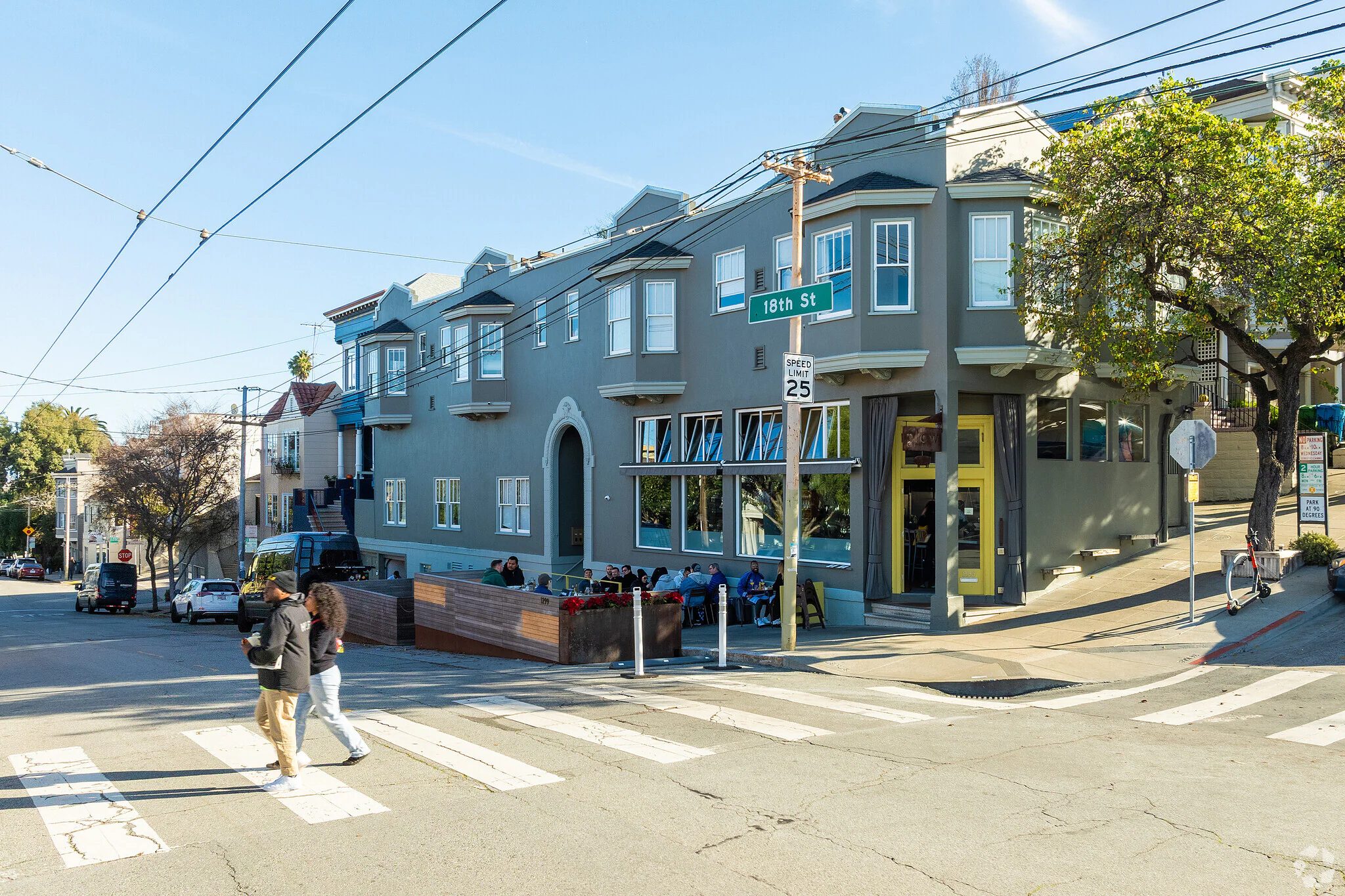
What Is Potrero Hill?
Potrero Hill is one of San Francisco's most beloved, sun-drenched, and consistently desirable residential neighborhoods, perched on a broad and gently sloping hilltop in the eastern part of the city with sweeping panoramic views of the San Francisco Bay, the downtown skyline, and the surrounding neighborhoods. Known for its exceptional sunny microclimate, beautiful Victorian and Edwardian homes, the vibrant 18th Street commercial corridor, outstanding bay views, and a warm and genuinely community-oriented neighborhood character that perfectly balances residential serenity with urban accessibility, Potrero Hill offers a rare and deeply appealing combination of hilltop beauty, neighborhood warmth, architectural charm, and strong city connectivity. It attracts families, artists, technology professionals, long-term residents, and buyers seeking a sun-filled, view-rich neighborhood with genuine community character, outstanding everyday livability, and enduring residential appeal in one of San Francisco's most consistently cherished eastern neighborhoods.
Location & Character
Potrero Hill is located in the eastern part of San Francisco, generally bordered by Cesar Chavez Street to the north, Highway 101 to the east, the Dogpatch neighborhood to the southeast, and the Inner Mission and Noe Valley areas to the west. It sits near neighborhoods including the Inner Mission, Dogpatch, Bernal Heights, and Mission Bay:
- A broad, gently sloping hilltop neighborhood with sweeping panoramic views of the San Francisco Bay, downtown skyline, East Bay hills, and surrounding neighborhoods
- Quiet, tree-lined residential streets with beautifully preserved Victorian and Edwardian architectural character throughout
- The vibrant 18th Street commercial corridor serving as the neighborhood's beloved pedestrian-friendly commercial heart
- A warm, sunny, and genuinely community-oriented neighborhood atmosphere with a strong sense of hilltop residential pride and belonging
- A diverse and long-established population blending families, artists, technology professionals, and longtime residents
- One of San Francisco's most celebrated and beloved sunny microclimates, significantly warmer and sunnier than most of the city due to the hill's eastern exposure and sheltered positioning
- Exceptional walkability within the neighborhood with most daily needs and amenities accessible on foot or via a short transit ride
Real Estate & Housing
Potrero Hill offers a consistently desirable and architecturally appealing housing market with strong long-term ownership characteristics:
- A rich mix of single-family Victorian and Edwardian homes, Craftsman bungalows, flats, duplexes, condominiums, and smaller multi-unit buildings
- Victorian, Edwardian, and Craftsman architectural styles from the 1880s through the 1920s featuring beautiful and well-preserved period detailing
- Homes showcasing classic San Francisco details including bay windows, decorative woodwork, colorful painted exteriors, and generous interior proportions
- Many properties with yards, garden space, and more generous outdoor areas than many comparable San Francisco neighborhoods
- Elevated hilltop positions giving many properties stunning views of the San Francisco Bay, downtown skyline, and surrounding neighborhoods commanding significant premium interest and pricing
- Flats and multi-unit buildings offering flexible ownership and investment opportunities throughout the neighborhood
- Updated interiors in many renovated homes mixed with beautifully preserved original-condition properties
- Price points typically ranging from the mid to upper $1 million range and above depending on type, size, condition, views, and location
- Strong and consistent demand driven by exceptional sunny microclimate, bay views, neighborhood warmth, and enduring residential desirability
- Long-term investment appeal driven by sunny setting, view premiums, neighborhood character, proximity to Mission Bay and the broader eastern technology corridor, and the enduring appeal of the Potrero Hill address
Community & Amenities
Potrero Hill's beloved 18th Street commercial corridor is one of its most defining and cherished features, offering a warm and genuinely locally oriented collection of businesses and everyday conveniences:
- 18th Street serving as the neighborhood's beloved commercial heart with an excellent collection of independent restaurants, cafés, wine bars, boutiques, specialty food shops, and everyday neighborhood services reflecting the community's warm and creative character
- A rich and diverse local dining and café scene ranging from beloved casual neighborhood favorites to well-regarded destination restaurants
- Independent boutiques, specialty shops, and locally owned businesses giving 18th Street a distinctly intimate and community-centered commercial character
- Grocery stores, specialty markets, and everyday services within comfortable walking distance throughout the neighborhood
- The Inner Mission's celebrated Valencia Street corridor accessible within a short walk or transit ride for additional world-class dining, nightlife, and shopping destinations
- Dogpatch's emerging commercial corridor along Third Street accessible within a short walk for additional dining, design studios, and neighborhood commercial energy
Parks & Recreation
Potrero Hill residents enjoy outstanding access to several beloved parks and outdoor spaces that celebrate the neighborhood's hilltop setting and bay views:
- Potrero Hill Recreation Center and Playground - the neighborhood's primary community recreation hub featuring sports courts, a gymnasium, a swimming pool, open green space, and community programming serving Potrero Hill residents throughout the year
- McKinley Square - a beloved hilltop park featuring one of the most spectacular and unobstructed panoramic views of the San Francisco Bay and downtown skyline found anywhere in the city, serving as a cherished community gathering space and neighborhood viewpoint
- De Haro Street community green spaces and neighborhood gardens offering additional pocket parks and green areas woven throughout the residential streets
- Mission Dolores Park accessible within a short walk or transit ride for additional open lawn space, community gathering, and the beloved sunny park atmosphere
- Bernal Heights Park accessible within a short drive for hilltop trails and additional panoramic views
- The Dogpatch and Mission Bay waterfront accessible within a short walk for bay-front recreation and waterfront open space
Schools & Education
Potrero Hill is served by the San Francisco Unified School District with several well-regarded school options in the neighborhood and surrounding areas:
- Daniel Webster Elementary School serving the neighborhood community within easy reach
- Various middle and high school options within the SFUSD system
- Private and parochial school options within a reasonable commute
- City College of San Francisco accessible for higher education
- University of California San Francisco accessible for higher education and employment via Mission Bay campus
- The neighborhood's good transit access makes virtually any San Francisco school reachable within a practical commute
Culture & Neighborhood Life
Potrero Hill has a warm, creative, and genuinely community-spirited neighborhood culture shaped by its sunny hilltop setting, diverse population, and long tradition of neighborhood warmth and community engagement:
- A welcoming and inclusive environment blending families, artists, technology professionals, longtime residents, and newcomers drawn by the neighborhood's exceptional sunshine, bay views, and genuine community warmth
- 18th Street providing a beloved daily gathering place where neighbors shop, dine, and connect in a warm, relaxed, and genuinely neighborhood-oriented atmosphere that captures the friendly and community-centered spirit of Potrero Hill
- McKinley Square serving as a beloved hilltop gathering space where residents enjoy some of the most spectacular bay and skyline views found anywhere in San Francisco
- A rich tradition of neighborhood arts, community gardens, and civic engagement reflecting Potrero Hill's long history as a creative and community-minded neighborhood
- Strong community involvement supported by the Potrero Hill Boosters neighborhood association and an active and engaged local civic community
- Regular neighborhood events, community gatherings, and seasonal celebrations fostering a strong and genuinely shared neighborhood identity
- A warm, sunny, and community-centered pace of neighborhood life shaped by 18th Street's village energy, McKinley Square's magnificent views, the neighborhood's creative spirit, and the diverse and genuinely engaged community
- A distinctive and widely appreciated neighborhood identity built around sunshine, bay views, community warmth, creative spirit, and a genuine sense of hilltop residential belonging in one of San Francisco's most consistently sun-kissed and beloved eastern neighborhoods
Transit & Connectivity
Potrero Hill offers practical and well-rounded transit and roadway access for both city and regional commuting:
- Multiple Muni bus routes serving Connecticut Street, 18th Street, and surrounding neighborhood corridors including the 10 Townsend and 19 Polk lines
- The T Third Street Muni Metro line accessible within a short walk providing connections to downtown San Francisco, Mission Bay, and Caltrain
- Caltrain at 4th and King Station accessible within a short transit ride for Peninsula and South Bay commuting
- Quick access to Highway 101 and Interstate 280 for regional commuting throughout the Bay Area
- Excellent pedestrian and cycling connectivity throughout the neighborhood's residential streets and surrounding corridors
- Easy connection to Cesar Chavez Street and Connecticut Street for convenient city navigation throughout San Francisco
Final Thoughts
Potrero Hill offers a genuinely extraordinary and deeply cherished residential experience on one of San Francisco's most sun-drenched and consistently beloved hilltops: a neighborhood defined by an exceptional sunny microclimate, sweeping panoramic bay and skyline views, the warm and vibrant 18th Street commercial village, beautifully preserved Victorian and Edwardian architecture, the spectacular McKinley Square viewpoint, outstanding proximity to Mission Bay and the broader eastern technology corridor, and a quality of everyday neighborhood life that is at once sun-filled, community-spirited, architecturally charming, creatively vibrant, and deeply livable. For families, artists, technology professionals, and long-term investors seeking a sun-kissed hilltop neighborhood with outstanding bay views, genuine community warmth, architectural character, and enduring residential prestige in one of San Francisco's most beloved eastern neighborhoods, Potrero Hill stands as one of the city's most consistently cherished, scenically rewarding, and deeply special places to call home.
9F South of Market
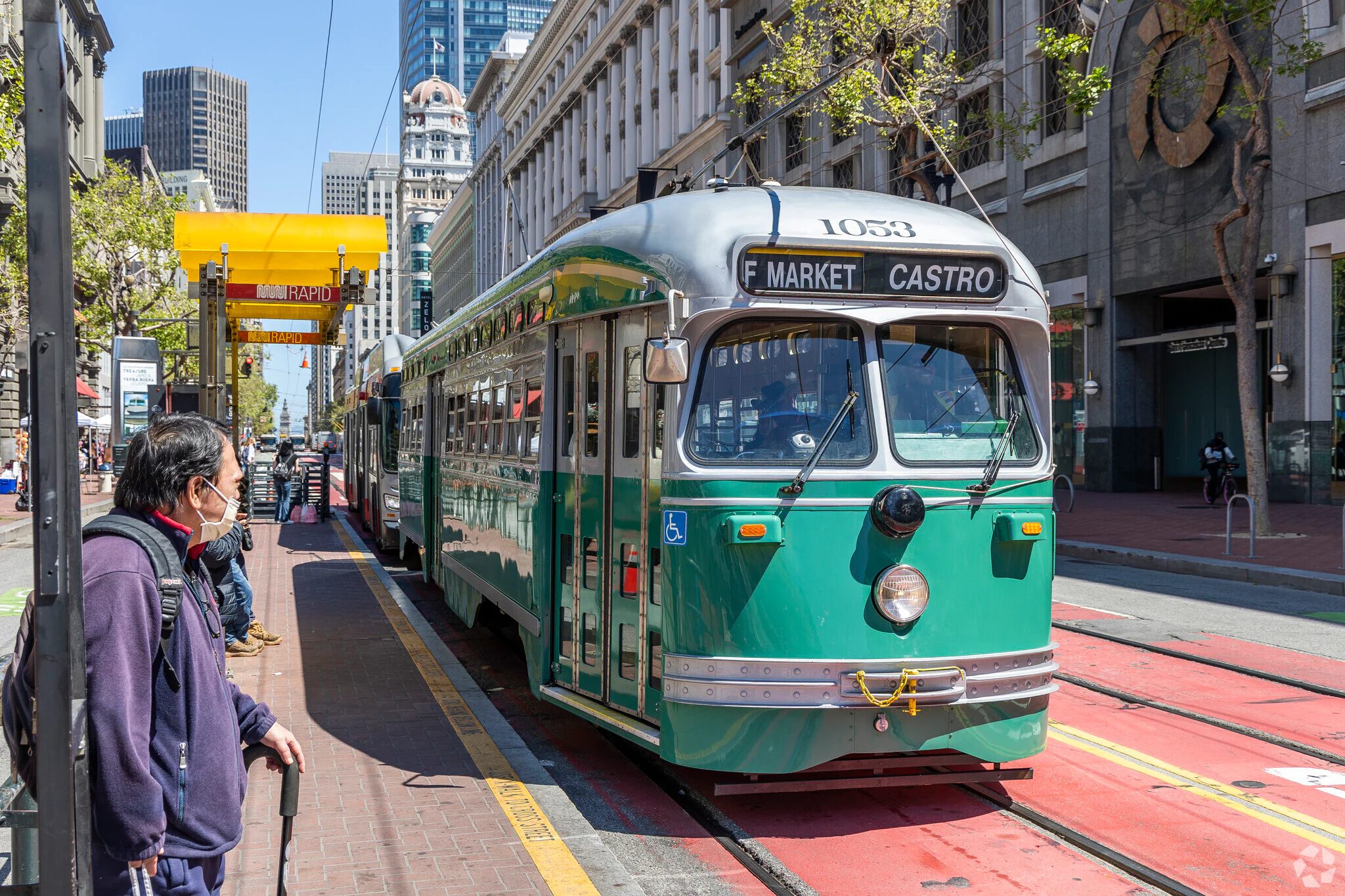
What Is South of Market (SoMa)?
South of Market, universally known and celebrated as SoMa, is one of San Francisco's most dynamic, architecturally dramatic, and culturally diverse urban neighborhoods, stretching across the broad flatlands south of Market Street between the downtown Financial District and the emerging neighborhoods of Mission Bay, Potrero Hill, and the Inner Mission. Once defined primarily by warehouses, light industrial uses, and a gritty working-class character, SoMa has undergone one of the most dramatic and consequential urban transformations in American city history, emerging as a globally recognized hub of technology innovation, world-class cultural institutions, vibrant nightlife, acclaimed dining, and an increasingly diverse and dynamic residential community. Known for the San Francisco Museum of Modern Art, the Moscone Convention Center, the Salesforce Tower and evolving tech campus corridor, a celebrated arts and nightlife scene, and a neighborhood energy that is at once historically layered, culturally vibrant, and relentlessly forward-looking, SoMa offers a uniquely compelling urban living environment defined by architectural variety, cultural richness, outstanding transit connectivity, and the enduring energy of being at the center of San Francisco's most consequential and evolving urban transformation. It attracts technology professionals, artists, urban enthusiasts, long-term residents, and buyers seeking a centrally positioned, culturally rich address with outstanding walkability, world-class amenities, and compelling long-term investment potential.
Location & Character
SoMa is located in the central and eastern part of San Francisco, generally bordered by Market Street to the north, Townsend Street and the Caltrain corridor to the south, the Embarcadero and the bay to the east, and 10th Street and Division Street to the west. It sits near neighborhoods including the Financial District, Hayes Valley, the Inner Mission, Potrero Hill, and Mission Bay:
- A broadly expansive and architecturally diverse urban neighborhood encompassing a wide range of building types from converted warehouses and loft buildings to modern glass towers and mixed-use developments
- A neighborhood with several distinct sub-districts including the Yerba Buena arts and cultural corridor, the technology and innovation corridor along Howard and Folsom Streets, the Design District along Kansas and De Haro Streets, and the emerging residential communities throughout
- The Salesforce Tower and surrounding technology campus corridor defining the neighborhood's northwestern edge and serving as a symbol of SoMa's transformation into one of the world's most significant technology hubs
- A vibrant, cosmopolitan, and genuinely diverse neighborhood atmosphere with a strong sense of urban energy, cultural ambition, and forward-looking possibility
- A diverse and evolving population blending technology professionals, artists, LGBTQ community members, longtime working-class residents, and newcomers drawn by the neighborhood's central positioning and cultural richness
- An exceptionally transit-rich and centrally positioned urban location with virtually unmatched city and regional connectivity
- A neighborhood defined by extraordinary architectural variety ranging from magnificent converted brick warehouses and industrial loft buildings to sleek contemporary towers and mixed-use residential developments
Real Estate & Housing
SoMa offers one of San Francisco's most diverse and architecturally interesting residential markets, shaped by the neighborhood's dramatic transformation from industrial to mixed-use urban:
- An extraordinarily varied residential market encompassing converted warehouse lofts, live-work spaces, mid-rise and high-rise condominiums, newer mixed-use residential developments, and historic residential buildings
- Converted brick warehouse and industrial loft buildings from the late 1800s through the early 20th century offering genuinely unique architectural character with exposed brick, timber beams, soaring ceilings, and open floor plans
- Modern and contemporary high-rise and mid-rise condominium towers offering premium amenities, city views, and contemporary finishes alongside historic conversion properties
- Many properties featuring dramatic interior volumes, industrial architectural details, and a strong sense of urban loft character rarely found in other San Francisco neighborhoods
- Live-work loft buildings offering flexible ownership and use opportunities particularly suited to artists, creative professionals, and technology workers
- Price points varying considerably depending on building type, age, size, floor level, views, and specific location within the broad neighborhood
- A residential market with strong and consistent demand driven by technology sector employment, cultural amenities, transit access, and the enduring appeal of SoMa's loft living and urban character
- Strong long-term investment fundamentals driven by central positioning, ongoing neighborhood evolution, technology sector anchors, cultural institution presence, and exceptional transit infrastructure
- A neighborhood offering some of San Francisco's most genuinely unique and architecturally distinctive residential opportunities for buyers seeking character, space, and urban authenticity
Community & Amenities
SoMa offers an exceptional and extraordinarily diverse concentration of world-class cultural institutions, technology amenities, dining destinations, nightlife venues, and everyday conveniences within an entirely walkable urban environment:
- The San Francisco Museum of Modern Art - one of the largest and most celebrated modern and contemporary art museums in the United States, a defining cultural anchor of the Yerba Buena arts corridor and one of SoMa's most significant and beloved neighborhood institutions
- Yerba Buena Gardens and the Yerba Buena Center for the Arts, a beautifully designed urban cultural campus featuring world-class galleries, performance spaces, public art, open green space, and a beloved community gathering environment at the heart of the Yerba Buena arts district
- The Moscone Convention Center - one of the largest and most significant convention centers on the West Coast, anchoring the neighborhood's role as a major business and events destination
- An extraordinary concentration of technology company headquarters, campuses, and offices throughout the neighborhood reflecting SoMa's status as one of the world's most significant technology innovation hubs
- A vibrant and diverse dining and nightlife scene featuring acclaimed restaurants, craft cocktail bars, brewery taprooms, and an internationally recognized LGBTQ nightlife community along Folsom Street
- The San Francisco Design District along Kansas and De Haro Streets offering a celebrated concentration of design showrooms, furniture studios, and creative businesses
- Additional world-class cultural venues including the Contemporary Jewish Museum, the Museum of the African Diaspora, and the California Historical Society within the Yerba Buena arts corridor
Parks & Recreation
SoMa offers access to several significant urban parks and open spaces, anchored by the beloved Yerba Buena Gardens cultural campus:
- Yerba Buena Gardens - the neighborhood's primary urban park and cultural destination featuring beautifully landscaped open spaces, public art installations, the Martin Luther King Jr. Memorial waterfall, an ice skating rink, a bowling center, the Children's Creativity Museum, and a beloved community gathering environment serving as SoMa's most significant and cherished public outdoor space
- South Park - a beautifully maintained oval park and green space in the heart of SoMa's residential community, serving as a beloved neighborhood gathering spot surrounded by cafés, restaurants, and residential buildings
- The Embarcadero waterfront promenade accessible within a short walk to the northeast for bay-front walking, cycling, and waterfront recreation
- Mission Creek Park in Mission Bay accessible within a short walk to the southeast for additional waterfront open space and community green space
- Rincon Park along the southern Embarcadero featuring public art and bay views accessible within a short walk
- Various neighborhood pocket parks and public plazas woven throughout the broad urban fabric of SoMa
Schools & Education
SoMa is served by the San Francisco Unified School District with access to schools throughout the city given the neighborhood's exceptional transit connectivity:
- Various public elementary and middle school options within the broader central San Francisco district
- Several schools in neighboring Mission, Potrero Hill, and downtown areas within reasonable reach
- Private and independent school options within a reasonable commute
- University of California San Francisco accessible for higher education and employment
- City College of San Francisco accessible for additional higher education options
- Academy of Art University with multiple campus locations throughout SoMa offering fine arts, design, and creative professional education
- The neighborhood's extraordinary transit access makes virtually any San Francisco school reachable within a practical commute
Culture & Neighborhood Life
SoMa has one of San Francisco's most historically layered, culturally diverse, and genuinely dynamic neighborhood cultures, shaped by generations of working-class heritage, artistic creativity, LGBTQ community history, and technology transformation:
- A welcoming and genuinely diverse environment blending technology professionals, artists, LGBTQ community members, working-class longtime residents, and urban enthusiasts in a neighborhood that has long celebrated diversity, creativity, and cultural openness
- A rich and celebrated LGBTQ cultural heritage, SoMa's Folsom Street corridor has long served as one of the world's most significant and internationally recognized LGBTQ leather and kink community destinations, reflected in the beloved annual Folsom Street Fair and the neighborhood's longstanding tradition of LGBTQ nightlife and community culture
- The Yerba Buena arts district serving as one of San Francisco's most significant and internationally recognized cultural destinations, bringing world-class art, performance, and cultural programming to the neighborhood throughout the year
- A vibrant and celebrated arts community reflected in the neighborhood's extraordinary concentration of galleries, studios, performance spaces, and creative businesses that have long made SoMa one of San Francisco's most important and dynamic arts districts
- Strong community involvement supported by neighborhood associations, arts organizations, and community advocacy groups reflecting SoMa's long tradition of community activism and neighborhood stewardship
- Regular neighborhood events including the Folsom Street Fair, the How Weird Street Faire, museum openings, gallery walks, and community gatherings fostering a rich and genuinely diverse shared neighborhood identity
- A vibrant, gritty, and culturally extraordinary pace of neighborhood life shaped by world-class cultural institutions, technology innovation, LGBTQ heritage, artistic creativity, and the diverse and genuinely dynamic community
- A distinctive and globally recognized neighborhood identity built around technological innovation, artistic ambition, LGBTQ cultural heritage, architectural drama, and a genuine sense of being at the forward edge of San Francisco's most consequential urban transformation
Transit & Connectivity
SoMa offers among the most exceptional transit connectivity found anywhere in San Francisco, serving as a major hub of the city and regional transit network:
- Multiple BART Stations including Powell Street, Montgomery Street, Civic Center, and Embarcadero providing direct, frequent, and rapid connections to the East Bay, South Bay, San Francisco International Airport, and the broader Bay Area all within easy reach
- Caltrain at 4th and King Station at the southern edge of the neighborhood providing direct and frequent Peninsula and South Bay commuting connections
- Multiple Muni Metro lines serving Market Street and the Caltrain corridor providing direct and frequent connections to neighborhoods throughout San Francisco
- The T Third Street Muni Metro line serving the eastern portion of SoMa and connecting to Mission Bay and Caltrain
- Multiple Muni bus routes serving Howard Street, Folsom Street, and surrounding neighborhood corridors
- Excellent pedestrian and cycling connectivity throughout the neighborhood including dedicated cycling infrastructure along Howard Street, Folsom Street, and the Embarcadero
- Quick access to Highway 101 and Interstate 280 for regional commuting throughout the Bay Area
Final Thoughts
South of Market offers a genuinely extraordinary and endlessly compelling urban experience at the dynamic heart of San Francisco's most consequential and ongoing transformation: a neighborhood defined by dramatic architectural variety from magnificent converted brick warehouses to sleek contemporary towers, world-class cultural institutions anchored by SFMOMA and Yerba Buena Gardens, a globally recognized technology innovation corridor, a celebrated LGBTQ cultural heritage, a vibrant arts and nightlife scene, outstanding transit connectivity, and a quality of urban life that is at once historically layered, culturally extraordinary, architecturally dramatic, and relentlessly forward-looking. For technology professionals, artists, urban enthusiasts, and long-term investors seeking a centrally positioned San Francisco address with world-class cultural access, architectural uniqueness, outstanding transit connectivity, and compelling long-term investment potential at the forefront of one of America's most dynamic urban transformations, SoMa stands as one of San Francisco's most consequential, culturally irreplaceable, and consistently evolving urban neighborhoods, a truly extraordinary and deeply significant place to live, work, create, and invest in the vibrant future of one of America's greatest cities.
9G Yerba Buena
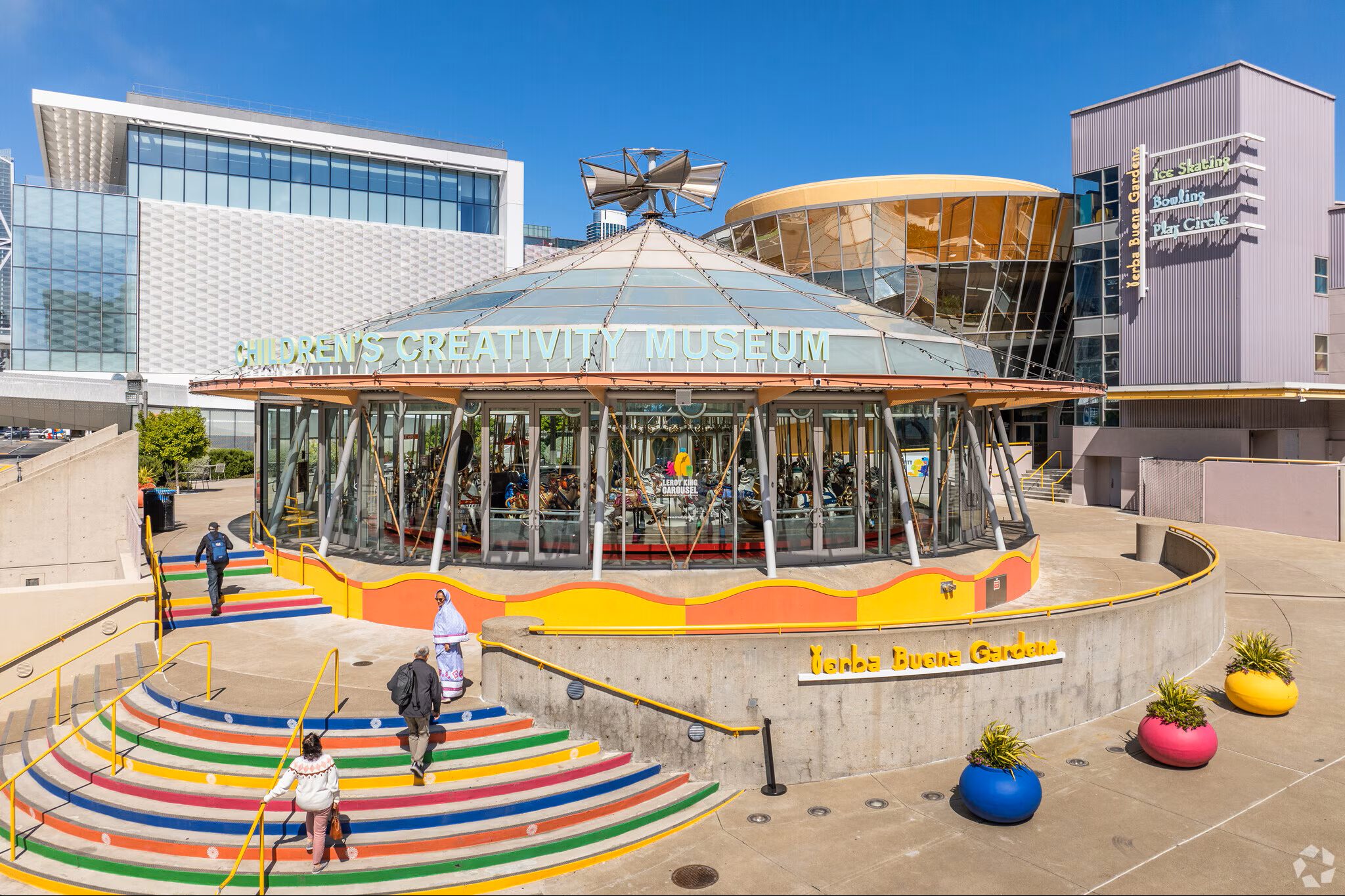
What Is Yerba Buena?
Yerba Buena is one of San Francisco's most culturally ambitious, architecturally distinctive, and thoughtfully planned urban neighborhoods, situated in the heart of SoMa between the Financial District and the broader South of Market corridor. Named for the original Spanish settlement that preceded the founding of San Francisco itself, Yerba Buena today is defined by its extraordinary concentration of world-class cultural institutions, beautifully designed public spaces, modern residential developments, and a neighborhood identity built around the arts, culture, and civic life in one of the most deliberately and carefully planned urban districts in the United States. Known for the San Francisco Museum of Modern Art, the Yerba Buena Center for the Arts, the Moscone Convention Center, and the beloved Yerba Buena Gardens, it offers a uniquely compelling urban living environment defined by cultural richness, architectural ambition, outstanding transit connectivity, and a genuine commitment to public life and civic beauty. It attracts urban professionals, arts enthusiasts, cultural institution employees, and buyers seeking a centrally positioned address with unmatched cultural access, world-class public spaces, and strong long-term investment potential at the cultural heart of San Francisco.
Location & Character
Yerba Buena is located in the central part of San Francisco within the broader SoMa district, generally bordered by Market Street and the Financial District to the north, Folsom Street to the south, Third Street to the east, and Fourth Street to the west. It sits near neighborhoods including the Financial District, Downtown, SoMa, and the Tenderloin:
- A deliberately and thoughtfully planned urban cultural district built around the Yerba Buena Gardens campus and surrounding world-class cultural institutions
- A modern architectural character defined by landmark cultural buildings, contemporary residential towers, boutique hotels, and beautifully designed public open spaces
- Yerba Buena Gardens serving as the neighborhood's magnificent central public space and primary community gathering destination
- An extraordinary concentration of world-class museums, performing arts venues, and cultural institutions making Yerba Buena one of the most significant cultural districts on the West Coast
- The Moscone Convention Center anchoring the neighborhood's role as a major business, technology, and events destination
- A diverse and evolving residential population blending urban professionals, arts and cultural institution employees, hotel guests, and urban enthusiasts
- An exceptionally transit-rich and centrally positioned urban location with virtually unmatched city and regional connectivity
- A neighborhood defined by an ambitious and largely successful vision of urban cultural planning that has made Yerba Buena one of the most visited and celebrated cultural destinations in San Francisco
Real Estate & Housing
Yerba Buena offers a modern and consistently evolving residential market shaped by its planned cultural district character and central city positioning:
- A predominantly modern residential market consisting of high-rise and mid-rise condominium towers, boutique residential buildings, and newer mixed-use residential developments
- Contemporary architectural styles from the 1990s through the present featuring modern finishes, open floor plans, floor-to-ceiling windows, and premium urban amenities
- Many properties featuring spectacular views of the San Francisco Bay, the Financial District skyline, Yerba Buena Gardens, and the surrounding city
- High-rise and mid-rise condominiums offering premium amenities including concierge services, fitness centers, rooftop terraces, and secure parking
- A residential market with strong and consistent demand driven by cultural amenity access, central city positioning, world-class transit connectivity, and the enduring prestige of a Yerba Buena cultural district address
- Price points typically ranging from the upper $1 million range into the multi-million dollar range for condominiums depending on size, floor level, views, amenities, and specific location
- Strong long-term investment fundamentals driven by cultural institution anchors, Moscone Convention Center presence, central positioning, outstanding transit infrastructure, and ongoing neighborhood development
- A neighborhood offering genuinely distinctive residential opportunities for buyers seeking a culturally rich, centrally positioned urban address at the heart of San Francisco's most ambitious cultural district
Community & Amenities
Yerba Buena offers an unmatched concentration of world-class cultural institutions, civic destinations, dining experiences, and community amenities within an entirely walkable urban cultural campus environment:
- The San Francisco Museum of Modern Art - one of the largest and most celebrated modern and contemporary art museums in the United States, featuring a magnificent expanded building designed by Snøhetta with an extraordinary permanent collection and celebrated rotating exhibitions
- Yerba Buena Center for the Arts - a world-class multidisciplinary arts center featuring galleries, performance spaces, film programming, and community cultural events serving as one of San Francisco's most significant and dynamic cultural institutions
- The Contemporary Jewish Museum - a beautifully designed cultural institution housed in a striking Daniel Libeskind-designed building offering world-class exhibitions and cultural programming
- The Museum of the African Diaspora - a celebrated cultural institution dedicated to the history, art, and culture of people of African descent offering important and compelling exhibitions and community programming
- The California Historical Society - a significant historical institution preserving and celebrating California's extraordinary history through collections, exhibitions, and educational programming
- The Moscone Convention Center serving as one of the largest and most significant convention facilities on the West Coast anchoring the neighborhood's role as a major business destination
- An excellent collection of restaurants, cafés, hotel dining rooms, and specialty food options within comfortable walking distance throughout the cultural district
Parks & Recreation
Yerba Buena Gardens serves as the defining outdoor asset of the neighborhood, representing one of San Francisco's most beautifully designed and beloved urban public spaces:
- Yerba Buena Gardens - the magnificent central park and public space at the heart of the neighborhood, featuring beautifully landscaped open lawns, the powerful and moving Martin Luther King Jr. Memorial waterfall and memorial, rotating public art installations, open community gathering spaces, and a wonderfully inviting and community-oriented daily outdoor atmosphere that serves as the true heart of Yerba Buena neighborhood life and one of San Francisco's finest and most carefully designed urban public spaces
- The Rooftop at Yerba Buena Gardens - a beloved community destination directly above the Moscone Convention Center featuring an ice skating rink, a bowling center, the Children's Creativity Museum, a carousel, and extensive children's play areas creating one of San Francisco's most unique and family-friendly urban recreational destinations
- South Park - a beautifully maintained oval neighborhood park a short walk away serving as a beloved community gathering space surrounded by cafés and residential buildings
- The Embarcadero waterfront promenade accessible within a short walk for bay-front walking, cycling, and waterfront recreation
- Rincon Park along the southern Embarcadero featuring public art and bay views accessible within a short walk
- Smaller urban plazas, pedestrian corridors, and public art installations woven throughout the cultural district
Schools & Education
Yerba Buena is served by the San Francisco Unified School District with access to schools throughout the city given the neighborhood's exceptional transit connectivity:
- Various public elementary and middle school options accessible via the neighborhood's outstanding transit network throughout San Francisco
- Several schools in neighboring SoMa, the Financial District, and Mission areas within reasonable reach
- Private and independent school options within a reasonable commute
- University of California San Francisco accessible for higher education and employment
- City College of San Francisco accessible for additional higher education options
- Academy of Art University with campus locations throughout the surrounding SoMa area offering fine arts, design, and creative professional education
- The neighborhood's extraordinary transit access makes virtually any San Francisco school reachable within a practical commute
Culture & Neighborhood Life
Yerba Buena has one of San Francisco's most deliberately cultivated, institutionally anchored, and genuinely distinctive neighborhood cultures, shaped by its extraordinary concentration of world-class cultural institutions, beautifully designed public spaces, and an ambitious civic vision for urban cultural life:
- A welcoming and culturally engaged environment drawing arts enthusiasts, urban professionals, cultural institution employees, convention visitors, and urban residents who share a deep appreciation for the extraordinary concentration of world-class cultural programming and civic beauty surrounding them
- SFMOMA serving as one of the most significant cultural anchors in the city, drawing a genuinely global audience and contributing an extraordinary level of artistic energy and cultural prestige to the neighborhood throughout the year
- The Yerba Buena Center for the Arts providing a dynamic and community-engaged arts programming presence that brings diverse performances, exhibitions, and cultural events to the neighborhood and draws the broader San Francisco community into the Yerba Buena cultural campus
- Yerba Buena Gardens serving as a magnificently designed daily gathering space where residents, workers, visitors, and cultural enthusiasts connect in a beautifully curated and genuinely welcoming urban public environment
- Strong civic and community life supported by the Yerba Buena Community Benefit District and a network of cultural institutions committed to community engagement and neighborhood vitality
- Regular cultural events, museum openings, public art installations, outdoor programming, and seasonal community celebrations fostering a rich and genuinely distinctive shared neighborhood identity
- A culturally engaged, intellectually stimulating, and civically ambitious pace of neighborhood life shaped by world-class museums, the Moscone Convention Center's global events programming, beautifully designed public spaces, and a genuine commitment to urban cultural excellence
- A distinctive and internationally recognized neighborhood identity built around cultural ambition, civic beauty, world-class art and performance, thoughtful urban design, and a genuine sense of living within one of America's most deliberately and successfully planned urban cultural districts
Transit & Connectivity
Yerba Buena offers among the most exceptional transit connectivity found anywhere in San Francisco, benefiting from its central positioning between multiple major transit hubs and corridors:
- Powell Street and Montgomery Street BART Stations both within easy walking distance providing direct, frequent, and rapid connections to the East Bay, South Bay, San Francisco International Airport, and the broader Bay Area transit network
- Multiple Muni Metro lines serving Market Street immediately bordering the neighborhood providing direct and frequent connections to neighborhoods throughout San Francisco
- Multiple Muni bus routes serving Third Street, Fourth Street, and surrounding neighborhood corridors
- Caltrain at 4th and King Station accessible within a short walk or transit ride for Peninsula and South Bay commuting
- Excellent pedestrian and cycling connectivity throughout the cultural district and surrounding urban corridors
- Quick access to Market Street, Third Street, and the Embarcadero for convenient city navigation throughout San Francisco
- Easy connection to Highway 101 and Interstate 280 for regional commuting via nearby connections
Final Thoughts
Yerba Buena offers a genuinely extraordinary and culturally magnificent urban experience at the artistic and civic heart of San Francisco: a neighborhood defined by an unmatched concentration of world-class cultural institutions including SFMOMA, the Yerba Buena Center for the Arts, the Contemporary Jewish Museum, and the Museum of the African Diaspora, the beautifully designed Yerba Buena Gardens public campus, the Moscone Convention Center, outstanding transit connectivity, and a quality of cultural richness, civic beauty, and urban life that is simply without equal anywhere in San Francisco. For arts enthusiasts, urban professionals, cultural institution employees, and long-term investors seeking a centrally positioned San Francisco address with world-class cultural access, beautifully designed public spaces, outstanding transit connectivity, and the enduring prestige of living within one of America's most ambitious and successfully realized urban cultural districts, Yerba Buena stands as one of San Francisco's most culturally significant, architecturally ambitious, and genuinely extraordinary urban neighborhoods, a truly exceptional place to live, work, create, and immerse oneself in the very best of what San Francisco's civic and cultural life has to offer.
9H South Beach
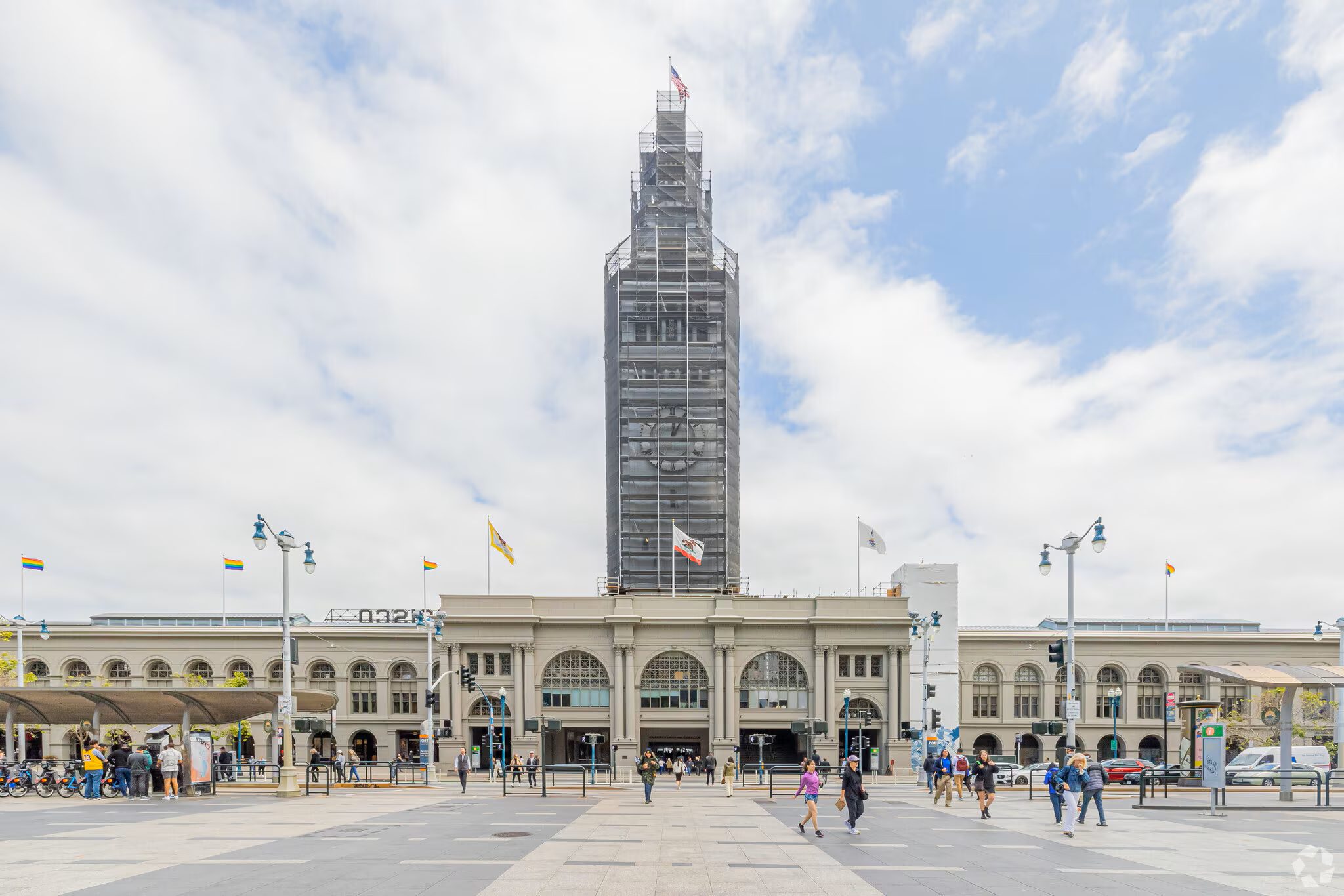
What Is South Beach?
South Beach is one of San Francisco's most scenically spectacular, dynamically evolving, and consistently desirable waterfront neighborhoods, situated along the southern edge of the Embarcadero waterfront between the iconic Bay Bridge and the emerging Mission Bay community. Known for its stunning views of the San Francisco Bay and Bay Bridge, the beloved Oracle Park and the San Francisco Giants, the beautifully activated waterfront promenade, modern residential towers with unmatched bay frontage, and a neighborhood energy that perfectly balances waterfront serenity with urban accessibility and sporting excitement, South Beach offers a rare and deeply appealing combination of waterfront beauty, modern urban living, outstanding transit connectivity, and a genuinely vibrant community character. It attracts urban professionals, sports enthusiasts, waterfront living devotees, long-term residents, and buyers seeking a scenically extraordinary waterfront address with outstanding bay views, world-class amenities, and compelling long-term investment potential along one of San Francisco's most celebrated and beloved shorelines.
Location & Character
South Beach is located in the eastern part of San Francisco, generally bordered by the San Francisco Bay and the Embarcadero waterfront to the east, Folsom Street and the broader SoMa district to the west, the Bay Bridge and Rincon Hill to the north, and Mission Bay and China Basin to the south. It sits near neighborhoods including SoMa, Rincon Hill, Mission Bay, and the Financial District:
- A scenically spectacular waterfront neighborhood defined by sweeping panoramic views of the San Francisco Bay, the iconic Bay Bridge, Treasure Island, and the East Bay hills
- A modern residential character defined by high-rise and mid-rise condominium towers, converted loft buildings, and mixed-use residential developments oriented toward the waterfront
- Oracle Park - the beloved home of the San Francisco Giants, serving as one of the neighborhood's most defining and celebrated landmarks and community gathering destinations
- The beautifully activated Embarcadero waterfront promenade stretching along the neighborhood's eastern edge providing a world-class waterfront walking and cycling environment
- A warm, vibrant, and genuinely community-oriented waterfront atmosphere shaped by bay views, sporting culture, and an increasingly active residential community
- A diverse and growing residential population blending urban professionals, sports enthusiasts, technology workers, and waterfront living devotees
- A relatively mild waterfront microclimate with afternoon bay breezes and coastal conditions typical of San Francisco's eastern shoreline
Real Estate & Housing
South Beach offers a modern and consistently desirable residential market shaped by its extraordinary waterfront setting and strong demand from urban professionals and sports enthusiasts:
- A predominantly modern residential market consisting of high-rise and mid-rise condominium towers, converted loft and warehouse buildings, and newer mixed-use residential developments
- Contemporary architectural styles from the 1990s through the present featuring modern finishes, open floor plans, floor-to-ceiling windows, and premium waterfront amenities
- Many properties featuring spectacular and unobstructed views of the San Francisco Bay, the Bay Bridge, Oracle Park, Treasure Island, and the East Bay hills
- High-rise and mid-rise condominiums offering premium amenities including concierge services, fitness centers, rooftop terraces, bay-view decks, and secure parking
- Historic loft and warehouse conversion properties offering unique architectural character alongside modern residential towers
- A residential market with strong and consistent demand driven by waterfront positioning, bay views, Oracle Park proximity, transit access, and the enduring prestige of a South Beach waterfront address
- Properties with direct bay views or Oracle Park views commanding exceptional premium interest and pricing
- Price points typically ranging from the upper $1 million range into the multi-million dollar range depending on type, floor level, views, amenities, and specific location within the neighborhood
- Strong long-term investment fundamentals driven by waterfront positioning, ongoing neighborhood development, exceptional transit connectivity, and the enduring desirability of San Francisco's southeastern waterfront
- A neighborhood offering genuinely distinctive residential opportunities for buyers seeking modern waterfront living with unmatched bay views and sporting culture
Community & Amenities
South Beach offers a distinctive and increasingly vibrant collection of waterfront dining destinations, cultural venues, sporting amenities, and everyday conveniences within an entirely walkable urban waterfront environment:
- Oracle Park - the magnificent home of the San Francisco Giants, consistently ranked among the most beautiful and beloved baseball stadiums in the United States, featuring stunning bay views from virtually every seat, the legendary McCovey Cove home run splash zone, and an extraordinary gameday atmosphere that transforms the entire neighborhood into one of San Francisco's most celebratory and community-spirited destinations throughout the baseball season
- The Embarcadero waterfront corridor offering an excellent and growing collection of waterfront restaurants, bars, cafés, and specialty dining destinations with spectacular bay views
- The San Francisco Ferry Building accessible within a short walk to the north offering world-class waterfront dining, the beloved farmers market, artisan food vendors, and the finest concentration of culinary excellence along the Embarcadero
- Rincon Center - a beautifully restored historic post office building featuring a magnificent atrium, dining options, and retail services within easy reach
- Grocery stores, specialty markets, and everyday services within comfortable walking distance throughout the surrounding SoMa and Rincon Hill corridors
- Outstanding proximity to the Financial District, Yerba Buena cultural campus, and the broader SoMa entertainment and dining scene accessible within a short walk or transit ride
Parks & Recreation
South Beach residents enjoy outstanding access to waterfront open spaces and recreational destinations that define the neighborhood's exceptional outdoor lifestyle:
- The Embarcadero waterfront promenade - the neighborhood's defining outdoor asset, a spectacular bay-front walking and cycling corridor stretching along the entire eastern edge of the neighborhood with sweeping and unobstructed views of the San Francisco Bay, the Bay Bridge, Treasure Island, and the East Bay hills, serving as South Beach's primary outdoor living room and one of San Francisco's most beloved and consistently celebrated waterfront public spaces
- Rincon Park - a beautifully maintained waterfront park immediately at the northern edge of the neighborhood featuring the celebrated Cupid's Span sculpture by Claes Oldenburg, open green space, bay views, and a beloved community gathering atmosphere
- South Beach Park - a neighborhood waterfront green space along the Embarcadero promenade offering open lawns, bay views, and a relaxed waterfront gathering environment
- Oracle Park and McCovey Cove - the iconic ballpark and waterfront cove serving as a beloved community destination not only during Giants games but throughout the year as one of San Francisco's most scenic and celebrated waterfront landmarks
- Mission Creek Park in Mission Bay accessible within a short walk to the south for additional waterfront open space and community green space
- Yerba Buena Gardens accessible within a short walk to the west for additional urban park and cultural campus access
Schools & Education
South Beach is served by the San Francisco Unified School District with access to schools throughout the city given the neighborhood's exceptional transit connectivity:
- Various public elementary and middle school options accessible via the neighborhood's outstanding transit network throughout San Francisco
- Several schools in neighboring SoMa, Rincon Hill, and Mission Bay areas within reasonable reach
- Private and independent school options within a reasonable commute
- University of California San Francisco accessible for higher education and employment
- City College of San Francisco accessible for additional higher education options
- The neighborhood's extraordinary transit access makes virtually any San Francisco school reachable within a practical commute
Culture & Neighborhood Life
South Beach has a vibrant, waterfront-oriented, and increasingly community-spirited neighborhood culture shaped by its spectacular bay setting, Oracle Park's sporting culture, and a growing and diverse residential community:
- A welcoming and energetic environment blending urban professionals, sports enthusiasts, technology workers, waterfront living devotees, and longtime residents who share a deep appreciation for the neighborhood's extraordinary waterfront beauty and sporting culture
- Oracle Park serving as the neighborhood's most beloved and defining cultural anchor, transforming South Beach into one of San Francisco's most celebratory and community-spirited destinations on Giants game days and bringing an extraordinary level of energy, pride, and community connection to the neighborhood throughout the baseball season
- The Embarcadero waterfront promenade serving as the neighborhood's beloved daily outdoor gathering space where residents walk, run, cycle, and connect against the spectacular backdrop of the bay and the Bay Bridge
- A growing and increasingly active residential community life supported by neighborhood associations and community organizations reflecting South Beach's evolution from primarily commercial to genuinely residential waterfront neighborhood
- Regular neighborhood events, Giants game day celebrations, waterfront gatherings, and community programming fostering an increasingly strong and shared neighborhood identity
- A warm, scenically extraordinary, and sports-infused pace of neighborhood life shaped by the bay views, the Embarcadero promenade, Oracle Park's beloved presence, and the diverse and growing residential community
- A distinctive and widely celebrated neighborhood identity built around waterfront beauty, Bay Bridge views, Giants baseball culture, modern urban living, and a genuine sense of living along one of the world's most spectacular and beloved urban waterfronts
Transit & Connectivity
South Beach offers outstanding transit connectivity, benefiting from its strategic positioning along the Embarcadero waterfront corridor and proximity to multiple major transit hubs:
- Embarcadero BART and Muni Metro Station accessible within a short walk to the north providing direct, frequent, and rapid connections to the East Bay, South Bay, San Francisco International Airport, and the broader Bay Area
- Caltrain at 4th and King Station immediately adjacent to the southern edge of the neighborhood providing direct and frequent Peninsula and South Bay commuting connections, one of the neighborhood's most significant transit advantages
- Multiple Muni Metro lines serving the Embarcadero and Market Street corridors providing direct and frequent connections to neighborhoods throughout San Francisco
- Multiple Muni bus routes serving the Embarcadero and surrounding neighborhood corridors
- Excellent pedestrian and cycling connectivity throughout the neighborhood including dedicated cycling infrastructure along the Embarcadero promenade
- Water ferry service from the nearby Ferry Building providing scenic and practical connections to Marin County, Oakland, Alameda, and other Bay Area waterfront destinations
- Quick access to the Bay Bridge on-ramp for East Bay commuting and Highway 101 for regional travel
Final Thoughts
South Beach offers a genuinely extraordinary and deeply appealing residential experience along one of San Francisco's most spectacular and consistently celebrated waterfront addresses: a neighborhood defined by sweeping panoramic views of the San Francisco Bay and the iconic Bay Bridge, the beloved Oracle Park and San Francisco Giants baseball culture, the magnificent Embarcadero waterfront promenade, modern residential towers with unmatched bay frontage, outstanding Caltrain and transit connectivity, and a quality of everyday waterfront life that is at once scenically magnificent, athletically energized, community-spirited, and deeply livable. For urban professionals, sports enthusiasts, waterfront living devotees, and long-term investors seeking a modern waterfront address with unmatched bay views, world-class sporting culture, outstanding transit access, and enduring residential prestige along one of San Francisco's most beloved and consistently celebrated shorelines, South Beach stands as one of the city's most scenically extraordinary, dynamically evolving, and genuinely rewarding waterfront neighborhoods, a truly exceptional and deeply special place to call home along the magnificent shores of San Francisco Bay.
9J Central Waterfront/ Dogpatch
What Is Central Waterfront / Dogpatch?
Central Waterfront and Dogpatch together form one of San Francisco's most authentically industrial, creatively vibrant, and rapidly evolving waterfront neighborhoods, situated along the southeastern shoreline of the city between the emerging Mission Bay community and the historic Potrero Hill neighborhood. Once defined by shipyards, ironworks, and the working waterfront industries that made this stretch of San Francisco's eastern shoreline one of the most productive and consequential industrial corridors on the West Coast, Central Waterfront and Dogpatch have undergone a remarkable and ongoing transformation into one of the city's most celebrated destinations for design, arts, craft food and beverage, and an increasingly desirable residential community. Known for its beautifully preserved historic industrial architecture, the celebrated design and arts community along Tennessee Street and Third Street, the iconic Esprit Park waterfront, and a neighborhood energy that perfectly balances authentic industrial heritage with creative vitality and modern urban living, these two closely linked neighborhoods offer a rare and genuinely compelling combination of architectural character, cultural creativity, waterfront access, and outstanding city connectivity. They attract designers, artists, technology professionals, culinary entrepreneurs, long-term residents, and buyers seeking an authentically character-rich neighborhood with genuine creative energy, strong community identity, and compelling long-term investment potential.
Location & Character
Central Waterfront and Dogpatch are located in the southeastern part of San Francisco, generally bordered by the San Francisco Bay and the Third Street corridor to the east, Potrero Hill to the west, Mission Bay and China Basin to the north, and the Cesar Chavez Street corridor to the south. They sit near neighborhoods including Potrero Hill, Mission Bay, Bernal Heights, and the Inner Mission:
- A historically rich and architecturally distinctive neighborhood defined by beautifully preserved brick warehouse buildings, converted industrial loft spaces, historic Victorian worker cottages, and newer mixed-use residential developments
- A creative and design-oriented neighborhood character shaped by decades of artist and designer settlement in the neighborhood's generous loft spaces and industrial buildings
- The Third Street corridor serving as the neighborhood's primary commercial spine connecting the broader Dogpatch community to Mission Bay and the broader city
- Tennessee Street and surrounding blocks serving as the heart of Dogpatch's most celebrated design, dining, and creative commercial community
- Esprit Park and the Central Waterfront providing direct bay access and a beloved community outdoor destination
- A warm, creative, and genuinely community-oriented neighborhood atmosphere with a strong sense of industrial heritage, artistic identity, and neighborhood pride
- A diverse and evolving population blending artists, designers, technology professionals, culinary entrepreneurs, and longtime working-class residents
- A relatively mild waterfront microclimate with afternoon bay breezes and the industrial character of San Francisco's southeastern shoreline
Real Estate & Housing
Central Waterfront and Dogpatch offer a distinctive and consistently evolving residential market shaped by the neighborhoods' remarkable industrial-to-residential transformation:
- An extraordinarily varied residential market encompassing converted brick warehouse lofts, historic Victorian worker cottages, live-work spaces, newer condominium developments, and mixed-use residential buildings
- Beautifully preserved brick warehouse and industrial buildings from the late 1800s through the early 20th century converted to residential lofts offering genuinely exceptional architectural character with exposed brick, timber beams, soaring ceilings, and generous open floor plans
- Historic Victorian worker cottages - among the most charming and distinctive residential building types in all of San Francisco, offering beautifully preserved period architecture at a more intimate residential scale
- Newer condominium and mixed-use residential developments offering contemporary finishes and amenities alongside historic conversion properties
- Live-work loft buildings offering flexible ownership and use opportunities particularly suited to artists, designers, and creative professionals
- Many properties featuring generous interior volumes, industrial architectural details, and a strong sense of authentic urban loft character
- Price points typically ranging from the mid to upper $1 million range and above depending on building type, size, condition, and specific location within the neighborhood
- Strong and consistent demand driven by neighborhood creative character, architectural distinction, waterfront proximity, and the enduring appeal of Dogpatch's authentic industrial heritage and artistic community
- Strong long-term investment fundamentals driven by ongoing neighborhood transformation, design community anchors, Mission Bay adjacency, waterfront positioning, and exceptional transit connectivity
Community & Amenities
Central Waterfront and Dogpatch offer a distinctive and increasingly celebrated collection of design destinations, culinary experiences, cultural venues, and everyday amenities within an authentically character-rich urban environment:
- Tennessee Street serving as the heart of Dogpatch's most celebrated commercial community with an outstanding collection of acclaimed restaurants, craft cocktail bars, design studios, gallery spaces, and specialty retailers that together have established Dogpatch as one of San Francisco's most genuinely creative and culinarily distinguished neighborhood destinations
- Third Street corridor offering an evolving and growing collection of neighborhood restaurants, cafés, breweries, and everyday services connecting Dogpatch to Mission Bay and the broader southeastern city
- The Minnesota Street Project - one of San Francisco's most significant and celebrated contemporary art gallery complexes, housed in a magnificently converted industrial building and serving as a major anchor of the neighborhood's vibrant arts and design community
- Craft beverage destinations including celebrated brewery taprooms, craft cocktail bars, and specialty coffee roasters reflecting the neighborhood's strong artisanal food and beverage culture
- The American Industrial Center and surrounding creative office complexes housing a significant concentration of design firms, technology companies, and creative businesses contributing to the neighborhood's vibrant daytime creative energy
- Grocery stores and everyday services within comfortable reach with ongoing retail development continuing to expand neighborhood commercial options
Parks & Recreation
Central Waterfront and Dogpatch residents enjoy access to several waterfront parks and outdoor spaces that celebrate the neighborhood's bay setting and industrial heritage:
- Esprit Park - the neighborhood's primary community waterfront park featuring open green lawns, bay views, walking paths, picnic areas, and a beloved community gathering atmosphere serving as Central Waterfront's most significant and cherished public outdoor space with direct access to the southeastern bay shoreline
- Crane Cove Park - a beautifully designed new waterfront park at the northern edge of the neighborhood featuring a sandy beach, bay swimming access, historic crane preservation, open green space, and spectacular bay and Bay Bridge views representing one of the most significant recent public space investments along San Francisco's southeastern waterfront
- Central Waterfront Park and the Dogpatch waterfront promenade offering additional bay-front walking and cycling access along the neighborhood's eastern edge
- McKinley Square in adjacent Potrero Hill accessible within a short walk offering spectacular panoramic city and bay views
- Mission Creek Park in Mission Bay accessible within a short walk to the north for additional waterfront open space
- Potrero Hill Recreation Center accessible within a short walk for sports courts, a swimming pool, and community recreation programming
Schools & Education
Central Waterfront and Dogpatch are served by the San Francisco Unified School District with several school options in the neighborhood and surrounding areas:
- Various public elementary and middle school options within the broader southeastern San Francisco district
- Several schools in neighboring Potrero Hill, Mission Bay, and Bernal Heights areas within reasonable reach
- Private and independent school options within a reasonable commute
- University of California San Francisco Mission Bay Campus accessible within a short walk or transit ride for higher education and employment
- City College of San Francisco accessible for additional higher education options
- The neighborhood's good transit access makes virtually any San Francisco school reachable within a practical commute
Culture & Neighborhood Life
Central Waterfront and Dogpatch together have one of San Francisco's most authentically creative, industrially heritage-rich, and genuinely community-spirited neighborhood cultures shaped by generations of working waterfront history, artist settlement, and creative transformation:
- A welcoming and genuinely creative environment blending artists, designers, culinary entrepreneurs, technology professionals, and longtime working-class residents in a neighborhood that has long celebrated industrial authenticity, creative expression, and community belonging
- The Minnesota Street Project serving as a major cultural anchor bringing world-class contemporary art exhibitions, gallery programming, and arts community events to the neighborhood and establishing Dogpatch as one of San Francisco's most significant destinations for contemporary visual arts
- A rich and celebrated craft food and beverage culture reflected in the neighborhood's extraordinary concentration of acclaimed restaurants, brewery taprooms, craft cocktail destinations, and artisanal food producers that have made Dogpatch one of San Francisco's most genuinely distinctive and culinarily adventurous neighborhood destinations
- A strong tradition of design community culture reflected in the neighborhood's concentration of architecture firms, interior design studios, industrial designers, and creative businesses that have long made Dogpatch one of the most design-conscious and aesthetically distinguished neighborhoods in San Francisco
- Strong community involvement supported by the Dogpatch Neighborhood Association and an active and engaged local civic community committed to preserving the neighborhood's authentic industrial heritage and creative character
- Regular neighborhood events including arts openings, design community gatherings, brewery events, and community celebrations fostering a strong and genuinely shared neighborhood identity
- A warm, creative, and industrially authentic pace of neighborhood life shaped by beautifully preserved brick warehouse architecture, the waterfront's industrial heritage, the vibrant arts and design community, and the diverse and genuinely engaged residential community
- A distinctive and increasingly celebrated neighborhood identity built around industrial heritage, creative authenticity, culinary distinction, design culture, waterfront access, and a genuine sense of being part of one of San Francisco's most genuinely original and creatively vibrant neighborhood communities
Transit & Connectivity
Central Waterfront and Dogpatch offer practical and increasingly strong transit and roadway access, anchored by the T Third Street Muni Metro line running directly through the neighborhood:
- T Third Street Muni Metro line running directly along Third Street through the heart of the neighborhood providing direct connections to downtown San Francisco, Mission Bay, Caltrain, and the broader city Muni Metro network, the neighborhood's most significant and defining transit asset
- Caltrain at 4th and King Station accessible within a short transit ride on the T Third for Peninsula and South Bay commuting connections
- Multiple Muni bus routes serving Third Street, César Chávez Street, and surrounding neighborhood corridors
- Excellent pedestrian and cycling connectivity throughout the neighborhood including dedicated cycling infrastructure along Third Street and the waterfront corridor
- Quick access to Highway 101 and Interstate 280 for regional commuting throughout the Bay Area
- The Embarcadero and broader waterfront cycling and pedestrian network accessible for active transportation connections to the broader city
Final Thoughts
Central Waterfront and Dogpatch together offer a genuinely extraordinary and authentically distinctive residential experience along one of San Francisco's most historically significant and creatively vibrant southeastern waterfront neighborhoods: two closely linked communities defined by magnificently preserved industrial architecture, beautiful Victorian worker cottages, the celebrated Minnesota Street Project arts complex, an acclaimed craft food and beverage scene, the beloved Esprit Park and Crane Cove Park waterfront destinations, direct T Third Street transit connectivity, and a quality of everyday neighborhood life that is at once industrially authentic, creatively vibrant, architecturally distinctive, community-spirited, and deeply livable. For designers, artists, culinary enthusiasts, technology professionals, and long-term investors seeking a neighborhood with genuine industrial heritage, creative authenticity, architectural character, waterfront access, and compelling long-term investment potential along San Francisco's most authentically evolving southeastern waterfront, Central Waterfront and Dogpatch stand as two of San Francisco's most genuinely original, creatively irreplaceable, and consistently rewarding neighborhood communities, a truly extraordinary and deeply special place to call home along the historic and evolving shores of San Francisco's southeastern waterfront.
District 10
10A Bayview
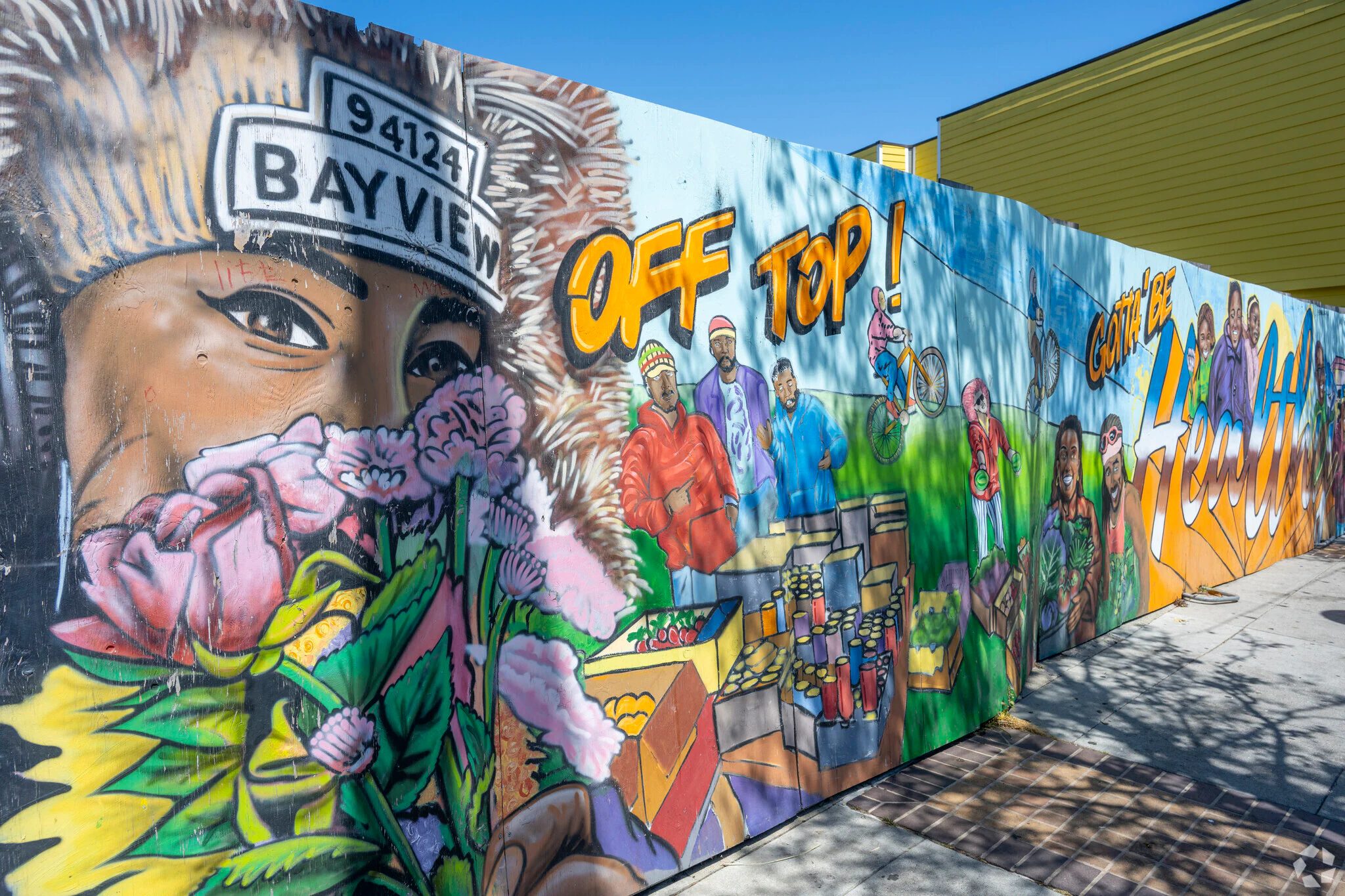
What Is Bayview?
Bayview, often referred to together with Hunters Point as Bayview-Hunters Point, is one of San Francisco's most historically significant, culturally resilient, and dynamically evolving neighborhoods, situated in the southeastern corner of the city along the southern shoreline of San Francisco Bay. Known for its deep and proud African American cultural heritage, its extraordinary history as a World War II shipbuilding and industrial center, its strong and resilient community spirit, its sweeping bay views, and a neighborhood undergoing meaningful and ongoing revitalization and transformation, Bayview offers a genuinely compelling and authentically community-rooted urban living environment defined by cultural richness, neighborhood resilience, waterfront potential, and increasing investment and development activity. It attracts community advocates, artists, families, long-term residents, and buyers seeking an affordable, culturally significant neighborhood with genuine community character, waterfront access, and compelling long-term investment potential as one of San Francisco's most consequential and actively evolving southeastern communities.
Location & Character
Bayview is located in the southeastern part of San Francisco, generally bordered by the San Francisco Bay to the east, the Caltrain corridor and Cesar Chavez Street to the north, the city's southern boundaries to the south, and Highway 101 to the west. It sits near neighborhoods including Dogpatch, Potrero Hill, Visitacion Valley, and Excelsior:
- A broadly expansive southeastern neighborhood defined by a mix of residential blocks, light industrial corridors, waterfront land, and community open spaces
- A historically and culturally significant neighborhood shaped by generations of African American community settlement, cultural expression, and civic leadership
- The Third Street corridor serving as the neighborhood's primary commercial and transit spine connecting Bayview to the broader city
- India Basin and the southeastern waterfront providing significant bay access and waterfront open space opportunities
- A warm, community-rooted, and genuinely resilient neighborhood atmosphere with a strong sense of cultural pride and community identity
- A diverse and deeply rooted population with a significant and historically important African American community alongside growing Latino, Asian American, and newer resident populations
- A relatively mild southeastern microclimate benefiting from the neighborhood's sheltered bay positioning
- A neighborhood undergoing meaningful transformation through ongoing public and private investment, infrastructure improvement, and community-led revitalization initiatives
Real Estate & Housing
Bayview offers one of San Francisco's most accessible and potentially rewarding residential markets for buyers seeking value, community character, and long-term appreciation potential:
- A diverse mix of single-family homes, duplexes, smaller multi-unit buildings, newer condominium developments, and mixed-use residential projects
- A range of architectural styles from early to mid-20th century residential construction alongside newer infill development
- Many properties featuring practical layouts, yard space, and more generous lot sizes compared to denser central city neighborhoods
- Single-family homes offering genuine ownership opportunities at price points significantly more accessible than comparable properties in many other San Francisco neighborhoods
- Newer condominium and mixed-use residential developments offering contemporary finishes and amenities alongside more established residential stock
- A residential market with meaningful upside potential as ongoing neighborhood revitalization, infrastructure investment, waterfront development, and improving amenities continue to reshape the neighborhood
- Price points among the most accessible found anywhere in San Francisco for single-family homes and multi-unit properties, offering a genuine entry point for first-time buyers and investors
- Strong long-term investment fundamentals driven by ongoing revitalization, waterfront development potential, improving transit connectivity, and the enduring significance of Bayview's southeastern San Francisco location
- A neighborhood offering genuinely compelling opportunities for buyers and investors willing to participate in and support an actively evolving community transformation
Community & Amenities
Bayview's community amenities and commercial offerings are actively growing and evolving alongside the neighborhood's ongoing revitalization:
- Third Street serving as the neighborhood's primary commercial corridor with an evolving collection of restaurants, cafés, community businesses, and everyday services reflecting the neighborhood's diverse cultural character
- The Bayview Opera House - a beloved and historically significant community cultural institution serving the neighborhood with arts programming, community events, and cultural celebrations
- The Bayview Branch Library serving as an important community resource and gathering space for the neighborhood's residents
- A growing collection of community gardens, urban farms, and food access initiatives reflecting the neighborhood's strong community agriculture and food justice culture
- Ongoing retail and commercial development along Third Street and surrounding corridors continuing to expand neighborhood amenity options
- The India Basin waterfront area undergoing significant park and public space development that will substantially enhance waterfront access and recreational opportunities for neighborhood residents
Parks & Recreation
Bayview residents enjoy access to several neighborhood parks and waterfront open spaces, with significant new park development currently underway:
- India Basin Shoreline Park - a major waterfront park currently undergoing significant expansion and improvement along the southeastern bay shoreline, featuring bay access, walking paths, open green space, and spectacular bay views, representing one of the most significant public space investments in recent Bayview history and a defining new outdoor destination for the neighborhood
- Candlestick Point State Recreation Area - a significant state park at the southeastern edge of the neighborhood featuring bay views, waterfront access, walking trails, and open recreational space
- Bayview Park - a neighborhood hilltop park offering sweeping panoramic views of San Francisco Bay, the city skyline, and the surrounding southeastern neighborhoods
- Gilman Playground and various neighborhood parks providing community recreation spaces throughout the residential areas
- McLaren Park - one of the city's largest parks with extensive hiking trails, sports facilities, and picnic areas accessible within a short drive
- The broader southeastern waterfront offering significant bay access and recreational potential as ongoing development and park improvements continue
Schools & Education
Bayview is served by the San Francisco Unified School District with several school options in the neighborhood and surrounding areas:
- Various public elementary and middle schools serving the Bayview community including Dr. Charles R. Drew Elementary School
- Willie Brown Middle School serving the broader southeastern district
- Various high school options within the SFUSD system
- City College of San Francisco accessible for higher education options
- San Francisco State University accessible via transit for undergraduate and graduate education
- The neighborhood's improving transit connectivity makes additional San Francisco schools increasingly reachable within a practical commute
Culture & Neighborhood Life
Bayview has one of San Francisco's most historically significant, culturally proud, and genuinely community-resilient neighborhood cultures, shaped by generations of African American heritage, community activism, and neighborhood perseverance:
- A welcoming and deeply rooted community defined by its extraordinary African American cultural heritage, Bayview-Hunters Point has long served as the heart of San Francisco's African American community, contributing generations of cultural leaders, community advocates, artists, musicians, and civic figures to the city's broader cultural and political life
- The Bayview Opera House serving as a beloved and historically significant cultural anchor bringing arts programming, community celebrations, and cultural events to the neighborhood and preserving the community's extraordinary cultural heritage
- A rich tradition of community murals, public art, and artistic expression reflecting the neighborhood's long and proud history of creative community engagement and cultural celebration
- A strong and historically significant tradition of community activism, tenant advocacy, environmental justice organizing, and civic engagement reflecting Bayview's long history as one of San Francisco's most politically engaged and community-organized neighborhoods
- Strong community involvement supported by numerous neighborhood organizations, community development corporations, and civic advocacy groups committed to the neighborhood's revitalization and the preservation of its historic community character
- Regular community events, cultural celebrations, community gatherings, and neighborhood festivals fostering a strong and genuinely shared community identity among Bayview's diverse and deeply rooted residential population
- A warm, community-centered, and culturally proud pace of neighborhood life shaped by the neighborhood's African American heritage, community resilience, waterfront setting, and the genuine excitement of an actively evolving and improving neighborhood environment
- A distinctive and deeply meaningful neighborhood identity built around cultural heritage, community resilience, African American pride, waterfront potential, and a genuine sense of community belonging and neighborhood possibility
Transit & Connectivity
Bayview offers improving transit and roadway access, anchored by the T Third Street Muni Metro line running directly through the neighborhood:
- T Third Street Muni Metro line running directly along Third Street through the heart of the neighborhood providing direct connections to downtown San Francisco, Mission Bay, Caltrain, and the broader city Muni Metro network, the neighborhood's most significant and defining transit asset connecting Bayview to the broader city
- Multiple Muni bus routes serving Third Street, Cesar Chavez Street, and surrounding neighborhood corridors
- Caltrain at various Peninsula stations accessible via connecting transit for regional commuting
- Quick access to Highway 101 and Interstate 280 for regional commuting throughout the Bay Area
- Ongoing transit improvement planning as part of the broader neighborhood revitalization effort aimed at improving connectivity and reducing commute times for Bayview residents
- Future Caltrain station improvements and potential additional transit investments planned as part of the southeastern San Francisco development corridor
Final Thoughts
Bayview offers a genuinely significant and deeply meaningful residential experience in the southeastern corner of San Francisco: a neighborhood defined by an extraordinary African American cultural heritage, a long and proud tradition of community resilience and civic engagement, the beloved Bayview Opera House, the dramatically improving India Basin waterfront, the T Third Street transit corridor, accessible housing prices representing some of the most compelling value found anywhere in San Francisco, and a quality of community life that is at once culturally rich, historically significant, community-spirited, and actively evolving toward a more vibrant and equitable future. For community advocates, families, artists, and long-term investors who believe in the power of community resilience, cultural heritage, and neighborhood transformation, Bayview stands as one of San Francisco's most historically meaningful, culturally irreplaceable, and potentially rewarding neighborhoods, a place of genuine community pride, cultural significance, and enduring urban possibility in the southeastern corner of one of America's greatest cities.
10B Crocker Amazon
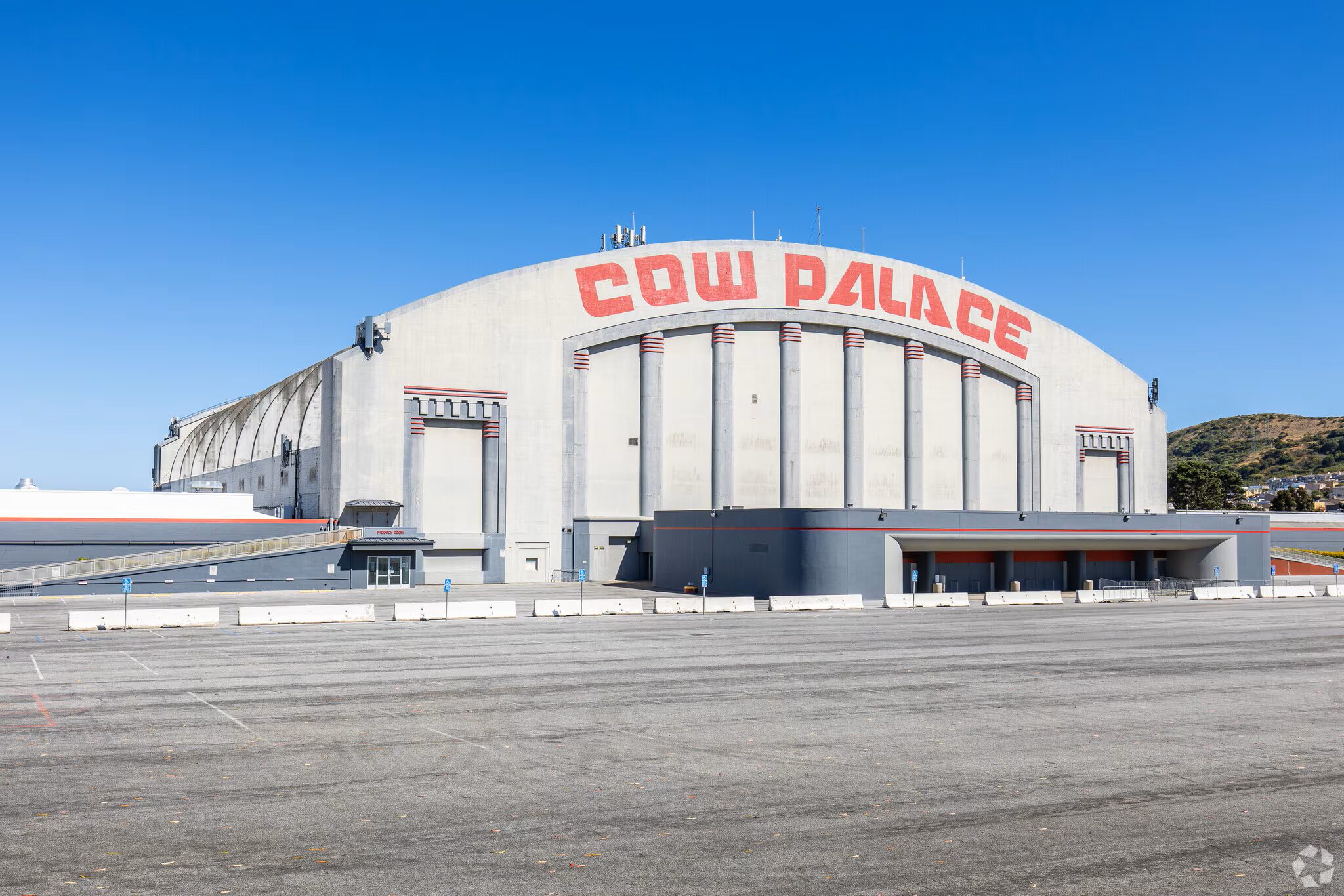
What Is Crocker Amazon?
Crocker Amazon is a quiet, well-established residential neighborhood in the southernmost part of San Francisco, situated on gently sloping terrain near the city's southern boundary with Daly City. Known for its affordable mid-century homes, wide residential streets, strong family-oriented community character, and the beloved Crocker Amazon Playground, one of San Francisco's largest and most well-equipped neighborhood parks, Crocker Amazon offers a genuinely practical and community-centered residential environment with solid transit connections, everyday conveniences, and a relaxed neighborhood pace that appeals to families, first-time buyers, and long-term residents seeking value, stability, and everyday livability within San Francisco city limits.
Location & Character
Crocker Amazon is located in the far southern part of San Francisco, generally bordered by Geneva Avenue to the north, the Daly City boundary to the south, Mission Street to the east, and the Excelsior and Outer Mission neighborhoods to the north and east. It sits near neighborhoods including Excelsior, Outer Mission, Visitacion Valley, and Daly City:
- Quiet, primarily residential streets with a calm and family-oriented neighborhood atmosphere
- A predominantly mid-century residential character with consistent home styles and well-kept properties throughout
- Crocker Amazon Playground serving as the neighborhood's primary community gathering and recreational destination
- A practical, everyday neighborhood feel with good transit connections and essential services within convenient reach
- A diverse and long-established community with deep neighborhood roots and strong family-oriented values
- A relatively mild southern city microclimate benefiting from its sheltered positioning near the city's southern boundary
- Wide residential streets and more generous lot sizes compared to denser central city neighborhoods
Real Estate & Housing
Crocker Amazon offers one of San Francisco's most accessible and family-friendly housing markets with solid long-term ownership characteristics:
- Predominantly single-family detached homes as the dominant housing type
- Mid-century construction primarily from the 1940s through the 1960s with consistent architectural styling throughout
- Many homes featuring garages, yards, and practical floor plans offering genuine family living space
- Stucco exteriors and classic mid-century San Francisco residential details throughout
- Some duplexes and smaller multi-unit buildings mixed in offering additional ownership and investment opportunities
- Price points among the more accessible found anywhere in San Francisco for single-family homes, making Crocker Amazon one of the city's most genuine entry points for first-time buyers and families
- Steady and consistent demand driven by neighborhood affordability, family-friendly character, and practical everyday livability
- Long-term investment appeal driven by San Francisco city limits positioning, family-oriented demand, transit access, and the enduring value of single-family home ownership within city boundaries
- Limited inventory in sought-after blocks as properties are held long-term by established families and longtime residents
Community & Amenities
Crocker Amazon benefits from a practical collection of everyday conveniences and community resources within comfortable reach:
- Geneva Avenue serving as the neighborhood's primary nearby commercial corridor with grocery stores, restaurants, cafés, and everyday services reflecting the neighborhood's diverse cultural character
- Mission Street corridor in the adjacent Excelsior and Outer Mission accessible within a short walk or transit ride offering additional diverse dining, shopping, and everyday commercial options
- Neighborhood markets, pharmacies, and essential services within comfortable reach for everyday needs
- Community spaces and neighborhood gathering areas supporting local connection and civic engagement
- Stonestown Galleria accessible within a short drive for expanded retail, dining, and essential services
- Additional shopping and commercial amenities in adjacent Daly City accessible within a short drive
Parks & Recreation
Crocker Amazon Playground is the defining outdoor asset of the neighborhood and one of San Francisco's most significant and beloved community parks:
- Crocker Amazon Playground - the neighborhood's magnificent primary park and one of San Francisco's largest and most comprehensively equipped community recreational destinations, featuring an extraordinarily extensive collection of sports fields, basketball courts, tennis courts, a soccer field, baseball diamonds, a children's playground, open green space, and a beloved community gathering atmosphere that makes it one of the finest neighborhood parks in the entire city
- McLaren Park - one of San Francisco's largest and most expansive parks with extensive hiking trails, sports facilities, picnic areas, and open natural space accessible within a short walk or drive
- Balboa Park and surrounding southwest San Francisco parks accessible within a short drive for additional recreational options
- Smaller neighborhood green spaces and community gathering areas woven throughout the residential streets
Schools & Education
Crocker Amazon is served by the San Francisco Unified School District with several school options in the neighborhood and surrounding areas:
- John Muir Elementary School serving the neighborhood community within easy reach
- Various middle and high school options within the SFUSD system
- Balboa High School serving the broader southwestern district area
- Private and parochial school options within a reasonable commute
- City College of San Francisco accessible for higher education
- San Francisco State University accessible via transit for undergraduate and graduate education
Culture & Neighborhood Life
Crocker Amazon has a warm, practical, and genuinely family-oriented neighborhood culture shaped by its diverse community, long-established residential character, and strong everyday community values:
- A welcoming and inclusive environment reflecting the neighborhood's extraordinary cultural diversity with Latino, Asian American, Filipino, African American, and many other communities contributing to a richly multicultural and genuinely authentic neighborhood character
- Crocker Amazon Playground serving as the neighborhood's beloved daily community gathering space where families, children, athletes, and neighbors connect in a warm and genuinely community-spirited outdoor environment
- A strong tradition of family-oriented community life centered around home, park, schools, and local neighborhood gathering places
- Community involvement supported by neighborhood associations and local civic groups committed to maintaining the neighborhood's family-friendly character and everyday livability
- A slower, more residential pace of neighborhood life compared to central San Francisco districts, reflecting the community's practical and family-centered values
- A distinctive neighborhood identity built around family values, cultural diversity, community warmth, practical everyday living, and a genuine sense of stable and welcoming neighborhood belonging
Transit & Connectivity
Crocker Amazon offers solid transit and roadway access for both city and regional commuting:
- Multiple Muni bus routes serving Geneva Avenue, Mission Street, and surrounding neighborhood corridors including the 43 Masonic and 54 Felton lines
- Balboa Park BART Station accessible within a short drive or transit ride providing direct Bay Area connections and downtown San Francisco access
- Geneva Avenue corridor providing convenient east-west neighborhood navigation
- Quick access to Interstate 280 for Peninsula and regional commuting
- Convenient proximity to Daly City BART Station for additional Bay Area transit connections
- Easy access to Highway 101 and major city arterials for flexible navigation throughout San Francisco and the broader Bay Area
Final Thoughts
Crocker Amazon offers a genuinely practical and warmly community-centered residential experience in the southernmost reaches of San Francisco: a neighborhood defined by affordable mid-century single-family homes, the magnificent Crocker Amazon Playground, wide residential streets, a deeply family-oriented and culturally diverse community, solid transit connections, and a quality of everyday neighborhood life that is at once practical, community-spirited, culturally rich, and genuinely livable. For families, first-time buyers, and long-term investors seeking an affordable San Francisco neighborhood with genuine community character, excellent park access, solid transit connectivity, and enduring value within city limits, Crocker Amazon stands as one of San Francisco's most genuinely family-friendly, practically rewarding, and consistently welcoming southern neighborhoods, a truly solid and deeply community-rooted place to call home.
10C Excelsior
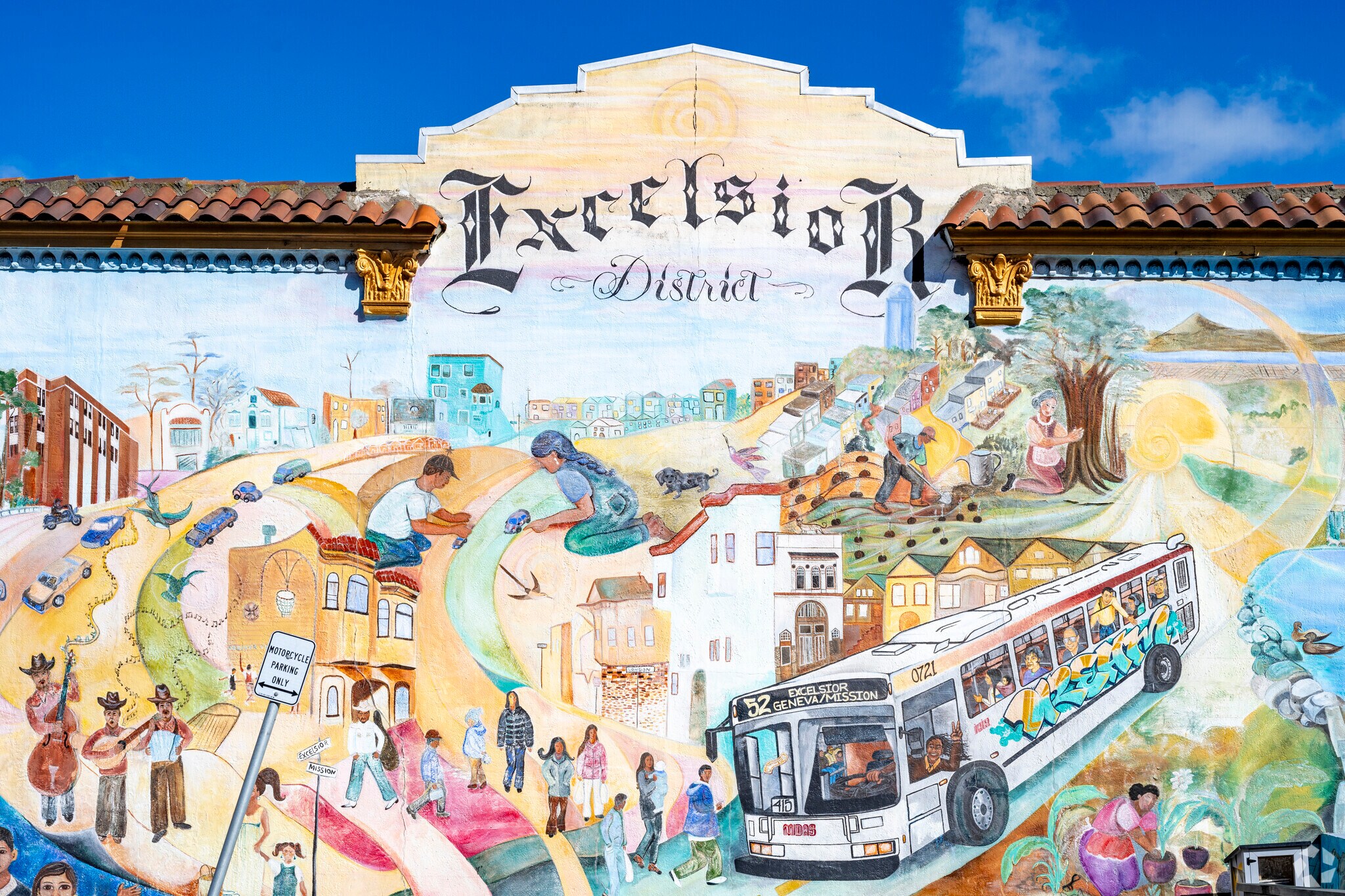
What Is Excelsior?
Excelsior is one of San Francisco's most authentically diverse, warmly community-spirited, and genuinely unpretentious residential neighborhoods, situated in the south-central part of the city on gently sloping terrain between the Mission District, McLaren Park, and the city's southern boundary areas. Known for its extraordinary cultural diversity, vibrant and authentic international dining scene along Mission Street, strong working-class community values, affordable mid-century homes, and a genuine neighborhood warmth that has made Excelsior one of San Francisco's most beloved and enduringly community-rooted residential districts, Excelsior offers a rare and deeply appealing combination of cultural authenticity, everyday practicality, neighborhood warmth, and accessible housing values that increasingly distinguish it as one of the city's most genuinely rewarding and underappreciated residential communities. It attracts families, working-class residents, first-time buyers, community advocates, and buyers seeking an authentically diverse, affordably accessible, and genuinely community-centered San Francisco neighborhood with solid transit connections and enduring residential character.
Location & Character
Excelsior is located in the south-central part of San Francisco, generally bordered by Cesar Chavez Street and the Mission District to the north, Geneva Avenue to the south, Highway 101 and Potrero Hill to the east, and the Outer Mission and Ocean View neighborhoods to the west. It sits near neighborhoods including the Outer Mission, Bernal Heights, Visitacion Valley, and Crocker Amazon:
- A broadly residential neighborhood defined by consistent mid-century home styles, wide streets, and a genuinely community-oriented everyday atmosphere
- Mission Street serving as the neighborhood's vibrant and culturally authentic primary commercial corridor reflecting the extraordinary diversity of the Excelsior community
- A warm, unpretentious, and genuinely multicultural neighborhood atmosphere with a strong sense of working-class community pride and neighborhood belonging
- A deeply diverse and long-established population reflecting significant Latino, Asian American, Filipino, Chinese, and many other cultural communities living and thriving together
- McLaren Park forming a major natural boundary and recreational asset along the neighborhood's eastern and southern edges
- A relatively mild south-central microclimate benefiting from the neighborhood's sheltered inland positioning
- Wide, consistent residential streets with a practical and family-oriented everyday neighborhood character
Real Estate & Housing
Excelsior offers one of San Francisco's most accessible and family-friendly housing markets with solid long-term ownership characteristics and genuine value for buyers seeking San Francisco city limits addresses:
- Predominantly single-family detached homes as the dominant housing type reflecting the neighborhood's strong working-class homeownership tradition
- Mid-century construction primarily from the 1940s through the 1960s with consistent architectural styling and practical layouts throughout
- Many homes featuring garages, yards, and generous floor plans offering genuine family living space uncommon in denser city neighborhoods
- Stucco exteriors, bay windows, and classic mid-century San Francisco residential details throughout
- Some duplexes, small apartment buildings, and multi-unit properties mixed in offering additional ownership and investment opportunities
- Price points among the more accessible found anywhere in San Francisco for single-family homes, making Excelsior one of the city's most compelling entry points for first-time buyers and families
- Strong and consistent demand driven by neighborhood affordability, cultural diversity, family-friendly character, and the genuine appeal of working-class San Francisco community life
- Long-term investment appeal driven by San Francisco city limits positioning, strong family demand, transit access, McLaren Park adjacency, and the enduring value of single-family home ownership within city boundaries
- A residential market that has seen meaningful appreciation as buyers increasingly recognize Excelsior's genuine community character and relative value compared to more central neighborhoods
Community & Amenities
Excelsior's Mission Street commercial corridor is one of its most defining and beloved features, offering an authentically diverse and culturally rich collection of businesses and everyday conveniences:
- Mission Street serving as the neighborhood's vibrant and authentically multicultural commercial heart with an extraordinary concentration of Mexican taquerias, Filipino restaurants, Chinese eateries, Salvadoran bakeries, Vietnamese cafés, and international food shops that together make Excelsior's Mission Street one of San Francisco's most genuinely diverse and culinarily authentic neighborhood commercial corridors
- A rich and extraordinarily diverse local dining scene offering exceptional international cuisine at highly accessible price points reflecting the neighborhood's authentic multicultural character
- Neighborhood markets, grocery stores, and specialty food shops serving the community's diverse culinary traditions within comfortable walking distance
- Community spaces, neighborhood gathering areas, and local businesses supporting the neighborhood's strong civic and community life
- Balboa Park shopping and commercial amenities accessible within a short drive for expanded retail and service options
- Stonestown Galleria accessible within a short drive for major retail, dining, and essential services
Parks & Recreation
Excelsior residents enjoy outstanding access to McLaren Park, one of San Francisco's largest and most expansive natural parks, along with several neighborhood recreational spaces:
- McLaren Park - one of San Francisco's most significant and expansive natural parks directly bordering the neighborhood, featuring extensive hiking and walking trails through natural terrain, sports fields, basketball and tennis courts, a golf course, picnic areas, the Jerry Garcia Amphitheater, and abundant open natural space making it one of the city's finest and most underappreciated major parks
- Excelsior Playground - a beloved neighborhood park featuring sports courts, a children's playground, open green space, and a warm community gathering atmosphere serving as a primary neighborhood recreational destination
- Crocker Amazon Playground accessible within a short drive offering one of San Francisco's most comprehensively equipped community recreational facilities
- Balboa Park accessible within a short drive offering additional sports facilities and community recreational amenities
- Various neighborhood pocket parks and community green spaces woven throughout the residential streets
Schools & Education
Excelsior is served by the San Francisco Unified School District with several school options in the neighborhood and surrounding areas:
- Various public elementary schools serving the Excelsior community including Monroe Elementary School and other neighborhood schools
- Everett Middle School serving the broader district area
- Various high school options within the SFUSD system including Balboa High School nearby
- Private and parochial school options within a reasonable commute
- City College of San Francisco accessible for higher education
- San Francisco State University accessible via transit for undergraduate and graduate education
- The neighborhood's solid transit connections make additional San Francisco schools reachable within a practical commute
Culture & Neighborhood Life
Excelsior has one of San Francisco's most genuinely diverse, authentically community-rooted, and warmly unpretentious neighborhood cultures, shaped by generations of working-class immigrant settlement, multicultural community building, and a deep and enduring sense of neighborhood pride and belonging:
- A welcoming and profoundly multicultural environment reflecting one of San Francisco's most extraordinarily diverse community compositions, with Latino, Filipino, Chinese, Vietnamese, Salvadoran, and many other cultural communities living side by side in a genuinely inclusive and community-oriented neighborhood
- Mission Street's vibrant and authentic multicultural commercial corridor preserving and celebrating the extraordinary cultural diversity of the Excelsior community through beloved neighborhood restaurants, bakeries, markets, and community businesses that reflect the genuine multicultural character of the neighborhood's population
- A strong and proud working-class community tradition reflecting generations of immigrant families who have built homes, raised children, and contributed to the fabric of San Francisco community life in the Excelsior
- McLaren Park providing a beloved natural gathering space where community members of all backgrounds enjoy outdoor recreation, community events, and neighborhood connection in one of the city's finest natural settings
- Strong community involvement supported by the Excelsior Action Group and numerous neighborhood organizations committed to preserving the neighborhood's authentic character, cultural diversity, and community-centered values
- Regular community events, cultural celebrations, neighborhood gatherings, and Mission Street festivals fostering a strong and genuinely shared multicultural neighborhood identity
- A warm, unpretentious, and genuinely community-centered pace of neighborhood life shaped by Mission Street's cultural vitality, McLaren Park's natural beauty, the neighborhood's working-class heritage, and the diverse and deeply engaged community
- A distinctive and deeply cherished neighborhood identity built around cultural diversity, working-class pride, community warmth, authentic multicultural life, and a genuine sense of belonging to one of San Francisco's most authentically community-rooted and enduringly welcoming residential neighborhoods
Transit & Connectivity
Excelsior offers solid transit and roadway access for both city and regional commuting, anchored by the Mission Street corridor and nearby BART connections:
- Multiple Muni bus routes serving Mission Street, Geneva Avenue, and surrounding neighborhood corridors including the 14 Mission and 49 Van Ness-Mission lines providing direct and frequent downtown San Francisco connections
- Balboa Park BART Station accessible within a short walk or transit ride providing direct and frequent Bay Area connections and downtown San Francisco access
- Geneva Avenue corridor providing convenient east-west neighborhood navigation and connections to the broader southwestern city
- Quick access to Interstate 280 for Peninsula and regional commuting throughout the Bay Area
- Convenient proximity to Highway 101 for regional travel and flexible city navigation
- Multiple connecting bus routes providing access to surrounding neighborhoods and additional transit options throughout the city
Final Thoughts
Excelsior offers a genuinely extraordinary and deeply meaningful residential experience in the south-central heart of San Francisco: a neighborhood defined by one of the city's most authentically diverse and culturally rich communities, the vibrant multicultural Mission Street commercial corridor, the magnificent McLaren Park natural open space, accessible mid-century single-family homes offering genuine family living value within city limits, solid transit connectivity, and a quality of everyday neighborhood life that is at once culturally authentic, community-spirited, warmly unpretentious, and deeply livable. For families, first-time buyers, community advocates, and long-term investors seeking an authentically diverse San Francisco neighborhood with genuine community warmth, accessible housing values, outstanding park access, and enduring residential character, Excelsior stands as one of San Francisco's most genuinely community-rooted, culturally irreplaceable, and consistently welcoming neighborhoods, a truly special and deeply meaningful place to call home in the diverse and vibrant south-central heart of one of America's greatest cities.
10D Outer Mission
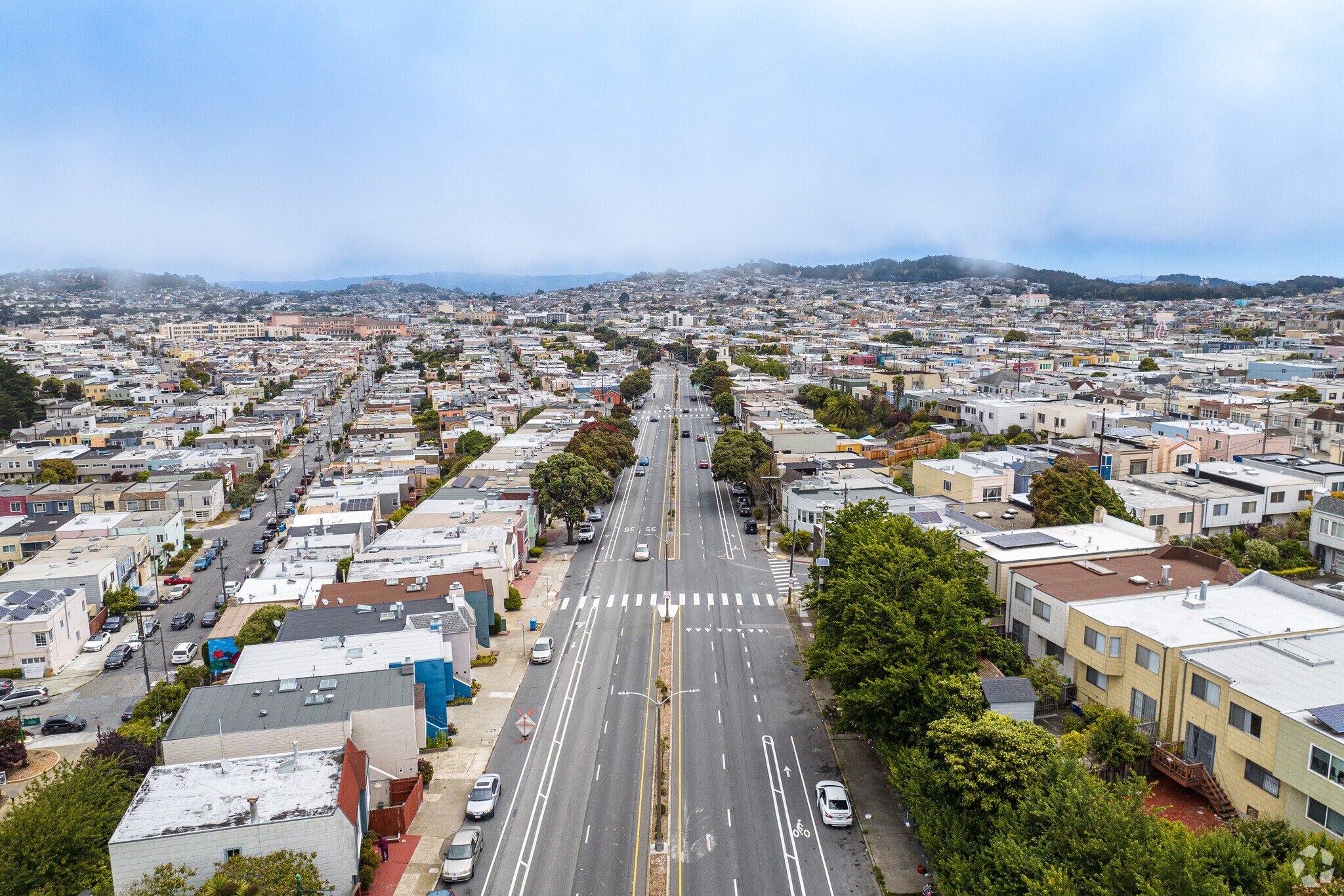
What Is Outer Mission?
Outer Mission is a quiet, diverse, and genuinely community-oriented residential neighborhood in the southern part of San Francisco, situated between the more commercially active Inner Mission and the city's southern residential districts. Known for its affordable mid-century homes, culturally rich Mission Street commercial corridor, strong working-class community values, and a relaxed residential character that offers a practical and welcoming alternative to the busier and more expensive neighborhoods to the north, Outer Mission provides a genuine and unpretentious everyday living environment with solid transit connections, good park access, and a warm multicultural community spirit that makes it one of San Francisco's most authentically neighborhood-centered southern residential communities. It attracts families, working-class residents, first-time buyers, and long-term residents seeking an affordable, community-centered, and genuinely livable San Francisco address with strong cultural diversity and practical everyday convenience.
Location & Character
Outer Mission is located in the southern part of San Francisco, generally bordered by Cesar Chavez Street to the north, Geneva Avenue to the south, Highway 101 and Excelsior to the east, and the Outer Mission and Ingleside areas to the west. It sits near neighborhoods including the Inner Mission, Excelsior, Bernal Heights, and Ingleside:
- Primarily residential blocks with a calm, family-oriented, and genuinely community-centered neighborhood atmosphere
- A diverse and multicultural community reflecting significant Latino, Asian American, and other cultural communities living together
- Mission Street serving as the neighborhood's primary commercial and cultural corridor connecting Outer Mission to the broader city
- A practical, unpretentious, and genuinely working-class neighborhood feel with good everyday accessibility
- A long-established residential community with strong family-oriented values and deep neighborhood roots
- A relatively mild southern city microclimate benefiting from the neighborhood's sheltered inland positioning
- Wide residential streets with consistent mid-century home styles and a practical everyday neighborhood character
Real Estate & Housing
Outer Mission offers one of San Francisco's more accessible residential markets with solid long-term ownership characteristics and genuine value for families and first-time buyers:
- Predominantly single-family detached homes and duplexes as the dominant housing types
- Mid-century construction primarily from the 1940s through the 1960s with practical layouts and consistent architectural styling
- Many homes featuring garages, yards, and functional floor plans offering genuine family living space
- Stucco exteriors and classic mid-century San Francisco residential details throughout the neighborhood
- Some smaller multi-unit buildings and apartment properties mixed in offering additional ownership and rental opportunities
- Price points among the more accessible found in San Francisco for single-family homes and multi-unit properties
- Steady demand driven by neighborhood affordability, family-friendly character, and practical everyday livability
- Long-term investment appeal driven by San Francisco city limits positioning, consistent family demand, transit access, and enduring residential stability
- A residential market offering genuine entry-point opportunities for first-time buyers and investors seeking value within city boundaries
Community & Amenities
Outer Mission benefits from the Mission Street corridor and nearby commercial areas providing practical everyday conveniences:
- Mission Street serving as the neighborhood's primary commercial spine with an authentic and diverse collection of Mexican restaurants, Filipino eateries, Asian food shops, bakeries, cafés, and community businesses reflecting the neighborhood's multicultural character
- A genuinely diverse and affordable local dining scene offering authentic international cuisine options reflecting the community's rich cultural composition
- Neighborhood markets, grocery stores, pharmacies, and essential services within comfortable walking distance
- Community spaces and neighborhood gathering areas supporting local civic life and community connection
- Balboa Park shopping amenities accessible within a short drive for expanded retail and service options
- Stonestown Galleria accessible within a short drive for major retail, dining, and essential services
Parks & Recreation
Outer Mission residents enjoy access to several neighborhood parks and recreational spaces in the surrounding area:
- Excelsior Playground - a well-equipped neighborhood park with sports courts, a children's playground, and open green space accessible within a short walk or drive
- McLaren Park - one of San Francisco's largest and most expansive natural parks with hiking trails, sports facilities, a golf course, and abundant open space accessible within a short drive
- Balboa Park - a major community recreation hub with sports fields, playgrounds, a recreation center, and open space nearby
- Crocker Amazon Playground accessible within a short drive offering one of San Francisco's most comprehensively equipped community recreational facilities
- Various neighborhood pocket parks and community green spaces throughout the surrounding residential area
Schools & Education
Outer Mission is served by the San Francisco Unified School District with several school options in the neighborhood and surrounding areas:
- Various public elementary schools serving the Outer Mission community within reasonable reach
- Middle and high school options within the SFUSD system serving the broader southern district
- Balboa High School serving the broader southwestern area
- Private and parochial school options within a reasonable commute
- City College of San Francisco accessible for higher education
- San Francisco State University accessible via transit for undergraduate and graduate education
Culture & Neighborhood Life
Outer Mission has a warm, practical, and genuinely multicultural neighborhood culture shaped by its diverse community, working-class heritage, and family-oriented residential character:
- A welcoming and inclusive environment reflecting significant Latino, Filipino, Asian American, and other cultural communities living together in a genuinely diverse and community-centered neighborhood
- Mission Street's authentic multicultural commercial corridor preserving and celebrating the neighborhood's cultural diversity through beloved local restaurants, bakeries, markets, and community businesses
- A strong working-class community tradition reflecting generations of immigrant families who have built homes and raised children in the Outer Mission
- Community involvement supported by neighborhood associations and local civic groups committed to maintaining the neighborhood's family-friendly character
- A slower, more residential pace of neighborhood life compared to central San Francisco districts reflecting the community's practical and family-centered values
- A distinctive neighborhood identity built around cultural diversity, family values, working-class pride, and a genuine sense of community belonging and everyday residential warmth
Transit & Connectivity
Outer Mission offers solid transit and roadway access for both city and regional commuting:
- Multiple Muni bus routes serving Mission Street, Geneva Avenue, and surrounding neighborhood corridors including the 14 Mission and 49 Van Ness-Mission lines
- Balboa Park BART Station accessible within a short drive or transit ride providing direct Bay Area connections and downtown San Francisco access
- Geneva Avenue corridor providing convenient east-west neighborhood navigation
- Quick access to Interstate 280 for Peninsula and regional commuting throughout the Bay Area
- Convenient proximity to Highway 101 for regional travel and flexible city navigation
- Multiple connecting bus routes providing access to surrounding neighborhoods and additional transit options
Final Thoughts
Outer Mission offers a genuinely practical and warmly community-centered residential experience in the southern part of San Francisco: a neighborhood defined by affordable mid-century single-family homes, an authentic and culturally diverse Mission Street commercial corridor, good access to McLaren Park and surrounding recreational facilities, solid transit connections, and a quality of everyday neighborhood life that is at once culturally rich, family-oriented, community-spirited, and genuinely livable. For families, first-time buyers, and long-term investors seeking an affordable San Francisco neighborhood with genuine community character, cultural diversity, practical everyday convenience, and enduring residential stability, Outer Mission stands as one of San Francisco's most genuinely community-rooted, practically rewarding, and consistently welcoming southern neighborhoods, a solid and deeply community-centered place to call home.
10E Visitacion Valley
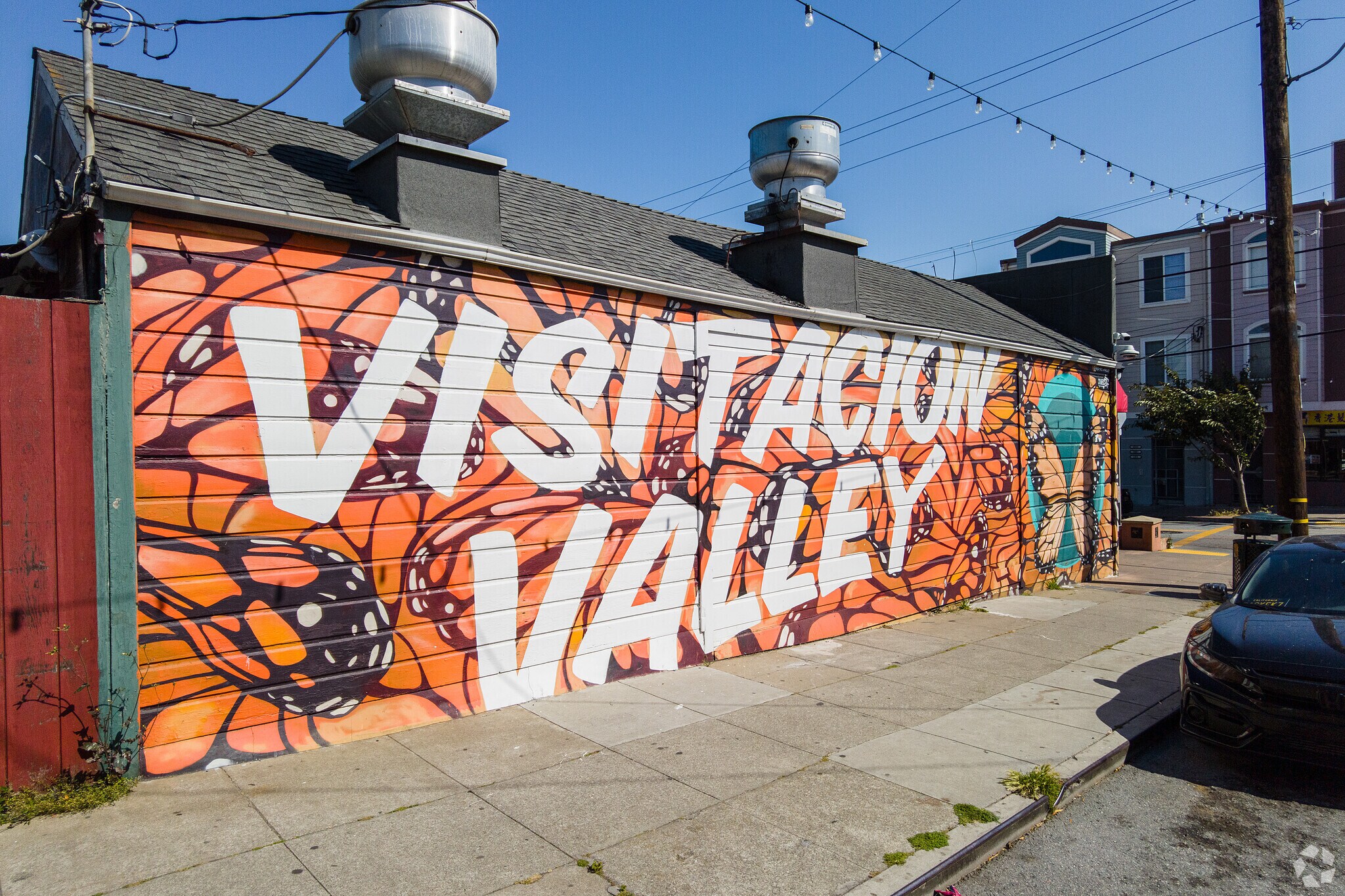
What Is Visitacion Valley?
Visitacion Valley is a quiet, diverse, and genuinely community-rooted residential neighborhood tucked into the southernmost corner of San Francisco, nestled between McLaren Park, the city's southern boundary with Daly City, and the broader southeastern residential districts. Known for its affordable mid-century homes, extraordinary cultural diversity, strong family-oriented community values, the beloved Visitacion Valley Greenway, and a neighborhood character that combines residential tranquility with genuine multicultural community warmth, Visitacion Valley offers a practical and deeply community-centered living environment with improving transit connections, good park access, and an authentic neighborhood spirit that makes it one of San Francisco's most genuinely welcoming and underappreciated southern residential communities. It attracts families, working-class residents, first-time buyers, and long-term residents seeking an affordable, culturally rich, and genuinely livable San Francisco address with strong community ties and meaningful long-term investment potential.
Location & Character
Visitacion Valley is located in the far southeastern part of San Francisco, generally bordered by McLaren Park to the north and west, the Daly City and Brisbane boundaries to the south, Highway 101 and Bayview to the east, and the Excelsior and Crocker Amazon areas to the west. It sits near neighborhoods including Excelsior, Bayview, Crocker Amazon, and the city's southern boundary communities:
- A quietly residential neighborhood nestled in a natural valley setting offering a genuinely sheltered and community-centered residential atmosphere
- A profoundly diverse and multicultural community reflecting significant Chinese, Filipino, Latino, African American, and many other cultural communities living together
- Leland Avenue serving as the neighborhood's beloved and community-oriented primary commercial corridor
- McLaren Park forming a magnificent natural boundary and recreational asset along the neighborhood's northern and western edges
- The Visitacion Valley Greenway providing a distinctive and beloved linear community garden and green space running through the heart of the neighborhood
- A warm, unpretentious, and genuinely family-oriented neighborhood atmosphere with strong community roots and a deeply inclusive community spirit
- A relatively mild and sheltered southern microclimate benefiting from the valley's natural terrain and protected positioning
Real Estate & Housing
Visitacion Valley offers one of San Francisco's most accessible residential markets with solid long-term ownership characteristics and genuine value for families and first-time buyers:
- Predominantly single-family detached homes and duplexes as the dominant housing types
- Mid-century construction primarily from the 1940s through the 1960s with practical layouts and consistent architectural character
- Many homes featuring garages, yards, and functional floor plans offering genuine family living space
- Stucco exteriors and practical mid-century San Francisco residential details throughout
- Some smaller multi-unit buildings and newer residential developments mixed in
- Price points among the most accessible found anywhere in San Francisco for single-family homes making Visitacion Valley one of the city's most genuine entry points for first-time buyers and working-class families
- Steady demand driven by neighborhood affordability, cultural diversity, family-friendly character, and practical everyday livability
- Long-term investment potential driven by ongoing Candlestick Point and southeastern San Francisco development, improving transit connectivity, and the enduring value of San Francisco city limits positioning
- A residential market offering meaningful opportunities for first-time buyers and investors seeking genuine value and long-term appreciation potential
Community & Amenities
Visitacion Valley benefits from the Leland Avenue commercial corridor and nearby amenities providing everyday conveniences and community resources:
- Leland Avenue serving as the neighborhood's beloved primary commercial corridor with an authentic and diverse collection of Chinese restaurants, Filipino eateries, Mexican taquerias, Asian grocery stores, bakeries, cafés, and community businesses reflecting the neighborhood's extraordinary multicultural character
- A genuinely diverse and affordable local dining scene offering authentic international cuisine at accessible price points reflecting the rich cultural composition of the community
- Neighborhood markets, grocery stores, and essential services within comfortable walking distance for everyday needs
- The Visitacion Valley Branch Library serving as an important community resource and gathering space for neighborhood residents
- Community gardens and green spaces supported by the Visitacion Valley Greenway community stewardship network
- Additional shopping and commercial amenities accessible in nearby Excelsior and Daly City within a short drive
Parks & Recreation
Visitacion Valley residents enjoy outstanding access to McLaren Park and several distinctive neighborhood green spaces:
- McLaren Park - one of San Francisco's largest and most expansive natural parks directly bordering the neighborhood to the north and west, featuring extensive hiking and walking trails through natural terrain, sports fields, basketball and tennis courts, a golf course, the Jerry Garcia Amphitheater, picnic areas, and abundant open natural space making it one of the city's finest and most accessible major parks for Visitacion Valley residents
- Visitacion Valley Greenway - the neighborhood's beloved and genuinely distinctive linear community garden and green space running through the residential heart of the neighborhood, featuring beautifully maintained community gardens, flowering plantings, sitting areas, and a warm community gathering atmosphere that has become one of Visitacion Valley's most cherished and defining community assets
- Visitacion Valley Playground - a neighborhood park with sports courts, a children's playground, and open community gathering space serving as a primary neighborhood recreational destination
- Candlestick Point State Recreation Area accessible within a short drive offering bay views, waterfront access, and open recreational space
- Various neighborhood pocket parks and community green spaces throughout the residential streets
Schools & Education
Visitacion Valley is served by the San Francisco Unified School District with several school options in the neighborhood and surrounding areas:
- Various public elementary schools serving the Visitacion Valley community including Visitacion Valley Elementary School
- Visitacion Valley Middle School serving the neighborhood's middle school students
- Various high school options within the SFUSD system
- Private and parochial school options within a reasonable commute
- City College of San Francisco accessible for higher education
- San Francisco State University accessible via transit for undergraduate and graduate education
- The neighborhood's improving transit connections make additional San Francisco schools increasingly reachable within a practical commute
Culture & Neighborhood Life
Visitacion Valley has one of San Francisco's most genuinely diverse, community-rooted, and warmly multicultural neighborhood cultures, shaped by generations of working-class immigrant settlement, multicultural community building, and a deep and enduring sense of neighborhood belonging:
- A welcoming and profoundly multicultural environment reflecting one of San Francisco's most extraordinarily diverse community compositions, with Chinese, Filipino, Latino, African American, Vietnamese, and many other cultural communities living together in a genuinely inclusive and community-centered neighborhood
- Leland Avenue's authentic multicultural commercial corridor celebrating the neighborhood's extraordinary cultural diversity through beloved local restaurants, bakeries, markets, and community businesses
- The Visitacion Valley Greenway representing one of the most beloved and genuinely community-created neighborhood assets in San Francisco, reflecting the extraordinary community stewardship and neighborhood pride of Visitacion Valley residents who have collectively transformed a former rail corridor into a thriving community garden and green space
- A strong working-class community tradition reflecting generations of immigrant families who have built homes, raised children, and contributed to the fabric of San Francisco community life in Visitacion Valley
- Strong community involvement supported by the Visitacion Valley Community Center, the Visitacion Valley Greenway stewardship network, and numerous neighborhood organizations committed to preserving and enhancing the neighborhood's community character
- Regular community events, cultural celebrations, greenway gatherings, and neighborhood festivals fostering a strong and genuinely shared multicultural neighborhood identity
- A warm, unpretentious, and genuinely community-centered pace of neighborhood life shaped by Leland Avenue's cultural vitality, McLaren Park's natural beauty, the beloved Visitacion Valley Greenway, and the diverse and deeply engaged community
- A distinctive and warmly cherished neighborhood identity built around cultural diversity, community stewardship, family values, multicultural warmth, and a genuine sense of belonging to one of San Francisco's most authentically community-rooted and enduringly welcoming residential communities
Transit & Connectivity
Visitacion Valley offers improving transit and roadway access with ongoing investment aimed at enhancing the neighborhood's city connectivity:
- Multiple Muni bus routes serving Leland Avenue, Geneva Avenue, and surrounding neighborhood corridors including the 9 San Bruno and 54 Felton lines
- Balboa Park BART Station accessible within a short drive or transit ride providing direct Bay Area connections and downtown San Francisco access
- Daly City BART Station accessible within a short drive for additional Bay Area transit connections
- The future Caltrain improvements at nearby stations planned to enhance regional transit access for southeastern San Francisco residents
- Quick access to Highway 101 and Interstate 280 for regional commuting throughout the Bay Area
- Ongoing transit improvement planning as part of the broader southeastern San Francisco development and revitalization efforts
Final Thoughts
Visitacion Valley offers a genuinely special and deeply community-rooted residential experience in the southernmost reaches of San Francisco: a neighborhood defined by its extraordinary multicultural diversity, the beloved Leland Avenue commercial corridor, the magnificent McLaren Park natural open space, the uniquely cherished Visitacion Valley Greenway community garden, affordable mid-century single-family homes offering genuine family value within city limits, and a quality of everyday neighborhood life that is at once culturally rich, community-spirited, warmly inclusive, and genuinely livable. For families, first-time buyers, community advocates, and long-term investors seeking an affordable San Francisco neighborhood with genuine multicultural warmth, outstanding park access, community stewardship culture, and enduring residential stability, Visitacion Valley stands as one of San Francisco's most genuinely community-rooted, culturally diverse, and consistently welcoming southern neighborhoods, a truly warm and deeply community-centered place to call home in the southern reaches of one of America's greatest cities.
10F Portola
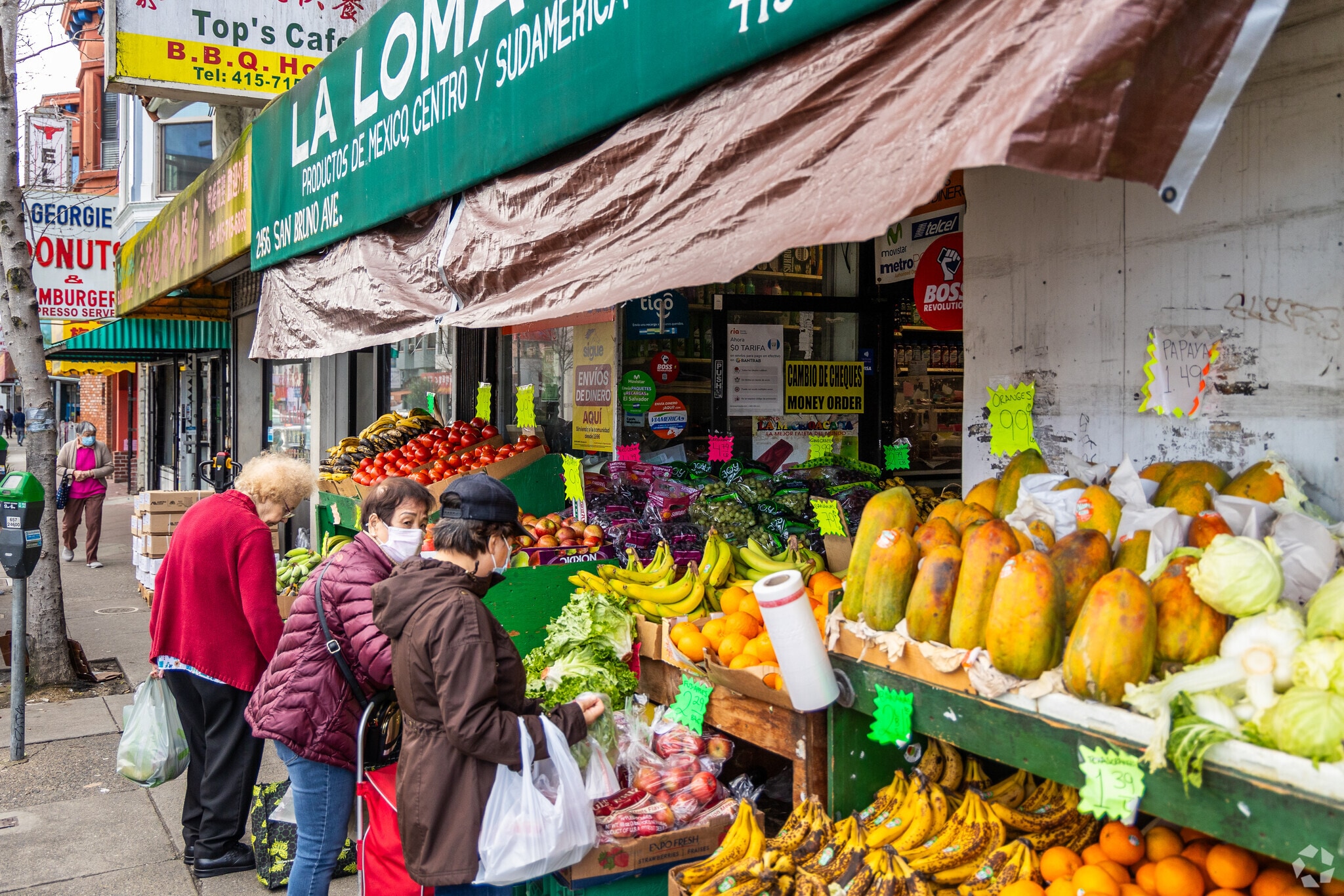
What Is Portola?
Portola is a quiet, genuinely diverse, and increasingly recognized residential neighborhood in the south-central part of San Francisco, situated on gently sloping terrain between McLaren Park, the Excelsior, and the broader southeastern city districts. Once considered one of San Francisco's more overlooked and underappreciated southern neighborhoods, Portola has emerged in recent years as one of the city's most talked-about and compelling emerging residential communities, driven by a growing concentration of acclaimed restaurants and cafés, a strong and active community identity, affordable mid-century homes, and a genuine neighborhood warmth that increasingly attracts buyers, food enthusiasts, and community-oriented residents seeking authentic San Francisco living at accessible price points. Known for its extraordinary dining scene along San Bruno Avenue, its strong multicultural community character, outstanding McLaren Park access, and a neighborhood energy that perfectly balances residential tranquility with growing cultural vitality, Portola offers a rare and genuinely appealing combination of affordability, community warmth, culinary distinction, and long-term investment potential. It attracts families, first-time buyers, food enthusiasts, artists, and community-oriented residents seeking an authentically diverse, affordably accessible, and increasingly vibrant San Francisco neighborhood with genuine character and enduring residential appeal.
Location & Character
Portola is located in the south-central part of San Francisco, generally bordered by McLaren Park to the south, the Excelsior to the west, Bayview and the Highway 101 corridor to the east, and the broader Mission and Bernal Heights areas to the north. It sits near neighborhoods including the Excelsior, Bernal Heights, Bayview, and the broader southern residential districts:
- A primarily residential neighborhood defined by consistent mid-century home styles, wide streets, and a genuinely community-oriented everyday atmosphere
- San Bruno Avenue serving as the neighborhood's beloved and increasingly celebrated primary commercial corridor
- A warm, diverse, and genuinely multicultural neighborhood atmosphere reflecting significant Chinese, Latino, Filipino, and other cultural communities
- McLaren Park forming a magnificent natural boundary and recreational asset along the neighborhood's southern edge
- A practical, unpretentious, and genuinely community-centered neighborhood feel with improving everyday accessibility and amenities
- A relatively mild south-central microclimate benefiting from the neighborhood's sheltered inland positioning
- Wide residential streets with consistent mid-century home styles and an increasingly vibrant neighborhood character
Real Estate & Housing
Portola offers one of San Francisco's most accessible and increasingly desirable residential markets with strong long-term ownership characteristics and genuine value appreciation potential:
- Predominantly single-family detached homes and duplexes as the dominant housing types
- Mid-century construction primarily from the 1940s through the 1960s with practical layouts and consistent architectural styling
- Many homes featuring garages, yards, and generous floor plans offering genuine family living space
- Stucco exteriors and classic mid-century San Francisco residential details throughout
- Some duplexes, smaller multi-unit buildings, and newer infill developments mixed in offering additional ownership and investment opportunities
- Price points among the more accessible found in San Francisco for single-family homes, representing genuine value for buyers seeking city limits addresses
- Growing and increasingly strong demand driven by neighborhood culinary recognition, community character, McLaren Park access, and improving neighborhood amenities
- Strong long-term investment potential driven by ongoing neighborhood recognition, improving amenities, San Francisco city limits positioning, and the enduring value of single-family home ownership in an increasingly celebrated emerging neighborhood
- A residential market that has seen meaningful and consistent appreciation as buyers increasingly discover Portola's genuine community character, culinary distinction, and relative value
Community & Amenities
Portola's San Bruno Avenue commercial corridor has emerged as one of the neighborhood's most defining and celebrated features, offering an increasingly acclaimed and diverse collection of culinary destinations and community businesses:
- San Bruno Avenue serving as the neighborhood's beloved and increasingly nationally recognized commercial corridor with an extraordinary and growing concentration of acclaimed restaurants, innovative cafés, specialty coffee roasters, craft food producers, and community businesses that together have established Portola as one of San Francisco's most genuinely exciting and culinarily distinguished emerging neighborhood destinations
- A richly diverse and increasingly celebrated local dining and café scene featuring Chinese, Southeast Asian, Latin American, and innovative contemporary cuisine alongside craft coffee and specialty food destinations that have drawn food enthusiasts from across San Francisco and beyond
- Neighborhood markets, grocery stores, and everyday services within comfortable walking distance reflecting the neighborhood's diverse cultural character
- Community spaces and gathering areas supporting the neighborhood's active and growing civic life
- Additional shopping and commercial amenities accessible in nearby Excelsior and along the broader Mission Street corridor within a short drive or transit ride
- Stonestown Galleria and Balboa Park shopping accessible within a short drive for expanded retail and essential services
Parks & Recreation
Portola residents enjoy outstanding access to McLaren Park and several neighborhood recreational spaces:
- McLaren Park - one of San Francisco's largest and most expansive natural parks directly bordering the neighborhood to the south, featuring extensive hiking and walking trails through natural terrain, sports fields, basketball and tennis courts, a golf course, the Jerry Garcia Amphitheater, picnic areas, and abundant open natural space making McLaren Park one of the most significant and accessible natural recreational resources available to any San Francisco neighborhood
- Portola Playground - a neighborhood park featuring sports courts, a children's playground, and open community gathering space serving as a primary neighborhood recreational destination for local families and residents
- Silver Tree Recreation Center providing additional community recreation programming and sports facilities within the broader neighborhood area
- India Basin Shoreline Park and the southeastern waterfront accessible within a short drive for bay access and waterfront recreation
- Additional neighborhood pocket parks and community green spaces throughout the residential streets
Schools & Education
Portola is served by the San Francisco Unified School District with several school options in the neighborhood and surrounding areas:
- Various public elementary schools serving the Portola community within reasonable reach
- Various middle and high school options within the SFUSD system serving the broader southern district
- Private and parochial school options within a reasonable commute
- City College of San Francisco accessible for higher education
- San Francisco State University accessible via transit for undergraduate and graduate education
- The neighborhood's improving transit connections make additional San Francisco schools increasingly reachable within a practical commute
Culture & Neighborhood Life
Portola has a warm, increasingly vibrant, and genuinely multicultural neighborhood culture shaped by its diverse community, growing culinary recognition, and active community identity:
- A welcoming and genuinely diverse environment reflecting significant Chinese, Filipino, Latino, Vietnamese, and other cultural communities living together in an authentically multicultural and community-centered neighborhood
- San Bruno Avenue's increasingly celebrated culinary corridor establishing Portola as one of San Francisco's most genuinely exciting food destinations, drawing enthusiastic visitors from across the city who come to experience the neighborhood's extraordinary concentration of acclaimed restaurants, innovative cafés, and specialty food destinations
- A strong and growing community identity supported by an active neighborhood association and civic community committed to celebrating and building on Portola's emerging recognition and genuine neighborhood character
- McLaren Park providing a beloved and expansive natural gathering space where community members enjoy outdoor recreation, community events, and neighborhood connection in one of the city's finest natural settings
- Strong community involvement supported by the Portola Neighborhood Association and a growing network of community organizations committed to the neighborhood's ongoing development and community vitality
- Regular community events, San Bruno Avenue dining gatherings, neighborhood celebrations, and community initiatives fostering an increasingly strong and genuinely shared neighborhood identity
- A warm, increasingly vibrant, and genuinely community-centered pace of neighborhood life shaped by San Bruno Avenue's culinary energy, McLaren Park's natural beauty, the neighborhood's multicultural heritage, and the diverse and growing community
- A distinctive and increasingly celebrated neighborhood identity built around culinary distinction, cultural diversity, community warmth, McLaren Park access, and a genuine sense of being part of one of San Francisco's most authentically emerging and community-spirited residential neighborhoods
Transit & Connectivity
Portola offers solid transit and roadway access for both city and regional commuting:
- Multiple Muni bus routes serving San Bruno Avenue, Silver Avenue, and surrounding neighborhood corridors including the 9 San Bruno line providing direct and reasonably frequent downtown San Francisco connections
- Balboa Park BART Station accessible within a short drive or transit ride providing direct Bay Area connections and downtown San Francisco access
- Silver Avenue and San Bruno Avenue corridors providing convenient neighborhood navigation and connections to the broader city
- Quick access to Highway 101 and Interstate 280 for regional commuting throughout the Bay Area
- Convenient proximity to the broader southeastern transit network connecting Portola to surrounding neighborhoods and regional destinations
- Ongoing transit planning and improvement initiatives aimed at enhancing connectivity for southern San Francisco residents
Final Thoughts
Portola offers a genuinely compelling and increasingly celebrated residential experience in the south-central heart of San Francisco: a neighborhood defined by the nationally recognized San Bruno Avenue culinary corridor, outstanding McLaren Park access, affordable mid-century single-family homes offering genuine family value within city limits, an extraordinary multicultural community character, solid transit connectivity, and a quality of everyday neighborhood life that is at once culturally authentic, culinarily distinguished, community-spirited, and genuinely livable. For families, first-time buyers, food enthusiasts, and long-term investors seeking an authentically diverse, affordably accessible, and increasingly vibrant San Francisco neighborhood with genuine community character, culinary distinction, outstanding park access, and compelling long-term appreciation potential, Portola stands as one of San Francisco's most genuinely exciting, community-rooted, and consistently rewarding emerging neighborhoods, a truly special and increasingly celebrated place to call home in the diverse and vibrant south-central heart of one of America's greatest cities.
10G Silver Terrace
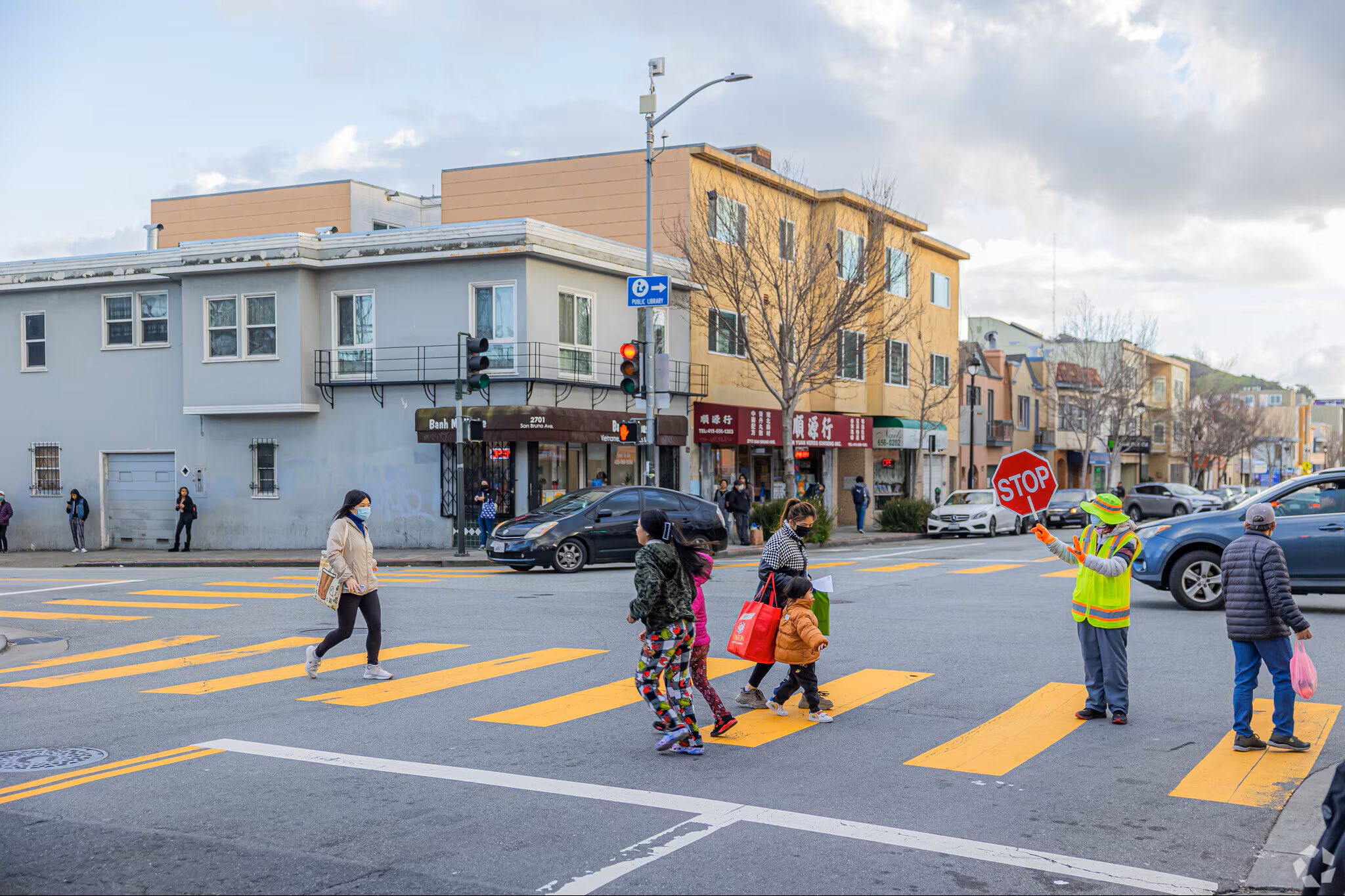
What Is Silver Terrace?
Silver Terrace is a small, quiet, and genuinely community-rooted residential neighborhood in the southeastern part of San Francisco, situated on gently elevated terrain between the Bayview, Visitacion Valley, and Portola districts. One of San Francisco's lesser-known and most underappreciated southern neighborhoods, Silver Terrace offers a practical and genuinely community-centered residential environment defined by affordable mid-century homes, wide residential streets, a strong multicultural community spirit, and a relaxed neighborhood pace that appeals to families, working-class residents, and first-time buyers seeking accessible housing values, everyday practicality, and a genuine sense of community belonging within San Francisco city limits. Known for its tight-knit residential character, improving neighborhood amenities, and meaningful long-term investment potential as surrounding southeastern San Francisco neighborhoods continue to evolve and improve, Silver Terrace represents a genuinely compelling and often overlooked residential opportunity in one of the city's most actively developing southeastern corridors.
Location & Character
Silver Terrace is located in the southeastern part of San Francisco, generally bordered by Silver Avenue to the north, Visitacion Valley and the city's southern districts to the south, the Bayview corridor to the east, and the Portola and Excelsior neighborhoods to the west. It sits near neighborhoods including Bayview, Visitacion Valley, Portola, and the broader southeastern residential districts:
- A small, primarily residential neighborhood defined by consistent mid-century home styles, wide streets, and a genuinely quiet and community-oriented everyday atmosphere
- Gently elevated terrain offering some homes partial views of the surrounding southeastern city and bay areas
- A warm, unpretentious, and genuinely multicultural neighborhood atmosphere reflecting the diversity of San Francisco's broader southeastern residential community
- A practical, everyday neighborhood character with solid transit connections and improving access to community amenities
- A long-established residential community with strong family-oriented values and genuine neighborhood roots
- A relatively mild southeastern city microclimate benefiting from the neighborhood's sheltered terrain and positioning
- Wide residential streets with consistent mid-century home styles and a relaxed everyday neighborhood character
Real Estate & Housing
Silver Terrace offers one of San Francisco's most accessible residential markets with solid long-term ownership potential and genuine value for families and first-time buyers:
- Predominantly single-family detached homes and duplexes as the dominant housing types
- Mid-century construction primarily from the 1940s through the 1960s with practical layouts and consistent architectural styling throughout
- Many homes featuring garages, yards, and functional floor plans offering genuine family living space
- Stucco exteriors and classic mid-century San Francisco residential details throughout the neighborhood
- Some smaller multi-unit buildings and additional residential property types mixed in offering ownership and investment opportunities
- Price points among the most accessible found anywhere in San Francisco for single-family homes making Silver Terrace one of the city's most genuine entry-level ownership opportunities
- Steady demand driven by neighborhood affordability, family-friendly character, and practical everyday livability within San Francisco city limits
- Meaningful long-term investment potential driven by surrounding southeastern San Francisco development activity, improving neighborhood amenities, San Francisco city limits positioning, and the enduring value of single-family home ownership within city boundaries
- A residential market offering genuine opportunities for first-time buyers and investors seeking accessible entry points and long-term appreciation potential in an actively evolving southeastern neighborhood
Community & Amenities
Silver Terrace benefits from nearby commercial corridors and community resources providing practical everyday conveniences:
- Silver Avenue and surrounding streets offering neighborhood markets, restaurants, cafés, and everyday services within comfortable reach
- San Bruno Avenue in adjacent Portola accessible within a short walk or drive offering the increasingly celebrated and acclaimed Portola dining and café scene
- Third Street corridor in adjacent Bayview and Dogpatch accessible within a short transit ride for additional dining, retail, and neighborhood commercial options
- Neighborhood markets, grocery stores, and essential services within comfortable reach for everyday household needs
- Additional shopping and commercial amenities accessible in nearby Excelsior, Portola, and along the broader Mission and Geneva corridors
- Balboa Park and Stonestown Galleria accessible within a short drive for expanded retail and essential services
Parks & Recreation
Silver Terrace residents enjoy access to several neighborhood parks and recreational spaces in the surrounding area:
- Silver Terrace Playground - the neighborhood's primary community park featuring sports courts, a children's playground, open green space, and a warm community gathering atmosphere serving as a primary neighborhood recreational destination for local families and residents
- McLaren Park - one of San Francisco's largest and most expansive natural parks accessible within a short walk or drive, featuring extensive hiking and walking trails, sports facilities, a golf course, the Jerry Garcia Amphitheater, and abundant open natural space
- Visitacion Valley Greenway accessible within a short distance offering a beloved community garden and linear green space
- India Basin Shoreline Park accessible within a short drive for bay access, waterfront recreation, and scenic open space along the southeastern shoreline
- Candlestick Point State Recreation Area accessible within a short drive offering additional bay views and waterfront recreational access
- Various neighborhood pocket parks and community green spaces throughout the surrounding residential streets
Schools & Education
Silver Terrace is served by the San Francisco Unified School District with several school options in the neighborhood and surrounding areas:
- Various public elementary schools serving the Silver Terrace community within reasonable reach
- Various middle and high school options within the SFUSD system serving the broader southeastern district
- Private and parochial school options within a reasonable commute
- City College of San Francisco accessible for higher education
- San Francisco State University accessible via transit for undergraduate and graduate education
- The neighborhood's transit connections make additional San Francisco schools reachable within a practical commute
Culture & Neighborhood Life
Silver Terrace has a warm, practical, and genuinely community-rooted neighborhood culture shaped by its diverse residential community, working-class heritage, and family-oriented values:
- A welcoming and genuinely diverse environment reflecting the multicultural character of San Francisco's broader southeastern residential community with African American, Latino, Asian American, Filipino, and other cultural communities contributing to a richly diverse and authentically neighborhood-centered community identity
- A strong working-class community tradition reflecting generations of families who have built homes and raised children in Silver Terrace, contributing to the neighborhood's genuine and enduring sense of community belonging and residential stability
- Silver Terrace Playground serving as a beloved daily community gathering space where families, children, and neighbors connect in a warm and genuinely community-spirited outdoor environment
- Community involvement supported by neighborhood associations and local civic groups committed to maintaining and improving the neighborhood's residential character and community amenities
- A slower, more residential pace of neighborhood life shaped by the community's practical and family-centered values and the neighborhood's quiet and genuinely residential character
- A distinctive neighborhood identity built around family values, cultural diversity, community warmth, practical everyday living, and a genuine sense of belonging to one of San Francisco's most quietly community-rooted southeastern residential neighborhoods
- Growing community energy and neighborhood pride as Silver Terrace residents increasingly recognize and celebrate the genuine potential and enduring character of their neighborhood
Transit & Connectivity
Silver Terrace offers solid transit and roadway access for both city and regional commuting:
- Multiple Muni bus routes serving Silver Avenue, San Bruno Avenue, and surrounding neighborhood corridors including the 9 San Bruno line providing direct city connections
- T Third Street Muni Metro line accessible within a short walk or transit ride providing direct connections to downtown San Francisco, Mission Bay, and Caltrain
- Balboa Park BART Station accessible within a short drive or transit ride providing direct Bay Area connections and downtown San Francisco access
- Quick access to Highway 101 and Interstate 280 for regional commuting throughout the Bay Area
- Convenient proximity to the broader southeastern transit network connecting Silver Terrace to surrounding neighborhoods and regional destinations
- San Bruno Avenue and Silver Avenue corridors providing convenient neighborhood navigation and connections to the broader city
Final Thoughts
Silver Terrace offers a genuinely practical and warmly community-centered residential experience in the southeastern part of San Francisco: a small, quiet neighborhood defined by affordable mid-century single-family homes offering genuine family value within city limits, a warm and genuinely multicultural community spirit, Silver Terrace Playground, solid access to McLaren Park and surrounding recreational spaces, improving transit connectivity, and a quality of everyday neighborhood life that is at once practical, community-spirited, culturally diverse, and genuinely livable. For families, first-time buyers, and long-term investors seeking one of San Francisco's most accessible and genuinely community-rooted southeastern neighborhoods with solid everyday livability, improving amenities, and meaningful long-term appreciation potential as the broader southeastern San Francisco corridor continues to evolve, Silver Terrace stands as a quietly compelling and genuinely rewarding residential opportunity, a solid, warm, and deeply community-centered place to call home in the southeastern reaches of one of America's greatest cities.
10H Mission Terrace
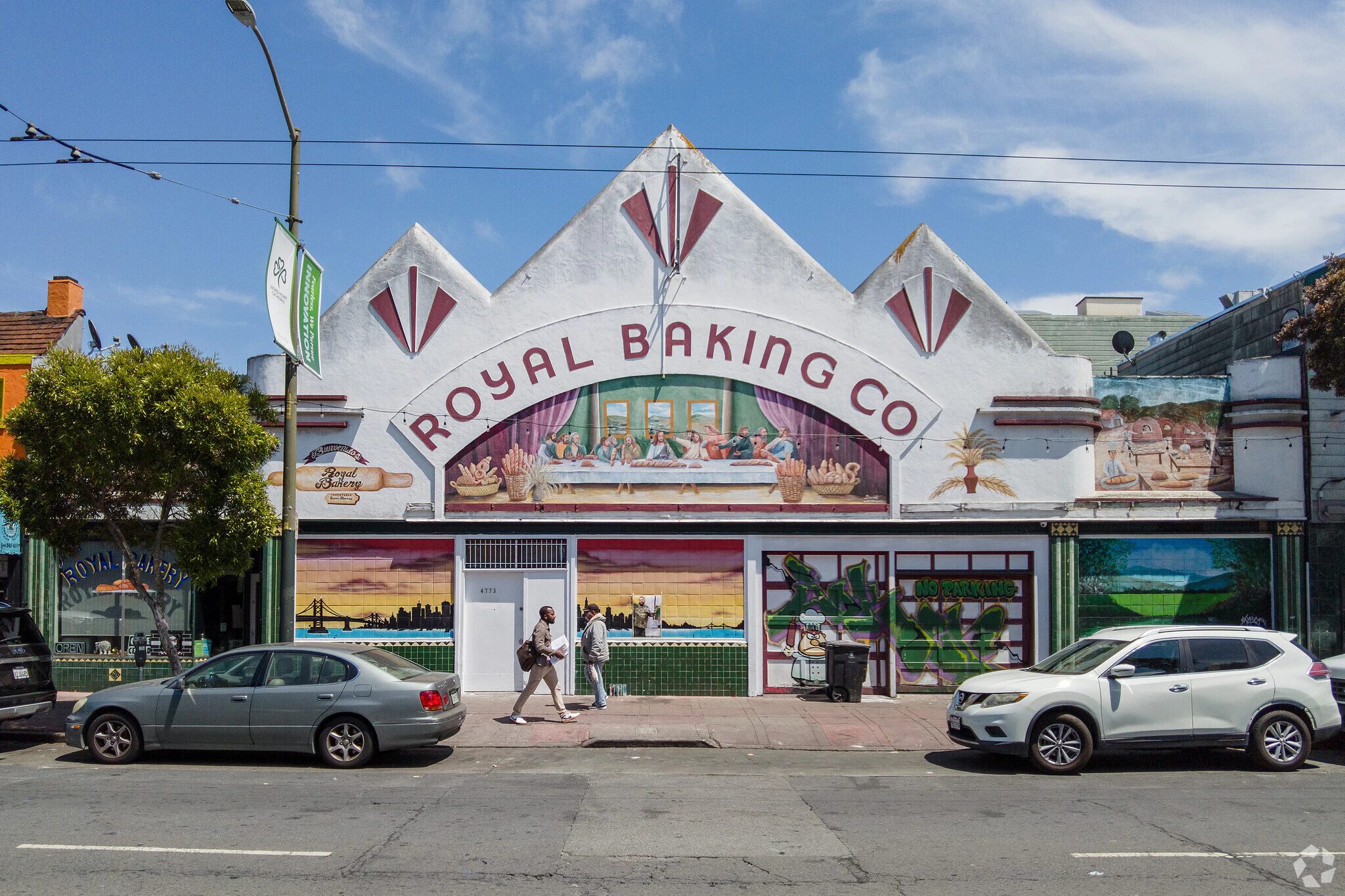
What Is Mission Terrace?
Mission Terrace is a small, quiet, and genuinely well-kept residential neighborhood in the southern part of San Francisco, tucked between the Outer Mission, Excelsior, and Ingleside districts on gently sloping terrain near the city's southern residential core. One of San Francisco's lesser-known and most pleasantly underappreciated southern neighborhoods, Mission Terrace offers a practical, family-friendly, and genuinely community-centered residential environment defined by affordable mid-century homes, clean and orderly residential streets, a strong multicultural community spirit, and a relaxed neighborhood pace that makes it one of the city's most quietly rewarding and genuinely livable southern residential communities. Known for its well-maintained residential character, solid everyday convenience, good transit access, and meaningful long-term investment potential as surrounding southern San Francisco neighborhoods continue to attract increasing buyer interest and recognition, Mission Terrace represents a genuinely compelling residential opportunity for families, first-time buyers, and long-term investors seeking accessible housing values and everyday livability within San Francisco city limits.
Location & Character
Mission Terrace is located in the southern part of San Francisco, generally bordered by Geneva Avenue to the south, Alemany Boulevard to the north, the Outer Mission and Excelsior to the east, and the Ingleside and Ocean View areas to the west. It sits near neighborhoods including Outer Mission, Excelsior, Ingleside, and the broader southern residential districts:
- A small, primarily residential neighborhood defined by orderly mid-century home styles, clean streets, and a genuinely quiet and family-oriented everyday atmosphere
- A warm, unpretentious, and genuinely multicultural neighborhood character reflecting the diverse community composition of San Francisco's southern residential districts
- A practical, everyday neighborhood feel with good transit connections and essential services within convenient reach
- A long-established residential community with strong family-oriented values and quiet neighborhood stability
- Relatively level and gently sloping terrain making the neighborhood particularly accessible and walkable for families and older residents
- A mild southern city microclimate benefiting from the neighborhood's sheltered inland positioning
- Clean, consistent residential streets with well-maintained properties and a genuinely orderly neighborhood character
Real Estate & Housing
Mission Terrace offers one of San Francisco's most accessible and family-friendly residential markets with solid long-term ownership characteristics:
- Predominantly single-family detached homes and duplexes as the dominant housing types
- Mid-century construction primarily from the 1940s through the 1960s with practical layouts and consistent architectural character throughout
- Many homes featuring garages, yards, and functional floor plans offering genuine family living space
- Stucco exteriors and classic mid-century San Francisco residential details throughout
- Some smaller multi-unit buildings and additional property types mixed in offering ownership and investment opportunities
- Price points among the more accessible found in San Francisco for single-family homes representing genuine value for buyers seeking city limits addresses
- Steady demand driven by neighborhood affordability, family-friendly character, clean residential streets, and practical everyday livability
- Long-term investment appeal driven by San Francisco city limits positioning, consistent family demand, transit access, and the enduring residential stability of a well-kept southern neighborhood
- A residential market offering genuine entry-point opportunities for first-time buyers and investors seeking value and stability within city boundaries
Community & Amenities
Mission Terrace benefits from nearby commercial corridors and practical everyday conveniences within comfortable reach:
- Alemany Boulevard and Geneva Avenue corridors providing nearby commercial options including grocery stores, restaurants, cafés, and everyday services
- Mission Street in the adjacent Outer Mission and Excelsior accessible within a short walk or transit ride offering authentic and diverse dining, shopping, and everyday commercial destinations
- The Alemany Farmers Market - one of San Francisco's oldest and most beloved weekly farmers markets situated along Alemany Boulevard, offering fresh produce, artisan food products, and a wonderful community gathering atmosphere beloved by residents of the surrounding southern neighborhoods
- Neighborhood markets, pharmacies, and essential services within comfortable walking distance for everyday household needs
- Balboa Park shopping amenities and Stonestown Galleria accessible within a short drive for expanded retail and essential services
- Additional dining and commercial options in nearby Excelsior, Outer Mission, and Ingleside within easy reach
Parks & Recreation
Mission Terrace residents enjoy access to several neighborhood parks and recreational spaces in the surrounding area:
- Mission Terrace Park - a neighborhood green space serving as a community gathering spot and recreational destination for local families and residents
- Balboa Park - a major community recreation hub with sports fields, playgrounds, a recreation center, and open space accessible within a short walk or drive
- McLaren Park - one of San Francisco's largest and most expansive natural parks with hiking trails, sports facilities, a golf course, and abundant open natural space accessible within a short drive
- Crocker Amazon Playground accessible within a short drive offering one of San Francisco's most comprehensively equipped community recreational facilities
- Various neighborhood pocket parks and community green spaces throughout the surrounding residential streets
Schools & Education
Mission Terrace is served by the San Francisco Unified School District with several school options in the neighborhood and surrounding areas:
- Various public elementary schools serving the Mission Terrace community within reasonable reach
- Various middle and high school options within the SFUSD system serving the broader southern district
- Balboa High School serving the broader southwestern district area
- Private and parochial school options within a reasonable commute
- City College of San Francisco accessible for higher education
- San Francisco State University accessible via transit for undergraduate and graduate education
- The neighborhood's solid transit connections make additional San Francisco schools reachable within a practical commute
Culture & Neighborhood Life
Mission Terrace has a warm, practical, and genuinely community-oriented neighborhood culture shaped by its diverse residential population, clean and orderly streets, and family-centered community values:
- A welcoming and genuinely diverse environment reflecting the multicultural character of San Francisco's broader southern residential community with Latino, Asian American, Filipino, and other cultural communities contributing to a richly diverse and authentically neighborhood-centered community identity
- A strong tradition of family-oriented community life centered around home, neighborhood streets, local parks, and nearby commercial corridors
- The Alemany Farmers Market serving as a beloved weekly community gathering destination drawing residents from Mission Terrace and surrounding southern neighborhoods to connect over fresh produce, artisan food, and community spirit
- Community involvement supported by neighborhood associations and local civic groups committed to maintaining the neighborhood's clean, orderly, and family-friendly residential character
- A slower, genuinely residential pace of neighborhood life shaped by the community's practical and family-centered values and the neighborhood's quiet and well-kept character
- A distinctive neighborhood identity built around family values, cultural diversity, clean residential streets, community warmth, and a genuine sense of quiet and stable neighborhood belonging in one of San Francisco's most pleasantly understated southern residential communities
Transit & Connectivity
Mission Terrace offers solid transit and roadway access for both city and regional commuting:
- Multiple Muni bus routes serving Alemany Boulevard, Geneva Avenue, and surrounding neighborhood corridors providing practical city transit connections
- Balboa Park BART Station accessible within a short walk or drive providing direct Bay Area connections and downtown San Francisco access
- Geneva Avenue and Alemany Boulevard corridors providing convenient neighborhood navigation and connections to the broader southern city
- Quick access to Interstate 280 for Peninsula and regional commuting throughout the Bay Area
- Convenient proximity to Highway 101 for regional travel and flexible city navigation
- Multiple connecting bus routes providing access to surrounding neighborhoods and additional transit options throughout the southern city
Final Thoughts
Mission Terrace offers a genuinely practical and warmly community-centered residential experience in the southern part of San Francisco: a small, well-kept neighborhood defined by affordable mid-century single-family homes offering genuine family value within city limits, clean and orderly residential streets, a warm and genuinely multicultural community character, the beloved Alemany Farmers Market, solid access to Balboa Park and surrounding recreational facilities, good transit connectivity anchored by Balboa Park BART, and a quality of everyday neighborhood life that is at once practical, community-spirited, culturally diverse, and genuinely livable. For families, first-time buyers, and long-term investors seeking an affordable, well-maintained, and genuinely community-rooted southern San Francisco neighborhood with solid everyday livability, good transit access, and enduring residential stability, Mission Terrace stands as one of San Francisco's most quietly rewarding and pleasantly underappreciated southern residential communities, a solid, warm, and genuinely family-centered place to call home in the southern reaches of one of America's greatest cities.
10J Hunters Point
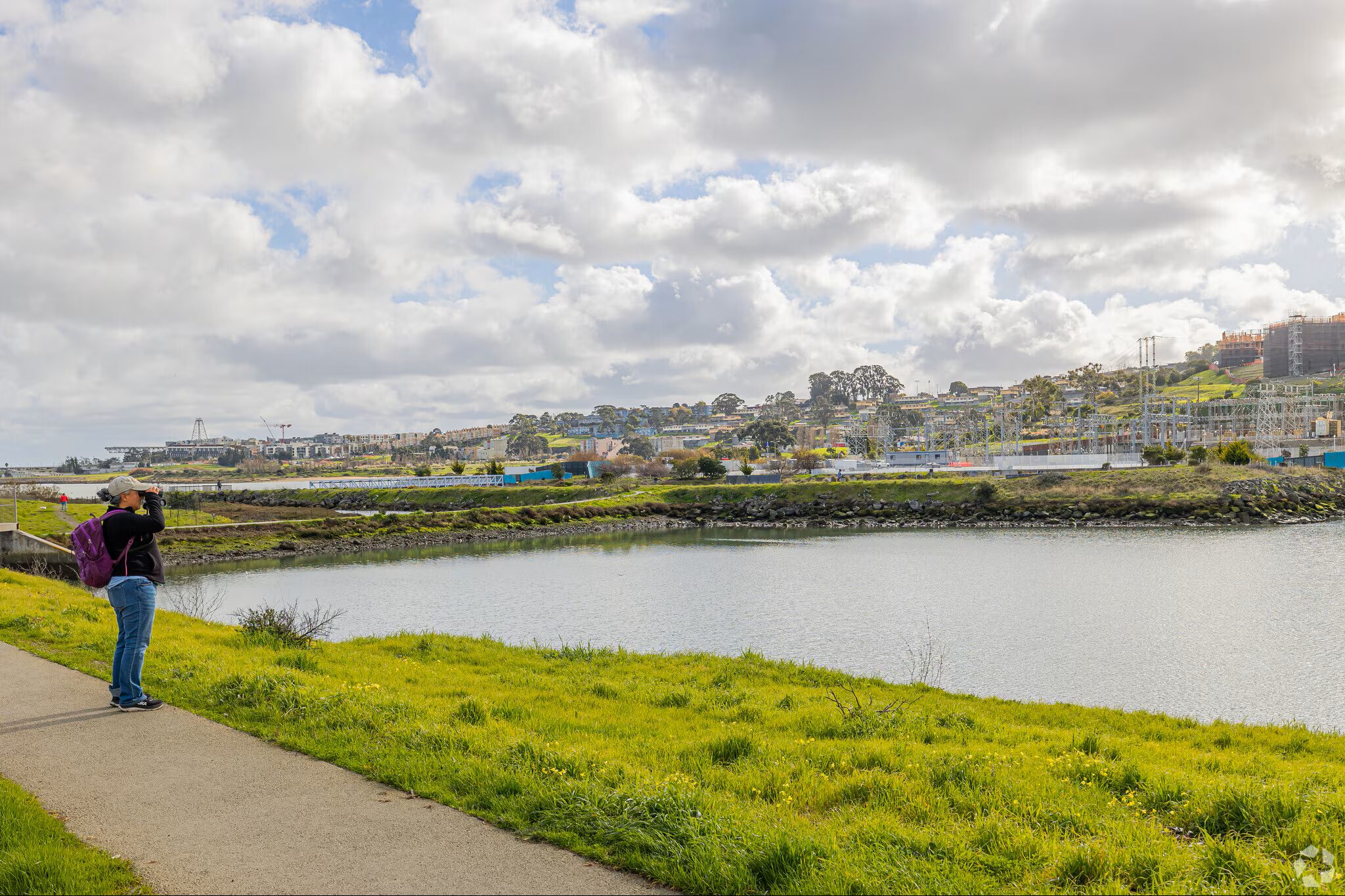
What Is Hunters Point?
Hunters Point is one of San Francisco's most historically significant, culturally resilient, and dramatically transforming neighborhoods, situated on a dramatic rocky promontory in the far southeastern corner of the city overlooking the San Francisco Bay. Often referenced together with Bayview as part of the broader Bayview-Hunters Point community, Hunters Point carries one of the most extraordinary and complex histories of any neighborhood in San Francisco, from its origins as a major World War II naval shipyard and drydock facility to its decades as a decommissioned and contaminated former military site to its current status as the subject of one of the most ambitious, consequential, and closely watched urban redevelopment projects in California history. Known for its dramatic waterfront setting, sweeping panoramic bay views, deep and proud African American cultural heritage, the remarkable Hunters Point Shipyard Artists community, and a neighborhood undergoing profound and ongoing transformation through the Shipyard and Candlestick Point redevelopment project, Hunters Point offers a genuinely unique and historically extraordinary residential environment defined by natural drama, cultural significance, artistic community, waterfront potential, and remarkable long-term development possibility. It attracts artists, community advocates, families, long-term residents, and forward-looking investors seeking a historically significant, scenically dramatic, and potentially transformative address at the far southeastern edge of San Francisco.
Location & Character
Hunters Point is located in the far southeastern corner of San Francisco, generally bordered by the San Francisco Bay to the east and south, the Bayview neighborhood to the north and west, and the broader southeastern residential districts to the northwest. It sits near neighborhoods including Bayview, Visitacion Valley, and the broader southeastern San Francisco communities:
- A dramatically situated rocky promontory neighborhood offering some of the most sweeping and unobstructed panoramic views of the San Francisco Bay, the East Bay hills, and the broader bay area found anywhere in the city
- A historically extraordinary neighborhood shaped by its World War II naval shipyard heritage and decades of military industrial use followed by community transition and ongoing redevelopment
- The Hunters Point Shipyard Artists community, one of the largest and most celebrated artist live-work communities in the United States, occupying the historic shipyard buildings and contributing an extraordinary creative energy and cultural significance to the neighborhood
- A neighborhood undergoing one of the most ambitious and consequential urban redevelopment projects in California history through the Hunters Point Shipyard and Candlestick Point development plan
- A warm, community-rooted, and culturally proud neighborhood atmosphere shaped by the deep and enduring African American heritage of the broader Bayview-Hunters Point community
- A diverse and evolving population blending long-term African American community residents, artists, and newer residents drawn by the neighborhood's unique character and development potential
- A relatively exposed and breezy southeastern waterfront microclimate shaped by the promontory's dramatic bay positioning
Real Estate & Housing
Hunters Point offers a uniquely transitional and potentially transformative residential market shaped by its extraordinary redevelopment trajectory:
- A currently evolving residential market transitioning from former military housing conversions and early redevelopment phases toward a comprehensively planned mixed-use waterfront community
- The Hunters Point Shipyard and Candlestick Point redevelopment plan calling for thousands of new residential units across a range of housing types, affordability levels, and architectural styles upon full build-out
- A significant affordable and below-market-rate housing component built into the redevelopment plan reflecting a commitment to community benefit and housing equity
- Newer residential developments already underway offering modern finishes, contemporary amenities, and waterfront settings at price points generally more accessible than comparable San Francisco waterfront addresses
- The Hunters Point Shipyard Artists community occupying converted historic shipyard buildings offering genuinely unique live-work spaces with extraordinary industrial architectural character and bay views
- Long-term development vision calling for a comprehensive mixed-use waterfront community with parks, retail, cultural venues, schools, and a full range of housing types serving diverse household needs
- Price points currently among the most accessible for waterfront San Francisco properties given the neighborhood's transitional development status
- Exceptional long-term investment potential driven by the scale of the redevelopment plan, the dramatic waterfront setting, sweeping bay views, San Francisco city limits positioning, and the transformative nature of one of California's most ambitious urban development projects
- A genuinely rare and historically significant opportunity for buyers and investors to participate in the early stages of a potentially extraordinary neighborhood transformation
Community & Amenities
Hunters Point's community amenities are actively developing alongside the neighborhood's ongoing redevelopment, with a distinctive and celebrated arts community already serving as a major cultural anchor:
- The Hunters Point Shipyard Artists - one of the most significant and internationally celebrated artist live-work communities in the United States, occupying the historic shipyard buildings with hundreds of working artists across virtually every creative discipline, hosting the beloved annual Hunters Point Shipyard Artist Open Studios event that draws tens of thousands of visitors from across the Bay Area each year
- The annual Hunters Point Shipyard Artist Open Studios - one of the Bay Area's most beloved and celebrated arts events, transforming the historic shipyard buildings into an extraordinary public gallery experience and serving as one of the most significant community cultural events in southeastern San Francisco
- Growing community facilities and neighborhood services as redevelopment phases bring new retail, dining, and community amenities to the neighborhood
- The Bayview community commercial corridor accessible within a short drive for additional dining, retail, and everyday services
- Long-term retail, hotel, cultural venue, and community facility development planned throughout the redevelopment area as successive phases of the project are completed
- Community gardens and open space initiatives reflecting a commitment to environmental stewardship and community agriculture as part of the broader redevelopment vision
Parks & Recreation
Hunters Point's dramatic waterfront setting and planned open space network represent some of its most extraordinary and defining lifestyle advantages:
- Hunters Point Regional Shoreline - a significant East Bay Regional Park District facility on the opposite shore providing context for the broader Hunters Point waterfront setting and bay recreation environment
- The planned Hunters Point Shipyard and Candlestick Point parks and open spaces, a comprehensive network of waterfront parks, green spaces, and community recreational facilities planned as a major component of the redevelopment project, representing one of the most significant public open space investments in southeastern San Francisco history
- Candlestick Point State Recreation Area accessible within a short drive offering bay views, waterfront access, walking trails, and open recreational space
- India Basin Shoreline Park accessible within a short drive offering expanding waterfront park access and bay recreational opportunities
- McLaren Park accessible within a short drive for extensive hiking, sports facilities, and natural open space recreation
- The dramatic Hunters Point promontory itself offering extraordinary unobstructed panoramic bay views accessible from throughout the neighborhood
Schools & Education
Hunters Point is served by the San Francisco Unified School District with school access throughout San Francisco:
- Various public elementary and middle school options in the broader Bayview-Hunters Point and southeastern San Francisco area
- Various high school options within the SFUSD system
- City College of San Francisco accessible for higher education
- San Francisco State University accessible via transit for undergraduate and graduate education
- Long-term planning includes on-site school facilities as part of the comprehensive Hunters Point Shipyard redevelopment plan
- The neighborhood's improving transit connections make additional San Francisco schools increasingly reachable
Culture & Neighborhood Life
Hunters Point has one of San Francisco's most historically extraordinary, artistically significant, and genuinely community-resilient neighborhood cultures, shaped by its World War II naval heritage, deep African American community roots, remarkable artist community, and transformative redevelopment vision:
- A welcoming and deeply rooted community defined by the extraordinary African American cultural heritage of the broader Bayview-Hunters Point community, one of the most historically significant African American communities in California with generations of cultural leaders, community advocates, artists, and civic figures contributing to the city's broader cultural and political life
- The Hunters Point Shipyard Artists community representing one of the most extraordinary and internationally significant concentrations of working artists in the United States, bringing a remarkable level of creative energy, cultural prestige, and artistic community to the neighborhood and establishing Hunters Point as one of the most significant arts destinations in the Bay Area
- The annual Hunters Point Shipyard Artist Open Studios serving as one of the Bay Area's most beloved and widely attended cultural events, transforming the historic shipyard into an extraordinary public celebration of artistic creativity and community cultural life
- A profound and historically extraordinary industrial heritage, the Hunters Point Naval Shipyard played a critical role in World War II Pacific naval operations and subsequent Cold War military activities, leaving behind a remarkable collection of historic industrial structures that now serve as studios, galleries, and community spaces
- Strong community involvement supported by numerous neighborhood organizations, community development corporations, environmental justice advocates, and civic groups committed to ensuring the neighborhood's redevelopment serves and benefits the existing community
- A warm, community-proud, and culturally rich pace of neighborhood life shaped by the African American heritage of Bayview-Hunters Point, the extraordinary artists community, the dramatic waterfront setting, and the genuine excitement of participating in one of California's most consequential urban transformations
- A distinctive and genuinely extraordinary neighborhood identity built around naval history, African American cultural heritage, artistic community significance, waterfront drama, and a profound sense of community resilience and transformative possibility
Transit & Connectivity
Hunters Point's transit connectivity is currently developing alongside the neighborhood's ongoing redevelopment:
- Multiple Muni bus routes serving the broader Bayview-Hunters Point area providing connections to the broader city transit network
- T Third Street Muni Metro line accessible within a short drive or connecting transit providing direct connections to downtown San Francisco, Mission Bay, and Caltrain
- Quick access to Highway 101 for regional commuting and city navigation
- Long-term transportation planning includes enhanced transit connectivity as part of the comprehensive Hunters Point Shipyard and Candlestick Point redevelopment plan
- Ongoing transit improvement initiatives aimed at improving connectivity for southeastern San Francisco residents
- Future development phases planned to include improved transit access and connections as the neighborhood's residential population grows
Final Thoughts
Hunters Point offers a genuinely extraordinary and historically profound residential experience at the dramatic southeastern edge of San Francisco: a neighborhood defined by sweeping panoramic bay views from a dramatic rocky promontory, one of the most significant and celebrated artist live-work communities in the United States, a deep and proud African American cultural heritage, a remarkable World War II naval shipyard history preserved in extraordinary historic industrial architecture, one of California's most ambitious and consequential urban redevelopment projects currently transforming the neighborhood, and a sense of community resilience, cultural significance, and transformative possibility that is unlike anything else found in San Francisco. For artists, community advocates, families, and forward-looking investors who believe in the power of community transformation, cultural heritage, and urban possibility, Hunters Point stands as one of San Francisco's most historically extraordinary, artistically significant, and potentially transformative neighborhoods, a truly remarkable and deeply meaningful place at the southeastern edge of one of America's greatest cities, poised on the threshold of one of the most consequential and ambitious urban transformations in California history.
OVERVIEW FOR SAN FRANCISCO, CA
831,213 people live in San Francisco, where the median age is 40 and the average individual income is $92,513. Data provided by the U.S. Census Bureau.
831,213
TOTAL POPULATION
40 years
MEDIAN AGE
High
POPULATION DENSITY
$92,513
AVERAGE INDIVIDUAL INCOME
Demographics and Employment Data
Data provided by the U.S. Census Bureau. 831,213 people call San Francisco home. The population density is 18,633.42 and the largest age group is between 25 and 44 years old. Data provided by the U.S. Census Bureau.
| TOTAL POPULATION | 831,213 |
| POPULATION DENSITY | HIGH |
| MEDIAN AGE | 40 |
| MEN VS WOMEN | 51.1 / 48.9% |
Browse Properties in the Area
WORK WITH JANICE
Janice is serious about her real estate career and takes professional development courses regularly. She completed Investment Analysis and Tax Consequences of Real Estate, received her Short Sales and Foreclosures Certification, and completed Residential Investment Analysis.
