
 Facebook
 X
X
 Pinterest
 Copy Link
Low Appraisal in San Francisco? A Seller’s Guide to Appealing and Winning

How to Successfully Appeal a Low Appraisal on Your San Francisco Home
You’ve accepted an offer on your San Francisco property. Everything seems to be moving forward. Then, suddenly, the appraisal report comes in low. This is a major setback. In fact, it can cost you thousands of dollars and could even jeopardize the entire deal.
The good news, however, is that you have options. Low appraisals happen in San Francisco’s complex market. Still, you can fight back. With the right strategy and strong evidence, you can successfully challenge the valuation.
Therefore, this guide will walk you through the essential steps. Learn how to appeal a low appraisal and, ultimately, protect your home’s value.
Why a Low Appraisal Is a Problem
An appraisal below the purchase price creates a “valuation gap.” Consequently, this becomes a problem because lenders only finance a mortgage based on the appraised value, not the higher sale price. This gap causes several issues:
- First, financing can fail. The buyer may not get the full loan they need.
- Additionally, the buyer would have to pay the difference in cash, which many cannot afford.
- As a result, you may feel pressure to lower your price to match the appraisal.
- Finally, if you can’t find a solution, the sale could be cancelled.
Before you can fight back, you need to understand why it happened. For instance, common reasons include appraisers using outdated comps or not understanding your specific micro-neighborhood. They may have also overlooked your recent home renovations.
Your 7-Step Action Plan to Challenge a Low Appraisal
Follow these steps methodically to build the strongest possible case.
Step 1: Review the Appraisal Report for Errors
To begin, get a copy of the appraisal report. Review it carefully for any mistakes. Specifically, look for factual inaccuracies, as these are often the easiest errors to correct.
- Incorrect Property Details: For example, check the square footage, bedroom/bathroom counts, and lot size.
- Missing Upgrades: Did the appraiser miss your new kitchen, bathroom, or home office?
- Inaccurate Market Data: Similarly, does the report use wrong information about the local market?
Be sure to document every error you find. This information will be the foundation of your appeal.
Step 2: Find Better Comparable Sales (Comps)
Next, find better comps. This is where local market knowledge is critical. An appraiser might not know your specific block. As a result, they may use comps that are too far away. Your agent should help you find comps that are:
- Hyper-Local: Located within a half-mile.
- Recent: Sold in the last 90 days.
- Truly Similar: Matching your home in size, age, and condition.
- In the Same School District: This is a key value driver in SF.
Step 3: Highlight Your Property’s Unique Features
In addition, you should highlight your property’s unique features. Standard appraisal forms often miss what makes an SF home special. Therefore, create a list of everything that adds value, such as:
- Premium Views: Like views of the Golden Gate Bridge, the Bay, or the city.
- High-End Upgrades: Such as solar panels, a chef’s kitchen, or smart home systems.
- Location Perks: Proximity to MUNI/BART, parks, or top-rated schools.
- Structural Advantages: Likewise, mention a large yard, a legal in-law unit, or seismic retrofitting.
Step 4: Compile Your Supporting Documentation
Furthermore, facts and figures are your best friends in an appeal. To that end, gather all the paperwork you can to support your claims. This includes:
- Receipts and permits for all recent improvements.
- Official floor plans showing the correct square footage.
- Details on the better comparable sales you found.
- HOA documents that list community amenities.
Step 5: Formally Request a Reconsideration of Value (ROV)
Once your case is built, it’s time for a formal appeal. This is called a Reconsideration of Value (ROV). The buyer’s lender must submit it. You cannot submit it directly. However, you and your agent are still responsible for providing all the necessary information.
Step 6: Be Prepared with a Backup Plan
An appeal is not always successful. For this reason, it’s wise to have a backup plan. Discuss these options with your agent while you wait:
- First, you could renegotiate the price with the buyer.
- Alternatively, ask the buyer to pay the difference in cash.
- Also, consider paying for a second, independent appraisal.
- If all else fails, put the home back on the market.
Step 7: Partner with an Experienced San Francisco Agent
Finally, partner with an experienced SF agent. Indeed, this may be your most important step. Appealing an appraisal requires deep local knowledge. An experienced agent understands the city’s market. They also know how to build a strong case for an ROV. They are your most valuable advocate in this process.
Conclusion: Take Control of the Situation
In short, a low appraisal is a hurdle, not a dead end. Mistakes in valuation can happen in San Francisco’s market. Ultimately, the key is to respond quickly. Then, build a case with strong evidence and work with a real estate professional who knows the system. By being proactive, you can protect your investment and keep your home sale on track.
Frequently Asked Questions (FAQ)
Q1: Can a seller directly appeal a low appraisal?
No. The formal appeal (ROV) must be started by the buyer through their lender. This is because the lender is the appraiser’s client. However, you and your agent are responsible for gathering the evidence for the appeal.
Q2: How often are appraisal appeals successful in San Francisco?
Success rates vary. But they are highest when your appeal uses clear, objective evidence. Specifically, this includes factual errors in the report or better comparable sales that the appraiser missed.
Q3: What happens if the appraisal value doesn’t change after the appeal?
If the appeal is denied, then you must move to your backup plan. This could mean renegotiating the price. The buyer might also agree to pay the difference in cash. Otherwise, you may need to cancel the contract and put your home back on the market.
Investing in San Francisco Real Estate: A 2025 Guide for Savvy Investors

Investing in San Francisco Real Estate: A 2025 Guide
News reports might talk about a slow market, but smart investors are still confident in San Francisco. The city, in fact, has its own rules. It’s powered by a unique mix of tech, culture, and a housing shortage.
Consequently, if you look past the daily ups and downs, you’ll find great chances to build wealth for the long run. Local real estate experts agree that now is a good time to invest in this strong market. Here’s why.
1. A Strong Economy Powered by Tech
First and foremost, San Francisco is more than just a pretty city; it’s a global economic hub. It is the heart of Silicon Valley and home to major companies like Salesforce, Uber, and OpenAI.
Even with more people working from home, the Bay Area is still a major center for business. Here’s what keeps the economy strong:
- High-Paying Jobs: Top salaries create strong demand for housing.
- New Companies: In addition, constant investment in new startups fuels future growth.
- Top Talent: The city also attracts smart and creative people from all over the world.
For these reasons, San Francisco property investment is a solid choice.
2. Why Demand is Always Higher Than Supply
Beyond its strong economy, the main reason SF real estate is so valuable is simple: more people want homes than are available. Because San Francisco is on a peninsula, there’s not much land to build on. Strict building laws also limit new homes.
This housing shortage means:
- The number of homes for sale stays low.
- Therefore, property values are protected by strong buyer competition.
- As a result, long-term growth is a natural part of the market.
Investors who buy now can certainly benefit from this key fact.
3. Great Investments in Up-and-Coming SF Neighborhoods
While famous areas are expensive, many neighborhoods are growing fast. These areas, as a result, offer a great chance for property values to rise and have strong demand from renters.
For example, look into these high-potential areas:
- Bayview-Hunters Point: This area is changing fast with new projects and transit.
- The Mission District: A lively area full of culture that renters love.
- Outer Sunset: A popular spot for its beach town feel and community vibe.
Need help finding the best places to invest? The Ms. San Francisco Real Estate team knows the city inside and out. We offer local advice you can’t get from a spreadsheet.
4. A Strong Rental Market for Steady Income
As a result of high demand and low supply, it’s a great market for landlords. In fact, the city has some of the highest rents in the country. This creates a steady income for property owners. Furthermore, new rules on short-term rentals make long-term leases more valuable and easier to fill.
5. A History of Excellent Long-Term Growth
In addition, history shows that SF real estate is a great long-term bet. For the past 20 years, property values here have grown faster than the national average. Although the market may have its ups and downs, it always bounces back stronger. This makes it a top choice for serious investors who want to build wealth over time.
6. A Home for Every Type of Investor
What’s more, San Francisco has many different types of homes. This means that no matter your budget or goals, you can find the right fit.
- Multi-Family Properties: For instance, find duplexes in areas like the Mission.
- Luxury Condos: Or, look for modern high-rise units in SoMa or Mission Bay.
- Fix-and-Flip Homes: You can also find properties to improve for a profit in growing neighborhoods.
- Single-Family Homes: Finally, you can invest in family-friendly areas with great schools.
Smart Tips for Today’s SF Investor
To do well here, you need a smart plan.
- Work with a Local Pro: First, find an agent who knows SF’s local rules, neighborhoods, and trends.
- Focus on High-Demand Areas: Next, look for properties where people want to live and rent.
- Use Tax-Smart Strategies: Also, use tools like a 1031 exchange. It lets you move profit from one property to another without paying taxes on it right away. This helps you grow your investments faster.
Get a Local Advantage with Ms. San Francisco Real Estate
So, are you looking for an SF real estate agent who knows how to help investors win? Our team at Ms. San Francisco Real Estate helps clients find off-market deals, win bidding wars, and grow their wealth. We offer personal plans and access to deals you won’t find anywhere else.
For Real Estate Agents: Grow Your Career Here
Are you a real estate agent who wants to grow but feels lost in a big company? At Ms. San Francisco Real Estate, we help serious agents build a real career, connect with the community, and earn financial freedom. That’s where we come in.
Why Join the Ms. San Francisco Real Estate Team?
We give you the tools and support to succeed in a competitive market.
- Get Quality Leads: Specifically, we provide you with leads for buyers and investors from our smart marketing.
- Learn from the Best: You will also get one-on-one coaching from experienced brokers who want you to succeed.
- Build Your Brand: In addition, you can use our trusted name and strong online presence to win clients.
- A Team That Helps You Grow: Above all, we give you the training and support you need to become a top agent.
Conclusion: It’s Time to Act
The bottom line is that San Francisco is a top market for real estate. Its strong economy and housing shortage create amazing opportunities. So, whether you want to invest, buy, sell, or build your career, now is the perfect time.
With a great team like Ms. San Francisco Real Estate on your side, anything is possible.
Your Expert Guide to Buying a Home in San Francisco (2025)

How to Buy a Home in San Francisco: A 2025 Guide
Buying a home in San Francisco is a big step, especially since the city’s great neighborhoods and active lifestyle attract so many people. However, the market is also competitive and can be hard to navigate. For this reason, you need an expert guide to succeed.
Therefore, finding the right real estate agent in San Francisco is key. That’s where Ms. San Francisco Real Estate comes in. In fact, as a trusted local expert, she knows this market inside and out. With years of experience and many happy clients, she is the partner you need to buy your next home.
Why You Need a Local SF Real Estate Expert
To begin with, the San Francisco real estate market changes quickly. For example, homes for sale are often rare, and as a result, buyers frequently have to compete for the same property. Consequently, to win, you need an agent with special knowledge and strong negotiation skills. Indeed, an experienced agent like Ms. San Francisco Real Estate gives you a real advantage.
Know the Market
First and foremost, a top SF realtor knows what’s happening in the market right now. For instance, they give you reports that explain:
- Typical home prices in each neighborhood
- How long homes usually stay on the market
- What affects home prices in 2025
Ultimately, this knowledge helps you make a smart plan to buy your home.
Understand the Neighborhoods
In addition, San Francisco has many unique neighborhoods, and each has its own feel, features, and prices. Are you looking for the energy of SOMA, the style of Pacific Heights, or the family feel of Noe Valley? That’s where an expert agent helps you find the right fit for your budget and lifestyle.
Moreover, a local expert also knows about important community details like:
- Local schools
- Nearby parks
- Community events
Access to Hidden Listings
On top of that, some of the best homes in San Francisco are never listed online. A well-connected agent knows about these “pocket listings,” which gives you a big advantage over other buyers.
Expert Negotiation
Finally, buying a home has many steps, from making an offer to handling inspections. Thankfully, Ms. San Francisco Real Estate is a skilled negotiator who protects your interests. She works to get you the best deal, whether you’re buying a condo or a house.
Your Step-by-Step Guide to Buying a Home in San Francisco
Below, Ms. San Francisco Real Estate will guide you through each step to make buying a home easy and successful.
Step 1: Talk About Your Needs
First, your journey starts with a simple meeting to discuss what you want. You’ll talk about:
- Budget: How much you want to spend. To help with this, Ms. San Francisco Real Estate can connect you with trusted local lenders who know the SF market.
- Property Type: Do you want a house, a condo, or a new home?
- Location: Which neighborhoods do you like best?
- Your Wishlist: Specifically, what are your “must-haves” versus your “nice-to-haves”?
Step 2: Get Pre-Approved for a Mortgage
Next, getting pre-approved is a very important step. Because a pre-approval letter shows sellers you are a serious buyer, it gives you a significant edge when you make an offer.
Step 3: Look at Homes
After that, Ms. San Francisco Real Estate will create a custom list of homes for you. In particular, this list includes public listings and hidden ones. She will schedule tours and also give you honest advice on each home’s value and potential.
Step 4: Make a Smart Offer
Then, when you find the right home, Ms. San Francisco Real Estate will help you write a strong offer. To do this, she looks at recent home sales and the seller’s needs to make your offer stand out. Plus, she will add conditions to the offer that protect you.
Step 5: Handle Inspections and Paperwork
Once your offer is accepted, it’s time for inspections and paperwork. During this phase, Ms. San Francisco Real Estate will guide you through everything. For example, she’ll connect you with good inspectors and make sure all the documents are correct.
Step 6: Close on Your New Home
Finally, Ms. San Francisco Real Estate will manage the final steps. She works with the lender and title company to make sure everything goes smoothly. In short, she is there to answer your questions and make closing on your home stress-free.
Why Choose Ms. San Francisco Real Estate?
Ultimately, working with Ms. San Francisco Real Estate is a true partnership. In other words, she is on your side and focused on your goals. Her clients praise her expert advice and personal service for several key reasons:
- 20+ Years of Experience: She has worked in the SF market for decades and knows it better than anyone.
- A History of Success: Furthermore, she has a long list of happy clients who trust her to get the job done.
- Knows the Market: She understands market trends and can predict what’s next.
- Works Hard for You: Also, she is dedicated to helping you reach your goals.
- Honest and Trustworthy: Most importantly, she always puts your interests first.
- Great Communicator: Similarly, she keeps you updated and is always there to answer your questions.
Your New Life in San Francisco
Ms. San Francisco Real Estate doesn’t just find you a house—she helps you find your place in the city. For instance, she can share tips on local events and neighborhood spots so you feel at home right away.
Ready to Find Your San Francisco Home?
So, your home search starts here. Thankfully, as a top real estate agent and local expert, Ms. San Francisco Real Estate is ready to help.
Schedule Your Free Consultation Today to see how a top San Francisco realtor can help you.
Frequently Asked Questions (FAQs)
1. How do I find a good real estate agent in San Francisco?
Look for an agent with great reviews on sites like Zillow and Google. Also, they should have experience in the neighborhoods you like and be easy to get in touch with.
2. Is 2025 a good time to buy a home in San Francisco?
Yes, the market is becoming more stable. However, inventory remains tight, which means demand is still high. Because of this, buying now could be a smart move. Of course, an agent can give you advice for your specific situation.
3. What are the best SF neighborhoods for first-time homebuyers?
Neighborhoods like Bernal Heights, the Outer Sunset, and Excelsior are great for first-time buyers, as they often offer good value and a strong sense of community.
4. What should I ask an agent before I hire them?
For example, you should ask about their experience in your favorite neighborhoods, how they help buyers win in a competitive market, and their communication style.
5. Do I need a buyer’s agent in San Francisco?
Yes, you absolutely do. For one thing, the SF market moves too fast to handle on your own. In addition, a buyer’s agent works for you, helps you find hidden deals, and negotiates for you. Best of all, the seller usually pays their fee.
A Guide to San Francisco’s 7 Iconic Home Architectural Styles (2025)

A Guide to San Francisco’s 7 Iconic Home Architectural Styles
San Francisco is famous for its hills and beautiful bay views. However, the city’s real charm comes from its many different home styles. Indeed, you’ll see everything from the famous Painted Ladies to new, modern homes. Ultimately, these buildings show the city’s rich history and culture.
Are you looking to buy a home in San Francisco? Or perhaps you are a realtor who wants to learn more? In either case, knowing these home styles is important. Consequently, this guide shows you the 7 main home styles in the city. We’ll cover what makes them special and, furthermore, where you can find them.
1. Victorian (c. 1840s – 1900s): The Fancy Icons
First and foremost, the Victorian style is one of the most famous in San Francisco. These homes were built when Queen Victoria was the ruler. They are known for their fancy and detailed designs because they were made to look beautiful and show off the owner’s success.
Specifically, their key features include:
- Fancy Details: For instance, lots of detailed trim and decorative woodwork.
- Large Bay Windows: Big windows that stick out from the house.
- Steep, Sloped Roofs: In addition, they have roofs with sharp angles.
- Bright Colors: Painted with several different colors to make details pop.
As a case in point, a popular type of Victorian is the Queen Anne. You can spot them by their unique shapes, round towers (turrets), and big front porches. The famous Painted Ladies at Alamo Square are a perfect example of this.
Where to Find Them: Haight-Ashbury, Alamo Square, Pacific Heights, and The Castro.
2. Edwardian (c. 1901 – 1910s): Classic & Simple
Next, after the Victorian period, came the Edwardian style. These homes are simpler and more practical. In fact, many were built after the big 1906 earthquake. Even so, they still look classic and elegant but with fewer fancy details.
In particular, their key features are:
- Simpler Look: Less decoration than Victorian homes.
- Boxy Shapes: A strong, balanced appearance.
- Roomy Inside: Also designed to feel bright and open.
- Common Details: Such as stained glass in windows and classic columns at the entrance.
Where to Find Them: The Mission District, Noe Valley, and the Richmond District.
3. Craftsman (c. 1910s – 1930s): Natural & Hand-Made
Following the Edwardians, the Craftsman style focused on using natural materials like wood and stone. The quality of the hand-made details was very important. As a result, these homes feel cozy and solid.
To illustrate, here are their key features:
- Low, Sloped Roofs: With wide edges and visible wood beams.
- Exposed Wood: You can often see the wooden beams in the ceilings.
- Built-In Furniture: Furthermore, it often includes built-in shelves and a large fireplace.
- Big Front Porches: Held up by thick, square columns.
Where to Find Them: Glen Park, Bernal Heights, and the Sunset District.
4. Spanish/Mediterranean Revival (c. 1920s – 1940s): Sunny & Romantic
At around the same time, the Spanish and Mediterranean style became popular. This style was inspired by California’s early Spanish history. Therefore, it is known for its romantic, sunny look.
More specifically, this style includes:
- White Stucco Walls: Smooth walls that help keep the house cool.
- Red Tile Roofs: Roofs made from characteristic clay tiles.
- Arched Doors & Windows: Which creates a soft, rounded look.
- Iron Details: In addition, you’ll find fancy ironwork on balconies and window grilles.
Where to Find Them: The Sunset District, Outer Mission, and St. Francis Wood.
5. Art Deco (c. 1920s – 1930s): Glamorous & Bold
In contrast to the more common styles, you won’t see as many Art Deco homes. Nevertheless, this style added a touch of glamour to the city. Indeed, it captures the fancy, hopeful feeling of the 1920s with bold and smooth designs.
Its key features include:
- Geometric Shapes: Such as patterns like zig-zags and sharp angles.
- Smooth, Curved Lines: A very sleek and streamlined look.
- Bold Colors: Often uses bright pastel colors.
- Fancy Wall Designs: Also features decorative patterns on the outside walls.
Where to Find Them: The Marina District, along Ocean Avenue, and in historic apartment buildings.
6. Mid-Century Modern (c. 1945 – 1965): Clean & Open
Then, after World War II, the Mid-Century Modern style became popular. These homes focus on being simple and useful. Moreover, they also aim to connect the inside of the house with nature outside. To achieve this, their designs are clean and open.
For example, you’ll often find:
- Clean, Simple Lines: Uncluttered and geometric.
- Lots of Glass: Such as large windows and sliding glass doors.
- Open Floor Plans: So rooms flow into each other.
- Connects to Nature: Patios and decks are an important part of the design.
Where to Find Them: Diamond Heights, Twin Peaks, and parts of Marin County.
7. Contemporary/Modern (c. 1970s – Present): New & Smart
Finally, we have today’s modern homes in San Francisco, which are all about new ideas. They focus on using eco-friendly materials and smart home tech. Additionally, they are designed to make the most out of small city lots.
Consequently, their features often include:
- Simple Design: A “less is more” look with plain colors.
- Huge Windows: Glass walls that offer great city views.
- Eco-Friendly Materials: For instance, the use of recycled wood and metal.
- Smart Home Tech: Built-in controls for lights, security, and heat.
Where to Find Them: SoMa (South of Market), Mission Bay, and Noe Valley.
Finding Your Perfect Home Style in San Francisco
In short, each San Francisco neighborhood tells a story with its homes. You might love the classic charm of a Victorian or the clean look of a modern home. Luckily, the city has a style for everyone.
Therefore, if you are buying or selling a home in San Francisco, this knowledge is very useful. After all, it’s a real tool that helps you understand a home’s personality, background, and value.
Frequently Asked Questions (FAQ)
Q: What is the most common home style in San Francisco?
A: Victorian and Edwardian homes are the most common, mainly because they were built when the city was growing quickly in the late 1800s and early 1900s.
Q: What style are the “Painted Ladies” in San Francisco?
A: The famous Painted Ladies are Victorian homes. Specifically, they are a type called Queen Anne, known for their fancy details and bright paint colors.
Q: Does architecture change a home’s price in San Francisco?
A: Yes, it absolutely does. For example, historic homes in good condition, like Victorians, often sell for more money. Meanwhile, new, modern homes with eco-friendly features are also very popular. Ultimately, a home’s style is a big part of its curb appeal and how much buyers want it.
Find Your Perfect San Francisco Home
Now that you can tell a Victorian from an Edwardian, are you ready to find your own? Contact Ms. San Francisco Real Estate, specializes in San Francisco’s unique neighborhoods and can help you discover a home with the perfect character and style for you.
SF Real Estate Market Post-Pandemic: A Guide for Agents (2025)

Navigating the San Francisco Real Estate Market Post-Pandemic: An Agent’s Guide for 2025
Are you a real estate agent in San Francisco? If so, you know the market has shifted. For example, homebuyer preferences are different now. Seller expectations have also evolved. In addition, housing demand is changing across popular neighborhoods.
So, whether you are new or a veteran, it is time to reassess your strategy. This guide will help you understand the new San Francisco housing market. As a result, you can become a trusted authority and grow with the market, not against it.
The “New Normal”: Key Drivers of the 2025 SF Housing Market
The pandemic was a challenging time. Now, however, the San Francisco real estate market is in a dynamic recovery. To guide your clients well, you must first understand the forces driving these shifts.
1. The Lasting Impact of Remote and Hybrid Work
Work-from-home is now the norm. Because of this, buyer preferences have permanently shifted. For instance, properties with home offices are in very high demand.
2. Navigating Interest Rate Sensitivity
Interest rates are always changing. Therefore, buyers and sellers are acting with more caution. Consequently, your role as a calm, informed advisor is more critical than ever.
3. Volatility in the Tech Sector
The Bay Area’s tech industry has seen layoffs and then rehiring. This means housing demand has been volatile. Hence, you must stay updated on these important employment trends.
What Today’s SF Homebuyers Really Want
Demand for San Francisco homes is strong. However, it is different now than it was before the pandemic. Specifically, modern buyers are actively searching for these features:
- Dedicated work-from-home spaces. A spare room or office nook is now a must-have.
- Private outdoor living areas. Patios and backyards are major selling points.
- Walkable neighborhoods. Proximity to parks and cafes is a top priority.
As a San Francisco real estate agent, you must educate your clients. In short, you need to explain how these features impact a property’s final value.
How Remote Work is Reshaping SF Neighborhoods
Major companies like Salesforce and Google now use hybrid work models. As a result, housing demand has expanded into new areas. For instance, neighborhoods like Bernal Heights and the Outer Richmond are gaining popularity. Therefore, to stay ahead, you must follow these local SF real estate trends.
Turning Low Inventory into a Business Opportunity
Low inventory is a challenge. However, it also creates opportunities for strategic agents. Here’s how:
- First, there is increased buyer competition for fewer homes.
- Also, well-priced properties are selling much faster.
- Finally, you have more opportunities to stand out as a local expert.
By partnering with a brokerage like Ms. San Francisco Real Estate, you get tools to stay competitive. This is true even in a tight market.
San Francisco Real Estate Pricing Trends: Where We Are Now
Prices dipped during the pandemic. Now, however, they have stabilized. In fact, they are rising again in many neighborhoods. Specifically, popular areas like Noe Valley, Potrero Hill, and the Inner Sunset are seeing big gains.
Indeed, median housing prices in San Francisco have increased by 7–10% annually since 2023. This data is crucial. Ultimately, it proves the market still offers great long-term investment opportunities.
Essential Guidance for Buyers in 2025
Today’s buyers face high prices. In addition, they face fierce competition. Your role is to provide them with clarity and confidence.
- First, set realistic pricing expectations.
- Next, emphasize the long-term value of owning property in San Francisco.
- Finally, be a calm and informed advisor during these uncertain times.
Advice for Sellers: Why Now is a Great Time to Act
Do your clients hesitate to sell? If so, here are the key points to share with them:
- First, low inventory means there is higher demand for their property.
- Also, properly staged homes can trigger bidding wars.
- Furthermore, it is better to act now before interest rates potentially rise again.
At our brokerage, we fully support our agents. For example, we provide top-tier marketing and SEO-optimized listings. This helps maximize a property’s visibility and final sale price.
Why It’s a Great Time to Be a Real Estate Agent in San Francisco
This market is full of opportunity. This is especially true for ambitious agents. There are fewer agents in the market today. At the same time, more buyers are returning. Because of this, it is the perfect moment to stand out.
Partner with a Brokerage Built for the Modern Agent
At Ms. San Francisco Real Estate, we are more than a brokerage. Indeed, we are your partner in growth. We empower our agents with:
- Expert Training: This includes SEO best practices and lead generation workshops.
- Proven Systems: Our tools streamline your work and boost your efficiency.
- A Collaborative Culture: We believe in succeeding together as a team.
- Digital Visibility: We offer full support to boost your Google and Instagram presence.
The market is shifting. Ultimately, that’s great news for smart, motivated agents.
So, are you ready to thrive in the new San Francisco real estate market? Contact Ms. San Francisco Real Estate today. We can help you elevate your career and close more deals.
A Landlord’s Guide to Managing San Francisco Rental Property
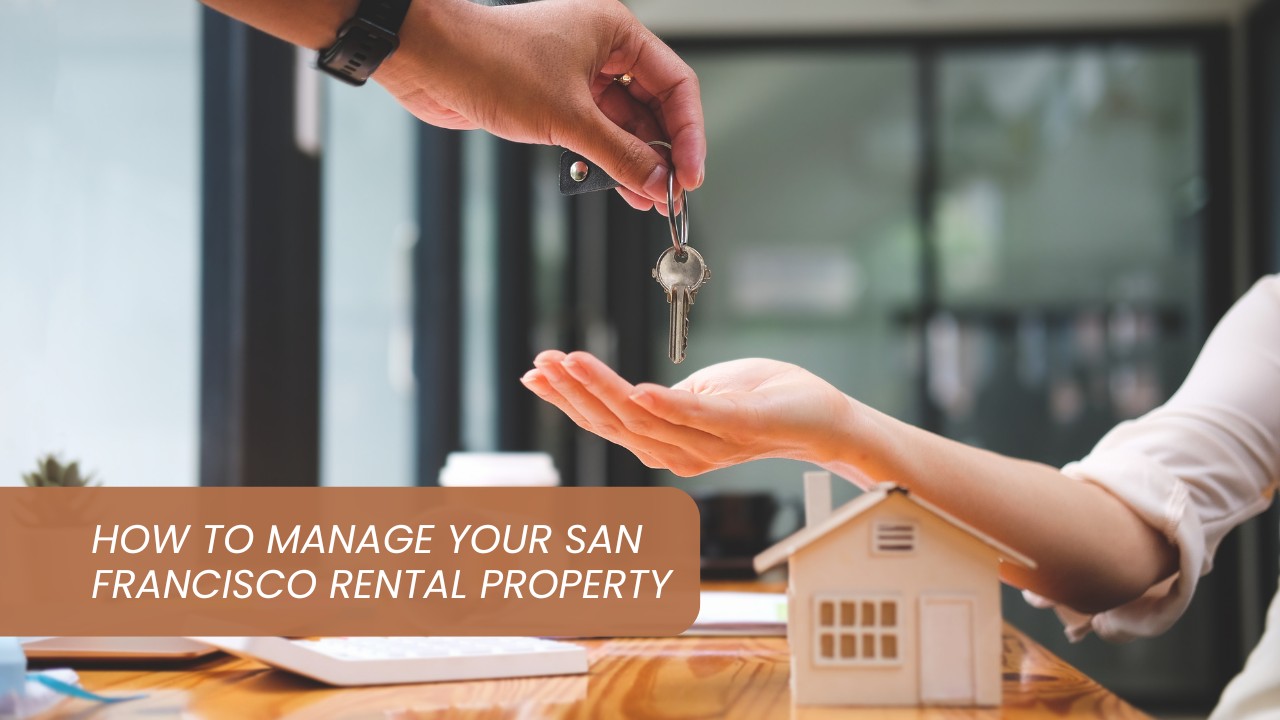
A Simple Guide to Managing Your San Francisco Rental Property
Managing a rental in San Francisco can be tough. However, it can also be very rewarding. First, you need a good plan. In addition, you must follow the city’s strict laws. This is because the rental market is very competitive. As a result, this guide gives you key tips so that San Francisco landlords can protect their money, keep tenants happy, and follow all the rules.
Understand San Francisco’s Rental Rules
First and foremost, the initial step for any San Francisco landlord is to know the law. For example, was your building built before June 1979? And does it have two or more apartments? If so, then it is probably under the SF Rent Ordinance. Specifically, this law includes rules for rent control and evictions.
Key SF Rental Rules to Know:
- Rent Control: The SF Rent Board sets a limit on how much you can raise the rent each year. Therefore, you must always follow this rule.
- Just Cause Eviction: You can only evict tenants for a good, legal reason. The city’s Rent Ordinance lists these reasons. This is because, in San Francisco, tenants have strong protections.
- Tenant Buyouts: Do you want to pay a tenant to move out? If so, you must follow special legal steps. For instance, you have to give them the right papers and file them with the Rent Board.
Action Step: Laws can change over time. Therefore, check the San Francisco Rent Board website often. Furthermore, you should think about talking to an attorney or a professional SF property management company. After all, they can help you follow all the rules.
How to Screen Tenants the Right Way
Choosing the right tenant is the most important step. Indeed, a good screening process helps you avoid problems such as late rent or property damage.
Easy Tenant Screening Steps for SF Landlords:
- First, ask every adult to fill out a full rental application.
- Next, use a trusted service to check the credit and background of every applicant.
- Then, make sure the applicant earns enough money. Specifically, a good rule is 2 to 2.5 times the monthly rent.
- Finally, call their old landlords. For example, ask if they paid rent on time and took care of the property.
How to Set the Right Rent Price in San Francisco
Rent in San Francisco is high. However, you still need to set a good price. That’s because a competitive price helps you find tenants faster and reduces vacancy.
What to Think About When Setting Your Rent:
- First, think about your property. For example, how nice is your unit?
- Also, consider the location. After all, good locations can get higher rent.
- Furthermore, look at sites like Zillow and Craigslist to see what other landlords are charging for similar places nearby.
- Lastly, remember the time of year. The rental market is often slower in the winter. So, you may need to adjust your price then.
Create a Strong and Legal SF Lease
A good lease is your best tool. For one thing, it clearly explains the rules. Plus, it protects both you and your tenant.
What to Include in Your San Francisco Lease:
- The rent amount and when it is due.
- Rules for the security deposit.
- Who is responsible for repairs.
- Clear rules about pets.
- Guidelines for subleasing.
- And, of course, all required legal notices.
Action Step: It’s a smart idea to have a lawyer or an SF property manager look at your lease. Ultimately, they can make sure it follows all the laws.
Keep Your SF Rental Property in Good Shape
Good upkeep keeps tenants happy. In addition, it protects the value of your property.
Tips for Good SF Property Maintenance:
- To begin, check the plumbing, heating, and electrical systems from time to time.
- Also, keep common areas like hallways clean and have good lighting.
- When a tenant asks for a repair, then you should try to respond in 1-2 days.
- For big jobs, always use workers who have a license and insurance.
Should You Hire a San Francisco Property Manager?
Do you own a few properties? Or maybe you live far away? If so, hiring an SF property management company can be a smart choice. In the end, they can save you a lot of time and stress.
A Good Property Manager Can Handle:
- Finding and screening tenants.
- Then, collecting rent each month.
- Also, managing all repairs.
- And, making sure you follow all the laws.
- If necessary, handling evictions.
- Finally, keeping track of your income and costs.
Why You Must Keep Good Records
Keeping good records is very important. That’s because it helps you with taxes and legal issues.
Records to Keep for Your SF Rental:
- The signed lease.
- Also, records of all rent payments.
- And, receipts for all repairs.
- Finally, copies of emails or letters to tenants.
How to Deal with a Vacant Rental in SF
An empty rental means you lose money. However, you can take steps to find a new tenant quickly.
Tips to Fill Your Vacancy:
- First, advertise the unit 1-2 months before your current tenant leaves.
- Also, use professional, high-quality photos and maybe even a video tour.
- Between tenants, give the unit a fresh coat of paint and a deep clean.
Build a Good Relationship with Your Tenants
A good, professional relationship helps a lot. After all, happy tenants are more likely to stay longer.
How to Keep Tenants Happy:
- For instance, send lease renewal notices early.
- Always be kind and understanding, but also professional.
- For example, you could offer a small discount to a great tenant who wants to renew their lease.
Your Long-Term Plan: Reinvest or Sell?
Your property’s value will change. Also, your own goals might change. When this happens, it’s time to think about your next move.
Your Choices as a Property Owner:
- For one, you can use your profits to buy another property.
- On the other hand, you might decide to sell when the market is good, or if you no longer want to be a landlord.
Final Words on Managing Your SF Rental
In conclusion, managing a rental in San Francisco takes work. However, it can be a great investment. To succeed, you must know the rules, find good tenants, and take care of your property.
So, are you ready to make managing your property easier? Contact me today. I can help you maximize your investment!
Find Great San Francisco Property Deals: A Simple Guide

Find Great San Francisco Property Deals: A Simple Guide
San Francisco has costly homes. But, you can still find good deals. First, you need smart plans. Also, you must know the market. Then, smart buyers find chances others don’t see. For example, they find homes they can afford. This guide helps you.
Know the San Francisco Home Market
Before you buy, spend time learning local home trends. For instance, look at how prices change in areas. See how long homes stay for sale. Also, check recent sale prices too. Some spots might cost too much. However, other areas are getting popular. And, they still have homes you can afford. When you know the market, you can act fast. Plus, you feel sure when a good deal shows up.
Tip for Market Research: Use real estate sites like Redfin and Zillow. Also, track MLS listings. This helps you watch past sales data. And, you can see current home values in San Francisco.
Look at New San Francisco Areas for Good Prices
Places like Bayview Hunters Point and the Outer Sunset are now popular. Buyers look here for better prices. These prices are often lower than in richer areas like Nob Hill. Indeed, these areas often have homes you can afford.
Why This Works: Newer popular areas usually have lower prices to start. Also, they offer a good chance for homes to be worth more later. Roads and shops might get better. Then, more people want homes there. As a result, home values often go up. This makes them smart buys in San Francisco.
Think About San Francisco Fixer-Upper Homes
Homes that need big repairs or small fixes usually cost less. People call these “fixer-uppers.” If you can do repairs, that’s great. Or, you can pay workers. Either way, these San Francisco homes can be very good investments.
Tip for Fix Loans: Look for fix-up loans like the FHA 203(k). This loan lets you pay for the home and the fixes with one loan. Therefore, it’s easier to buy and fix up a San Francisco home that needs work.
Find Hidden San Francisco Home Deals
Sellers don’t list some of the best San Francisco home deals online. People call these ‘off-market’ deals or ‘pocket listings’. You can find them. For example:
- Talk to local San Francisco real estate agents. Because they often know about homes before sellers list them.
- Mail letters to owners who don’t live in their San Francisco homes.
- Go to meetings for people who invest in San Francisco homes.
- Chat with neighbors. Also, talk to landlords in San Francisco areas you like. Good agents often know about these hidden homes. For instance, Ms. San Francisco Real Estate might have leads.
Act Fast, But Smart, on SF Deals
Good San Francisco home deals disappear quickly in this busy market. When you find a home that is right for you and your money, you must act fast. But, don’t be careless. Here are key smart steps:
- First, get your loan approved. This makes your offer on a San Francisco home stronger.
- Next, quickly plan a home check.
- Also, know your spending limit before you offer on any SF property.
Look for Price Drops on SF Homes
Homes in San Francisco that are for sale a long time often get cheaper. Then, sellers might be more willing to talk about price. This often happens if sellers list a home for over 30 days. This way, you might get a better deal on an SF home.
What to Do for Price Drops: Use websites to set price alerts for San Francisco homes you like. Then, check back in a few weeks. Ask if the price changed.
Get Help from a Local SF Real Estate Pro
Working with an agent who knows the San Francisco market very well can really help you find a good deal. Because these pros know small areas in SF. They know which areas have good deals on homes. And, they can find chances others miss.
Look for agents who:
- Focus on San Francisco investment homes or homes for first-time buyers in SF.
- Know SF building rules and local laws.
- Know about SF rent rules. (This is key for investment homes).
- Have worked with house hacking in San Francisco or homes with many units in SF.
Use Government Help for SF Home Buyers
If you are a first-time home buyer in San Francisco, think about using local and state programs. These programs help make homes easier to afford. For example:
- San Francisco Below Market Rate (BMR) home programs: They give chances for cheaper homes in SF to people who qualify.
- CalHFA’s down payment help programs: These can lower your first costs when buying a home in California. So, these programs can cut your first costs a lot. Also, they help you get better loan rates. This makes owning a home in San Francisco easier.
Buy an SF Home in the Slow Season
The San Francisco home market often slows down in winter. Therefore, sellers at this time are often more eager to sell. Because there are fewer buyers. Thus, this can be the best time to find a deal on San Francisco property.
Best Time to Buy and Bargain: Think about looking from late November to February. Fewer people want SF homes then. So, buyers have more power to bargain.
Plan Long-Term for Your SF Home Investment
A deal might not seem amazing right away. But, think about how your San Francisco home can grow your money over time. Look for SF homes with:
- Ways to make it worth more. For example, you could build a small unit. You could also fix it up. Or, you could make the San Francisco home bigger.
- Good chances to earn money by renting it out in the SF rental market.
- It’s near buses or trains. Or, the city plans new things for nearby San Francisco areas.
Final Tips: Getting a Great SF Home Deal
Finding a great home deal in San Francisco can be hard. But, you can do it. First, you need a good plan. Next, you need to prepare. And, a good San Francisco real estate pro helps a lot. Know the SF home market. Be patient. Also, be ready when a good San Francisco property chance appears. Are you buying your first home in San Francisco? Or, are you adding to your SF investments? Either way, smart buys help you grow money long-term. Ultimately, you can succeed in the San Francisco real estate market.
Ready to find your San Francisco home deal? Contact me today. I can show you options. And, we can find hidden gems in the SF home market!
House Hacking San Francisco: Your Ultimate Guide to Affordable Homeownership

The Ultimate Guide to House Hacking in San Francisco: Beat High Housing Costs
Is San Francisco Homeownership Out of Reach? Think Again with House Hacking!
San Francisco’s housing costs are very high. Consequently, have you ever wondered how people afford to live there? If so, you’re not alone. Indeed, owning a home in San Francisco can seem like a far-off dream. However, there’s a smart way to become a homeowner in this lively city. Plus, you could even have someone else help pay your mortgage.
This smart way is called house hacking. Essentially, it’s becoming a popular way to gain financial freedom and build wealth. This is especially true in tough real estate markets like San Francisco, which is, after all, one of the most expensive in the U.S.
What Exactly Is House Hacking? A Path to Affordable Living
So, what is house hacking? Basically, it means buying a property, like a multi-unit building or a single-family home. Then, you rent out part of it. This income, in turn, helps lower your housing costs. For instance, you might live in one unit of a duplex and rent out the other. Alternatively, you could live in one room of a house and rent out the other rooms. The main idea behind house hacking is to greatly reduce your living costs. In fact, you might even live rent-free! At the same time, you build home equity and create long-term wealth.
Why House Hacking Works So Well in San Francisco’s Unique Market
San Francisco has a special market that, surprisingly, is great for house hacking. For example, home prices often go over $1 million. Also, rents are some of the highest in the country. Because of this, many people are always looking for rentals in San Francisco. Furthermore, there aren’t enough homes to meet this demand. This high demand, therefore, makes it easier to find good tenants. In addition, the city is generally open to new housing ideas like ADUs (Accessory Dwelling Units). This makes house hacking a real choice for smart buyers.
San Francisco Housing Expenses: Understanding the Financial Reality
Let’s look at the numbers. This year, the average home price in San Francisco is much more than $1 million. Meanwhile, a typical one-bedroom apartment can rent for about $3,200 a month. So, if you buy a two- or three-bedroom property and live in one room, you can rent out the others. This can bring in a lot of rental income in San Francisco. This income can then help cover your mortgage, property taxes, and insurance.
Top House Hacking Strategies for Maximizing Your San Francisco Home Investment
Here are some of the best house hacking ideas for the San Francisco real estate market:
- Rent Out Bedrooms in a Single-Family Home: This is a common and simple way to lower your housing costs by sharing your home.
- Invest in a Multi-Family Property: Duplexes, triplexes, and fourplexes in San Francisco give you and your tenants separate living spaces. This means more privacy and, additionally, several sources of rental income.
- Utilize an Accessory Dwelling Unit (ADU): San Francisco has made it easier to build ADUs (like granny flats or in-law units). Consequently, building or fixing up an ADU can be a great way to get extra income.
- Offer Short-Term Rentals (STRs): In some San Francisco areas, and with the right permits, sites like Airbnb can bring in more money. However, they do need more of your time to manage.
- Live in a Fixer-Upper: You can buy a home that needs repairs. Then, live in it while you fix it up. This builds “sweat equity.” Afterward, you can rent out the improved parts or the whole property.
Legally Leveraging House Hacking in San Francisco: Rules and Regulations
It’s very important to remember that San Francisco has strong tenant rights and rent control rules. Therefore, before you start, it’s a good idea to talk to a local real estate expert. Someone like the team at Ms. San Francisco Real Estate knows SF zoning laws, ADU rules, and tenant protection rules well. Ultimately, getting these legal things right is key to making house hacking work for you without stress.
Real-Life San Francisco House Hacking Success Story: Meet Kevin
Let’s look at Kevin’s story. When he was just 29, he bought a three-bedroom home in San Francisco’s Bernal Heights area. He lived in one room. Then, he rented the other two rooms to tech workers. This brought in $3,600 in monthly rent. Remarkably, that covered a huge 75% of his mortgage! Three years later, Kevin used the equity from that home. With it, he bought a duplex in the Outer Sunset. This story clearly shows how powerful smart San Francisco real estate investment through house hacking can be.
Funding Your San Francisco House Hacking Journey: Mortgage Options
Not all banks fully understand house hacking. But, several mortgage types work well for this kind of investment:
- FHA Loans: These often need only a 3.5% down payment. Also, they let you buy properties with up to 4 units, as long as you live in one.
- VA Loans: These are for veterans, active military, and some surviving spouses. Importantly, VA loans can let you buy multi-unit properties with no down payment.
- Conventional Loans: These are a good choice for single-family homes or smaller multi-family properties. You might only need a 5% down payment if you live there.
- Renovation Loans (e.g., FHA 203(k)): These are great for buying fixer-uppers. That’s because they combine the home price and repair costs into one loan.
You should talk to a lender who knows about house hacking in California. Alternatively, get a recommendation from a good San Francisco real estate agent to pick the best loan.
Best San Francisco Neighborhoods for House Hacking Opportunities
Some San Francisco neighborhoods offer better chances for house hackers. For example:
- Outer Sunset & Outer Richmond: These areas have many single-family homes. Often, they have basements or in-law units that could become ADUs.
- Bayview-Hunters Point: This area usually has more affordable homes for first-time buyers looking to house hack.
- Excelsior: Here, you’ll find larger homes that are good for renting out several rooms.
- Mission District: Many people want to rent here. Plus, there’s growing interest in building ADUs. This makes it a popular, albeit more expensive, choice.
- Bernal Heights: This is a popular area for working people, so it has a good pool of potential tenants.
Why Partnering with a San Francisco Real Estate Agent is Key
House hacking in San Francisco can be tricky. So, you shouldn’t try to do it alone. Instead, you should work with a San Francisco real estate agent. Look for one who understands how to figure out cash flow, local zoning laws, rent control, and the details of the SF market. An expert like Ms. San Francisco Real Estate knows this area well. Indeed, they can help you find good properties, get the best return on your money, and build wealth over time.
Beyond Mortgage Relief: The Many Benefits of House Hacking in SF
House hacking in San Francisco does more than just lower your monthly housing costs. In fact, it also:
- Builds Equity Faster: Your tenants help pay down your mortgage.
- Enables Future Real Estate Investments: Thus, it can be a first step to buying more properties.
- Teaches Valuable Skills: You’ll learn about managing property, dealing with tenants, and basic business.
- Opens the Door to Financial Independence & Early Retirement: This is a key idea for people aiming for early retirement.
- Offers Tax Benefits: You might be able to deduct mortgage interest, property taxes, and costs for the rented part of your home. However, always talk to a tax expert about this.
Common House Hacking Mistakes to Avoid in San Francisco
Try to avoid these common problems when you start house hacking in San Francisco:
- Failing to Screen Tenants Properly: Checking tenants carefully is very important.
- Ignoring Local Zoning Laws or Permit Requirements: This is especially true for ADUs and short-term rentals in SF.
- Underestimating Repair and Maintenance Costs: Always have a budget for surprise repairs.
- Skipping Written Lease Agreements: A good lease protects both you and your tenants.
- Misjudging Your Comfort Level with Shared Living Spaces or Landlord Duties.
You should work with experienced people who know the San Francisco market. For example, a good real estate agent and maybe a property manager can help you avoid these expensive mistakes.
Your Path to San Francisco Homeownership: It’s Time to Explore House Hacking
House hacking is not just a short-lived trend. Instead, it’s a real, smart way that clever buyers are using to own homes and succeed financially in expensive places like San Francisco. Whether you’re a first-time homebuyer feeling priced out, or you want to invest in real estate, house hacking in San Francisco could be the key. Indeed, it can open up great chances for your financial future.
Frequently Asked Questions (FAQ) about House Hacking in San Francisco
- (Q1) Is house hacking legal in San Francisco?
- (A1) Yes, house hacking is legal in San Francisco. However, you must follow all local rules. These include zoning laws, building codes, rent control, and tenant rights. For example, there are rules for renting rooms, building ADUs, and running short-term rentals.
- (Q2) How much can I really save by house hacking in SF?
- (A2) How much you save can change a lot. Specifically, it depends on the property, how many tenants you have, and rent prices. But, many house hackers lower their mortgage payment a lot. Some even live completely rent or mortgage-free. Plus, they might even make extra money.
- (Q3) What are the biggest risks of house hacking in San Francisco?
- (A3) Some risks include having bad tenants, times when you don’t have a tenant, not planning enough for repair costs, and dealing with complex SF landlord-tenant laws. Nevertheless, good planning and help from professionals can lower these risks.
- (Q4) Can I use an FHA loan for house hacking a multi-family property in San Francisco?
- (A4) Yes, FHA loans are a popular choice for house hacking multi-family properties (2-4 units) in San Francisco. To do this, you must live in one of the units as your main home. Also, you need to meet all FHA loan rules.
Best Strategies for Selling a Luxury Home in San Francisco

Selling a luxury home in San Francisco? You need a smart plan. Because the city has a tough luxury real estate market. Also, wealthy buyers expect a lot. For this reason, careful planning is vital. Success requires the right approach. This is true when selling high-end San Francisco property. Specifically, you must show off your home’s best features. Additionally, you need to attract the right buyers. Using current San Francisco real estate trends helps too. Here’s how:
1. Partner with a Top SF Luxury Agent
First, find the right realtor. Indeed, they must know high-end properties in San Francisco. Therefore, look for a local agent. They should understand the luxury market well. Also crucial, they need a strong network. Proven success selling San Francisco luxury homes is key. This type of agent is very helpful. For instance, they know luxury real estate pricing. They also understand promotion. Plus, they handle negotiations well. Furthermore, top agents often know potential wealthy buyers in San Francisco. Some buyers aren’t even searching online yet, so this connection is valuable.
2. Set the Right Price
Next, set the right price early. This is essential. Especially in the San Francisco luxury market. Therefore, work closely with your agent. Your agent performs a careful market analysis (CMA). First, they study recent sales. Next, they examine similar luxury homes in San Francisco. Also, they check market trends. Moreover, neighborhood details are important. As a result, this analysis helps set a fair price. The price reflects your home’s value. It also shows its features. Consequently, it makes your home competitive.
3. Use Professional Staging
Luxury home staging is very important too. It truly helps when selling premium residences in San Francisco. Often, these homes have special designs. Perhaps they feature large rooms. Consequently, expert staging makes a big difference. A good stager shows off key features. Think about grand entries, for example. Or consider amazing San Francisco views. Custom details will stand out too. In short, good staging helps buyers. Then, they can imagine living there. They see the home’s real potential this way.
4. Get Great Photos & Videos
First impressions really matter. This is especially true when marketing luxury properties. Therefore, invest in professional photos. Get professional videos too. You should hire luxury real estate specialists. Because they know how to capture high-end San Francisco homes effectively. Great photos are absolutely essential. For instance, they show off details clearly. They highlight finishes. And they showcase views. Use them for online listings. Use them in brochures too. Additionally, create a professional video tour. It gives buyers a good virtual look. This is particularly helpful for out-of-town buyers. Similarly, it attracts international buyers for San Francisco real estate.
5. Add Virtual Tours & 3D Plans
Go beyond just photos and videos. Consider other tools. Think about virtual tours (like Matterport). Also, offer 3D floor plans. These resources let buyers explore online. Thus, they can see your San Francisco luxury property from anywhere. For example, buyers can understand the layout. They can do this before visiting. This is very convenient. Ultimately, this helps reach more people. It’s effective when selling luxury homes.
6. Target the Right Wealthy Buyers
Know your buyers. Who buys in the San Francisco luxury real estate market? Often, it’s affluent individuals. Or maybe tech leaders. Top professionals are common buyers. International investors are too. So, tailor your luxury property marketing carefully. Appeal directly to their lifestyle. For instance, mention nearby fancy restaurants. Mention shops too. Talk about cultural spots as well. You could advertise in luxury magazines. Alternatively, targeted online ads work effectively. Also, use social media like Instagram. Post great pictures and videos. Indeed, this approach creates buzz. It attracts potential buyers of luxury San Francisco homes.
7. Hold Exclusive Showings
Focus on private showings. These should be for qualified buyers. This method is usually better for luxury homes. Specifically, it works better than open houses. Primarily, it respects privacy. Because high-end buyers often want privacy. Plus, it feels more exclusive. You could even host small, private events. Consider cocktail parties, for example. In fact, this targeted way works better. It helps a lot. This is true when selling luxury real estate in San Francisco.
8. Talk About the Great Neighborhood
The neighborhood is vital for many luxury buyers. In fact, it’s often as important as the house. So, highlight the area’s appeal. Talk about parks. Mention schools. Discuss safety. Mention easy access to dining. Talk about shopping too. Show off the neighborhood’s unique charm. This applies to any location. Whether it’s Pacific Heights, Nob Hill, or Sea Cliff. Selling the San Francisco lifestyle ultimately adds value.
9. Show Off Fancy Features & Tech
Luxury homebuyers in San Francisco expect special features. Therefore, point out what makes your property unique. Perhaps it’s large patios. Maybe a wine cellar. Is there a home theater? Or custom designs? Also, highlight smart home technology. Smart lighting is quite popular, for example. So are integrated security systems. Climate control is another popular feature. Clearly, these modern features really appeal to high-end buyers. Make sure they are presented clearly. Show them in your marketing.
10. Tell a Story About Your Home
Selling luxury homes involves emotion. So, you need to connect with buyers. For this reason, create a story. Build it around your property. Does it have history? Does it have unique design? Focus on the lifestyle it offers. Maybe it provides elegance. Or perhaps privacy. Maybe it’s simply great for entertaining. In fact, storytelling helps buyers connect. Then, they can better imagine living there.
11. Be Flexible with Showings
Wealthy buyers frequently have busy schedules. Thus, be flexible with showing times. Be ready for evening requests. Prepare for weekend requests too. Being accommodating certainly helps. Because it demonstrates you’re serious. Furthermore, it attracts more buyers. This helps sell your San Francisco luxury property.
12. Get Ready for Negotiations
Negotiations for luxury real estate can be complex. They often involve price. They include contract details too. Other conditions matter significantly as well. Therefore, rely on your experienced agent. Your San Francisco luxury real estate agent will guide you. Their skill is key. Specifically, it helps handle offers effectively. This skill helps get the best deal. It’s vital when selling your high-end home.
Conclusion: Selling Your SF Luxury Home
In conclusion, selling a luxury home in San Francisco needs a plan. It must be careful. It must be strategic. You should work with a skilled agent. Use a San Francisco luxury real estate agent. Set the right price early. Use great marketing techniques. Know how to negotiate. Target wealthy buyers. Following these steps improves your success chances. Indeed, good planning helps. It makes selling your premium San Francisco residence smoother. Ultimately, it can also lead to a more profitable outcome.
Ready to sell your luxury San Francisco property? Contact me today. We specialize in San Francisco luxury real estate. Ask for a private consultation now.
San Francisco Home Buying Guide: Prevent Regret & Make Smart Choices

Buying a home is a huge financial step; in fact, it might be the biggest you’ll ever take. Furthermore, getting a place in an exciting city like San Francisco feels great. However, worrying about regret after you buy is also natural. This feeling, known as home buyer’s remorse, happens often, especially in SF’s tough and fast-moving real estate market. Therefore, to make sure you love your San Francisco home purchase, it’s vital to do your homework and carefully check everything before you decide.
9 Key Ways to Prevent Home Buyer’s Remorse in San Francisco
Follow these important steps. Indeed, they will help you navigate the SF market with confidence and consequently avoid feeling regret later on.
1. Research the Unique San Francisco Real Estate Market
The San Francisco real estate market has its own rules. Specifically, prices are usually high and can change quickly. Things like interest rates, how many homes are for sale, and the tech industry also all play a part.
Therefore, before you jump in, understand the market. Is it busy or slow right now? For instance, research if the home you like is priced fairly for its specific area (like Noe Valley compared to the Outer Sunset). Additionally, look into whether the neighborhood is expected to grow in value.
2. Explore Different San Francisco Neighborhoods
San Francisco has many unique neighborhoods. Consequently, each one offers a different lifestyle, weather, and feel. So, don’t just look at price tags. Instead, spend time visiting different areas. Think about important things like:
- Your Commute: How easy is it to get to work using BART, MUNI, or driving?
- Your Lifestyle: Does the neighborhood match what you like (busy nightlife, quiet streets, parks for families)?
- Nearby Amenities: Are essentials like grocery stores, restaurants, parks, and schools close by?
- Future Plans: Will this neighborhood still work if your life changes? For example, consider having kids or needing good schools.
3. Partner with a Knowledgeable Local SF Agent
Dealing with San Francisco real estate can be tricky. That’s why a local real estate agent who knows the SF market well is incredibly helpful. For example, they can:
- Find homes that fit your needs, sometimes even ones not listed publicly.
- Give you useful details about specific neighborhoods.
- Guide you through the complex SF offer steps, including paperwork and conditions.
- Moreover, they can negotiate a fair price based on the home’s real value. This certainly helps you avoid paying too much in the heat of the moment.
- Furthermore, they can help you avoid making quick decisions you might regret.
4. Set & Stick to a Realistic SF Home Budget
Spending more than you planned is a big reason for buyer’s remorse. This is especially true in expensive places like San Francisco. So, figure out your budget before you look seriously. Make sure to include:
- Your mortgage payment (get pre-approved first!).
- San Francisco’s high property taxes.
- Homeowner’s insurance costs.
- Possible HOA fees (common in condos and some newer buildings).
- Closing costs (fees to finalize the sale).
- Money for ongoing upkeep and unexpected repairs. Also, remember to budget for moving, furniture, and keeping your savings goals on track. Pick a total monthly payment you feel truly comfortable with and then stick to it. Ultimately, this prevents financial strain down the road.
5. Check the Property’s Long-Term Value & Fit
Think about the future, not just today. Specifically, consider these points:
- Future Value: Look at how home values have changed in the area. Is the property likely to be worth more later? Also, are there big projects nearby (like new transit or large construction) that could help or hurt its value?
- Your Long-Term Needs: Will this home still work for you in 5 or 10 years? For instance, think about possible changes like needing more space, working from home, or wanting easier accessibility. Choosing an adaptable home, consequently, can save you from having to move again soon.
6. Never Skip the Crucial Home Inspection in SF
San Francisco’s market moves fast. As a result, buyers sometimes feel pressure to skip the home inspection to make their offer look better. However, this is a big mistake. A detailed inspection by experts is key. Indeed, it can find hidden problems that cost a lot to fix, such as:
- Foundation issues or the need for earthquake safety updates (seismic retrofitting).
- Old or faulty plumbing and electrical systems.
- Roof problems.
- Pests like termites.
- Water damage or mold. Finding issues before you buy gives you options. For example, you can ask the seller to fix them or lower the price. Alternatively, you can choose to walk away. Ultimately, this saves you stress and money later.
7. Prepare for San Francisco’s Competitive Bidding
Get ready for competition. In fact, it’s normal to face multiple offers and bidding wars for good homes here. It’s tempting to offer a high price or remove safety clauses (contingencies) to win. But, this can lead straight to regret if you pay too much or skip important checks.
- Instead, work with your agent to make a strong, smart offer.
- Know your top price and don’t go over it.
- Also, understand the risks if you decide to skip contingencies like the inspection or loan approval.
- Most importantly, be ready to let a house go if the price gets too high or it doesn’t feel right. After all, there will be other homes.
8. Understand the Long-Term Job of SF Homeownership
Buying a home in San Francisco is more than just a purchase; rather, it’s a lifestyle change. If you’re used to renting, then owning comes with new duties:
- Regular upkeep (like yard work and small repairs).
- Handling unexpected problems (like leaks or broken appliances).
- The time and effort involved. Owning a home is rewarding, but it takes commitment. Therefore, be ready emotionally and financially for the work involved along with the benefits.
9. Take Your Time: Don’t Rush Your SF Property Decision
Yes, the San Francisco market can be fast. Even so, try not to rush your choice. Buying a home is too big a decision for that.
- First, look at several properties to compare value and features.
- Then, think carefully about the good and bad points of your top choices.
- Also, give yourself time to think – don’t make offers under pressure.
- Finally, make sure the home truly fits your budget, your needs, and your future plans.
Conclusion: Buying a San Francisco Home with Confidence
To avoid buyer’s remorse in San Francisco, you need good planning, careful research, realistic thinking, and expert help. Specifically, understand the SF market, explore neighborhoods, and stick to your budget. Additionally, work with a local pro, inspect the home thoroughly, and think about your long-term needs. By following these tips, you can make a smart choice and consequently enjoy your new San Francisco home without regret.
Ready to confidently navigate the San Francisco real estate market and find a home you’ll love for years to come? Contact Ms San Francisco Real Estate today for personalized guidance and support.
