
 Facebook
 X
X
 Pinterest
 Copy Link
What You Need to Know About San Francisco’s Condo Market

San Francisco has a tough real estate market. Therefore, buying a condo in San Francisco is popular. Condos often cost less than houses. They offer an easier way to buy property here. Condos also have good lifestyle benefits. This guide explores the San Francisco condo market.
We cover current SF condo prices. We also discuss market trends. You’ll learn what affects prices. We explain SF condo HOA fees and getting a loan. Potential risks are covered too. We look at the future outlook. Are you a first-time buyer? Maybe you are downsizing. Or perhaps you are thinking about an SF condo investment. Knowing these details is key. It helps you understand this active market in 2025.
Why Buy a Condo in San Francisco? Key Benefits
People choose San Francisco condos for good reasons:
- More Affordable: SF single-family homes are very expensive. Consequently, condos are often a more affordable housing option in San Francisco. This helps first-time buyers. It’s also good for people wanting central spots at a lower cost.
- Lifestyle Perks: SF condo living often includes great amenities. For example, you might get a fitness center or pool. Maybe even a doorman. This means a convenient lifestyle. It requires less maintenance. Therefore, it’s perfect for busy people.
- Great Locations: Condos are usually in good San Francisco neighborhoods. They offer easy access to public transit. Think Muni and BART. Work, restaurants, and fun are often nearby too.
Current SF Condo Market Trends (2025)
The San Francisco condo market changes often. Indeed, different factors affect it:
- Price Changes: SF real estate is costly. However, condo prices in San Francisco can change. Prices were affected after the pandemic. Remote work trends also played a role. This influenced demand and costs. Because of this, follow current SF real estate market reports. It is very important.
- Luxury Condos: New luxury condos are still being built. High-rise condos are appearing too. You’ll find them in popular areas. These include the Financial District, SoMa (South of Market) condos, and Mission Bay condos. They appeal to buyers wanting high-end features. They also attract those seeking central spots.
- Tech Industry Impact: San Francisco is a major tech hub. As a result, the tech industry affects housing demand greatly. Being close to tech offices is important. Transit access matters too for the condo market. In fact, many tech workers like condos. They prefer their convenience and location.
What Affects San Francisco Condo Prices?
Several key things affect the cost of condos in San Francisco:
- Location is Key: Condos in top neighborhoods cost more. Examples include Pacific Heights, Nob Hill, and SoMa. This is because of their reputation and views. Easy access also adds value. Therefore, condo prices vary a lot by neighborhood.
- Size, Layout & Views: A condo’s size affects its price. The floor plan matters too. So does the number of bedrooms and bathrooms. Good views increase value significantly. This includes city, bay, or park views.
- Building Amenities: Condos with better amenities sell for more. For instance, this includes private parking. Parking is very valuable in SF. Modern gyms and 24-hour security also add value. These features consequently lead to higher SF condo sale prices.
- Market Conditions: The overall economy matters. Mortgage interest rates also affect costs. The number of homes for sale influences prices. Buyer demand is another factor. Ultimately, these things shape San Francisco condo market values.
Getting a Loan for Your San Francisco Condo
Getting a mortgage for an SF condo has special points:
- Homeowners Association (HOA) Fees: Lenders check SF condo HOA fees carefully. They also look at the HOA’s financial health. This includes its savings (reserves). High fees can affect your loan approval. This is because they add to your monthly housing cost.
- Down Payment: Condo down payments are usually 10% to 20% of the price. Sometimes it’s more. However, this depends on the lender. It also depends on the loan type. Some buildings might require larger down payments.
- HOA Review: Lenders often review HOA rules. They check finances too. Consequently, some condos are harder to get loans for. This might happen if many units are rentals. Legal issues with the HOA can also cause problems.
Understanding SF Condo HOA Fees and Rules
Homeowners Associations (HOAs) are a key part of condo ownership in San Francisco:
- Monthly HOA Dues: Owners must pay monthly HOA fees. These fees cover shared space upkeep. This includes lobbies, gyms, and roofs. They also pay for shared utilities like water and trash. Building insurance and HOA savings are covered too. As noted, San Francisco HOA fees differ a lot. It depends on the building and its features.
- Rules and Regulations: HOAs have rules (CC&Rs). These cover noise, pets, and renting your unit. They also cover changes to your condo. It’s vital to read these rules before you buy. Otherwise, you might face issues later.
- Reserve Funds (Savings): A healthy HOA savings account is important. This reserve fund helps pay for big future repairs. Think of a new roof, for example. Good reserves mean owners might avoid large extra bills. These are called special assessments. Therefore, ask about the HOA’s savings.
Potential Risks When Buying a San Francisco Condo
Condos have benefits. On the other hand, investing in an SF condo has possible risks:
- Less Control: Condo owners must follow HOA rules. This means less personal control. You have more control with a single-family house.
- Selling Challenges: Selling a condo can sometimes be hard. For instance, this might happen if the market slows. A less desirable building makes selling harder. Very high HOA fees can also be a problem. Thus, good maintenance is key. Market awareness helps too.
- Special Assessments: HOA savings might not be enough for big repairs. If so, owners might have to pay large extra fees. Indeed, these ‘special assessments’ can be costly. They can also be unexpected.
Future Outlook: San Francisco Condo Market
There are challenges. Still, overall, the future looks positive for the San Francisco condo market:
- Neighborhood Improvements: City improvements continue. New buildings appear in areas like SoMa and Mission Bay. These changes attract people. As a result, these areas become more desirable. This could increase condo values there over time.
- Ongoing Tech Demand: The strong tech industry drives demand. This demand is for city housing. This supports the SF condo market. It’s especially true for homes near transit and offices.
- Focus on Sustainability: New condos use eco-friendly methods more often. These ‘green’ features attract buyers. Many buyers care about the environment. Consequently, this can add long-term value.
Conclusion: Buying Your SF Condo
The San Francisco condo market offers opportunities. It also has challenges. Therefore, consider things like HOA fees. Think about financing issues and market changes. Still, condos are a key part of SF real estate. People like them for several reasons. For one, they often cost less. Condos also offer lifestyle benefits. Additionally, you’ll find them in great city locations.
Are you thinking about buying a condo in San Francisco? First, do your homework. Then, understand current market trends. Also, work with a skilled local real estate agent. Ultimately, these steps help you make a smart choice. They lead to a successful purchase.
Top 7 San Francisco Suburbs for Families | Schools, Safety & Commute Guide (2025)

San Francisco is a great city. However, it can be tough for families. The cost of living is high. Yards are often small. Plus, getting into schools can be hard. Because of this, many families look at living in the suburbs.
Luckily, the Bay Area has wonderful suburbs for families. These places often have great schools. They usually have safe neighborhoods too. Additionally, you’ll find parks, trails, and a friendly community feel. Best of all, commuting to San Francisco is often quite possible.
Are you buying your first home? Or maybe you need more space? Then, this guide is for you. Let’s look at some top San Francisco suburbs for families.
1. Mill Valley
- Location: Marin County. Find it just north of the Golden Gate Bridge.
- Why Mill Valley is Great for Families:
- It has excellent public schools. For instance, the Tamalpais Union High School District is highly rated.
- People here are friendly and love being outdoors.
- Nature is all around. You’ll see redwood trees. Also, you can hike Mount Tamalpais or visit nearby Muir Woods.
- The downtown area is safe and easy to walk around. It’s perfect for families. Furthermore, it has cute shops and good restaurants. Safety is a big plus here.
- Commute to San Francisco: Takes about 30–45 minutes by car. Alternatively, you can take a ferry.
2. Burlingame
- Location: San Mateo County, on the Peninsula. It’s south of the SFO airport.
- Why Burlingame Appeals to Families:
- Burlingame has great schools, both public and private. Therefore, it’s popular with families who value education.
- The neighborhoods have lots of trees. They feel very classic and suburban.
- Its downtown area is busy and fun. For example, there are parks like Washington Park. There are also libraries and family events.
- Plus, it’s easy to get to San Francisco from here. Silicon Valley tech jobs are close too.
- Commute to San Francisco: About 30 minutes by car. Caltrain is also an option.
3. Lafayette
- Location: East Bay, in Contra Costa County. It’s part of the “Lamorinda” area (with Moraga and Orinda).
- Why Lafayette is a Top Choice for Families:
- You can often find larger homes here. Many have bigger yards too. This is compared to suburbs closer to the city.
- Lafayette feels cozy and suburban. Its downtown is quite charming.
- In addition, there are many ways to enjoy the outdoors. You can hike or bike in the hills. The Lafayette Reservoir is popular too.
- Good schools are another key reason families choose Lafayette.
- Commute to San Francisco: Takes about 40 minutes on BART. So, you don’t need a car for your commute.
4. San Mateo
- Location: Mid-Peninsula. This spot is central in the Bay Area.
- Why San Mateo Works for Families:
- It has several family-friendly neighborhoods. Examples include Baywood, Hillsdale, and Aragon.
- The public schools are known to be good. They often have strong extra programs. The community supports them well.
- Moreover, San Mateo offers great parks. Central Park has a lovely Japanese Garden. Coyote Point Recreation Area is right on the water.
- Its downtown is lively with lots to do. You’ll find many types of food, shops, and culture. Consequently, it feels diverse and welcoming. It’s also considered a safe Bay Area suburb.
- Commute to San Francisco: About 30–40 minutes. You can take Caltrain or drive (US-101 or I-280).
5. Palo Alto
- Location: In the center of Silicon Valley, Santa Clara County.
- Why Families Choose Palo Alto:
- Palo Alto has famous, top-rated schools (PAUSD). As a result, families focused on education often move here.
- The community really values learning. There’s a big focus on education and kids’ activities.
- Neighborhoods are beautiful and well-kept. Plus, excellent healthcare is nearby, including Stanford.
- It’s the heart of the tech world. Stanford University is here too. This means there are special job and cultural opportunities.
- Commute to San Francisco: Usually 45–60 minutes by car or Caltrain. The commute is longer. However, many families feel the schools make it worthwhile.
6. Orinda
- Location: Lamorinda area in the East Bay. It’s nestled in the hills.
- Why Orinda is Ideal for Families:
- Orinda is known for being quiet and pretty. It also boasts excellent public schools year after year.
- Parents are very involved in the community. Because of this, there are lots of family events and activities.
- You’ll find plenty of green space. There are also nice trails for walking in nature. Overall, it feels peaceful.
- Conveniently, BART provides easy access to San Francisco.
- Commute to San Francisco: About 30–40 minutes using BART.
7. Menlo Park
- Location: On the Peninsula. It sits between Palo Alto and Redwood City.
- Why Menlo Park Attracts Families:
- Menlo Park has great schools. It also feels safe and welcoming.
- It offers nice parks and modern libraries. Plus, community centers have programs for families.
- Furthermore, people feel a strong sense of community here. Neighbors often get involved in local events.
- Finally, it’s very close to big tech companies, like Meta (Facebook). Stanford is nearby too.
- Commute to San Francisco: Takes roughly 45 minutes by car or Caltrain.
Things to Think About When Choosing a Suburb
Before making a choice, consider these important points:
- Budget: How much can you afford? Home prices and taxes vary a lot between suburbs. So, research costs first.
- Commute: How long will it take to get to work? How will you travel (Car, BART, Caltrain, Ferry)? Ideally, test the commute during busy times.
- School Quality: Check school ratings online (like GreatSchools.org or Niche.com). Look at specific programs. Also, read what other parents say.
- Community Feel: What vibe do you prefer? Outdoorsy (Mill Valley)? Techy (Palo Alto)? Quiet (Orinda)? Busy downtown (Burlingame)? Visiting is the best way to know.
- Amenities: Are parks, libraries, stores, and doctors nearby? What about fun family activities? Think about what’s important for your daily life.
Wrapping Up: Finding Your Family’s Best San Francisco Suburb
Choosing the right San Francisco suburb depends on your family. Think about your lifestyle. Consider your budget. Also, factor in your commute.
Maybe you love nature, so Mill Valley is perfect. Perhaps top schools are key, then look at Palo Alto. Or maybe you want a big yard, like in Lafayette. Alternatively, a strong community feel in Orinda or Menlo Park might be best.
Ultimately, there’s likely a great Bay Area suburb near San Francisco for your family. Therefore, we highly recommend visiting these towns. Seeing them in person helps you find the perfect fit before you move.
How to Buy a Second Home in San Francisco
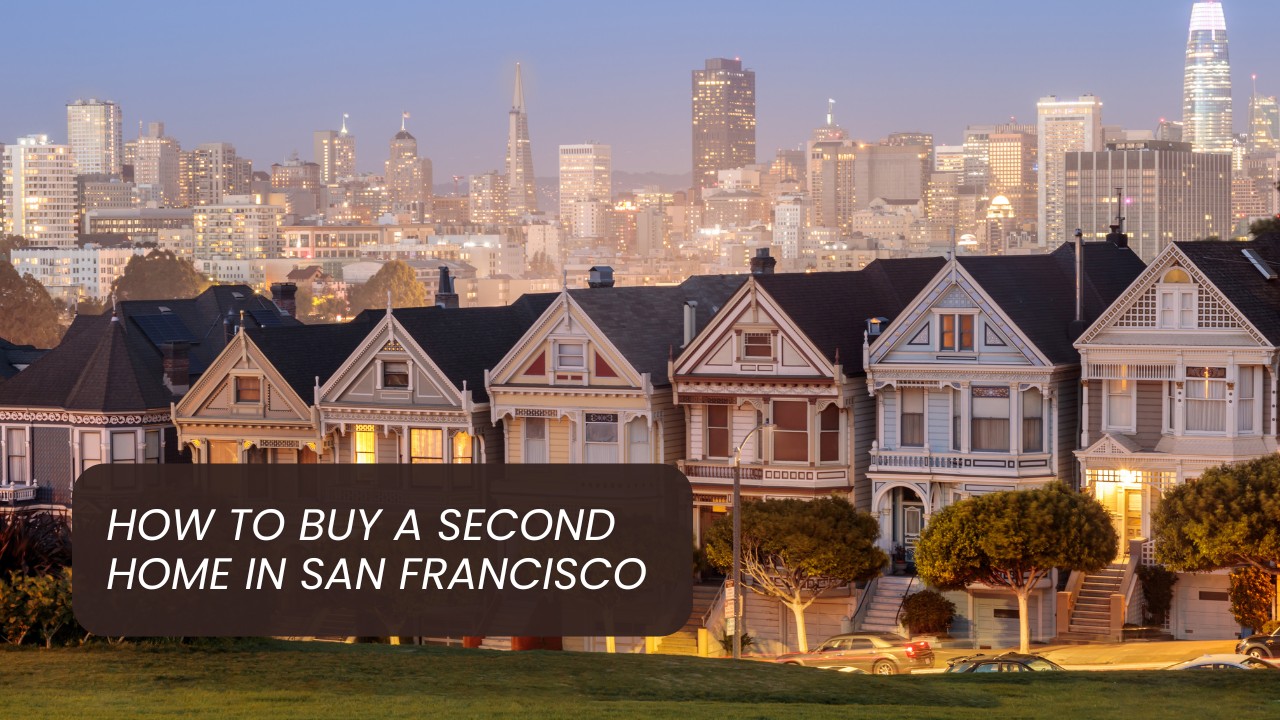
Buying a second home in San Francisco, California, can be a smart money move. It can also make your life better. Maybe you want a fun place for holidays. Or, perhaps you’re looking for a home for when you retire in the Bay Area. You might even want a property that earns you rent. San Francisco’s busy real estate market, amazing views, and lively areas offer great chances.
This guide gives you clear, step-by-step help. It will show you how to buy a second home in this famous city.
1. Know Your Reasons: Why a San Francisco Second Home?
First, before you start looking, think about why you want a second home. For instance:
- Earning Rent: Do you want to make money by renting it out? This could be for short stays (like Airbnb) or for long-term renters in San Francisco.
- Retirement Plans: Are you thinking this home could be where you live when you retire in a nice San Francisco spot?
- Your Own Vacation Spot: Is it mainly for you to use as a San Francisco holiday home?
Knowing your goals helps you pick the right kind of home. Also, it helps you choose the best San Francisco area. Plus, it guides you on money and legal steps for your second home.
2. Check Your Money: Can You Afford a Second Property?
Owning a second home in San Francisco costs more money. So, be sure to think about:
- Your current main home loan and other household bills.
- San Francisco property taxes and home insurance for the new place.
- Costs for keeping the home in good shape and fixing things.
- Possible fees for someone to manage the property if you won’t live there all the time or manage renters yourself.
Good to Know: Banks usually ask for a bigger down payment for second homes. This is often 10% to 25% or even more. They also look for better credit scores than for a main home.
3. Get a Loan: Money Options for Your SF Second Home
Next, it’s very important to get pre-approved for a home loan made for second homes. You can look into these ways to get money:
- Regular Home Loans: These are common. However, you usually need good credit and a good amount of money for a down payment for a San Francisco home.
- Cash-Out Refinance: Another idea is to use the value built up in your main home to pay for your San Francisco second home.
- Home Equity Loan or HELOC: You can also borrow against your current home’s value to get the money for your second property.
It’s wise to talk to a loan expert who knows about second homes. They can help you find the best loan for you.
4. Pick the Right San Francisco Area: Location Matters Most
Where your second home is in San Francisco is super important. Indeed, it affects its price and how much you’ll like it.
- For Holiday Home Buyers: Think about lively places like North Beach, Pacific Heights, or the Marina District. These spots are known for great views, lots of energy, and being close to fun things.
- For Long-Term Plans or Retirement: Quieter, more homey areas like Noe Valley, the Sunset District, or the Richmond District could be better. These offer a different, calmer life.
Every San Francisco area has its own feel. Also, home prices are different, and so are the chances to make money from your investment. Therefore, look into things like safety, shops, buses and trains, and plans for the area.
5. Work with a Local San Francisco Real Estate Helper
The San Francisco real estate market can be tricky. So, working with a local San Francisco real estate agent who knows the area well is a big help. For example, an agent like Ms. San Francisco Real Estate can give you an edge. A good local agent will:
- Help you find San Francisco homes that fit your needs and budget.
- Also, guide you when you make offers and talk about prices in the SF market.
- Furthermore, make sure you understand local rules. This includes San Francisco zoning laws, rules about rent control, and limits on short-term rentals (STR).
6. Know San Francisco’s Local Property Rules
San Francisco has strict rules about how you can use property. This is especially true for short-term rentals. So, it’s very important to:
- Check if the home can get San Francisco permits for short-term rentals (for sites like Airbnb or VRBO).
- Also, really understand San Francisco rules that protect renters and rules about asking tenants to leave if you plan to rent long-term.
- Additionally, check for any HOA (Homeowners Association) or building rules that might change your plans.
Doing your homework, with help from a local expert, is key. This way, you avoid big mistakes with money or the law.
7. Plan for Managing and Fixing Up the Property
If your San Francisco second home isn’t where you live most of the time, you need a plan to take care of it. For instance:
- Think about hiring a good local San Francisco property management company.
- Or, look into services that manage short-term rentals if that’s your plan.
- Also, plan ahead for regular cleaning, any fixes, and seasonal care.
Make sure to add these ongoing costs for managing and fixing the property into your long-term budget.
Ready to Get Your San Francisco Second Home?
San Francisco is still a top choice for people wanting a second home. They might want a better lifestyle, to earn rent, or for a good long-term investment. With a good plan and the right help, buying a second home in San Francisco can go well. And, the benefits can be great.
Whether you live in the Bay Area now or are coming from far away, Ms. San Francisco Real Estate wants to help you make your dream of owning a second home in San Francisco come true.
Top Reasons to Move to San Francisco: Why People Choose the Golden City

San Francisco is more than just a place. Indeed, it offers a special San Francisco lifestyle. With its famous sights and strong economy, this lively Golden City keeps drawing people from all over the world who want to relocate to San Francisco. So, are you thinking about moving to San Francisco? Or are you just curious why this city is so popular? Here are the main reasons people decide to make San Francisco home:
1. Great Career Opportunities: Tech, New Ideas, and San Francisco Jobs
San Francisco is a world leader in tech. Plus, it’s very close to Silicon Valley. Big companies like Google, Salesforce, Uber, and Meta have main offices or big branches here. Consequently, jobs in San Francisco are many. Why this is important for your San Francisco move:
- You’ll find many job openings in San Francisco, especially in the tech field.
- There are high-paying jobs in engineering, marketing, data science, and other San Francisco careers.
- Also, there’s always a growing startup scene, which means exciting work in San Francisco.
2. Beautiful Natural Scenery: Enjoying the Outdoors in San Francisco
From lovely hills to amazing ocean cliffs, San Francisco has beauty that outdoor fans love. Therefore, if you’re moving to San Francisco for an outdoor lifestyle, you’ll be happy. For instance, whether you hike Lands End or see wide views from Twin Peaks, the city is always impressive. Top nature spots for those relocating to San Francisco:
- Golden Gate Park: It’s a huge park in the city.
- Ocean Beach: Great for walks and surfing.
- Nearby Muir Woods and Marin Headlands: These are perfect for day trips from your new home in San Francisco.
3. A Diverse and Welcoming Culture: Feel at Home in San Francisco
San Francisco is known as one of the most welcoming cities globally. Specifically, it celebrates all kinds of people, no matter their race, religion, gender, or lifestyle. This friendly feel is a big reason many choose San Francisco. When you move to San Francisco, you will find:
- A lively and active LGBTQ+ community, which is a key part of San Francisco culture.
- Plus, there are cultural festivals and parades all year that celebrate the city’s many types of people.
4. A Food Lover’s Dream: Amazing Food When You Live in San Francisco
From fancy restaurants to famous Mission District burritos, there’s food for everyone when you live in San Francisco. In fact, the city’s food scene is a major attraction. Must-try foods after relocating to San Francisco:
- Fresh seafood at Fisherman’s Wharf.
- Real dim sum in Chinatown.
- Also, trendy coffee shops and busy farmers’ markets, which are part of daily San Francisco life.
5. Unique Building Styles: Old and New San Francisco Homes
The city’s rich building history adds special character to every San Francisco neighborhood. For example, you can see the famous “Painted Ladies” or modern tall buildings. Building styles to see when looking at San Francisco properties:
- Victorian and Edwardian homes in San Francisco.
- Art Deco-style tall buildings.
- Additionally, colorful and varied row houses that really show what San Francisco living is like.
6. Great Public Transit: Easy Travel After Your Move to San Francisco
In San Francisco, you don’t always need a car. The Bay Area’s public transit system is excellent. It includes BART trains, Muni buses, cable cars, and ferries. Therefore, it’s easy and green to get around after your move to San Francisco. This is a big plus for San Francisco residents.
7. Top Schools and Healthcare: Quality Services In and Near San Francisco
Good schools and healthcare are very important for people relocating to San Francisco. Well-known places for San Francisco families and workers:
- University of California, San Francisco (UCSF): It’s a top medical center.
- Stanford University (in nearby Palo Alto): This is a world-famous university.
- Furthermore, there are great public and private K–12 schools for families moving to San Francisco with children.
8. Strong San Francisco Real Estate Investment Chances
Because many people want to live here, San Francisco real estate is still a smart place to invest in property. So, whether you want a main home or an investment, the San Francisco property market has usually stayed strong. A tip for investing in San Francisco real estate: It’s best to work with a trusted local expert like Ms. San Francisco Real Estate. They can help you find the perfect home in San Francisco or investment. Indeed, they understand all about buying property in San Francisco.
Thinking About Moving to San Francisco? We Can Help You Find Your Dream Home
To sum up, San Francisco offers something for everyone. It could be the great San Francisco job market, amazing views, or lively city life. So, if you’re planning a move to San Francisco, getting expert help is very important.
At Ms. San Francisco Real Estate, we help people like you. We guide you through the San Francisco real estate market to find a home that fits your life. From modern condos to family homes, we’ll help you every step of the way in your San Francisco relocation. Therefore, contact us to learn more about homes for sale in San Francisco.
Best Places to Buy a Vacation Home in San Francisco

Are you thinking about buying a vacation property in San Francisco? Indeed, many people are! San Francisco is a top choice for a second home. This is largely because of its amazing city views, pretty coastlines, unique charm, and rich culture. Therefore, this guide will help you. Whether you want a quiet spot, a rental, or a long-term San Francisco real estate investment, we break down the best neighborhoods. So, let’s find the right place for your vacation home in San Francisco.
Why Own a Vacation Home in San Francisco? The Investment Appeal
First, let’s see why San Francisco is a smart place for a vacation home:
- Top Tourist Spots: For example, it has the Golden Gate Bridge and Alcatraz. Unquestionably, these places draw millions of visitors each year.
- High Demand for Rentals: Also, many tourists mean a strong need for San Francisco short-term rentals. As a result, this offers great income chances.
- Growing Real Estate Market: Furthermore, historically, the San Francisco real estate market has grown in value. Consequently, this makes it a good long-term investment.
- Easy to Walk and Great Food: Plus, you can explore tasty food and lovely streets on foot. Clearly, this makes any vacation better.
- Near Key California Spots: Moreover, it’s close to Wine Country, beaches, and Silicon Valley.
In short, owning a piece of San Francisco truly feels like a dream. It offers fun for you and, additionally, good financial growth.
Best Neighborhoods to Buy a Vacation Home in San Francisco
1. Pacific Heights: Luxury Living and Amazing Views
- Great for: Upscale vacation homes, buyers wanting the best, and, of course, stunning San Francisco Bay views. Pacific Heights is a top-tier, fancy neighborhood for San Francisco vacation properties. Specifically, it’s known for grand old homes, stylish condos, and wide views of the bay and Golden Gate Bridge. Consequently, vacation homeowners here get quiet, pretty streets but are still conveniently close to downtown San Francisco.
- Pro Tip: Homes in Pacific Heights often keep and grow their value. Therefore, it’s not just a vacation spot, but also a smart long-term San Francisco real estate investment.
2. North Beach: Culture, Nightlife, and “Little Italy” Feel
- Great for: People who love culture, enjoy nightlife, and want a lively San Francisco vacation home. Known as San Francisco’s “Little Italy,” North Beach has a fun, European feel. For instance, you’ll find cozy cafes, old jazz clubs, and lots of history. Plus, it’s near Coit Tower and Chinatown. So, this area is perfect for weekend trips full of culture and fun. If you want a vacation home in the heart of San Francisco’s cultural scene, then North Beach is a great choice.
3. Marina District: Active Lifestyles and Social Fun
- Great for: Outdoor lovers, social people, and, importantly, excellent San Francisco vacation rental potential. The Marina District offers beautiful views of the Golden Gate Bridge, Alcatraz, and the bay. It’s popular with young workers and those who like an active life. For example, it’s easy to get to Crissy Field and the Marina Green. As a result, Marina District vacation homes rent well because travelers definitely love being near nature and nightlife.
4. Noe Valley: Family-Friendly Stays and Quiet Trips
- Great for: Families, quiet getaways, and a charming San Francisco neighborhood vacation home. Noe Valley feels like a sunny, friendly village. Specifically, it has pretty streets with trees, lovely Victorian homes, and small shops and cafes you can walk to. This makes it a great pick for buyers wanting a peaceful escape or a family-friendly vacation home in San Francisco.
- Local Favorite: In addition, this is one of the city’s best spots for outdoor brunch. Undeniably, this adds to its appeal as a relaxing place for a vacation.
5. Russian Hill: Classic San Francisco Charm and Fancy Living
- Great for: Classic San Francisco sights, luxury lovers, and vacation homes with personality. Russian Hill gives you famous views and historic, winding streets. For instance, think of Lombard Street and amazing sights of the Bay and Alcatraz. The neighborhood has a nice mix of charming old flats and new luxury condos. Therefore, Russian Hill is full of character and beauty, perfect for your own trips or for short-term rentals in San Francisco.
6. Inner Sunset: Nature Lovers and Golden Gate Park Access
- Great for: Getting to nature, visiting museums, and a more relaxed San Francisco vacation property. Located just south of Golden Gate Park, Inner Sunset is calm and residential. However, it offers easy access to the park’s large green areas, museums, and nearby Ocean Beach. So, this area is ideal for vacation homes in San Francisco if you love the city’s outdoor spots and a quieter feel.
Tips for Buying a Vacation Home in San Francisco
Buying a San Francisco vacation property needs good planning. Below are some key tips:
- Work with a Local Real Estate Expert: First and foremost, it’s wise to team up with a specialist (like Ms. San Francisco Real Estate!). They understand the San Francisco vacation and second-home markets well.
- Know Local Rules: Also, be sure to learn about San Francisco’s specific rules for zoning and short-term rentals (like Airbnb rules). Crucially, these can change by neighborhood and affect your rental plans.
- Include HOA Fees: Next, if you buy a condo, check and budget for Homeowners Association (HOA) fees.
- Think About Location & Extras: Finally, pick spots near public transit and popular attractions. This will make your San Francisco vacation home more appealing to renters and, additionally, more enjoyable for you.
Why Work With Us for Your San Francisco Vacation Home Purchase?
At Ms. San Francisco Real Estate, we help people like you find the perfect vacation home in San Francisco. Indeed, it could be for relaxing weekends, making investment income, or both. With many years of experience and great local knowledge of the San Francisco real estate market, we guide you every step of the way. Specifically, we help from picking a neighborhood to getting the keys to your dream San Francisco vacation property.
Conclusion
To sum up, San Francisco has many different neighborhoods. From the fancy views of Pacific Heights to the relaxed charm of Noe Valley, there’s a place for every lifestyle and budget for your vacation home. With good research and expert help, you can certainly find a San Francisco vacation property that brings joy for years and also good financial returns.
Ready to look at options for buying a vacation home in San Francisco? Then contact Ms. San Francisco Real Estate today!
Easy SF Home Appraisal Guide: Get Ready for Success (2025)

A home appraisal is a big step. It happens when you buy or sell a home, especially in San Francisco. It can really affect your deal. So, knowing how to get ready is key if you are in SF.
This guide shows how to prepare for a San Francisco home appraisal. Also, you’ll learn why it’s so important in SF’s busy and pricey market. (Info current as of May 2025).
What is a Home Appraisal in San Francisco?
A home appraisal is when an expert looks at your home to find its value. Banks and lenders almost always need this. Why? They need it before they give a home loan. This is because it makes sure they don’t lend too much money.
The appraiser checks a few main things:
- The home’s shape and how well it’s cared for.
- Its parts, like size, number of rooms, and any extras.
- Also, homes sold lately nearby that are like yours (these are “comps” or comparable sales).
However, in San Francisco, a skilled appraiser is very important. This is because SF home values can change fast. And different small areas can have very different prices. So, mistakes in appraisals can cost you money or even stop a sale.
Why Appraisals Matter So Much in SF (2025)
San Francisco is a very expensive place to buy real estate. As a result, even a small error in the appraisal can stop a deal. For example, if an appraisal says a home is worth just $10,000 less than the sale price, the deal might fail. This might happen if the buyer can’t pay the extra cash or the seller won’t lower the price.
That’s why SF homeowners, buyers, and their agents prepare carefully for appraisals. Because good prep helps the appraiser see the home’s true value.
Common Problems with SF Appraisals
Some problems often happen during SF home appraisals. For instance:
- First, some appraisers might not know a specific SF neighborhood very well. Then, they might price a home too low.
- Also, sellers sometimes forget to list or show proof of new fixes or updates. This can lower the appraised value if the appraiser doesn’t see them.
- Plus, in SF’s fast or unique market, finding truly good “comps” can be hard.
- And if a home needs repairs, this can lower its appraised value.
Consequently, good real estate agents work hard to help clients avoid these issues.
How to Get Ready for a Good SF Home Appraisal: A Checklist
Careful prep can make a big difference. Here’s how to get ready:
- Clean and Organize Your Home Well First, make sure your home is very clean and neat. Because a tidy home looks well-cared for. Appraisers try to look past furniture. But a clean space always makes a good first look.
- Make the Outside Look Good (Curb Appeal) Next, make your home’s outside look nice. For example, mow the lawn. Or pull weeds. Maybe paint the front door. These small things help a lot. After all, first looks really matter.
- List All Your Fixes, Updates, and Big Repairs Also, make a full list of new fixes and updates. For instance, did you redo your kitchen? Or replace the roof? Or put in new floors? Write down what you did and when. If you have costs or city papers (permits), include those too. Then, give this list to the appraiser.
- Your Agent Might Share Market Info (CMA) Furthermore, your real estate agent made a CMA (Comparative Market Analysis) to help set your sale price. Appraisers do their own work. But your agent might give their CMA and list of recent “comps” to the appraiser. This is extra info. It’s especially helpful if recent sales don’t show your home’s special features or new fixes.
- Fix Small Repair Issues In addition, fix small problems. Like leaky taps. Or running toilets. Or cracked tiles. And broken lights. They seem small. But many small problems can make a home look badly cared for. And this can make the appraiser think less of the home’s condition.
- Be There (Or Have Your Agent There) If Okay Finally, make sure the appraiser can get into all parts of the home. This includes attics, basements, and any ADUs (small extra homes). Sometimes, the owner or agent can be there (or easy to call). This way, if the appraiser has questions about special things or new fixes, they can ask right away.
What If the SF Appraisal is Too Low? (Quick Options for May 2025)
Sometimes, the appraisal is below the sale price. This can be a problem. But here are some common choices:
- First, the buyer can pay the extra money in cash.
- Or, the seller can lower the sale price to match the appraisal.
- Also, the buyer and seller can agree on a new price somewhere in the middle.
- Plus, you can ask for a review of the appraisal. You’d need to show strong proof of errors or better “comps.” (But this is often hard to win).
- Or, the buyer might pay for a second appraisal from a different appraiser. (The bank must agree to this).
- Finally, if the sales contract has an “appraisal contingency” (a rule about the appraisal), the buyer can often end the deal if no solution is found.
Why Your SF Real Estate Agent is Key for Appraisals
Many homeowners don’t fully understand how appraisals work. So, they might not prepare very well. This is where good real estate agents in San Francisco are very helpful. A skilled agent:
- Helps sellers pick the right asking price from the start. They use good “comps” for this.
- Also, guides clients through the appraisal prep checklist.
- Can talk politely with the appraiser if needed (like giving papers or answering questions).
- And helps clients understand the appraisal report. Plus, they help figure out what to do if the value is a problem.
- Moreover, they make sure the process is done well. This helps the home get its full market value.
Using Expertise: How Ms. San Francisco Real Estate Helps
We know SF appraisals are very important. So, our team gives tools and expert help to our agents and clients. For instance, we offer:
- Full checklists and help for getting ready for an appraisal.
- Also, connections to good, trusted local SF appraisers who know their areas well.
- Plus, ongoing info about the market to understand today’s home values.
- And help from our whole team to make sure everything is covered.
Main Points for Your San Francisco Home Appraisal
In SF’s fast market, a good and fair appraisal is needed for a good sale or purchase. Therefore, getting ready carefully is very important. Are you buying? Or selling? Or are you an agent helping a client? In any case, being ready helps make things go smoothly. And with good help and the right plan, you can get your home’s best value. Plus, you can close your deals well.
Dealing with a San Francisco home appraisal can feel tricky. But you don’t have to do it by yourself. Making sure your property is valued right is key for a good deal, if you’re buying or selling.
Are you ready to get expert help for your appraisal? Contact Ms. San Francisco Real Estate today! We can give you a detailed market report. Also, we can help you prepare well. And we can connect you with what you need for a smooth and good appraisal. Let’s work together to meet your property goals!
(Disclaimer): This information is for general help as of May 2025. It is not financial or legal advice. Appraisal rules can have details not covered here. Therefore, always talk to a licensed appraiser, your real estate agent, and maybe a financial advisor or lawyer for your own specific case.
Buying a New SF Home? Easy Guide to Benefits (2025)
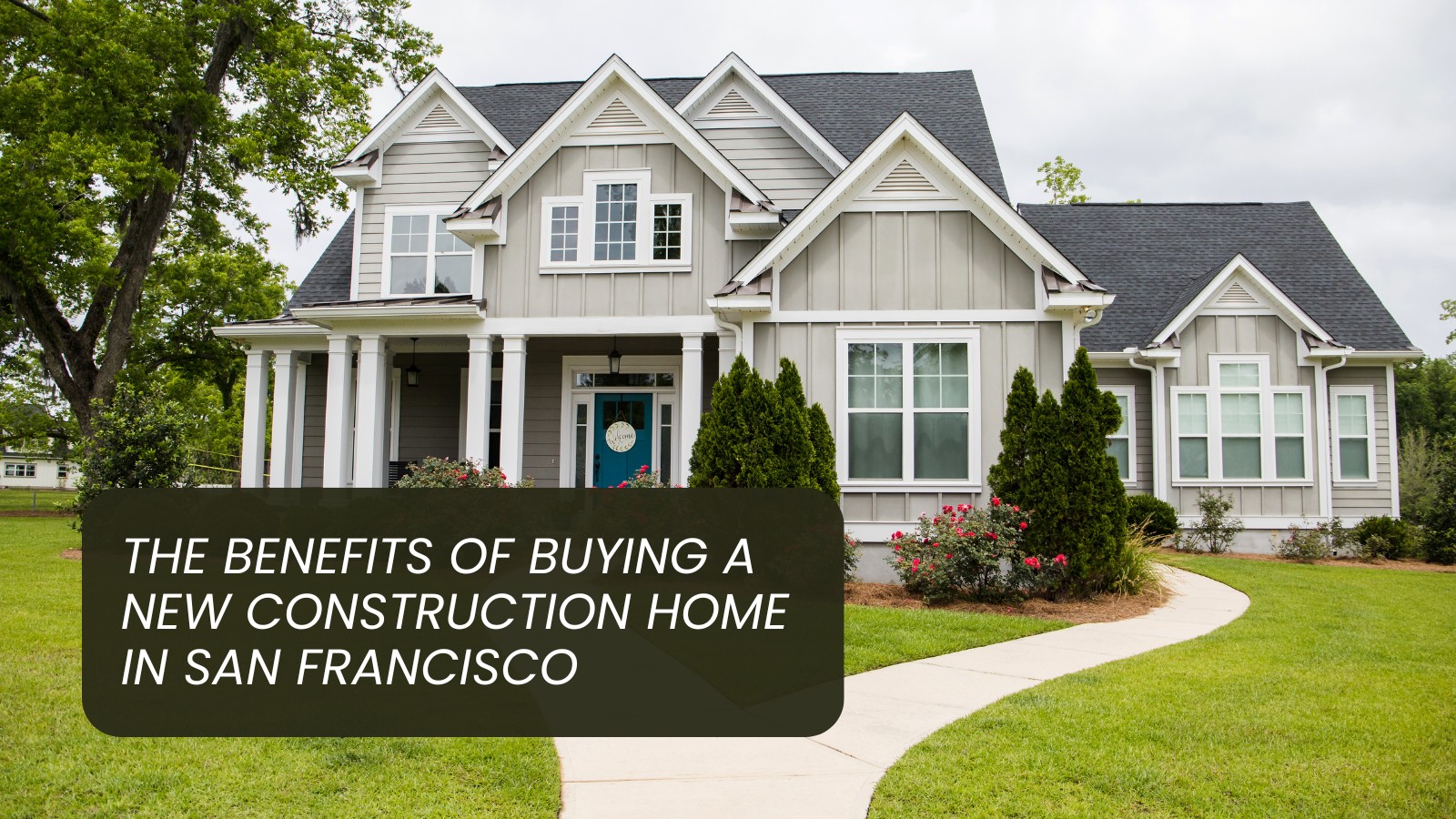
Are you thinking about buying a home in San Francisco? Perhaps you are wondering if a brand new home is a good choice. Maybe you are new to buying homes. Or it’s possible you have owned a home in California before. Either way, buying new construction in San Francisco has many good points. For instance, you get new styles and save energy. So, a new SF home can be a good purchase.
This guide talks about the main good things about choosing a new construction home in San Francisco. Additionally, we’ll explain how an experienced San Francisco real estate agent can help you. Indeed, they can help you make smart choices for your needs.
Why Pick a Brand New Home in SF?
When you buy a home, you usually have two main options. First, you can buy an older home. Or second, you can buy a brand new one. Older San Francisco homes can have a lot of charm. But new homes offer big benefits. These advantages can make your life better and also save you money.
-
New Styles & Your Own Choices in SF New Builds
New homes in San Francisco usually have several appealing qualities:
- They feature new building styles, so they look modern and current.
- Also, they often have roomy floor plans designed for how people live today.
- Plus, you’ll find new tech kitchens and baths with the latest lights, faucets, and finishes.
Furthermore, many SF builders let buyers pick some things before the home is built. For example, you might choose your own floors, cupboards, counters, and paint. This way, you can make it match your own style.
-
Saves Energy & Good for Earth (Meets Title 24 Rules)
New homes in California, including San Francisco, must meet strict Title 24 energy rules. This means they are built to save a lot of energy. Good things about this include:
- First, very good windows that keep heat in or out better.
- Second, energy-saving kitchen machines that use less electricity and gas.
- Third, better wall stuffing (insulation). This keeps your home warmer in winter and cooler in summer. As a result, this means lower energy bills for you.
In addition, in San Francisco, many new home projects include solar panels. And they often use earth-friendly building materials. So, this is great for buyers who care about saving energy and the planet.
-
Less Upkeep & Fewer Repair Costs
Buying an older San Francisco home can often mean paying for upkeep soon. For instance, you might need roof fixes or new pipes. In contrast, a newly built home needs very little care for the first few years. This is because everything is brand new, from the machines to the heating system. Consequently, this means you save money. And you have fewer surprise repair bills.
-
Built-In Smart Home Tech & Safety
New homes often come with smart home technology already in them. These can include:
- Smart heat and cool systems (thermostats).
- Also, locks that don’t need keys.
- Plus, security cameras or wiring for them.
- And smart lights you can control with your phone.
Indeed, these features make life easier. They also give you better safety. Furthermore, they can help save energy.
-
Peace of Mind: Builder Guarantees on SF New Homes
New construction homes in San Francisco usually come with builder guarantees (warranties). These warranties cover big parts of the home. For example:
- Pipes and electrical systems.
- Also, heating and cooling (HVAC) systems.
- And main building parts (like the foundation).
These guarantees can last from 1 to 10 years, or even more. Therefore, they give buyers extra safety. This also protects you from big surprise repair costs.
-
Possible Savings: Good Prices & Loan Deals (Check Carefully in SF)
San Francisco is a pricey market. But sometimes builders, especially for big projects, might offer special loan deals or other money help. This can happen during certain times in the market. These could be:
- Help with closing costs.
- Or cheaper mortgage rates from their suggested lenders.
- Maybe free or cheaper upgrades to the home.
However, in SF’s busy market, these deals might be less common. Or they might be very specific. That’s why an experienced real estate agent can help you find and check these chances.
Top SF Neighborhoods for New Homes (2025)
San Francisco is known for its old Victorian homes. But some areas have more new construction buildings. As of May 2025, here are neighborhoods to look at for SF new homes:
- Mission Bay: This is a newer area with modern condo buildings. Many have nice water views. It was built on old industrial land.
- Dogpatch: This area has a special mix of old factory style and new townhouses or condos. It’s also known for its artsy feel.
- SoMa (South of Market): This area has many tall condo buildings. They often have fancy extras (like gyms or pools). And they are close to tech offices and fun things to do.
- Bayview-Hunters Point: This part of the city is seeing a lot of new building. So, it often has new homes that cost less than in other SF areas.
Also, other places like Treasure Island are getting new homes. And smaller new projects pop up in many neighborhoods.
How an SF Real Estate Agent for New Homes Can Help
Buying a new construction home in San Francisco can be different from buying an older home. Therefore, an experienced San Francisco real estate agent who knows new buildings is a big help. Remember, the builder’s sales agent works for the builder, not for you. Your own agent, on the other hand, can:
- Speak Up For You: They can talk with builders about price (if possible), or about upgrades and the sales papers.
- Explain Builder Papers: These are often long. And they are different from papers for older homes.
- Give Market Info: They can tell you about different new projects. Plus, about builder reputations. And also any new projects coming soon.
- Connect with Lenders: They can help you find lenders with good loans for new homes. This includes any lenders the builder works with.
- Guide You During Building: If you buy before it’s finished, they can help you watch the progress. And help with any issues.
Final Thoughts: Is a New SF Home a Good Choice for You?
Overall, buying a newly built home in San Francisco offers many good things. You get new designs. And better energy savings. Plus, less upkeep at first. And also new technology. In addition, builder guarantees give you peace of mind. So, if you are thinking about moving or getting a new home in SF, looking at new construction properties could be a very smart idea.
Are you thinking about the benefits of a new construction home in San Francisco? Finding new projects, understanding builder contracts, and getting the right home needs special knowledge.
Contact Ms. San Francisco Real Estate today! Our team knows San Francisco’s new construction market well. And we can help you look at the newest projects. Plus, we can help you understand your choices. Most importantly, we will represent your best interests when buying a brand new home. Let’s find your perfect modern San Francisco place!
(Disclaimer): This information is for general help as of May 2025. It is not financial or legal advice. Market conditions, builder deals, and project details can change. Therefore, always talk with experts like financial advisors, lawyers, and your real estate agent.
Build SF Home Equity Fast: Easy Tips
San Francisco real estate costs a lot. Also, the market is very busy. Are you buying your first home? Or do you already own property? Either way, understanding how to build home equity in San Francisco is very important. This helps you get the most from your money. Because growing your equity builds your wealth. Plus, it gives you money power for other plans.
So, how can you grow equity fast in a pricey market like SF? Let’s look at some good ways.
What is Home Equity in SF?
Home equity is pretty simple. Basically, it’s the part of your home you truly own. Here’s how it works: Your Home’s Current Value – What You Still Owe on Your Loan = Your Equity.
You pay down your loan. Then, your equity grows. Also, if your home’s value goes up, your equity grows too. For SF homeowners, making smart money choices can mean big gains later on.
Good Ways to Build SF Home Equity Quickly
Here are ways to help your equity grow faster:
- Make a Bigger Down Payment
Want to start with more equity? Then make a bigger down payment when you buy. Home prices are high in San Francisco. So, try to pay 20% down or more if you can. This makes your loan smaller. And it boosts your equity right away. Plus, you might not need to pay for PMI (Private Mortgage Insurance).
- Make Extra Loan Payments
Pay extra on your main loan amount (principal) each month. This way, your loan balance goes down faster. So, this speeds up equity growth. Even small extra payments made often can help a lot over time.
- Pick a Shorter Loan Time
Choose a 15-year loan instead of a 30-year one. Then, your monthly payments will be higher. But you pay off the loan much faster. And you build equity more quickly. This is because more of your payment pays down the main loan. So, you pay less interest money.
- Smart Home Fix-Ups for More Value (High ROI)
Not all home fixes add the same value. Want to grow equity with SF renovations? Then focus on fixes that give a good return on your money spent (ROI). For example:
- Kitchen Fixes: New appliances, counters, and cupboards usually add good value.
- Bathroom Fixes: New taps, lights, or tiles can make bathrooms look much better. And this can raise your home’s value.
- Energy Fixes: Solar panels or new energy-saving windows are good in SF. Smart home controls (like thermostats) also help. These can make your home worth more. Plus, check for California energy rebates to save money.
- Add More Space (like an ADU): Making your home bigger can help a lot. For instance, build an ADU (Accessory Dwelling Unit – a small extra home on your property). This can greatly raise your property’s value in San Francisco. It might also bring in rent money. But always check current SF ADU rules with the city planning office first.
Location is Key in San Francisco
In San Francisco, location really matters for property value.
- Popular Areas: Good, well-liked neighborhoods often see steady equity growth.
- Growing Areas: Buying in areas that are getting better can sometimes mean faster value growth. (As of May 2025, places like the Mission District, Dogpatch, and parts of the Outer Sunset are active. But you must do careful research.)
Watch SF Market Trends (2025)
Want to make smart choices for equity? Then watch San Francisco real estate market trends. Look at:
- Interest Rates: These (as of May 2025) affect how much loans cost. And if people can afford to buy homes.
- Home Supply: Are many homes for sale? Or are there few? This changes prices. So, check new SF housing market reports.
- Local Economy: SF’s job market and tech industry also affect home demand.
An experienced San Francisco real estate agent can help you understand these trends.
Refinance Ideas to Help Equity Grow
Refinancing your loan can sometimes help build equity faster. Mainly, this works if you can lower your interest rate or shorten your loan time.
- Lower Interest Rate: If current rates are lower than your loan’s rate, think about refinancing. Then, you could pay less each month. Or you could pay more on your main loan amount, building equity faster.
- Shorter Loan Time: You can change from a 30-year loan to a 15-year one. Then, you build equity much faster. But your monthly payments will be higher.
- Be Careful with Cash-Out Refi: A “cash-out” refinance lets you take money out from your equity. But it makes your loan bigger. So, it actually lowers your equity stake. If you do this, use the money smartly. For example, for good home fixes that add value.
How an SF Real Estate Agent Can Help
A good San Francisco real estate agent is a big help for building equity. For instance, they can:
- Find SF neighborhoods where home values might grow well.
- Suggest smart home fixes that give good ROI in SF.
- Connect you with good lenders for buying or refinancing.
- Help find homes priced well. Or homes with potential to add an ADU.
Mistakes to Not Make When Building Equity
Try to avoid these common problems:
- Fixing Up Too Much: Very fancy updates might not get all your money back if they don’t fit the neighborhood.
- Ignoring the Market: Buying or selling at the wrong time can hurt your equity growth.
- Not Caring for Your Home: If you don’t keep up your home (roof, plumbing), its value can drop. And you might have big repair bills later.
- Thinking Only Short-Term: Building a lot of home equity usually takes time. This is especially true in a market like San Francisco.
Final Thoughts: Growing Your SF Real Estate Money
Building home equity in SF’s busy market needs smart money moves. Also, you need to know about SF market trends. And you should do good home improvements. Pick the right spot. Make smart fixes (like an ADU). Manage your loan well. Then, your home’s value and your personal money can grow a lot over time.
Ready to make your San Francisco home equity grow faster? Maybe you want to buy your first home. Or perhaps you want to plan smart fix-ups. Or even look at investment chances. Whatever your goal, knowing how to build equity well is key.
Contact a local San Francisco real estate expert today! We can give you personal advice on today’s market. Plus, we can suggest good improvements for your home. And we can share ways to help you build wealth through San Francisco real estate. Let’s make your equity-building plan together!
(Disclaimer): This guide gives general information only. It is not financial or legal advice. Rules and market conditions can change. Therefore, always talk to a qualified financial advisor, real estate agent, and (if needed) a lawyer about your own specific situation.
SF Investing: Single-Family Home or Multi-Unit? (2025 Guide)
San Francisco is a top real estate market. So, many San Francisco real estate investors want to buy here. They want to make good money. Maybe you are new to investing. Or perhaps you have done it a lot. Either way, choosing property in SF needs careful thought. You can pick single-family homes. Or you can pick multi-unit buildings. Each type has good things. And each type also has bad things. Therefore, it’s important to know the differences. This helps you match your choice to your investment goals.
Investing in SF Single-Family Homes: What to Know
Single-family homes (SFHs) are usually just one house on a property. Investors often buy them. Then, they rent them out. SFHs are often easier to manage. So, they can be a good start for new investors in San Francisco. Multi-unit properties, on the other hand, are often harder to manage.
Good Things About SF Single-Family Homes
- Easier to Manage: Usually, you only have one tenant or family. So, daily tasks are simpler. For example, collecting rent is easier.
- Value Often Goes Up More: In popular SF areas, SFHs often go up in value faster than multi-units. This means you can often sell for a higher price later.
- Lower Starting Costs (Usually): SFHs generally cost less to buy at first than multi-unit properties. So, the down payment might be smaller too.
- Easier to Get Loans: Lenders often give better loan deals for SFHs. Because they usually see less risk with single homes.
- More Buyers When You Sell: When it’s time to sell, many types of buyers want SFHs. This includes people who will live there and other investors.
Hard Parts of SF Single-Family Homes
- Less Rent Income: You only get rent from one tenant. So, your total rental income is limited.
- Risk of Empty Home: If your tenant leaves, the home is 100% empty. Then, you get no rent money until you find a new tenant.
- Harder to Grow Income: Want more rent money from SFHs? Well, you need to buy more houses. This takes more time, more money, and more work.
Investing in SF Multi-Unit Properties: What to Know
Multi-unit properties have more than one rental unit in a single building. For example, these can be duplexes (2 units) or triplexes (3 units). Or they can be larger apartment buildings. These properties can often make more money. But they are usually harder to manage.
Good Things About SF Multi-Unit Properties
- More Rent Income Possible: More units mean more tenants. So, you can often make more total rent money. This can lead to better cash flow in San Francisco.
- Less Risk if One Unit is Empty: If one tenant moves out, you still get rent from the other tenants. So, your money flow is often steadier.
- Save Money on Fixes (Sometimes): Fix-up costs per unit can be lower. Because if you fix the roof, it helps all units at once.
- Good for Long-Term Income: Multi-units in popular places like SF can give steady income. And they often go up in value over time.
- Less Risk From One Bad Tenant: Your income doesn’t depend on just one tenant paying rent.
Hard Parts of SF Multi-Unit Properties
- Higher Starting Cost: Multi-units usually cost more to buy. Also, you often need a bigger down payment. Plus, buildings with 5+ units often need special “commercial” loans.
- Harder to Manage: Handling many tenants, leases, and fixes takes more time. So, many SF investors hire SF property management companies. But this is an extra cost.
- Loans Can Be Harder: Getting loans for multi-units can sometimes be more difficult. Because lenders might see them as a bigger risk than single homes.
- Tenants Might Leave More Often: People in apartments might move more often than people in houses. So, units can be empty more often. This means you have costs to find new tenants.
- SF Rent Control Rules: This is a big one. San Francisco’s Rent Ordinance has strict rules for most multi-unit buildings. These rules affect how much you can raise rent. And they control evictions (you need a “just cause”). This can make it hard to earn a profit. (You can find more info on the SF Rent Board website). However, some newer SFHs might have fewer rent control rules.
Which SF Investment is Right for You in 2025?
What’s the best choice? Well, it depends on your budget. And your investment goals (like wanting cash now vs. value growth later). Also, think about how much time you have. And how much risk you are okay with.
-
SF Single-Family Homes might be best if:
- You are new to SF real estate investing. Or you want something easier to manage.
- Also, if your main goal is for the property value to grow over many years.
- Or if you prefer lower costs to start. And maybe easier loans.
- Plus, if you might want to live in the property later. Or sell it to someone who will.
-
SF Multi-Unit Properties might be best if:
- You want to get the most rental income and cash flow each month.
- And you are ready for more management work (or can pay for help).
- Also, if you want to grow your investments faster with one big purchase.
- And importantly, if you understand and can handle SF Rent Ordinance rules.
Also, think about these SF factors (as of May 2025):
- Neighborhood: Some SF areas have mostly SFHs (like parts of the Sunset or Richmond). But other areas have more multi-unit buildings (like the Mission, Nob Hill, or Marina). So, research SF real estate market trends for the areas you like.
- Local Market: Is demand higher for single-family rentals? Or for units in multi-family buildings in your target area?
- Your Risk Comfort: Think about the risk of empty units. Also, think about rent control rules. And how much management work you want to do.
In Summary: Picking Your SF Investment
Both single-family homes and multi-unit properties can be good SF real estate investments. It just depends on your goals. And how much work you want to do yourself.
Are you new to investing? Or do you want less hands-on work? Then a single-family home might be your best choice. Do you have experience? And do you want to make more income each month? Then multi-unit properties could be better. But be ready for more work, or to pay for management. And also be ready for SF Rent Control.
Ready to explore San Francisco investment property choices? Or do you need expert advice for your specific goals? The San Francisco market is special. And finding success here often needs local expert help.
So, contact Ms. San Francisco Real Estate today for a personal consultation. Our experienced team can help you look at single-family vs. multi-unit options. Plus, we can explain current market conditions. And we can help find investments that match your money goals. Let us help you build your San Francisco real estate portfolio!
(Disclaimer): This guide gives general information only. It is not financial or legal advice. Laws and rules can change. Therefore, always talk to a qualified California real estate lawyer and your real estate agent about your own situation.
Easy San Francisco Home Updates on a Budget (2025 Tips)

Updating your home in San Francisco doesn’t need to cost a lot. First, good planning helps. Also, using a smart way helps too. So, a San Francisco home update on a budget is definitely possible. Now, the trick is to focus on changes that make a big impact. Plus, find ways to save money. But don’t lose quality. Therefore, here are useful ideas. Indeed, they can help you get a great SF budget fix-up. And you won’t spend too much.
-
Plan Smart: Check & Pick Your SF Budget Update Needs
Before any SF home improvement, first check your home. Then, see which areas need the most work. For example, is it your kitchen? Or your bathroom? Perhaps the living spaces? So, focus on fixes and upgrades, because these should give good results. And they should also improve your daily life. For instance, this could be new paint. Or it could be new lights. Or even just making your home look better.
Next, make a clear list of what’s most important. Then, stick to that list. Because this stops the project from getting too big. And also it stops costs you didn’t plan for.
-
Save Big with DIY: Easy Fixes for SF Homeowners
Want to lower your SF update costs? Well, do some work yourself (DIY), because many tasks are easy to do. So, you don’t always need to hire a pro. For example, you can do things like:
- Painting walls or trim.
- Also, putting new handles on cabinets.
- Plus, small fixes, like a leaky faucet (if you know how).
- And even building flat-pack furniture or shelves.
Consequently, doing these yourself saves a lot of money. In addition, you can learn DIY skills online. For instance, look for home fix-up videos. Or you could try local workshops.
-
Find Cheaper Materials: Smart Shopping in SF
Good materials can improve your home’s look. And they don’t have to cost a lot. So, for your affordable SF home updates:
- First, look for sales. Also, watch for discounts at big stores. Or check local suppliers.
- Next, try used or salvaged items. Because you can find great deals on things like cabinets, doors, or old lights/faucets. For example, look at:
- Local salvage yards in the Bay Area.
- Also, thrift shops.
- And online sites like Craigslist or Facebook Marketplace.
- Finally, Habitat for Humanity ReStores [Link to Bay Area ReStores]. Indeed, these stores sell new and used items cheaply, like furniture and building supplies.
-
Hire Smart: Picking the Right SF Contractor
Need to hire a contractor for your SF update? Well, don’t just pick the cheapest one. Instead, focus on their skill and experience. Because this helps avoid expensive mistakes later. Also, a good contractor can help you pick money-saving materials. Plus, they might suggest good ways to lower labor costs.
- So, get many prices. For example, talk to at least three contractors.
- Also, check licenses. Make sure they are licensed in California (CSLB) (Link to CSLB). And ask if they have insurance.
- Then, read reviews. Get references too. Because you want to look for good, honest, and skilled workers.
- Finally, get a clear contract. It should list all work, materials, time, and costs.
-
Reuse & Refresh: Use What You Have in Your SF Home
A budget SF fix-up doesn’t always mean all new things. So, think about reusing what you already have.
- Floors: For example, many older SF homes have original wood floors. These can often be refinished. And this costs less than new floors.
- Cabinets: Don’t want to buy new kitchen cabinets? Then paint your old ones. Or you could add new handles. Indeed, this saves a lot of money.
- Furniture: Also, give old chairs or sofas new life. You can do this with fresh fabric.
-
Improve Curb Appeal Cheaply: Smart Outside Updates for SF Homes
Making your home look good from the outside doesn’t need to be pricey. In fact, small changes make a big impact.
- For instance, plant flowers. Or add potted plants.
- Also, paint your front door a nice color.
- Plus, wash the outside walls or paths.
- And get new house numbers. Or a new mailbox.
- Finally, trim big bushes. And keep the yard tidy.
Also, know this: A nice-looking outside can raise your home’s value. This is good if you plan to sell later on.
-
Paint Power: Cheap Way to Change Your SF Inside Look
Fresh paint is a very cheap way to make a big change. So, look for good, low-cost paint brands.
- Walls & Ceilings: Indeed, new paint makes a room feel fresh.
- Cabinets & Furniture: Also, paint can update old pieces.
- Color Choice for SF Homes: San Francisco homes can be small. So, lighter paint colors often work well. For example, whites, light grays, or soft blues. Because these can make rooms feel bigger and brighter.
-
Low-Cost Flooring: Stylish & Cheap Choices for SF
Are your floors old? Then think about these cheaper flooring options:
- Luxury Vinyl Plank (LVP) or Tile (LVT): These are strong. And they resist water. Plus, they are easy to install. Furthermore, they can look like wood or stone.
- Laminate: This is another money-saving choice that looks like wood.
- Sheet Vinyl or Tile: These are great for bathrooms and kitchens if money is tight.
- Peel-and-Stick Tiles: This is an easy DIY way to update floors fast. For instance, in kitchens or bathrooms.
- Refinish Wood Floors: Again, if you have old wood floors, fixing them up is often the best value.
-
Bright Ideas: Cheap Lighting Fixes for Your SF Home
New lighting can totally change a room’s feel. So, updating lights is a cheap way to refresh your space.
- For example, look for low-cost lights, like pendant lights, sconces, or LED lights.
- Also, put in dimmer switches. Because these let you control the light. And they save energy.
- Plus, switch to LED bulbs everywhere. Because this will lower your energy bills.
-
Smart Shopping: Talk About Prices for Materials & Work
When buying materials or hiring help, don’t be afraid to talk about the price (politely!).
- For instance, many stores give discounts if you buy a lot.
- Also, ask contractors if they can lower their price. Or if they have money-saving ideas.
- And always ask about sales or special deals.
-
Make the Most of Small Spaces: Smart Storage for SF Homes
Living space is often tight in San Francisco. So, smart storage is key.
- For example, use High Space: Try tall shelves. Or put shelves above doors or cabinets.
- Also, use Hidden Areas: Build storage under stairs. Or use under-bed boxes.
- Plus, try Furniture That Does Two Things: Think about ottomans that store things. Or a coffee table that becomes a desk.
- And use Closet Organizers: These help use closet space well.
Indeed, these ideas help keep your home neat. And they don’t need big, costly changes.
-
Save on Bills & Add Value: Budget Energy Fixes in SF
Making your home use less energy saves money on bills. Plus, it can raise your home’s value.
- Insulation: First, check the stuffing in your walls or attic. Add more if needed.
- Seal Gaps: Next, use seals (weather stripping) or caulk around windows and doors. Because this stops drafts.
- Energy-Saving Appliances: Then, when you buy new ones, pick Energy Star models. This includes low-flow toilets and showerheads.
- Check for Rebates: Importantly, look for rewards or money back for energy-saving updates. Because California, PG&E, and Bay Area programs like BayREN often give these. [Link to PG&E Rebate] and [Link to BayREN]
Conclusion: Your Budget-Friendly SF Home Update
Updating your San Francisco home on a budget is about smart choices. Also, focus on big-impact changes. And save money in creative ways. So, with good planning, some DIY work, and patience, you can make your home beautiful and useful. And you can do it without spending too much.
Always get expert advice when you need it. (For example, for electrical, plumbing, or building work). Finally, think about the long-term value. And also think about the money you save from your improvements. Good luck!
