
 Facebook
 X
X
 Pinterest
 Copy Link
Do You Need an Appraisal for a Cash Sale in San Francisco?

Do You Need an Appraisal for a Cash Sale in San Francisco?
Author: Ms San Francisco Real Estate | Last Updated: November, 2025
San Francisco has a unique real estate market. In fact, it is famous for high prices. Additionally, transactions happen very fast here. Because of this, homeowners often have questions. Specifically, they wonder about appraisals.
Do you need an appraisal for a cash sale? Generally, the short answer is “no.” However, the full answer depends on your goals. Therefore, the decision is not always simple.
To help you, Ms. San Francisco Real Estate explains the process. Below is a simple guide on appraisals and cash sales.
🏠 What Is a Home Appraisal?
A home appraisal is a professional test. Basically, it evaluates your property’s value. Specifically, a licensed appraiser performs it. Then, they create a detailed report.
The appraiser looks at several key factors. For example, they check:
- Location: They look at your specific neighborhood. For instance, is the home in Noe Valley or the Sunset District?
- Size: The total square footage matters. Also, the layout is important.
- Condition: They examine the home’s state. Furthermore, they look for recent upgrades.
- Comps: They research nearby sales. Similarly, they compare your home to others.
- Market Trends: Finally, the overall market health affects the price.
Typically, buyers need appraisals for mortgages. In other words, lenders require them. However, cash buyers are different.
💰 Is an Appraisal Required for a Cash Sale?
Technically, the answer is no. Since a cash sale does not involve a bank, rules change. Therefore, no lender requires an appraisal. Thus, you have more freedom.
However, you might still want one. In reality, an appraisal helps both buyers and sellers. Here is why it can be valuable:
1. Accurate Market Value
First, you need a baseline. Essentially, an appraisal shows the home’s true worth. Consequently, you understand the value before selling.
2. Justify Your Price
Secondly, data provides proof. For example, the report justifies your asking price. As a result, you can avoid low offers. Indeed, this is vital when dealing with aggressive investors.
3. Legal Reasons
Furthermore, some deals are complex. For instance, divorce settlements often require appraisals. Additionally, estate divisions (probate) need them for tax purposes.
4. Investment Checks
Finally, investors are careful. Usually, they order appraisals. Basically, they want to verify their potential profit.
📊 Alternatives to a Formal Appraisal
Unfortunately, appraisals take time. Also, they cost money. Fortunately, there are faster options.
Here is a comparison of your choices:
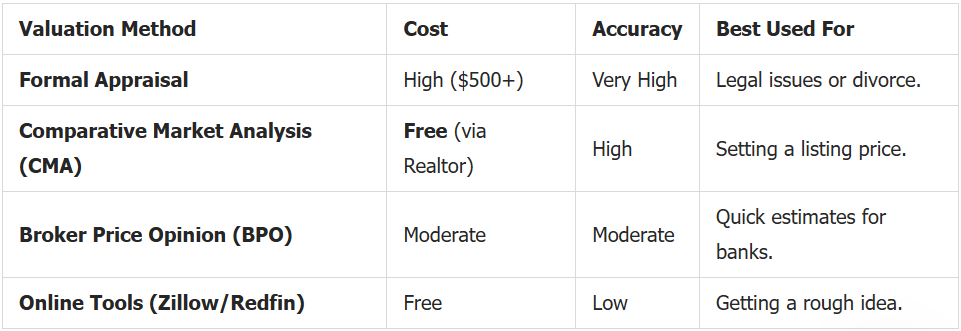
Why Choose a CMA?
Often, a Comparative Market Analysis (CMA) is best. Specifically, a local expert creates it. For instance, Ms. San Francisco Real Estate uses real-time data. Unlike online tools, a CMA looks at local details. Therefore, it is more reliable.
🤝 Work with a San Francisco Expert
Undoubtedly, selling for cash requires skill. Therefore, you need an expert. Whether you want a quick sale or a high price, we can help.
Ms. San Francisco Real Estate has over twenty years of experience. We provide:
- Market Insights: First, we use up-to-date data.
- Custom Strategies: Next, we help you sell efficiently.
- Cash Buyers: Moreover, we connect you with verified investors.
- Expert Advice: Finally, we guide you on pricing and closing.
Final Thoughts
In summary, cash sales do not mandate appraisals. However, knowing your value is key. Otherwise, you might lose money.
Ms. San Francisco Real Estate protects your interests. So, contact us today. Ultimately, let us help you get the best result.
FSBO San Francisco: Can You Sell Your Home Without a Realtor?

Selling Without a Realtor in San Francisco: Pros & Cons
Author: Ms San Francisco Real Estate | Last Updated: November, 2025
Do you own a home in San Francisco? Are you planning to sell it? You might wonder if you need a realtor.
Everyone wants to save money. Therefore, selling the home yourself seems smart. However, the work is hard. It is often harder than people think. Selling without an agent is called “For Sale by Owner” (FSBO). In reality, this choice has both good and bad points.
To help you, Ms. San Francisco Real Estate explains the details. Here is a simple guide for you.
Why Sell Alone?
Many owners decide to sell alone. Primarily, they want to save cash. They want to avoid high agent fees. Also, they feel ready to do the work.
San Francisco has a busy housing market. Because of this, sellers think finding a buyer is easy. However, selling is not simple. Specifically, it is tough if you do not know the market.
Before you decide, look at the pros and cons.
✅ Pros of Selling Without a Realtor
First, let’s look at the benefits. Here is why people sell FSBO in San Francisco.
1. You Save Money
First, the main benefit is savings. Agents charge fees. In San Francisco, this fee is high. It is often 5% to 6% of the sale price.
For example, imagine selling a home for $1.5 million. If you sell alone, you save thousands. Consequently, you keep more profit.
2. You Have Control
Secondly, you are the boss. You control the whole process. For instance, you set the price. Also, you choose how to market the home. Finally, you decide when to say “yes” to an offer.
3. Direct Talk with Buyers
Additionally, you talk directly to buyers. There is no middleman. Therefore, you can answer questions fast. In fact, friendly talks help the deal. You build trust quickly.
4. You Know Your Home
Most importantly, you know the house best. Since you live there, you know its secrets. You know why the neighborhood is great. Thus, you can show buyers the best details.
⚠️ Cons of Selling Without a Realtor
On the other hand, there are risks. Below are the bad points of selling alone.
1. Pricing is Hard
Setting the right price is tricky. Unfortunately, many owners get this wrong. If the price is too high, buyers stay away. Conversely, a low price loses you money.
In contrast, agents use data. They look at recent sales. Thus, they pick the perfect price.
2. Less Marketing
Typically, agents use the “MLS” system. This puts your home on many websites. However, FSBO sellers use free sites. They often use Zillow or Craigslist.
Consequently, fewer people see your home. As a result, it might take longer to sell.
3. Legal Paperwork
Furthermore, selling involves complex contracts. For example, you must follow strict laws. California has many rules. Sadly, one mistake can cause trouble.
To avoid this, agents check the forms. They ensure everything is correct. Otherwise, you risk a lawsuit.
4. Negotiation is Stressful
In addition, buyers have agents. These agents negotiate daily. Meanwhile, you must argue the price yourself.
For this reason, it can feel scary. An expert knows how to fight for you. Without one, you might lose money.
5. It Takes Time
Finally, selling is a lot of work. You must handle calls and tours. In reality, it is like a full-time job. If you work, this adds stress.
⚖️ When Should You Sell Alone?
Generally, selling alone works in some cases. For instance:
- First, you already have a buyer.
- Second, you know real estate laws.
- Third, your home is in a hot area.
- Finally, you have lots of free time.
Even if you sell alone, ask for help. Specifically, talk to an expert about the price.
How Ms. San Francisco Real Estate Can Help
Fortunately, we can help you. Ms. San Francisco Real Estate supports all owners. Whether you sell alone or with us, we are here.
Our services include:
- Free Reports: We tell you the home’s value.
- Expert Help: We find you appraisers.
- Cash Offers: Also, we can buy your home for cash.
- Marketing: We find buyers fast.
Final Thoughts
Selling without a realtor has pros and cons. On one hand, you save on fees. On the other hand, it takes hard work.
Ms. San Francisco Real Estate is here to guide you. Whether you want to try FSBO or hire an agent, call us. Contact our team today for help.
Certified Real Estate Appraiser San Francisco, CA: The Complete 2025 Guide

Certified Real Estate Appraiser San Francisco, CA: The Complete 2025 Guide
Author: Ms San Francisco Real Estate | Last Updated: November, 2025
Are you planning to buy, sell, or refinance in San Francisco? If so, you first need to know your home’s true value. A wrong estimate can cost you a lot of money. Therefore, a certified real estate appraiser in San Francisco is key. In fact, they give you the expert advice you need to make good choices.
To help with this, the team at Ms. San Francisco Real Estate connects you with licensed appraisers. Moreover, these experts truly understand the San Francisco market, from Pacific Heights to the Sunset District.
What Does a Certified Real Estate Appraiser Do?
A certified real estate appraiser is a licensed expert, and their main job is to find out a property’s fair market value. To do this, they give an honest opinion based on facts. Generally, the process involves a few important steps:
- First, they inspect the property. Here, they look at the home’s size, condition, and special features.
- Next, they analyze the location. For example, they check the neighborhood and how close it is to parks and shops.
- In addition, they review any upgrades, like a new kitchen or other recent improvements.
- Finally, they use comparable sales. This means they study recent sales of similar homes nearby to set a current value.
As a result, an accurate appraisal helps you avoid overpaying for a home or underpricing it when you sell.
When Do You Need a Home Appraisal in San Francisco?
So, when will you need a professional appraisal? In reality, it’s required for many situations. Here are the most common times you’ll need one in San Francisco.
1. Selling Your Home
When you are selling your home, an appraisal gives you an accurate value. Consequently, you can set the right asking price. Furthermore, an appraiser can suggest upgrades to increase your home’s value before you list it.
2. Buying a Home
If you are buying a home, an appraisal makes sure you pay a fair price. Also, lenders almost always require it. This is because they need to confirm the home is worth the loan amount.
3. Refinancing a Mortgage
Similarly, when you refinance, your lender needs an appraisal to check your home’s current value. For instance, a good refinance appraisal in San Francisco can show your home is worth more now. Because of this, you could get a better interest rate.
4. Legal and Financial Matters
Appraisals are also very important for legal reasons. For example, they are used in divorce cases or for estate planning. Ultimately, their fair and honest values help make sure property is divided correctly.
How Appraisers Determine Property Value in San Francisco
In San Francisco, appraisers use three main ways to find a property’s value.
- Sales Comparison Approach: This is the most common way. Specifically, the appraiser compares your home to similar homes that sold nearby.
- Cost Approach: This method figures out value by looking at the cost to build the same home today, minus any wear and tear.
- Income Approach: Lastly, this is for rental properties. It bases the value on how much income the property can make.
Because San Francisco has many different types of homes, appraisers often use a mix of these methods.
How Much Does a Home Appraisal Cost in San Francisco, CA?
Now, how much does a home appraisal cost in San Francisco? It usually costs between $600 and $1,200. However, the final price depends on your property. For instance, a bigger or more complex home will cost more, since it requires more research.
Ms. San Francisco Real Estate works with certified appraisers who offer clear pricing and great service.
How to Prepare for a Home Appraisal: A Checklist
You can definitely help get a better appraisal result. To do this, just prepare your home ahead of time.
- First, clean and declutter. After all, a clean home looks bigger and well-cared-for.
- Next, finish small repairs. For example, fix a leaky faucet or replace a broken light.
- Also, make a list of your upgrades. Write down all the improvements you have made, with dates and costs. Then, give this list to the appraiser.
- After that, provide full access. Make sure the appraiser can easily see every room, including the garage and attic.
- Finally, share neighborhood info. If you know about recent home sales nearby, you can share that information.
In short, a little preparation can make a big difference in your final appraisal value.
Frequently Asked Questions (FAQ)
1. What is the difference between an appraisal and a CMA?
An appraisal is a legal valuation done by a licensed appraiser for a bank. On the other hand, a CMA is an informal estimate that a real estate agent creates to help you pick a listing price.
2. How long does a home appraisal take?
The appraiser’s visit is short, usually 30-60 minutes. After that, they research your area and write the report. As a result, getting the final report can take a few days to a week.
3. What can I do if the appraisal comes in low?
First, check the report for mistakes. For example, did they miss an upgrade? If so, you can ask your lender to challenge the appraisal. This is called a “Reconsideration of Value.”
Connect with a Top San Francisco Appraiser
The San Francisco real estate market can be tricky. Therefore, you need experts you can trust. That is why Ms. San Francisco Real Estate helps you through every step. Our team can:
- Connect you with a trusted, certified appraiser in San Francisco.
- Help you find your property’s value before you sell.
- Explain your appraisal report and what to do next.
In essence, we offer the expert help you need for a smooth real estate deal.
For a great connection to a top-rated, certified real estate appraiser in San Francisco, CA, contact Ms. San Francisco Real Estate today. Let us help you reach your goals with confidence.
Best Neighborhoods for High Home Value Appreciation in San Francisco [2025 Guide]

The Best Neighborhoods for High Home Value Appreciation in San Francisco (2025 Guide)
Author: Ms San Francisco Real Estate | Last Updated: November, 2025
The San Francisco real estate market is a top choice for smart investors and homebuyers, largely because the city is famous for its beautiful views, strong economy, and unique culture. As a result, San Francisco remains one of the most popular housing markets in the country.
Knowing which neighborhoods have the best potential for home value growth is key. Consequently, buyers, sellers, and investors can make smart, profitable choices. To help with this, the 2025 guide from Ms. San Francisco Real Estate offers expert advice on the city’s top neighborhoods and investment strategies.
(H2) What’s Driving San Francisco’s Real Estate Appreciation in 2025?
The San Francisco housing market continues to be valuable and competitive. In fact, several key factors are pushing home values higher.
- Limited Housing Supply: San Francisco is a small city, so there isn’t much room to build new homes. This scarcity, in turn, creates intense demand for the houses that are available. Therefore, prices continue to rise.
- Powerful Job Market: The city is a global hub for big tech companies and startups. As a result, this strong job market attracts many high-earning professionals who want to buy homes.
- Unmatched Lifestyle: Above all, San Francisco offers a wonderful quality of life. For instance, it has walkable communities, amazing food, and ocean views. This makes it a very appealing place to live.
- Proven Long-Term Investment: Historically, San Francisco real estate has shown steady growth. In fact, it has performed well through many market cycles. For this reason, it is seen as a safe and stable investment.
Top 5 San Francisco Neighborhoods for Investment & Appreciation
Based on current market data and growth trends, these five neighborhoods are excellent choices for home value appreciation.
1. Noe Valley
Noe Valley is a perfect area for families, known for its sunny weather and lovely Victorian homes. In addition, it blends city life with a small-town feel. For this reason, it is very popular with tech workers and families, which in turn helps property values grow steadily.
- Median Home Value (Est.): $2.3 Million
- Projected Appreciation: Strong & Stable
- Why It Appreciates: Great schools, easy access to tech shuttles, and a friendly, walkable shopping district.
2. Bernal Heights
Bernal Heights was once a hidden gem, but now it’s a very popular neighborhood. It offers amazing city views and has a strong community feel. As a result, property values keep climbing as more people seek a peaceful life in the city.
- Median Home Value (Est.): $1.75 Million
- Projected Appreciation: Very Strong
- Why It Appreciates: Lots of parks and green space, a mix of home styles, and a close-knit community vibe.
3. The Mission District
The Mission District is the cultural center of San Francisco, famous for its colorful murals and exciting energy. Furthermore, the area is seeing more new, upscale condos. For all these reasons, it has become a prime spot for long-term growth.
- Median Home Value (Est.): $1.5 Million
- Projected Appreciation: Strong
- Why It Appreciates: Popular with young professionals, great nightlife, and it’s close to downtown.
4. Pacific Heights
Pacific Heights is the peak of luxury living in San Francisco. This area has huge, historic mansions and incredible bay views. However, it’s more than just beautiful; it consistently ranks as a top neighborhood for long-term investment.
- Median Home Value (Est.): $4.5 Million+
- Projected Appreciation: Strong & Stable (Blue-Chip Investment)
- Why It Appreciates: A prestigious reputation, stunning homes, and an excellent, central location.
5. The Inner Sunset
The Inner Sunset is growing in popularity because it offers a great location at a slightly more affordable price. Specifically, it is close to UCSF, Golden Gate Park, and many local shops. Naturally, this convenience has caused property values to grow a lot in recent years.
- Median Home Value (Est.): $1.6 Million
- Projected Appreciation: Very Strong
- Why It Appreciates: High demand from buyers who want a good balance of work, fun, and community.
Simple Strategies to Maximize Your San Francisco Home Value
Even in a strong market, you can take steps to increase your home’s worth.
- Focus on Smart Renovations: For example, modern kitchen and bathroom updates often provide the highest return. Also, flexible work-from-home spaces are very valuable to buyers today.
- Boost Curb Appeal: First impressions are important. Therefore, a well-kept exterior with fresh paint and nice landscaping can make a big difference.
- Highlight Your Location: In your property listing, be sure to mention nearby parks, cafes, and transit stops.
- Get a Professional Appraisal: A certified appraiser can give you an accurate estimate of your home’s value. In turn, this helps you set the right price when you decide to sell.
Frequently Asked Questions (FAQ) about SF Real Estate Investment
Is San Francisco real estate still a good investment in 2025?
Yes, absolutely. Even when the market changes, San Francisco remains a great long-term investment. This is because the city has a limited housing supply, a strong economy, and is a very desirable place to live.
Which San Francisco neighborhood is best for first-time homebuyers?
While the market is tough, some neighborhoods can be more accessible. For instance, the Inner Sunset, Outer Richmond, and parts of Bernal Heights are good places to start looking. Plus, they also offer strong growth potential.
How much do I need for a down payment in San Francisco?
Typically, a 20% down payment is best, since it helps you avoid extra insurance costs and makes your offer stronger. However, other loan programs are available. Therefore, you should talk to a mortgage professional to learn more.
Your Next Move in the San Francisco Market
In short, investing in San Francisco real estate is a great way to build long-term wealth. By focusing on the right neighborhoods, you can make a confident and strategic decision.
For expert help, contact Ms. San Francisco Real Estate. Indeed, she is your trusted agent in San Francisco, CA, and her 20 years of experience can help you reach your property goals in this exciting market.
Appeal a Low Appraisal in San Francisco: A Seller’s 2025 Guide

How Sellers Can Successfully Appeal a Low Appraisal in San Francisco
Author: Ms San Francisco Real Estate | Last Updated: November, 2025
A low home appraisal can stop a home sale cold, even after you and a buyer have agreed on a price. This is because lenders rely on appraisals to confirm a property’s value before approving a loan. Therefore, when an appraisal comes in below the sale price, it creates a financing gap. As a result, sellers often face a tough choice. For instance, you may have to renegotiate the price, hope the buyer can pay the difference, or put your home back on the market.
As your trusted San Francisco real estate agent, Ms. San Francisco Real Estate is here to explain the process. In this guide, we’ll cover the common reasons for low appraisals. Additionally, we’ll give you a step-by-step plan to challenge a low valuation and protect your home’s true worth.
Why San Francisco Home Appraisals Can Be Tricky
A home appraisal is an expert’s unbiased opinion of a property’s fair market value. Specifically, it is always done by a state-licensed appraiser. Indeed, lenders need this report to make sure they aren’t lending more money than a home is worth.
However, San Francisco has a very active housing market. There is limited inventory, for example, and there are often bidding wars. Because of this, appraisals can sometimes fall behind the fast-changing prices. This is because when prices rise quickly, the most recent sales data might not reflect it. Consequently, an appraisal can undervalue your home, which is understandably frustrating for sellers.
Common Reasons for a Low Appraisal in the SF Market
Several factors can cause a disappointing property appraisal in San Francisco:
- Outdated Comparable Sales (Comps): In popular neighborhoods like Pacific Heights or the Mission District, prices change fast. Therefore, using comps from 4-6 months ago can fail to show a home’s current value.
- Overlooked Unique Features: Furthermore, custom renovations, special architectural details, or smart home tech may not be fully counted in a standard report.
- Appraiser’s Lack of Local Expertise: In addition, an appraiser who doesn’t know the details of San Francisco’s unique neighborhoods like Noe Valley or SoMa may choose the wrong comps.
- Market Fluctuations: Finally, a brief market slowdown can make an appraiser too cautious with their valuation.
In short, if you understand these common issues, you will be better prepared to challenge a low appraisal.
A 5-Step Guide to Disputing a Low Appraisal
If you receive a low appraisal, don’t lose hope. Instead, follow these strategic steps to ask for a correction.
Step 1: Check the Appraisal Report Carefully for Errors
Your first step is to get a full copy of the appraisal report from the buyer’s lender. Then, go over it with your real estate agent. Look closely for mistakes, such as:
- Incorrect property details.
- Missing home improvements.
- Inaccurate neighborhood data.
- Poorly chosen comparable sales.
Keep in mind, even small mistakes can make a big difference in your home’s final value.
Step 2: Gather Your Paperwork to Ask for a New Value
After you find mistakes, it’s time to gather strong proof to support a higher value. Your paperwork should include:
- First, work with your agent to find 3-5 better comparable sales that closed in the last 90 days.
- Next, provide a detailed list of all upgrades, including dates, costs, receipts, and photos.
- Finally, include reports that show rising home values in your neighborhood or ZIP code.
Step 3: Submit a Formal Reconsideration of Value (ROV)
Once your proof is organized, your agent can submit a formal request called a Reconsideration of Value (ROV). This asks the appraiser to look at your new information and, hopefully, adjust the home’s value.
When you submit an ROV:
- First and foremost, be professional and stick to the facts.
- Also, write a short cover letter that explains why the first appraisal was flawed.
- In addition, explain why your comps are a better fit than the ones the appraiser used.
Ultimately, a strong ROV with good data often leads to a better outcome.
Step 4: Request a Second Appraisal
If the first appraiser won’t change the value, you can then ask the lender for a second appraisal. While they don’t have to agree, they might if you can show clear mistakes in the first report. In this situation, your agent can be very helpful by recommending an appraiser with experience in your specific San Francisco neighborhood.
Step 5: Explore Other Ways to Close the Sale
If your appeal doesn’t work out, you still have other options:
- For one, you can negotiate with the buyer. The buyer might agree to pay the difference in cash, or you could both agree to meet in the middle.
- Alternatively, you can find a cash buyer. Since cash offers don’t depend on appraisals, this usually means a faster and more certain sale.
- Of course, if the deal falls through, you can put your home back on the market. Spring is often a great time to sell in San Francisco.
- Lastly, you can consider working with cash offer companies in the Bay Area.
Expert Insight from Ms. San Francisco Real Estate “In my 20+ years in San Francisco real estate, I’ve learned that the best appraisal disputes use data, not drama. Instead, we present a logical case to the lender and appraiser. Ultimately, this makes it easier for them to correct the value. In other words, it’s about showing them what they missed in a professional way.”
How Ms. San Francisco Real Estate Protects Your Investment
Indeed, challenging a low appraisal requires skill and market knowledge. With over two decades of experience, Ms. San Francisco Real Estate has helped many homeowners fix appraisal issues and get the right price for their property.
As the best real estate agent in San Francisco, CA, she provides:
- A close look at appraisal reports to find any errors.
- Expert help preparing all the paperwork for an ROV.
- Professional communication with lenders and appraisers for you.
- Clear guidance on all your options.
Her mission is simple: to protect your investment and sell your home for the highest value it deserves.
Frequently Asked Questions (FAQ)
Q: How long does an appraisal appeal (ROV) take?
A: An appraiser usually takes 3 to 5 business days to review an ROV. However, the exact time can change based on the lender and how complex the situation is.
Q: Can a seller pay for a second appraisal?
A: A seller can offer to pay. But, the buyer’s lender must still be the one to order the appraisal for it to be valid for the loan.
Q: Is a low appraisal common in San Francisco?
A: Yes, in a hot market like San Francisco’s, low appraisals can happen more often. This is because sale prices sometimes move faster than the data on recent sales.
Final Thoughts
A low appraisal is a setback, not a dead end. In fact, with a good strategy, solid proof, and an expert on your side, you can confidently challenge the valuation and keep your sale moving forward.
So, whether you are selling or need to appeal a low appraisal, partner with Ms. San Francisco Real Estate. She will work to get your home the value and the sale it truly deserves.
Negotiating After a Low Appraisal in San Francisco: A Buyer’s Guide
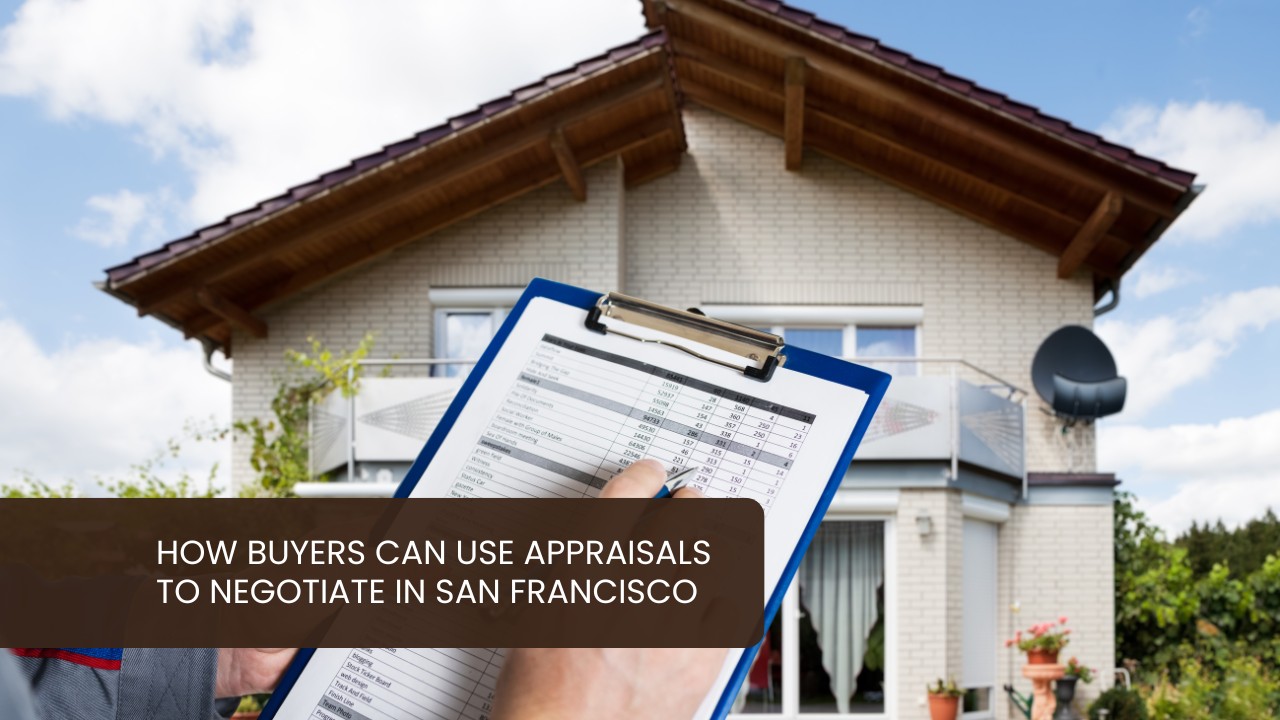
A Buyer’s Guide: How to Negotiate After a Low Appraisal in San Francisco
Author: Ms San Francisco Real Estate | Last Updated: November, 2025
A home appraisal is a key step in the mortgage process. In fact, in San Francisco’s competitive market, it is also a powerful negotiation tool. Demand is high. Consequently, bidding wars often push prices up. As a result, an objective appraisal is crucial. It protects you from overpaying. Furthermore, it gives you the leverage to secure a better deal.
Ms. San Francisco Real Estate is your trusted agent in San Francisco, CA. Here, she explains how to use the appraisal process to your advantage. This is especially important when a valuation comes in lower than your offer.
What Is a Home Appraisal?
A home appraisal is an unbiased assessment of a property’s fair market value. Importantly, it is always conducted by a licensed appraiser. Of course, lenders require an appraisal for a simple reason. They need to ensure their loan is safe. Specifically, the loan cannot exceed the property’s actual worth.
San Francisco is a unique market. For instance, a condo in the Mission District has different valuation factors than a home in Pacific Heights. Therefore, the appraisal provides a necessary, data-driven reality check. Ultimately, understanding this report can save you thousands.
Why Appraisals Are Crucial in the SF Market
San Francisco’s real estate landscape is unique. For example, it has limited inventory and intense buyer competition. Consequently, offers often soar above the asking price. A home appraisal, on the other hand, cuts through the emotion. It provides objective data.
Here’s why it’s your secret weapon:
- It Prevents Overpaying. The appraisal acts as a financial safety net. It ensures the price you agreed on is fair. In other words, it’s justified by the property’s market value.
- It Creates Negotiation Leverage. A low appraisal is not a deal-killer. Instead, it is a deal-changer. Indeed, it opens the door for price negotiations.
- It Validates Your Investment. A strong appraisal confirms you’re making a sound financial decision. In addition, it gives lenders the confidence to approve your financing quickly.
The “Appraisal Gap”: What Happens When an Appraisal is Low?
An appraisal gap occurs when the appraised value of a home is lower than the purchase price.
Here is a clear example:
- Purchase Price: $1.4 million
- Appraised Value: $1.32 million
- Appraisal Gap: $80,000
The lender will only finance a loan based on the appraised value. In this case, that’s $1.32 million. This means you, the buyer, must cover the $80,000 shortfall. Fortunately, this is where your negotiations begin.
4 Strategies for Negotiating After a Low Appraisal
When the appraisal comes in low, you have several options. With an expert agent, however, you can turn this situation into an opportunity.
1. Renegotiate the Purchase Price
This is the most direct approach. You can formally ask the seller to lower the price. Specifically, the goal is to match the appraised value. Then, Ms. San Francisco Real Estate can use the appraisal report as evidence to make a compelling case.
2. Ask for Seller Concessions
What if the seller won’t lower the price? In that case, ask for concessions. This can help bridge the financial gap. For example, the seller could cover your closing costs. They could also offer credits for repairs. Alternatively, they could pay for other transaction fees.
3. Meet in the Middle
A collaborative approach often works best. For instance, you could offer to pay a portion of the appraisal gap. In return, the seller agrees to reduce the price by the remaining amount. On an $80,000 gap, you might offer $40,000 if the seller drops the price by $40,000.
4. Use Your Appraisal Contingency to Walk Away
Your purchase agreement should include an appraisal contingency. In fact, this clause is very important. It allows you to back out of the deal without losing your deposit. Indeed, sometimes the best negotiation tactic is being prepared to walk away. This puts pressure on the seller. After all, they know the next buyer will likely face the same appraisal issue.
What If the Appraisal Seems Wrong?
Occasionally, an appraisal may contain errors. It might also use outdated comparable sales (“comps”). If you believe the valuation is inaccurate, then you can challenge it.
This process is called a Reconsideration of Value. Essentially, it involves providing the appraiser with better data. Specifically, your agent can submit better comparable sales that the appraiser may have missed. As a result, this new information can justify a higher valuation.
The Role of Your San Francisco Real Estate Agent
Navigating a low appraisal requires skill and experience. That is why a knowledgeable agent is your best advocate. With over 20 years of experience, Ms. San Francisco Real Estate protects your interests.
- First, she analyzes the appraisal. Additionally, she identifies any weak points or outdated comps.
- Next, she develops a negotiation strategy. Then, she presents this data-backed plan to the seller.
- After that, she communicates professionally. This ensures a smooth, stress-free negotiation.
- Ultimately, she protects you from overpaying. This way, you purchase your home at a fair price.
Frequently Asked Questions (FAQ)
Q: What is an appraisal contingency in San Francisco?
A: An appraisal contingency is a clause in your offer. It lets you cancel the contract without penalty if the property appraises for less than the sale price. Given the market, waiving this clause can be very risky.
Q: Can I pay the difference if the appraisal is low?
A: Yes. You can pay the difference if you have the cash. However, you should always explore your negotiation options first.
Q: How long does a home appraisal take in San Francisco?
A: The on-site inspection takes a few hours. After that, the appraiser needs several days to a week to finalize the report.
Your Partner in San Francisco Real Estate
In short, a home appraisal is a critical checkpoint. It provides both clarity and leverage. Therefore, you can make smart decisions in San Francisco’s demanding market.
Ready to buy a home with confidence? Then look no further. Ms. San Francisco Real Estate, the best real estate agent in San Francisco, CA, combines expert guidance and proven negotiation strategies to help you succeed.
Contact us today to schedule your free buyer consultation!
How Long Does a San Francisco Home Appraisal Take? (2025 Guide)
How Long Does a San Francisco Home Appraisal Take? (2025 Guide)
Author: Ms San Francisco Real Estate | Last Updated: October, 2025
If you are buying or selling a home in San Francisco, you will eventually need a home appraisal. It’s a key step because it determines the property’s official market value. This value, in turn, impacts your financing and the final sale price.
In a fast market, of course, every day counts. For that reason, many people ask: how long does an appraisal take?
Generally, a San Francisco home appraisal takes 7 to 10 business days. This clock starts when the appraisal is ordered and ends when the final report is ready. However, this timeline can sometimes change.
Therefore, this guide will explain the appraisal timeline, show what can cause delays, and give you clear tips to keep your home sale on track.
What Is a Home Appraisal?
Essentially, a home appraisal is a fair and professional opinion of a home’s value. A licensed appraiser provides this opinion after inspecting the property.
For lenders, this step is crucial. Specifically, it confirms the home is worth the loan amount they are providing. In addition, an appraisal helps sellers set a smart and fair asking price. Ultimately, in a city like San Francisco where home values change quickly, an accurate appraisal is vital for any deal.
The Appraisal Process: A Step-by-Step Guide
The 7-to-10-day timeline is broken down into a few simple stages. So, here is what you can expect.
Step 1: Ordering and Scheduling (1–3 Business Days)
First, the lender orders the appraisal after a purchase agreement is signed. Then, an Appraisal Management Company (AMC) finds a local appraiser. Finally, the appraiser will contact the homeowner or agent to schedule a visit.
Step 2: The On-Site Inspection (1–2 Hours)
Next, the appraiser visits the home to do a walkthrough. During this visit, they will:
- Measure the home to confirm its square footage.
- Check the home’s overall condition, both inside and out.
- Note the number of bedrooms and bathrooms.
- Look for any recent upgrades or major repairs.
- Take photos to include in their report.
Step 3: Researching Similar Homes (3–5 Business Days)
After the inspection, the appraiser does their research. In fact, this is often the longest part of the job. They look for “comps,” which are similar homes sold recently in the same neighborhood. Using this data, they then compare these comps to your home to find its fair market value.
Step 4: Creating the Final Report (1–2 Business Days)
Lastly, the appraiser puts all their findings into a detailed report. This official document includes photos, property details, and the final value. The report is then sent to the lender to be reviewed.
What Can Slow Down an SF Appraisal?
While 7-10 days is normal, some things can certainly extend the timeline.
- Complex Homes: For example, unique properties like multi-unit buildings or historic homes in Noe Valley need more work. As a result, they can take longer to appraise.
- A Busy Market: Also, the time of year matters. During busy seasons like spring and summer, for instance, more people are buying homes. This creates a backlog for appraisers and consequently leads to delays.
- Finding an Appraiser: In other cases, it can be hard to find an appraiser who specializes in certain SF neighborhoods like Pacific Heights.
- Getting Inside: Finally, if a tenant or homeowner isn’t available, it can be hard to schedule the inspection. This, of course, can slow down the whole process.
4 Tips to Speed Up Your Appraisal
Fortunately, you can take a few simple steps to avoid delays.
- Get Your Home Ready: First, make sure the home is clean and easy to walk through. All rooms and closets should be accessible. Also, check that the lights and water are working.
- Gather Your Paperwork: To help the appraiser, put together a simple folder for them. For instance, include a list of recent home improvements (with dates and costs) and any HOA documents.
- Be Flexible: When the appraiser calls to schedule, respond quickly. In short, offering flexible times can help you get an earlier appointment.
- Partner with a Good Agent: An experienced agent knows what appraisers need. Because of this, they can help prevent problems and make sure communication is smooth.
What if the Appraisal Value Is Too Low?
An appraisal that comes in below the sale price can be worrying. If this happens, however, don’t panic. The good news is that you usually have several options:
- The Buyer Pays the Difference: For example, the buyer can choose to pay the difference in cash at closing.
- The Seller Lowers the Price: Alternatively, the seller might agree to lower the asking price to match the new value.
- You Meet in the Middle: In many cases, the buyer and seller simply negotiate a new price they both agree on.
- Challenge the Report: Furthermore, if you find clear mistakes in the appraisal, you can ask for a “Reconsideration of Value.” For this to work, however, you need to point out specific errors.
- Cancel the Deal: Finally, if your contract has an appraisal contingency, the buyer has the right to walk away and get their deposit back.
Frequently Asked Questions (FAQ)
1. How much does a home appraisal cost in San Francisco?
Typically, you can expect to pay between $600 and $1,000 for a standard appraisal in San Francisco. The cost can be higher, however, for larger or more complex homes.
2. Who pays for the appraisal?
The lender orders the appraisal, but the buyer pays for it as part of their closing costs. If you are refinancing, on the other hand, you pay for it yourself.
3. Does the seller see the appraisal report?
Because the buyer pays for it, they legally receive a copy. The seller, however, does not get a copy automatically but can ask the buyer for one.
4. What do appraisers look for?
Appraisers look at the facts, not your furniture. In other words, they focus on things like the home’s condition, square footage, layout, and any permanent upgrades in the kitchen or bathrooms.
Get Through Your Appraisal with Confidence
In conclusion, a San Francisco home appraisal usually takes 7 to 10 business days. However, by being prepared, you can help make the process smooth and fast. Ultimately, understanding these steps allows you to move forward in your real estate deal with confidence.
With over 20 years of experience, the team at Ms. San Francisco Real Estate helps clients navigate this market. We offer expert advice, free home value reports (CMAs), and full appraisal support.
So, whether you are buying, selling, or refinancing, work with a team that truly knows San Francisco.
How Accurate Are AI Home Value Estimators in San Francisco? (2025 Data)

AI Home Value Estimator San Francisco – How Accurate Are They?
Author: Ms San Francisco Real Estate | Last Updated: October, 2025
Homeowners in San Francisco often use AI-powered tools to get a quick answer to a big question: “What’s my home worth?” Websites like Zillow, Redfin, and Realtor.com offer these instant home value estimates for free.
However, San Francisco has a one of a kind housing market. So, how much can you really trust an algorithm? While these tools are a good first step, their accuracy here is often a problem.
Key Takeaways
- AI home estimators give you a general price range, but they often lack accuracy in San Francisco.
- This is because SF has unique homes, distinct neighborhoods, and a fast-changing market that confuse algorithms.
- Most importantly, AI cannot see your home’s condition or recent upgrades, which are huge factors in its value.
- For a truly accurate price, you should always follow up an AI estimate with a free market analysis from a local real estate expert.
How Do AI Home Value Estimators Work?
These tools use something called an Automated Valuation Model, or AVM. In simple terms, an AVM is a computer program that looks at huge amounts of data to predict your home’s value.
To do this, an AVM considers several key factors:
- Recent Sales: It looks at what similar homes in your neighborhood sold for.
- Public Records: It also checks tax information and property details from public files.
- Property Details: This includes basics like square footage, bedrooms, and bathrooms.
- Market Trends: Finally, it considers if local prices are currently going up or down.
After looking at all this information, the AVM gives you an estimated value. For example, this is how Zillow’s Zestimate and the Redfin Estimate work. Because it’s fast and free, many homeowners find it helpful. It gives them a starting point in SF’s busy market.
The Big Problem: Why AI Struggles in San Francisco
San Francisco’s housing market is famously hard to predict. In fact, even experts find it tricky. This creates big problems for AI estimators because they work best with simple, standard data.
Here are the main reasons why AI estimates often get it wrong in SF:
1. Unique and Historic Homes
San Francisco is filled with diverse homes, from classic Victorians to modern condos. For instance, an AVM has trouble valuing a unique home because it needs similar, recent sales to compare against. Therefore, it can’t tell the difference between a perfect, well-kept Edwardian and one that needs major repairs.
2. Small, Local Neighborhood Differences
In San Francisco, home values can change from one street to the next. For example, things like good schools, walkability, or a great city view really matter. However, AI tools are not smart enough to understand these small, local details.
3. Hidden Interior Condition and Upgrades
This is the biggest blind spot for any AI tool. Specifically, an algorithm can’t see inside your home. It has no idea if you have:
- A newly remodeled kitchen or bathroom.
- A new roof or updated foundation.
- An amazing backyard or other nice upgrades.
These improvements can add thousands of dollars to your home’s value, but an online tool will completely miss them.
4. A Fast-Changing Market
The market in San Francisco can change very quickly. AI estimators often use sales data that is weeks or even months old. As a result, their estimates can be out of date and fail to reflect today’s true market conditions.
The Human Advantage: An Agent Beats an Algorithm
While an AI tool is a good starting point, it can’t replace an expert. A local real estate agent simply knows more.
Instead of just using an algorithm, an agent like Ms. San Francisco Real Estate does a Comparative Market Analysis (CMA). This analysis includes everything the AI misses. For example, an agent will:
- Visit Your Home: They see its true condition and your recent upgrades.
- Understand the Neighborhood: They know what makes your specific street desirable.
- Know Today’s Buyers: They understand what buyers are looking for right now.
Zillow even admits its Zestimates have an error rate. In an expensive market like San Francisco, a small error can easily mean a price difference of over $100,000.
For example: An AI tool might value a Mission District condo at $1.2 million. However, a local agent knows about the condo’s new kitchen and amazing view. The agent also knows about other recent sales that are not yet public. Because of this, they might value it at $1.35 million, a $150,000 difference.
Ultimately, relying only on an AI estimate can cause you to lose money.
Your 3-Step Guide to Your Home’s True Value
To get the most accurate value for your San Francisco home, just follow these steps:
- Start with an AI Estimate. First, use a tool like Zillow or Redfin to get a quick ballpark number.
- Get a Professional CMA. Next, contact Ms. San Francisco Real Estate for a free market analysis. This report uses data but also includes expert local knowledge for a much better price estimate.
- Order a Formal Appraisal. Finally, if you are selling or refinancing, you will need an official appraisal. This is done by a licensed professional for the bank.
Ready to Find Your Home’s True Value?
Don’t guess what your home is worth. An online estimate is a start, but a professional analysis is the key to making a smart decision.
Frequently Asked Questions (FAQ)
Q: How accurate is Zillow in San Francisco?
A: A Zillow Zestimate is a helpful starting point, but it is often not very accurate in San Francisco. This is because the city has too many unique homes and neighborhoods for a simple algorithm to understand correctly.
Q: What is a CMA? Is it different from an appraisal?
A: Yes, they are different. A CMA is a free report from a real estate agent to help set a listing price. On the other hand, an appraisal is a formal valuation done by a licensed appraiser that banks require for a loan.
Q: How often should I check my home’s value?
A: In a fast market like San Francisco, it’s a good idea to check your home’s value about once a year. You should also check it anytime you plan to sell, refinance, or get a home equity loan.
Final Thoughts
In short, AI home estimators are quick and easy, but they have major limits. They simply cannot replace the knowledge and insight of a real person.
For a valuation you can trust, you need an expert who truly understands San Francisco. Ms. San Francisco Real Estate provides homeowners with accurate, personalized service to help them understand their property’s true worth.
For Sale by Owner in San Francisco: FSBO Guide & Tips
For Sale by Owner in San Francisco: Your Simple FSBO Guide
Author: Ms San Francisco Real Estate | Last Updated: October, 2025
Thinking about selling your home yourself? Many San Francisco homeowners choose For Sale by Owner (FSBO) to skip agent commissions.
As a result, they can save $65,000 or more on a typical sale.
However, San Francisco’s market is fast, competitive, and full of legal requirements.
Therefore, going solo means you’ll handle everything, from pricing to paperwork.
That said, with the right plan, FSBO can work well. Let’s walk through how.
What Is FSBO?
FSBO stands for For Sale by Owner.
In this approach, you act as your own listing agent.
Specifically, you’ll set the price, create the listing, show the home, and manage negotiations.
On one hand, you keep more money from the sale.
On the other hand, you miss out on MLS access, which most serious buyers use daily.
Consequently, your home may reach fewer potential buyers unless you market aggressively.
How to Sell Your Home FSBO in San Francisco
1. Price It Accurately
Pricing too high will scare off buyers.
Conversely, pricing too low leaves money on the table.
To avoid both, research recent sales in your neighborhood. like the Mission, Noe Valley, or Sunset.
For example, look at homes similar in size, age, and condition.
In addition, consider using a free online valuation tool or hiring a local appraiser.
Ultimately, your price should reflect current market data, not just your hopes.
2. Make Your Home Shine
First impressions happen fast, especially online.
So, start by deep cleaning and removing clutter.
Next, fix small issues: leaky faucets, scuffed walls, or burnt-out bulbs.
Then, paint with neutral colors and maximize natural light.
Moreover, stage key rooms to highlight space and flow.
Finally, invest in professional-quality photos, they dramatically boost interest.
3. Market Smartly
Since FSBO listings aren’t automatically on the MLS, you must promote widely.
First, list your home on Zillow, Redfin, Realtor.com, and Trulia.
Additionally, post on Craigslist SF, Facebook Marketplace, and Nextdoor.
At the same time, share your listing in local groups like “San Francisco Housing” or “SF Real Estate.”
Don’t forget offline efforts, either.
For instance, yard signs, flyers at cafes, and weekend open houses still attract local buyers.
4. Respond Fast to Buyers
When a buyer reaches out, reply quickly.
After all, speed shows you’re serious and organized.
Be ready to answer questions about schools, commute times, or recent upgrades.
In fact, the more helpful you are, the more likely you’ll get strong offers.
5. Review Offers Carefully
Not every offer is equal, even if the price looks good.
For example, a cash offer with no contingencies is often better than a higher financed offer.
Similarly, check the buyer’s pre-approval status and proposed closing date.
If you’re unsure, consult a real estate attorney.
They can help you compare terms and spot hidden risks.
6. Close the Sale Correctly
California law requires several seller disclosures.
These include the Transfer Disclosure Statement (TDS), Natural Hazard Disclosure (NHD), and lead paint notice (for homes built before 1978).
To stay compliant, work with a trusted title and escrow company.
They’ll manage deadlines, paperwork, and fund transfers, so you don’t miss a step.
Common FSBO Mistakes in San Francisco
Even experienced homeowners run into trouble.
For one thing, many FSBO listings get little traffic because they’re not on the MLS.
Another issue? Inaccurate pricing due to outdated or incomplete data.
Worse yet, some sellers struggle during negotiations, especially against a buyer’s skilled agent.
As a result, they accept lower offers or agree to unfavorable terms.
In addition, missing a legal deadline can delay closing or even trigger disputes.
When to Work With a San Francisco Agent
If your home isn’t getting showings or you need to sell quickly, an agent can help.
In particular, Ms. San Francisco Real Estate offers flexible support.
Maybe you just need pricing advice. Or perhaps you want full-service help.
Either way, she brings deep local knowledge, buyer connections, and strong negotiation skills.
Moreover, she can list your home on the MLS even if you started FSBO.
Best of all, you can begin with a free, no-obligation home valuation from Ms San Francisco Real Estate.
Ready to Sell Your San Francisco Home?
Selling FSBO can save money but only if you’re prepared.
If you have time, confidence, and attention to detail, you might succeed on your own.
However, if you’re busy, new to real estate, or want less stress, an agent could actually net you more after fees.
After all, a faster sale, higher offer, or smoother process often outweighs the commission cost.
👉 Take the next step today!
Get your free home valuation and a personalized selling plan from Ms San Francisco Real Estate.
Whether you go FSBO or partner with an agent, we’ll help you choose the smartest path for your San Francisco home.
Your home is your biggest asset. Choose the path that protects it and maximizes your return.
San Francisco Home Appraisal Cost: What Sellers Should Expect
San Francisco Home Appraisal Cost: What Sellers Should Expect
Author: Ms San Francisco Real Estate | Last Updated: October, 2025
The first step for San Francisco home sellers is obtaining a home appraisal before beginning the selling process. Understanding San Francisco home appraisal costs allows sellers to manage their sale more effectively by knowing the expenses involved at each stage.
This guide provides complete information about San Francisco home appraisals, including typical costs, factors that determine market value, and how working with an experienced San Francisco real estate agent can help optimize your home-selling experience.
What Is a Home Appraisal?
A home appraisal is a professional assessment of a property’s worth conducted by a licensed real estate appraiser in San Francisco. The purpose of an appraisal is to determine a home’s fair market value based on factors like location, condition, and comparable sales in the area.
A professional San Francisco home appraisal provides sellers with three key benefits:
- It helps determine the right listing price for your home.
- It prevents mortgage approval issues that could occur during the buyer’s loan process.
- It supports price discussions with cash home buyers and investors.
Additionally, a pre-listing or refinance appraisal establishes a strong foundation for your selling strategy.
How Much Does a Home Appraisal Cost in San Francisco?
The cost of home appraisal services in San Francisco generally ranges between $500 and $1,200, depending on the property’s size and features.
However, homes located in upscale neighborhoods such as Pacific Heights, Noe Valley, or Sea Cliff may cost $1,500 or more due to the extended time and detailed evaluation required for these properties.
Average Appraisal Costs by Property Type
| Property Type | Average Cost Range |
| Single-family home | $500 – $800 |
| Condo or townhouse | $450 – $700 |
| Multi-family property | $800 – $1,200 |
| Luxury or custom home | $1,000 – $2,000+ |
| Commercial property | $1,500 – $5,000+ |
Factors That Influence San Francisco Home Appraisal Costs
Several factors determine the total cost of a San Francisco home appraisal:
1. Property Size and Complexity
Larger or more complex homes take more time to evaluate, resulting in higher appraisal fees.
2. Location and Accessibility
Homes in densely populated or hard-to-access areas may have fewer comparable sales, making the appraisal process more time-consuming.
3. Appraiser’s Experience
Certified or FHA-approved San Francisco home appraisers with advanced qualifications often charge higher fees but provide more precise and defensible valuations.
4. Market Conditions
The fast-paced San Francisco real estate market requires more in-depth analysis, which can affect both the cost and completion time of the appraisal.
Who Pays for the Home Appraisal?
In most cases, the buyer pays for the appraisal when obtaining a mortgage through a lender. However, many San Francisco home sellers choose to get a pre-listing appraisal to accurately set their asking price before listing. In that case, the seller covers the cost.
Investors and cash home buyers in San Francisco may also conduct their own appraisals or property assessments before submitting an offer.
Free Home Valuation Services in San Francisco
Some real estate agents in San Francisco, including Ms. San Francisco Real Estate, offer free home valuation estimates and Comparative Market Analyses (CMAs) to help homeowners understand their property’s market position. While these tools are helpful, they do not replace a certified home appraisal, which remains the most reliable way to determine an accurate property value.
How to Prepare for a Home Appraisal
Proper preparation can help ensure your home receives the best possible valuation. Follow these steps before your appraisal:
- Clean and declutter your home to showcase its best features.
- Fix minor issues such as leaky faucets or chipped paint.
- List recent upgrades, including roof replacements, flooring updates, or kitchen renovations.
- Ensure full access to all areas of the home, including the attic and basement.
- Provide helpful information about neighborhood improvements and recent comparable sales.
A small amount of preparation can make a big difference in achieving a fair and accurate appraisal result.
Why Work with Ms. San Francisco Real Estate
The San Francisco real estate market is dynamic and often complex, but with the right guidance, sellers can navigate it successfully. Ms. San Francisco Real Estate offers professional support for home appraisals, property sales, and cash offers, backed by years of local market experience.
As one of the top real estate agents in San Francisco, CA, she provides:
- Accurate home value insights
- Expert negotiation strategies
- Access to trusted local appraisers
- Smooth and transparent transactions
You can also visit Designated Local Expert to access free home valuations and detailed local real estate insights.
Final Thoughts
Understanding the San Francisco home appraisal process helps you prepare your property for a successful sale and make well-informed decisions. Whether you’re aiming for a fast cash sale or a traditional listing, knowing the home appraisal cost in San Francisco, CA is crucial to reaching your real estate goals.
For expert advice, market insights, and trusted local support, contact Ms. San Francisco Real Estate, your dedicated and experienced real estate agent in San Francisco, CA.
