
 Facebook
 X
X
 Pinterest
 Copy Link
Tips for Relocating to San Francisco from Out of State

Relocating to San Francisco from another state is an exciting adventure, but it comes with its own set of challenges. Whether you’re drawn to the city’s thriving job market, vibrant culture, or breathtaking natural beauty, careful planning can help make your transition smoother. Here are the key factors to consider before making the move.
Exploring San Francisco’s Neighborhoods
San Francisco is known for its diverse neighborhoods, each with its own unique charm and attractions.
- The Mission District – A lively area with a rich artistic flair, known for its fantastic dining options.
- Nob Hill – A blend of historic San Francisco charm with iconic landmarks and stunning architecture.
- SoMa (South of Market) – A hub for tech professionals, featuring a modern and fast-paced lifestyle.
- Outer Sunset – A laid-back neighborhood with a family-friendly atmosphere and easy access to the beach.
- Noe Valley – A quiet and picturesque community, ideal for families looking for a peaceful retreat within the city.
Choosing the right neighborhood depends on your lifestyle preferences and budget. Consulting a real estate agent in San Francisco can help you find the perfect match.
Cost of Living in San Francisco
San Francisco is one of the most expensive cities in the United States, making financial planning essential.
- Housing Market – The median home price exceeds $1,200,000.
- Renting Costs – The average rent for a one-bedroom apartment is approximately $3,000 per month.
- Food & Dining – Eating out can be pricey, but shopping at local markets can help cut costs.
Finding a Real Estate Agent in San Francisco
A knowledgeable real estate agent can make your home search easier. Look for an agent who:
- Has extensive knowledge of the city’s neighborhoods.
- Understands your lifestyle needs and financial situation.
- Can effectively negotiate on your behalf.
Renting vs. Buying in San Francisco
Deciding between renting and buying depends on your long-term goals.
- Renting offers flexibility but comes with higher monthly expenses.
- Buying is a long-term investment but requires a substantial upfront cost.
If you’re considering homeownerships, working with an experienced San Francisco real estate agent is highly recommended.
Job Market Opportunities
San Francisco is home to leading companies in technology, finance, and healthcare. If you’re moving for work, consider:
- Networking through LinkedIn and industry events before relocating.
- Researching job opportunities in advance.
- Exploring employer relocation assistance programs.
Navigating San Francisco’s Public Transportation
San Francisco’s public transportation system offers several commuting options:
- BART (Bay Area Rapid Transit) – Ideal for commuting to the Bay Area.
- Muni (buses & streetcars) – Covers local travel within San Francisco.
- Walking & Biking – Many neighborhoods prioritize pedestrian and cyclist-friendly infrastructure.
- Driving & Parking – Parking is limited and expensive, making public transportation a more convenient option.
Choosing the Right School District
For families with children, selecting the appropriate school is a crucial decision.
- Public Schools – The San Francisco Unified School District (SFUSD) offers various magnet and charter schools.
- Private Schools – The city has numerous top-rated private schools.
- Higher Education – Institutions like UC San Francisco (UCSF) and San Francisco State University (SFSU) provide excellent academic opportunities.
Things to Do in San Francisco
San Francisco offers countless activities for residents and newcomers alike:
- Outdoor Adventures – Explore Golden Gate Park, Lands End, and The Presidio.
- Cultural Attractions – Visit world-class museums, theaters, and historic landmarks.
- Dining Scene – Experience a mix of Michelin-starred restaurants and local street food vendors.
Moving Tips for a Smooth Transition
A successful move requires preparation. Here are some essential moving tips:
- Book movers at least a month in advance to secure availability.
- Declutter before moving, as living spaces in San Francisco tend to be smaller.
- Set up utilities and change your address before your arrival.
Conclusion
Relocating to San Francisco can be a seamless experience with proper planning. Consider your neighborhood options, consult local real estate agents, and prepare for the city’s unique lifestyle. With the right approach, you can make your transition smooth and enjoyable.
San Francisco’s Green Buildings: Eco-Friendly Homes

San Francisco has always been at the forefront of sustainability, integrating eco-friendly practices into daily life and business decisions. The city’s commitment to green construction has significantly influenced the real estate market, attracting an increasing number of buyers seeking energy-efficient homes that align with their environmental values.
For those looking to invest in a greener future and adopt a sustainable lifestyle, partnering with a San Francisco real estate agent experienced in eco-friendly construction is essential.
Why Choose Green Homes in San Francisco?
Green homes do more than just conserve energy—they promote a sustainable lifestyle, reduce carbon footprints, and increase property value. By utilizing eco-friendly materials and advanced technology, these homes create comfortable living environments that benefit both residents and the planet.
The Rise of Eco-Friendly Structures in San Francisco
San Francisco showcases its commitment to sustainability through the growing presence of green buildings. From LEED-certified homes to solar-powered structures, the city has become a model for sustainable architecture.
Key Features of Eco-Friendly Homes
- Solar panels to harness renewable energy
- Energy-efficient appliances that reduce electricity consumption
- Sustainable construction materials for a lower carbon footprint
- Water-saving plumbing fixtures to conserve resources
- Smart home automation for optimized energy usage
Benefits of Investing in Green Homes
Lower Utility Costs
Energy-efficient appliances and solar power systems significantly reduce electricity and water bills.
Improved Indoor Air Quality
Using non-toxic materials and advanced ventilation systems enhances indoor air quality, promoting a healthier living environment.
Higher Property Value
Homes with eco-friendly features tend to have higher resale values, making them a smart investment for the future.
How to Find Eco-Friendly Homes in San Francisco
Working with an experienced San Francisco real estate agent who understands sustainable housing trends can help you discover the best eco-friendly homes available for sale or rent. Skilled agents have insider knowledge about green housing developments and access to off-market listings.
Tips for Finding Your Eco-Friendly Home
- Look for certified green properties, such as LEED or Energy Star-certified homes.
- Work with a San Francisco real estate expert specializing in sustainable homes.
- Get pre-approved for an energy-efficient mortgage.
- Visit homes featuring eco-conscious designs.
- Make a competitive offer with guidance from your agent.
The Role of Real Estate Agents in Buying and Selling Green Homes
In San Francisco’s competitive housing market, a knowledgeable real estate agent can guide you through every step of purchasing an eco-friendly home. They can also connect you with green mortgage lenders and energy-efficient home builders to ensure your home meets your sustainability goals.
Top Green Neighborhoods in San Francisco
If you’re looking for an eco-conscious community, consider these top green-friendly neighborhoods:
- Mission District – A hub for modern green homes and sustainable living.
- Noe Valley – Known for solar-powered residences and energy-efficient designs.
- Sunset District – Features homes with water-saving landscapes and solar systems.
- South of Market (SoMa) – Home to many LEED-certified buildings.
- Potrero Hill – A neighborhood that embraces green architecture and smart energy solutions.
Government Incentives for Eco-Friendly Homes
San Francisco offers several incentives to encourage sustainable homeownership:
- Solar tax credits for homeowners installing solar panels.
- Energy-efficient mortgage programs to support eco-friendly home purchases.
- Property tax exemptions for homes with green upgrades.
Conclusion
Investing in an eco-friendly home in San Francisco is not just a commitment to a sustainable future—it’s also a wise financial decision. By working with a knowledgeable San Francisco real estate agent, you can find a home that aligns with your values while minimizing your environmental impact.
Are you ready to embrace a green lifestyle? Reach out to a trusted local real estate expert today and start your journey toward sustainable homeownership.
How to Make a Strong Offer in San Francisco’s Hot Market

San Francisco is renowned for its dynamic real estate market, characterized by high demand and a limited supply of available properties. Whether you’re searching for your dream home or looking to invest in the city by the bay, making a compelling offer is crucial to securing a property. This guide outlines effective strategies to help you navigate San Francisco’s fast-moving real estate landscape and improve your chances of success.
The Importance of a Strong Offer in a Competitive Market
San Francisco’s housing market is highly competitive, often attracting multiple buyers for a single property. To stand out, your offer must not only capture the seller’s attention but also meet their needs. Having an experienced San Francisco real estate agent by your side can make a significant difference in navigating this challenging landscape.
Work with a Knowledgeable San Francisco Real Estate Agent
Partnering with a skilled real estate agent in San Francisco provides a competitive advantage. An experienced agent understands market trends, develops effective pricing strategies, and can even introduce you to off-market properties—unlocking opportunities before they’re listed on the MLS.
Get Mortgage Preapproval Before Making an Offer
Before submitting an offer on a property, securing mortgage preapproval is essential. Sellers prefer buyers who have already been approved by a lender, as it reduces the risk of financing issues. A San Francisco real estate agent can connect you with reputable local lenders who specialize in home loans, streamlining the process.
Craft a Competitive Offer
Pricing plays a critical role in San Francisco’s real estate market, where homes often sell above the listing price. Your real estate agent can analyze recent sales data to help you determine an offer that is competitive yet aligns with your financial goals.
Minimize Contingencies to Strengthen Your Offer
Contingencies, such as financing or appraisal conditions, can make an offer less attractive to sellers. If you are financially secure, consider reducing or waiving certain contingencies to make your offer more competitive. However, always consult your real estate agent before making any final decisions.
Increase Your Earnest Money Deposit
Offering a larger earnest money deposit (typically above the standard 1–4%) demonstrates your commitment to the purchase. This deposit is applied toward your down payment and reassures the seller of your serious intent.
Write a Personal Letter to the Seller
A heartfelt letter to the seller can help establish a personal connection. Expressing your appreciation for the property and sharing your vision for its future can make your offer more memorable in a competitive bidding situation.
Be Flexible with Closing Terms
Sellers in San Francisco’s fast-paced market may have specific preferences, such as a desired closing date or a rent-back agreement. Being accommodating with these terms can set your offer apart. A skilled real estate agent will negotiate in your best interest while ensuring a smooth transaction.
Work with an Experienced San Francisco Real Estate Specialist
Navigating San Francisco’s competitive real estate market requires expert guidance. A seasoned real estate professional with years of experience can provide insider knowledge, strategic negotiation skills, and valuable market insights to give you an edge in securing your dream home.
Final Thoughts
Standing out in San Francisco’s competitive housing market requires preparation, strategy, and the right team. By working with a top-tier real estate agent, obtaining mortgage pre-approval, and crafting a compelling offer, you can significantly improve your chances of securing your ideal home in San Francisco. Start your journey today with confidence!
The Benefits of Living in San Francisco’s Downtown Area
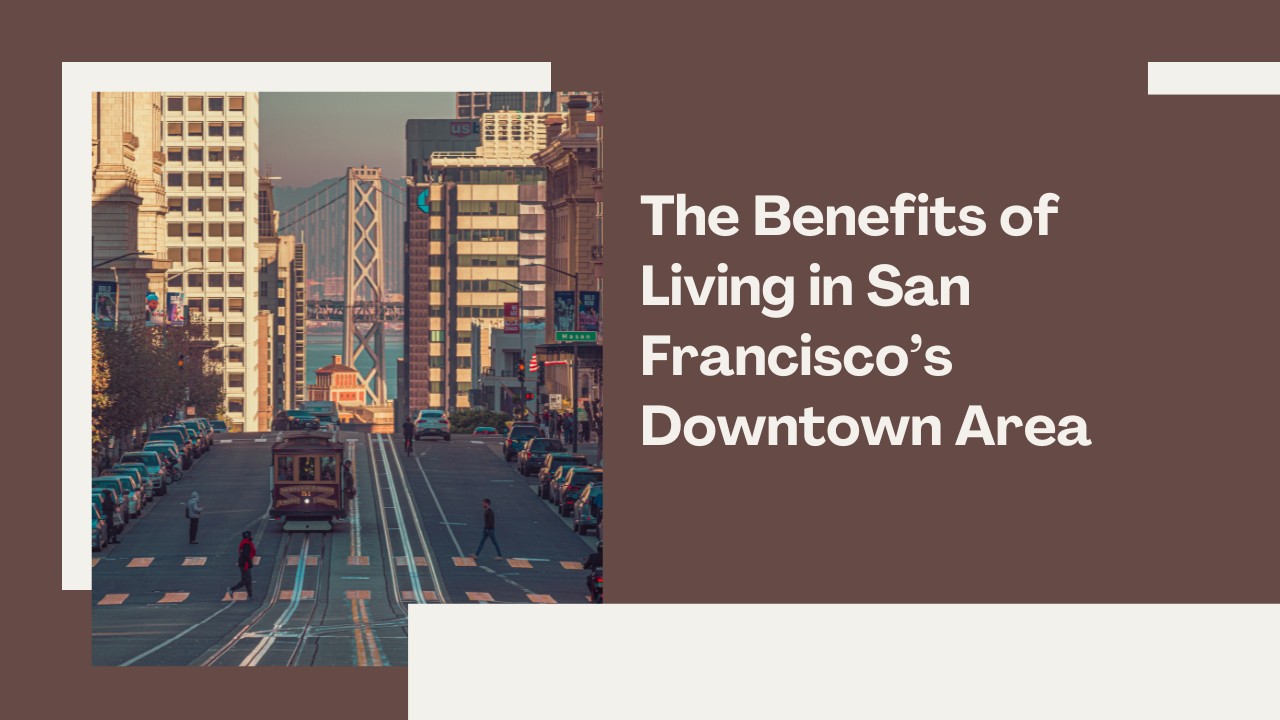
Downtown San Francisco is a vibrant neighborhood that offers a mix of housing options and dining choices for residents of all ages and backgrounds. Whether you’re a young professional or someone enjoying retirement, downtown provides urban convenience and exciting entertainment opportunities.
Experience the City’s Entertainment and Nightlife Scene
At the heart of San Francisco lies an array of entertainment venues, from rooftop bars to top-rated Michelin-star restaurants. Whether you enjoy live music, theater performances, or a diverse nightlife scene, there are endless opportunities to explore and enjoy.
Cultural Attractions: Museums, Theaters, and Art Galleries
San Francisco boasts a thriving arts scene, with its downtown area serving as a hub of creativity and culture. Visit the San Francisco Museum of Modern Art (SFMOMA), catch a Broadway performance at the Orpheum Theatre, or immerse yourself in artworks at various local galleries featuring both emerging talents and renowned artists.
Housing Options: Condos, Apartments, and Historic Homes
Downtown San Francisco offers a wide range of real estate options, from high-rise condominiums to charming historic apartments. Whether you’re looking for a modern loft or a timeless Victorian-style residence, downtown has something to suit every buyer’s needs.
The Benefits of Living in the City Center: Market Trends and Investment Opportunities
San Francisco’s real estate market is highly competitive due to high-demand and limited inventory. Investing in downtown properties can provide a lucrative opportunity for long-term appreciation and rental income.
Walkability and Public Transportation: A Car-Free Lifestyle
One of the biggest advantages of living in downtown San Francisco is its accessibility. With high walkability scores, along with the BART and Muni public transportation systems, residents can navigate the city easily without needing a car. The area also offers bike-friendly streets for a hassle-free commute.
Proximity to Major Tech and Business Hubs
San Francisco’s downtown is a bustling center for professionals in the tech, finance, and healthcare industries. Its proximity to major companies and networking opportunities makes it an ideal location for career growth and business development.
Green Spaces in Downtown San Francisco
Despite its urban setting, downtown San Francisco features beautiful green spaces like Yerba Buena Gardens and Salesforce Park. These areas are perfect for relaxing, enjoying a morning run, or having a weekend picnic.
Waterfront Living: Bay Views and Outdoor Activities
Living near the Embarcadero and Ferry Building offers stunning waterfront views and access to top seafood dining spots, vibrant farmers’ markets, and outdoor activities such as kayaking and sailing.
Downtown San Francisco: A Hub for Job Opportunities and Career Growth
San Francisco’s job market is booming, especially in the tech, finance, and healthcare sectors. Living downtown means shorter commutes and proximity to top employers. Entrepreneurs also benefit from co-working spaces, startup incubators, and networking events that foster innovation.
Why Downtown San Francisco is the Perfect Place to Live
With its rich culture, dynamic lifestyle, and abundant job opportunities, downtown San Francisco is an ideal place to live. Whether you’re looking to rent or invest, this vibrant neighborhood offers something for everyone.
Top Considerations for Downsizing in San Francisco

Downsizing in San Francisco can be an excellent decision, especially with the city’s high living costs. Whether you aim to reduce housing expenses or embrace a more minimalist lifestyle in the urban landscape, it’s crucial to approach the process thoughtfully.
Step 1: Grasp the Market
San Francisco’s real estate market is unique, with prices often exceeding the national average. If you’re thinking about selling a property for a profit and downsizing, the expenses will vary depending on your chosen location within the city.
Key Highlights:
- Neighborhood Variability: Different neighborhoods have varying costs. For instance, Pacific Heights and Nob Hill are on the pricier side, while Bayview, Hunter’s Point and Excelsior offer more budget-friendly options.
- Market Observations: Keep an eye on market trends to determine the best time to sell and buy. San Francisco’s market is known for its fluctuations, so timing is crucial to maximizing your outcomes.
Step 2: Assess Your Space Needs
When downsizing, it’s essential to evaluate your actual space needs. Downsizing often means letting go of some belongings or finding creative ways to optimize the space you have.
Questions to Consider:
- How much room do you need? Consider how many bedrooms, bathrooms, and living spaces align with your lifestyle.
- What matters most to you? Do you need a home office, or are you comfortable with a smaller, cozier setup?
Downsizing in San Francisco can reflect lifestyle changes, such as becoming an empty nester, retiring, or embracing a minimalist lifestyle. The city offers various housing options, from cozy condos to townhomes.
Key Factors to Keep in Mind:
- Accessibility: Ensure your new home is easy to access and meets your needs, especially if you plan to age in place.
- Amenities: Look for areas and buildings that offer amenities like parks, gyms, and community spaces to enhance your living experience.
Step 3: Establish Your Budget and Consider Financing
Downsizing can help reduce housing expenses, but it’s important to establish a defined budget for both purchasing a new home and selling your current one.
Money Matters:
- Selling Costs: Understand the expenses associated with selling your home, such as agent fees, repairs, and closing costs.
- Buying Costs: Consider the costs of purchasing a new home, including property taxes, insurance, and potential renovation costs.
- Mortgage vs. Savings: Decide whether you will apply for a mortgage or save up for your new home. Evaluate your financial situation to determine a budget.
Step 4: Consider Investment Potential
Even though you’re downsizing, it’s wise to consider how the property, you’re buying, will appreciate over time. San Francisco’s real estate market is constantly evolving, and selecting a home with strong investment potential is key.
Investment Tips:
- Emerging Neighborhoods: Look for areas where growth is happening, but prices haven’t peaked yet. These locations could offer better long-term appreciation.
- Property Type: Condos and TIC units might be more affordable now, but consider their long-term value compared to single-family homes.
Step 5: Declutter and Prioritize
Downsizing isn’t just about your living space—it’s also about reducing the number of belongings you have. This process can be emotional, but it’s essential for making a smooth transition.
Decluttering Tips:
- Start Early: Begin sorting through your items ahead of time to decide what to sell, donate, or discard.
- Go Digital: Convert physical documents into digital formats to reduce clutter.
- Prioritize Keepsakes: While it’s important to declutter, make space for sentimental items and let go of unnecessary ones.
Step 6: Work with a Local Real Estate Agent
A local real estate agent who understands San Francisco’s market can guide you through the complexities of downsizing. They can help you determine pricing, negotiate deals, and find properties that align with your needs.
Advantages of Hiring an Agent:
- Market Knowledge: A real estate agent familiar with local trends can help you find a home that fits your financial and lifestyle needs.
- Negotiation Skills: With an experienced agent, you can secure better terms when buying or selling a property.
Step 7: Prepare for Moving and Transitioning
The physical process of moving can be challenging, especially after living in a home for many years. Proper preparation can make the transition smoother.
Moving Tips:
- Hire Professional Movers: Downsizing can be a complex process, and hiring professional movers can help streamline the transition.
- Pack Smart: Downsize your furniture and belongings to better fit your new space. Opt for functional, space-saving items.
Step 8: Embrace the Lifestyle Change
Downsizing isn’t just about the space—it’s also about adjusting to a new way of living. San Francisco offers a mix of urban living with easy access to transportation and cultural attractions.
Post-Move Considerations:
- Enjoy the Simplicity: Embrace the freedom and simplicity of your new, more compact living space.
- Engage with the Community: Whether you’re downsizing for retirement or a lifestyle change, get involved in the community by attending events and joining local groups.
Conclusion
Downsizing in San Francisco can be a beneficial choice if you carefully consider the factors discussed. By understanding the real estate market, evaluating your needs, and planning your finances, you can successfully navigate the downsizing process and find a home that aligns with both your lifestyle and financial goals.
How to Find a San Francisco Home Within Your Budget

Finding a home in San Francisco can be a challenge due to the city’s high real estate costs. However, with the right strategies and careful planning, it’s possible to find a home that fits your needs without draining your wallet. Here’s a step-by-step guide to make your home search process smoother.
Step 1: Understand the Market and Set Realistic Expectations
Before you begin your home search, it’s essential to understand the San Francisco real estate market. The city is known for its highly competitive housing sector, where properties often sell for more than their listed price.
Tips:
- Stay informed: Keep up with market trends by staying updated on home prices and available inventory in various neighborhoods.
- Set realistic expectations: Some neighborhoods may be out of your budget, so focus on areas where you can afford to invest without overextending your finances.
Step 2: Establish Your Financial Plan
Once you have a sense of the market, the next step is to determine how much you can afford. This includes not just the home’s price, but also additional expenses such as property taxes and maintenance costs.
How to Set Your Budget:
- Assess your finances: Consider your income, savings, and any outstanding debts.
- Use a mortgage calculator: Estimate how much you can afford in monthly payments, factoring in your income and debt obligations.
- Consider extra expenses: Don’t forget to include property taxes, homeowners insurance, closing costs, HOA fees, and potential renovation costs.
Step 3: Obtain Pre-Approval for a Mortgage
Getting pre-approved for a mortgage is a crucial step in finding a home that fits your budget. It gives you clarity about what you can afford and demonstrates to sellers that you are a serious buyer.
Why Pre-Approval Matters:
- Know your limits: Pre-approval helps you determine the price range within which a lender is comfortable lending to you.
- Increase your credibility: Sellers are more likely to take your offer seriously when you have a pre-approval from a lender.
Step 4: Explore Different Mortgage Options
San Francisco homebuyers have access to a range of mortgage options. Some may require a larger down payment, while others could offer better terms for first-time homebuyers.
Types of Mortgages:
- Conventional loans: These typically require a 20% down payment.
- FHA loans: If you’re a first-time buyer or have a lower credit score, FHA loans may allow a down payment as low as 3%.
- VA loans: Veterans or active military members can access VA loans with no down payment and competitive interest rates.
- Jumbo loans: These are essential for buying homes in San Francisco, where prices often exceed conventional loan limits.
Step 5: Prioritize Your Needs and Wants
In a competitive market like San Francisco’s, it’s important to distinguish between the features you truly need and the ones that would be nice to have but aren’t essential.
Key Considerations:
- Location: Consider proximity to work, schools, public transport, and other amenities.
- Size: How many bedrooms and bathrooms do you need? Do you require additional space for a home office or a growing family?
- Condition of the home: Are you willing to renovate, or do you prefer a move-in-ready property?
Step 6: Work with a Real Estate Professional
A local real estate agent can help you find homes that match your budget and preferences. They have access to listings that may not be publicly available and can assist in negotiations.
Benefits of Working with a Real Estate Agent:
- Market knowledge: A skilled agent stays informed about local listings, pricing trends, and neighborhood details.
- Negotiation skills: An agent can help you negotiate the sale price, request repairs after an inspection, and more.
Step 7: Look for Homes in Up-and-Coming Neighborhoods
While neighborhoods like Pacific Heights and Noe Valley are expensive, there are emerging neighborhoods where housing costs are more affordable.
Neighborhoods to Consider:
- Bayview-Hunters Point
- Visitacion Valley
- Excelsior District
- Outer Richmond
These areas offer more budget-friendly options and have the potential to increase in value over time.
Step 8: Explore Alternative Housing Options
If single-family homes in San Francisco exceed your budget, consider looking at alternative housing options such as condos, townhomes, or TIC (tenancy-in-common) units. These properties offer a more affordable entry point into the San Francisco real estate market.
Types of Alternative Housing:
- Condos: Typically more affordable than single-family homes and often come with amenities like gyms and communal spaces.
- TIC Units: These allow you to co-own a building with other tenants, usually at a lower cost than purchasing an entire home.
Step 9: Be Patient
Finding a home within your budget in San Francisco can take time. Bidding wars and high demand may delay your search, but patience is essential.
Tips for Patience:
- Stay calm during bidding wars: While bidding wars are common, it’s important not to get carried away and overspend. Stick to your budget.
- Be flexible with timing: The right property may not be available immediately, but by staying vigilant and adaptable, you’ll eventually find the perfect home.
Final Thoughts
Searching for a home in San Francisco can be daunting, but with the right approach, it is possible to find a property that fits both your needs and budget. Understand the market, set a clear budget, get pre-approved for a mortgage, work with a local agent, and stay patient. By following these steps, you’ll be well on your way to finding your dream home in the city.
A Guide to Financing a Home in San Francisco

Buying a home in San Francisco can be both thrilling and daunting, particularly when it comes to arranging financing in an expensive housing market like this one. Understanding your options and the steps you need to take will help you navigate this process more successfully. Here’s a detailed guide on how to finance the purchase of a home in San Francisco:
1. Understand Your Budget and Affordability
Before embarking on your home search, it’s essential to assess your financial situation and set a budget that reflects both your financial well-being and the property costs in the neighborhoods you prefer.
Things to Consider:
- Down payment: Typically, the down payment for a home purchase ranges from 10% to 20%. However, there are programs available that may require a lower amount.
- Monthly mortgage payments: Make sure your monthly mortgage payments, which also cover taxes and insurance, align with your budget.
- Additional expenses: Remember to factor in closing costs and home inspections when budgeting for a home purchase.
2. Selecting the Right Type of Mortgage
San Francisco offers several mortgage options to suit different financial needs. It’s important to be aware of the types of loans available so you can choose the one that’s best for you.
- Conventional Loans: These loans are widely accessible to individuals with good credit scores and steady incomes, usually requiring a minimum down payment of 20%.
- FHA Loans: First-time homebuyers or individuals with less-than-perfect credit may find FHA loans appealing. These loans are supported by the Federal Housing Administration and typically require a down payment as low as 3.5%.
- VA Loans: If you are a veteran or active military member, you may be eligible for a VA loan, which offers no down payment and attractive interest rates.
- Jumbo Loans: In San Francisco, home prices often exceed the limits for conventional loans, which may require a jumbo loan. These loans are designed for pricier homes and usually involve a larger down payment and stricter eligibility criteria.
- Adjustable Rate Mortgages (ARMs): ARMs offer an interest rate that may increase after a specified period, leading to higher payments in the future.
3. Get Pre-Approved for a Mortgage
It’s advisable to get pre-approved for a mortgage before you start making offers on homes. This step involves an assessment by a lender of your financial history, creditworthiness, and the potential loan amount they’re willing to offer you.
Advantages of Pre-Approval:
- Increased credibility: Having approved financing can boost your credibility with sellers, making them more inclined to consider your offer seriously.
- Faster process: Pre-approval accelerates the mortgage process once you decide to make an offer on a property.
- Clear budget: Pre-approval helps you determine the amount you can comfortably borrow.
4. Research Local Lending Institutions and Programs
San Francisco offers various banks and special programs that can assist first-time homebuyers or those looking to make a larger down payment. Some programs may feature reduced interest rates or aid with payments, so it’s advisable to explore your options.
Local Programs to Consider:
- City and County of San Francisco Programs: These programs offer assistance for first-time homebuyers, such as aid for down payments or closing costs.
- California Housing Finance Agency (CalHFA): CalHFA provides initiatives designed to help individuals with moderate to low incomes purchase homes.
5. Factor in the Total Cost of Homeownership
Owning a home in San Francisco involves more than just the purchase price. There are additional costs to consider, including:
- Property Taxes: While property taxes in San Francisco aren’t as high as in some areas, they can still be significant due to the high value of homes.
- Homeowners Insurance: This provides protection for your home in case of disasters or unexpected incidents that may cause damage.
- Homeowners Association (HOA) Fees: If you’re purchasing a condominium or property in a community with shared amenities, you may be required to pay HOA fees.
6. Understand the Current Market Conditions
The San Francisco real estate market is highly competitive, with homes selling fast and prices changing based on market conditions. It’s important to stay informed about the market and interest rates to make a timely purchase and secure favorable financing terms.
Tips for a Successful Home Purchase:
- Work with a knowledgeable real estate agent: A real estate agent familiar with the San Francisco market can help you navigate competitive bidding situations and find the best deals.
- Be prepared for multiple offers: Homes in San Francisco often attract multiple offers, so having your finances sorted out is essential.
7. Explore Financial Assistance Programs
While the steep prices of housing in San Francisco may seem overwhelming at first, there are resources available to help ease the financial burden. These programs can assist with down payments, closing costs, and may even offer lower interest rates.
Available Assistance:
- Down Payment Assistance for First-Time Homebuyers: There are programs designed to help first-time homebuyers and those with lower incomes cover the down payment required to purchase a home.
- Employer-Sponsored Assistance: Some employers provide down payment assistance to help their employees purchase homes through their work benefits.
8. Seek Guidance from Real Estate and Financial Advisors
It’s essential to work closely with both a real estate agent and a financial advisor when navigating the home-buying process in San Francisco. With their expertise, you can confidently move forward from house hunting to selecting the right mortgage plan.
Final Thoughts
Buying a home in San Francisco requires careful planning, an understanding of the local housing market, and a solid financial strategy. By researching mortgage options, getting pre-approved for a loan, and exploring available assistance programs, you can make your home-buying journey much more manageable. With the support of real estate and financial experts, you’ll soon be on your way to becoming a homeowner in one of the most renowned cities in the world.
San Francisco’s Historic Homes: A Guide for Buyers

San Francisco is a place where history and modernity intertwine beautifully through its rich culture and architectural marvels. From the Victorians in Alamo Square to the mansions of Pacific Heights, historic residences in San Francisco offer a special peek into the city’s intriguing past. What attracts buyers to these remarkable homes? Let’s explore the reasons why considering historic homes in San Francisco is worthwhile, what sets them apart, and how you can discover the perfect one for you.
Why Should One Consider Purchasing a Residence in San Francisco?
Owning a piece of history is a charm that cannot be denied. San Francisco’s homes are more than just structures; they are time capsules that narrate the tales of previous generations. Whether you're captivated by the intricate embellishments of a Victorian abode or the grandeur of a 1920s-era residence, these historical homes exude a charm and character that modern dwellings simply cannot replicate. They serve as evidence of artistry from different eras, offering an exclusive lifestyle to those fortunate enough to call them their own.
If you're looking for a place to settle that combines old-world charm with modern sophistication, San Francisco’s historic residences offer a unique blend of past and present for potential homeowners or investors who want to embrace history while enjoying contemporary living opportunities.
What Qualifies a Residence as Historical in San Francisco?
In San Francisco, not every old house is considered historic. Certain criteria must be met for a home to earn this designation. These criteria mainly include factors such as the age of the building, its architectural significance, and historical connections to events or figures. To qualify for listing in the National Register of Historic Places or be recognized in the San Francisco Landmark Designation list, a house generally needs to be at least 50 years old and showcase exceptional architectural features linked to significant moments in the city’s past.
A crucial element of a residence lies in its authenticity. The home must maintain its original layout and features with minimal modifications over time. From Craftsman bungalows to Spanish Revival villas, San Francisco’s districts stand out for their commitment to preserving their character.
Best Areas for Vintage Houses
San Francisco is known for its neighborhoods that feature historic houses. Here are some options to explore when looking for a property with a rich history:
- Alamo Square: Famous for its Painted Ladies, this area features Victorian houses adorned with ornate details and stunning panoramic vistas of the city.
- Pacific Heights: Known for its blend of mansions with stunning views of the Golden Gate Bridge and San Francisco Bay.
- The Mission District: Home to a mix of Spanish Revival and Victorian-style residences from the early 1900s.
- Haight-Ashbury: Featuring Edwardian residences with unique character, this area is renowned for its association with the counterculture movement.
Roaming through these areas is an experience on its own, as each one tells a story from San Francisco’s past.
Important Considerations Before Purchasing an Older Residence
When purchasing a historic home, there are several factors to keep in mind. First, these properties may be governed by preservation regulations that restrict modifications to the premises. Whether you plan to renovate the kitchen or extend the space, collaborating with a real estate agent can ensure compliance with these guidelines.
Older homes may also require more care and maintenance compared to newer dwellings. While these properties are known for their craftsmanship, they may come with challenges such as outdated plumbing systems, electrical setups, and roofing that could need attention.
Exploring the Advantages of Purchasing an Older Residence
Investing in a historic residence in San Francisco offers more than just owning a piece of the city’s history. These homes often appreciate in value over time, especially in the city’s competitive real estate market. The unique charm of historic homes, with high ceilings, intricate moldings, antique fireplaces, and authentic hardwood floors, sets them apart from modern constructions.
The Challenges of Purchasing an Old House
While purchasing a historic home is exciting, it also comes with challenges. Buyers must be prepared for the responsibility of maintaining a property, especially when it comes to potential repair costs. The conservation of historical elements can sometimes limit your ability to renovate as you wish.
Securing financing for a historic home can also be trickier than purchasing a standard property. It’s important to work with a lender experienced in handling these types of properties to address any challenges that may arise.
Looking for Homes that Suit Your Taste and Style
Finding the right residence in San Francisco can feel overwhelming at first, especially if you’re unsure of where to begin your search. However, collaborating with a real estate agent who is familiar with the city’s historical districts can significantly increase your chances of discovering a home that aligns with your preferences and financial goals.
Have You Thought About Teaming Up with Ms. San Francisco Real Estate?
The experienced agents at Ms. San Francisco Real Estate are well-versed in the market and have a profound understanding of historic homes. They can provide valuable guidance to help you find top properties and make your home-buying experience hassle-free.
Engaging with a Real Estate Agent in San Francisco
When looking for a historic property in San Francisco, it’s essential to work with a real estate agent who specializes in unique properties. Such an agent, with the right connections, can provide access to listings and help you navigate the intricate rules around preservation and the costs associated with renovations.
An experienced agent can also offer insights into the value of an old house and assist you in making a wise investment choice. If you’re looking for a partner with expertise and a commitment to your aspirations, Ms. San Francisco Real Estate has a team of professionals ready to turn your dream of owning a historical property into a reality.
In Summary
Purchasing a historic residence in San Francisco is an exciting journey with endless possibilities. These homes, with their charm and potential for value growth, offer more than just a place to live—they provide a slice of history. If you're searching for unique properties in the San Francisco area, don’t hesitate to reach out to Ms. San Francisco Real Estate. With expert guidance and support, you’re one step closer to owning a piece of San Francisco’s rich architectural heritage.
How to Navigate Multiple Offers on Your San Francisco Home

In San Francisco's competitive real estate market, selling a home often results in multiple offers from eager buyers. While this is an exciting opportunity, it can also feel overwhelming. Selecting the right offer involves more than just the highest bid—it requires strategic decision-making to ensure a smooth and profitable transaction.
Understanding the San Francisco Market
San Francisco's high-demand and limited housing supply give sellers a strong advantage. Many homes attract multiple offers shortly after being listed. If you're selling your home in such a market, it’s crucial to navigate the process carefully to secure the best possible outcome.
Essential Guidelines for Managing Multiple Offers
1. Prepare Your Home for Competitive Offers
Before listing your home, take steps to attract the strongest bids:
- Price Your Home Strategically – Work with a real estate agent to set a competitive listing price that encourages multiple offers.
- Enhance Curb Appeal – A well-maintained home draws more interest from potential buyers.
- Host Open Houses & Private Showings – More visibility can lead to better offers.
2. Carefully Review Each Offer
When evaluating multiple offers, consider more than just the price:
- Offer Price – While a high bid is appealing, other factors are equally important.
- Contingencies – Buyers may include conditions like financing or home inspections, which could delay closing.
- All-Cash vs. Financed Offers – Cash offers usually close faster and come with fewer complications.
- Closing Timeline – Choose a buyer whose timeline aligns with your needs.
3. Strengthen Your Position with Counteroffers
If several offers are close in value, you can:
- Request "Highest and Best" Offers – Encourage buyers to submit their strongest bid.
- Negotiate Terms – Counteroffer on aspects like price, contingencies, or closing dates.
- Consider an Escalation Clause – Some buyers include clauses that automatically increase their bid if a higher offer is received.
4. Avoid Common Mistakes
- Don’t Focus Solely on Price – A high offer with too many contingencies can be risky.
- Beware of Buyer’s Remorse – Ensure buyers are fully committed to avoid potential withdrawals.
- Understand Market Trends – Your real estate agent can help assess whether offers align with San Francisco’s current market conditions.
5. Work with an Experienced Real Estate Agent
A San Francisco real estate expert can help you:
- Analyze the strengths and weaknesses of each offer.
- Negotiate the best terms for your situation.
- Ensure a smooth closing process.
Final Thoughts
Receiving multiple offers is a great advantage, but choosing the right one is key to a successful sale. By evaluating price, contingencies, and buyer reliability, you can make an informed decision that aligns with your goals. Working with a local real estate professional ensures a smooth and stress-free transaction, helping you maximize your home’s value in San Francisco’s thriving market.
What Buyers Should Know About San Francisco’s Housing Inventory

The real estate market in San Francisco is one of the most competitive in the country. With limited space and high demand driven by a booming economy, the city's housing environment presents unique challenges for potential buyers. Partnering with a knowledgeable real estate agent in San Francisco is crucial for navigating this complex market successfully.
What Makes San Francisco’s Housing Supply Unique?
Unlike cities with abundant land for expansion, San Francisco faces geographical constraints that limit housing growth. Strict zoning regulations and efforts to preserve historic sites further restrict new developments, resulting in limited housing availability and intense competition among buyers.
The Influence of Supply and Demand
San Francisco has long struggled with a housing shortage, primarily due to strong demand from tech professionals, investors, and other high-income buyers. This high demand, coupled with limited supply, drives up home prices—making strategic planning essential for buyers looking to enter the market.
Recent Trends in San Francisco’s Housing Market
- Inventory Shortage: The number of homes on the market remains below average.
- Competitive Offers: Homes often receive multiple offers and sell above the asking price.
- Shift to Condominiums: As detached single-family homes become harder to find, more buyers are considering condominiums.
A Variety of Housing Options
San Francisco offers a diverse range of housing styles:
- Victorian & Edwardian Homes: Classic architecture with modern upgrades.
- Apartments & Lofts: Popular in neighborhoods like SoMa and the Financial District.
- Single-Family Homes: Highly sought-after but in short supply.
- Multi-Unit Properties: Present investment opportunities.
The Role of a Real Estate Agent in San Francisco
An experienced San Francisco real estate agent can help buyers find listings, negotiate effectively, and understand market trends. Their expertise allows them to anticipate opportunities and guide clients through the fast-moving real estate landscape.
Challenges Buyers Face in San Francisco
- High Prices: The median home price often exceeds $1 million.
- Fast Sales: Homes can sell within days of being listed.
- Strict Loan Requirements: Buyers need to be financially prepared.
Tips for Managing Limited Inventory
- Get Preapproved: A preapproval letter strengthens your offer in a competitive market.
- Act Quickly: Waiting too long can result in losing out on a home.
- Consider Off-Market Listings: Some properties are sold privately and never appear on public listings.
- Work with a Local Agent: Real estate agents in San Francisco often have access to exclusive listings.
Top Tips for Finding the Perfect Home
- Expand Your Search: Consider neighborhoods beyond the most popular areas.
- Prioritize Needs Over Wants: Focus on essential features rather than luxury add-ons.
- Visit Homes Frequently: Touring multiple properties helps you recognize value when the right home becomes available.
- Leverage Real Estate Connections: Agents often know about listings before they hit the market.
Factors Affecting Home Prices
- Location: Neighborhoods like Pacific Heights and Noe Valley command higher prices.
- Market Conditions: Economic changes and interest rates influence home values.
- Property Type: Single-family homes typically appreciate faster than condominiums.
Final Thoughts
Navigating San Francisco’s real estate market can be challenging, but with the right approach, buying a home is achievable. Being well-prepared, acting quickly, and working with an experienced real estate agent can significantly improve your chances of finding your dream home in the City by the Bay. Patience and persistence are key to securing a property that fits your needs and lifestyle.
