
 Facebook
 X
X
 Pinterest
 Copy Link
Best Mortgage Lenders in San Francisco (2025 Guide for Homebuyers)

Buying a home in San Francisco is exciting! But finding a mortgage loan can feel hard. SF home prices are high. So, you might need a special type of loan, like a jumbo loan. Therefore, choosing the right San Francisco mortgage lender is very important.
This guide lists some good mortgage companies for SF homebuyers in 2025. Also, we picked them based on things like good customer service, different loan choices, fair rates, and easy websites.
However, remember this important point: Loan rates and programs change often. So, this list is just a start. Therefore, always get official Loan Estimates from a few lenders to compare. And also, talk with a financial advisor or mortgage expert for help specific to you.
Good Mortgage Lenders for SF Homebuyers in 2025
So, here are some respected lenders to check out in 2025. Furthermore, they include big banks, online companies, and others.
Big Banks with SF Offices
Wells Fargo
-
- About: Wells Fargo is a very large bank. And it has many branches in SF. In addition, they offer lots of loan types.
- Loans: For example, Conventional, Jumbo, FHA, VA, and more.
- Good Parts: First, they have many local offices for help. Also, it’s a known company. Plus, they have a good website to track your loan. Finally, maybe discounts if you bank there.
- Best for: People who want a famous bank with local branches. Also, good if you need many loan choices.
Bank of America
-
- About: This is another big bank with lots of SF branches. Also, they offer good rates and different loan programs.
- Loans: For instance, Conventional, Jumbo, FHA, VA. They also have grant programs that might help with costs (so, check if you qualify).
- Good Parts: First, local offices are easy to find. Plus, member rewards might lower costs. And they have good online tools.
- Best for: Current BofA customers. Or buyers looking for grant help. Also, good if you like having local branches.
Chase Bank
-
- About: Chase is a big bank with SF branches too. And they offer many loan types and easy-to-use online tools.
- Loans: Like Conventional, Jumbo, FHA, VA. Also, loans that need only a small down payment.
- Good Parts: First, they have a good website and app. Also, there are possible discounts for Chase customers. Plus, they offer lots of loan options.
- Best for: Chase bank users. Or buyers who want good online tools and local offices too.
Online Mortgage Companies
SoFi
-
- About: SoFi is an online finance company. And it often serves working professionals.
- Loans: They offer loans like Conventional and Jumbo. Sometimes, with no setup fees (origination fees).
- Good Parts: First, the online loan process is easy. Also, there are possible benefits for members. Plus, they often have good rates.
- Best for: People comfortable doing everything online. Also, good for those with strong finances.
Guaranteed Rate
-
- About: This is a large mortgage company known for easy online tools. However, they also have some offices.
- Loans: For example, Conventional, Jumbo, FHA, VA loans.
- Good Parts: They focus on being fast and easy online. Also, their website is good. Plus, they have many loan types.
- Best for: Homebuyers who want a quick, tech-friendly loan process most.
Redfin Mortgage
-
- About: This is the loan part of the Redfin real estate company. So, they try to link buying a home and getting a loan.
- Loans: Including Conventional, Jumbo, FHA loans.
- Good Parts: It may be easier if using a Redfin agent. Also, they focus on speed and online use. And they often advertise good rates.
- Best for: People using Redfin to find a home. Or buyers who like fast online service.
Movement Mortgage
-
- About: Movement is a lender known for trying to close loans quickly. Plus, they also have some offices.
- Loans: Such as Conventional, FHA, VA, Jumbo, USDA loans.
- Good Parts: Their main focus is speed. They also aim for good customer service.
- Best for: Buyers who need to close fast. Also, good for those who want good service.
Lenders Known for Service
Caliber Home Loans
-
- About: Caliber is a national lender known for good customer service. Also, they offer both online tools and help from real people.
- Loans: Including Conventional, Jumbo, FHA, VA, USDA. They are also good for home repair loans (renovation loans).
- Good Parts: Often, they get high marks for service. Plus, they offer online and personal help. And they have many loan types.
- Best for: Buyers who want personal help and support.
Other Options
LendingTree
-
- About: First, remember this is not a direct lender. Instead, it’s a website. Here, you can compare offers from many lenders.
- Loans: It depends on the lenders using the site.
- Good Parts: It lets you easily compare rates from different places.
- Best for: People who want to shop around easily. But be ready for many lenders to contact you.
Pacific Private Money
-
- About: Next, note this is a private lender, not a bank. So, it’s different. Specifically, they give short-term loans based on property value. These loans are often for people who can’t get regular bank loans.
- Loans: For example, short-term “bridge” loans or loans for fixing up houses.
- Good Parts: It can be faster than banks. Also, it cares less about credit scores. Plus, it can work for special situations.
- Best for: Investors. Or people needing short-term cash fast. Also, for those denied by banks. However, rates and fees are usually much higher. So, be very careful and understand everything first.
How to Pick the Best SF Lender for You
How do you choose? Well, think about these things:
- First, Interest Rates & APR: Compare the APR (Annual Percentage Rate). Because the APR includes fees, it’s a better comparison number. Also, remember, rates change daily.
- Second, Fees: Look at all the fees. For instance, setup fees (origination), points, appraisal costs. The Loan Estimate paper lists these clearly.
- Third, Loan Types: Do they offer the loan you need? (Like Conventional, Jumbo, FHA, VA?)
- Fourth, Customer Service: Read reviews online. Also, do you want help online, by phone, or face-to-face?
- Fifth, Closing Time: How fast can they finish the loan? Because this matters in SF’s fast market.
- Sixth, Online Tools: Is their website or app easy to use?
- Seventh, Local Knowledge: Do they understand SF’s market? (For example, TIC loans or condo rules?)
Pro Tip: Get pre-approved by 2 or 3 lenders. Then, compare their official Loan Estimates. Because this paper makes it easy to compare costs. Also, check out local San Francisco credit unions. Or talk to mortgage brokers (they work with many lenders).
Conclusion: Find Your Best Fit
Overall, choosing the right mortgage lender for your San Francisco home takes some homework. What’s most important to you? For example, is it the lowest rate? Or the fastest closing? Maybe the easiest website? Or perhaps friendly help?
Therefore, compare offers carefully using the Loan Estimate paper. Also, read reviews. And don’t be afraid to ask questions. Furthermore, talking with an experienced San Francisco real estate agent or an independent mortgage broker can also give you great advice. Good luck!
(Disclaimer): This guide gives general information only. So, it is not financial or legal advice. Rules and rates can change. Therefore, always talk to a qualified financial advisor or mortgage professional about your own situation.
San Francisco Property Disclosure Laws: A 2025 Guide for Buyers & Sellers
Handling San Francisco real estate can be complex. Also, you need to understand property disclosure laws. This is true if you buy or sell property here. Knowing your duties is important, because it helps make deals go smoothly.
This guide explains San Francisco’s disclosure rules simply. Plus, these rules help protect both buyers and sellers. Working with local experts, like Ms. San Francisco Real Estate, also helps you understand the process.
Why Disclosures Are Important in SF
Property disclosure laws help build trust. Also, sellers must be honest about the property. So, buyers can learn about known problems before they buy. This way, it lowers the risk of arguments or lawsuits later. In SF’s busy market, openness is key, because it helps deals go well.
Seller Disclosure Rules in San Francisco
California law requires sellers to tell buyers about known property issues. And these state laws apply fully in San Francisco. It is the seller’s job to give correct information. Here are key disclosures sellers usually provide:
- Transfer Disclosure Statement (TDS): First, this is the main form for most home sales (1-4 units). Here, sellers list known problems with the home’s features or systems. For example, they must mention a leaky roof or bad plumbing if they know about it.
- Natural Hazard Disclosure (NHD): Second, this report shows if the home is in a risky area. For instance, it checks for earthquake faults, flood zones, or high fire risk. A special company usually makes this report for the seller.
- Lead Paint Information: Third, this is needed for homes built before 1978. Sellers must share known lead paint dangers. Also, they must give buyers an EPA booklet about lead paint.
- Local SF Rules: Finally, sometimes San Francisco requires extra reports. For example, reports about energy or water use might be needed when selling. Your agent can tell you about current local rules.
Important: Sellers must tell buyers about known “material facts.” These are important things that could change the property’s value or appeal. Therefore, hiding known problems can lead to big legal trouble later.
What Should Sellers Disclose?
So, what should sellers tell? Be open about known issues on the TDS form and others. These include:
- Building Problems: Any issues with the foundation? Roof problems (like leaks)? Past water damage? Also, problems with walls or windows?
- System Problems: Any plumbing leaks? Bad electrical wiring? Or heating or cooling system issues? Plus, problems with appliances included in the sale?
- Hazards: Is there asbestos? Lead paint? Mold problems (now or in the past)? Or bad soil?
- Neighborhood Issues: Is there major noise nearby? Or problems with neighbors that affect the property?
- Permit Issues: Was work done without city permits? Are there zoning rule violations? Also, any known HOA (Homeowners Association) problems?
- Past Fixes: Finally, list major repairs or upgrades you’ve made. Also, mention past fixes for known problems.
Full disclosure helps buyers know what they’re getting. Plus, it prevents future issues for sellers. So, if you are unsure whether to disclose something, it’s usually best to disclose it.
The Real Estate Agent’s Role
A good San Francisco real estate agent helps guide you. For instance:
- For Sellers: They give you the right forms (like the TDS). And they help you understand your duty to tell the truth about what you know. (But remember, agents do not fill out the seller’s part of the form for them).
- For Buyers: They help you understand the information from the seller. Plus, they will suggest you get your own inspections too.
- Rules: Good agents know the disclosure rules.
- Paperwork: Also, they help share disclosure papers correctly between buyer and seller. This helps avoid problems later.
Working with a good agent protects you and helps the sale go smoother.
Common Problems for Sellers
Sellers sometimes face challenges with disclosures:
- Forgetting Things: They might forget about a past repair or issue.
- Missing Papers: They may not have receipts or permits for past work.
- Selling “As-Is”: Even if you sell “as-is,” you still must tell buyers about known problems.
- Confusing Rules: State and city rules can be hard to understand.
But experienced agents and sometimes real estate lawyers can help sellers handle these challenges.
Preparing Your Home and Disclosures
Good prep helps your sale succeed. For example:
- Get Inspections Early: Think about hiring an inspector before you sell. Then, you can find and maybe fix issues first.
- Collect Papers: Find permits, bills, or records for past home repairs or upgrades.
- Be Honest: Fill out disclosure forms fully. Tell everything you know about the property. If you don’t know something, say that.
- Make Your Home Look Good: A clean home gives buyers more confidence.
Working with Experts: Inspectors & Lawyers
Handling disclosures is serious. So, consider getting expert help:
- Home Inspectors (for Buyers): Buyers should always hire their own inspectors. Because inspectors check the home’s condition carefully. This is key for buyers.
- Real Estate Lawyers: For tricky situations or big problems, sellers or buyers might talk to a lawyer. Because a lawyer can help make sure everything follows the law.
Indeed, experts help you follow San Francisco’s disclosure rules correctly.
How Ms. San Francisco Real Estate Helps
We know SF disclosure laws are important. So, our team helps by:
- Giving sellers the right forms (TDS, NHD info).
- Also, helping sellers understand what they need to do.
- Explaining disclosure papers to buyers and sellers.
- Plus, making sure information is shared clearly and on time.
- And giving personal support through the process.
We focus on being clear and helpful for a smooth deal.
Why Being Open Helps Buyers and Sellers
Honest disclosure helps everyone. Because buyers get facts to make good choices. Also, sellers avoid future lawsuits. This builds trust. As a result, deals often go better for both sides.
Conclusion
Following San Francisco’s property disclosure rules is key for a good real estate deal. So, if you are buying or selling, be open. Also, get expert advice. This makes the process easier. Therefore, work with pros like Ms. San Francisco Real Estate for a smooth sale.
How Long to Sell a Home in San Francisco? (2025)

Selling a house in San Francisco can be tricky. Many things affect how long it takes. For example, the market, price, location, and home condition matter. Also, your choice of real estate agent is important.
So, how long does it usually take? Often, homes in San Francisco sell within 30 to 60 days. But this time can be shorter or longer. Let’s look at why.
How the SF Market Affects Selling Time (April 2025)
The San Francisco housing market is a big factor. We need to look at supply and demand. Are there many homes for sale? Are many people looking to buy?
- Seller’s Market: This means few homes are for sale, but many people want to buy. In this case, homes sell very fast. Sometimes under 2 weeks. They often get many offers.
- Buyer’s Market: This means many homes are for sale, but fewer people are buying. So, homes take longer to sell. It could be 60 days or more. Buyers have more power to negotiate.
- Balanced Market: Here, sale times are often in the average 30-60 day range.
What about the market now (April 2025)? The SF market is busy, But the market changes often. So, check recent SF housing market reports. Look for the “Average Days on Market” (DOM). This tells you how long homes are taking to sell right now.
How Price Affects How Fast You Sell
Your home’s price is very important. Setting a good price from the start helps sell faster.
- Good Pricing: Price your home based on similar sold homes nearby. (This is a CMA, or Comparative Market Analysis). Homes priced right attract more buyers. Therefore, they often sell faster. You might even get offers above your asking price.
- Pricing Too High: This can scare buyers away. Fewer people will see your home. Then, it might sit on the market longer. You may need to lower the price later.
Home Condition: Get Ready to Sell Faster
SF buyers often like turnkey homes. This means move-in ready. A clean, updated home can sell much faster.
Tips to prepare your home:
- First, get a home inspection before you list. You can fix problems early.
- Also, stage your home. This means making it look appealing to buyers. Clean and clear out clutter too.
- Plus, use great photos for online listings. Maybe add a virtual tour.
- And make sure the outside looks nice (good curb appeal).
Location in SF Matters
Some San Francisco neighborhoods sell faster than others. This might be because of good schools, shops, parks, or easy transit.
- Popular Areas: Places like Noe Valley or Bernal Heights often sell quickly.
- Other Areas: Homes in some other areas might take longer to sell.
A good local agent knows your neighborhood’s market speed.
A Good Agent Helps Sell Faster
Choosing the right San Francisco real estate agent is key. A good local expert helps you:
- Set the best price using a CMA.
- Market your home well to find buyers.
- Find serious buyers quickly.
- Handle offers and negotiate for you.
- Guide you through all the paperwork.
The Escrow & Closing Timeline
Your home sale isn’t final right when you accept an offer. Next comes escrow. This is the final closing period.
- How Long? Escrow usually takes about 21 to 30 days in SF.
- What Happens? During escrow, the buyer gets their final loan approval. An appraisal checks the home’s value. Inspections check the home’s condition. Finally, the title (ownership) legally transfers to the buyer.
- Conditions (Contingencies): Sometimes offers have conditions. For example, the buyer must get the loan. Or the home inspection must be okay. Meeting these conditions takes time.
Why Sales Can Be Delayed
Sometimes sales take longer than expected. Common reasons include:
- The price is too high.
- Big problems found during the home inspection.
- It’s hard to schedule showings (maybe tenants live there).
- The buyer has trouble getting their loan.
- The home appraisal value is lower than the sale price.
- There are problems with the property title (ownership papers).
In Summary: Selling Your SF Home Well
Most homes in San Francisco sell within 30 to 60 days (from listing to accepted offer). But you can help make it faster.
Focus on what you can control. For example, set a smart price. Get your home looking great. And hire a top local real estate agent. Doing these things helps you sell faster. You might also get a better price.
Want to sell your SF home fast and for a good price? Then talk to a local expert today.
Selling Your San Francisco Property with Tenants? A Simple Guide (2025)
Selling property in San Francisco can be hard. Also, it’s often harder if tenants live there. San Francisco has strong rules protecting tenants. These rules are mainly in the San Francisco Rent Ordinance. Therefore, you must understand these rules to sell legally. This guide shows the main steps.
1. Know SF Tenant Protection Rules
First, learn the main rules that affect your sale. These include:
- SF Rent Ordinance: This law controls rent and evictions for most SF rentals. So, learn its rules. You can find info on the SF Rent Board
- “Just Cause” Eviction: Importantly, you need a good legal reason (a “just cause”) to make a tenant leave. Selling the property is not a just cause by itself. Instead, the tenant usually stays with the new owner.
- Ellis Act & Owner Move-In (OMI): These are just causes for eviction. But they have very strict rules. Plus, they require large payments to tenants. (See Step 6 for more).
- Tenant’s Right to Buy: Finally, in some cases (like certain building types), tenants might have the first chance to buy the property.
Key Point: So, assume the tenant stays after the sale unless you follow all steps for a legal “just cause” eviction.
2. Pick Your Selling Plan: Keep Tenants or Sell Empty?
You generally have two main choices:
- Sell with Tenants Living There
- Good: First, the new buyer gets rent money right away. Also, you don’t need to handle an eviction.
- Bad: However, fewer people may want to buy (mostly investors). Plus, showings can be hard to schedule. And you might get a lower price.
- Your Second Choice: Sell the Property Empty
- Good: On the plus side, more buyers will be interested. Also, it’s easier to show the property. And you might get a higher price.
- Bad: But you must follow strict legal steps to end the tenancy (like OMI or Ellis Act). Also, this takes time and costs money (relocation pay). Remember to talk to a lawyer first.
3. Talk Clearly with Your Tenants
Next, good communication is key. Be honest and respectful.
- Tell tenants (in writing) you plan to sell.
- Then, explain how showings and checks will work.
- Also, tell them you will follow their rights under the SF Rent Ordinance.
- “Cash for Keys”: You could also offer tenants money to move out willingly. This is called a Tenant Buyout. But San Francisco has strict rules for these deals. So, get legal advice before offering a buyout.
4. Check the Tenant’s Lease Carefully
Another step is to check the lease agreement carefully. Look for:
- First, the lease end date. (But know that SF rules often protect tenants even after the lease ends).
- Second, rules about how and when you can enter for showings. (You must still follow the law).
- Third, rules about subletting (if someone else lives there with the tenant).
Remember: SF protects most tenants strongly, even if they pay month-to-month.
5. Follow Rules for Showing the Property
Regarding showings, California law (CA Civil Code 1954) has rules for entering a tenant’s home.
- Give written notice at least 24 hours before each
- Also, plan visits during normal business hours.
- And try to work with the tenant’s schedule if possible.
- Give notice the way the law requires (usually mail or posting). Email/text might work only if the lease clearly says it’s okay for legal notices.
6. Options to Sell Empty: OMI, Ellis Act & Moving Costs
Want to sell the property empty? Then you might use these options. But talk to a lawyer first!
- Owner Move-In (OMI): This lets you (the owner) or a close family member move in. You must give proper notice (usually 60 days). You also need to file legal papers. And importantly, you must pay the tenant large relocation payments. There are rules about renting the unit again later. (Repetitive start fixed here)
- Ellis Act: This lets you take all units in the building off the rental market. You must give long notice (120 days, or 1 year for seniors/disabled tenants). You also must pay large relocation payments. Strict rules limit renting again later.
Key Point: Relocation costs are set by the SF Rent Board. They can be very high (many thousands of dollars). So, check the Rent Board website for current amounts. Again, get legal help before starting OMI or Ellis Act.
7. Work with an SF Real Estate Expert
Because selling with tenants in SF is tricky, you need help from someone experienced. Therefore, a good local agent can:
- Help you understand SF Rent Ordinance
- Also, help plan showings respectfully and legally.
- Plus, market the property well to the right buyers (like investors).
- And suggest good SF tenant-landlord lawyers.
8. Market Your Property Smartly
If selling with tenants, then focus your marketing:
- For example, show the property has steady tenants and rent income.
- Also, point out why renters like the location.
- And clearly list the current rent and lease details.
- You might also mention if a new owner could possibly move in later (if allowed, but they still inherit the tenant first).
- Finally, target investors. Some buyers look for 1031 exchange
9. Tell Buyers Everything the Law Requires
Next, you must be honest and open with buyers. You need to share:
- Copies of the lease.
- Also, current rent amount and if the tenant pays on time.
- Plus, info about past rent increases or legal notices given.
- And info about any arguments or complaints with the tenant.
- Be sure to use a Tenant Estoppel Certificate. (This form lets the tenant check lease facts. It helps the buyer.)
So, your agent and lawyer help make sure you share all needed info.
10. Be Ready for a Longer Sale Time
Finally, know that selling with tenants usually takes longer in San Francisco. Why?
- Because scheduling showings is harder.
- Also, fewer buyers are looking for properties with tenants.
- And SF rules add extra steps.
So, plan for the sale to take more time.
Final Thoughts: Success Needs Planning and Expert Help
Overall, selling a property with tenants in San Francisco is possible. But success depends on:
- First, Knowing the Rules: Learn the SF Rent Ordinance.
- Second, Respecting Tenants: Talk clearly and follow their rights.
- Third, Getting Expert Help: Use an experienced SF real estate agent and a skilled SF tenant-landlord lawyer.
- Fourth, Planning Carefully: Choose your plan (sell occupied or empty) and follow all legal steps.
In short, with good planning and the right team, you can sell your property.
Buying a San Francisco Condo? 7 Key Questions to Ask (2025 Guide)
Are you thinking about buying a condominium in lively San Francisco? Well, it’s a popular idea! San Francisco is known for great views and fun neighborhoods. Indeed, buying a San Francisco condo can be a good way to own property here.
However, owning a condo has unique details you need to know. That’s why it’s very important to ask the right questions first. And just as importantly, it’s also smart to work with a good San Francisco real estate agent who knows condos well, because they can guide you.
Why Are Condos Popular in San Francisco?
Single-family houses in San Francisco often cost over $1 million. So, condominiums can be an easier way to become a homeowner here. People often choose SF condos because:
- First, they usually cost less than separate houses.
- Also, they are in good locations, maybe near downtown areas like SoMa or the Marina.
- Plus, they often have extra safety features.
- And finally, there’s less maintenance for you to do yourself.
But buying a condo means joining a community with rules and shared costs. Therefore, checking things carefully is key.
Key Questions for Every SF Condo Buyer
So, before you agree to buy, make sure you get clear answers to these important questions:
-
What’s the Real Total Cost to Own?
First, know that the list price is just the start. You need to know all possible costs each month or year:
- HOA Fees: What do these fees pay for? (Examples: water, trash, building insurance, gym). Also, ask for the HOA budget to see how money is spent.
- Special Assessments: Are any big projects planned (like a new roof or earthquake work)? Because these could mean owners have to pay extra later. Be sure to check HOA meeting notes and the reserve study (the HOA’s savings plan) for clues.
- HOA Savings (Reserves): Does the HOA have enough money saved for big repairs? If not, then you might have to pay extra later.
- Your Own Insurance: Find out what the HOA insurance covers. Because you’ll likely need your own insurance (an HO6 policy) for your unit.
- Property Taxes: Of course, remember to include San Francisco property taxes in your budget.
- Your Utility Bills: Lastly, which bills are not included in the HOA fee? (Examples: electricity, gas, internet).
-
What are the HOA Rules?
HOAs run the building, and their rules affect how you live. So, read the HOA rules (often called CC&Rs) carefully. Ask questions like:
- Pets: Are pets allowed? Also, are there rules about size, type, or how many?
- Renting: Can you rent out your condo? Plus, are there rules about it (like shortest rental time)? Keep in mind, this affects if you can make money renting it and sometimes affects loans.
- Changes to Your Unit: What’s the process if you want to make changes inside your condo (for example, new floors or a kitchen update)?
- Noise/Behavior: Are there rules about noise or how people should act?
- Lawsuits: Importantly, is the HOA in any lawsuits right now? Because this can affect getting a loan and future costs.
-
How Old Is the Building and What Shape Is It In?
Older buildings can be nice, but they may also need more repairs. So, check these things:
- Main Systems: First, how old and in what condition are the roof, plumbing, electrical, and heating/cooling systems?
- Earthquake Safety: This is very important in San Francisco! Has the building had required earthquake safety work done? Also, when was it completed?
- Delayed Repairs: Does it look like the HOA is putting off needed repairs? (For instance, check meeting notes and the reserve study).
- Leaks: Finally, has the building had problems with leaks or water damage?
-
Can I Get My Loan Type (FHA/VA) for This Building?
If you need an FHA or VA loan, then check if the whole building is approved for these loans. Unfortunately, not all SF condo buildings are. So, this could affect your loan choices. Your agent and lender should check this early.
-
What Extras (Amenities) Are Included, and Are They Worth It?
SF condos often have nice extras, like rooftop decks, gyms, pools, door staff, or parking. But before you decide, think about:
- Cost vs. Value: Are the HOA fees fair for the extras you get?
- Your Use: Also, will you really use these extras often?
- Resale: And do these extras make the condo easier to sell later?
Basically, don’t pay extra in HOA fees for things you won’t use. Safe parking, however, is often very valuable in San Francisco.
-
What’s the Neighborhood Like?
When you buy a condo, you’re also choosing a neighborhood. So, check:
- Walkability/Transit: Is it easy to walk to stores, parks, cafes? Plus, is public transit (Muni, BART) nearby?
- Noise: Think about noise from streets, nightlife, or nearby construction.
- Safety/Feel: Does the area feel safe? And does it feel right for you?
- Convenience: For example, how close are the shops, restaurants, or markets you need?
-
What’s the Condo’s Resale Value Potential?
Think about the future, even if you plan to stay a long time. Therefore, ask:
- Value Trends: Have condos like this one gone up in value lately?
- Nearby Plans: Are new buildings or big projects planned nearby? And how could they affect the value (good or bad)?
- Recent Sales: What are similar condos selling for right now?
- HOA Management: Usually, a well-run HOA with money saved helps resale value.
Why a Local SF Condo Expert Helps
Because handling the details of buying an SF condo needs special knowledge, a good local real estate agent helps a lot. For example, they help by:
- First, explaining the detailed condo paperwork (disclosures, HOA documents).
- Also, spotting possible problems you might miss.
- Plus, suggesting good lenders who know SF condo rules.
- And, knowing about different buildings and their reputations.
- Finally, helping you when many people want the same condo.
Why Work With Ms. San Francisco Real Estate?
That’s why at Ms. San Francisco Real Estate, our team knows the SF condo market very well. We help buyers:
- Understand the details of owning a condo in San Francisco.
- Check HOA finances and rules carefully.
- Make smart, sure decisions about their investment.
- And ultimately, help the buying process go smoothly.
Final Thoughts: Ready to Look for Your SF Condo?
Overall, buying a condo in San Francisco is an exciting step! But by asking these key questions and checking things carefully, you can feel good choosing a place that works for your money and your life. In short, the first step is getting the right information. Working with an expert who knows the local condo market is also key.
Ready to look at San Francisco condos? Contact Ms. San Francisco Real Estate today. We can connect you with an agent who is an expert in the SF condo market!
SF Housing Crisis: Strategies for Real Estate Agents to Thrive (2025)
Thriving, Not Just Surviving: A 2025 Guide for SF Real Estate Agents Amidst the Housing Crisis
San Francisco remains one of the world’s most desirable cities, yet its notorious housing affordability crisis presents significant challenges. For San Francisco real estate agents, navigating sky-high prices and limited inventory requires more than just market knowledge—it demands adaptability, creativity, and a deep understanding of client needs.
While the hurdles are real, the current market also presents immense opportunities for agents who position themselves as invaluable advisors and problem-solvers. This guide explores the SF housing market challenges and offers actionable strategies for agents to succeed in 2025.
The Reality: Why is San Francisco Housing So Expensive?
Understanding the core issues helps agents educate clients and set realistic expectations. Key factors driving San Francisco’s high housing costs include:
- Booming Tech Sector: Attracts high-income earners, increasing demand, particularly for premium properties.
- Geographic Constraints: Limited land available for new construction.
- Strict Zoning & Regulations: Restrictive building policies slow down the development of new housing stock.
- Persistent Low Inventory: Housing supply consistently fails to meet demand across various price points.
This classic supply-and-demand imbalance, fueled by a strong job market and geographic limitations, creates one of the most competitive and expensive housing markets globally.
San Francisco Housing Affordability by the Numbers
- Median Home Price: Often exceeding $1.3 million, putting ownership out of reach for many.
- Average Rent: Frequently hovering around $3,800+ per month for a typical apartment.
- Required Income: Estimates suggest households may need incomes upwards of $300,000 to comfortably afford a median-priced home.
These figures highlight the affordability gap and underscore the need for agents to provide expert guidance, especially for non-luxury buyers.
Who Is Most Impacted? (And Where Agents Can Help)
While high earners compete for luxury properties, the affordability crunch severely impacts middle-income households – the teachers, nurses, city workers, and families vital to San Francisco’s fabric. This segment requires agents knowledgeable in:
- Affordable Housing Programs: Such as Below Market Rate (BMR) units.
- Down Payment Assistance: Like DALP and other city/state programs.
- Creative Financing Options: Partnering with knowledgeable lenders.
- Identifying Opportunity Areas: Guiding buyers towards neighborhoods offering relative value.
Strategies for Realtor Success in SF’s High-Cost Market
Top-performing San Francisco real estate agents differentiate themselves by going beyond transactions. They act as consultants, educators, and advocates. Here’s how:
- Become an Affordability Expert:
- Master the details of San Francisco’s BMR programs and the DAHLIA housing portal.
- Understand various Down Payment Assistance Programs (DALP) eligibility requirements.
- Build relationships with lenders specializing in first-time buyer programs and low down payment options.
- Educate Relentlessly:
- Create content (blogs, videos, workshops) explaining the buying process in SF, focusing on overcoming affordability hurdles. Topics: “How to Buy in SF Under $X,” “Guide to SF Housing Lotteries,” “Pros & Cons of Co-Buying.”
- Manage client expectations regarding budget, location, and property type from the outset.
- Explore Creative Solutions:
- Guide clients on strategies like house hacking, co-buying with friends or family, or exploring tenancy-in-common (TIC) properties (while explaining the risks/benefits).
- Identify up-and-coming neighborhoods or properties with renovation potential (ADU possibilities).
- Leverage Technology & Data:
- Use market data to identify trends and opportunities for buyers and sellers.
- Utilize CRM systems to nurture leads and maintain client relationships effectively.
- Build Trust Through Community Engagement:
- Network actively, participate in local events, and build strong referral partnerships.
- Position yourself as a knowledgeable and trustworthy local resource.
The Evolving Role of a Modern San Francisco Realtor
Today’s SF real estate agent is far more than a facilitator. You are a:
- Financial Navigator: Helping buyers understand complex financing and assistance programs.
- Market Analyst: Providing data-driven insights for both buyers and sellers.
- Skilled Negotiator: Advocating fiercely for clients in a competitive environment.
- Community Connector: Linking clients with lenders, inspectors, contractors, and neighborhood resources.
Finding the Right Support: Grow Your Career with Ms. San Francisco Real Estate
Thriving in this demanding market often requires strong support. At Ms. San Francisco Real Estate, we understand the unique challenges and opportunities facing agents today. We’re dedicated to fostering agent growth through:
- Community & Collaboration: Weekly group mastermind sessions to share strategies and solve problems.
- Personalized Coaching: One-on-one mentorship tailored to your business goals.
- Powerful Referral Network: Access to a strong local network to build your client base.
- Marketing & Tech Support: Including local SEO tools and personalized agent profiles to enhance your visibility.
We believe in empowering agents to not only succeed financially but also to make a positive impact within the San Francisco communities they serve.
In Summary: Opportunity in Adversity
Yes, the San Francisco housing affordability crisis presents real obstacles. However, for dedicated, knowledgeable, and adaptable real estate professionals, it’s also a chance to demonstrate immense value. Clients need expert guidance more than ever. By embracing the role of a trusted advisor and leveraging smart strategies, San Francisco real estate agents can build successful, sustainable careers even in this challenging market.
Are you a San Francisco real estate agent ready to elevate your career? Learn more about joining the supportive and growth-focused team at Ms. San Francisco Real Estate today!
Buying a Historic Home in San Francisco? Guide to Preservation Laws (2025)

San Francisco’s architectural landscape is iconic, boasting everything from ornate Victorian and Edwardian residences to sleek mid-century modern designs. This rich history is a major part of the city’s appeal. However, if you’re buying property in San Francisco, particularly an older home, understanding the city’s historic preservation laws is non-negotiable. These regulations, primarily outlined in Article 10 of the San Francisco Planning Code, can significantly affect renovation plans, maintenance budgets, and the overall home-buying process.
Before you fall in love with that charming Victorian, here’s what prospective buyers absolutely need to know about San Francisco’s commitment to preserving its architectural heritage.
Understanding SF Historic Preservation Laws (Article 10)
San Francisco’s historic preservation laws, chiefly Article 10, are designed to protect buildings and districts with significant historical, architectural, or cultural value. The goal is to maintain the city’s unique character for future generations. Key players include:
- San Francisco Planning Department: Oversees planning and reviews projects affecting historic resources.
- Historic Preservation Commission (HPC): Reviews proposed alterations to designated historic properties and districts, often requiring a Certificate of Appropriateness before work can begin.
These regulations control modifications, especially exterior changes, and aim to prevent the demolition of significant structures.
How Preservation Laws Impact SF Home Buyers
Owning a piece of San Francisco history is incredibly rewarding, but it requires awareness of the specific responsibilities involved.
Advantages:
- Unique Character: Live in a home with unparalleled architectural details and a rich story.
- Potential Tax Incentives: Programs like the Mills Act can offer significant property tax savings for owners who maintain their historic properties according to specific standards.
- Strong Property Value: Historically significant homes in desirable areas often hold their value well and can see strong appreciation due to their unique appeal.
Challenges:
- Strict Renovation Rules: Exterior changes, and sometimes significant interior ones, face scrutiny and must adhere to preservation guidelines, focusing on maintaining “character-defining features.”
- Higher Maintenance Costs: Using historically appropriate materials and specialized labor can increase upkeep expenses.
- Longer Permit Processes: Getting approvals for renovations can take longer and involve more steps compared to non-historic properties.
Is Your Target Property Historically Designated? How to Check
Before making an offer, verifying a property’s historic status is crucial. Here’s how:
- Check the SF Planning Department’s Property Information Map: This online tool is a primary resource for identifying properties listed as historic resources or located within historic districts.
- Review Official Registers: Determine if the property is listed on the California Register of Historical Resources or the National Register of Historic Places. Designation at any level (local, state, federal) triggers review processes.
- Consult the Historic Resource Survey: San Francisco maintains surveys identifying potentially significant properties, even if not formally designated yet.
Renovating a Historic San Francisco Home: Key Considerations
Planning renovations? Keep this checklist handy:
- Consult SF Planning Early: Discuss your plans with the Planning Department before finalizing designs.
- Obtain Necessary Permits & Approvals: This may include a Certificate of Appropriateness from the HPC in addition to standard building permits.
- Respect Preservation Guidelines: Focus on repairing rather than replacing original features where possible. Changes must be compatible with the historic character.
- Hire Experienced Professionals: Work with architects, contractors, and consultants familiar with San Francisco’s historic preservation requirements and standards (like The Secretary of the Interior’s Standards for Rehabilitation).
Financial Implications of Owning Historic SF Property
Budgeting for a historic home involves unique factors:
- Increased Maintenance: Factor in potentially higher costs for specialized materials (e.g., specific wood types, window repairs) and skilled labor.
- Potential for Value Growth: While costs can be higher, the unique nature of historic homes often supports strong long-term value.
- Explore Tax Incentives (Mills Act): Research eligibility for the Mills Act program, which offers property tax relief in exchange for ongoing preservation. Grants may also be available for specific types of work, though they can be competitive.
Top San Francisco Neighborhoods for Historic Homes
If you dream of historic architecture, explore these areas:
- Pacific Heights: Renowned for its grand Victorian and Edwardian mansions.
- Nob Hill: Features elegant Beaux-Arts and Edwardian apartment buildings and homes.
- Haight-Ashbury: Famous for its iconic, colorful Victorian row houses (“Painted Ladies” style found nearby in Alamo Square).
- Russian Hill: Offers a mix of architectural styles with stunning views.
- Alamo Square: Home to the famous “Painted Ladies” and surrounding Victorian architecture.
How an Experienced SF Real Estate Agent Can Guide You
Navigating San Francisco’s historic preservation rules adds complexity to buying a home. A real estate agent specializing in historic properties is invaluable. They can:
- Identify Designated Properties: Help you quickly determine if a property falls under preservation regulations.
- Explain Renovation Constraints: Provide insight into what types of changes are typically allowed or restricted.
- Connect You with Experts: Recommend preservation architects, contractors, and consultants.
- Advise on Potential Costs & Benefits: Help you weigh the financial implications, including potential tax incentives like the Mills Act.
Conclusion: Due Diligence is Key
Buying a historic home in San Francisco is a chance to own a piece of the city’s soul. However, it demands thorough due diligence. By understanding Article 10, knowing how to check a property’s status, anticipating renovation requirements, and working with knowledgeable professionals – especially a San Francisco real estate agent experienced in historic properties – you can confidently navigate the process and become a steward of the city’s irreplaceable architectural heritage.
Considering a historic property in San Francisco? Contact me today to connect with real estate agents specializing in navigating preservation laws.
San Francisco’s Most Walkable Neighborhoods: 2025 Guide to Living Car-Free
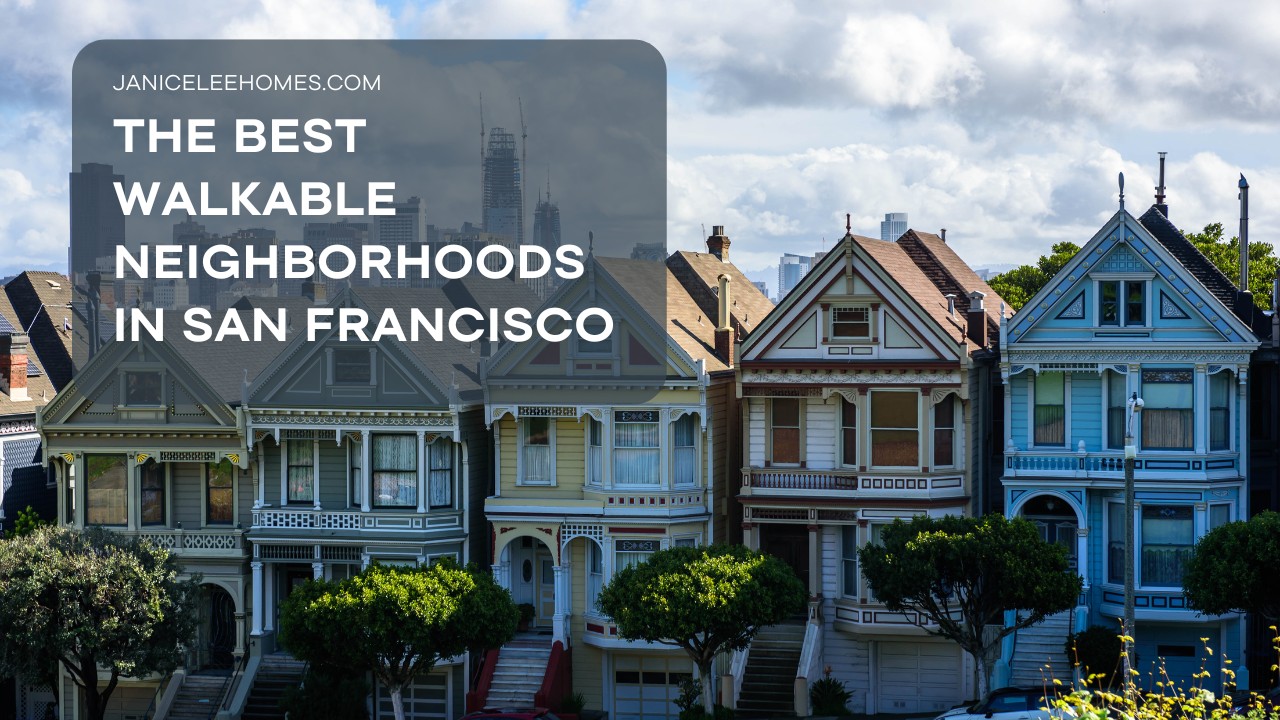
San Francisco consistently ranks as one of the most pedestrian-friendly cities in the United States. Its compact urban design, robust public transportation network (including Muni and BART), and vibrant street life make it a haven for those who prefer exploring on foot. Living in one of San Francisco’s top walkable neighborhoods offers a unique blend of convenience, health benefits, and community connection.
What Defines a Truly Walkable San Francisco Neighborhood?
A highly walkable neighborhood, often reflected in a high Walk Score®, typically features:
- Proximity to Essential Amenities: Grocery stores, diverse restaurants, cafes, shops, and public transportation stops should be easily accessible within a short walk.
- Pedestrian-Focused Infrastructure: Well-maintained, wide sidewalks, safe crosswalks, adequate street lighting, and accessible curb ramps are crucial for a positive walking experience.
- Safety and Accessibility: Streets designed with pedestrians in mind, promoting safety for people of all ages and abilities. Traffic calming measures can contribute significantly.
- Vibrant Atmosphere & Community: Engaging streetscapes, inviting public spaces like parks and plazas, local events, and a sense of community encourage people to walk and interact.
The Perks of Living in a Walkable SF Community
Choosing a pedestrian-friendly neighborhood in San Francisco brings numerous advantages:
- Unbeatable Convenience: Run daily errands, commute, or enjoy leisure activities often without needing a car, saving time and hassle (especially with SF parking!).
- Improved Health and Well-being: Integrating walking into your daily routine is excellent for physical fitness and mental clarity.
- Reduced Environmental Footprint: Less reliance on cars means lower carbon emissions, contributing to a greener city.
- Stronger Community Connection: Walking encourages spontaneous interactions with neighbors and local businesses.
- Potential for Higher Property Value: Homes in high-demand, walkable San Francisco neighborhoods often command premium prices and tend to appreciate well over time.
Best Walkable Neighborhoods in San Francisco: Top Picks for 2025
San Francisco boasts numerous areas perfect for pedestrians. Here are some of the most sought-after:
North Beach – Historic Charm & European Flair
- Walkability Highlights: Famous for its Italian heritage, Beat Generation history, lively cafes along Columbus Avenue, and cozy restaurants. Easy walks to Washington Square Park, Coit Tower views, and Fisherman’s Wharf vicinity. It feels distinctly European and highly accessible on foot.
- Vibe: Energetic, historic, artistic.
Mission District – Cultural Hub with Unbeatable Walk Score
- Walkability Highlights: A culturally rich tapestry known for its Latino heritage, vibrant murals (especially in Clarion Alley), incredible taquerias, and eclectic shopping. Valencia Street is a pedestrian paradise with boutiques, bars, and eateries. Dolores Park is a major nearby attraction. Excellent Muni access.
- Vibe: Diverse, bustling, trendy, artistic.
The Marina – Scenic Waterfront Living & Active Lifestyle
- Walkability Highlights: Offers stunning Golden Gate Bridge, Alcatraz, and bay views along the Marina Green and waterfront paths. Chestnut Street is the main commercial artery, packed with shops, gyms, restaurants, and bars catering to an active crowd. Fort Mason Center hosts events and a farmer’s market.
- Vibe: Active, upscale, scenic, social.
Nob Hill – Iconic Views and Classic San Francisco Elegance
- Walkability Highlights: Known for its historic architecture, luxury hotels, and panoramic city views. While hilly, its central location provides walking access to Union Square, Chinatown, and Russian Hill. Iconic cable car lines run through the neighborhood, adding to the charm and providing transit options. Grace Cathedral and Huntington Park are key landmarks.
- Vibe: Elegant, historic, central, sophisticated.
Hayes Valley – Chic Boutiques and Community Green Space
- Walkability Highlights: A revitalized neighborhood known for its high-end boutiques, independent shops, diverse dining options (from casual to upscale), and Proxy outdoor space. Patricia’s Green park is a central gathering spot. Close proximity to the Civic Center cultural institutions (Opera, Symphony, Ballet).
- Vibe: Trendy, stylish, community-focused, convenient.
SoMa (South of Market) – Dynamic Urban Hub & Cultural Institutions
- Walkability Highlights: A large, diverse district blending residential lofts and condos with tech offices, museums (like SFMOMA), galleries, and nightlife. Certain pockets are highly walkable, especially around South Park or near Oracle Park (Giants stadium). Excellent transit connections via Muni and Caltrain.
- Vibe: Urban, modern, fast-paced, diverse.
How Walkability Influences San Francisco Real Estate Values
In the competitive San Francisco real estate market, walkability is a major value driver. Properties located in neighborhoods with high Walk Scores® and easy access to amenities, transit, and desirable lifestyle features are consistently in high demand. This demand translates directly into:
- Higher Purchase Prices: Homes in top walkable areas often sell for a premium.
- Stronger Rental Demand: Attracts renters willing to pay more for convenience and a car-light lifestyle.
- Faster Appreciation: Historically, these areas tend to see robust property value growth.
Finding Your Ideal Walkable San Francisco Neighborhood
Consider your lifestyle priorities:
- Foodies: The Mission District and North Beach offer unparalleled culinary diversity.
- Lovers of Scenic Strolls: The Marina (waterfront) and Nob Hill (city views) provide stunning backdrops.
- Trend Seekers: Hayes Valley boasts cutting-edge fashion, food, and design.
- Urbanites: SoMa delivers a quintessential, fast-paced city living experience.
Conclusion: Embrace the Pedestrian Lifestyle in SF
San Francisco offers an exceptional quality of life for those who value walkability. From the historic streets of North Beach to the trendy boutiques of Hayes Valley, there’s a pedestrian-friendly neighborhood to suit every taste. Choosing a home where you can easily walk to cafes, parks, and shops not only simplifies daily life but also connects you more deeply with the vibrant energy of this incredible city.
How to Buy a Multi-Unit Property in San Francisco
Thinking about purchasing a multi-unit property in San Francisco? It’s a significant decision—and a smart one! San Francisco’s real estate market is highly competitive, offering excellent opportunities for investors seeking strong returns. Whether you’re looking to generate rental income, build equity over time, or live in one unit while renting out the others, investing in a multi-unit property can be a financially rewarding move.
Understanding Multi-Family Properties
Before diving in, let’s explore the different types of multi-unit properties:
- Duplexes – Ideal for house hacking, allowing you to live in one unit while renting out the other.
- Triplexes and Quadplexes – Buildings with three or four units, perfect for generating rental income.
- Apartment Buildings – Consist of five or more units and are designed for long-term investment.
Pros and Cons of Investing in Multi-Unit Properties
Advantages
- Steady rental income provides consistent cash flow.
- Property appreciation increases value over time.
- Tax benefits offer potential deductions and financial advantages.
Challenges
- Higher maintenance costs due to multiple units.
- Managing tenants and property-related issues requires time and effort.
- Potential vacancies can impact rental income.
Why San Francisco Is a Great Place to Invest
San Francisco is one of the strongest real estate markets in the country. Here’s why investing in multi-unit properties here is a wise choice:
- High rental demand due to a thriving job market that attracts tenants year-round.
- Strong property appreciation, with real estate values historically rising over time.
- A housing shortage that maintains high rental prices, benefiting property owners.
Guide to Purchasing a Multi-Unit Property in San Francisco
Step 1: Determine Your Budget
San Francisco’s housing market is expensive, so it’s essential to establish a budget and explore financing options that fit your investment goals.
Step 2: Work with a Real Estate Agent
A knowledgeable real estate agent specializing in San Francisco can help you find opportunities, navigate competitive bidding situations, and identify high-potential properties.
Step 3: Explore Financing Options
Multi-unit properties often require specialized financing, including:
- Conventional mortgages for qualified investors.
- FHA loans, which are government-backed and offer lower down payments for owner-occupants.
- Commercial loans designed for buildings with five or more units.
Getting pre-approved for a loan can make your offer more competitive.
Step 4: Choose the Right Neighborhood
Some of the best areas in San Francisco for multi-unit investments include:
- Mission District, a high-demand area with increasing property values.
- Noe Valley, known for its family-friendly atmosphere and strong community ties.
- Sunset District, a great long-term investment option with stable rental demand.
Step 5: Evaluate the Property Carefully
Before making an offer, consider key factors such as:
- Rental income potential
- Property condition
- Local vacancy rates
- Tenant rental history
Step 6: Understand Local Regulations
San Francisco has strict tenant protection laws, so it’s crucial to be aware of:
- Rent control policies that limit how much landlords can increase rent.
- Zoning and permit requirements for property modifications.
- Rental management rules that outline tenant rights and lease agreements.
Step 7: Decide on Property Management
After purchasing, you’ll need to choose between:
- Self-management, which is more cost-effective but time-consuming.
- Hiring a property management company, which handles tenant screening, maintenance, and rent collection but comes with additional costs.
Final Thoughts
Investing in a multi-unit property in San Francisco is an excellent opportunity to build long-term wealth. By working with a knowledgeable real estate agent, securing financing, and carefully evaluating properties, you can make a lucrative investment that provides financial stability for years to come.
What to Know About San Francisco’s Short-Term Rental Laws
San Francisco is a popular destination for tourists and visitors, making short-term rentals a common option for homeowners looking to supplement their income in the city’s competitive housing market. However, despite their popularity, San Francisco has some of the strictest short-term rental regulations in the nation. If you’re considering listing your property on Airbnb or any other short-term rental platform, it’s crucial to understand the city’s laws to avoid fines and potential legal issues.
Understanding San Francisco’s Short-Term Rental Regulations
San Francisco defines short-term rentals as renting out a space for fewer than 30 consecutive nights. These rentals are regulated by the Office of Short-Term Rentals, which ensures housing availability and fair competition with hotels and other lodging options.
Who Is Eligible to Operate a Short-Term Rental?
To legally operate a short-term rental in San Francisco, you must:
- Reside in the property as your primary home for at least 275 days per year.
- Own the property or have written approval from your landlord if renting.
- Only rent out your primary residence—investment properties and secondary homes do not qualify.
Registration and Licensing Requirements
All hosts offering short-term rentals must register with the Office of Short-Term Rentals and obtain a Short-Term Residential Rental Registration Certificate. The process includes:
- Providing proof of residency.
- Obtaining a business registration certificate from the San Francisco Treasurer & Tax Collector’s Office.
- Paying a non-refundable application fee.
- Renewing the registration annually.
Rental Duration Restrictions
San Francisco has specific regulations regarding the number of days you can rent out your home:
- Unhosted rentals (where the owner is not present): Limited to 90 days per year.
- Hosted rentals (where the owner is on-site): No annual limit, but all regulations must be followed.
Compliance Requirements
Short-term rental hosts must adhere to city regulations, including:
- Displaying the registration number on all listings.
- Keeping records of all rental transactions.
- Ensuring guests follow noise and occupancy limits to prevent neighbor complaints.
Taxes and Additional Fees
Hosts are required to collect and remit the Transient Occupancy Tax (TOT), which is 14% of the rental fee. Platforms like Airbnb often handle tax collection automatically, but individual hosts remain responsible for ensuring compliance.
Impact on the Real Estate Market
Short-term rentals have sparked debate in San Francisco, with concerns that they contribute to housing shortages and rising rental prices. Regulations aim to prevent property owners from turning homes into full-time vacation rentals, ensuring that housing remains available and affordable for long-term residents.
Common Mistakes to Avoid
To maintain compliance, avoid these common pitfalls:
- Failing to register your rental: Fines can reach up to $1,000 per day.
- Exceeding rental limits: Renting for more than the allowed 90 days (for unhosted stays) can result in penalties.
- Ignoring tax obligations: Failure to pay the Transient Occupancy Tax can lead to fines.
- Providing false residency information: Authorities actively investigate and penalize misrepresentation.
Conclusion
San Francisco’s short-term rental laws are designed to balance the interests of homeowners, renters, and the broader housing market. By complying with these regulations, hosts can legally operate their rentals while positively contributing to the community. If you’re unsure about any requirements, consulting a real estate professional in San Francisco can help you navigate the process smoothly.
